Can Bad Gas Cause Check Engine Light to Come on? A Complete Guide That Works
Can bad gas cause check engine light to come on? Yes, bad gas can definitely trigger that light.
When your engine isn’t running smoothly because of poor-quality fuel, the car’s computer detects the problem and alerts you. This light acts as an early warning for fuel-related issues or other engine trouble.
Look for signs like rough idling, stalling, or loss of power along with the check engine light. These symptoms often signal problems with the fuel system or combustion.
Avoid guessing repairs. Getting a proper diagnosis helps save money and prevents further damage to your engine.
A flashing check engine light is especially serious. It usually means a misfire, which can quickly damage your catalytic converter. If your check engine light flashes, stop driving immediately and turn off the engine to avoid costly repairs.
Key Takeaways
- Bad gas can cause your check engine light to come on.
- A flashing check engine light means engine misfire and urgent attention.
- Look for rough running or stalling when the light appears after fueling.
- Always get a diagnostic scan instead of guessing repairs.
- Driving with bad gas symptoms can damage your catalytic converter.
- After fueling, watch the engine performance before assuming sensor failures.
Can Bad Gas Actually Trigger the Check Engine Light?
Yes, bad gas can cause the check engine light to come on. This happens because poor-quality fuel can cause engine misfires or disrupt the fuel mixture. The car’s computer detects these issues and triggers the warning light.
The engine control module (ECM) constantly monitors sensors like the oxygen sensor and mass airflow sensor. When the fuel doesn’t burn properly, these sensors report abnormal data.
A lean or rich mixture caused by bad gas forces the ECM to adjust fuel trims. When the system can’t fix the issue, the check engine light turns on.
Bad gas can also activate codes related to the evaporative emissions system (EVAP). After refueling with contaminated fuel, the EVAP system may detect vapor leaks or pressure changes. Problems like a loose gas cap trigger this system too.
Bad gas can make fuel vapors act strange. That also triggers the check engine light.
The light appears for various fuel troubles. These include bad fuel, wrong octane, or fuel with water and debris. When bad gas reduces engine efficiency, misfires or sensor errors occur.
The car’s diagnostics system logs error codes from these problems. This turns the check engine light on.
Repair costs for fuel-related issues vary greatly. Fixing something simple, like a loose gas cap, costs about $50.
Severe problems like fuel pump damage can cost $3,500 or more. It’s smart to check the basics, like the gas cap, before assuming the worst.
Common Symptoms Accompanying a Check Engine Light from Bad Fuel
A check engine light linked to bad gas usually comes with other signs. You might see engine misfires and uneven idling. The car may hesitate when you press the gas.
You could also get worse fuel economy. These signal your engine is struggling because of poor fuel quality.
Engine Misfire and Shaking
One of the most common issues from bad gas is an engine misfire. This happens when the fuel-air mix doesn’t ignite properly. Your engine might shake or jerk, especially under load or acceleration.
A flashing check engine light often points to active misfires. Unburned fuel may reach your catalytic converter. Repairing it could cost between $1,500 and $3,500.
This happens if the converter gets damaged. The longer the misfire lasts, the more damage you get.
It can add up quickly and get expensive. So stop driving as soon as it happens.
Rough Idle and Hesitation
When fuel quality drops, your engine can idle roughly, feeling uneven or shaky at low speeds. This happens because impurities in the gas disrupt smooth combustion. You might also notice hesitation when you push the accelerator, as the engine struggles to respond.
These symptoms suggest your fuel system isn’t working right. The sensor data your car reads will detect this and trigger the check engine light.
Poor Fuel Economy
Bad fuel often causes your car to burn more gas than usual. Poor combustion efficiency means you’re not getting the expected miles per gallon.
Your trips to the pump will feel more frequent. The fuel cost adds up.
This hits your wallet because the engine changes its fuel mix. It runs richer with too much fuel or leaner with too little.
These adjustments waste fuel and cause problems. Both affect fuel efficiency and performance.
Other Common Symptoms
Besides the main ones, several other clues point to bad gas:
- Engine knocking or pinging sounds during acceleration
- Difficulty starting the car or stalling soon after starting
- Loss of power or sluggish acceleration
- Black smoke from the exhaust indicating over-fueling
- Strong, unusual fuel odors inside or outside the vehicle
These signs usually accompany the check engine light when low-quality fuel is causing trouble.
What to Watch for After Refueling
Bad gas symptoms often show up within a few miles after filling your tank. Pay attention to any sudden changes in how your engine runs. Don’t ignore a flashing check engine light; it demands immediate attention.
Check your fuel cap and filler area carefully. Look for dirt or damage that could cause leaks.
These problems may trigger sensor warnings. Sometimes, this looks like bad gas symptoms but has a simpler cause.
Stop driving if the check engine light flashes red. This usually means serious misfires that harm the engine. Continuing to drive can cause big damage fast.
Which Engine Codes Signal Bad Fuel Issues?
Bad gas can trigger several specific diagnostic trouble codes (DTCs) in your car’s onboard system. The most common ones relate to engine misfires and improper air-fuel mixtures. These codes point to how the engine struggles with poor fuel quality.
Some codes show instantly; others may start as pending codes before becoming confirmed. A pending code means the issue appeared but is not consistent yet. Confirmed codes show the problem is ongoing, which usually turns on the check engine light.
| Code | Meaning | Why It Matters |
|---|---|---|
| P0300 | Random/Multiple Cylinder Misfire Detected | Bad gas often causes engine knocks or misfires. This harms engine performance. |
| P0171 | System Too Lean (Bank 1) | Indicates poor fuel mixture, usually from bad gas leading to lean combustion. |
| P0420 | Catalyst System Efficiency Below Threshold | Signals catalytic converter damage, often after prolonged fuel problems or misfires. |
| P0456 | Evaporative Emission System Leak Detected (Small Leak) | May relate to fuel vapor leaks, sometimes triggered by poor fuel quality or gas cap issues. |
Catalytic converter codes like P0420 can happen if bad gas causes ongoing engine misfires. These misfires let unburned fuel enter the converter, heating it up and causing damage.
Your check engine light flashes when the engine misfires badly. This flashing means the engine could get damaged if you don’t act.
Pending fuel-related codes like P0300 and P0171 usually show before confirmed codes. Use a scanner tool to check these codes early if your light is soft or off. This helps catch fuel issues before they cause bigger problems.
Knowing the difference between pending and confirmed codes can save money. Pending codes warn you early. The fix might be switching to better fuel.
Or it could mean replacing the gas cap. Both are usually easy fixes. Codes may show sensors or the catalytic converter need repair.
These parts can cost several hundred dollars. Fixing them usually takes some time.
How Bad Gas Causes Different Types of Check Engine Light Alerts
A steady check engine light shows your car has a non-urgent issue that needs looking at soon. It usually means a problem that can wait a bit but not too long. When bad fuel causes the light, it may turn off after driving several times while the system resets.
A flashing check engine light is more serious. It indicates an active engine misfire, which can damage parts quickly. Bad fuel can cause this by disrupting combustion, throwing off engine timing, or clogging injectors.
Your check engine light flashing right after fueling means you should stop driving at once. Continued driving risks harming the catalytic converter or engine. Call for roadside assistance or have your car towed for diagnosis and repair.
When the check engine light is solid, you can keep driving carefully. Check the gas cap first, as a loose cap often triggers this light. Tightening the cap usually clears the problem within a few miles.
Should bad fuel, not the gas cap, cause the problem, the engine control unit might reset after driving for a few cycles. This process can take several starts and short drives, typically within a day of driving.
A faulty fuel charge causes rough running, which the system detects as a misfire. A flashing light warns you that the engine struggles immediately, which needs fast action. A solid light means the problem is less urgent but still needs a check soon.
Step-by-Step Diagnostic Checklist When Check Engine Light Comes on After Fueling
Start by checking simple issues first, like the gas cap seal. Then scan for trouble codes, which reveal what the onboard system detected. Finally, check recent fueling and sensor data.
Decide if fuel quality caused the issue. Call a pro if you’re not sure.
Check the Gas Cap Seal and Tightness
Loose or damaged gas caps are a common cause of check engine lights after refueling. The fuel system must stay sealed to prevent fuel vapor leaks.
Turn the gas cap clockwise until you hear a click or it feels firmly tight. Inspect the cap for cracks, worn seals, or damage around the rubber gasket.
A loose or bad gas cap can cause the EVAP system to find leaks. This triggers your check engine light to come on. Fixing it can be quick and free.
Scan for Diagnostic Trouble Codes (DTCs)
Use an OBD-II scanner to read your car’s computer for error codes. These codes show problems stored after the light turned on. These codes give clear clues about the problem.
Popular retail scanners cost from $30 to $100 and plug into the port under the dashboard. Some auto parts stores even scan your car for free.
Save the trouble codes from the scanner. Look them up to see if they relate to fuel, misfires, or EVAP issues. This step prevents guessing and unnecessary repairs.
Evaluate Recent Fueling History and Source
Recall where and when you last filled up fuel. Storing information about your last fuel stop helps identify if bad gas caused the issue.
Suspect fuel quality first when poor performance comes with the check engine light. Cheap or unknown stations could sell contaminated or poor-quality fuel.
Fuel problems show up as misfires or lean/rich running conditions. Your fueling history helps decide if you need a tank clean or to avoid a station.
Monitor Fuel Trim and Sensor Data for Anomalies
Fuel trims and oxygen sensor data reveal how the engine adjusts fuel delivery. Use an advanced scanner or mechanic’s diagnostic tool to view this live data.
Big positive or negative fuel trim values show lean or rich mixtures. Bad gas often causes these issues. Sensor readings outside normal ranges confirm the problem.
Tracking this over several driving cycles helps verify if the fuel system is adapting or struggling. Persistent issues usually need cleaning or repair.
Decide When to Visit a Professional Mechanic
The check engine light stays on or flashes after these checks? Time to call a pro. Professionals have advanced tools and expertise to fix complex fuel system faults.
Mechanics can test fuel quality with lab kits and clear codes properly after repairs. Diagnosing EVAP leaks or sensor failures also often requires specialized equipment.
Choosing professional diagnosis prevents costly mistakes and repeated trips. A service visit may cost $100 to $200 but saves you headaches later.
- Inspect gas cap for proper seal and tightness after refueling.
- Scan vehicle computer for stored or pending diagnostics trouble codes.
- Record your recent fuel stops and note any suspicious stations or fuel types.
- Check fuel trim and sensor data with an OBD-II live data tool.
- Drive for several cycles to see if the engine adapts and the light resets.
- Clean or tighten fuel system components if small leaks or sensor faults appear.
- Seek professional help if the light flashes or codes persist after fixes.
Do not ignore a flashing check engine light; it usually means an urgent misfire.
How Long After Using Bad Gas Will the Check Engine Light Come On?
Bad gas can trigger your check engine light quickly or take some time. When fuel has high ethanol or contaminants, engine sensors detect problems quickly.
You can see symptoms or the light within a few miles. It happens soon after using bad gas.
The check engine light won’t always come on right after refueling. Sometimes it takes 5 to 20 miles to trigger sensors.
Combustion or fuel changes cause this. Some cars react faster, especially if the bad fuel severely affects ignition or emissions.
When fuel quality is only a little off, the light may come on sometimes. It can take longer drives.
Severe fuel problems causing rough running or no-start situations can trigger the light immediately. The exact timing depends on your vehicle’s sensor sensitivity and engine type.
After draining bad gas, refilling with clean fuel doesn’t turn the light off right away. It can stay on for a while. The engine control unit needs several drive cycles to confirm normal.
This usually means 50 to 100 miles or more. Some cars clear the light faster if you use an OBD-II scanner to reset codes.
Symptoms often improve before the light goes off completely. You might notice smoother idling and better acceleration after a few tanks of good gas.
How long bad fuel stayed matters. Damage to injectors or sensors also affects recovery time.
Preventing problems saves money. Repairing damage costs about three times more than avoiding it. Use trusted gas stations and keep fuel additives ready.
This helps stop engine warning lights early. Pay attention to any drivability problems after refueling to catch bad gas early.
What to Do If Your Check Engine Light Comes on After Getting Gas
When your check engine light comes on right after filling up, act quickly. Sometimes bad gas can cause drivability problems like rough idling or hesitation. Taking steps fast helps protect your engine and stops more damage from happening.
Here’s what to do if your check engine light flashes or stays on soon after refueling:
- Check for noticeable issues. Listen for engine knocking, stalling, or poor acceleration. These signs mean your engine is struggling with the fuel.
- Drive gently. Avoid hard starts or heavy acceleration. This reduces stress on the engine while the bad gas passes through the system.
- Use a fuel additive. Choose a fuel system cleaner that breaks down contaminants. Follow the product instructions carefully, usually adding it to a near-empty tank before filling.
- Refuel at a reputable station. Add clean gas to help dilute the bad fuel. This step lessens effects and improves engine response.
- Monitor the light and performance.When the light stays on after 50 miles or your car drives worse, call your mechanic. Continuing with bad fuel might damage oxygen sensors or the catalytic converter.
- Consider a professional fuel system inspection. Mechanics can test for contaminants and recommend treatments like fuel tank cleaning or component replacement.
- Do not ignore recurring warning lights. Persistent check engine lights could signal serious fuel system harm needing urgent repair.
Bad gas may not always cause immediate engine failure. But it often triggers rough running or stalling. Using these steps keeps you safe and limits costly repairs.
Ignoring fuel system problems for days can cause catalytic converter damage. This repair can cost over $1,000. Taking simple, early actions avoids that risk and gets you back on the road safer.
How to Treat or Fix Bad Gas Without Removing It from the Tank
You can treat bad gas without draining your tank. Use fuel additives made to clean and stabilize fuel. These products help improve fuel quality.
These additives break down contaminants and water in the tank, helping your engine run better. Using them soon after suspecting bad gas is critical to prevent engine damage.
Fuel treatments can fix minor bad gas issues by restoring fuel quality and improving combustion. Look for products labeled as fuel system cleaners or anti-ethanol treatments. They typically cost between $10 and $20 per bottle and treat a full tank.
To fix bad gas, pour the right amount of fuel additive into your tank. Do this before you fill the tank completely. Follow the product’s directions exactly.
Then drive normally to allow the additive to circulate and clean the engine and fuel lines. It can take one to two tankfuls of treated fuel to notice improvement.
- Use a fuel system cleaner to remove deposits and improve engine performance
- Add a water remover if you suspect moisture contamination in the fuel
- Use ethanol stabilizers to counteract ethanol-related fuel degradation
- Add a small amount of diesel fuel if you put a few ounces in a gas tank by mistake. Keep it minimal to avoid bigger problems. This can help reduce issues.
- Drive gently after treating to help the additive work through the system
- Repeat additive use the next fill-up if symptoms persist
- Skip additives if the gas smells or looks severely off; draining may be needed
Commercial additives often contain detergents that prevent gum and varnish buildup. They cost less than a fuel system repair, which can run into hundreds of dollars.
Fuel treatments won’t fix severe contamination. But they work for typical ethanol or water mix-ups.
Don’t add more fuel before treating the bad gas. Topping off dilutes treatment and lowers effectiveness.
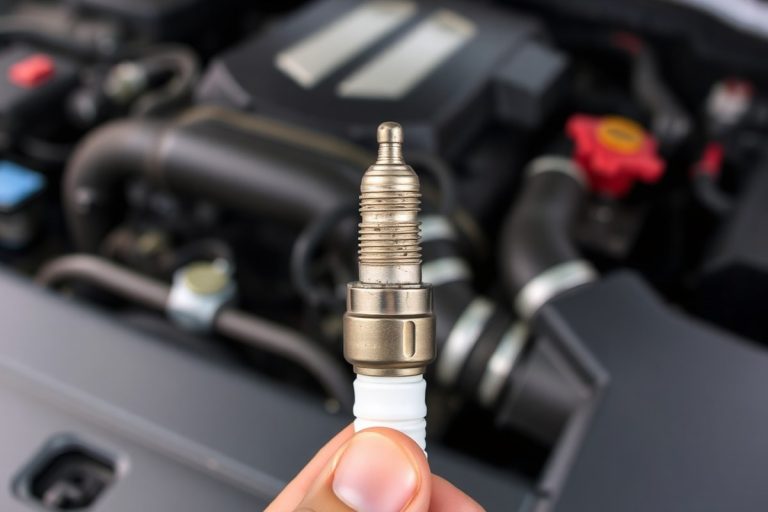
Some additives include corrosion inhibitors that protect your engine while cleaning fuel lines. Expect smoother idling and fewer misfires within a few days of use. Check the air filter and spark plugs next if the car stalls or runs poorly after treatment.
Safety is important when inspecting these parts. This can help find the problem.
Preventive Maintenance and Best Practices to Avoid Fuel-Related Check Engine Lights
Preventing check engine lights caused by bad gas starts with careful fuel choices and regular maintenance. You should pick trusted stations, use proper octane, and clean your fuel system as needed. Adding fuel stabilizers during storage stops fuel breakdown and saves your engine.
Choose Quality Fuel Stations and Proper Octane
Buying gas from reputable stations lowers the risk of contaminated fuel. Known brands often meet strict fuel quality standards, keeping your engine safe. Filling up at trusted places also reduces chances of water or dirt in your gas tank.
Using the right octane is key. Your engine needs a minimum octane for proper combustion and to avoid knocking. Gas with lower octane than recommended can trigger the check engine light quickly.
- Consult your owner’s manual for the correct octane rating.
- Avoid “premium” fuels if your car only needs regular; it wastes money.
- Look for stations that keep their tanks clean and avoid underground leaks.
- Fill up during cooler parts of the day to reduce evaporation and contamination.
- Check for local reviews on fuel quality or recent fuel recalls before choosing stations.
Regular Fuel System Cleaning and Filter Replacement
Cleaning fuel injectors every 30,000 miles helps stop build-up that causes misfires and poor performance. Using PEA-based fuel injector cleaners once or twice a year dissolves carbon deposits safely. Avoid alcohol-based additives since they damage seals and cause leaks.
Replace your fuel filter at about 60,000 miles. This keeps dirt and rust particles from entering the engine. Clean fuel helps your engine run better.
Even “lifetime” filters can clog fast in stop-and-go traffic. Clogs raise the risk of stalling. They can also trigger check engine lights.
Filters cost between $120 and $280. But skipping replacement risks more expensive fuel system damage.
Use Fuel Stabilizers for Vehicle Storage
Fuel breaks down and oxidizes after about 30 days, especially if you don’t drive often. Adding fuel stabilizers prevents gum and varnish build-up inside your tank and lines. This is essential if you store your vehicle for months or live in high-temperature areas.
Add the stabilizer when your tank is nearly full to reduce air contact and evaporation. Run the engine for a few minutes afterward to circulate the additive. Stabilizers cost around $10 to $20 and can save hundreds in fuel system repairs.
Monitor Ethanol Content and Vehicle Compatibility
Fuel with ethanol can attract water, increasing corrosion risk and injector clogs. Most vehicles work fine with up to 10% ethanol (E10). Higher blends like E15 or E85 often need special engines or modifications to prevent damage.
Check your owner’s manual to confirm the maximum ethanol percentage your car supports. Using fuels beyond that can cause rough running and trigger the check engine light.
Stick to ethanol levels your vehicle’s manufacturer recommends. This helps avoid fuel system issues in your car.
Step-by-Step Action Plan to Handle Check Engine Light from Bad Gas
Follow these steps to address a check engine light that might be from bad gas. Each step helps you track your progress and know what to do next.
- Immediately after fueling: Avoid driving aggressively. Watch if the check engine light comes on or your car runs roughly.
- Within a few hours: Restart your car and see if the light resets or stays on. This can indicate if the fuel issue is minor or serious.
- Next day: Fill your tank with high-quality, reputable gas. This helps dilute bad fuel and improves engine performance.
- 3 days after fueling: Drive normally to let the fuel system clear out impurities. Check if the engine light turns off on its own.
- After 1 week: Check if the engine light is still on. Use a professional OBD-II scanner or visit a repair shop to read the engine codes. This will show what issue triggered the light. Knowing the specific code guides the repair.
- Within 2 weeks: Read the engine codes to see if fuel system trouble appears. Take your car to a mechanic for a full check. They will inspect fuel filters and fuel injectors. Cleaning or replacement may be needed.
- After 2 weeks: If the problem persists, consider a fuel system cleaning service. This removes deposits caused by bad gas effectively.
Frequently Asked Questions
Can Bad Gas Cause the Check Engine Light to Come On?
Yes, bad gas can cause the check engine light to come on. It disrupts engine performance and triggers sensor alerts that your car’s computer detects as a problem.
Will My Check Engine Light Come on Immediately After Using Bad Gas?
The light may not come on right away. It can take a few miles. Sometimes, it takes several engine cycles.
This delay happens because your car’s computer needs time. It detects ongoing issues caused by bad gas.
How Can I Tell If My Check Engine Light Is Due to Bad Gas or Another Issue?
You can check for symptoms like rough idling or misfires after refueling. Also, scan the engine codes.
Look for fuel or sensor-related problems. These point to bad gas, not other faults.
Can I Fix the Bad Gas Problem by Adding Fuel Injector Cleaner or Additives?
Additives may help improve combustion and sensor function but won’t remove bad gas itself. They can ease symptoms temporarily.
But they don’t replace draining bad fuel. Especially if the damage is severe.
What Steps Should I Take If My Check Engine Light Comes on After Filling Up with Gas?
Start by checking the gas cap for a tight seal. Then look for fuel system codes and symptoms like misfires.
Consider fuel cleaning if problems continue. Talk to a mechanic to avoid engine damage.
The Bottom Line
Bad gas can trigger your check engine light by causing fuel system issues. Acting fast helps prevent bigger engine problems. Start by using better fuel and watching for changes in your car’s behavior.