How Exhaust System Operation Failures Affect Engine Performance: A Complete Guide
Understanding how exhaust system operation failures affect engine performance helps you fix problems fast. A failing exhaust can reduce power, lower fuel efficiency, and increase emissions.
Fixing leaks or clogged parts often restores performance quickly. Start by checking your vehicle for unusual noises or smells, signs common with exhaust troubles.
Exhaust problems can cause your engine to run poorly or overheat. The exhaust removes gases that build up during combustion, so blockages hurt airflow.
This reduces how well your engine breathes, cutting power and increasing fuel use. A timely repair keeps your engine working smoothly and avoids costly damage.
Key Takeaways
- Check for exhaust leaks if your engine loses power suddenly.
- Listen for louder or unusual noises from the exhaust system.
- Watch for a drop in fuel economy as a key warning sign.
- Replace faulty sensors to improve exhaust and engine performance.
- Clogged catalytic converters can limit airflow and reduce engine power.
- Keep up regular exhaust inspections to catch problems early.
How Exhaust Failures Directly Reduce Engine Performance
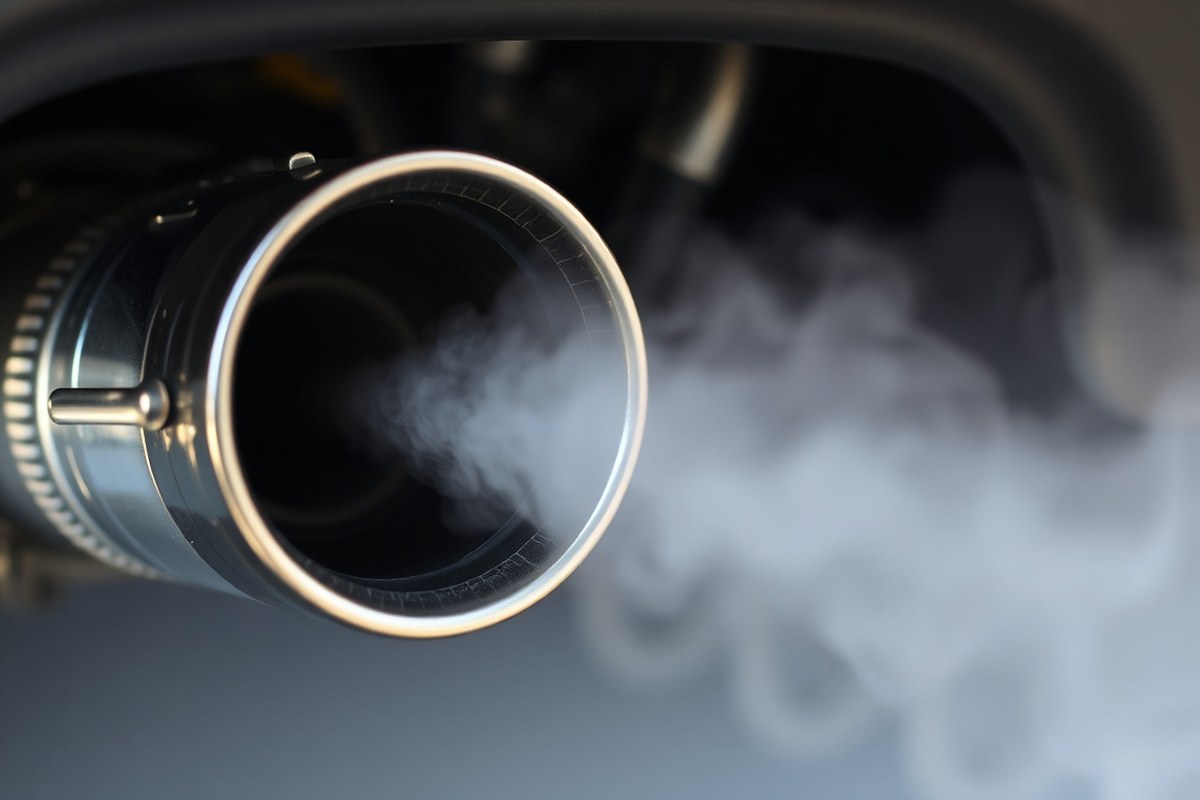
Exhaust restrictions create backpressure, which reduces engine power and efficiency. When exhaust gases can’t flow freely, the engine has to work harder to push them out. This extra effort lowers acceleration and horsepower, making the vehicle feel sluggish.
Backpressure is the resistance against exhaust gas flow within the system. Too much backpressure disrupts the balance of pressure in the engine and turbocharger. For turbocharged engines, this reduces boost pressure, cutting horsepower and slowing down engine response.
Leaks in the exhaust system also cause performance problems. Exhaust gases leak out too soon. This change spoils the engine’s air-fuel mix.
That mix is what the engine needs to burn fuel well. When combustion isn’t complete, the engine burns more fuel and produces less power.
Restricted exhaust flow can increase engine temperature and mechanical stress. The engine can’t push out hot gases fast enough. Heat builds up in the cylinders.
This causes problems for the engine. Over time, this can lead to overheating and engine damage.
A clogged catalytic converter often creates this restriction. It blocks exhaust gases, increasing backpressure and reducing power output. Drivers may notice slower acceleration or a heavy feel when pressing the gas pedal.
For diesel engines, poor exhaust flow impacts turbocharger efficiency even more. The turbo depends on fast-moving exhaust gases to spin its turbine and boost engine power. Obstructions slow exhaust gases, making the turbo work harder and wear out quicker.
Fixing exhaust failures often involves cleaning or replacing damaged parts. Removing blockages or leaks restores proper flow and backpressure levels. This brings back engine power and improves fuel efficiency, saving money on fuel over time.
Checking exhaust system health regularly can catch problems before they hurt engine performance. A mechanic can test backpressure with special gauges or check for leaks using smoke machines. These quick tests prevent costly repairs later and keep your engine running smooth.
Identifying Key Signs of Exhaust System Problems Affecting Your Engine

When your exhaust system starts failing, some warning signs are hard to miss. Loud noises from the tailpipe or under your car mean a problem. There might be a hole or crack in the exhaust pipes.
It could also be in the manifold. The engine might also feel less powerful, struggling during acceleration or climbing hills.
You might notice a drop in fuel efficiency too. A damaged exhaust can mess up sensors that control fuel mix. This can make your car burn more gas than usual.
Sensors get confused by leaks or damage. This can cause your miles per gallon to drop over time.
Your driving habits may stay the same, but gas use rises. Fuel economy suffers even if you don’t change driving.
- Loud exhaust noise or popping sounds
- Reduced fuel economy over several tank fills
- Strong smell of exhaust fumes inside or near the car
- Shaking or vibrations felt in the seat or steering wheel
- Rough or uneven engine idling
- Check engine light turning on for emissions faults
Rotten egg or sulfur smells near the car hint at a problem. The catalytic converter might be damaged and leaking fumes. This smell means exhaust is not burning right.
Breathing these fumes can be unsafe and also signal serious exhaust blockage. Vibrations or a shaky idle can come from exhaust leaks. These leaks often happen around the manifold or pipe joints.
Driving feels rougher when these parts leak. These leaks can affect engine timing and performance.
Do not ignore a strong exhaust smell inside your car. It can be a harmful gas leak requiring immediate repairs.
Keeping a close eye on these symptoms helps catch exhaust problems early. Repairing or replacing faulty parts usually costs between $50 and $300, depending on the issue. Fix problems early to avoid bigger engine damage later.
Repairs get more expensive if you wait too long. You also save fuel by fixing leaks fast.
Common Types of Exhaust System Failures and Their Effects on Engine Performance
Exhaust system failures involve key parts like the catalytic converter, muffler, and manifold. Each failure type affects engine performance differently, causing issues like power loss or increased fuel use. Understanding these helps you spot and fix problems fast.
Catalytic Converter Clogging Effects
The catalytic converter can clog if unburned fuel or debris covers its internal surfaces. This reduces exhaust flow and causes backpressure against the engine. Backpressure forces the engine to work harder and lowers output power noticeably.
Clogging often results from engine misfires or bad fuel mixtures. Your converter replacement will cost $500 to $2,500.
Price changes with vehicle type and part quality. Driving with a clogged converter can eventually overheat the engine and damage other parts.
Damaged Muffler Problems
A damaged muffler has rust holes or dents. It disrupts exhaust flow. It also harms noise control.
This can create excessive noise and reduce engine efficiency due to uneven backpressure. You might also notice weaker acceleration or poorer fuel economy.
Replacing a muffler normally costs $100 to $400 for parts and labor. Ignoring muffler damage can cause further corrosion in the exhaust system. Proper muffler condition helps maintain smooth engine function and keeps noise within legal limits.
Exhaust Manifold Cracks and Leaks
Exhaust manifold cracks or leaks let gases escape early. This happens before sensors or converters. Early gas leaks cause bad sensor readings.
Engine control reacts with rough idling. Power loss and more emissions follow. It also often creates a ticking noise near the engine bay.
Corrosion and heat cause manifold damage over time. Repairing or replacing the manifold can cost $250 to over $1,000, depending on severity. Fixing leaks restores proper sensor readings and improves engine breathing, preventing further mechanical damage.
Oxygen Sensor Failure Impact
Oxygen sensors monitor exhaust gases to adjust the air-fuel mix for optimum engine performance. A bad sensor sends wrong info to the computer. This lowers fuel economy.
Emissions also rise. This may produce hesitation during acceleration or stalling at idle.
Oxygen sensors cost $100 to $300 each installed. Replacing faulty sensors quickly prevents damage to the catalytic converter and keeps the engine running efficiently. Most vehicles have multiple sensors, so the problem might affect one or more units.
How Exhaust Backpressure and Flow Restrictions Affect Turbocharged and Naturally Aspirated Engines
Exhaust backpressure is resistance against the flow of exhaust gases. It limits how well the engine breathes and lowers boost in turbocharged engines. This reduces overall power and efficiency across engine types.
Backpressure Impact on Turbo Diesel Engines
Turbo diesel engines rely heavily on proper exhaust flow to maintain boost pressure. Higher backpressure makes the turbocharger work harder, cutting boost and engine power. Controlled testing showed that rising backpressure reduces turbo boost pressure in these engines.
Diesel engines need efficient exhaust flow to keep fuel efficiency and power. Any restriction can cause the engine to consume more fuel and lose torque. This harm to breathing and boost can lead to sluggish engine response.
Effects on Gasoline Engines
Gasoline engines also feel the impact of exhaust restrictions but differently from diesels. Excessive backpressure limits exhaust gas exit, decreasing the fresh air-fuel mix intake. This hurts combustion efficiency and power output.
Unlike turbo diesel engines, naturally aspirated gasoline engines don’t have forced boost. Their airflow depends on how quickly exhaust leaves the cylinders. Any flow restriction creates a bottleneck, lowering engine efficiency and throttle response.
Comparison of Backpressure Effects by Engine Type
The table below shows how backpressure affects different engines in specific ways.
| Engine Type | Backpressure Impact | Performance Consequence | Fuel Efficiency Effect |
|---|---|---|---|
| Turbocharged Diesel | Reduces turbo boost pressure | Lower torque and engine response | Increases fuel consumption |
| Naturally Aspirated Gasoline | Slows exhaust gas exit | Lower power output and throttle delay | Reduced combustion efficiency, higher fuel use |
| Supercharged Gasoline | Similar to turbo but less sensitive | Reduced boost and power | Moderate fuel efficiency drop |
Maintaining good exhaust flow in all engines helps combustion stay efficient. Efficient exhaust flow supports better air intake and fuel burn inside cylinders. This keeps power output strong and fuel use manageable.
How Exhaust System Failures Disrupt Fuel Mixture and Combustion Efficiency
Oxygen sensors measure the oxygen level in exhaust gases to control fuel delivery. They send signals to the engine control module, which adjusts the air-fuel ratio. These sensors can fail and cause your engine to run poorly.
The engine may run too lean or too rich. This can harm how well it performs.
An exhaust leak lets extra oxygen get inside the system. This tricks sensors into thinking the engine needs less fuel. As a result, the fuel mix changes incorrectly.
This often causes a lean mixture, which can lead to engine knocking and overheating. A faulty sensor can cause a rich fuel mixture.
That means too much fuel burns and wastes energy. The engine runs harder and less efficiently.
Lean or rich mixtures cause incomplete combustion. That results in loss of power, rough idling, and increased emissions. You might hear rattling noises from your engine.
It could overheat because of knocking under light load. This also happens during acceleration.
When combustion is incomplete, carbon builds up in the engine, further reducing efficiency. The engine’s fuel economy drops, and you might see black smoke from the tailpipe. These symptoms worsen over time if you don’t fix sensor faults or exhaust leaks.
Your engine struggles to maintain steady idle when exhaust gases don’t flow properly. Backpressure increases, making the engine work harder to push out gases. This unbalanced airflow disrupts both combustion stability and the fuel mixture regulation done by sensors.
Fix any exhaust leaks quickly. They skew oxygen sensor readings and cause poor engine performance.
Safety and Environmental Risks of Operating with a Faulty Exhaust System
A faulty exhaust system can let carbon monoxide leak into your vehicle’s cabin. This poisonous gas has no smell.
So you might not notice it until symptoms like headaches or dizziness appear. Breathing in carbon monoxide is dangerous and could cause serious health problems or even death.
Besides health risks, exhaust failures cause harmful emissions to rise. A broken catalytic converter lets nitrogen oxides escape. Holes in the exhaust pipe release hydrocarbons.
These pollutants harm the environment and your health. These pollutants worsen air quality and may cause your car to fail legal emissions tests.
Fire hazards become a real concern if your exhaust leaks or overheats. Exhaust pipes can reach temperatures over 1,200°F during operation. Sparks or heat from a faulty exhaust system can start fires.
Dry leaves under your car are flammable. Leaking fluids near the exhaust also increase fire risk.
Legal consequences for emission failures vary by state. Many states require passing emissions tests during vehicle registration.
Failing because of exhaust problems can mean fines, registration denial, or mandated repairs. Fixing the exhaust promptly helps avoid these penalties and keeps your car street-legal.
- Have a mechanic check for leaks inside the cabin using a smoke test.
- Inspect the exhaust pipe and catalytic converter yearly for holes or rust.
- Replace worn gaskets and clamps to prevent dangerous gas leaks.
- Remove flammable debris near the exhaust regularly, especially in dry areas.
- Use certified replacement parts to meet emissions standards.
- Schedule emissions testing before state deadlines to avoid fines.
- Address strange smells or performance drops immediately to spot hidden leaks.
Ignoring these steps can lead to escalating damage and higher repair costs. Properly working exhaust systems keep toxic fumes out and help your engine run cleaner. Spending $100 to $300 now fixes exhaust problems early.
This prevents costly health issues down the road. It also helps avoid legal trouble from emissions violations.
Maintenance Strategies to Prevent Exhaust System Failures and Preserve Engine Health
Checking your exhaust system regularly keeps it free of rust, holes, and loose parts. These issues let extra oxygen enter the engine, causing the ECU to add too much fuel. You want to catch leaks early to avoid poorer fuel economy and rough running.
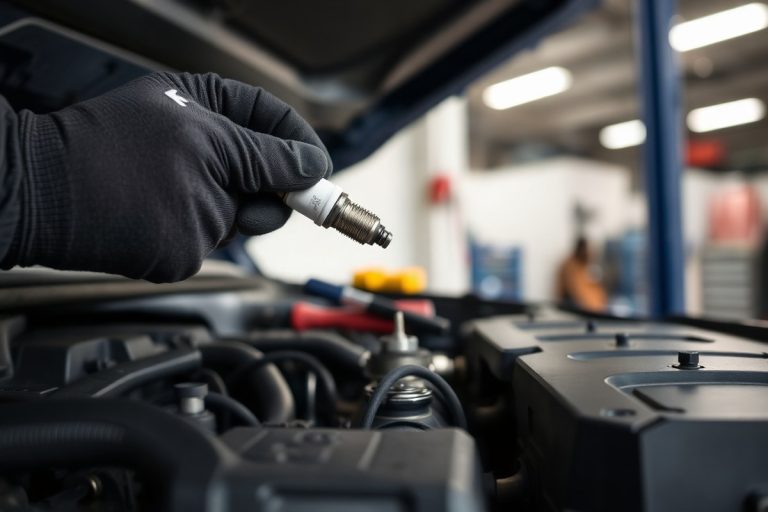
Keeping your ignition and fuel system in good shape also helps the exhaust last longer. Misfiring or running rich puts extra heat and load on exhaust parts. Change spark plugs every 30,000 to 50,000 miles and keep fuel injectors clean to avoid this.
Driving habits affect exhaust wear too. Frequent short trips can prevent the system from reaching full temperature, causing moisture buildup and corrosion. Highway driving helps burn off soot that clogs diesel particulate filters and increases backpressure.
- Inspect exhaust system for damage or leaks every 12,000 miles or yearly
- Replace spark plugs every 30,000 to 50,000 miles based on your vehicle’s schedule
- Use fuel system cleaner occasionally to maintain injector function
- Drive on highways regularly to heat and clean the exhaust system
- Listen for unusual noises or notice performance drops and check exhaust immediately
- Have a professional inspect exhaust components during major service intervals
A professional should check your exhaust system every year. This covers sensors, pipes, and the catalytic converter. It helps catch problems early.
This inspection helps catch hidden blockages or failures before they hurt engine health. The cost varies but ranges from $50 to $150, depending on your shop.
Good upkeep means your engine breathes easier, burns fuel cleaner, and runs cooler. Problems like limp mode and low boost often relate to exhaust. Fuel use that doesn’t make sense can also be a sign.
The exhaust system is a common cause. Acting fast helps you avoid expensive repairs and keeps your engine performing well.
When and How to Diagnose Exhaust System Failures Affecting Engine Performance
Diagnosing exhaust system failures starts with basic tools and careful checks. You’ll use a scan tool to find fault codes related to emissions or engine issues.
Visual inspection for leaks or damage helps narrow down the problem. Sometimes, professionals’ expertise and equipment are needed for tough cases or hidden faults.
Using OBD2 to Detect Exhaust Faults
Most cars made after 1996 have an OBD2 port that reveals exhaust system-related faults. A basic scan tool connects to this port and reads error codes from the engine computer. These codes can point to oxygen sensor issues, catalytic converter problems, or misfires affecting the exhaust.
A common error code like P0420 means the catalytic converter efficiency is low. This code helps focus your inspection and possible repairs without guesswork. Some scan tools show live sensor data, like oxygen levels.
They also display exhaust temperature. These details give clues to system health.
Visual and Physical Inspection Techniques
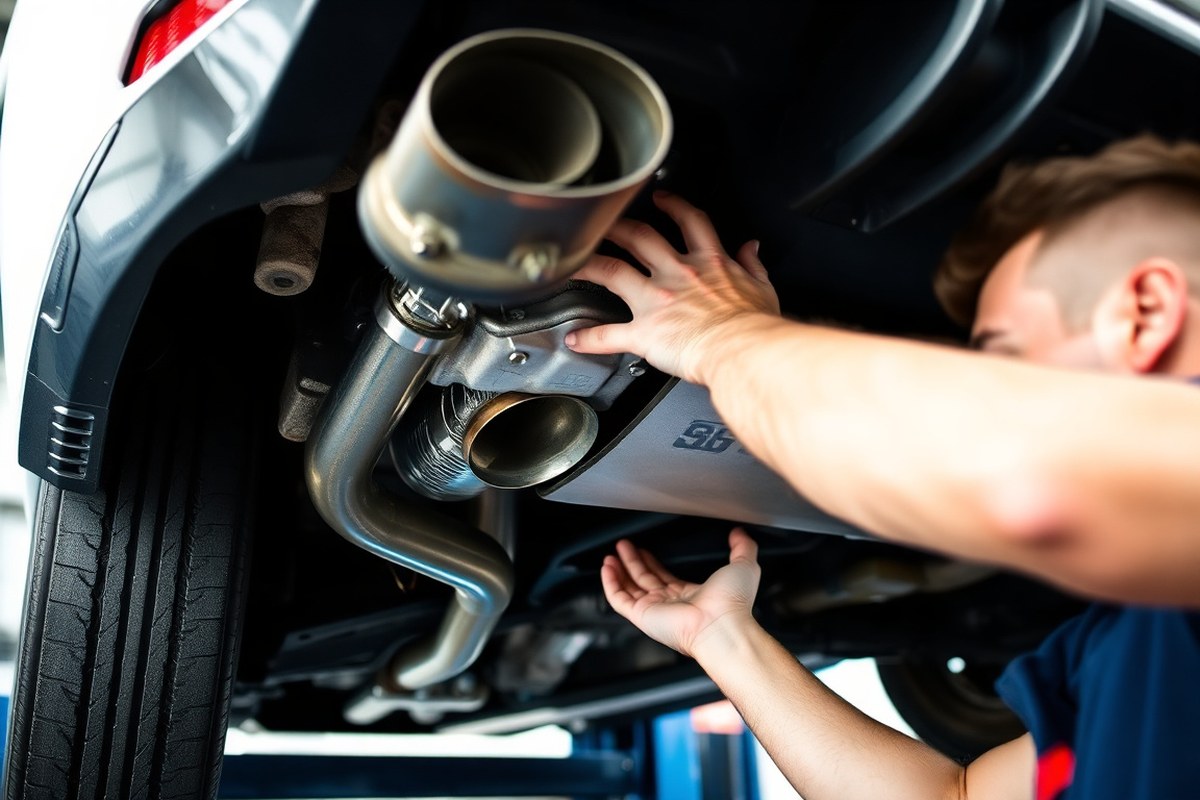
Look under your vehicle for signs of exhaust leaks or rusted pipes. Check joints, hangers, and mufflers for holes, cracks, or looseness. Bad welds or broken clamps often cause exhaust leakage and performance loss.
Use a flashlight and mirror to see hard spots. Run the engine and listen for hissing or popping sounds indicating leaks.
Feel for abnormal heat or vibration around the exhaust parts. Inspecting flex pipes or heat shields helps spot hidden damage.
- Park the vehicle on a flat surface and let the engine cool down.
- Plug in a scan tool to the OBD2 port and read stored codes.
- Lift the front of the vehicle with jack stands for better access.
- Visually inspect the exhaust pipes, muffler, and connections for damage.
- Start the engine and listen carefully for unusual noises.
- Check for exhaust odors inside the cabin, which signal leaks.
- Feel for any excessive heat or vibration near exhaust sections.
- No clear issues? Use the scan tool to capture live data.
Always let your exhaust cool before inspection to avoid burns and injuries.
When to Consult a Professional Technician
Complex faults like intermittent emissions failures require advanced diagnostic tools. Professionals use smoke machines to find invisible leaks and analyze exhaust flow dynamically. Repairs involving catalytic converters or oxygen sensors often need trained hands and specific tools.
Rough idling, failed emissions, or constant check engine lights are signs. They mean you should get help now.
Diagnostic fees usually range from $50 to $150 depending on the shop and the vehicle. The extra cost can save you time and prevent costly engine damage later.
A technician’s step-by-step process includes scanning, pressure testing, and parts inspection. They can also recommend the best repair or replacement options tailored to your car’s condition. Trust them before trying to fix complex exhaust problems on your own.
Repair Options and Cost Comparisons for Exhaust System Failures Impacting Performance
Fixing an exhaust system usually means replacing parts like the muffler, catalytic converter, or oxygen sensors. These repairs help restore how well your engine breathes and burns fuel. Doing the right repair can boost engine output and save gas mileage.
Oxygen sensor repairs often cost between $20 and $100 for the part. Labor costs might be low if you hire a shop. But you can save by doing it yourself if you have the tools.
A faulty oxygen sensor causes poor fuel mix. So fixing it improves engine running and fuel economy quickly.
| Repair Part | Typical Cost Range (Parts Only) | Labor Time | Performance Impact |
|---|---|---|---|
| Oxygen Sensor | $20 – $100 | 0.5 – 1 hour | Improves fuel mix and reduces emissions |
| Muffler Replacement | $100 – $300 | 1 – 2 hours | Reduces noise, restores exhaust flow |
| Catalytic Converter | $500 – $2,500 | 1 – 3 hours | Improves pollution control, prevents flow restriction |
| Exhaust Pipe Repair | $50 – $150 | 0.5 – 1.5 hours | Fixes leaks, prevents backpressure issues |
Replacing a catalytic converter is the most expensive repair. A clogged converter limits exhaust flow, causing engine lag and worse gas mileage.
You’ll feel better acceleration once you fix it. Muffler repairs are cheaper and mainly reduce noise while keeping exhaust flow steady.
Most exhaust fixes need leaks checked first. Engine trouble codes should also be scanned. Don’t start replacing parts without these checks.
This keeps you from spending on parts that don’t improve engine performance. Shops like Vehicle Masters repair all exhaust problems.
They fix tiny leaks and full systems. They use scans and inspections before work.
Step-by-Step Action Plan to Fix Exhaust System Failures
Follow these steps to catch and fix exhaust problems that hurt your engine. Each step helps you check your progress and know when to move on.
- Day 1: Inspect the exhaust for visible damage or leaks. Look for holes, rust, or loose parts. Fix any issues before driving.
- Week 1: Drive the car and listen for unusual noises like hissing or loud rumbling. Noise often signals an exhaust leak.
- Week 2: Check your engine’s fuel economy and power. Notice any drop, which may mean exhaust blockage or sensor trouble.
- Week 3: Use an OBD-II scanner to read engine codes. Codes related to oxygen sensors or catalytic converters point to exhaust failures.
- Week 4: If unsure, visit a trusted mechanic for a professional exhaust and engine check. Confirm the diagnosis before repairs.
- Week 5: Choose repair or replacement based on the mechanic’s advice. Use quality parts to ensure good engine performance.
- Week 6: After repairs, test drive to confirm smoother engine running and no strange exhaust sounds.
Frequently Asked Questions
Can a Damaged Exhaust System Lead to Engine Overheating?
Yes, a faulty exhaust system can cause engine overheating. It restricts heat release, which stresses engine parts and lowers performance over time. Regular checks prevent this risk.
How Does Exhaust Leakage Impact Engine Sensor Readings?
Exhaust leaks can cause false oxygen sensor readings. This confuses the engine’s fuel management system, leading to poor fuel mixture and reduced efficiency. Fix leaks quickly for accurate sensors.
Do Performance Exhaust Systems Always Improve Engine Power?
Not always. Performance exhausts may boost airflow, but benefits vary by vehicle and setup.
Some engines gain power; others might lose low-end torque. Consider your engine type before upgrading.
Can a Clogged Catalytic Converter Cause Engine Stalling?
Yes, a clogged catalytic converter limits exhaust flow, which can stall the engine. It chokes the system, making the engine struggle to expel gases. Replacing it restores smooth running.
What Role Does Exhaust System Design Have on Turbocharged Engines?
Exhaust design affects turbo spool time and boost pressure. Poor designs slow turbo response and reduce power. Well-designed systems improve air cycling, thus better performance.
Final Thoughts
Your exhaust system works closely with your engine to keep it running well. Neglecting repairs can hurt your engine and gas mileage. Start by checking your exhaust now, so your vehicle stays in good shape longer.