How Fast Does Gabapentin Work: What to Expect and How to Speed Relief
Gabapentin usually causes mild drowsiness or dizziness within one to two hours after taking it. Some people notice these side effects quickly.
But pain relief often takes longer to appear. The drug needs days to weeks to work fully as your dose adjusts.
It reaches peak blood levels in about 3 to 4 hours. Yet symptom improvement is not immediate.
Gabapentin builds up in your system gradually to reduce nerve pain or manage seizures. The full benefits often show after several weeks of consistent use.
Starting on a low dose is important because it helps your body adjust and lowers the chance of side effects. Avoid stopping gabapentin suddenly, as withdrawal symptoms like anxiety or seizures may occur. Always track your symptoms and talk with your doctor about your progress.
Key Takeaways
- Gabapentin’s peak blood levels happen about 3 to 4 hours after a dose.
- Mild side effects can start within 1 to 2 hours after taking gabapentin.
- Full pain relief usually needs days to weeks of steady dosing.
- Start with a low dose to reduce side effects and improve tolerance.
- Don’t stop gabapentin suddenly; follow your doctor’s instructions closely.
- Meal type affects how gabapentin absorbs when using extended-release forms.
How Fast Does Gabapentin Start to Work After You Take It?
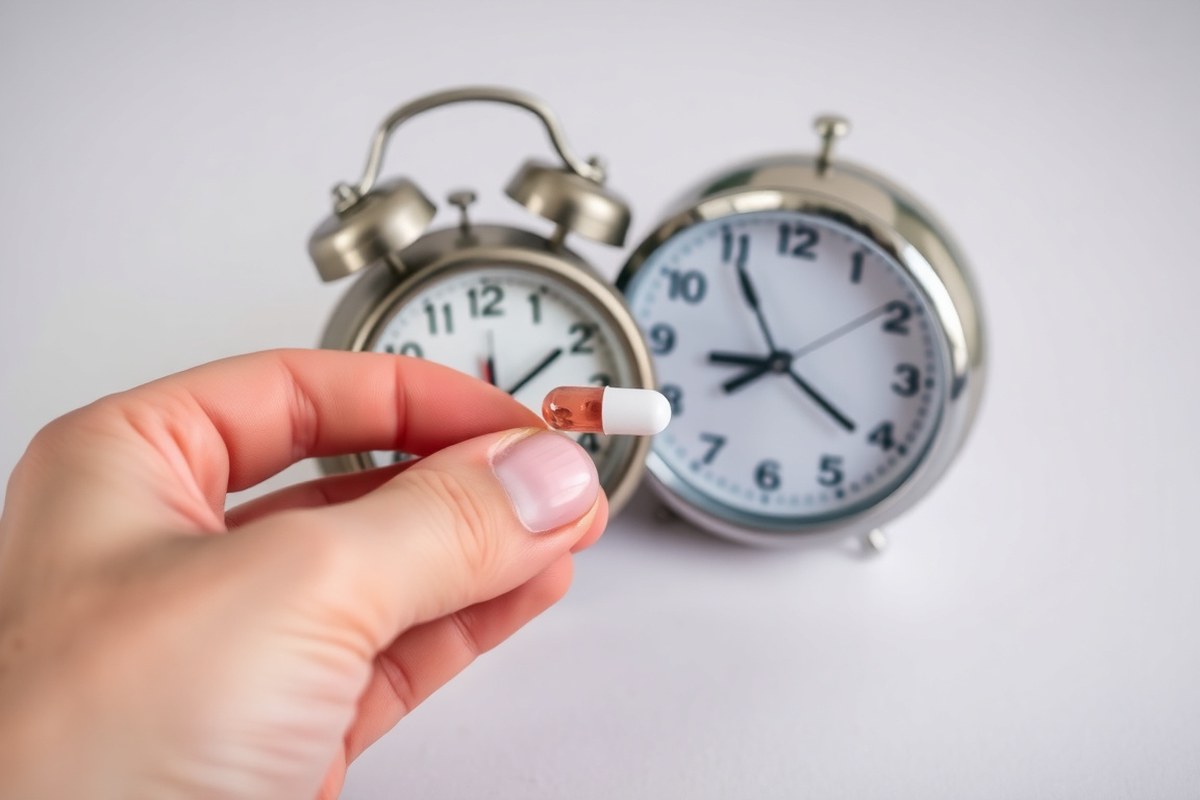
Gabapentin reaches its highest blood level about 2 to 3 hours after you take it. You might feel mild sedation within 1 to 2 hours.
Dizziness can also happen in that time after a 300 mg dose. However, this early effect doesn’t mean you’ll get full pain relief or anxiety reduction right away.
Meaningful relief often takes days or weeks. Most people need doses between 900 and 1,800 mg daily, gradually increased by their doctor.
Pain relief from nerve damage usually starts in 2 to 4 weeks. This happens when you take the right dose.
Even if you notice mild effects early, the full benefits require your body to adjust. This happens as the medication builds up and works steadily on your nerves or brain chemistry. That’s why doctors increase your dose slowly to reduce side effects like dizziness or sedation.
For example, if nerve pain gets worse at night, take gabapentin then. Take it 1 to 2 hours before bedtime.
The peak sedation can support sleep, making early mild effects work for you. Still, expect the main pain relief after consistent use over several weeks.
Watch for early side effects within hours after taking gabapentin. Plan on 2 to 4 weeks to see full symptom improvement. Contact your healthcare provider if you see no changes after a few weeks.
Also, talk to them if side effects feel too strong. Stopping gabapentin suddenly can cause withdrawal. So always follow your doctor’s guidance throughout the treatment.
Which Factors Influence How Quickly Gabapentin Works?
Kidney function plays a big role in how fast gabapentin clears from your body. The kidneys filter gabapentin. So if you have kidney problems, the drug can stay in your system longer.
This means its effects might last more but can also increase side effects. Doctors often lower your dose or space out your pills if your kidney function is reduced.
The amount of gabapentin you take and how often you take it also matter. Starting doses often begin at 300 mg once daily, increasing every 3 to 7 days. Raising your dose faster might speed up relief.
But it can cause side effects like dizziness. Sticking to the prescribed schedule helps your body adjust and avoids sudden reactions.
Food has a small effect on gabapentin absorption. Taking it with a meal may boost absorption by about 14% and reduce stomach upset. You can take gabapentin with or without food.
But eating may help if you feel nausea. The type of meal doesn’t need to be specific. But a balanced diet supports your overall health.
Your metabolism and genetics influence how gabapentin works for you. Some people process the drug faster or slower, affecting how quickly relief comes. This variation means your doctor might adjust your dose based on your response.
Age, weight, and sex usually don’t change how fast gabapentin works. But they can affect side effects, especially in older adults.
Other medications can interfere with gabapentin’s speed and effectiveness. Some drugs may slow down or boost how gabapentin works, altering its effects.
Always tell your healthcare provider about all medications and supplements you take. They can check for interactions and adjust your treatment to keep it safe.
| Factor | Effect on Gabapentin Onset | How to Manage |
|---|---|---|
| Kidney Function | Slower clearance, prolonged effects and side effects | Doctor adjusts dose or extends dosing intervals |
| Dosage and Schedule | Higher dose and faster titration speed relief but raise side effect risks | Follow prescribed titration; report side effects promptly |
| Food Intake | Slightly improves absorption; reduces nausea | Take with food if stomach upset occurs |
| Metabolism & Genetics | Changes how fast drug clears and its effectiveness | Adjust dose based on personal response and side effects |
| Other Medications | Can alter gabapentin speed and effects | Inform provider of all drugs and supplements |
Always take exactly the gabapentin dose your doctor prescribed. Talk with your provider about any new medicines. Let them know if you have side effects.
How Gabapentin Works in the Body and Affects Symptoms
Gabapentin works by targeting nerve cells to reduce their overactivity. It binds to a specific protein subunit on these cells, which affects how they send signals. This process controls how quickly your symptoms improve, depending on what condition you’re treating.
Binding to α2δ Subunit
The key target of gabapentin is the α2δ subunit on voltage-gated calcium channels in nerve cells. This subunit controls calcium flow, which is important for nerve signal transmission. Gabapentin attaches to the α2δ subunit and lowers calcium entry into the nerve cell.
By reducing calcium flow, gabapentin limits the release of neurotransmitters. These chemicals carry pain and seizure signals to the brain. So, gabapentin’s binding to the α2δ subunit helps quiet down nerve activity at its source.
Impact on Nerve Excitability
When gabapentin reduces calcium entry, nerve cells become less excitable. This means they send fewer abnormal pain or seizure signals. Overactive nerves calm down, which helps reduce symptoms like pain and seizures.
This calming effect takes time to build up because nerve cells adapt slowly. As neurotransmitter release decreases, nerve circuits linked to symptoms start working more normally. This process gradually brings symptom relief rather than instant results.
Delayed Symptom Improvement Reasons
Even though gabapentin binds quickly to nerve cells, symptom relief often takes days to weeks. Your nerves and brain need time to adjust to lower activity. This delay occurs as the nervous system rebalances itself with less pain or seizure signaling.
New nerve pathways must develop, and damaged nerves begin healing during this period. In conditions like neuropathic pain, doses usually start low and increase slowly over days. This slow build-up helps avoid side effects but also delays full symptom relief.
Differences by Condition Treated
Gabapentin works at different speeds depending on the symptom it treats. For nerve pain, it may take up to a month to notice real relief. Pain relief comes as nerve cell activity calms over weeks with steady dosing.
Anxiety symptoms might improve faster but still need consistent treatment. Seizures often require higher gabapentin doses over longer periods to show effects. Each condition’s nerve pathways respond differently, causing changes in how fast you feel better.
How Long Does Gabapentin Take to Work for Different Conditions?
You can expect gabapentin to start working at different speeds depending on your condition. Pain relief may take days to weeks.
Seizure control usually takes longer, while anxiety benefits can appear after several weeks. Post-surgery pain relief is usually not immediate.
Neuropathic Pain Onset and Timeline
Gabapentin often begins easing nerve pain within one to two weeks at 300 mg daily. If pain relief is limited, your doctor might raise the dose to 300 mg three times daily. Increasing doses up to 600 mg three times daily can be necessary for better results.
Patients with diabetic neuropathy or postherpetic neuralgia notice gradual improvement. This slow onset happens because gabapentin targets nerve signals widely across the central nervous system. It quietly reduces abnormal nerve activity rather than providing instant numbness or relief.
Seizure Control Timeline
Gabapentin for seizures typically needs a few weeks to reach steady levels in your body. Dosing three times a day helps keep consistent blood levels to reduce seizures effectively. Stopping gabapentin suddenly is risky and can cause increased seizure frequency.
You may not see fewer seizures right away. It’s common to adjust doses gradually over weeks. Gabapentin works by calming the abnormal brain activity that triggers partial onset seizures.
Anxiety Symptom Improvement Timeline
Gabapentin is not for rapid relief of sudden or severe anxiety attacks. Instead, it may reduce anxiety symptoms over several weeks of consistent use. The calming effect on the central nervous system helps lower general anxiety levels slowly.
Improvement usually comes after two to four weeks but varies by person. Gabapentin’s off-label use for anxiety means your doctor will monitor your progress closely. It’s not meant to replace acute treatments for panic or severe stress episodes.
Acute Pain and Perioperative Use
Gabapentin does not provide fast pain relief after surgery. It’s sometimes used before or after surgery to reduce long-term nerve pain.
But you won’t feel immediate effects. Doctors may include it as part of a pain management plan to lower opioid needs.
The drug’s half-life is about 5 to 7 hours. So multiple doses spread through the day maintain balance.
You’ll need days of treatment before the medication meaningfully eases post-surgical discomfort. Short-term pain from surgery still requires other faster-acting medicines.
Differences Between Immediate-Release and Extended-Release Gabapentin
Pharmacokinetics Differences
Immediate-release gabapentin reaches peak levels in your blood within 2 to 3 hours. Extended-release gabapentin takes longer, peaking around 6 to 9 hours. This slower absorption means the drug stays in your system longer with steady blood levels.
Because of their different release rates, immediate-release capsules need to be taken multiple times daily. Extended-release tablets usually require only one or two doses each day. This affects the convenience and how you plan your medication times.
Food Interaction Impact
Taking immediate-release gabapentin with or without food has little effect on its absorption. For extended-release gabapentin, an empty stomach significantly lowers the amount absorbed. High-fat meals delay the peak but increase overall drug absorption.
Eating well before extended-release gabapentin can improve how much medication your body absorbs. This is important to keep drug levels steady and effective. Skipping food or eating too lightly may reduce its benefits.
Onset Speed Comparison
Immediate-release gabapentin works faster, with symptom relief often starting within a few hours. Extended-release gabapentin takes longer to kick in because it releases the drug slowly over time. This slow release avoids fast spikes in the drug but delays initial relief.
For quick symptom control, immediate-release is usually better. Extended-release suits patients who need consistent levels over a day or want fewer doses. Neither formulation provides instant relief like some painkillers because gabapentin acts on the nervous system gradually.
Dosing Schedules and Patient Use
Immediate-release gabapentin requires 3 or more doses daily, which may be harder to follow consistently. Extended-release gabapentin usually requires just 1 or 2 doses, making it easier to stick to. This can mean fewer missed doses and better overall results.
Start low and go slow with dosing either way to reduce side effects. Your doctor adjusts your dose over weeks to find the right balance. Regular timing is key, especially with extended-release, to keep steady drug levels in your body.
Take extended-release gabapentin with a meal to improve absorption and avoid lower drug levels.
How to Optimize Gabapentin to Work Faster and Better
Taking gabapentin with food can slow its absorption slightly but reduces stomach upset. You might want to take it with a light meal or snack if you feel nausea. For faster effect and fewer side effects, avoid heavy, fatty meals around dosing time.
Timing your doses evenly throughout the day helps keep steady drug levels in your blood. Gabapentin usually works best when you take it every 8 hours. Setting alarms to remind you can prevent missed doses and improve how quickly you notice effects.
Some habits or medications can reduce gabapentin’s effect. Avoid alcohol as it can increase drowsiness and slow your coordination. Antacids with aluminum or magnesium can affect gabapentin absorption.
Take them at least two hours apart to avoid problems. This helps gabapentin work better in your body.
- Start at 900 mg per day as your doctor advises and increase as needed
- Split total daily dose into three equal parts for steady blood levels
- Keep a consistent schedule, ideally every 8 hours
- Take gabapentin with a light snack to ease digestion
- Avoid alcohol and space antacids away from gabapentin doses
- Watch your mood, pain, or anxiety for early signs of relief
- Communicate regularly with your healthcare provider during dose changes
Increasing your dose in consultation with your healthcare provider can speed relief. Gabapentin can be started at 900 mg daily, which many tolerate well. Your provider may increase your dose slowly.
This prevents side effects from appearing suddenly. It also helps find the best dose faster.
Early signs of gabapentin working include less nerve pain, reduced anxiety, or calmer moods. These may appear within days, even if full benefits take weeks. Keep track of changes and share them with your provider to adjust treatment safely.
Common Mistakes That Delay Gabapentin Effectiveness (and How to Fix Them)
Skipping doses or taking gabapentin at irregular times often slows its effect. Gabapentin works best taken two or three times daily. Take doses at evenly spaced times throughout the day.
Consistency helps keep symptoms under control. Irregular timing can cause uneven levels of the drug in your bloodstream, delaying symptom relief.
Stopping gabapentin suddenly can cause symptoms to return or worsen quickly. Your body may need weeks or months to adjust. So never stop without a doctor’s advice.
Your provider will guide you to lower the dose slowly. This helps avoid withdrawal problems or symptom loss.
Some drugs and supplements can cut gabapentin absorption by up to 39%. Avoid taking them within two hours of gabapentin. This improves gabapentin’s effectiveness.
Antacids containing aluminum or magnesium are common examples. To avoid this, take gabapentin at least two hours before or after other medications and supplements.
Unrealistic expectations about how fast gabapentin works also cause frustration. Some people feel mild effects within hours.
But full benefits often take weeks or several months, especially at first. Patience and consistent use usually improve outcomes over time.
Talk to your healthcare provider if your first dose isn’t enough. Don’t increase the dose on your own. Your provider can adjust your treatment safely.
They may suggest slowly raising the dose or trying a different medication. Quick dose jumps won’t speed relief and might cause side effects.
Always tell your provider about every medicine, vitamin, and supplement. This helps avoid interactions that lower gabapentin’s effect. Being open keeps your treatment working well.
Being open about your routine allows them to adjust your treatment plan. This simple step can prevent delays in getting relief.
How to Recognize Gabapentin Is Starting to Work
Early signs gabapentin works include dizziness, tiredness, or trouble with coordination. These side effects are often mild. These side effects don’t happen to everyone.
But when they do, they may mean the medicine is starting to take effect. Pay attention to these changes during the first few days after starting or increasing your dose.
Look for small shifts in your symptoms over several days. For nerve pain, relief may start within a week. Better results appear by week four.
Anxiety relief from gabapentin can take one to two weeks. Symptoms improve more slowly for some.
Tracking your mood and symptoms each day helps see if gabapentin is helping. Write down any pain changes, mood swings, or side effects right after doses.
This record shows steady progress you might not notice. It also helps the doctor adjust your treatment.
For seizure control, improvements usually appear within the first week. Call your healthcare provider if no change or worsening symptoms occur after two weeks. They may need to adjust your dose or consider a different treatment.
Keep a daily journal of your pain, mood, and side effects. This helps track gabapentin’s effects clearly.
Note if your anxiety or pain becomes worse or side effects become severe. For example, feeling dizzy often or experiencing confusion must be reported to your doctor immediately.
Avoid alcohol while on gabapentin. It can increase side effects and raise risks of harm.
If you see small improvements but still feel unsure, wait a few more days. Your body might need time to adjust.
Most people see meaningful changes after about two weeks. Your doctor might change your treatment if nothing improves by then.
When to Contact Your Healthcare Provider About Gabapentin Timing or Effects
Wait at least four to six weeks after starting gabapentin. This lets the drug reach the right dose in your body. Only then should you ask your provider if it works.
This timeframe helps ensure your body has adjusted and the medication had a chance to work. Trying to judge too early may lead to unnecessary dose changes or frustration.
Watch for serious side effects like severe dizziness or sudden mood changes. Also note swelling, rash, or allergic reactions. Difficulty breathing needs quick medical help.
These need immediate medical attention. Mild side effects like drowsiness or dizziness may get better with time. Still, check with your provider if these side effects affect your daily life.
Talk to your provider about a dose change if side effects keep bothering you. Consider trying a different medicine if problems continue. Your quality of life matters here.
If you don’t feel better after four to six weeks, tell your provider. They may raise your dose in small steps safely.
This usually happens every 3 to 7 days under supervision. Avoid adjusting doses on your own.
Before your appointment, track your symptoms every day. Note any side effects that get worse or new ones. This info helps your healthcare provider understand your treatment.
Write down the gabapentin dose you take and how long you have used it. Also list any other medicines or supplements you take.
Bring this list to your visit. This helps your provider understand your situation quickly and tailor advice.
You can say this to your provider: “I have been taking gabapentin (your dose) for (time period). I want to discuss how it’s working and any side effects.” I notice (describe symptoms or side effects).
I feel (better, the same, worse). Could we talk about adjusting my dose or trying another option?” This clear info makes your review more productive.
Using telehealth services can be convenient if visiting in person is hard. Licensed providers can monitor your progress, manage side effects, and suggest changes safely. Always follow your provider’s advice about gabapentin.
Never stop or change your dose by yourself. Sudden changes without approval can be harmful.
Your Quick-Start Plan to See Gabapentin Work Faster
This plan helps you take gabapentin in ways that improve how fast it works. Follow each step and watch for clear signs that it’s helping.
- Before You Start: Talk to your doctor about the exact dose and timing. Knowing this right helps you avoid mistakes.
- Day 1: Take gabapentin with a full glass of water. Check if you feel less nerve pain or twitchy muscles in a few hours.
- Week 1: Keep the same dosing schedule every day, at the same times. Notice if your sleep or pain begins to improve.
- After 1 Week: Avoid missing doses. Skipping can slow down how fast gabapentin works.
- Week 2: Look for steady improvements in your main symptoms, like less burning or tingling.
- Week 3: If your doctor prescribed extended-release, confirm you take it as directed, usually once daily.
- If No Improvement by Week 4: Contact your healthcare provider. They might adjust your dose or try a different plan.
Frequently Asked Questions
How Long Does Gabapentin Usually Take to Start Showing Effects in Nerve Pain Treatment?
Gabapentin often begins showing mild effects within 1 to 2 hours. Full pain relief can take days or weeks to happen.
The dose increases slowly to reach an effective level. This gradual rise helps manage pain better over time.
Can Genetics Influence How Quickly Gabapentin Works for Different Patients?
Yes, genetics can affect how your body processes gabapentin. This may lead to faster or slower onset and could require dose adjustments for best results.
Does the Formulation Type of Gabapentin Affect How Fast It Works in the Body?
Yes, immediate-release gabapentin works faster than extended-release forms. Immediate-release peaks in about 3 to 4 hours. Extended-release provides a slower, steadier effect.
How Does Starting with a Low Dose of Gabapentin Impact the Time It Takes to Feel Better?
Beginning with a low dose is common and slows onset of full relief. Raising the dose slowly helps your body adjust well.
It also lowers the chance of side effects. This means it takes longer to get pain relief.
Why Is It Important Not to Stop Gabapentin Suddenly Even If It Feels Like It’s Not Working?
Stopping suddenly can cause withdrawal symptoms and worsen pain. Gabapentin can take up to 4 weeks to fully work.
Keep taking it exactly as your doctor tells you. Don’t stop even if you don’t feel better right away.
Final Thoughts
Gabapentin usually needs consistent use to show real effects. Watch your symptoms closely and stick to your dosing plan. Reach out to your doctor if you don’t see progress or you have questions.