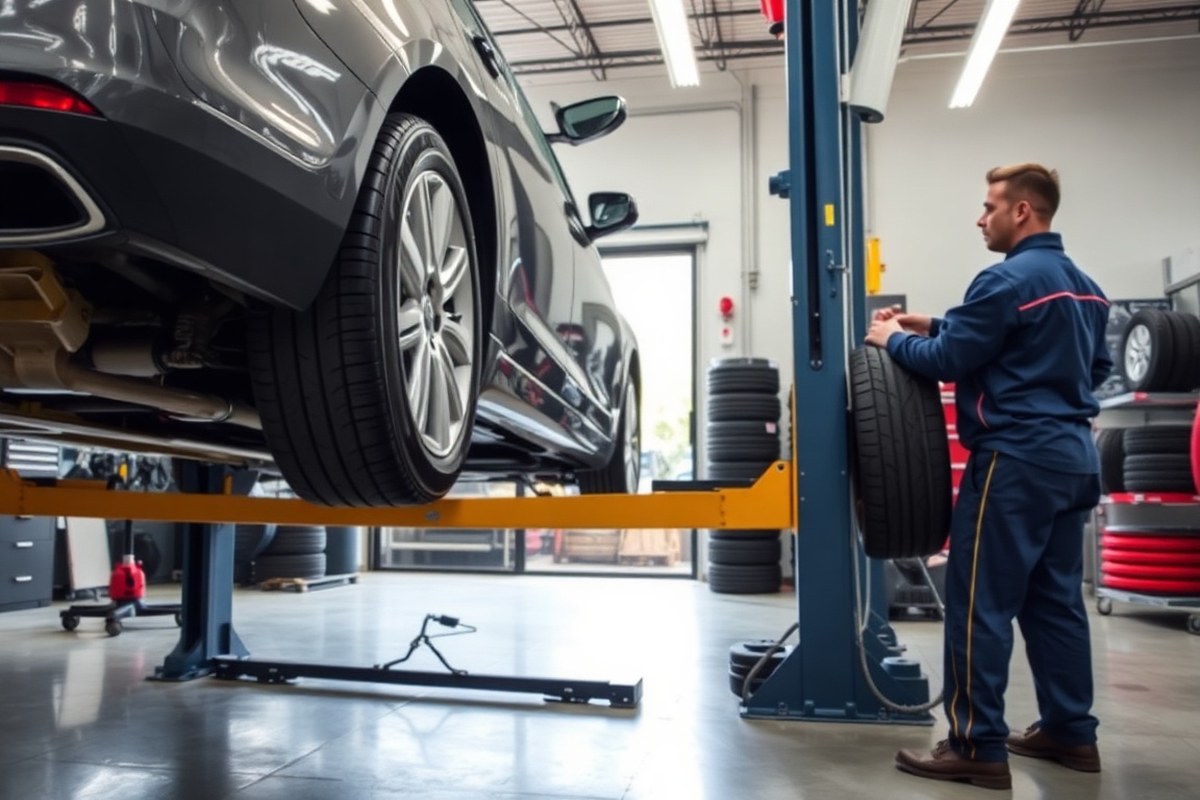
How Long Does It Take to Get Tires Installed? A Complete Time Guide
How long does it take to get tires installed? Usually, it takes about 30 minutes to one hour if your tires are in stock. That includes mounting, balancing, and getting you back on the road.
A single tire replacement can take 10 to 15 minutes. But installing four tires often lasts 45 to 90 minutes. This varies by shop speed, vehicle type, and if any extra service like alignment is needed.
Start by booking an appointment and confirming the tires you want are available in stock. This saves wait time and helps the technician work efficiently once you arrive.
Remember, special order tires can add days to your wait, so plan accordingly. Always check your spare tire’s age.
Old spares might need replacing. Replace them before you get new tires.
Key Takeaways
- Expect 30 to 60 minutes total for full tire installation with in-stock tires.
- One tire swap takes about 10 to 15 minutes, less than replacing four.
- Book an appointment and confirm tire availability to reduce wait times.
- Wheel alignment can add time but usually under 30 minutes if tires are ready.
- Special order tires may delay installation by 1 to 10 days.
- Older spare tires over 10 years should be inspected or replaced first.
How Long Does Getting Tires Installed Usually Take?
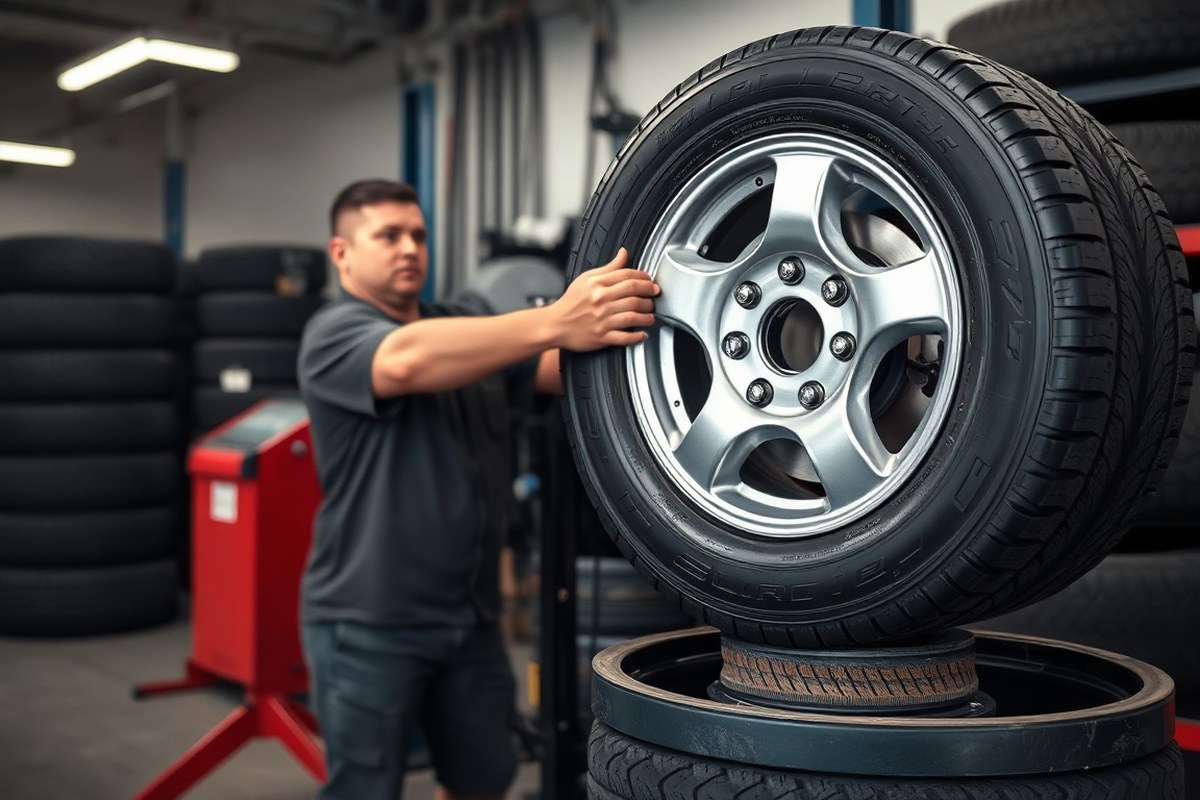
Changing one tire usually takes 10 to 15 minutes at the shop. The process includes taking off the wheel, putting on the new tire, balancing it, putting the wheel back on, and tightening the lug nuts. Wait times can push this total close to 30 minutes depending on how busy the shop is.
A full set of four tires typically requires about 45 to 90 minutes of hands-on work. This price covers mounting and balancing all four tires. The shop also checks the valve stems and adjusts tire pressure.
Finally, they reinstall the wheels. Many busy shops take closer to 60 minutes for four-tire installs.
This timing applies when tires are in stock. No extra services are included in that estimate.
Plan to spend 30 minutes to one hour at the shop. This depends on your arrival and departure times. This is when your tires are already available at the shop.
Shops with constant tire service keep bay times efficient. Larger chains often complete four-tire installations in about 45 to 75 minutes on weekday appointments. But wait times may extend on weekends.
What Happens During the Tire Installation Process?
Tire installation has several key steps. First, you remove the old tires. Then, mount the new tires, balance the wheels, and handle the TPMS system.
Each step takes time, typically adding up to 45, 90 minutes for four tires. This timeline depends on the vehicle, tire types, and any extra tasks like TPMS reprogramming.
Removing Old Tires Safely
The first step is lifting the car. Next, remove the wheels. This takes about 5 to 10 minutes for each wheel.
Mechanics then deflate the old tires, breaking the bead seal from the rim. This lets them safely pull the tire off the wheel without damage.
Removing tires requires care to avoid harming the wheel or valve stems. Damaged valve stems must be replaced during installation to prevent air leaks later.
Mounting and Balancing New Tires
Mounting fits the new tire on the rim, taking about 5 to 7 minutes per tire. Technicians apply lubricant to ensure the tire seats evenly. Proper seating avoids wobbling or leaks.
Balancing the assembly takes another 10 minutes or so per tire. Balancing fixes small manufacturing differences that cause vibration at driving speeds. Weight is added to the rim to counteract uneven mass.
- Clean the wheel surface before mounting
- Use lubricant on tire beads
- Check tire direction and rotation markings
- Balance wheel and tire assembly dynamically
- Replace old or cracked valve stems
- Reinstall wheel carefully to correct torque specs
An unbalanced wheel can cause shaking, tire wear, and steering issues. Balancing costs around $15 to $25 per wheel at most shops.
TPMS Sensor Programming and Inflation
Many cars have a TPMS to monitor tire pressure using sensors in the valve stems. After mounting, these sensors may need resetting or replacement if old or damaged. This programming adds a few minutes per tire.
Proper tire inflation is checked and adjusted before reinstalling wheels. Tires should be at the manufacturer’s recommended pressure, measured cold for accuracy.
Always reset your TPMS after installation to avoid warning lights or inaccurate pressure readings.
Failing to service the TPMS can cause inaccurate pressure alerts and affect tire life. Some shops include TPMS work in the installation price.
Others charge extra. It depends on the vehicle’s system.
How Does Wheel Alignment Affect Your Tire Installation Time?
Wheel alignment is sometimes needed when you get new tires. It makes sure your wheels point the right way. This helps your car drive straight and your tires last longer.
Misalignment can happen after hitting potholes or using worn suspension parts. This causes your car to pull to one side.
It can also wear tires unevenly. Proper alignment helps your new tires last longer and your car drive straight.
The process usually takes an additional 30 to 60 minutes during tire installation. Shops check angles like camber and toe on your wheels. They adjust these if they fall outside factory specs.
This keeps your car handling correctly. An alignment involves specialized equipment and a test drive to confirm everything is set correctly.
Skipping alignment can lead to uneven tire wear, causing premature replacement. It also harms handling and can reduce fuel efficiency. Many cars need an alignment after changing all four tires.
Especially if the car pulls to one side while driving. Or if the old tires had uneven wear patterns.
Sometimes, worn suspension parts like control arm bushings must be repaired first. Ball joints may also need fixing before the alignment. This ensures proper adjustment results.
Repairs like these take extra time during your service appointment. Expect the total time to increase based on needed fixes.
Vehicle type also matters; compact cars often take less time. Trucks and SUVs require more due to heavier, larger wheels.
You might skip alignment after replacing just one tire if alignment is good. Keep an eye on how your car drives afterward. ASE guidelines show 63% of vehicles have camber or toe off spec.
This makes alignment a common step when replacing tires. Many shops recommend it as standard. Getting an alignment with your tire job gives you safer, longer-lasting performance.
How In-Stock Tires Versus Special Orders Impact Wait Time
Getting tires from in-stock inventory usually means same-day installation is possible. Tire shops keep popular sizes on hand, allowing them to start work quickly. You can make an appointment for tire installation.
Expect the service to take 45 to 90 minutes. This happens once you arrive at the shop.
Special orders take longer because the tires must ship from warehouses or manufacturers. Tire Rack logistics data shows 92% of top tires ship the same day. They come from regional hubs.
This applies to aftermarket tires. But shipping still adds days. Typical waits can last from a few days to two weeks.
It depends on tire availability. Your location also affects the wait time.
Buying tires online might cause extra delays. The tires have to ship to your home or shop. This adds to the overall wait time.
Some shops won’t install online purchases immediately due to warranty or inventory rules. Buy tires where you plan to get them installed for quick service.
This helps speed up installation. You avoid extra shipping time this way.
| Factor | In-Stock Tires | Special Order Tires |
|---|---|---|
| Availability | Immediate; same-day often possible | Ships from warehouse; days to weeks |
| Installation Wait Time | 45 to 90 minutes once started | Wait days before installation starts |
| Appointment Scheduling | Easier to schedule quickly | Must wait for tire arrival first |
| Online Purchase Impact | N/A | Can be slower due to shipping and shop rules |
| Best Timing to Avoid Delays | Summer or early winter | Same, but order early |
Booking an appointment when tires are in stock prevents long waits. Peak seasons can fill shop schedules quickly. Planning your tire purchase for slower seasons like summer can cut wait times in half.
Special orders need extra patience. But they help you get specific tires not kept on hand.
You want to check with your local shop about shipments and order timelines. Double-check how the shop handles online purchases if you choose that route.
Factors That Can Make Tire Installation Take Longer
Several factors can slow down tire installation even after you bring your vehicle to the shop. Stuck or over-tightened lug nuts add time because they need special tools to loosen. Missing locking wheel keys cause delays.
Technicians spend extra time to access your wheels safely. This slows down the whole process. Damaged wheels or stripped studs can push the process from minutes to an hour or more.
Busy shops also affect how long you wait before work starts. Big-box retailers like Walmart or Costco often have long queues, especially during peak tire seasons. Independent shops may be faster.
But walk-in customers can make any place more crowded, lengthening your total visit. Shops might need to balance tires or do extra work.
These steps add to your total wait time. Plan for a longer visit.
- Confirm your tire size and load index before arrival to avoid mix-ups
- Bring the wheel lock key if your vehicle has locking lug nuts
- Schedule an appointment, especially during busy seasons, to avoid long waits
- Check for corrosion or damage around lug nuts that might slow removal
- Know that winter tires ordered out of season can take longer to get
Corroded or rusted lug nuts often cause extra effort and time to remove. Proper torque is key when reattaching tires. Technicians use a torque wrench set to specs.
This ensures safe tire installation. Shops usually factor 15 to 30 minutes for the hands-on tire work. Issues during service can extend the total time.
Sometimes it takes over two hours. Be prepared for possible delays.
Don’t forget to bring your wheel lock key, missing it can double your wait time.
Does Replacing One, Two, or Four Tires Change Installation Time?
Replacing two tires is faster than four, but not by half. Shops take about 45 to 60 minutes to swap out all four.
Installing just one or two tires usually takes 15 to 30 minutes. Each tire adds time for removing the old one, mounting, balancing, and reinstalling.
Some shops charge $10 to $20 per tire for installation if you bought your tires elsewhere. That fee usually covers the full service time needed.
The price doesn’t speed up the work. But shops may schedule your service based on tire quantity and workload.
Deciding whether to replace one, two, or all four tires depends on safety and wear. The National Highway Traffic Safety Administration says to replace tires when tread depth reaches 2/32 inch. This level means the tread is very low.
Worn tires reduce grip and safety. Replacing all four helps keep even traction and control. This is especially important for cars with all-wheel drive or if the tires have uneven wear.
| Number of Tires Replaced | Estimated Installation Time | Typical Installation Fee per Tire |
|---|---|---|
| 1 Tire | About 15 to 20 minutes | $10 to $20 (if tires bought separately) |
| 2 Tires | About 25 to 30 minutes | $10 to $20 per tire |
| 4 Tires | About 45 to 60 minutes | $10 to $20 per tire |
Replacing two tires isn’t a quick fix if the other two are badly worn. Uneven tread can lead to poor handling and worn suspension parts. When only two tires need replacement, fit the new ones on the rear for better stability.
It’s best to replace all four tires if they wear unevenly. Your car maker might also recommend changing all at once. This helps keep your car balanced and safe.
Tire shops follow standard steps for every tire, including removing, mounting, balancing, and securing. Safety matters more than speed, so technicians take time to inspect and test.
Fast service might sound good. But rushing can cause installation problems like loosened lug nuts or imbalance.
How Vehicle and Tire Type Affect Installation Duration
Tire size, type, and your vehicle affect installation time a lot. Bigger tires and specialty tires take longer because they are harder to handle. Some vehicles need extra care, especially electric vehicles with specific tires.
Low-Profile and Performance Tires
Low-profile tires have shorter sidewalls and often stiffer rubber. These features make them harder to mount and balance.
So installation takes longer than standard tires. Shops may spend extra time to avoid damaging the rims or tires.
Performance tires also have stiff sidewalls, which need special tools and techniques. They can require more careful bead seating and extra time to inflate properly. Expect about 15 to 20 minutes for each tire with these types.
This is longer than the usual 10 to 15 minutes. The added time covers extra care and installation steps.
Here are some reasons why these tires need more attention:
- Shorter sidewalls are less flexible and harder to align on the rim.
- Stiffer rubber resists bead seating under normal pressure.
- Rims often need gentle handling to avoid cosmetic damage.
- Balancing takes longer to get a smooth ride feel.
- Lower risk of puncture means tighter seals need exact inflation.
Electric Vehicle Tires
Electric vehicles usually use tires made to reduce rolling resistance. These tires help improve battery range but need special handling during install. The rubber compounds can be different, so shops take care to avoid damage.
EV tires may require specific inflation pressures and balancing techniques. This process can add a few extra minutes compared to regular tires. Installing EV-specific tires usually takes about 15 minutes per tire.
Electric cars also tend to be heavier. Heavier weight means tools must support more pressure when removing and mounting tires. Shops must take care to protect your car’s drivetrain and suspension parts.
Standard Passenger Car Tires
Regular tires on cars usually take the least time to install. Most tire shops spend about 10 to 15 minutes per tire. This starts once your vehicle is on the lift.
The work includes removing old tires and fitting new ones. Vehicle weight and tire size are average, so there’s less challenge.
Passenger car tires fit most rims easily and don’t need special inflation or balancing. Expect about 45 minutes to 1 hour to replace all four tires. This estimate covers removal, mounting, and balancing.
The exact time may vary by shop and tire type.5 hours total for the whole job. That includes mounting, balancing, and installation checks.
Tire size and vehicle type still matter for passenger tires. SUVs and trucks usually take longer to change tires. Their tires are heavier and harder to remove.
This adds more time compared to smaller vehicle tires. You can speed things up by confirming tire size and type with your shop before arrival.
Tips to Minimize Your Wait and Speed Up Tire Installation
You can cut your wait time a lot by making an appointment. Confirming your tire size and the shop’s stock also speeds things up. Let the staff know exactly what services you want and what you bring.
This helps prevent delays. It also stops extra fees from popping up.
Booking and Confirming Appointments
Booking an appointment saves significant time, especially on busy days. Major chains like Discount Tire and Pep Boys let you book online easily. A confirmed morning slot usually means quicker service than walking in.
Call the shop one or two days ahead of your appointment. Ask if they have your tire size ready. Make sure your appointment time is confirmed.
Preparing Your Vehicle and Tires
Check your tire size, load capacity, and speed rating ahead of time. Use the vehicle manual or the tire sidewall for exact specs. Bringing the old tire or its label to the shop prevents mistakes.
Prepare your vehicle by clearing the area around the tires to make installation easier. Also, have your payment method and any coupons ready. This trims the overall visit time.
- Verify tire size and specs from the manual or tire sidewall.
- Bring your old tires or labels for reference.
- Clear the area around your tires beforehand.
- Have payment and coupons ready at check-in.
- Avoid damaged tires that could cause safety issues.
- Know whether tire balancing or alignment is needed.
Inform the shop if you want alignment checked or quoted separately. This helps them schedule the right amount of time.
Communicating Clearly with Service Staff
When you call or arrive, clearly state your tire size and whether balancing is included. Ask if the price covers mounting and disposal of old tires. This prevents hidden fees.
Use a simple script like: “Hi, I booked an appointment for tire installation on [date]. I want [size and type] tires, and I’d like balancing included. Is alignment checked or a separate service?”
Confirm all details well before your visit to avoid surprise delays and costs.
Can I Use My Old Tires or Spares While Waiting for New Ones?
Using old tires while waiting for new ones can be safe. The tires must be in good shape. Check for damage or uneven wear before driving.
Check tire pressure as soon as you can safely stop. Look closely for any cracks, bulges, or uneven tread wear. These signs usually mean you should replace the tire right away.
Tires worn down to 2/32 inch tread need replacing. They don’t grip well in rain or snow. Driving on them is unsafe.
Spare tires can be a good temporary fix, but they have limits. Most spares are smaller and designed only for short distances and lower speeds. Use the spare only until you get your new tires.
While using it, keep speeds below 50 mph and avoid long trips. Spares that haven’t been driven much can age and weaken over time, too. So check the spare tire for cracks or damage before you rely on it.
Age matters as much as wear. Tires older than six years can start losing strength, even if they look fine. Some drivers forget this on spare or vehicle tires not used often.
Ask a tire expert to inspect if you’re unsure. Old, worn, or damaged tires can cause blowouts. They can also make you lose control.
Replace tires showing these issues promptly. Taking the time to check your tires helps keep you safer until your new ones arrive.
Step-by-Step Action Plan to Get Your Tires Installed Fast
Follow these steps to prepare for tire installation and get on the road quickly. Each step helps you avoid delays and ensures smooth service.
- Before you schedule: Check your tire size and vehicle details. This makes sure the shop orders the right tires if needed.
- Day you call: Ask if your tires are in stock. If they are, you can generally get an appointment faster.
- Day before appointment: Measure your old tire tread or note any visible damage. This helps confirm you need replacements.
- Appointment day: Arrive early and bring any coupons or membership cards. This speeds up check-in and payment.
- During installation: Ask the technician about wheel alignment. Getting it done now can save time later.
- Right after installation: Inspect the tires and ask questions before leaving. This catches any issues quickly.
- After a week or two: Monitor your tires for unusual wear or noisy rides. This ensures everything was installed properly.
Frequently Asked Questions
How Long Does It Take to Get Tires?
It usually takes between 30 minutes and one hour at a tire shop. This time covers mounting and balancing if they have the tires in stock. Expect longer if your tires must be special ordered.
Extra work on your vehicle adds more time. Both will slow the process.
How Long Does It Typically Take to Get New Tires Put On?
New tires typically take 45 to 90 minutes to install, depending on the shop and vehicle. Experienced technicians finish faster. It takes less time if you have four tires.
Common car models also speed up service. More complex vehicles can add time to the process.
Is $200 Expensive for a Tire?
$200 for a tire is common for many mid-range passenger tires. Prices change by size, brand, and tire type. What costs around $200 can feel high or low.
Your specific needs decide this. Always compare tire features and reviews to get value for your money.
How Long Does It Take to Get 4 Brand New Tires?
Most tire shops take 45 to 60 minutes to install four new tires. This is usual timing for a full service.
This covers removing old tires, mounting, balancing, and a quick check. Shops running high volume might be faster, but complex cars can lengthen this time.
How Long Does It Take to Get Two New Tires?
Installing two new tires can take about 30 to 45 minutes in most shops. It’s less work than four tires, so you’ll often get out quicker. Your shop’s busyness can cause delays.
Extra vehicle work also slows things down. Plan for some wait time.
The Bottom Line
Tire installation usually takes less than an hour when you’re prepared. Knowing the factors that affect timing helps you plan your visit right. Call your tire shop to check stock and schedule your appointment now.