
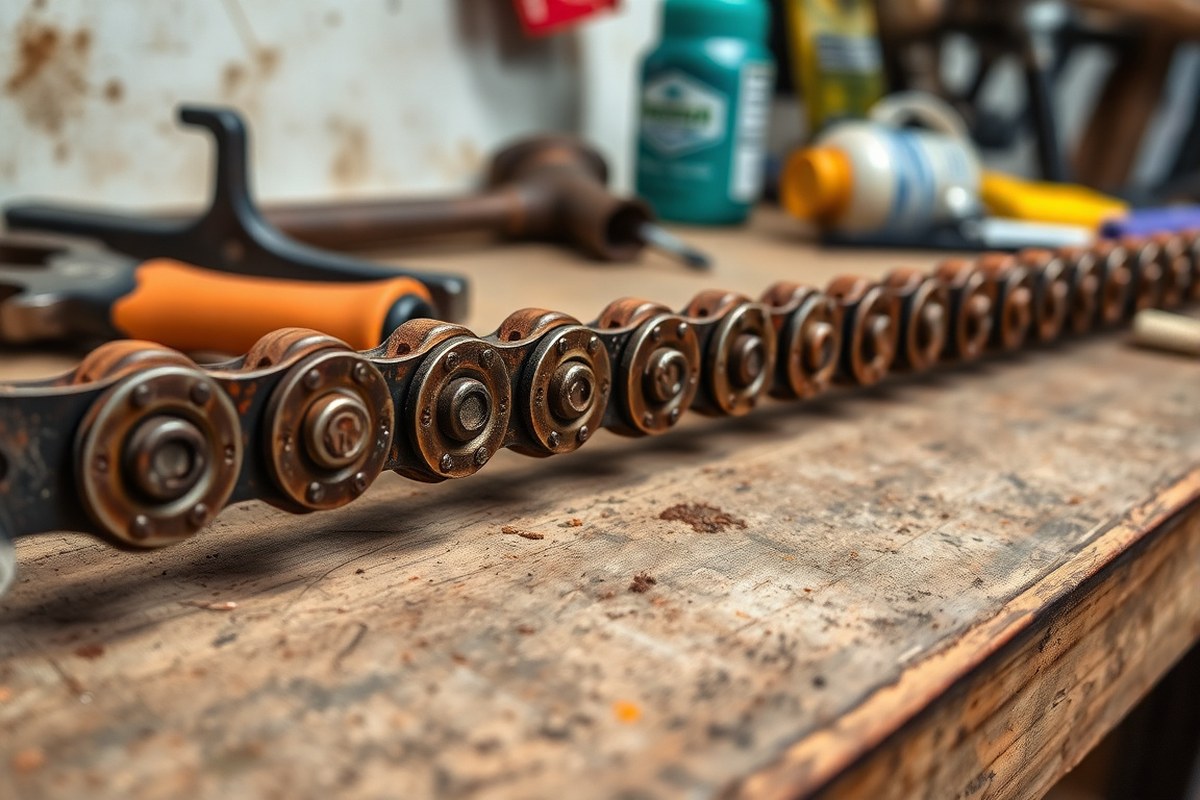
How to Remove Rust from Bike Chain: 9 Proven Methods with Clear Results
Removing rust from a bike chain is easier than you might think. Start by degreasing the chain and then use lime juice or WD-40 to tackle the rust. These common items loosen rust without harming the metal.
Start by soaking the chain in degreaser for 20 to 30 minutes with heavy rust. Light rust comes off by scrubbing with a mix of equal parts white vinegar and water. Make sure to rinse and dry the chain fully before doing anything else.
Watch out for deep rust, which might mean a replacement is better than cleaning. Once the rust is gone, do not use WD-40 for lubrication.
Choose a proper bike chain lube instead. This helps the chain last longer and work smoothly.
Key Takeaways
- Degrease your bike chain before applying any rust remover.
- Soak the chain in lime juice or white vinegar to break down rust.
- Use WD-40 only to remove rust, never as a lubricant afterward.
- Scrub lightly rusted chains with steel wool or a coarse rag.
- Dry the chain thoroughly before applying lubricant to avoid new rust.
- Replace chains stretched beyond 0.75% wear to avoid damage.
1. How to Remove Rust from a Bike Chain Step-by-Step
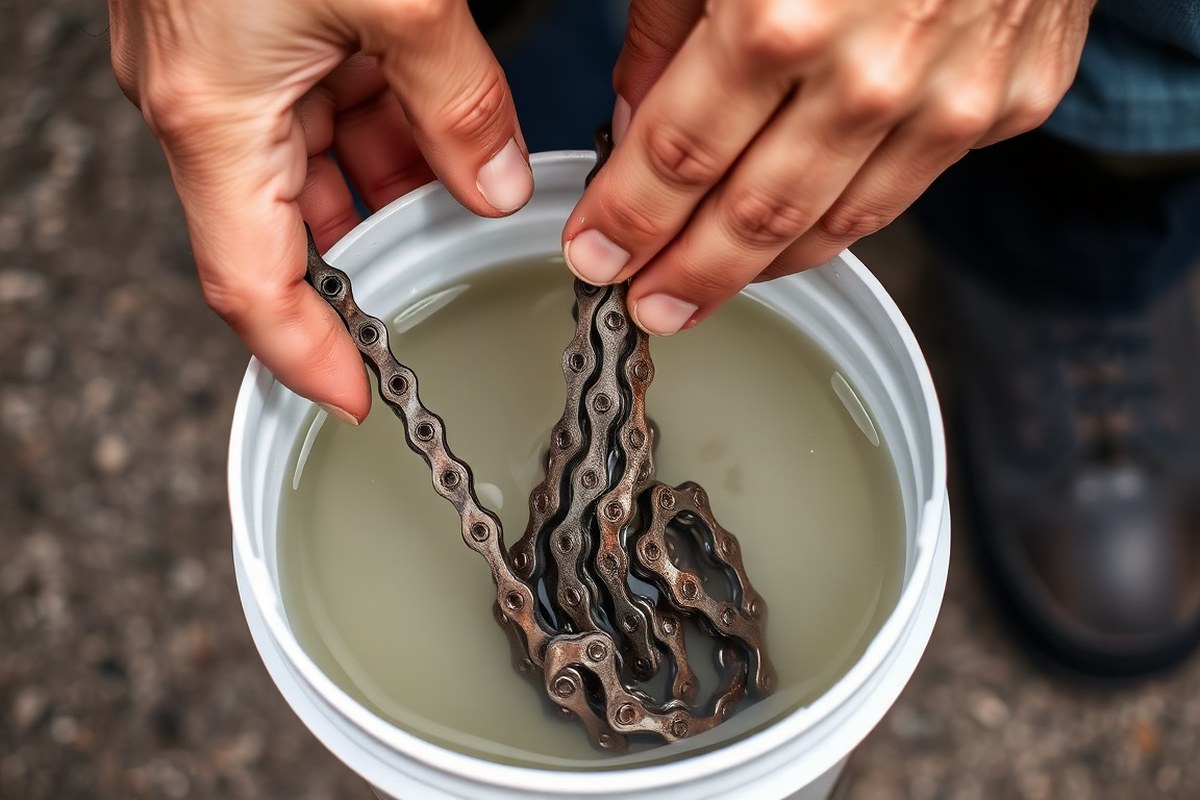
Removing rust from your bike chain keeps it working smoothly and lasting longer. You can do this without removing the chain if the rust is light. For heavier rust, take off the chain to clean each link fully.
Here are the exact steps to remove rust from your bike chain. You can do this whether the chain stays on or comes off.
Follow each step carefully to get rid of rust well. Follow the times and techniques to avoid damage and get the best results.
- Clean the chain: Use a degreaser with a brush to remove dirt and old lubricant. This helps the rust remover work better.
- Pick the right rust remover: Use a mix of half white vinegar and half water for light rust. Rub it on gently with a rough rag or steel wool. For thick rust, soak your removed chain in lemon juice or a strong rust remover.
- Soak the chain: Put the chain into the cleaning liquid for 1 to 2 hours. Make sure the chain is fully covered during this time. After soaking, it will be easier to clean. Heavy rust may require 2 to 4 hours. Avoid soaking the chain if it’s still on the bike to prevent frame damage.
- Scrub the rust off: Take a stiff or wire brush to scrub off the rust. Focus on the rusty spots carefully after soaking. This helps clear rust before rinsing or drying. Scrub for about 10 to 15 minutes until rust loosens. Wipe off residue with a clean rag.
- Rinse and dry: Rinse the chain with clean water to remove rust remover and loosened rust. Dry thoroughly with a cloth to stop new rust from forming.
- Lubricate the chain: Apply bike chain lubricant to all links while rotating the pedals backward. This keeps the chain smooth and rust-free.
- Inspect the chain: Look for stiff links or heavy pitting. Replace the chain if rust damage is severe despite cleaning.
You don’t need to remove the chain for light rust. Turning your bike upside down gives better access for cleaning. Heavy rust needs chain removal for soaking and thorough scrubbing.
Removing the chain costs about $10 to $20 if you buy tools. But the process is straightforward and saves the chain.
Good results mean a smooth-moving chain with no visible rust spots. Rust left on the chain can cause stiffness and wear. Taking 20 to 30 minutes for cleaning and soaking usually restores lightly rusted chains well.
2. Effective Rust Removal Methods Compared
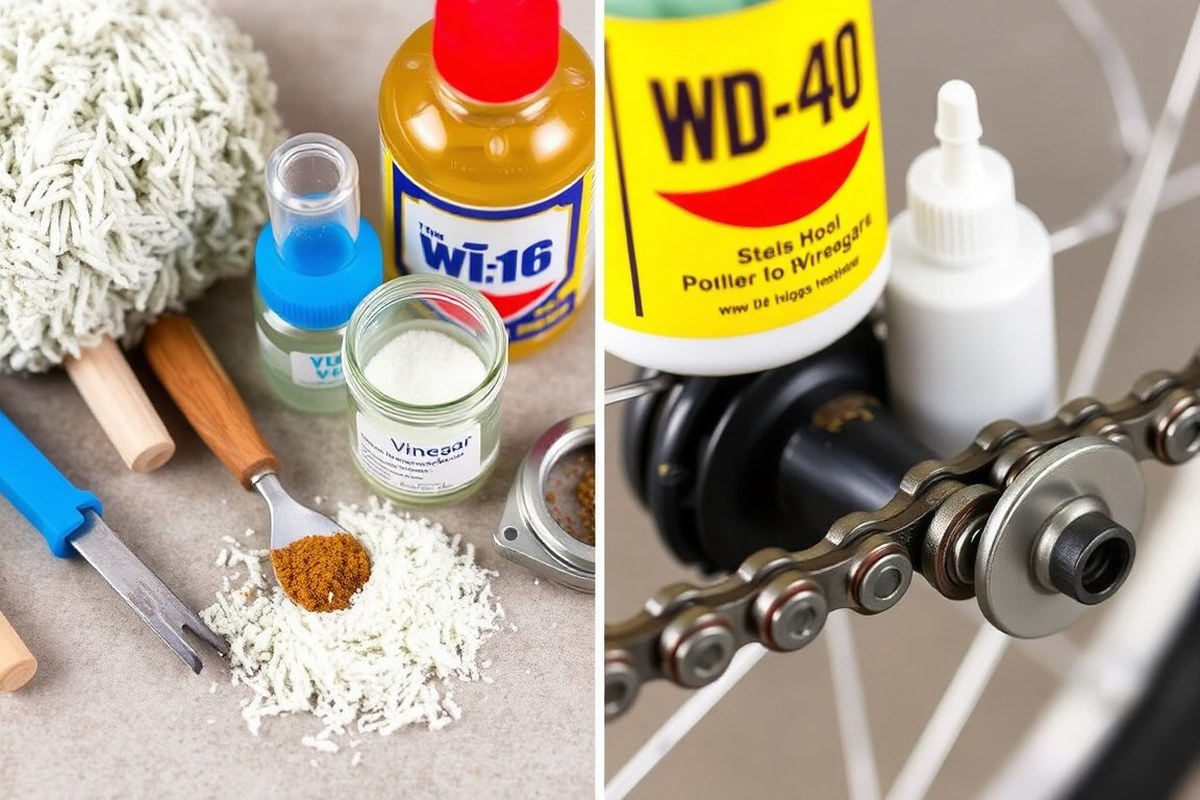
Some rust removal methods need chain removal, while others work without it. Light rust often cleans up with degreaser and a wire brush in 15-30 minutes. Heavy rust means you should soak the chain in vinegar or citric acid.
Soak it for 30-60 minutes. Remove the chain before soaking it.
Quick fixes like WD-40 and a stiff brush take 10-15 minutes. They only remove surface rust for a short time.
Vinegar soaks are cheap and remove rust well. They take longer and need you to remove the chain first. Chemical sprays like WD-40 act fast but don’t fix deep rust permanently.
Wire brushing works on light rust if done carefully. Rough brushing can scratch or wear down the chain. Choose a method based on your rust severity, time, and willingness to remove the chain.
| Method | Best For | Time Required | Chain Removal Needed? | Effectiveness |
|---|---|---|---|---|
| Degreaser + Wire Brush | Light surface rust | 15-30 minutes | No | Good for light rust |
| Vinegar / Citric Acid Soak | Moderate rust, stiff links | 30-60 minutes | Yes (recommended) | Best overall results |
| WD-40 + Stiff Brush | Quick fix, surface rust | 10-15 minutes | No | Fast but temporary |
Vinegar or citric acid soaks remove rust by breaking it down chemically. Remove the chain and soak it fully submerged for at least 30 minutes. After soaking, scrub the chain to dislodge rust particles and rinse well.
Degreasers clean oil and grime but only lightly rub off rust. You can wire brush surface rust on the chain without removing it. Using too much force can cause scratches.
WD-40 spray penetrates rust and protects metal but is not a lubricant. It’s a quick fix to spray directly on rust spots and then scrub lightly. It won’t remove deep rust or fix stiff links.
Natural methods cost practically nothing. Commercial sprays can cost around $5-$10 for similar amounts. Time varies from 10 minutes for quick sprays to an hour for soak methods.
Avoid scrubbing too hard with wire brushes or stiff bristles. Hard scrubbing can gouge metal or damage links.
3. How to Inspect a Rusty Bike Chain: Save or Replace?
A rusty bike chain might still be saved if there’s low wear. The rust has to be only on the surface. You can try cleaning it first.
Check wear with a chain wear tool and look closely for deep rust damage. Replace the chain if links are stiff or rust has caused pits.
Also change it if the chain stretch is too high. Don’t try to keep a damaged chain.
Measuring Chain Wear Correctly
Use a chain wear tool to measure your chain’s stretch. Insert the tool between the chain links to get a percentage reading. A reading at or above 0.75% means the chain is too stretched to clean and should be replaced.
Different bike speeds require different wear limits. For example, chains for 11- or 12-speed bikes should be replaced at 0.5% wear.
10-speed and below allow up to 0.75%. Exceeding these limits risks damaging your cassette and chainrings.
Regular checks can prevent costly repairs later. Use the tool every few hundred miles or if you notice skipping or slipping gears. This simple step saves expensive drivetrain parts by catching wear early.
Recognizing Rust Damage and Pitting
Surface rust looks like orange dust or light discoloration. Gently rub the chain with a rag to see if rust flakes off easily. This type of rust can be cleaned without damage.
Look for signs of serious rust damage like pits or holes in the chain’s metal parts. Pitting feels rough and looks like tiny craters or rust bleeding through near the pins. Also check if any links are stiff or won’t bend properly.
Here’s how to identify severe rust damage:
- Visible pits or craters on chain plates
- Rust bleeding through or discoloring pin areas
- Links that are stiff or seized and don’t flex
- Flaking or peeling metal layers
- Chain surfaces that appear rough instead of smooth
Severe rust weakens the chain and risks failure during rides. Don’t try to remove deep rust because it won’t restore full strength.
When to Choose Replacement over Cleaning
Replace your chain if the wear tool shows over 0.75% stretch. A worn chain speeds up damage to cassette teeth and chainrings, costing more in repairs. Cleaning won’t fix this internal wear.
Heavily rusted chains with stiff or pitted links should also be swapped out. Even after cleaning, seized links can cause bad shifting. They also raise the risk of the chain breaking.
Check links carefully after cleaning. It’s safer and cheaper to replace than risk a crash.
Spend $15 to $50 on a new chain depending on your bike model and speed. This investment protects your drivetrain and riding safety. Check your chain every few months to catch problems early.
4. Tools and Materials Needed for Rust Removal
Removing rust from a bike chain needs a few key tools and materials. A degreaser or white vinegar works well to loosen rust in 10 to 15 minutes. You’ll need a stiff brush or an old toothbrush.
Use it to scrub off loosened rust and grime. This helps clean your chain better.
Household items like vinegar or even Coca-Cola can help. Vinegar’s mild acid breaks down rust effectively when you soak the chain.
Coca-Cola has some acidity. But it’s less consistent and can leave sticky residues, making vinegar the better choice for cleaning.
Wear protective gear to keep your hands safe from chemicals and grime. Nitrile gloves are ideal since they resist acids and degreasers better than latex. Also, put on safety glasses to protect your eyes from splashes during soaking or scrubbing.
- Degreaser or white vinegar for soaking rust
- Stiff brush or old toothbrush for scrubbing
- Container large enough to submerge the bike chain
- Nitrile gloves to protect your hands
- Safety glasses for eye protection
- Clean rags or paper towels for drying
- Optional: small wire brush for stubborn rust spots
A container must be big enough to soak the entire chain at once. Soaking only parts can leave rust untreated.
Use just enough liquid to cover the whole chain for 10 to 15 minutes. Over-soaking longer isn’t needed and can harm some chain parts.
After soaking, use the stiff brush to scrub along the chain links carefully. Some rust spots might resist cleaning. Use a small wire brush to tackle them.
Avoid harsh scrubbing that might damage chain finishes. After cleaning, wipe the chain thoroughly with clean rags to remove leftover liquid and loosened rust.
5. How to Soak and Scrub Rust from Bike Chain Links
Soaking a rusty bike chain softens the rust for easier removal. The time depends on how bad the rust is. Scrubbing is almost always needed to reach tight spots and finish the cleaning.
Soaking Durations by Rust Severity
Light rust only needs a short soak to loosen it. Just 30 minutes in a vinegar or cola soak can do the trick. For moderate rust, soak the chain for 4 to 6 hours to break down tougher deposits.
Heavily rusted chains may require soaking overnight or up to 12 hours. Avoid soaking longer than 24 hours or the metal might weaken. Make sure to check the chain after soaking to avoid damage.
Choosing the Right Scrubbing Tools
Use a small, stiff brush or a toothbrush to scrub rust from patches and tight parts. Steel wool or a wire sponge works well on stubborn rust but use them gently. Too much scrubbing or a rough tool can harm the metal links.
Plastic or nylon brushes reduce scratch risk but may need more elbow grease. A pipe cleaner or thin cloth on a stick can reach edges. It fits into narrow gaps in the chain links.
Use it to clean tight spaces. Avoid using abrasive sandpaper on the chain.
Techniques for Cleaning Between Links
The best way to clean tight gaps is pulling the chain through steel wool. You can also use a wire brush for this. Both help remove stubborn dirt.
Hold the chain firmly. Move it back and forth while scrubbing.
This scrubs all sides of each link well. You can also use a cloth soaked in rust remover for detailed wiping.
After scrubbing, rinse the chain with water to flush out loosened rust particles. Repeat soaking and scrubbing if rust remains, but avoid over-scrubbing the same area. Dry the chain properly before lubricating to prevent new rust.
- Remove the chain from your bike for easier soaking and cleaning.
- Prepare a container with vinegar or cola to cover the entire chain.
- Soak the chain based on rust level: 30 minutes to overnight.
- Use a stiff brush or steel wool to scrub rust from all chain links.
- Pull the chain through the scrubber to reach hard-to-clean places.
- Rinse the chain in water and check for remaining rust.
- Repeat soak and scrub steps if rust is still visible.
- Dry the chain completely before lubrication.
Soaking alone won’t remove all rust. You must scrub too, or rust hides in tight link spaces.
6. Proper Drying and Lubrication After Rust Removal
After removing rust from your bike chain, drying it thoroughly is key. Let the chain air dry for about 20 minutes.
Or wipe it down with a microfiber cloth. This step ensures no moisture stays trapped, which can cause rust to form again quickly.
You can lightly spray WD-40 on the chain. This helps push out water from the links. But don’t stop there.
WD-40 is not a proper chain lubricant. Apply a bike chain lube right after using it.
Choose your lubricant based on your riding conditions. Use wet lube if you ride in rain or mud.
It sticks better when the chain is wet. Dry lube suits dusty, dry trails because it won’t attract as much dirt and grime.
- Dry chain with microfiber rag or let it sit 20 minutes before lubing
- Apply light WD-40 spray only to displace moisture, then wipe excess
- Use wet lube for wet or muddy conditions, dry lube for dry, dusty trails
- Apply lubricant to each link while slowly spinning the pedals backward
- Wipe off excess lubricant to avoid dirt build-up and attract less grime
Lubricate your chain right after cleaning to stop rust returning within 12 hours. Applying lube as soon as it’s dry re-protects your metal surfaces and keeps the chain smooth.
Lubricate your chain every 200 miles or once a week. This prevents rust and lasts longer.
Watch out for over-lubricating. Excess oil can trap dirt, turning your chain into a gritty mess.
Also, avoid skipping drying; lubing wet metal just invites rust faster. Proper drying and lubrication keep your bike running smoothly and protect your chain investment long-term.
7. Why Bike Chains Rust and How to Prevent It
Rust forms on bike chains mainly because of moisture and air exposure. Water, rain, or sweat sitting on the chain causes oxidation. Dirt and mud also trap moisture, speeding up the rusting process.
Cold and humid weather increases rust risks. Salt from winter roads or coastal air can worsen corrosion. Leaving your bike outside without protection lets these elements attack the metal.
Cleaning your bike after rides in rain or mud stops rust from taking hold. Use a degreaser to remove old oil and dirt.
But oil the chain again as soon as possible. Stripping the chain without re-lubricating is a common way rust starts.
Store your bike indoors or covered to keep moisture away. A dry, climate-controlled space works best.
You can’t bring the bike indoors. So use a waterproof bike cover and avoid parking on wet grass or dirt.
Riding habits also affect rust risk. Long rides in wet conditions mean more exposure.
Don’t let your bike sit wet; wipe down the chain immediately after rides. This removes water and contaminants before rust forms.
You can protect your chain by using lubricants with anti-corrosion additives. These break down leftover rust and keep moisture off. Regularly applying these lubricants helps keep the chain clean and rust-free over time.
For example, wipe your chain with a dry cloth after every ride that leaves it wet. Apply lubricant every 100 to 200 miles or after wet rides. You ride daily, so oil the chain twice a week to prevent rust buildup.
8. Safety Tips and Common Mistakes When Removing Rust
Wear gloves and eye protection to keep skin and eyes safe. Rust removers often contain chemicals that irritate skin and eyes. Use a well-ventilated area or do this outside to avoid breathing fumes.
Many people use harsh chemicals that can damage chain metal or coatings. Stick to rust removers made for metal or bike parts only. Avoid bleach or acidic cleaners unless instructions say otherwise, since they can corrode your chain.
Dry the chain thoroughly after cleaning to stop new rust from forming. Leaving moisture on the chain can undo your work quickly. Use a soft cloth and give it at least 10 minutes to air dry before lubricating.
- Don’t soak the chain for more than 15 minutes to avoid metal damage.
- Use a small brush to clean, not steel wool, which scratches the chain.
- Check for chain wear or damage after rust removal to avoid failures.
- Apply rust inhibitors promptly after cleaning to protect the metal.
- Follow product instructions exactly to avoid chemical burns or damage.
Rust removers and solvents can harm your bike’s paint and other parts. Keep chemicals away from brake surfaces and tires to avoid accidents. Rinse spills quickly with water or wipe them off to protect finishes and parts.
Always test a rust remover on a small chain section before full use to prevent damage.
Using the wrong tools or skipping steps may only spread rust instead of removing it. Be patient and follow the cleaning process carefully to save your chain. Handle used chemicals carefully.
Follow local rules to stay safe. This protects you, your bike, and the environment.
9. Seasonal and After-Ride Maintenance to Keep Chains Rust-Free
Keep your bike chain clean and lubricated regularly to stop rust from forming. How often you do it depends on the weather and how much you ride. After wet or salty rides, extra care helps protect your chain and extends its life.
Weekly and Monthly Chain Care
For most riders, clean and lube your chain weekly if you ride often. Your rides are shorter or less often, so monthly cleaning may suffice. This keeps dirt and old lubricant from building up and leads to less rust.
Use a bike-specific chain cleaner or a rag with degreaser to wipe the chain. Apply fresh lubricant afterward, wiping off the extra to prevent attracting dirt. Dry lube works well in dry weather, but avoid it in wet conditions.
Maintenance After Wet or Salty Conditions
After riding in rain, mud, or near salt water, clean and dry your chain right away. Riding through these conditions leaves water and grime that cause rust fast. Wipe down the whole chain and use a rag to soak up moisture.
Apply wet lube immediately after drying, as it stays on better in wet conditions. Using dry lube in these moments hollows the way to rust.
Look closely at your chain for any rust spots. Use a brush or steel wool to scrub those spots clean.
- Dry your chain within 30 minutes after wet rides
- Use wet lubricant for rainy or salty environments
- Rinse off mud and salt gently with water and dry thoroughly
- Check the chain for rust spots and clean as needed
- Lubricate right after cleaning to seal the chain links
Ahead of salty or wet rides, rinse mud and salt quickly, avoiding sitting time. Rust can start forming within hours if chains stay wet or dirty.
Adjusting Care by Season and Weather
Winter and rainy seasons increase your chain’s rust risk. Moisture and road salt cause faster corrosion. You’ll want to clean and lube every one to two weeks during these months.
In hot, dry summer weather, your chain won’t rust as fast. So upkeep every 2-4 weeks often works.
Still, riding dirt or sweaty rides calls for more attention. Switch between dry and wet lubes as seasons change.
Set a routine on your calendar or phone, matching your climate and riding habits. Consistent care keeps your chain running smooth and rust free for years.
Step-by-Step Action Plan to Remove Rust from Your Bike Chain
Follow these clear steps to clean your rusty bike chain and keep it smooth. Check progress by how your chain looks and rides after each step.
- Before you start: Gather cleaning supplies like degreaser, brush, and lubricant. Have good lighting to see rust clearly.
- Day 1: Soak your chain in a rust remover or degreaser for 15, 30 minutes. The rust should soften and appear lighter.
- Day 1: Scrub the chain with a stiff brush or toothbrush. Remove as much rust as possible; shiny metal shows through.
- Day 1: Rinse the chain with clean water. Dry it with a rag or let it air dry. No moisture should remain on the chain.
- Day 1: Apply a bike-specific lubricant evenly on the chain links. The chain should feel smooth when you pedal.
- Day 2: Ride your bike gently to spread lubricant evenly. Repeat cleaning and lubrication when the chain still feels rough.
- Weekly after cleaning: Wipe the chain down quickly and re-lubricate after wet rides. This keeps rust from coming back fast.
Frequently Asked Questions
Can I Remove Rust from My Bike Chain Without Taking It Off?
Yes, you can clean rust off without removing your chain. Use a rag with white vinegar or WD-40 to scrub the links gently.
Dry the chain well afterward. Then add lubricant to stop rust from coming back.
How Often Should I Clean a Rusty Bike Chain?
Clean your bike chain as soon as you notice rust. Waiting longer lets rust damage the chain links deeper, making removal tougher or needing a replacement.
Can I Use Lemon Juice to Remove Rust from a Bike Chain?
Lemon juice works because it’s acidic and loosens rust. Soak the chain or put lemon juice on it first.
Scrub it with a brush. Rinse and dry the chain fully before using it.
Is It Safe to Ride with a Rusty Bike Chain?
Riding with a rusty chain risks damaging it more and can cause poor shifting. Fix the rust or replace the chain for safe, smooth rides.
What’s the Best Lubricant After Rust Removal?
Use a bike-specific chain lubricant after cleaning rust. It protects the chain from moisture and friction, keeping it smooth and rust-free longer.
The Bottom Line
Removing rust extends your chain’s life and makes rides smoother. Start by cleaning one section well and see the difference. Keep your bike chain healthy with regular care and you’ll avoid rust problems later.



One Comment