
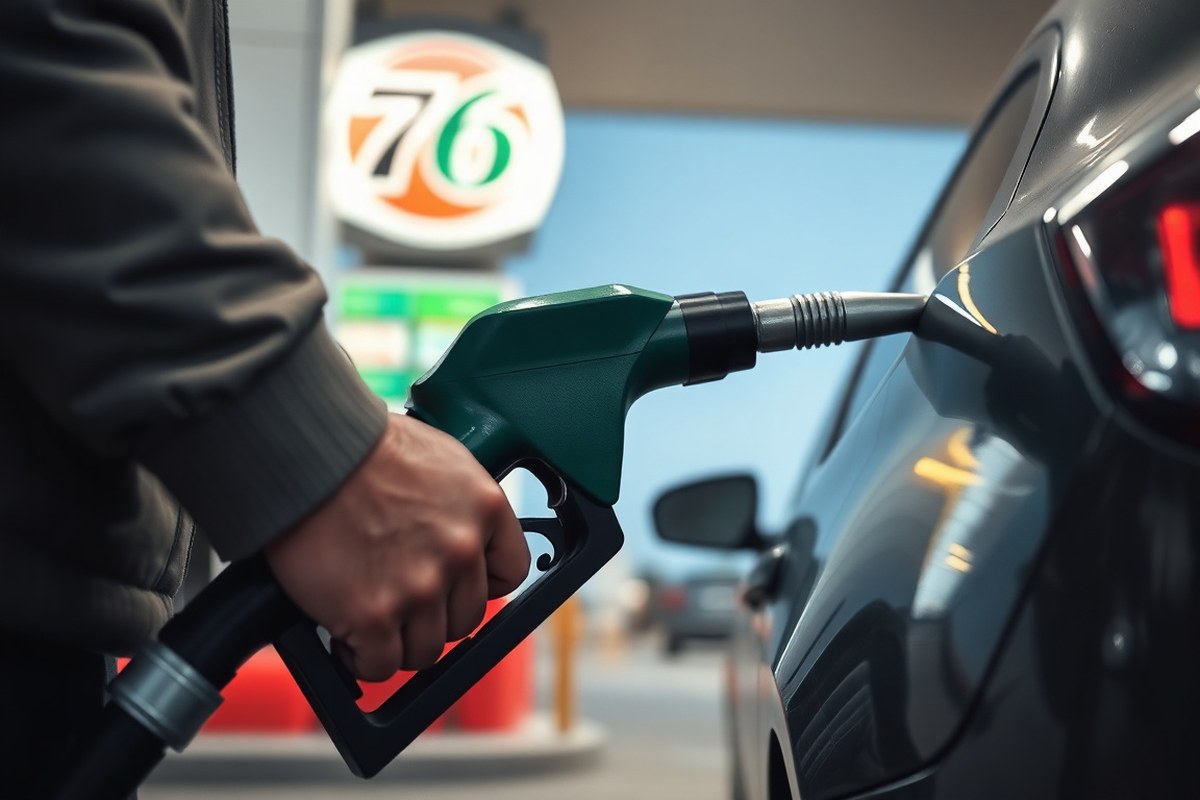
Is 76 Gas Good? What You Need to Know for Better Engine Performance
Is 76 gas good for your vehicle? Yes, it ranks among the top gasoline brands for engine performance. It has more detergents than any required standard.
These detergents keep your engine cleaner. This helps the engine run smoother. Choosing 76 gas can also protect your vehicle’s components from wear over time.
You may see 76 stations often and wonder about the gas quality. Their fuel surpasses Top Tier detergent gasoline standards by about 30%. This means your engine gets better protection compared to many other brands on the market.
76 gas is unleaded, which benefits both your health and the environment. Check for local station maintenance because cleaner pumps ensure fresher fuel and better engine performance. Using good gasoline like 76 gas can make a real difference over your vehicle’s life.
Key Takeaways
- 76 gas contains about three times the detergent required by the EPA for gasoline.
- Using 76 gas helps prevent engine deposits that reduce performance and fuel economy.
- 76 gas exceeds Top Tier detergent standards by roughly 30%, offering superior cleaning.
- Regularly buying from well-maintained 76 stations ensures fresher fuel quality.
- It is unleaded fuel, helping your vehicle run cleaner and reduce emissions.
- Phillips 66 owns 76 gas, supporting reliable supply and consistent quality.
Is 76 Gas Good for Your Vehicle?

76 gas is a good fuel choice for many vehicles. It is Top Tier certified. This means it meets high detergent standards.
These additives keep engines cleaner. Cleaner engines run more efficiently.
They also last longer. This helps your car’s performance and life.
What sets 76 gas apart is its detergent content. It surpasses the minimum requirements recommended by automakers by about 30%. Provides up to three times more detergent than the EPA minimum.
This stops deposit buildup inside your engine. It lowers rough idling and fuel clogs.
Using 76 gas can also contribute to better fuel economy. Fuel additives help your engine burn cleaner. This makes it run smoother.
It may save you some money. The cost might be a bit higher than some budget fuels. But many drivers find the benefits in engine care and performance worth it.
The quality of 76 gas depends on the station. Fuel can get dirty before it reaches your tank. However, 76’s reputation and long history of consistent quality mean you’re likely getting reliable fuel.
Their racing fuel shows their focus on performance. This quality also improves regular gasoline.
Choosing 76 gas means you trust a brand that focuses on fuel quality and vehicle care. It’s backed by a larger company known for maintaining good standards.
You may notice your engine runs smoother. It stays cleaner longer than non-Top Tier fuels.
What Octane Ratings Does 76 Gas Offer?
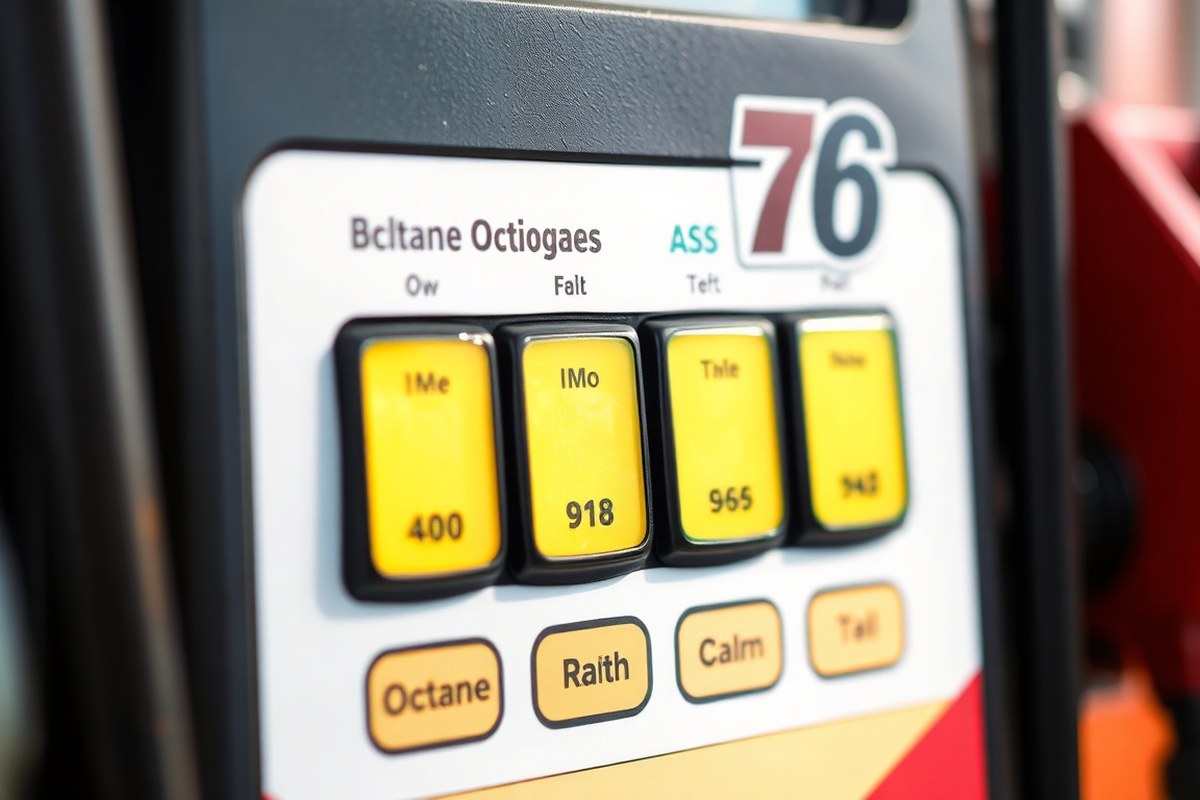
76 gas comes in multiple octane ratings for different engines. The main grades are 87 octane (regular), 91 octane (premium), and 100 octane in select areas. Your engine’s design tells you which octane level fits best.
Most vehicles work well with regular 87 octane fuel, which is the standard for many cars. Some trucks, SUVs, and older performance cars might need mid-grade fuel. Mid-grade fuel has a higher octane than regular.
Premium fuel works well for engines requiring more. Using the correct octane helps your engine run smoothly and prevents knocking or pinging.
| Octane Type | Typical AKI | Engine Requirement |
|---|---|---|
| Regular | 87 | Most standard vehicles |
| Mid-Grade | 89 | Some SUVs, trucks, or older performance cars |
| Premium | 91-93 | High-performance, turbocharged, or supercharged engines |
Look at your vehicle’s owner manual to find the needed octane rating. The manual explains exactly which fuel is best for your engine type. The manual’s advice to use 87 octane should be followed exactly.
Don’t pick a higher octane just without reason. Higher octane fuel won’t always help your engine.
Using a higher octane fuel than needed usually costs more without giving benefits. Premium and racing fuels can cost 30 cents or more per gallon extra.
Just listen for any engine knocking. Knocking means try higher octane on your next fill-up.
Check your owner’s manual before choosing 76 gas octane. Using too low can harm your engine over time.
Some 76 gas stations also offer 100 octane for racing or specialty cars. Most daily drivers don’t need this and won’t gain anything from it. Following the octane recommendations saves money and keeps your engine efficient.
How Do Additives and Detergents in 76 Gas Work?
76 gas contains detergent additives that help clean your engine. These detergents remove deposits that build up over time. Using 76 gas regularly protects your engine’s performance.
Top Tier Detergent Certification Explained
76 gas carries the Top Tier detergent certification. This means it contains more detergent additives than federal minimums require. These detergents meet a higher cleaning standard to protect your engine.
Top Tier fuels reduce carbon deposits and harmful build-ups. The certification assures you get cleaner fuel than many generic options. Using gas without this certification can lead to engine sludge and less power.
Benefits of Detergent Additives for Engine Health
Detergent additives in 76 gas keep your fuel system clean. They help prevent build-up on fuel injectors, intake valves, and combustion chambers. This improves fuel delivery and combustion efficiency.
Cleaner engines run smoother and tend to last longer. You can notice less engine knocking and smoother acceleration. Over time, regular use reduces the need for expensive engine cleaning services.
- Keeps fuel injectors free of clogging deposits
- Prevents carbon build-up on intake valves
- Improves smoother fuel combustion
- Reduces engine knocking or pinging
- Maintains better mileage and engine power
- Lessens the risk of costly repairs
Drivers who use 76 gas often enjoy steady engine performance. The detergents help maintain clean engine parts and reduce wear. This is especially helpful for vehicles with higher miles or older engines.
How Detergents Reduce Carbon Deposits over Time
Deposit build-up happens as fuel burns and leaves residues in your engine. These deposits can block fuel injectors and affect ignition timing. That causes rough idling, weaker acceleration, and poor fuel economy.
Detergents in 76 gas chemically break down these deposits. They work with each fill-up to slowly dissolve carbon and other residues. Over weeks or months, your engine stays cleaner and runs better.
For best results, use 76 gas consistently every time you fill up. Skipping between lower-quality fuels can let deposits return and damage performance. Regular use prevents these problems and keeps your engine cleaner.
Is 76 Gas Top Tier Certified and Why It Matters
76 gasoline holds Top Tier™ certification, showing it meets high detergent standards. This label means the fuel has extra additives that keep your engine clean. It reduces harmful deposits that often build up in fuel systems over time.
Top Tier certification requires fuel companies to pass strict tests on detergent levels and quality control. 76 Gas goes beyond the basic federal rules with these added steps. These measures help keep engines running smoothly and improve fuel efficiency.
Using Top Tier fuel like 76 helps prevent performance issues linked to dirty engines. It lessens emissions by stopping deposit buildup on intake valves and fuel injectors. This keeps your vehicle cleaner and prolongs engine life.
Because 76 Gas meets Top Tier standards, it regularly cleans your engine during refills. That means your car can maintain power and deliver better gas mileage. Over time, this benefit can offset any extra cost compared to non-Top Tier fuels.
The company keeps consistent quality at every station by following strict testing and certification. This control ensures the fuel you pump today has the same high detergent level as yesterday. Such reliability is why professional tuners prefer Top Tier brands.
If you see a station branded “Superior Quality,” it often signals their gas meets Top Tier or better standards. This quality promise matters especially for performance cars that demand clean fuel to run well. 76 caters to these vehicles by offering a fuel blend designed for improve driving results.
Who Owns 76 Gas and Where Does It Come From?
Phillips 66 owns the 76 gas brand. This company is a major player in refining and distributing fuels across the U.S. It works under ConocoPhillips, a bigger company.
This firm merged about ten years ago. The goal was to expand refining operations.
The gasoline you see at 76 stations is made from crude oil sourced responsibly. Phillips 66 uses advanced methods to make gasoline. They reduce carbon emissions while refining.
This process helps the environment. They follow strict quality checks.
This ensures your gas meets high standards. Their standards go beyond federal rules.
Quality control covers refining, testing for purity, and monitoring storage and delivery to stations. These steps help keep the gas clean and consistent. 76 gas holds about three times the EPA’s required detergents.
This keeps the gas cleaner for your engine. It helps your engine run better.
Always buy 76 gas at well-maintained stations to avoid contamination and ensure fuel quality.
The refining process uses technology that improves fuel stability and reduces impurities. Their technology makes 76 gas meet strict emission rules. This supports better car performance.
It also lowers harm to the environment. The brand focuses on offering unleaded fuel, better for your vehicle and for health reasons.
In short, 76 gas comes from crude oil, refined by Phillips 66 using modern methods. The company’s controls ensure high-quality fuel that aims to protect your engine and the environment. Your 76 gas experience depends on pump and tank upkeep.
Clean, well-maintained stations provide better gas quality. This affects how your car runs.
Does 76 Gas Contain Ethanol? What Drivers Should Know
Yes, most 76 gas blends contain ethanol, usually up to 10%. Ethanol helps reduce emissions and is standard in many U.S. Gasoline blends. However, your vehicle’s engine type determines if it can safely handle ethanol in fuel.
Common Ethanol Blends in 76 Gasoline
Most 76 gas stations sell regular gasoline blended with 10% ethanol, called E10. This is the most common blend. It works well for most cars and trucks.
SUVs made after 2001 can use it too. Flex-fuel vehicles can use E85, which contains up to 85% ethanol. But 76 sells E85 only for cars marked as flex-fuel.
Look for a clear ethanol label on the pump or nozzle. These labels show if the fuel includes ethanol and the percentage blend. This helps avoid confusion at the pump.
You can pick the right gas for your ride. It makes filling your tank easier.
Advantages of Ethanol-Containing Fuel
Ethanol boosts octane ratings, which can help your engine run smoother and cleaner. Using 76 gas means you get TOP TIER™ certified fuel. It includes detergents to keep your engine clean.
These detergents prevent deposits from forming. For your daily commute, ethanol-blended fuel is like a tune-up for your engine’s health.
- Raises octane, reducing engine knock
- Burns cleaner than pure gasoline
- Reduces tailpipe emissions
- Supports domestic renewable energy
- Helps engines maintain efficiency
- Works well in most modern gasoline engines
Choosing 76 gas means you’re fueling up with a brand that adds quality detergents. These additives improve your car’s fuel economy.
They also reduce gunk building up in engine parts. This keeps your engine running smoother over time.
Potential Risks for Sensitive Engines
Some older vehicles may not tolerate ethanol well. Ethanol attracts moisture, which can cause corrosion in engines not designed for it. Classic cars, small engines on lawn mowers, or boats often require ethanol-free gas to avoid damage.
Using ethanol fuel against your car maker’s advice can cause issues. You might see fuel system problems. Your vehicle’s performance could also drop.
It’s safer to check your owner’s manual or ask a mechanic if your engine handles ethanol. For flex-fuel vehicles, use ethanol blends they are rated for.
This avoids warranty or mechanical problems. Stick to the recommended ethanol types.
How Does 76 Gas Compare with Other Gasoline Brands?
76 gas keeps pace with major brands when it comes to detergent quality. It belongs to the Top Tier gasoline group, which means it includes strong detergent additives. These help prevent engine deposits better than regular gasoline without detergents.
Compared to Shell, Mobil, Chevron, and Arco, 76 usually offers similar fuel performance. Shell, Chevron, and Mobil focus on premium formulations for better engine cleanliness.
Arco and Costco tend to attract drivers looking for lower prices without as many additives. Price can vary by location, but 76 often sits in the middle range.
| Brand | Detergent Level | Typical Price Range (per gallon) | Consumer Rating |
|---|---|---|---|
| 76 | Top Tier Detergent | $3.30, $3.70 | Good to Very Good |
| Shell | Top Tier Detergent | $3.50, $4.00 | Very Good to Excellent |
| Mobil | Top Tier Detergent | $3.40, $3.90 | Very Good |
| Chevron | Top Tier Detergent | $3.50, $4.00 | Very Good to Excellent |
| Arco | Basic Detergent | $2.90, $3.40 | Fair to Good |
| Costco | Basic Detergent | $2.90, $3.40 | Good for Value |
76’s pricing usually stays closer to Chevron and Mobil than to discount brands. It may feel pricier than Arco or Costco at first.
But that detergent quality helps many avoid engine clogs and poor fuel economy later. Some drivers say 76 feels smoother on their engine than cheaper gas.
Customer reviews often highlight the great balance of price and quality with 76. Some drivers report it doesn’t clean as aggressively as Shell or Chevron.
But it still prevents buildup. Others choose it because it’s available locally and supports their area’s fuel network.
Which Vehicles Benefit Most from Using 76 Gas?
Which Vehicles Benefit Most from Using 76 Gas?
76 gas suits many vehicle types but fits best with those needing specific fuel qualities. Cars with engines demanding cleaner fuel and stable combustion see the most benefits. Choosing 76 gas depends largely on your engine’s design and performance needs.
Regular and Economy Vehicles
Regular and economy cars generally do well with 76’s regular gasoline. These vehicles do not require high octane fuel, so standard 76 gas saves money. The brand’s detergents help keep engines free of deposits, maintaining efficiency for such vehicles.
Using 76 gas can improve fuel economy modestly by reducing buildup in injectors and valves. This helps your car run smoother and last longer. However, avoid premium 76 gas unless your car’s manual recommends it.
- Most economy cars run well on 76 regular gasoline.
- Detergent additives help keep engines clean and efficient.
- Fuel economy may improve slightly with consistent use.
- Premium gas is not necessary without engine requirements.
- Flex-fuel 76 gas should only be used in Flex Fuel vehicles.
Check your owner’s manual to pick the right octane for your vehicle.
High-Performance and Turbocharged Engines
High-performance and turbocharged cars benefit significantly from 76 premium gas. These engines require fuel resistant to knocking to run smoothly and at full power. 76 premium’s higher octane rating reduces engine knock, which protects these sensitive engines.
Luxury vehicles also gain from 76 premium or regular gas, depending on their engine tuning. Sports cars often need premium gas to keep their performance balanced under stress. Using 76 premium keeps these engines cleaner, supporting long-term power and responsiveness.
- High-performance engines need premium 76 gas with higher octane.
- Turbocharged cars benefit from the knock resistance of premium fuel.
- Luxury vehicles may use 76 regular or premium depending on specs.
- Sports cars typically require premium gasoline for peak power.
- Using the right fuel avoids engine damage and loss of boost power.
Never use premium gas in an engine designed for regular fuel; it wastes money.
Classic and Older Model Cars
Older cars and classic vehicles often benefit from 76 gas’s cleaning additives. Over time, deposits build up in engines, affecting performance and emissions. 76 gas helps remove these deposits and maintains smoother engine operations in older engines.
Older vehicles without high compression usually run fine on 76 regular gas. For classic cars with custom or high-performance setups, premium 76 gas might be necessary. Check if your classic needs higher octane to prevent knocking and protect engine parts.
- Classic cars benefit from 76 gas cleaning additives.
- Regular 76 gas fits most older models without special needs.
- High-compression classics may require premium gas for best results.
- Using 76 gas can improve starting and reduce rough idling.
- Flex-fuel types should match vehicle flexibility to avoid issues.
Test your classic with 76 regular first; switch to premium only if knocking occurs.
How Station Maintenance Impacts 76 Gas Quality
Proper station upkeep directly affects 76 gas quality and freshness at the pump. Stations that regularly clean their pumps and inspect storage tanks avoid dirt and water contamination. This maintenance keeps the gas uncontaminated, protecting your vehicle’s engine and fuel efficiency.
Dirty or poorly maintained tanks can let rust, dirt, and water mix with the gasoline. These issues cause rough idling, poor performance, or even damage your fuel system.
76 has strict protocols to maintain fuel quality from refining to delivery. But poor station care can spoil it before you fill up.
- Look for pumps without dirt, grime, or sticky residue on handles and screens
- Check if the area around the pumps is clean and free of spills
- Notice if the station looks well-organized, with fresh paint and clear signage
- Ask staff how often they inspect and maintain underground storage tanks
- Watch for recent equipment upgrades or certifications posted at the station
- Avoid stations with faded warning labels, rust spots, or visible leaks
- Test small purchases; if fuel smells sour or looks cloudy, leave
When choosing a 76 station, a few quick checks help you avoid poor-quality gas. Clean pumps get routine cleaning that costs a few hundred dollars yearly. It pays off by giving you better fuel.
This maintenance helps keep the fuel clean and reliable. Clean tanks need regular inspections every one or two years. Licensed contractors should do these checks to stop water buildup.
This prevents problems in your fuel system. Stations that skip these steps risk fuel degradation and customer complaints.
Good maintenance shows with smooth pumps and clean pump areas. You shouldn’t see any dirt or grime near the pump. This means the equipment is well cared for.
You’ll fill up with fresh 76 gas at optimal octane and quality. Poor upkeep lets moisture and rust enter fuel, potentially forcing costly repairs or worse fuel efficiency. Spotting upkeep signs before fueling helps protect your engine and wallet in the long run.
Your First Steps for Using 76 Gas
Try 76 gas in your car now and watch for improvements. Follow these simple steps to see if it works for you.
- Day 1: Fill your tank with 76 gas at a well-maintained station. Check that the pump shows the correct octane rating.
- After 1 tank: Notice if your engine runs smoothly or idles more quietly. These signs show good fuel quality.
- Within 1 week: Compare fuel economy with your previous fill-ups. Track miles per gallon on your next tank.
- After 2 weeks: Observe if your car has fewer knocking noises on acceleration. Less knock means the fuel suits your engine.
- After 1 month: Inspect the fuel system for any leaks or smell irregularities. Clean additives in 76 gas can reduce deposit build-up.
- Ongoing: Use 76 gas regularly, especially if your vehicle needs mid-range or premium octane. Consistency provides the best engine care benefits.
Frequently Asked Questions
Is 76 Gas Good for Older Cars?
Yes, 76 gas suits older cars well. It contains strong detergents that keep engines cleaner for longer.
Can 76 Gas Improve Fuel Economy?
Using 76 gas may slightly improve fuel economy. Its additives help your engine run more efficiently.
Does 76 Gas Smell Different from Other Brands?
Some people notice a mild smell. This is due to unique additives but it won’t harm your car.
Is 76 Gas Available in All States?
76 gas is mostly available on the West Coast and some southern states. Availability depends on regional suppliers.
Can 76 Gas Handle Extreme Weather?
Yes, 76 gas works fine in hot and cold weather. Its formulation meets standards for various climates.
Wrapping Up
76 gas is a solid fuel choice with good octane and effective additives. Checking how it fits your specific car helps you decide. Next time you fill up, give it a try to see its effects firsthand.



2 Comments