Car Smell Gas When Starting: 9 Key Causes and Clear Fixes Explained
Car smell gas when starting usually happens because fuel vapors leak or do not burn properly. A loose gas cap, faulty spark plugs, or fuel leaks can cause this. Each can let fuel vapors escape.
This leads to the gas smell you notice. Fixing it often means checking these parts and tightening, cleaning, or replacing them.
Look first at your gas cap. A loose or damaged gas cap lets fuel fumes escape.
These fumes cause the smell. A new gas cap costs $10 to $30 and takes just seconds to replace yourself.
Other causes include an EVAP system leak or bad engine sensors. These parts control fuel vapors and engine combustion. Check for a check engine light or strange engine sounds to spot these issues.
Key Takeaways
- A loose or damaged gas cap is the top reason for gas smells at startup.
- Replacing a gas cap yourself is quick and inexpensive, around $10 to $30.
- Bad spark plugs can leak fuel vapors and cause a strong gas odor.
- The EVAP system traps fuel vapors and leaks cause noticeable gas smells.
- A check engine light often points to fuel or sensor problems.
- Listen for unusual engine noises that may signal spark plug issues.
1. Why Does My Car Smell Like Gas When Starting?
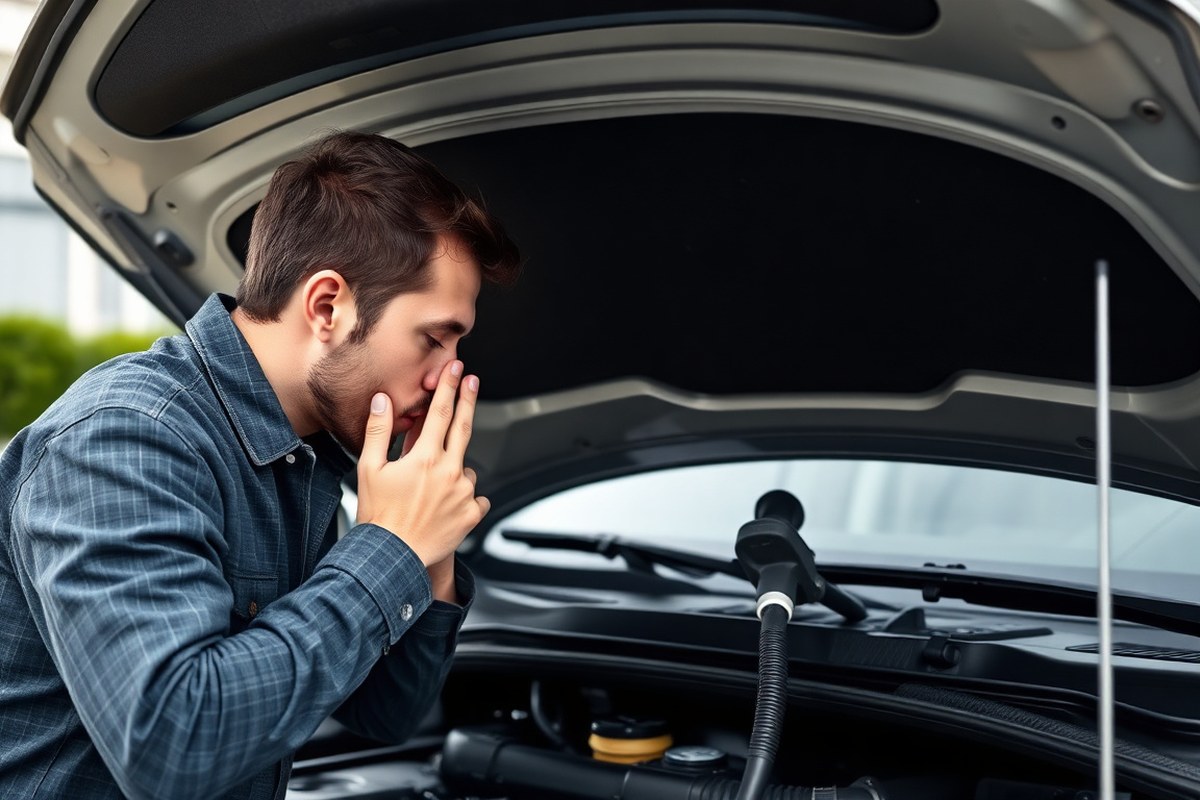
Smelling gas when you start your car happens often. The engine uses extra fuel to warm up. That’s why you notice the smell.
Cold engines need a richer air-to-fuel mix for smooth running. So some fuel remains unburned. Fuel vapor can leak out and cause a gas smell.
This lasts until the engine heats up. Then it burns the fuel completely.
Fuel vapors naturally evaporate from the gas tank. Your car’s EVAP system catches and stores these vapors in a charcoal canister. This system sends the vapors back into the engine to burn during normal driving.
A small gas smell at startup means some vapors escape. The system hasn’t cycled all the fuel yet. This is normal for a bit.
Sometimes the smell fades in a minute or two. The engine heat burns off extra fuel and vapors. This makes the smell go away.
The gas smell going away quickly is usually normal. It often happens on cold starts. You don’t need to worry much then.
But if the gas smell stays or gets worse, that is a problem. It may mean a fuel leak or faulty seals. The injectors could also have issues.
Fuel system leaks cause a strong gas smell right after starting. Cracked seals or a bad fuel pressure regulator make leaks happen. Leaks let fuel escape around the engine or inside the cabin.
Sometimes the vapors come through the air vents. This can be dangerous. Such cases are unsafe and need repair before driving long distances.
A loose or damaged gas cap also causes vapors to escape. This creates a fuel smell when starting your car. Fixing a gas cap is a cheap, simple first step if you notice the smell.
When your car starts smelling like gas, check the cap. It should tighten with a click and sit flush against the filler neck.
In colder weather, gas tends to evaporate less quickly. So you might notice the smell more often. The richer fuel mix makes cold starts smell stronger.
Cold gets in the way of vapors evaporating fast. That’s why the smell is noticeable then. After a few minutes, the engine runs leaner.
It burns fuel more fully. The gas smell lessens as you drive.
Unburned fuel in the combustion chamber or exhaust system can cause gas smells on startup. It lingers until the engine heats up. Problems like a weak spark or faulty ignition system can prevent complete fuel burning.
A check engine light and gas smell together can mean ignition or engine management problems. You should get the car checked out.
2. How to Perform a Visual Inspection for Gas Odors
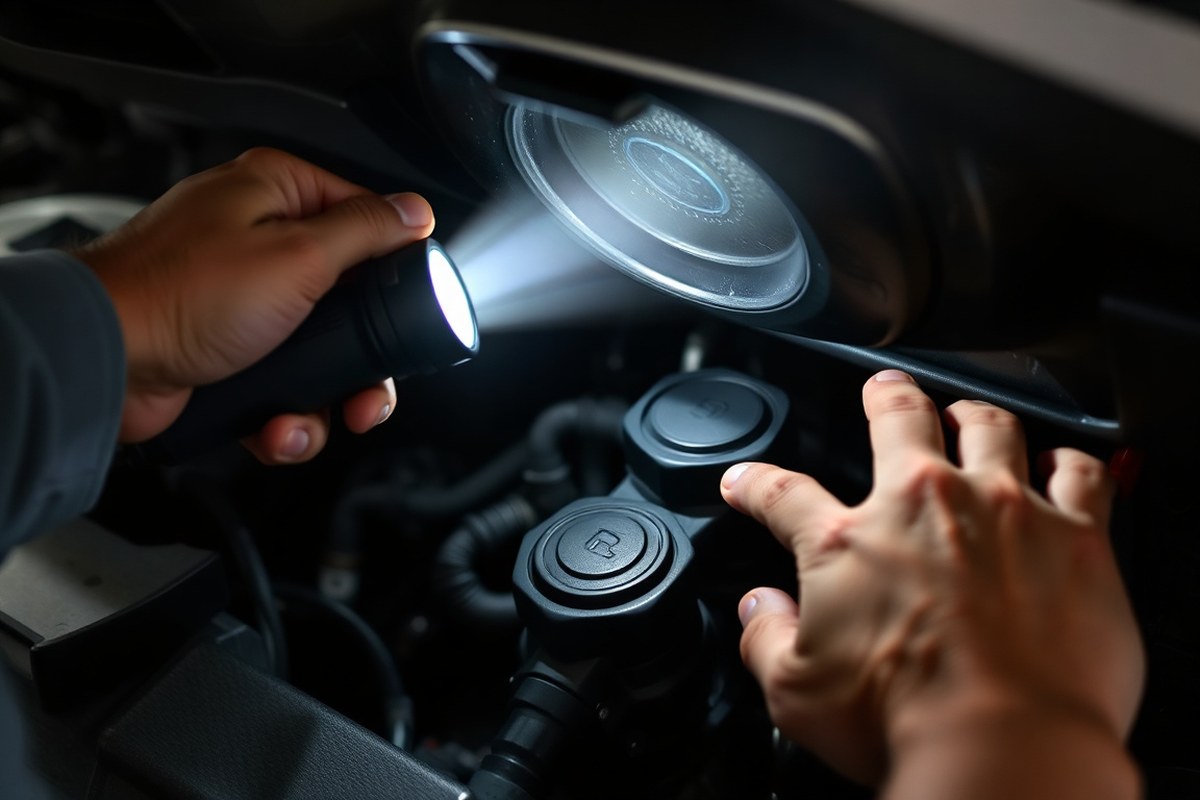
Start by smelling around the car’s fuel system for the strongest gas odor. This helps you locate where to focus your visual check. Use a flashlight to see under the car and inside the engine bay safely.
Check the Gas Cap and Seal
Begin with the gas cap since a loose or damaged cap often causes gas smells. Look for cracks in the cap or a missing rubber seal around its edge. A worn or loose cap won’t seal properly, letting gas fumes escape.
Remove the gas cap and clean the seal if it’s dirty. Then tighten the cap firmly until it clicks. This action usually stops the smell if the cap was the problem.
Inspect Fuel Lines and Connectors
Fuel lines run from the tank to the engine and can crack or leak over time. Look for any wet spots or stains along the tubes and connectors. Also, check if the lines feel brittle or cracked by gently squeezing them.
Don’t forget to check where the fuel lines connect to the fuel rail and pump. Loose or damaged connectors may leak gasoline or fumes. Damaged lines and connectors require professional repair quickly.
Examine Fuel Tank and Underbody Area
Look under your car at the fuel tank and filler pipe for rust, dents, or damage. Corrosion or impacts may cause leaks. Pay special attention to the area where the filler neck meets the tank.
Inspect the underbody for any puddles or damp patches after parking. A puddle growing under the tank almost always means a leak. Even small damp spots are warning signs to address immediately.
Look for Wet Spots or Strong Fumes
Check under your car for fresh wet spots after parking. Look for any wet spots or liquid smells on the ground below. Spots or smells could hint at a leak in your car.
Gasoline puddles usually have a strong, distinct smell that fades slowly. They appear near the fuel tank, fuel lines, or engine bay.
At the same time, smell around the gas cap, under the hood, and inside the cabin. Stronger gas odors in one area point to the leak’s location. Open windows to avoid inhaling fumes, which can affect your health.
- Park your car in a well-ventilated, flat area away from flames or sparks.
- Wear gloves and protective eyewear to protect against fuel contact.
- Start by smelling near the gas cap to detect strong odors.
- Remove the gas cap and check its rubber seal for damage or dirt.
- Inspect visible fuel lines and connections for cracks or wetness.
- Look under the car for puddles or stains after parking overnight.
- Check the fuel tank and filler neck for rust, dents, or leaks.
- Note any strong gas smell inside the car’s cabin as an alert.
Never check for fuel leaks near open flames. Gasoline vapors can catch fire easily.
3. Common Fuel System Causes of Gas Smell at Startup
Gas smells when starting often come from leaks or faults in the fuel system parts. These parts include the fuel tank, fuel lines, injectors, hoses, fuel rail, filter, and pressure regulator. Each part shows different symptoms, and some repairs take more time or skill.
Leaks usually cause a strong fuel odor around the car, especially near the problem area. Injector faults make the engine burn too much fuel. This causes a lighter, steady gas smell.
A bad fuel pressure regulator allows extra fuel to enter. This causes leaks or rich running. Fuel can leak into vacuum lines too.
| Component | Issue | Gas Smell Contribution |
|---|---|---|
| Fuel tank | Puncture | Yes |
| Fuel line | Faulty or damaged connections | Yes |
| Fuel injectors | Leakage | Yes |
| Fuel hoses | Puncture or wear | Yes |
| Fuel rail | Leakage | Yes |
| Fuel filter | Damage, wear | Yes |
| Pressure regulator | Faulty | Yes |
Fixing leaks in the fuel tank or lines costs a few hundred dollars. The price depends on damage size. It also depends on access difficulty.
Injector leaks require careful cleaning or replacement, often around $150 to $400 per injector. Fixing a faulty pressure regulator might cost between $50 to $200, plus labor.
Signs to watch for include visible fuel puddles or damp spots when leaks happen. Injector problems often show as rough idle or poor fuel economy, not obvious puddles. A bad pressure regulator can cause black smoke from the engine.
It can also make starting the car harder. Too much fuel causes these issues.
4. Understanding the EVAP System’s Role in Fuel Odors
Your car’s EVAP (Evaporative Emissions Control) system traps fuel vapors to stop them from escaping. It uses a charcoal canister to store vapors from the gas tank. Later, these vapors get burned in the engine instead of going into the air.
A leak anywhere in the EVAP system lets fuel vapors escape, causing that gas smell. For example, a loose gas cap is a common cause of small leaks. Bigger leaks can come from cracks in hoses.
A faulty fuel pump assembly can also let vapors leak outside. These leaks let gas fumes escape.
When the EVAP system fails, you might see the check engine light come on. A gas smell near the gas tank or charcoal canister often means smells leak there. Sometimes, you’ll notice difficulty starting the engine too, as escaping vapors cause an uneven mixture.
Testing for EVAP leaks takes special tools. Mechanics use a smoke machine that fills the system with visible smoke to spot leaks.
This test usually costs $100 to $200 depending on your car and location. The smoke reveals cracks and leaks not easy to see.
One sign of a bad EVAP valve or purge valve is gas smell after refueling. The valve might not properly open or close, letting vapors out.
Leaks that aren’t fixed waste fuel. They can also cause you to fail emission tests.
Fixing EVAP leaks varies by the problem. Tightening or replacing a gas cap costs under $20. Replacing hoses, valves, or the charcoal canister can cost $150 to $500 or more.
The repair worked when the gas smell goes away. Also, the check engine light does not come on.
5. How Engine Starting Conditions Affect Fuel Smell
When you start your car cold, the engine runs a richer fuel mixture than usual. This happens because the oxygen sensor isn’t fully warmed up and can’t measure accurately. The engine computer uses preset, extra-fuel settings to help the engine warm up fast.
The rich mixture means there is more fuel than air in the engine’s combustion chamber. Since the fuel burns incompletely, unburnt gasoline vapors escape through the exhaust or engine bay. This creates the stronger gas smell you notice right after startup in cold weather.
A bad oxygen sensor can make this worse by sending wrong signals to the engine computer. The system might think the engine is still cold even when it’s warm. Then it adds too much fuel.
This leads to a strong fuel smell. It also uses more gas than needed.
The coolant temperature sensor also controls how much fuel the engine gets at startup. When that sensor fails, it tricks the computer. The engine then gets too much fuel.
This causes a strong gas smell and black exhaust smoke. It also lowers fuel economy. This happens more on cold mornings.
Gas smells from cold starts fade after a few minutes. This occurs as the engine heats up. Then the oxygen sensor starts working correctly and adjusts the fuel mixture.
When the smell lasts longer or gets worse, check the sensors. They might need replacing.
Keep your sensors in good shape with regular maintenance to avoid long-lasting fuel smells.
6. Recognizing Safety Risks from Gas Smells in Cars
Smelling gas in your car means there’s a gas leak, which is a serious fire risk. Gasoline vapors ignite easily near sparks or heat over 100 degrees Fahrenheit. Even a small leak can cause a fire if the engine or exhaust heats those fumes.
Driving with a strong gas smell can cause a fire risk. Fire can start under the hood or near fuel parts. Take these smells seriously to stay safe.
Gas vapors are harmful to breathe. The smell can cause dizziness, headaches, or nausea quickly. The smell is strong or lasts longer than a few minutes.
Get fresh air right away to avoid danger. Avoid staying inside the car because inhaling fuel vapors affects your health. People with asthma or lung problems especially need to leave the car immediately.
Stop driving if the gas smell is strong after starting. If the smell keeps coming back, pull over. Don’t keep driving with gas leaking or strong odor.
Find a safe place to park and turn off the car. Call roadside help if you see fuel leaks or puddles. If the gas smell gets worse, call emergency services too.
Stay clear of the vehicle while waiting for help. Don’t use anything that could spark flames near your car, like smoking or phone chargers. It’s safe to wait if the smell is faint right after filling up.
Also okay during a cold start if the smell fades quickly. Otherwise, act quickly to avoid risks.
7. Steps to Diagnose Gas Smell Problems at Home
Start by smelling inside your car and then outside too. Notice where the gas smell is the strongest. This will help find the source.
This tells you if fuel leaks inside the cabin. Or if the smell comes from around the engine.
You can do simple tests at home to find the cause. Check if fuel leaks, the EVAP system, or engine parts cause the smell.
Smell Test Inside vs Outside Car Cabin
First, sniff around the driver’s seat with windows closed to check if the smell is inside. Then step outside and smell near the engine bay and around the fuel tank area.
Noting where the gas smell is stronger helps a lot. It shows if vapors enter the cabin or leak outside.
A strong odor inside usually means vapors enter through the vents. Or there could be a leak under the dash.
Smells outside near the engine or under the car point to leaks. They might come from fuel lines or EVAP problems.
Locate Leak or Fault Source
Look for wet spots or strong gas smell near the gas cap. Also check around fuel injectors and fuel lines.
Check the gas cap first by twisting it open and inspecting for cracks or dirt. Loose or damaged gas caps cause vapors to leak and create the smell.
Follow fuel lines from the tank to the engine bay to spot cracks or wet areas. Punctured hoses or damaged fuel injectors can leak fuel.
Check the charcoal canister and its hoses for damage or loose parts. These can also cause gas smell problems.
Check for Error Codes with OBD Scanner
Use an OBD-II scanner to check engine codes for EVAP or fuel issues. These codes help pinpoint the problem.
Plug the scanner into the car’s diagnostic port, usually found under the dashboard. Turn the ignition on and read the stored codes that indicate leaks or system faults.
Codes like P0440 or P0455 point to EVAP leaks causing gasoline vapors. Fuel injector or sensor faults can also trigger alerts.
Your car’s check engine light and these codes mean a system fault. It needs repairs to fix the gas smell.
Inspect EVAP Components
Find the charcoal canister near the fuel tank or engine bay. Check the hoses for cracks or if they are loose. Test the EVAP purge valve by pressing gently on its hose.
Do this while the engine is off for safety. It should be sealed tight without leaks.
Listen for a clicking sound when the engine runs. This shows the purge valve opens and closes as it should. The valve stuck open or closed means vapors escape or don’t purge.
That causes the strong gas smell you notice. Replacement parts typically cost $20 to $70, which you can install yourself if comfortable.
- Perform a smell test inside the cabin with windows closed.
- Step outside and check the engine bay, gas cap, and fuel tank areas for odors.
- Visually inspect the gas cap and fuel lines for cracks or wet spots.
- Use an OBD-II scanner to retrieve any EVAP or fuel system codes.
- Locate the charcoal canister and purge valve to check hoses and connections.
- Test the purge valve operation by checking for leaks and listening for clicks when running.
- Observe if the engine runs rough or stalls, which can point to injector leaks.
- Consider professional help if you detect leaks but cannot easily fix them.
8. When to Call a Mechanic for Gas Smell Issues
Call a mechanic if you see fuel leaks or engine problems. Warning lights also need a check by a mechanic. Don’t ignore these signs for safety.
Some problems need urgent attention to avoid fire risks or costly damage. Repairs usually range from $100 to $600 depending on what’s wrong.
Signs Requiring Immediate Professional Help
Stop driving and get help if you see fuel dripping or wet spots under your car. A strong gas smell inside or outside the car is serious. It won’t go away easily, which is a bad sign.
You should get your car checked right away. Check for engine warning lights, especially if the gas odor started after the light appeared.
Other urgent signs include rough engine running, poor fuel economy, or difficulty starting your car. Avoid trying to start the engine repeatedly if the smell is strong. These could mean a fuel leak, a faulty injector, or EVAP system failure needing a professional.
- Visible fuel puddles or wet fuel on hoses
- Persistent strong gasoline odor inside or outside
- Check engine or VSA system warning lights on
- Engine misfires, stalls, or runs unevenly
- Difficulty starting the car or long cranking
- Sudden drop in fuel efficiency
- Noticing fuel drip or leak while the car is running
Avoid driving the car if you smell fuel inside or see active leaks.
Estimated Cost Range for Common Repairs
Repairs for gas smell often involve fixing leaks or parts in the fuel system. Replacing a leaking fuel line typically costs between $150 and $300, including labor. Fixing an EVAP system leak can run from $200 to $600 depending on the part.
Gas injectors can cost more, usually $300 to $600 for parts and labor. Sometimes replacing a faulty gas cap or hose costs under $100.
The exact price depends on the car model and repair shop rates. But expect at least a few hours of labor time.
When Can Repairs Wait?
You might delay repairs if the gas smell is very slight. It only happens briefly before you start the car. Make sure it doesn’t get worse over time.
No visible leaks or warning lights and normal engine performance usually mean low risk. Keep your windows open and park outside until you schedule a repair for safety.
Use your home diagnostic steps first, like checking the gas cap and fuel lines for damage. The smell may fade after starting the car and no other issues appear. You can wait a few days before calling a mechanic.
Keep watching for any changes. However, monitor the smell carefully and never ignore it for long.
9. Preventing Fuel Smell in Cars: Maintenance Tips
Check your gas cap every 5,000 miles or at every oil change. A tight, well-sealed gas cap stops fuel vapors from escaping. A loose or damaged gas cap lets gas fumes escape.
This causes a smell when you start your car. Check the cap if you notice the smell.
Fuel system parts like lines, valves, and hoses need regular inspection. Fixing cracked fuel lines prevents leaks and the smell of gas. The vent valve and hoses at the back get damaged.
Dirt and moisture cause most problems. Wet climates make this worse. This damage can cause fuel odors without affecting how the car drives.
Seasonal changes and local climate play a role in fuel smell issues. Hot weather makes fuel evaporate faster, so leaks or loose caps are more noticeable. Cold weather shrinks seals and hoses in your car.
This can cause leaks when the engine is warm. Freezing temperatures are the main cause.
- Replace gas caps every 3 to 5 years, or if cracked or worn.
- Inspect fuel lines and hoses twice a year, especially in humid or dusty areas.
- Clean dirt and debris from the vent valve area to avoid damage.
- In hot climates, refuel with the engine off and avoid overfilling the tank.
- In freezing climates, check rubber seals in fuel system parts for cracks.
Regularly checking the gas cap costs little and takes a minute to tighten or replace. Fuel line repairs might cost $100 to $300 depending on the issue. Catching problems early stops fuel vapors from escaping and reduces gas smells.
Don’t ignore a gas smell that won’t go away. Leaks can cause fire and health risks. Fix the problem quickly to stay safe.
Step-by-Step Action Plan to Fix Gas Smell When Starting Your Car
Follow these steps to find and fix the source of the gas smell in your car. Do each step carefully and check if the smell goes away.
- Before you start: Open the hood and smell near the fuel lines and engine. A strong gas smell means do not start the car. Call a mechanic right away.
- Day 1: Check for visible leaks or wet spots around fuel lines and injectors. Fixing small leaks usually stops the smell.
- Day 2: Inspect the fuel cap. Tighten or replace it if you notice damage. A proper seal stops fuel vapors from escaping.
- Day 3: Start the car and note when the gas smell appears. This helps point to the fuel system or EVAP issues.
- Day 4: Test drive and park in a safe place. Check again for gas odors after warming up. Timing tells you what part may fail.
- Day 5: Check the EVAP system components. Look for cracks or damage on the charcoal canisters and hoses.
- Day 6: Use an OBD-II scanner. Check for error codes about fuel or EVAP system problems. Codes guide which parts to replace.
- After one week: Still smell gas? Schedule service with a mechanic. Have them inspect the fuel system closely.
Frequently Asked Questions
Why Does My Car Smell Like Gas Only When I Start It?
A gas smell at startup often means a fuel system leak or gas cap issue. Cold starts can make fuel vapors more noticeable until the engine warms up.
Can a Loose Gas Cap Cause a Strong Gas Smell When Starting My Car?
A loose or faulty gas cap lets fuel vapors escape. These vapors cause a gas smell inside your car.
You should check the gas cap tightness first. Tighten or replace the cap if you smell gas at startup.
Could Water in My Fuel Cause a Gas Smell When the Car Starts?
Water in fuel causes rough starts and a gas smell. Fuel with water burns poorly in your engine.
This issue needs to be fixed quickly. Drain or treat the tank to fix this issue.
How Does the EVAP System Trouble Lead to Gas Odors at Startup?
Problems with the EVAP system can release fuel vapors around your car, creating a gas smell. Repairs usually involve fixing leaks or replacing faulty components.
Is It Dangerous to Smell Gas When My Car Starts?
Yes, a gas smell can signal leaks that risk fire or health hazards. Don’t ignore it and get a mechanic to check your fuel system.
Before You Go
Gas smells when starting usually mean a leak or fuel system problem. Checking fuel lines, the cap, and EVAP parts often finds the cause.
The smell keeps going? Call a mechanic to stay safe and fix it fast.