How Does Gas Smell Like? A Complete Guide to Identifying and Responding Safely
How does gas smell like? Natural gas and propane both smell like rotten eggs.
That smell comes from added chemicals called odorants, which help you notice leaks fast. Without the smell, gas would be completely odorless and hard to detect.
The strong sulfur scent helps keep you safe from fire or explosion risks. You should act immediately if you catch that smell indoors or near gas appliances. Even a short leak can be dangerous if it keeps going without being fixed.
Knowing the smell difference between natural gas and propane matters. Propane tends to have a slightly sweeter or sharper odor than natural gas. Watch for any unusual or persistent smells, and don’t ignore them if they linger.
Key Takeaways
- Natural gas smells like rotten eggs due to added sulfur compounds.
- Propane smell is similar but can seem a bit sweeter or sharper.
- Gas odors come from chemicals called odorants, making odorless gas detectable.
- A strong gas smell indoors means leave immediately and seek fresh air.
- Don’t ignore gas smells, even if they seem faint or not continuous.
- Check for persistent gas odors near burners, stoves, or outdoor appliances.
Why Does Gas Have a Rotten Egg Smell?
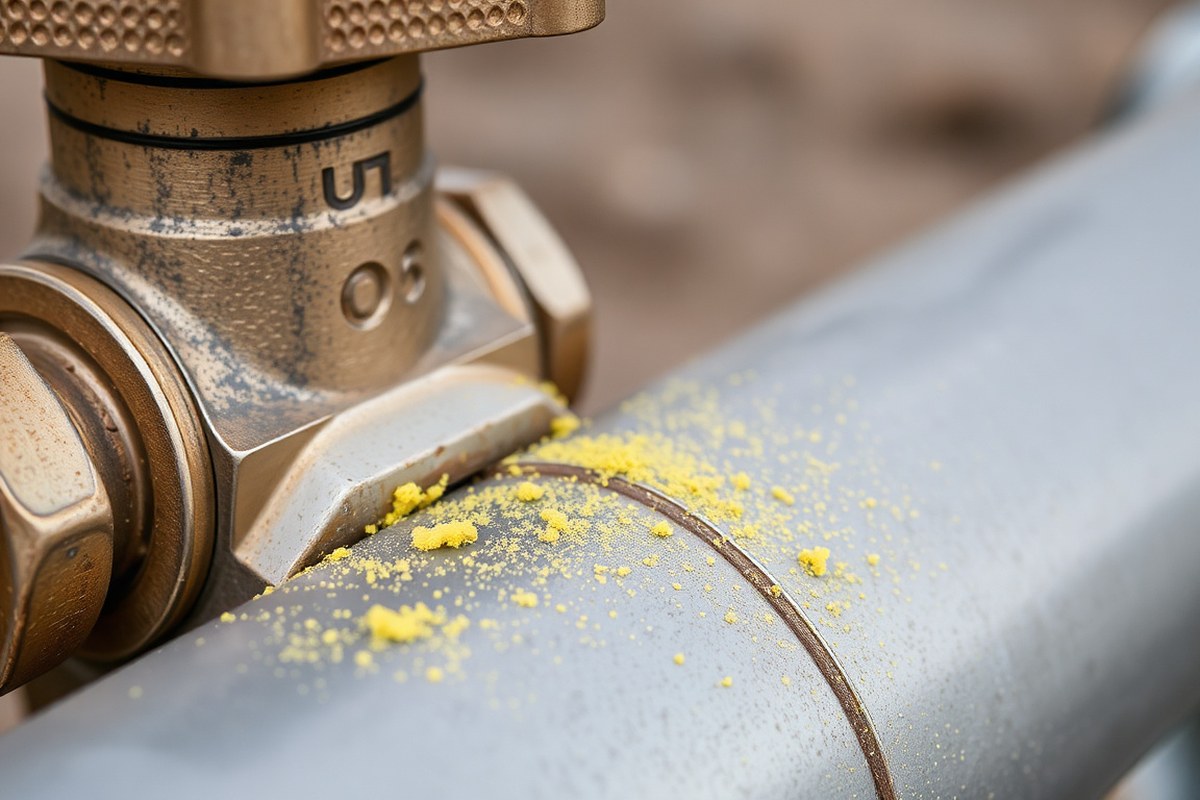
Natural gas has no smell when it comes out of the ground. Companies add a chemical called mercaptan to make leaks easy to notice. Mercaptan has a strong scent like rotten eggs or sulfur that most people recognize quickly.
This extra smell helps you detect gas leaks early and avoid danger. Because natural gas alone is odorless, leaks could go undetected and become serious hazards. Adding mercaptan allows you to smell even small leaks so you can take immediate action.
Gas providers mix just the right amount of mercaptan into natural gas. The concentration is enough to be easily smelled but safe for everyday use.
A very strong rotten egg smell usually means a big leak exists. You need to act fast and call for help immediately.
Mercaptan contains sulfur compounds, which our noses find very pungent. It’s the same chemical used to scent propane. Both gases get an artificial smell for safety reasons.
People use their sense of smell to find leaks. This helps prevent accidents and hazards.
This practice of adding mercaptan is strictly regulated by safety authorities. Regular tests ensure the rotten egg scent is strong enough to warn you of leaks. Without it, you might not notice gas escaping until it collects dangerously in your home.
What Does Natural Gas Smell Like Compared to Propane?
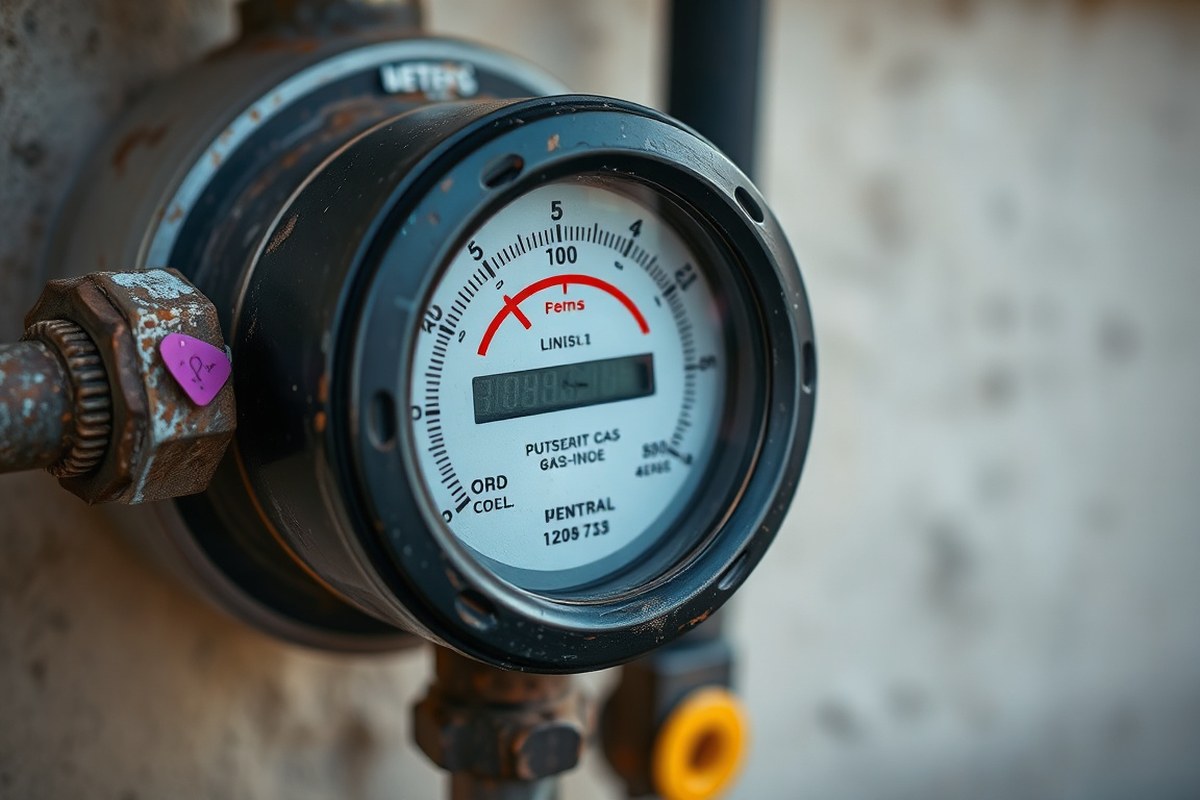
Natural gas and propane both smell like rotten eggs due to added mercaptan. This chemical gives gas a strong sulphur-like scent to help you notice leaks.
The exact smell differs slightly between natural gas and propane. But both use mercaptan to add that distinct odor.
Natural Gas Smell Characteristics
Natural gas is originally odorless but gets a strong rotten egg smell from mercaptan. It smells sharp, sulfuric, and can sometimes have a slight sweetness. This helps you detect leaks quickly because natural gas itself has no smell.
Mercaptan’s sulfur scent makes natural gas easy to detect even at low leak levels. This smell can remind people of rotten eggs or a strong chemical smell. The odor becomes noticeable after only a small amount of gas escapes into the air.
Propane Odor and Differences
Propane also uses mercaptan, so it shares the rotten egg smell with natural gas. However, propane’s scent can seem a little stronger or more pungent indoors. It may have a slightly sharper or more resinous edge compared to natural gas.
This difference comes partly from how propane vapors spread and mix in the air. The mercaptan added to propane can vary a bit. Its goal is to deliver a strong, bad smell.
This helps you notice leaks quickly. That’s why propane tanks always smell distinct and prompt quick action if you detect a leak.
Mercaptan’s Role in Gas Safety
Mercaptan is added because both natural gas and propane are clear and odorless by themselves. It gives gas a distinct smell similar to rotten eggs or sulfur compounds. This odor helps you notice leaks before gas builds to dangerous levels in your home.
Without mercaptan, you would not smell a leak, increasing fire or explosion risks. The chemical sulfur compounds in mercaptan quickly alert most people through their strong and unpleasant scent. This makes mercaptan important for home safety wherever gas lines or tanks exist.
Smell Examples and Leak Detection Tips
Natural gas leaks smell a bit like rotten eggs mixed with faintly sweet or cabbage-like notes. Propane leaks smell similar but can seem sharper or more penetrating in enclosed spaces. Both smells are easy to confuse with rotten food or a bad chemical, so be careful.
Always watch for other signs of a leak. These include hissing sounds or dead plants near outdoor lines. These clues help spot leaks early.
Avoid assuming a faint rotten egg smell is harmless. Mercaptan is deliberately strong so you act fast. Use gas detectors or call for professional help to confirm when in doubt.
Check propane tanks and natural gas lines often for leaks, especially before winter. A strong sulfur smell means take immediate action and ventilate your home.
Common Gases and Their Unique Odors Compared in One Table
Different gases you might find around your home have unique smells. Knowing these helps avoid confusion between harmless odors and dangerous gas leaks. Here’s a clear look at common gases and what they actually smell like.
| Gas | Smell Description | Notes |
|---|---|---|
| Natural Gas | Rotten egg or sulfur-like | Odor added as mercaptan for safety |
| Propane | Similar to natural gas but sharper, slightly sweet | Used in heating and grills; odorant added too |
| Butane | Mild, sweet scent like propane | Found in lighters and portable stoves |
| Freon (Refrigerants) | Sweet, ether-like chemical smell | Not naturally strong; leaks may smell faint |
| Carbon Monoxide (CO) | No odor, completely odorless | Very dangerous; requires CO detectors |
| Gasoline/Diesel | Gasoline: strong, sharp, chemical; Diesel: oily, musty | Smell changes with additives and age |
These smells matter a lot for safety. Natural gas and propane have added smells. But carbon monoxide has no smell or taste.
It can build up silently and requires special detectors to spot. That’s why having the right safety devices matters as much as trusting your nose.
Gasoline and diesel smells are different from natural and propane gas. Gasoline smells strong and chemical. Diesel feels oily or musty.
These smells can vary depending on storage and fuel blends. Someone might confuse propane’s sharp odor with cleaning products or even air fresheners sometimes.
But that’s less common with natural gas’s distinct sulfur scent. Knowing these differences helps you spot a real gas leak faster.
How Environmental Factors Affect Gas Smell Detection and Strength
Gas smell changes with temperature and humidity. Cooler air in winter slows gas movement, making odors linger longer indoors. Warm weather speeds gas dispersion, so outdoor leaks might smell weaker or fade faster.
Indoors, gas smells stay stronger and last longer. Small spaces trap the gas odor, which can cause headaches or nausea.
Outdoors, wind and open space dilute the gas. So smells often feel faint or come and go quickly.
Humidity also affects how you notice gas. High moisture helps carry the odor farther, sometimes making it easier to detect outside.
Dry air can weaken the scent, especially near outdoor leaks. So you might miss signs if it’s very dry.
Seasonal changes shift gas smell detection too. Winter’s cold air keeps gas heavier and closer to the ground, increasing danger indoors. You might notice smell more near floors or low spots.
In summer, gas scent spreads upward and mixes with warm air. So smelling it outdoors can be trickier.
Leaks near water can show bubbles where gas escapes. Comfortably checking those spots indoors or outside helps spot leaks faster. The smell’s strength depends on wind, temperature, and room size.
These factors carry or trap the odor. Keep them in mind when assessing gas smells.
Since gas odor detection varies by environment, rely on smell only as a warning sign. When the smell is strong and steady indoors, turn off the gas. Next, call emergency services right away.
For weaker outdoor smells, get a professional to inspect the source. Don’t assume faint odors mean low risk, they still signal danger.
Recognizing False Alarms vs. Real Gas Leak Smells
Smelling rotten eggs in your home could signal a gas leak. Natural gas and propane have a smell added to them. It smells like sulfur or rotten eggs.
This odor helps you detect leaks quickly. This helps you notice leaks fast since you won’t confuse the smell with everyday household odors.
Sometimes other smells can be confused with gas. Sewer gas or mold can smell like sulfur too. This can make it hard to tell the difference.
Sewer gas comes from plumbing vents or drains and usually smells stronger near sinks or toilets. Mold has a musty, damp scent that spreads over time in wet areas like basements. Knowing where the smell comes from helps separate gas leaks from false alarms.
Look for other clues of a real gas leak besides the smell. You might hear a hissing sound near a gas appliance. Look for dead plants near outdoor gas lines too.
These signs can mean a gas leak. Leave the area right away if your gas alarm sounds. Also leave if you feel dizzy or sick.
Don’t wait to get to fresh air. Do not ignore these signs or try to find the leak yourself without professional help.
- Check where the smell is strongest indoors or outdoors.
- Listen for hissing sounds near appliances or pipes.
- Look for signs like dead plants or bubbling water outside.
- Note if the smell is constant or comes and goes.
- Test drains or vents for sewer gas smells near the source.
- Observe if damp or moldy areas have musty odors.
- Use a gas detector for a more certain confirmation.
Don’t waste time guessing when you smell something like rotten eggs. Leave your home, and call your local gas company or fire department right away.
Gas leaks need quick response from trained professionals with proper tools. Trying to fix or locate leaks yourself risks explosions or poisoning.
Remember: A gas smell with hissing or alarms means leave now. Call for help once you are safe outside. Time is very important.
Essential Immediate Actions to Take If You Smell Gas Indoors or Outside
Smelling gas, inside or outside, calls for fast action to stay safe. The first step is to leave the area immediately. Once safe, call your gas company or 911 to report the smell without delay.
Indoor Gas Leak Response Steps
Detecting gas indoors means you need to act with care and speed. Don’t turn on or off any electrical switches. These can spark and ignite the gas, causing an explosion.
Follow these steps carefully to keep everyone safe:
- Stop using any flames, like matches or lighter.
- Open windows and doors to let fresh air circulate.
- Leave the home immediately and get everyone outside.
- Do not use your phone or any electronic device inside.
- Once outside and at a safe distance, call your gas company or 911.
- Wait for professionals to arrive and handle the situation.
If you smell a faint odor, treat it seriously. A strong smell means get out fast and call emergency services right away. You should not attempt to find the leak yourself.
Outdoor Gas Leak Action Checklist
Gas smells outside can come from your yard or nearby areas. Look for other signs like dead plants or bubbling water. These might indicate the gas is leaking underground.
Here’s what to do if you suspect an outdoor gas leak:
- Leave the area or building near the smell immediately.
- Do not start cars or use any electrical devices near the smell.
- Move to a safe distance, uphill and upwind if possible.
- Use a phone away from the leak to call the gas company or 911.
- Warn others near the site to leave the area safely.
- Wait for the gas company or emergency responders to arrive.
Outdoor leaks can displace oxygen in soil, risking health. Acting quickly helps protect your home and nearby neighbors.
Calling Emergency Services Safely
Do not use your phone inside a place where you smell gas. Electronics can cause sparks that ignite leaking gas. Always exit the area first.
Use a cell phone or landline once you are at a safe distance outdoors. Call your local gas company’s emergency number or dial 911. They have the skills and tools to fix gas leaks safely.
Be ready to share your location and details about the smell. Emergency responders rely on quick, clear information to act fast and protect everyone.
Who May Have Trouble Detecting Gas Smell and How to Compensate
Not everyone can detect the smell of gas equally well. People with colds, allergies, or age-related changes often have a weakened or inconsistent sense of smell. This makes gas leaks harder to notice before they become dangerous.
To protect yourself, install gas detectors in your home. These devices can sense natural gas leaks even if your nose cannot. The EPA suggests placing detectors near bedrooms and gas appliances for the best coverage.
Gas leak alarms cost between $20 and $60 each and run on batteries or electricity. Choose models with loud alarms and clear indicators. Test them monthly and replace batteries at least once a year to keep them reliable.
Carbon monoxide detectors are also essential. They detect a different gas that has no smell but is equally hazardous. Install these alarms alongside gas leak detectors for full safety.
If you smell gas, never turn on or off electrical switches or use phones indoors. These actions can create sparks and ignite the gas. Instead, leave the area immediately and call emergency services from outside.
People with unreliable smell need extra safety steps. Use a combination of detectors, regular maintenance, and proper venting. Some home security systems even include natural gas alarms you can monitor remotely.
Installing a Gas Life Safety System (GLSS) adds layers of protection. These systems combine sensors, alarms, and automatic shutoff valves in key zones. They require professional setup but provide continuous, accurate warnings and reduce risks effectively.
Myths About Gas Smell and Leak Detection You Should Ignore
Many people believe gas leaks always smell strong or rotten all the time. That’s not true. Gas may leak in small amounts.
The smell can be very faint. Wind or large spaces can make it disappear quickly. Using only your nose can be risky.
Other smells can mask gas odors. Health issues might make you miss the gas smell.
Another myth is that all gases smell the same. Natural gas and propane have different additives and smells. Confusing these can delay spotting a leak or cause false alarms.
Also, some people think hearing a hissing sound is the only sign of a leak. But many leaks are silent or produce no visible signs.
Smell is useful but shouldn’t be the only warning method. Gas detectors add a layer of safety by sensing gas concentrations your nose might miss. Some portable detectors cost about $30 to $100.
They alert you before gas is dangerous. These alarms help keep you safer. Using both smell and a detector offers better protection, especially in less ventilated or commercial spaces.
- Never ignore a faint gas smell; investigate or leave immediately.
- Don’t wait to detect a loud hissing sound, it can be too late.
- Avoid relying on your nose if you have a cold or allergies.
- Keep a gas detector in high-risk areas like kitchens and basements.
- Call the gas company or emergency services if you suspect a leak.
- Don’t try to fix a gas leak yourself; hire a licensed professional.
Some think low gas smell doesn’t mean danger. Gas can build quietly to dangerous levels over minutes or hours. Others believe that only indoor leaks are harmful.
Outdoor leaks can concentrate in low spots or enclosed yards, creating hazards. Knowing these realities helps you act fast and safely.
Always leave the area where you smell or hear gas and call emergency services immediately.
Gas industry chemicals like mercaptan are designed to be irritating and clear. This irritation isn’t toxic but serves to warn you quickly. Don’t ignore mild nausea, dizziness, or headaches with gas smell.
They might be early signs of inhaling enough gas to be risky. Taking action early can prevent explosions, fires, or health emergencies.
How Gas Odorants Like Mercaptan Work Chemically and Historically
Mercaptan is a chemical added to natural gas that gives it a strong, recognizable smell. This helps you detect leaks quickly and stay safe. The addition of mercaptan started over 80 years ago to prevent accidents from undetected gas leaks.
Chemical Properties of Mercaptan
Mercaptan, specifically ethyl mercaptan, contains sulfur, which produces its sharp smell. It belongs to a class of compounds called thiols, known for their strong odors. The sulfur atoms bind to natural gas molecules without affecting how the gas burns.
This chemical bond is stable at room temperature and through pipelines. It does not change the gas’s performance for heating or cooking. Even tiny amounts of mercaptan can create a strong scent because of its chemical makeup.
Odor Threshold and Detection Sensitivity
People can detect mercaptan even at very low concentrations. The odor threshold is about 1 part per billion. The human nose is very sensitive to it.
This makes it easy to detect gas leaks early. This means just a tiny leak releases enough mercaptan for you to smell the gas.
This sensitivity is why adding mercaptan to odorless natural gas works well for safety. Even a small gas leak will alert people early. However, certain factors like cold air or poor ventilation can affect how strong the odor smells.
History of Gas Odorization for Safety
Before odorants, natural gas leaks were hard to detect, causing many accidents. In 1937, gas companies began adding mercaptan to prevent such dangers. This change followed several tragic gas explosions from undetected leaks.
The process involves mixing mercaptan directly into gas pipelines at controlled rates. Usually, this adds about 1 part mercaptan per million parts of gas. This balance keeps the smell strong enough for safety.
It does not affect gas use or cost much. The gas remains affordable and practical to use.
Today, adding mercaptan is required by law in many places. It is a simple, affordable safety step that saved countless lives since its introduction.
Step-by-Step Action Plan for Handling Gas Smell Safely
Follow these steps right away if you detect a gas smell. Each one helps you act quickly and avoid danger.
- Immediately upon smelling gas: Stop using all electrical devices. Open windows to let fresh air in. Check if the smell reduces.
- Within 5 minutes: Leave your home carefully without turning on lights or appliances. When the gas smell is strong, don’t use phones inside the house.
- After leaving: Call your gas company or emergency services from a safe location. Confirm they are on their way.
- While waiting: Do not re-enter the building until professionals say it’s safe. Keep others away too.
- Upon inspection: Follow the technician’s advice. Ask about fixing leaks or replacing faulty equipment.
- Next day: Test your gas detectors and replace batteries if needed. Verify they alarm correctly.
- Within the week: Read your utility company’s safety guidelines. Learn how to recognize gas smells confidently.
- Regularly after: Schedule professional gas system inspections every year. Prevent leaks before they start.
Frequently Asked Questions
How Do Utility Companies Add the Gas Smell to Natural Gas?
They add a chemical called mercaptan to natural gas before delivery. This gives the gas a distinct rotten egg or sulfur smell for safety reasons.
Why Can Some People Not Smell Natural Gas Even If There’s a Leak?
Some people lose the ability to detect gas odors due to age or medical conditions. Environmental factors like a cold or strong background smells can also mask the gas smell.
Can Gas Smell Differ Between Regions or Gas Suppliers?
Yes, the exact chemical composition of odorants can vary by supplier or region. This can cause slight differences in the intensity or subtle notes of the gas smell.
What Should I Do If I Smell a Weak Gas Odor Outside Near a Utility Box?
A weak outdoor gas smell might mean a small leak or harmless trace gases. However, if the odor persists or strengthens, you should report it to your gas company promptly.
How Long Does a Natural Gas Burner Leak Smell Last If Not Fixed?
A burner leak can make gas smell last while it escapes. This could be more than 15 minutes. A strong persistent smell is a clear sign to evacuate and call for help immediately.
Final Thoughts
Gas smells like rotten eggs because of added odorants, which help you spot leaks fast. Knowing these smells and what to do keeps you safe. Take a moment today to check your home for gas detectors and review your safety plan.