How Fast Can Geese Fly? A Complete Guide to Their Speed and Flight Limits
How fast can geese fly? These birds usually cruise at about 40 miles per hour. Geese can speed up to 60 miles per hour in short bursts.
They reach 70 miles per hour when pushed by strong tailwinds. This extra speed does not last long. Their flight uses steady, strong wing beats instead of long glides, helping them maintain these speeds.
Geese are heavy birds, so their wing power is key. The steady pace helps them cover long distances without tiring quickly. Watching geese fly in V-formations shows how they save energy and keep up their speed.
To spot their real speed, look for them migrating on calm days. Tailwinds can push them faster but weather changes might slow them down. Remember, their cruising speed balances speed and energy use for long flights.
Key Takeaways
- Geese usually fly around 40 miles per hour in typical flight.
- They can hit 60 to 70 miles per hour during short bursts.
- Strong wing beats, not gliding, power their steady flight.
- V-formation flying reduces wind resistance and saves energy.
- Tailwinds increase their flight speed significantly during migration.
- Geese adjust their speed to balance endurance and distance.
How Fast Do Geese Fly During Typical Flight?
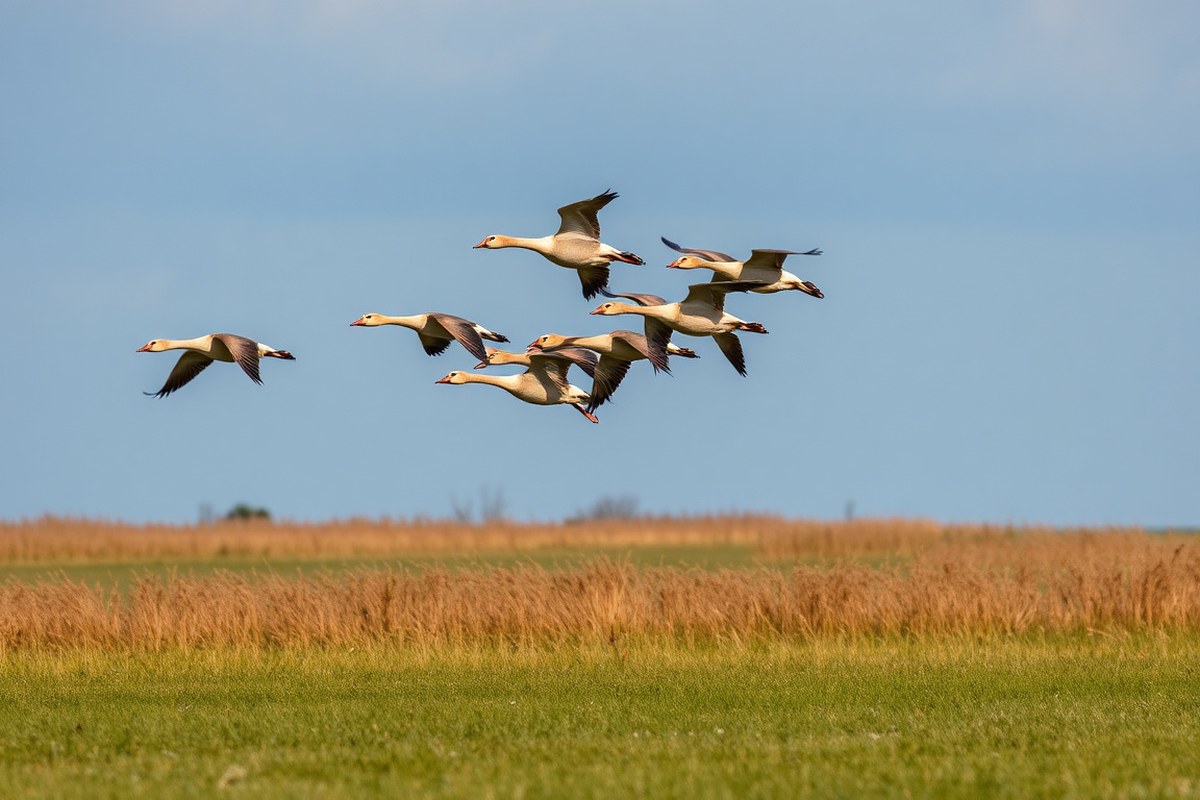
Geese usually fly at speeds between 30 and 40 miles per hour during normal flight. This range represents their typical cruising speed when they travel over short and long distances. Many species maintain these speeds steadily, using strong wing beats instead of gliding.
Some species, like Canada geese, can reach higher speeds when needed. During short bursts or escape flights, they can hit 60 to 70 miles per hour. These peak speeds allow them to evade predators or catch favorable winds quickly.
Flight speeds differ depending on species and situation. For example, migratory Canada geese typically cruise at 40 to 50 miles per hour. Tailwinds can push speeds up closer to 60 miles per hour during migration.
Other geese species may fly slightly slower or faster. But most fall within the 30 to 70 mile range.
| Goose Species | Average Flight Speed (mph) | Maximum Burst Speed (mph) |
|---|---|---|
| Canada Goose | 40 – 50 | Up to 70 |
| Snow Goose | 30 – 40 | Up to 60 |
| Greylag Goose | 35 – 45 | Up to 60 |
Knowing these flight speeds helps when watching geese or tracking migration. Typical flight speeds show how far they can travel each hour, around 30 to 40 miles.
At top speeds, geese can cover more ground fast but only for a short time. This speed range reflects their muscle strength and wing design.
How Far and How Long Can Geese Fly Without Stopping?
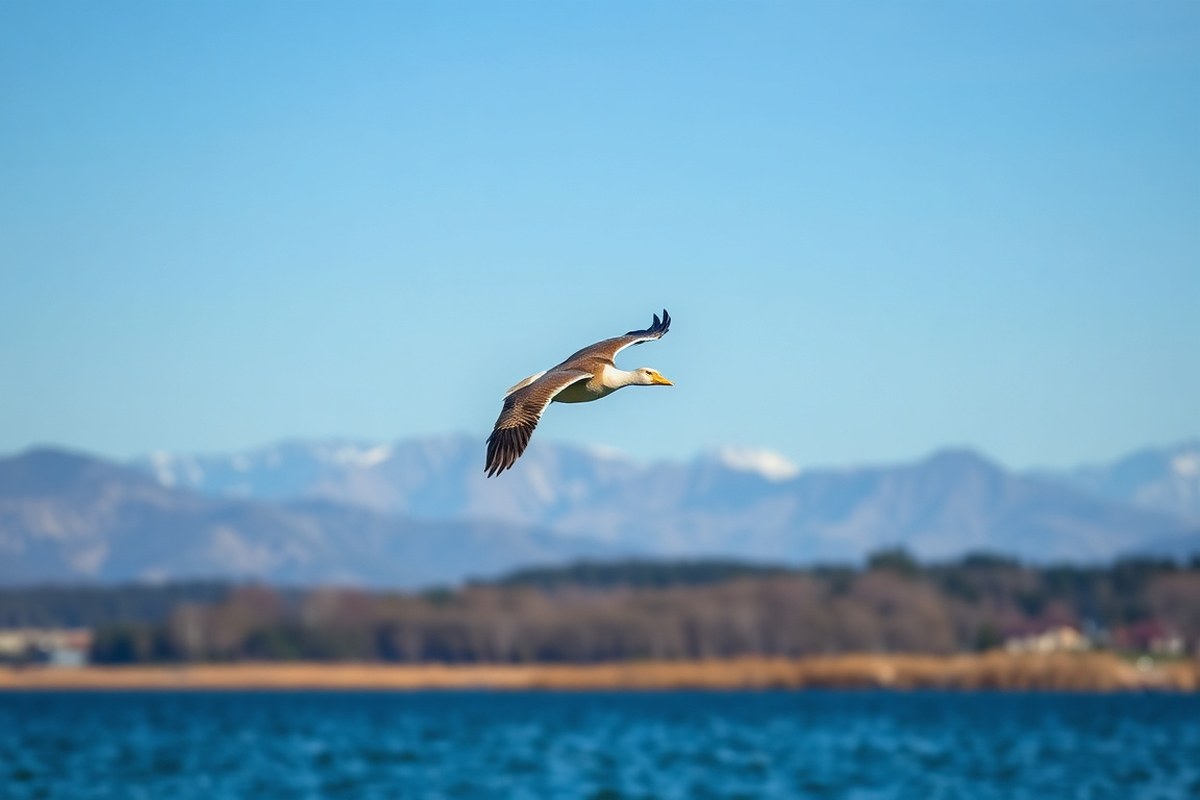
Geese can keep flying without stopping for up to 16 hours. They often go 300 to 600 miles in one day. Good winds can help them go even farther during migration.
Duration and Distance of Nonstop Flight
Some geese species fly nonstop for as long as 16 hours. This allows them to cover vast distances in a continuous push. During these flights, they rely on stored fat for energy, burning it steadily to keep going.
In extreme cases with strong tailwinds, some geese can fly over 1,500 miles nonstop. Typical nonstop segments range from a few hundred to around 1,000 miles. These long flights show their ability to handle cold air and thin mountain air with ease.
Daily Travel Distance and Flight Patterns
On average, geese migrate 300 to 600 miles each day. This distance depends on weather conditions and rest availability. When conditions are tough, they fly shorter distances and rest more often.
They alternate between flying and resting, often pausing during the night or at stopover sites. Geese may fly for several hours straight.
Then they stop to eat and rest. This helps them get their energy back.
How Tailwinds Boost Daily Distance
Tailwinds can increase a goose’s daily range dramatically. For example, a goose cruising at 40 mph for 10 hours covers 400 miles.
Add a 20 mph tailwind. The bird can fly 600 miles in that same time.
This wind boost helps geese save energy or speed up migration. When strong tailwinds persist, daily travel distances can exceed 1,000 miles, allowing very fast migration progress.
Flight and Rest Timeline During Migration
Geese usually start flying early morning when the air is cooler. They often stop mid or late afternoon to rest and feed. This cycle repeats daily, supporting long journeys over weeks or months.
Some geese fly at night if the air is calm and clear. Others choose to rest during nighttime.
Both ways help them manage their long trips. Rest stops are important for rebuilding fuel reserves and avoiding exhaustion in harsh weather.
Watching weather forecasts can help predict when geese will fly longer or rest more during migration.
What Altitudes Do Geese Reach During Migration?
Geese usually migrate at heights between 1,000 and 3,000 feet. Canada geese often fly from 2,000 to 4,000 feet, visible to pilots. These heights help geese save energy and avoid ground dangers.
Some geese can reach much higher altitudes when needed. Bar-headed geese, for example, have been recorded flying nearly 30,000 feet to cross the Himalayas. That’s where the air is thin.
Oxygen levels are low, but these birds have special adaptations. Their lungs and blood work very efficiently to keep oxygen flowing even at such heights.
Snow geese and brant geese usually fly lower than 5,000 feet. They stay closer to the ground than many other species. This helps them navigate better in their habitats.
During mountain crossings or bad weather, some geese fly very high. They can reach altitudes of 20,000 to 23,000 feet.
This helps them clear terrain and face harsh conditions. Flying higher can reduce air resistance, which helps save energy on long stretches.
Different goose species migrate at different altitudes. Canada geese typically fly between 2,000 and 4,000 feet. These altitudes suit their energy needs and flight paths.
Snow geese prefer 1,000 to 3,000 feet; brant geese usually stay under 3,000 feet. And bar-headed geese can soar up to 30,000 feet in extreme cases. Conditions like weather, terrain, and urgency influence these altitudes.
Flying at high altitudes costs more energy to stay aloft. So geese balance altitude with oxygen needs and wind conditions. Canada geese fly lower on calm days and higher when needed.
They raise altitude to cross obstacles or use tailwinds. Flight height varies depending on weather and terrain. These shifts help them cover thousands of miles during migration efficiently.
How Weather and Wind Affect Geese Flight Speed
Tailwinds help geese fly faster by pushing them forward. This can increase their ground speed by several miles per hour. During migration, geese take advantage of tailwinds to cover long distances efficiently.
On the other hand, headwinds slow geese down by pushing against them. Strong headwinds force geese to use more energy and reduce their flight speed. Sometimes, this leads geese to stop and rest until conditions improve.
Temperature also influences flight endurance. Cooler temperatures usually help geese fly longer because their bodies don’t overheat. In contrast, flying in very hot weather can tire them out faster.
Before setting off, geese assess the weather carefully. They often wait for clear skies and moderate wind direction. Bad weather, like storms or heavy rain, can delay migration or cause shorter flight legs.
- Tailwinds boost speed and reduce energy use.
- Headwinds lower speed and increase fatigue.
- Clear skies are preferred for sustained flight.
- Heavy rain or storms typically halt flights.
- Cool temperatures improve endurance.
- Warm weather may shorten flying time.
- Wet feathers from rain add weight, slowing geese.
You can see speed changes by watching geese fly in different weather. Sometimes they move fast. Other times, they move slower across the sky.
On days with a steady wind behind them, geese often zoom past quickly. They struggle or flap harder when the wind slows them down. Tough weather can cause this too.
Heavy loads like wet feathers or undigested food also cut their speed. Geese tend to fly slower just after feeding or after rain.
Watch geese and check local weather at the same time. This shows how the weather changes their flight speed.
Why Does V-Formation Flying Increase Efficiency and Speed?
Flying in a V-formation helps geese fly faster and farther while using less energy. When a goose flaps its wings, it creates an upwash of air behind it.
The next bird flies just behind and a little to the side. So it catches this rising air and needs less effort to stay aloft.
The lead bird does the hardest work by cutting through the air. It breaks the wind resistance first. This helps birds behind fly easier.
The others get a free lift from the leader’s wingbeats. Birds flying in the back save 20-30% of their energy.
They use less effort than flying alone. This makes long flights easier.
The V-formation cuts wind resistance and balances the load among the flock. Each goose flies about one wing length behind the bird in front. They also move a bit to one side.
This helps them catch the lift. This flying pattern reduces drag for the group.
It helps push all the birds forward faster. They fly quicker than a bird alone.
| Flying Solo | Flying in V-Formation |
|---|---|
| Higher wind resistance | Reduced drag by following others |
| More energy used | Energy savings up to 30% |
| Slower endurance speed | Faster cruising speed up to 70 mph |
| Shorter flight range | Flight range can extend up to 70% |
Geese in formation switch leaders regularly. The bird at front tires faster because it fights full air resistance first.
When it gets tired, it drops back, and another bird takes over. This rotation spreads the effort and keeps the group flying strong for longer.
Formation flying also helps the flock stay together and communicate during migration. The clear V pattern reduces accidents and helps geese conserve energy over long routes. It is a smart way of sharing the workload so everyone can reach the destination.
Here’s how geese do it: One bird leads. Others follow close behind, each positioned just right to catch wingtip air.
They keep their distance to avoid turbulence but stay close enough for lift benefit. They rotate leadership to avoid exhaustion, maintain speed, and reduce drag across the whole flock.
Geese fly close in formation but keep a safe distance. This helps them gain lift from each other. They avoid bumping into each other this way.
Speed Differences Among Goose Species
Geese species vary in flight speed and altitude. Their body size and wing shape affect how far they can fly. These features change how fast and high geese can go.
Bigger species tend to fly slower but can carry more energy for long flights. Smaller or more streamlined geese usually reach higher speeds and better maneuverability.
The bar-headed goose stands out for its ability to fly fast and high. It can reach altitudes above 20,000 feet and maintain speeds up to 40 mph. This species is specially adapted for long nonstop flights, sometimes exceeding 1,000 miles.
| Species | Average Flight Speed (mph) | Typical Endurance (miles nonstop) | Common Cruise Altitude (feet) | Body Size (weight in lbs) |
|---|---|---|---|---|
| Bar-headed Goose | 35-40 | 1000+ | 13,000 – 20,000+ | 4.5 – 6 |
| Canada Goose | 30-35 | 800 – 900 | 2,000 – 4,000 | 6.6 – 14 |
| Snow Goose | 30-40 | 700 – 900 | 2,000 – 4,000 | 5 – 7 |
| Greylag Goose | 28-34 | 500 – 700 | 2,000 – 4,000 | 6 – 9 |
| Greater White-fronted Goose | 30-35 | 600 – 800 | 2,000 – 4,000 | 4.5 – 6.5 |
The differences shown in this table come from wing shape and muscle power. Longer wings help with soaring and gliding, saving energy during long migrations. Heavier size usually lowers speed but improves flight endurance.
Canada geese are larger and fly a bit slower. But they carry enough fat reserves to cover long distances.
Snow geese combine moderate size with good speed, making them efficient for various flight conditions. The bar-headed goose lives at high altitudes, often crossing the Himalayas, which shows its unique adaptations.
Watching geese migrate, you may see some flying higher or faster. Different geese have different flight styles. Their speed and height change during migration.
This often depends on their species, body build, and the purpose of their flight. Knowing these differences helps you better appreciate the effort and skill involved in their long journeys.
How Geese Manage Energy and Rest During Long Migrations
Geese rest regularly during their long migrations to save energy. They stop at known wetlands to eat and recover, usually overnight.
Flying at night or day depends on conditions. They can rest while flying through special brain activity.
Rest Stops and Feeding Habits
Geese cover between 300 and 600 miles in a day with breaks at wetlands. These stopover sites give geese food and safety. They help geese refuel their energy.
Geese rest here before flying again. They return to the same spots year after year, making it easier to plan their trip.
During stops, geese eat grasses, grains, and aquatic plants to rebuild fat and muscle. The breaks can last several hours or overnight. They help birds get ready for the next flight.
The rest is important for long trips. This pattern of resting and eating repeats every day to keep energy balanced.
- Identify reliable wetlands along your migration route for rest stops.
- Use these wetlands to find water, food, and shelter during migration.
- Feed on grasses, grains, and plants to rebuild fat stores.
- Rest thoroughly, usually overnight, to recover strength.
- Resume flying in the morning after rebuilding energy.
- Repeat this cycle at every stopover to conserve energy for long flights.
Night vs. Day Flight Patterns
Geese mostly migrate during the day but can fly at night when needed. Night flights often happen when weather is clear or to avoid wind or predators. Flying during daylight helps them find food after landing and see landmarks to navigate.
They rest overnight at stopovers, making day flights the usual pattern for safety and feeding. However, in some conditions, such as strong headwinds, they may extend flying hours into the night. This flexibility helps them cover more distance when required.
Sleep While Flying?
Geese use a type of “unihemispheric sleep” to rest one half of their brain while flying. This lets them keep control of flight and watch for danger while getting some rest. The ability helps them stay alert during long migrations without total stops.
Even with this sleeping method, geese still need full rest breaks at stopovers to fully recover. Flying sleep reduces fatigue but does not replace complete sleep cycles on the ground. This balance allows them to conserve energy effectively throughout migration.
Common Myths and Misconceptions About Geese Flight Speeds
Geese don’t regularly hit speeds over 70 miles per hour. They can fly 60 to 70 mph with strong tailwinds. This speed happens when they fly in a tight V-formation.
It helps them slice through the air better. Most days, they fly around 40 mph during migration.
This speed saves energy over long distances. It helps them travel without getting too tired.
Flying nonstop for 1,500 miles is rare. Geese sometimes fly over 1,000 miles nonstop but usually stop to rest or refuel. They can add another 100 to 200 miles to their trip.
This happens if conditions stay good before nightfall. They push on while the weather is right. These stops help them find food and water, which they need regularly.
The common story about geese flying at 30,000 feet isn’t true for all of them. Some flights reach high altitudes, but most geese travel lower during migration.
Flying too high uses more energy and thick air becomes thinner. They pick heights that balance oxygen levels and energy use.
| Myth | Reality |
|---|---|
| Geese often fly over 70 mph | Only with strong tailwinds and V-formation do they reach 60, 70 mph |
| Geese fly 1,500 miles nonstop regularly | Nonstop flights over 1,000 miles are uncommon; they stop to refuel |
| Geese migrate at 30,000 feet always | Altitudes vary; most geese fly lower to save energy and oxygen |
Knowing real flight speeds and habits helps bird watchers set realistic expectations. Flying faster than 70 mph or nonstop over 1,000 miles happens. These feats depend on weather and current conditions.
Not all trips go this far or fast. High-altitude flights happen occasionally, but not during every migration.
Keep in mind that weather and winds strongly affect geese speed and flight altitude during migration.
How Migration Season and Age Affect Geese Flying Speed
Geese flight speed varies depending on their age and the season of migration. Young geese generally fly slower because they lack full muscle strength. Migration speeds also shift between seasons, often faster in spring than winter.
Juvenile vs. Adult Flight Characteristics
Adult Canada geese have stronger flight muscles and better stamina. Juveniles are still building these and typically fly slower and for shorter distances. You can spot younger geese by their shorter wings and patchy feathers.
Tracking young geese during migration shows they fly slower than adults. They lag by about 5 to 10 miles per hour. This difference changes how they keep up on long trips.
Their endurance is lower because they haven’t developed the full energy reserves adults rely on. Watching a V-formation can help identify age differences, as juveniles tend to struggle with maintaining position.
- Look for smaller size and uneven feather growth.
- Notice if a bird frequently drops behind the flock.
- Observe wingbeat rhythm; juveniles flap more often.
- Check if young birds rest more during stops.
- Spot duller feather coloring compared to shiny adults.
Winter Versus Spring Migration Speeds
Geese tend to fly slower during winter migrations due to colder air and tougher conditions. In spring, warmer winds and longer daylight help them fly faster. They take advantage of tailwinds more in spring to increase speed.
Colder temperatures in winter require more energy to maintain body heat, reducing flight speed. Spring migration aims to reach breeding grounds quickly, so geese fly with more urgency. Seasonal headwinds or tailwinds can change average speeds by up to 10 miles per hour.
- Winter flights face colder temperatures, 20-40°F lower.
- Spring flights are aided by warmer, calmer winds.
- Daylight hours increase in spring, giving longer flights.
- Snow and ice may force slower, cautious flying in winter.
- Spring return trips capitalize on favorable wind patterns.
Return Migration Dynamics
Geese often fly faster on their homeward migration in the fall. They are in better flight condition from feeding and have strong motivation to return. The urgency to settle in familiar spots helps boost their speed.
Their endurance peaks during the return trip because of accumulated muscle strength. They also tend to make fewer stops and fly at higher altitudes where winds are stronger. This combination results in flight speeds sometimes 5 miles per hour faster than the outgoing migration.
- More muscle strength after months of feeding.
- Fewer rest stops during return migration.
- Flying at higher altitudes with better wind support.
- Stronger flock coordination and more efficient V-formation.
- Motivation to reach familiar wintering grounds quickly.
Quick-Start Action Plan to Observe and Appreciate Geese Flight
Start by watching geese closely to notice their speed and flight patterns. This plan helps you track their behavior during migration.
- Day 1: Find a local spot where geese pass regularly. Use a timer or stopwatch to estimate their flight speed over a set distance.
- Week 1: Note the weather conditions during observation. Compare flight speed on windy and calm days to see differences.
- Week 2: Observe if geese fly in V-formations or single lines. Record any speed changes when formations shift.
- Week 3: Look for different species of geese nearby. Check if some fly faster or slower than others.
- Week 4: Pay attention to the altitude. Use landmarks like trees or buildings to estimate how high they are flying.
- Migration Season: Track flights early and late in the season. Notice if young geese fly slower than adults.
- After 2 Months: Compile your notes to find patterns in speed and behavior. Confirm if your observations match expected migration habits.
Frequently Asked Questions
Do Geese Sleep While Flying?
Geese do not sleep fully when they fly. They rest one half of their brain.
This lets them stay alert during flight. This helps them avoid dangers and stay alert during long migrations.
How Long Can a Goose Fly Without Stopping?
Some geese can fly nonstop for up to 16 hours during migration flights. This allows them to cover very long distances in one go, especially with favorable wind conditions.
Can Geese Fly 1,500 Miles a Day?
Geese can fly up to 1,500 miles in one day. Strong tailwinds help them cover this distance.
They use these winds to save energy. They normally cover less, around 300 to 600 miles. But extreme weather can boost their range.
Why Do Geese Honk When Flying?
Geese honk during flight to keep the flock together and communicate about directions or dangers. Their calls also help maintain the group’s V-formation for energy-saving.
How Do Geese Avoid Exhaustion on Long Flights?
Geese take brief breaks to rest before long flights and use tailwinds to save energy. They also rotate lead positions in the V-formation to avoid tiring any one bird.
The Bottom Line
Geese fly between 30 and 60 miles per hour, depending on species and conditions. Watching their flight helps you understand their amazing migration skills. Start observing today, and you’ll see their speed and formations in action up close.