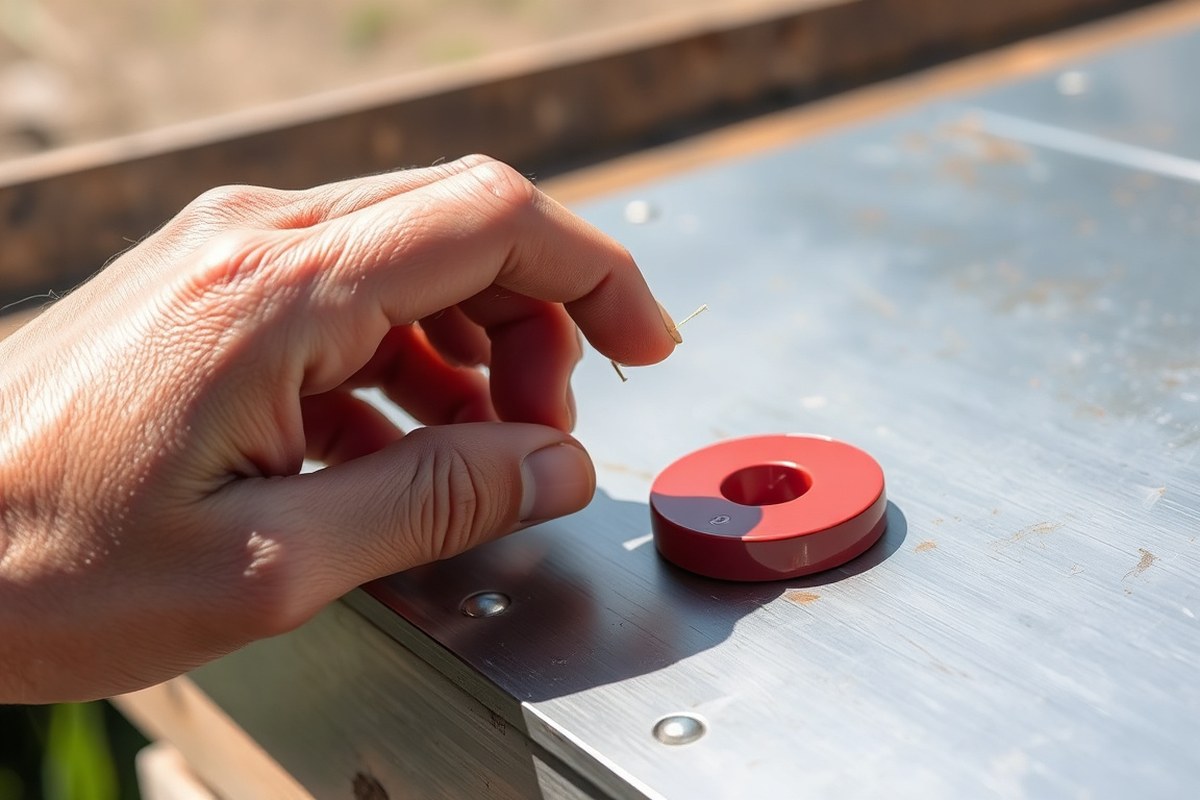
Do Magnets Stick to Galvanized Steel? A Complete Guide That Explains Why
Do magnets stick to galvanized steel? Yes, they usually do.
Galvanized steel has a thin zinc coating over steel, which is magnetic. The zinc layer is so thin it doesn’t block magnetism.
Magnets will attract galvanized steel almost like regular steel. The steel core inside is ferromagnetic, so magnets stick well. Just note that very thick coatings might weaken the pull a bit.
Thickness of the zinc layer varies but typically stays below 0.1 millimeters. This thin zinc layer prevents rust but has little effect on magnetism. If the coating is damaged or uneven, magnet strength might change locally.
Magnets can lose power if exposed to high temperatures, around 200°F or above. For most home or shop uses, galvanized steel behaves like standard steel regarding magnets. Keep this in mind when planning magnetic attachments or tools.
Key Takeaways
- Galvanized steel is mostly steel with a thin zinc coating.
- The zinc layer is non-magnetic but usually too thin to block magnets.
- Magnets stick well to galvanized steel like to regular steel.
- Thicker zinc coatings may reduce magnetic pull strength slightly.
- Magnets lose strength near and above 176°F (80°C).
- Test magnet strength by lifting or sliding on the coated surface.
Do Magnets Stick to Galvanized Steel?
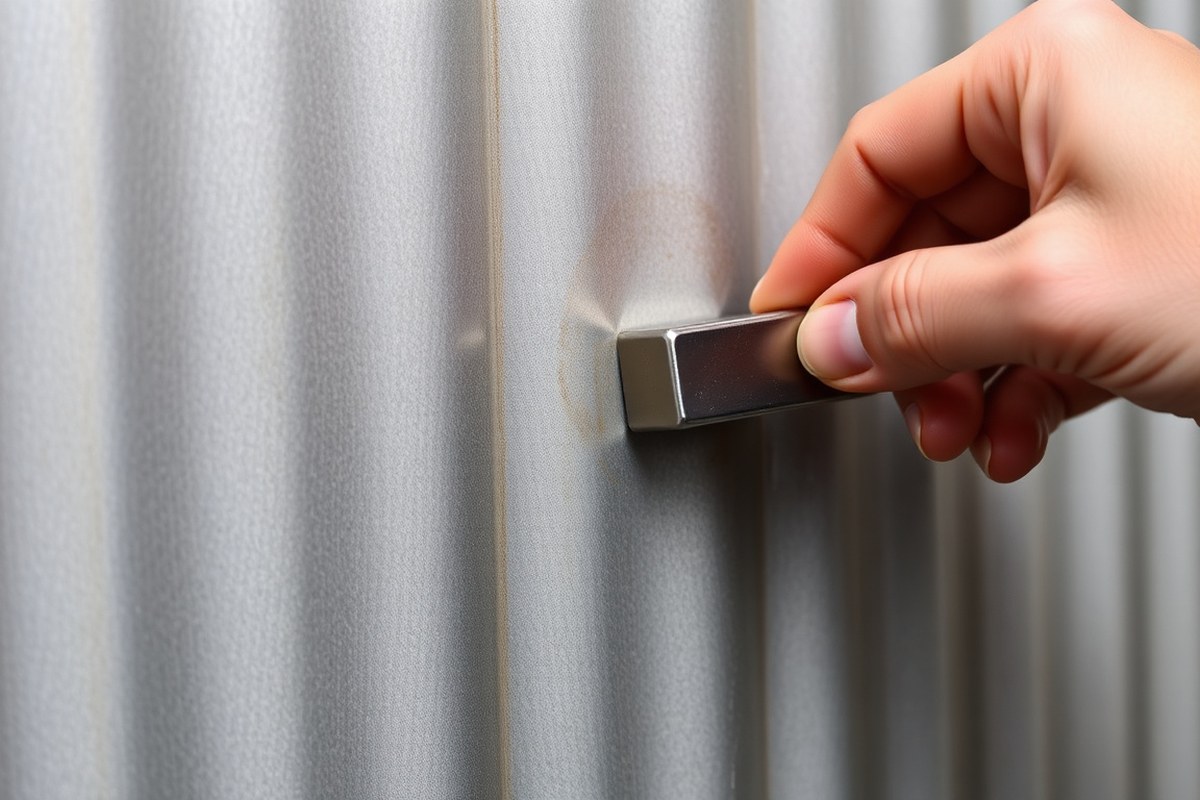
Magnets do stick to galvanized steel because the steel underneath is magnetic. The zinc coating on galvanized steel is thin and nonmagnetic.
So it doesn’t block the magnet’s pull. The key factor is the steel’s ferromagnetic nature, meaning iron atoms align and respond to magnets.
When you hold a magnet near galvanized carbon steel, it will attract. The magnet pulls just like it does with plain steel. The zinc just protects the steel from rust but doesn’t affect magnetism much.
The zinc layer can weaken the attraction if it is very thick. But typical coatings stay between 0.5 and 3 mils thick, which is usually too thin to stop magnets.
Knowing this helps in construction and manufacturing settings. Materials must react to magnets for fasteners or sensors to work well. Since galvanized steel retains its magnetic qualities, you can test it with a magnet easily.
Just place a common refrigerator magnet on the surface. The steel below is ferromagnetic if the magnet sticks firmly. This means the zinc layer’s thickness is normal.
What Is Galvanized Steel Made Of?
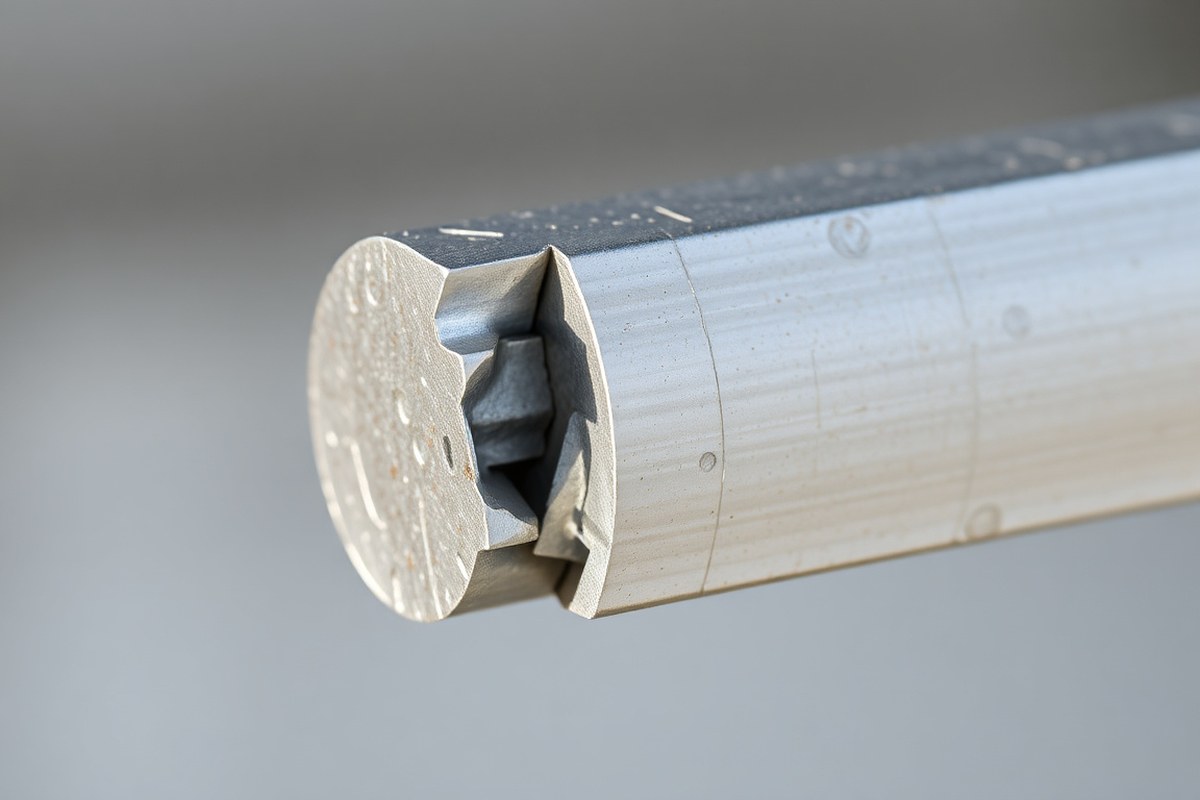
Galvanized steel has a steel base covered by zinc. The zinc stops rust and corrosion from forming. Zinc isn’t magnetic, but the steel under it still is.
Basic Composition of Galvanized Steel
Galvanized steel starts as carbon steel, which attracts magnets well due to its ferromagnetic properties. The steel is then dipped or electroplated with zinc to form a protective layer. This zinc layer prevents rust but does not change how the steel’s magnetism works.
The zinc coating usually measures a few microns thick. This thin layer preserves the steel’s magnetic ability while blocking moisture and oxygen. You can still expect a strong magnetic pull through the zinc layer.
How Zinc Coating Is Applied
Hot-dip galvanizing involves dipping steel into molten zinc at about 840°F. This makes a thick, durable coating that bonds tightly with steel. Electro-galvanizing uses electrical currents to deposit a thinner zinc layer quickly, mostly for smaller parts.
Both methods create a consistent zinc film that shields steel from corrosion. The thickness varies: hot-dip coatings often reach 50 microns.
Electro-galvanized layers are about 5 microns. Neither thickness blocks a magnet’s pull through.
Magnetic Effects of Zinc Coating
Zinc is not ferromagnetic, meaning magnets won’t stick to zinc alone. Still, the coating is thin and doesn’t block the magnetic field reaching the steel core. This lets magnets strongly attract galvanized steel despite the zinc.
Even thick zinc coatings won’t stop magnetism from the underlying steel. The zinc layer repels magnets a tiny bit. This effect is very small.
A magnet can still stick well to galvanized steel. The steel’s magnetic nature dominates the overall effect.
Why Magnetism Matters in Galvanized Steel Use
Knowing the steel is magnetic under zinc helps when testing or using magnet-based tools. For example, a stud finder or magnetic fastener will work through galvanized steel. The zinc keeps the steel safe outdoors while letting magnetism through.
In industrial settings, weld inspections or metal sorting often rely on magnetism. The zinc layer won’t interfere. Magnetic tests can confirm steel presence even with zinc coatings present.
Factors Influencing Magnetic Attraction
The zinc coating thickness and any paint or dirt can slightly reduce magnet grip. More coatings mean greater distance between magnet and steel, lowering force. Still, typical galvanizing thicknesses have minimal impact on attraction strength.
Environmental conditions like moisture or rust can affect magnetic response too. But well-galvanized steel usually retains good magnetism because zinc prevents corrosion buildup that blocks contact.
Remember zinc stops rust but is not magnetic. So magnets stick due to the steel underneath.
How Galvanization Affects Magnetic Properties
The zinc coating on galvanized steel is non-magnetic. So it does not block magnetic attraction completely.
Most zinc layers are about 5 to 25 microns thick. This thin coating lets the magnet’s pull reach the steel beneath with little to no obstruction.
Thicker zinc coatings, above roughly 50 microns, can slightly reduce magnetic strength. The thicker layer adds distance between the magnet and steel, weakening the force.
For example, a 10-micron coating might reduce pull by less than 5%. A 60-micron coating could lower it by around 15%.
| Zinc Coating Thickness (microns) | Approximate Magnetic Pull Reduction |
|---|---|
| 5 – 25 | 0% to 5% |
| 30 – 50 | 5% to 10% |
| Above 50 | 10% to 15% |
Uneven coatings can also affect magnetism locally. Thicker spots push the magnet slightly further away, causing weaker attraction there. Thin or worn areas usually have stronger magnetic pull because the steel’s surface is closer.
Testing involves measuring magnetic pull at several points. Use a push-pull gauge or a strong neodymium magnet. When you see weak spots, look for thicker zinc or coating damage.
You can remove or grind off the coating to restore magnetism. This process damages corrosion protection though.
Galvanization seldom cuts steel’s magnetic properties enough to make a difference. The coating is designed for thinness and uniformity, preserving steel’s strength and magnetism. Aim for typical commercial thicknesses to keep magnetism steady for most uses.
Differences Between Galvanized Carbon Steel and Galvanized Stainless Steel
Most galvanized steel contains carbon steel, which is magnetic because of iron. Magnets stick well to galvanized carbon steel, so simple magnet tests work. Stainless steel’s magnetism depends on the grade and type of alloy.
Galvanized stainless steel looks like carbon steel on the outside. Its core metal, however, may be magnetic or not. This can confuse people testing it with magnets.
Magnetism helps identify steel types and spot material or assembly flaws. Using a magnet can quickly check for these issues. This makes magnet tests useful for quality checks.
The difference depends on the alloy. Low-carbon steel remains strongly magnetic even after galvanization, while austenitic stainless steel won’t be.
| Steel Type | Magnetic Behavior | Common Galvanizing Method |
|---|---|---|
| Galvanized Carbon Steel | Strongly magnetic due to high iron content | Hot-dip or electro-galvanized |
| Galvanized Austenitic Stainless Steel | Non-magnetic or very weakly magnetic | Less common; typically electro-galvanized |
| Galvanized Ferritic Stainless Steel | Magnetic, but less so than carbon steel | Electro-galvanized or hot-dip |
Magnetism tests help distinguish galvanized carbon steel from stainless types. However, a magnet alone can’t guarantee steel grade or corrosion resistance. Some ferritic stainless steels attract magnets a little.
Their corrosion resistance still varies from carbon steel. This difference matters for steel choice and durability. Also, galvanized coatings don’t affect magnetism much since the coatings are thin zinc layers.
Knowing the steel type under the coating helps pick the right magnet. It also guides which inspection tool to use for tests. This prevents mistakes during material checks.
Carbon steels cost less and magnetize easily. Stainless steels, especially austenitic, cost more and may give unreliable magnet tests. Recognizing these differences saves time and effort during inspections or DIY projects.
Environmental and Physical Factors Affecting Magnetism on Galvanized Steel
Temperature changes affect how well magnets stick to galvanized steel. Cold temperatures can make magnets stronger.
Heat above 176°F (80°C) usually decreases their power. Avoid placing magnets near heat sources or in direct sunlight for long periods.
Humidity plays a role too. Moist air can cause moisture buildup on galvanized steel, leading to corrosion under the zinc coating.
Over time, corrosion forms rough patches or rust, reducing the magnet’s grip. Keep galvanized steel dry or use protective covers to limit moisture exposure.
Surface conditions matter a lot. Rough or uneven surfaces let less contact happen between magnet and steel. Dirt, dust, or paint layers also reduce magnetic pull.
A thick paint layer puts the magnet farther from the metal. This distance makes its hold weaker. The thicker the paint, the weaker the hold.
- Keep the galvanized steel clean and dry to maximize magnetism
- Use smooth, flat surfaces for best magnetic adhesion
- Limit high heat exposure, especially over 176°F (80°C)
- Apply thin, non-metallic paint layers if needed
- Check for rust or corrosion regularly and treat promptly
Paint only changes outer appearance; it doesn’t affect the metal’s core magnetism. Still, thick paint or multiple coats stop magnets from getting close enough. Sanding or removing paint spots can improve magnet stickiness.
Corrosion forms more in humid or salty environments, which weakens magnetic contact. Inspect galvanized steel surfaces at least twice a year if exposed outdoors or in damp settings. Promptly fix any surface damage to keep magnets holding strong.
Check and clean the steel surface before placing magnets to keep adhesion strong.
Which Magnets Work Best with Galvanized Steel?
Neodymium magnets work best on galvanized steel because of their strong magnetic force. They usually hold well on flat, clean surfaces but lose strength above about 176°F (80°C). Ferrite magnets are less powerful but resist higher temperatures and cost less.
Alnico magnets deal with heat better than some other types. They have a weaker pull than many magnets. You usually need a smooth, clean surface for good contact.
The coating on galvanized steel can reduce magnet pull slightly, so cleaning helps. Dirt or oil creates a small gap between the magnet and steel, weakening adhesion. Wiping the surface with a damp cloth or mild cleaner clears this and improves holding power.
You can also pre-condition both the magnet and steel to the expected temperature. This keeps the magnet’s grip steady during use without sudden loss caused by heat changes.
- Clean the galvanized steel surface and magnet before use
- Use neodymium magnets for strongest hold on steel
- Ferrite magnets tolerate higher heat but pull less
- Avoid temperatures above 176°F for neodymium magnets
- Pre-condition both the magnet and surface to operating temperature
- Press magnets firmly for better contact and adhesion
- Choose flat surfaces over curved for more reliable sticking
Applying steady pressure when you place the magnet helps it grip better. Curved or rough surfaces may reduce magnetic contact, so use caution.
Thin galvanized steel may allow some magnetism through but won’t hold as well. Checking adhesion on a small spot before installing a big magnet is a smart move.
Magnets hold best on well-prepared galvanized steel at room temperature. Stronger magnets cost more but save headaches later.
These tips help you get the best from your magnets. Use them whether you work on DIY or pro projects.
How to Test and Identify Galvanized Steel Using Magnets
Testing with magnets can help you identify galvanized steel fast. The zinc coating on galvanized steel is non-magnetic, but the steel underneath usually is. This means a magnet will usually stick, though sometimes with less force than on bare steel.
Step 1: Visual Inspection for Zinc Coating
Look closely at the metal surface before using a magnet. Galvanized steel has a dull, gray finish, often with a spangled or mottled pattern. This uneven, grainy look is a sign of the zinc coating applied during galvanization.
Check for smoother or shiny areas. These might show bare steel. This means the coating might be worn.
You might find slight roughness or small bumps from the zinc crystals. Look for rust. It can mean the coating is thin or damaged.
Step 2: Magnet Attraction Test
Use a common magnet like a refrigerator magnet or a small neodymium magnet. Try to stick it directly to the metal surface. Even though zinc doesn’t attract magnets, the steel under it usually does.
To avoid confusion, test several spots. Thin zinc layers let magnetic force through easily, so the magnet should hold well. Thick zinc coatings can reduce the grip, making the magnet feel weaker but still magnetic.
- Choose a clean, rust-free area on the metal.
- Place the magnet flat against the surface and check if it sticks.
- Try different spots to confirm consistent attraction.
- Notice if the magnet slips easily, indicating a thicker zinc layer or smoother coating.
- Compare with an uncoated steel piece to see the difference in magnet pull.
Step 3: Additional Rust and Scratch Tests
Rust rarely appears on well-galvanized steel, but its presence can help identify the metal. Scrape a small hidden spot gently with a coin or key to observe the metal underneath.
Scrape the spot. If you see shiny steel without rust, it’s galvanized steel.
Keep in mind, scraping can damage the zinc coating. Use this method only if visual and magnet tests are unclear. A helpful sign is that the steel underneath will attract a magnet.
The magnet sticks even on scratched spots. This means the steel is magnetic.
Estimating Magnet Strength and Weight Support on Galvanized Steel
Estimating a magnet’s strength on galvanized steel depends on two things. First is the magnet’s pull force. Second is the thickness of the coating.
A magnet rated for about 10 pounds often holds close to that weight. This is true on clean, thick steel. However, the zinc coating adds a thin barrier that slightly reduces the magnetic attraction.
Pull force means the maximum weight a magnet can hold. It applies when the magnet sits flat on steel. Steel thickness also matters: thicker steel helps maintain attraction because it won’t saturate magnetically.
The zinc coat varies but is usually less than 0.01 inches thick. Thicker coatings can lower the magnet’s hold by increasing the gap.
To estimate pull force on galvanized steel, start with the rating on standard steel. Next, cut it down based on zinc thickness. A common rule is the pull force drops about 5% for every 0.001 inch of zinc coating.
| Coating Thickness (in) | Estimated % Pull Force Remaining | Weight Support Example (10 lb magnet) |
|---|---|---|
| 0.001 | 95% | 9.5 lbs |
| 0.002 | 90% | 9.0 lbs |
| 0.005 | 75% | 7.5 lbs |
| 0.010 | 50% | 5.0 lbs |
| None (bare steel) | 100% | 10 lbs |
This table shows how zinc thickness reduces the metal contact area for the magnetic field. For example, a 10.88-pound pull-force disc magnet from K&J Magnetics will hold less weight on thicker coatings. Still, it sticks because the steel beneath remains magnetic.
Magnet size and surface contact area also affect pull strength. A larger flat magnet spreads attraction and supports heavier items than a smaller point contact.
Distance from the steel surface matters too. Even a slight gap cuts pull strength drastically.
Always ensure the magnet sits flush against the galvanized steel for maximum hold strength.
Common Misconceptions and When to Consult a Professional
Many people believe magnets cannot stick to galvanized steel, but that’s not true. Galvanized steel usually attracts magnets because of its steel core. You should know the exceptions and when it’s smarter to get professional help.
Myth 1: Zinc Coating Stops All Magnetism
The zinc coating on galvanized steel does not block magnetism. Zinc is non-magnetic, but it sits over magnetic steel. Magnets can still reach and stick to the steel beneath the zinc layer.
Thicker zinc layers might make the magnetic pull weaker. But stronger magnets overcome this easily. Cleaning the steel’s surface also helps magnets stick better.
Myth 2: All Galvanized Steel Is Equally Magnetic
Not all galvanized steel behaves the same with magnets. Different steel types or thicknesses affect magnetism. Also, how the steel is made or coated matters.
Galvanized carbon steel is usually very magnetic. Galvanized stainless steel has much less magnetism or none at all depending on its alloy. The zinc layer thickness also varies, slightly changing magnetic strength.
When Professional Testing Is Necessary
You don’t always need a pro to test magnetism on galvanized steel. But professionals have tools and methods that give more precise results. That can be important for quality control, safety, or critical builds.
Consider hiring experts if you:
- Work on custom or safety-critical engineering projects
- Need to confirm steel type or grade exactly
- Face unusual coatings thicker than standard zinc layers
- Require clear documentation or certification of magnetic properties
- Deal with unusual environmental factors affecting magnetism
Professional testing usually involves stronger magnets and calibrated devices. Expect a cost around $100 to $300 per test, depending on complexity. Results will specify if the galvanized steel meets specific magnetic standards or not.
Step-by-Step Action Plan for Using Magnets with Galvanized Steel
Follow these steps to test and use magnets effectively on galvanized steel surfaces.
- Before you start: Get different magnets like neodymium and ceramic. Also, have a magnet strength tester ready. Confirm your steel is galvanized using a magnet test. It should usually stick but weaker than on bare steel.
- Day 1: Perform a simple magnet pull test on the steel’s surface. Measure how strongly each magnet sticks to identify the best option.
- Day 2: Check the steel’s surface for rust or zinc damage. Note that damaged galvanization can affect magnet hold.
- Week 1: Try mounting light items with your chosen magnet to see if they hold securely. Use a scale to estimate supported weight.
- Week 2: Try light sanding or cleaning to help magnets stick better. Avoid damaging the zinc layer.
- After 3 weeks: Use magnets in the intended environment and recheck their strength periodically. Adjust your approach if adhesion weakens.
- Consult a professional: If magnets don’t hold or steel quality is doubtful, ask an expert. This helps prevent safety problems.
Frequently Asked Questions
Can Galvanized Steel Lose Magnetism over Time?
Galvanized steel usually keeps its magnetism as long as steel is intact. Corrosion or heavy damage can hurt the steel core under zinc. This damage lowers the magnet’s strength.
Does the Thickness of Zinc Coating Affect Magnetic Pull Strength?
Zinc thickness is very thin and does not noticeably reduce magnetic pull. The steel underneath still stays ferromagnetic. So, magnets stick almost as well on galvanized steel.
Can Magnets Damage the Zinc Coating on Galvanized Steel?
Magnets generally won’t damage the zinc coating because it’s a thin but firm layer. Scratches or dents usually come from physical abrasion, not from magnet attraction or repelling forces.
Are All Types of Galvanized Steel Equally Magnetic?
No, galvanized carbon steel is magnetic, but some galvanized stainless steels have less magnetism. Magnetic behavior depends largely on the type of steel, not the zinc coating.
Will Temperature Changes Affect Magnetic Attraction on Galvanized Steel?
Yes, high temperatures can weaken magnets, reducing attraction to galvanized steel. Steel itself stays magnetic, but magnet strength drops notably above 176°F (80°C).
The Bottom Line
Magnets generally stick to galvanized steel, but coating thickness and steel type affect strength. Test early using different magnets and check the surface condition. Start with a simple magnet test to figure out what works best for your project.