How Fast Does a 250cc Dirt Bike Go? A Complete Speed Guide
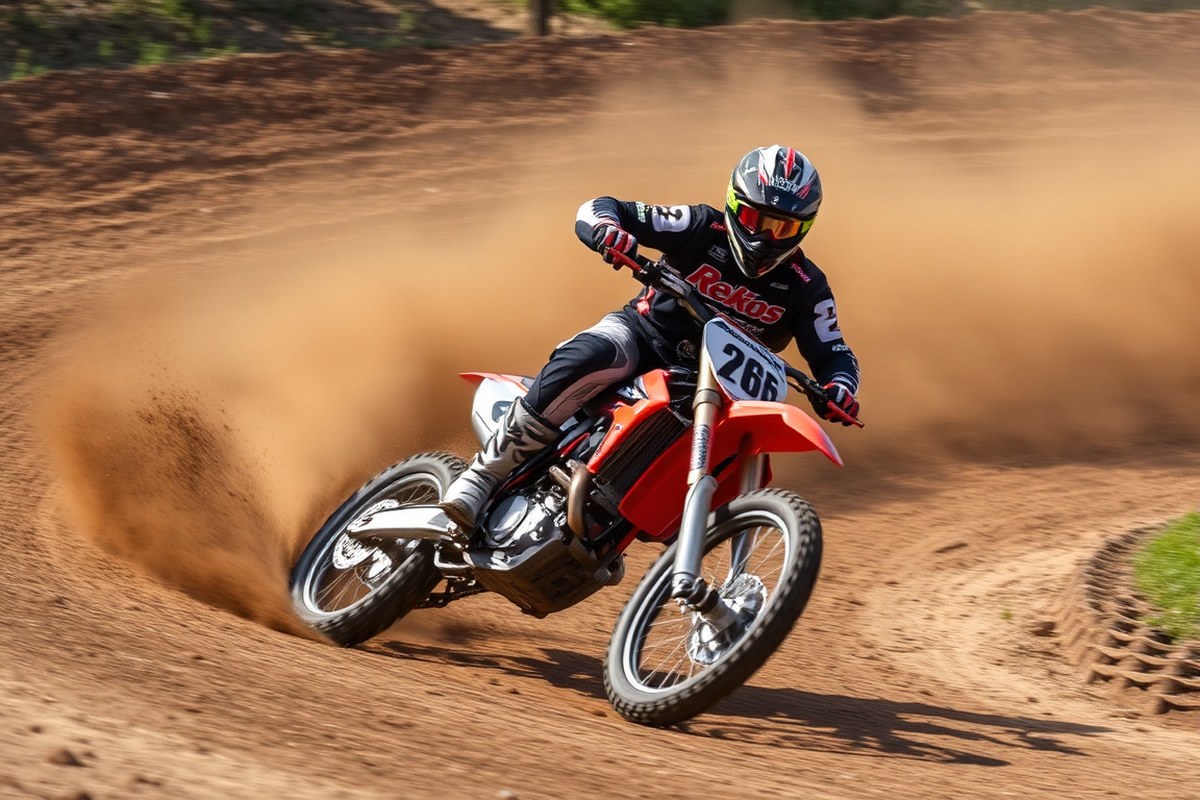
How fast does a 250cc dirt bike go? These bikes usually reach speeds between 70 and 90 miles per hour. That range mostly depends on the engine type.
It also depends on the model you’re riding. The 250cc label alone does not tell the full story.
A 250cc dirt bike with a 4-stroke engine usually tops out near 70 mph. This top speed can vary slightly by bike. It’s typical for these models.
Two-stroke models often run faster, thanks to their more aggressive power delivery. Knowing this helps you pick the right bike for your speed needs.
Remember, the top speed you get also depends on terrain and rider skill. Always test your bike’s speed safely and in areas where you have control. Riding faster isn’t just about horsepower; it’s about handling and conditions too.
Key Takeaways
- Most 250cc dirt bikes reach speeds of 70 to 90 miles per hour.
- Four-stroke 250cc dirt bikes usually max out near 70 mph.
- Two-stroke bikes tend to be faster due to engine design.
- Engine type impacts usable power more than just displacement size.
- Rider skill and terrain greatly influence actual achievable speed.
- Always test your bike’s top speed in safe, controlled environments.
How Fast Can a 250cc Dirt Bike Go on Average?
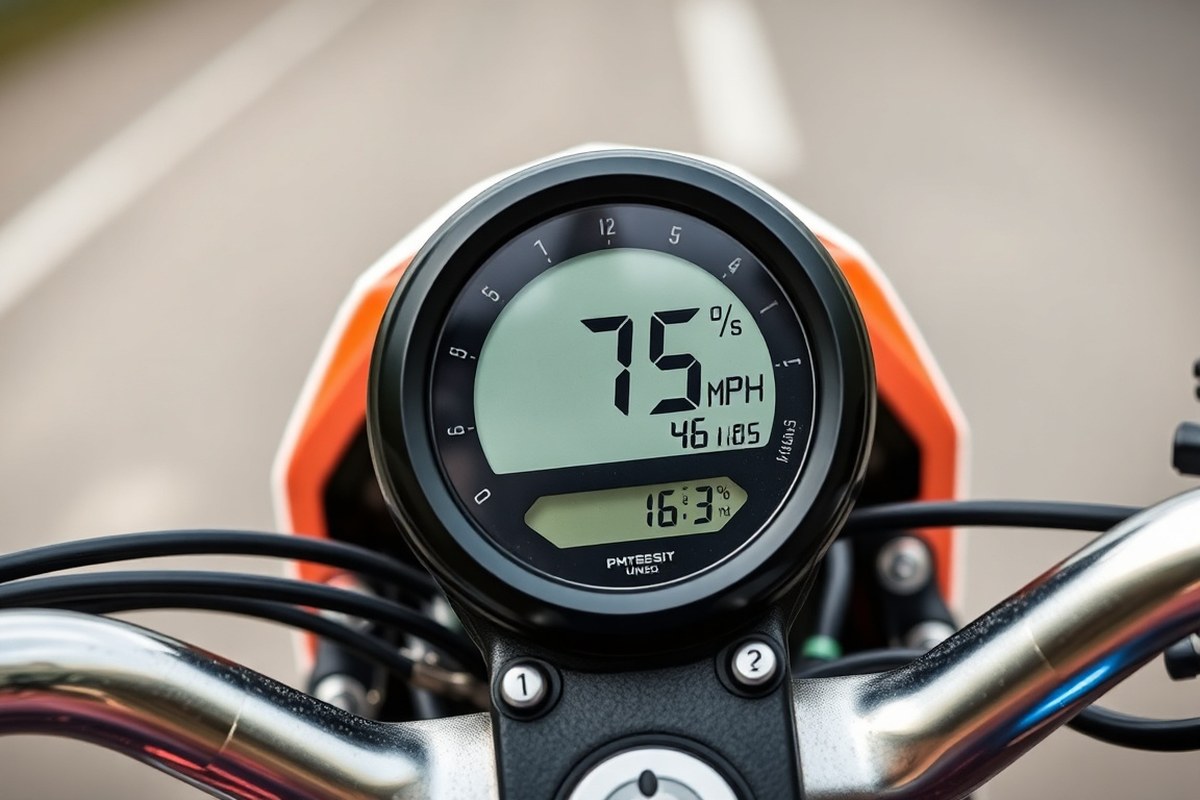
Your 250cc dirt bike can typically reach top speeds between 60 and 85 miles per hour. Most riders will see speeds around 50 to 60 mph during normal trail riding. These numbers depend on bike type, rider weight, and terrain.
For 4-stroke 250cc models, the average top speed usually falls between 55 and 80 mph. These bikes have a good balance of power and control.
They are popular with both beginners and intermediate riders. You’ll often find that they hit their peak speed on flat, open ground.
Two-stroke 250cc dirt bikes get off the line faster. They can sometimes reach speeds near 85 mph. Their lighter weight and shorter powerband give a more aggressive feel on trails.
Real riding speeds usually stay below the top numbers. This helps keep control and cut rider fatigue.
How Engine Type Affects 250cc Dirt Bike Speed
How Engine Type Affects 250cc Dirt Bike Speed
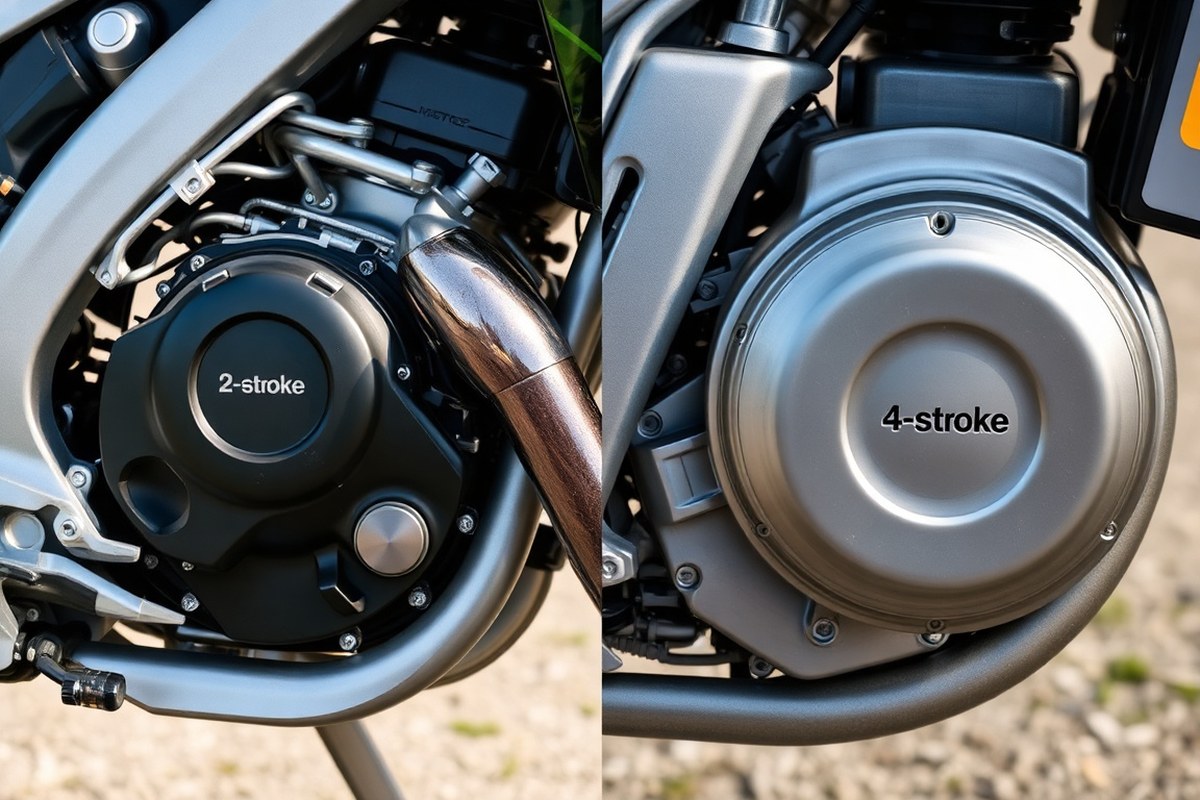
A 2-stroke 250cc dirt bike generally runs faster and accelerates quicker than a 4-stroke. This is due to the 2-stroke engine firing with every revolution, offering more power bursts. The 4-stroke engine trades some top speed for smoother power and better control.
2-Stroke Engine Power and Speed
2-stroke 250cc engines fire once every crankshaft revolution. That means double the power strokes over a 4-stroke, which helps them hit top speed faster. They usually weigh 30 to 40 pounds less than 4-strokes.
This makes them more agile on tight trails. You can handle them easier in tricky spots.
The extra power comes with a narrower power band. You’ll feel an explosive mid-range hit and instant throttle response. Top speeds often reach 70 to 85 mph.
That is why 2-strokes are great if you want speed. They deliver quick acceleration and thrill rides.
| Feature | 2-Stroke Advantage | Performance Impact |
|---|---|---|
| Power Delivery | Fires every revolution | Double the power strokes |
| Weight | 30-40 lbs lighter | Better maneuverability |
| Acceleration | Instant throttle response | Quicker 0-60 times |
| Top Speed | 70-85 mph range | Higher peak velocity |
| Power Band | Narrow, aggressive | Explosive mid-range hit |
These upsides come with some tradeoffs. The power surge can make smooth control tricky.
The narrow power band means you may need to shift more often in varied terrain. Still, for riders chasing speed and quick responses, 2-strokes often feel more thrilling.
4-Stroke Engine Characteristics
4-stroke 250cc dirt bikes produce power every other revolution. This engine style produces smoother, more predictable power and better low-end torque. That makes it easier to control the bike during tight turns and technical trails.
Compared to 2-strokes, these bikes weigh more, often adding 30 to 40 pounds. Their horsepower sits around 40 to 50 hp, offering a balanced mix of speed and handling. They typically reach top speeds of 70 to 78 mph, slightly lower but steady.
| Feature | 4-Stroke Advantage | Performance Impact |
|---|---|---|
| Power Delivery | Smoother and steady | Better control at varied speeds |
| Weight | Heavier by 30-40 lbs | More stability, less agility |
| Acceleration | Gentler throttle response | Easier technical riding |
| Top Speed | 70-78 mph range | Reliable sustained speed |
| Power Band | Wide and forgiving | Smoother mid to low range |
This engine type suits riders who want better handling and smoother control over outright top speed. It makes trail riding and technical terrain less tiring and easier to master. Plus, it’s less demanding on your shifting and throttle work.
Choosing the Right Engine Type for Speed
Pick a 2-stroke if you want faster acceleration and higher top speed. The lighter weight gives you an advantage on open tracks. Quick power bursts also help in race settings.
This lets you respond faster and keep up. Just be ready for a more aggressive throttle and narrow power band.
A 4-stroke fits riders aiming for consistent speed with better control and softer throttle feel. It handles rough trails and technical riding well, thanks to its smooth power delivery and torque. That balance makes it a good all-around choice.
Both engine types offer roughly 40 to 50 horsepower in the 250cc class. But their feel and power application differ. Your choice depends on whether you prioritize explosive speed or manageable control for off-road riding.
Test ride both engine types before buying to see how power delivery fits your riding style.
Top 250cc Dirt Bike Models and Their Speeds
Fast 250cc dirt bikes come mostly from brands like Honda, Yamaha, and Kawasaki. They balance power and weight to hit high speeds while staying easy to control off-road. Bikes like the Honda CRF250R offer speed and dependability.
These models are favorites among riders who want both. They perform well on various terrains.
Speed varies by type and design. Motocross bikes, built for racing, cut the highest speeds.
Trail bikes focus on handling and rough-ground control, running slower overall. Lighter bikes can reach faster top speeds because they need less engine power to push forward.
| Model | Top Speed (mph) | Horsepower | Torque (lb-ft) |
|---|---|---|---|
| Honda CRF250R | 80 | 42 | 24 |
| Kawasaki KX250F | 80 | 39 | 20 |
| Yamaha YZ250F | 75 | 42 | 23.6 |
Motocross models like the Honda CRF250R reach about 80 mph. It has solid horsepower and torque to back that speed. The Yamaha YZ250F reaches about 75 mph.
It has a bit less torque than others. This bike is famous for great race power. Kawasaki’s KX250F matches Honda’s top speed but with less torque, making it lighter on the throttle.
Trail or enduro 250cc bikes usually top out closer to 65 to 70 mph. They sacrifice pure speed for control on tight, twisty terrain.
The weight difference matters too, as these models can weigh between 220 and 260 pounds. Lighter race bikes usually hit higher speeds due to their slim design and power delivery.
The bike’s design, like frame shape and suspension, affects how you use that speed safely. A stable and balanced bike helps you go faster safely. You can push closer to top speed.
It reduces the chance of losing control. Choose a bike based on your riding type and speed needs.
Your priority for speed matters a lot. Pick what fits your style best.
Factors That Influence the Speed of a 250cc Dirt Bike
A rider’s weight directly lowers a 250cc dirt bike’s speed. Heavier riders add more load, causing slower acceleration and a reduced top speed. The engine works harder to move more weight.
This often cuts speed by several mph. Heavier riders usually go slower than lighter ones.
Rider weight varies widely. A 150-pound rider may reach near top speed. That speed is close to 80 mph.
It’s around the bike’s maximum. A 220-pound rider might see that drop to about 70 mph. You can offset this somewhat by tuning the bike’s suspension and gearing, but weight always matters.
Terrain plays a big role in achievable speed. Smooth, hard-packed dirt or motocross tracks let you hit top speeds easily. Loose dirt, mud, or rocky trails slow you down.
They need more traction and careful control. This cuts your riding speed. Soft sand or steep uphill climbs cut speeds the most.
Maintaining your dirt bike well helps keep speeds high. Regular oil changes, clean air filters, and proper chain tension all keep the engine running efficiently. A clogged air filter lowers power by 10-15%.
This means slower acceleration. Your top speed also drops.
Tire pressure and tread also affect speed. Underinflated tires increase rolling resistance, dropping speed noticeably.
Make sure pressures follow the manual’s recommendations, usually around 12-15 psi for dirt bikes. Well-maintained tires gripping the terrain provide better control and fast cornering.
Aerodynamics count, though less than on street bikes. Your riding position influences wind resistance. Leaning forward and tucking reduces drag and can add a few mph on straight sections.
Bulky gear or sitting upright raises wind resistance. This lowers your top speed slightly. It’s a small but real effect.
Checking and tuning these factors requires effort but pays off in speed gains. Spend 10-15 minutes before each ride confirming tire pressure and chain condition.
Clean or replace the air filter every few rides. Adjust your posture while riding to cut wind drag on open trails.
How Gearing and Transmission Adjust Speed and Control
Gearing on a dirt bike refers to the size of the front and rear sprockets. Changing sprockets adjusts the final drive ratio. This affects your bike’s acceleration.
It also changes the top speed your bike can reach. Smaller front sprockets or larger rear sprockets increase acceleration but reduce top speed. Larger front or smaller rear sprockets do the opposite.
They increase top speed. This comes at the cost of slower acceleration.
To fine-tune your 250cc dirt bike’s speed, swap the sprockets. Changing the front sprocket from 14 to 15 teeth adds a bit of top speed. It can increase your bike’s speed by a few miles per hour.
Increasing the rear sprocket from 48 to 50 teeth helps with quicker starts. It lowers your top speed on open terrain. Both sprockets are easy to replace with basic tools, usually within 30 to 60 minutes.
Besides speed changes, adjusting gearing improves control in different riding conditions. Lower gearing works well on rough or technical trails, giving smoother throttle response and better traction. Higher gearing works well on flat tracks or highways.
It lets you cruise faster. This happens without your bike running out of revs.
- Identify your current sprocket teeth count before buying new ones.
- Use a sprocket tool kit or basic wrenches to remove the old sprockets.
- Replace the front sprocket first, then the rear, making sure both fit securely.
- Chain length may need adjustment; add or remove links as needed.
- Test ride carefully after switching to feel the difference in acceleration and top speed.
- Keep lubrication and tension right to avoid wear after changing gearing.
Changing sprockets costs anywhere from $20 to $60 per set, depending on quality. Higher-end sprockets last longer and handle power better but cost more. A wrong combination can strain your chain or engine.
So pick sprockets suited for your riding style, terrain, and bike setup. This tweak allows you to balance speed and control based on what you ride most often.
Don’t switch sprockets without checking chain length and tension. Too tight or loose chains cause damage or unsafe rides.
Safe Methods to Test Your 250cc Dirt Bike’s Top Speed
Testing your 250cc dirt bike’s top speed requires safe planning and clear measurement methods. Pick the right place, gear up properly, and use tools like GPS for accurate speed checks. Follow steps carefully to keep risks low and results reliable.
Choosing a Safe Testing Location
Find an empty, flat, and straight area with no traffic or obstacles. Safe spots include closed tracks, airstrips, or private land where you have permission. Avoid public roads and trails where other riders, vehicles, or pedestrians might appear unexpectedly.
Check the surface before you start. It should be firm and dry for good traction.
Large parking lots can work but watch for debris or cracks. Always pick a place where you can slow down safely after your top speed run.
Essential Safety Gear and Precautions
Wear a full-face helmet certified by DOT or Snell for head protection. Use gloves, boots, and off-road gear made to cover elbows, knees, and body to prevent injuries. A riding jacket with armor adds extra safety in case of a fall.
Keep a first aid kit and a charged phone nearby. Have a buddy watch or join you to help in case something goes wrong. Never test your bike’s speed in wet or windy weather.
Don’t try it if you feel tired or distracted. Always choose clear, calm moments for speed tests.
Using GPS and Speed Measurement Tools
Use a GPS-enabled smartphone app or a standalone GPS speedometer for accurate readings. These tools log speed in real-time and avoid the errors of relying on the bike’s speedometer. Some apps also record your route and top speed for review.
Calibrate your device and practice before your test run. Mount your phone or GPS securely so it won’t fall during the ride. Avoid phone use while riding; set it up beforehand and check readings after stopping.
Follow these steps for a safe and accurate top speed test:
- Scout your testing location and clear it of debris or anything loose.
- Put on all essential protective gear before starting the bike.
- Warm up the engine with a few easy laps to reach optimal temperature.
- Set up your GPS device or smartphone app and confirm it is recording.
- Accelerate smoothly along the test stretch, aiming for maximum speed.
- Note or save the top speed your device records during the run.
- Slow down gradually and safely after reaching top speed.
- Check the recorded data and repeat the test if needed, resting between runs.
How Rider Skill Level and Weight Affect Dirt Bike Speed
Lighter riders can make a 250cc dirt bike faster. Less weight means the engine faces less resistance. So the bike accelerates quicker and can reach higher speeds.
A rider weighing 120 pounds might get better speed and control. Someone closer to 200 pounds may not notice the same benefits. Weight affects how the bike handles and performs.
Rider skill plays a big role in safely reaching top speed. Novice riders tend to ride cautiously and don’t use full throttle often. Developing steady throttle control and smooth body positioning helps maintain balance when the bike speeds up.
To improve speed control, keep a centered stance on your bike. Grip the bike tightly with your knees for stability. This helps you stay balanced and in control.
Roll the throttle smoothly instead of snapping it open quickly. Sudden throttle changes can cause you to lose traction.
Smooth inputs keep the bike steady and predictable. Practicing braking and cornering at moderate speeds builds confidence for faster riding.
Experienced riders adjust their weight distribution to keep the bike stable on rough terrain. Leaning slightly forward helps keep front wheel traction, especially during acceleration. This technique takes practice but lowers crash risk when pushing the bike’s limits.
Beginners should spend weeks working on basic handling before aiming for high speeds. Jumping too soon into fast riding can lead to accidents or loss of control. Combine skill drills with steady speed increases to get faster.
Gradual progress helps you reach the bike’s top speed safely. This approach builds confidence and control over time.
Common Performance Mistakes That Lower Your Top Speed
Dirty air filters make your 250cc dirt bike lose power quickly. Dust blocks airflow, causing the engine to cough and slow down. Clean or change the filter every 10 riding hours.
Do it more if you ride on dusty trails. This keeps the airflow strong.
Chain tension matters a lot. A too-loose chain slips and wastes power. A too-tight chain stresses the engine and gears.
Check the tension once a week or before rides. A good rule: about 1 inch of up-and-down movement at the chain’s midpoint feels right. Adjust it with the rear axle nuts and chain adjusters, then tighten securely.
Worn or old tires reduce grip and top speed on dirt. Tires get less sticky over time or look cracked. Use fresh knobby tires made for your terrain.
They help your bike grip better. They also keep your speed safe.
Inspect tires before rides. Replace any with shallow tread, cracks, or sidewall damage.
- Clean and oil the chain every 100 miles or 4-5 rides
- Change engine oil after 10 hours of riding for peak power
- Check air filter for dirt build-up and clean or replace if clogged
- Inspect and adjust chain tension weekly
- Replace tires if tread depth is less than 6mm or tires show cracking
- Keep the sprockets in good shape, look for hooked teeth and replace when worn
- Fuel system check: drain and refill tanks regularly to avoid stale gas ruining speed
Bad riding habits slow you more than most people think. Riding with a heavy hand on the front brake cuts speed and tires grip less. Instead, use the rear brake to control slow corners and open up the throttle early.
Smooth throttle control helps keep the engine in its best power band. Avoid lugging the engine by shifting gears properly, ride at higher engine speeds for more power.
Regularly inspect and replace your air filter for better airflow and speed.
Skipping these simple tips can raise your dirt bike’s top speed. Expect 5 to 10 mph more on a 250cc bike.
A little care on maintenance really pays off on the trail or track. Failing to tune your bike often leads to slow, sputtering rides instead of smooth, fast rips.
Choosing Between Speed, Control, and Terrain for 250cc Riding
Choosing the right 250cc dirt bike setup depends on terrain. You must balance speed and control. Both affect your riding experience.
Smooth, open tracks let you push for higher speeds. Rough trails demand better control and slower riding. Adjust suspension, tires, and gearing to match your riding.
Think about your skill level, too. These changes improve your bike’s performance.
Speed Priorities on Motocross Tracks
Motocross tracks have smooth dirt and jumps that let you reach top speeds. Bikes like the YZ250 focus on high speed with stiff suspension and wide tires for grip. Increasing sprocket size can boost top speed.
But it may reduce your corner acceleration. Know the tradeoff before changing it.
On these tracks, prioritize speed by setting your bike’s gearing for higher RPMs and less torque. Lower handlebar heights also help increase control at faster speeds. These adjustments cost $30 to $100 for sprockets and may require tools.
These bikes let you safely reach 60 to 70 mph. They are designed for motocross use. Speed limits depend on the bike model.
Control Needs for Trail and Enduro Riding
Trail and enduro riding often involves uneven terrain with rocks, roots, and tight turns. Soft suspension and knobby tires help on loose surfaces. They improve grip more than high speed.
This setup suits off-road trails better. Bikes like the WR250F balance torque and control for these conditions.
Choose smaller sprockets for better acceleration and throttle response to navigate obstacles. Lower tire pressure around 12 to 15 psi boosts grip. Don’t go too low to avoid pinching tubes.
Proper pressure keeps your ride safe. Control matters more here because speeds over 40 mph on rough trails can lead to crashes.
Adjusting preload and compression settings costs $50 to $150. This applies if you use aftermarket shocks or forks. It helps absorb bumps better.
Riders tune suspension based on weight and pace. The goal is smooth and confident handling. Speed is second to control here.
Dual-Sport Versatility: Balancing Both
Dual-sport 250cc bikes are made to work on pavement and dirt. So you need a setup that balances speed with control. Tires with balanced tread handle speed and terrain.
They work well around 50 mph. Grip stays decent on off-road ground.
Gearing should be moderate to provide quick response without sacrificing too much top speed. Swapping to aggressive or smooth tires costs $100 to $200. This adapts your bike to your main terrain.
Tire choice greatly affects ride feel. Suspension tune for mixed terrain usually means medium stiffness.
This works well on dirt and pavement. It balances comfort with control.
Speed is less important when you have safety risks or lower skills. Slow down on unknown or technical trails. Increase control by adjusting suspension and tires.
This approach keeps you safer while riding. As your skills grow, you can shift priorities. But you want to avoid over-speeding and losing control in tricky conditions.
Step-by-Step Action Plan to Safely Test and Improve Your 250cc Dirt Bike’s Speed
Get ready to explore your bike’s speed safely and make simple tweaks to boost performance. Follow these steps in order and check results as you go.
- Before You Start: Make sure your bike is well-maintained with fresh oil and properly inflated tires. Your bike should feel smooth and responsive.
- Day 1: Find a flat, open dirt trail or track with no obstacles. Check that you feel confident riding at moderate speeds.
- Day 2: From a standstill, accelerate in a controlled way. Use a GPS app or speedometer to track top speed. Record your results for comparison later. Note your highest stable speed without losing control.
- Week 1: Change your bike’s sprockets to adjust the gearing. See how it affects acceleration and max speed. Take notes on what works best for you. Test after each change and pick the setup that suits your riding style.
- Week 2: Focus on improving your body position while riding. Practice throttle control to increase speed safely. Keep these skills consistent in your rides. Use a friend’s feedback or video to spot mistakes.
- Week 3: Reduce weight by removing unnecessary gear or upgrading to lighter parts if possible. Feel how the bike handles and accelerates afterward.
- Week 4: Try different suspension settings for better stability. Test on various terrains at higher speeds. Adjust until the bike feels balanced and smooth. Ride carefully and adjust based on how the bike responds.
- After a Month: Look over all the changes you’ve made. Decide if you want to fine-tune one part. Consider professional tuning for bigger performance gains.
Frequently Asked Questions
How Fast Can a 250cc Dirt Bike Go on Average?
A 250cc dirt bike usually tops out around 50 to 60 mph. This speed depends on the bike’s design, engine type, and terrain you’re riding on.
How Does a 2-stroke Engine in a 250cc Dirt Bike Affect Speed?
2-stroke 250cc dirt bikes typically reach higher top speeds than 4-stroke models. They deliver power in shorter bursts, often making them quicker on straight sections.
What Role Does Rider Weight Play in a 250cc Dirt Bike’s Speed?
Heavier riders generally reduce a 250cc bike’s top speed because the engine works harder. Lighter riders get better acceleration and maintain higher speeds more easily.
Can Modifications Increase How Fast a 250cc Dirt Bike Goes?
Yes, adjustments like bigger sprockets or aftermarket exhausts can boost speed. But they may reduce engine life or control if not done right.
Is It Safe to Test the Top Speed of a 250cc Dirt Bike on Public Roads?
No, public roads aren’t safe or legal for testing top speed. Use private tracks or open areas with proper safety gear instead.
Final Thoughts
Your 250cc dirt bike can reach impressive speeds with the right setup and skills. Testing speed safely lets you learn how your bike reacts. Start by keeping your bike in good shape and practicing the safe steps above.