
What a Fuel Pump Does: A Complete Guide to How It Works and Lasts
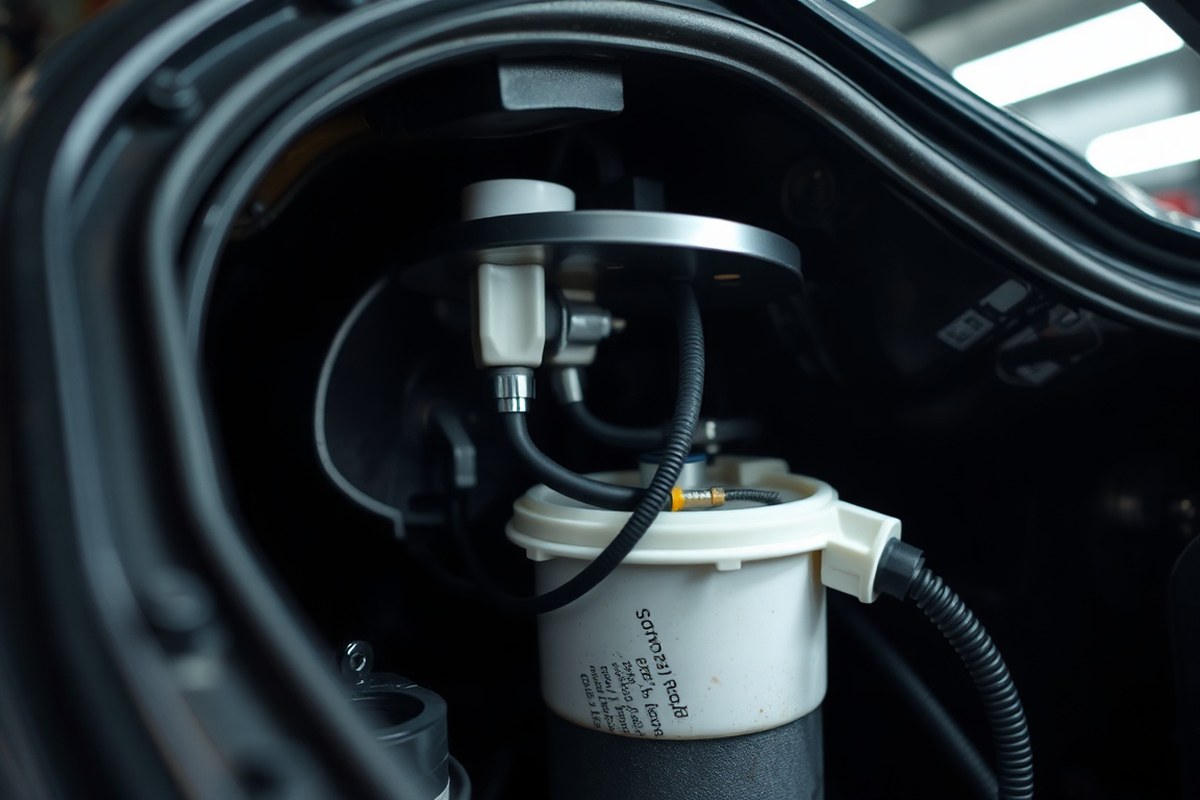
Your car’s fuel pump sends gas from the tank to the engine. It makes sure your engine gets the fuel necessary to keep running. Without a working pump, your car won’t start or run properly.
The fuel pump ensures steady pressure to the injectors. So your engine burns fuel efficiently. This helps your car run smoothly and saves fuel.
The pump can slow down or stop working. This can cause your car to stall. Sometimes, the vehicle may not start at all.
To keep the fuel pump working well, don’t let your gas tank run too low. Low fuel can cause the pump to overheat and wear out faster. Change the fuel filter regularly.
A clean filter helps the pump work well. This prevents extra strain on the pump.
Key Takeaways
- The fuel pump moves gas from the tank to the engine under pressure.
- It provides steady fuel delivery for efficient engine operation.
- Low fuel levels can cause the pump to overheat and fail early.
- Regularly replace the fuel filter to reduce pump strain.
- A failing fuel pump can cause engine stalling or no-start conditions.
- Maintaining proper fuel levels and filter changes extend pump lifespan.
What Does a Fuel Pump Do in a Car?
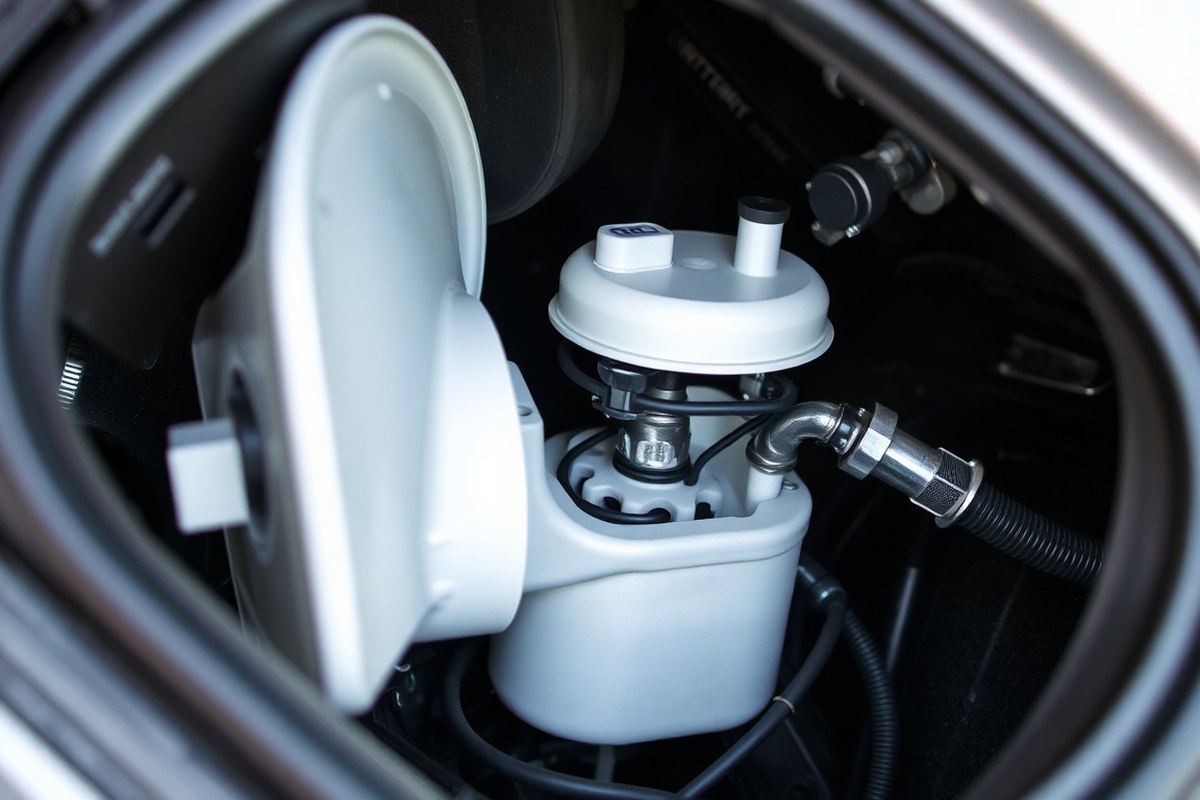
The fuel pump sends gas from the tank to the engine. It pushes fuel at the right pressure through the lines. Without this steady flow, the engine can’t start or run well.
This pump usually sits inside the gas tank, submerged in fuel. It delivers fuel at a pressure between 40 and 60 psi on most modern cars. The right pressure helps the fuel injectors work correctly.
They spray fuel into the engine’s combustion chamber. This keeps the engine running smoothly.
Consistent fuel pressure keeps the engine running well during all driving conditions. The pump keeps fuel flowing steadily at all driving speeds. It works when you drive fast or sit stopped.
This steady flow helps the engine perform well. Low fuel pressure can make the engine sputter or stall.
The fuel and air won’t mix well enough to ignite. This causes problems starting or running the engine.
The pump adjusts fuel delivery based on engine demand. More pressure and volume go through when you accelerate hard or climb steep hills. This precise control helps the engine produce power efficiently and avoid rough running or hesitation.
How Does a Fuel Pump Work? Key Components and Operation
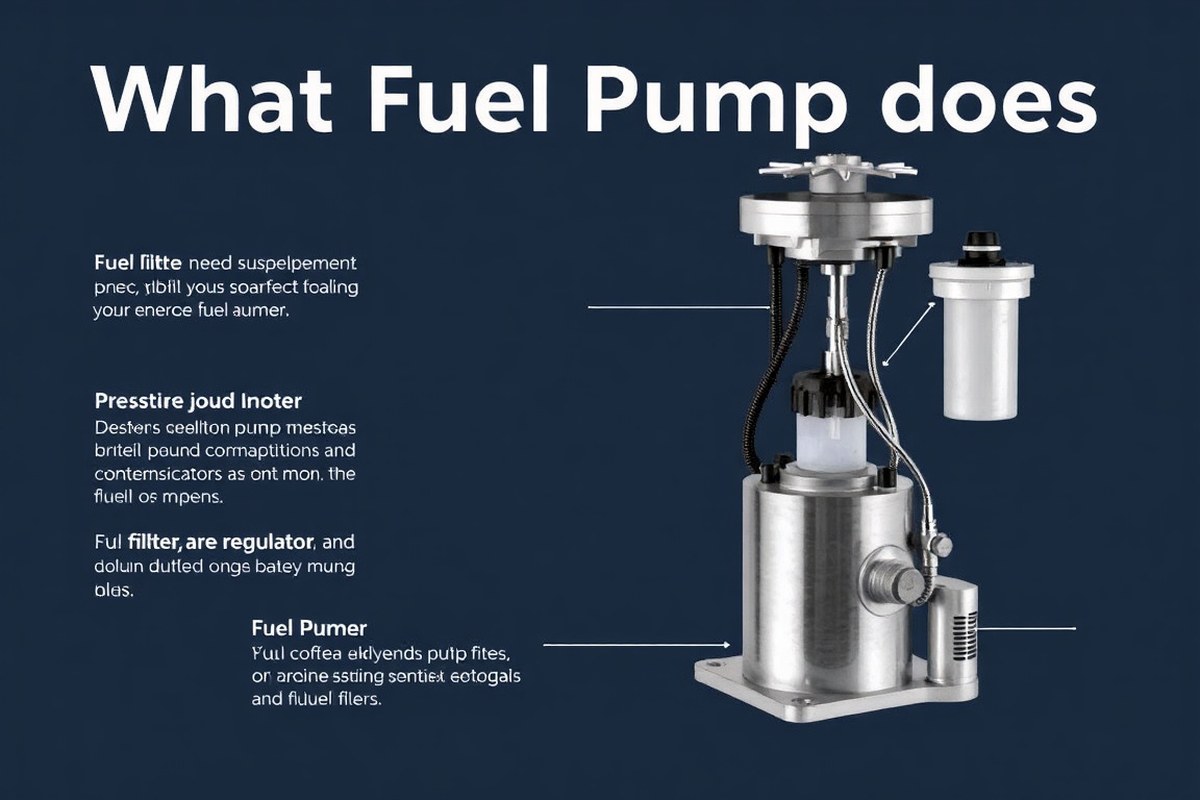
The fuel pump delivers gasoline consistently from the tank to the engine. It has components such as an electric motor, impeller, and filter working together. When you turn the ignition, the pump activates and pressurizes the fuel for smooth startup.
Electric Fuel Pump Mechanism
Electric pumps usually sit inside the fuel tank to keep fuel cool and steady. They have an electric motor that spins a small impeller or gerotor to push fuel forward. The pump creates suction to pull fuel from the tank.
It pushes fuel toward the engine. The pressure usually stays between 40 and 60 PSI.
Fuel passes through a filter inside the pump module to remove dirt and debris. A regulator controls the fuel pressure inside the system. It keeps pressure steady in the target range.
This steady pressure ensures fuel injectors work correctly. Once you turn the ignition, the electric motor begins working fast.
It pressurizes fuel lines right away. This happens before the engine actually starts running.
Mechanical Fuel Pump Function
Older cars with carburetors have mechanical fuel pumps on the engine block. A lever moves a diaphragm inside the pump by following the camshaft. This action draws fuel from the tank up to the carburetor.
These pumps deliver lower fuel pressure than modern pumps. The pressure usually ranges from 4 to 10 PSI. That is enough for carbureted engines to run properly.
Fuel flows through the pump housing and filter before reaching the engine. Turning the ignition indirectly drives the pump as the engine cranks. So fuel moves only while the engine spins.
High-Pressure Pump in Modern Engines
Direct-injection and many turbocharged engines use two fuel pumps for efficiency. A lower-pressure electric pump in the tank first delivers fuel at about 40 to 60 PSI. Then a second, engine-mounted high-pressure pump boosts fuel pressure above 2,000 PSI.
This high-pressure pump pushes fuel directly into the combustion chamber for precise injection. It uses a cam-driven piston or plunger mechanism to achieve extremely high pressure. Both pumps start working when the ignition turns on.
They deliver fuel precisely when the engine requires it. This coordination helps the engine run smoothly.
Always keep your fuel tank at least one-quarter full. The in-tank pump needs fuel to stay cool. Running low can cause the pump to overheat and fail.
Types of Fuel Pumps and Their Applications
Fuel pumps come mainly in two types: mechanical and electric. Mechanical pumps work with older carbureted engines. Electric pumps serve modern fuel injection systems.
The most common fuel pump today is electric and inside the tank. It often works with other parts for better efficiency.
Mechanical Fuel Pumps in Older Vehicles
Mechanical fuel pumps are driven by engine parts like the camshaft. They push fuel at lower pressures, enough for carburetors but not for fuel injection.
These pumps usually mount outside the fuel tank. You might find them on the engine block or near the injection pump.
Because mechanical pumps depend on engine motion, fuel delivery matches engine speed but can fluctuate. They’re simple, easy to service, and cheaper to replace, typically costing under $100 in parts. However, they don’t provide the consistent fuel pressure modern engines need.
Electric In-Tank Fuel Pumps
Electric fuel pumps get power from the car’s battery and deliver fuel at high, steady pressure. They’re mostly mounted inside the fuel tank to keep them cool and prevent vapor lock.
Fuel pump assemblies often include a filter, pressure regulator, and level sensor. All come combined in one unit.
Replacing an in-tank electric pump is harder to do. You usually have to drop the fuel tank first. Parts for these pumps range from $200 to $400.
The built-in filter blocks dirt from the fuel system. This protects the engine and pump from damage.
High-Pressure Pumps for Direct Injection Engines
Direct injection engines require specialized high-pressure fuel pumps. These pumps push fuel directly into the combustion chamber. They work at much higher pressures than standard pumps.
They run electronically and often sit near the engine. This placement helps handle the high-pressure demands.
Some diesel engines use rotary fuel injection pumps that include their own transfer pump. This integration helps deliver the exact fuel amounts needed under heavy loads. These high-pressure pumps demand careful maintenance and usually cost more to replace than standard electric pumps.
How Long Does a Fuel Pump Usually Last?
Fuel pumps usually last between 100,000 and 150,000 miles. Still, some can go beyond this range with proper care.
Mechanical pumps tend to be sturdy, often running well past 100,000 miles. Electric pumps also last long, sometimes for the vehicle’s entire life if maintained well.
Poor fuel quality can shorten a pump’s life by clogging its filter or internal parts. Dirt, rust, or water in gasoline makes the pump work harder. This extra effort can cause it to fail early.
Running your car too often with low gas risks pump problems. It can cause the pump to overheat and wear out faster.
Regular maintenance helps keep your fuel pump healthy. Changing the fuel filter every 30,000 miles reduces strain on the pump. Checking the pickup strainer and using fuel from reliable sources also prevent contamination.
Ignoring pump maintenance often leads to pump burnout or electrical faults. These problems can cause the vehicle not to start or stall on the road.
Repairing or replacing a fuel pump costs about $500 to $1,300. The exact price depends on your car and where you live.
Taking these steps saves money over time by avoiding premature pump failure. Proper installation and timely repairs keep your drivetrain working smoothly.
Stick to your fuel filter schedule to help protect the pump. Avoid bad fuel to keep the pump working longer.
Common Signs Your Fuel Pump Is Failing
Engine sputtering while driving is a clear sign your fuel pump might be failing. This happens because the pump can’t keep a steady fuel flow, especially under load.
Your engine may hesitate or stall without warning. This means fuel supply cuts out or becomes uneven.
Starting difficulties are another symptom. Your engine may crank but takes longer to fire up, or it won’t start at all. A weak fuel pump can’t build enough pressure for fuel injection.
This causes starting delays. Sometimes, the engine won’t start at all.
Listen carefully for unusual sounds coming from the fuel tank area. A loud whining or humming noise often means the pump is struggling or wearing out. You might hear noises from the pump as it works harder.
These sounds usually get louder over time. They signal the pump could fail soon.
- Engine won’t start or is slow to start
- Engine sputters or stalls under load
- Loud whining or humming noise near the fuel tank
- Engine surges, with brief speed increases without pressing the gas
- Reduced fuel efficiency or poor acceleration
- Random engine stalling during a drive
Fuel pressure is key to your engine’s performance. Low fuel pressure caused by a failing pump leads to poor acceleration and hesitation.
The car might surge when the pump suddenly delivers more fuel than required. These changes often feel like the car is fighting you.
A failing fuel pump can often be confused with a clogged fuel filter or ignition issues. So a proper pressure test helps. Mechanics use a fuel pressure gauge to check pump pressure.
It usually should be between 30 and 60 psi. This depends on your vehicle make and model. Low fuel pressure means the pump probably needs replacing.
Running your fuel tank too low can damage the pump. So keep at least a quarter tank of gas to avoid early failure.
What Happens When a Fuel Pump Fails Completely?
A dead fuel pump means your car won’t start or run. The pump stops sending fuel from the tank to the engine. Without fuel, the engine stalls and you can’t restart it.
Driving with a failed fuel pump isn’t possible or safe. The engine may stall suddenly while you’re on the road.
This can cause loss of power and increase crash risk. You’ll need to pull over safely and turn off the engine immediately.
When your car stalls, start by checking for fuel pump problems. A fuel pump fuse or relay might be blown, causing similar symptoms.
These parts cost just a few dollars to replace. The full pump often runs several hundred dollars, plus labor.
When you confirm the pump failed, you should repair or replace it right away. A mechanic tests fuel pressure to see if the pump sends the right amount. Labor can cost $100 to $300, depending on your location and the pump’s access.
Waiting after a complete failure only leaves you stranded. Catch pump issues early, such as rough idling or hesitation.
This reduces repair stress. Having the fuel system checked before total failure is much easier and safer.
You won’t be able to keep driving with a dead fuel pump. Call roadside assistance or tow your car to a shop. Replacing the pump or actuator is the solution to get your engine running again.
Key Maintenance Tips to Extend Fuel Pump Life
Your fuel pump depends heavily on clean fuel and regular filter changes to last longer. Dirty fuel or an old filter forces the pump to work harder. This extra work causes heat and wear, making the pump fail earlier.
Fuel helps cool and lubricate the pump. Driving a lot with low fuel lets air and dirt in. This causes the pump to get hot.
It also makes the pump wear out faster. Keeping your tank at least a quarter full reduces this stress. You also avoid running out suddenly and stranding yourself.
Fuel filters stop dirt and debris from reaching the pump. Change your fuel filter every 20,000 to 40,000 miles, or as your vehicle manual says.
Changing it costs about $30 to $100 depending on your car and part quality. Skipping this leads to clogged filters, lower fuel flow, and pump damage.
- Use top-grade fuel to reduce impurities and wear
- Keep your fuel tank above a quarter full to cool the pump
- Replace your fuel filter every 20,000 to 40,000 miles
- Have your fuel tank cleaned yearly to remove buildup
- Avoid frequent trips with near-empty tanks, especially in hot weather
Cleaning the fuel tank once a year removes sediment and prevents pump blockages. This requires a shop visit, costing $50 or more.
Not doing it lets dirt pile up and wear down the pump parts. You can check your handbook for the recommended service interval or ask your mechanic.
Following these steps lowers the chance your pump runs too hot or overworks. You’ll notice smoother acceleration, fewer power drops, and longer pump life. Ignoring them risks sudden engine stalls or costly pump replacements down the road.
Fuel Pump Actuator: What It Is and Why It Matters
The fuel pump actuator controls how much fuel the pump sends to the engine. It adjusts the fuel flow based on what the engine needs for smooth running.
When this actuator fails, you might get poor engine performance. It can also stop fuel delivery totally.
Function of the Fuel Pump Actuator
The fuel pump actuator is an electronic part that controls the pump’s fuel output. It regulates how much fuel moves from the tank to the combustion chamber. This helps the engine get the right amount of fuel for different driving conditions.
The actuator adjusts fuel delivery by changing the pump’s speed or pressure. This keeps the engine efficient and prevents wasting gas. Without this adjustment, the engine might run too rich or too lean, causing problems.
Integration with Engine Control Module
The fuel pump actuator works closely with the engine control module (ECM). The ECM sends signals to the actuator. It uses sensor data like throttle position.
Engine speed also helps guide these signals. This ensures the fuel pump delivers fuel precisely when the engine needs it.
Because of this link, the fuel pump reacts quickly to changes in driving demands. The system raises or lowers fuel pressure in real-time. This helps maintain good fuel economy and engine power.
Common Failure Modes and Impact
Fuel pump actuators commonly fail due to electrical issues or wear. This can cause the pump to run at wrong speeds or not at all. When failing, you might notice engine sputtering, stalling, or no start at times.
Ignoring a faulty actuator can lead to complete fuel pump failure. Replacing the actuator or the whole pump can cost $300 to $1,500 depending on your car. Delaying repair may damage other engine parts or leave you stranded.
Check your vehicle’s fuel pump performance if you see poor acceleration or stalling.
When to Replace Your Fuel Pump and Practical Replacement Tips
You should replace your fuel pump when it shows signs of failure or after long use. Plan for replacement if your vehicle starts stalling, losing power, or struggles to start regularly. Replacing your fuel pump before it fails helps avoid breakdowns.
Your pump probably needs checking if it’s over 100,000 miles. Acting early prevents you from getting stuck on the road.
Replacing a fuel pump usually costs between $400 and $600 when done by a professional. This price covers parts and labor. The cost varies depending on the vehicle make, model, and labor rates where you live.
The job can be complex since the fuel pump sits inside the fuel tank. It often requires lowering or removing the tank, which takes time and care.
Experienced DIYers can do it over a weekend. But take precautions because you’ll work near gasoline.
| Item | Purpose | Notes |
|---|---|---|
| New Electric Fuel Pump | Replacement | Make sure it fits your vehicle’s make and model |
| Screwdrivers | Open panels and secure parts | Use both flathead and Phillips in various sizes |
| Wrench Set | Disconnect fuel lines and fittings | Use correct sizes to avoid damage |
| Fuel Line Disconnect Tool | Safely detach fuel lines | Check compatibility with your vehicle |
| O-rings and Seals | Replace old seals during reassembly | Prevents fuel leaks |
| Safety Gloves and Goggles | Protect yourself while working | Must wear to avoid fuel contact |
Before starting, drain the fuel tank if possible or work with low fuel level for safety. Release fuel system pressure as described in your service manual. Always disconnect the battery to prevent sparks.
During installation, replace old seals and O-rings to avoid leaks. Tighten all fittings properly without overtightening. Once installed, check for leaks and test your vehicle to confirm the pump works well.
You should hire a professional if you lack tools or experience. This approach reduces safety risks during fuel pump replacement.
They have the right gear and know the exact procedure for your car. A botched job could cause leaks or damage costly parts.
Replacing fuel filters regularly, about every 30,000 to 50,000 miles, helps protect the fuel pump. This can extend the pump’s life and improve fuel flow. Buying a high-quality OEM fuel pump ensures better fit and longer operation.
The cost to replace a fuel pump actuator depends on your vehicle. Prices also vary between original and aftermarket parts. This job changes a bit depending on the car model.
It’s not wise to drive long with a failing actuator as it stresses the fuel pump. Keep an eye on the actuator’s health to avoid bigger repairs.
Your Fuel Pump Care: Step-by-Step Action Plan
Follow this plan to check and care for your fuel pump. Each step helps catch issues or extend its life.
- Before you start: Locate your fuel pump (under the tank or in the engine bay). Check your owner’s manual to confirm its type and location.
- Day 1: Turn the key to “on.” Listen near the fuel tank. You should hear a humming sound.” This means the pump runs. No sound? It might need inspection.
- Week 1: Inspect the fuel filter and replace it if dirty. A clogged filter strains the pump and reduces its lifespan.
- Week 2: Monitor for common warning signs like engine sputtering or hesitation when driving. Log any symptoms to track worsening issues.
- Month 1: Check your fuel level regularly. Avoid running very low often since this can overheat and damage the pump.
- Month 3: Get a pro to test your fuel pump pressure. This confirms it runs within specs. It helps keep your car running smoothly.
- Every 2-3 years: Replace your fuel pump if you drive in tough conditions. Do this early if performance drops. It helps avoid sudden failure. Aging pumps risk sudden failure.
Frequently Asked Questions
What Are the Signs My Fuel Pump Is Starting to Fail?
Your car might show lower fuel efficiency, engine sputtering, or unusual noise from the pump. These signs mean you should check or service the pump soon. Catching the problem early helps avoid a complete breakdown and costly repairs.
Can I Replace a Fuel Pump Myself Safely?
You can replace a fuel pump yourself if you have mechanical skills and proper tools. It takes careful work around gasoline, so follow safety tips exactly. Consider professional help if you’re unsure; mistakes can be dangerous.
How Does a Fuel Pump Affect Engine Performance?
The fuel pump delivers the right fuel amount to the engine for smooth running. A weak pump causes poor engine power and stalling. Maintaining it well ensures your engine gets steady fuel flow every time.
What Is the Difference Between an Electric and a Mechanical Fuel Pump?
Electric fuel pumps use electricity to push fuel, common in modern cars. Mechanical types use engine movement and suit older vehicles. Knowing your fuel pump type helps with repairs and choosing the right replacement.
Why Does a Clogged Fuel Filter Harm the Fuel Pump?
A clogged filter makes the pump work harder to push fuel through. This extra strain can cause the pump to overheat and fail early. Replacing your filter regularly protects the pump and keeps fuel flowing well.
Final Thoughts
Your fuel pump moves gas from the tank to your engine reliably. Watch for signs like noise or sputters, then test or replace it as needed. Keep your fuel level steady and filters clean to get the most life from your pump.



2 Comments