How Fast Does 200cc Go: Complete Guide on Speed & Performance Factors
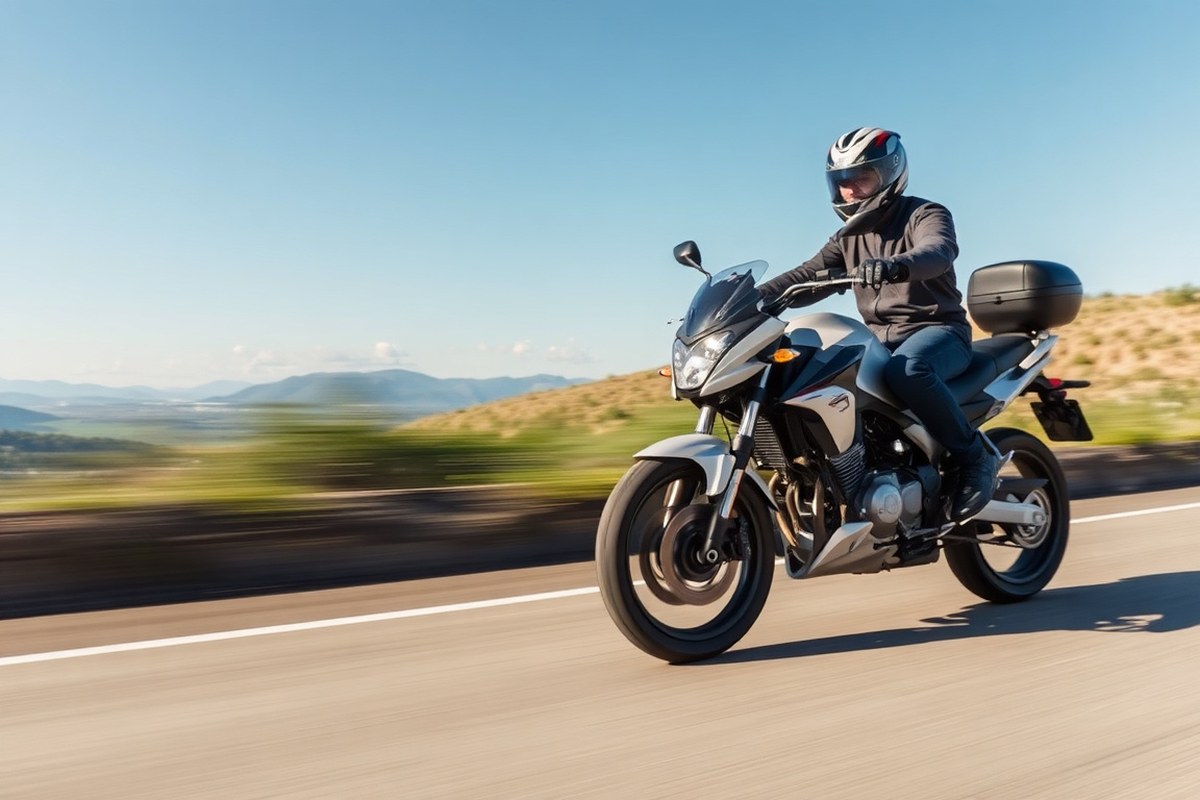
How fast does 200cc go? A 200cc motorcycle or scooter typically reaches speeds between 55 and 75 miles per hour. This makes it better than smaller engines.
You get more road freedom. It won’t push you into high-performance zones.
The exact speed depends on your model and conditions like weight and terrain. For example, a 200cc dirt bike can hit around 60 miles per hour.
Some scooters push closer to 70. Knowing your vehicle’s limits helps with safe and confident riding.
Start by warming the engine for 5 to 10 minutes before taking off. Use a GPS speedometer for a true top speed reading. Bike speedometers can be off by 10%.
This method gives you better accuracy. These tips keep your speed checks reliable and your ride smooth.
Key Takeaways
- A 200cc motorcycle usually tops out between 55 and 75 mph.
- 200cc dirt bikes typically reach about 60 mph on flat terrain.
- Some 200cc scooters can hit speeds up to 70 mph or more.
- Engine warm-up for 5-10 minutes improves performance during speed tests.
- Use GPS or dedicated devices to measure speed accurately.
- Curb weight affects speed; lighter bikes generally go faster.
How Fast Does a 200cc Motorcycle or Scooter Typically Go?
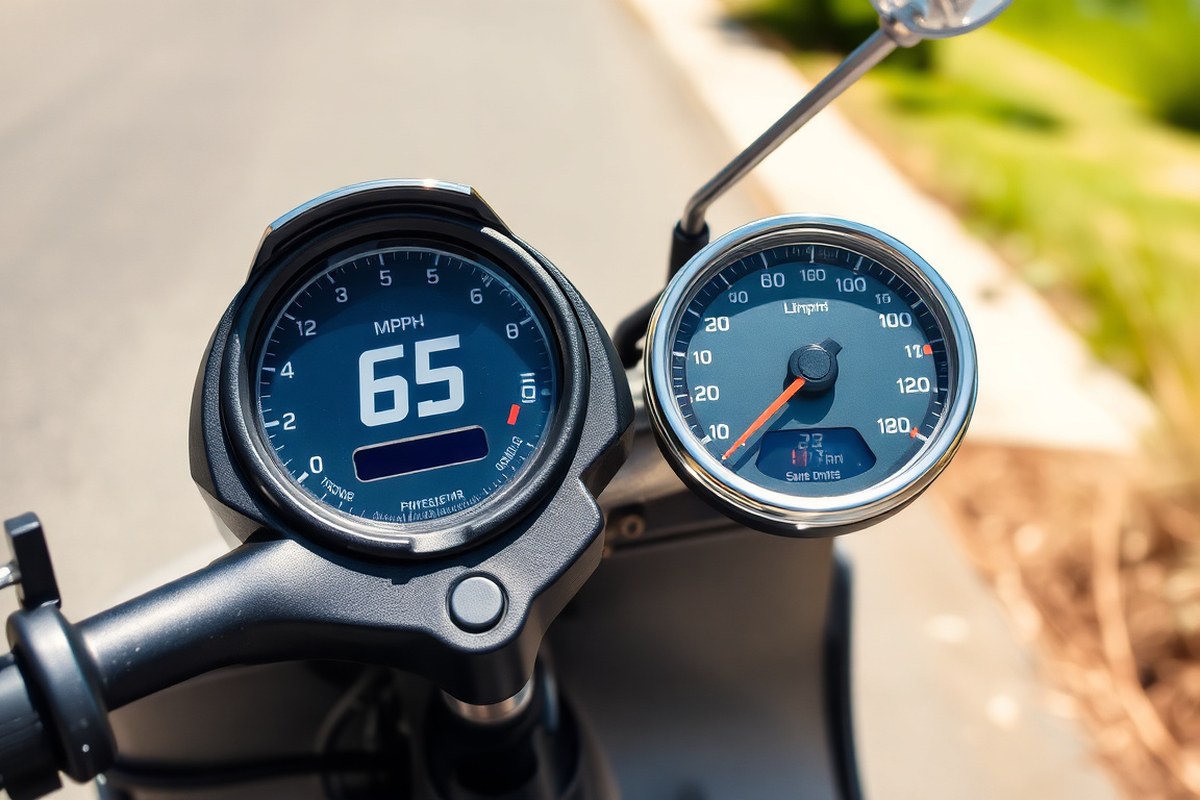
Most 200cc scooters reach a top speed between 55 and 70 mph. This range depends on factors like rider weight, maintenance, and road conditions. For example, a well-kept scooter may hit 68 mph on flat roads with light riders.
200cc motorcycles typically go faster, with top speeds ranging from 70 to 90 mph. Some models, like the KTM Duke 200, can reach up to 88 mph on good roads. Heavier riders or hilly terrain usually reduce these numbers by 5 to 10 mph.
200cc dirt bikes and ATVs tend to be slower than motorcycles and scooters. Dirt bikes generally top out around 60 mph.
200cc ATVs average about 37 mph. These vehicles focus more on off-road use, so speed isn’t always their priority.
Real-world speeds vary because weight, aerodynamics, and engine tuning all affect how fast you can go. A scooter weighing 280 to 350 pounds will handle differently than a lighter dirt bike. Wind, weather, and road surface also change top speed by several mph.
For suburban riding, 200cc scooters can reach 65 to 75 mph. These speeds fit many legal speed limits. They also handle light highway use well.
Motorcycles push beyond these limits but are still manageable for beginners wanting more power. Dirt bikes and ATVs perform best in rugged settings where top speed is less important.
What Are the Fastest 200cc Models on the Market?
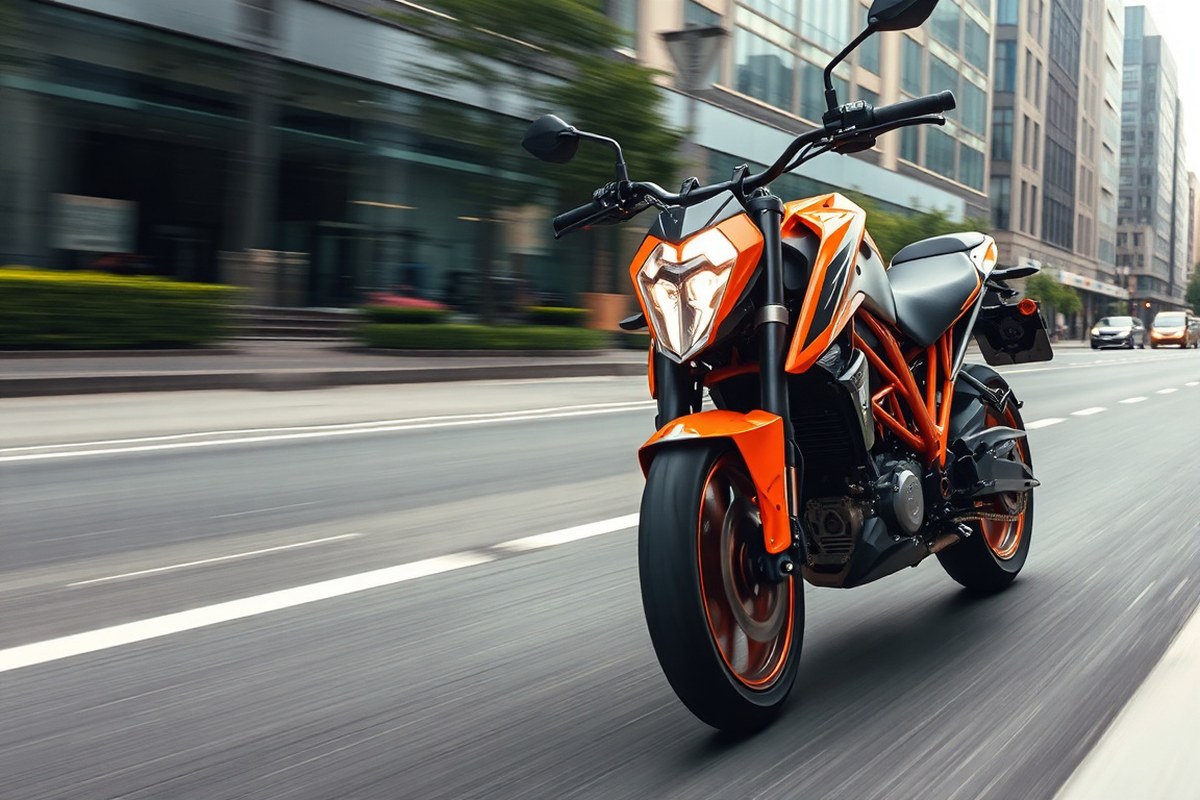
Some 200cc motorcycles and scooters can reach speeds near 85 to 95 mph. The fastest 200cc motorcycles usually have liquid-cooled engines.
Scooters top out a bit lower, around 60 to 70 mph. Two-stroke engines often accelerate quicker but may not hit higher top speeds than four-stroke ones.
Top 200cc Motorcycles by Speed
The KTM Duke 200 stands out with a top speed of around 85 mph. It uses a single-cylinder, liquid-cooled engine that delivers about 25 horsepower. This model offers strong acceleration and is one of the quickest in this class.
Other fast 200cc motorcycles include the Honda CB200X and Bajaj Pulsar NS200. Both reach about 80 to 85 mph, with the Pulsar offering slightly more horsepower. These bikes use air-cooled or liquid-cooled single-cylinder engines.
| Model | Top Speed (mph) | Engine Type |
|---|---|---|
| KTM Duke 200 | 85 | Single-cylinder, liquid-cooled |
| Honda CB200X | 80 | Single-cylinder, air-cooled |
| Bajaj Pulsar NS200 | 85 | Single-cylinder, liquid-cooled |
| Honda Hornet 200 | 80 | Single-cylinder, air-cooled |
| Aprilia SR GT 200 | 75 | Single-cylinder, liquid-cooled |
KTM and Bajaj models often offer peak power near 24 to 25 HP. These bikes typically balance speed and maneuverability. Air-cooled bikes like the Honda Hornet run a bit slower.
They usually hit a few mph less on speed. These bikes may need less maintenance than others.
Leading 200cc Scooters and Their Caps
200cc scooters usually reach 60 to 70 mph top speed. This speed fits well for city and suburban rides. They balance performance and ease of use nicely.
The Honda SH300i is just above 200cc in size. It can reach speeds close to 70 mph.
This scooter sets a good benchmark to compare others. Its smooth acceleration and lightweight design help it feel quicker.
Many 200cc scooters use four-stroke engines tuned for reliability and fuel efficiency. Some sportier models might push close to 75 mph. Scooters rarely match the peak speeds of motorcycles but offer easier handling and automatic transmissions.
Check your scooter’s top speed regularly to avoid pushing the engine too hard.
Notable 200cc Dirt Bikes and Mini Bikes
Mini bikes with 200cc engines often top out around 33 to 55 mph. The exact speed depends on engine type and design. They vary quite a bit in performance.
The Mega Moto 212cc mini bike averages about 33 mph speed. It comes with two-stroke and four-stroke engine options.
These choices affect power and maintenance. Two-stroke mini bikes usually offer quicker acceleration but may trade off fuel efficiency.
Dirt bikes like the Yamaha XT200 and Suzuki DR200S typically reach 70 to 75 mph. They use air-cooled engines tuned for off-road capability and durability. These models provide a balance of speed and control on rough terrain.
Factors That Affect the Speed of 200cc Bikes and Scooters
The rider’s and bike’s weight both affect a 200cc bike’s speed. Heavier weight lowers acceleration and top speed. Lighter weight helps the bike go faster.
Heavier riders add load that the engine must move. This extra weight slows acceleration and limits top speed, especially on inclines or rough terrain.
Terrain also plays a big role. Flat, smooth roads let you reach higher speeds. Rough or hilly terrain requires more power, reducing your top speed.
Wet or icy roads reduce tire grip a lot. This makes riding slower necessary for safety. You should slow down to stay in control.
Weather conditions impact speed too. Strong headwinds create extra resistance, so your bike won’t go as fast.
Hot weather can cause engines to run hotter, possibly reducing performance if cooling isn’t adequate. Cooler, clear days usually give the best results for speed.
Regular maintenance keeps the bike running at its best speed. Worn spark plugs or dirty air filters reduce engine power.
Keep tires properly inflated because low pressure increases rolling resistance and slows you down. Chain lubrication and correct tension help smooth power transfer.
The bike’s transmission and gearing also influence top speed and acceleration. Lower gears help get moving quickly but limit top speed. Higher gears let you reach faster speeds but need more power and smooth engine tuning.
You can change sprocket size or gear ratios to adjust performance. Smaller sprockets give faster starts but lower top speed. Larger sprockets increase top speed but slow acceleration.
Change your bike’s oil every 3,000 to 5,000 miles. Also, check tire pressure before every ride. These tasks keep your bike running well.
Pay attention to how your bike feels in each gear. This helps you know if you need better gear changes or new sprockets. Changing them can improve your bike’s speed.
Maintenance costs usually range from $50 to $150 each year. It depends on how often you ride your bike. Budget for basic parts like oil and filters.
Is a 200cc Motorcycle or Scooter Safe and Legal for Highway Use?
You can ride a 200cc motorcycle or scooter on most highways. But it depends on local laws.
In many places, these bikes qualify for roads with speed limits up to 55 mph. They usually handle city streets and suburban roads with similar limits well.
On highways with speed limits over 55 mph, a 200cc bike can manage short trips. But it struggles with quick passing or sustained high-speed travel.
Some states might restrict smaller engines on certain freeways, so check your area’s rules. Also, some highways prohibit scooters, even with enough engine size for higher speeds.
Safety gear matters more when you ride at highway speeds. Wearing a DOT-approved helmet is a must. Protective gloves, jacket, and sturdy pants help prevent injury.
Highway traffic moves faster and closer than city streets. So fully covering your body reduces risks.
Some cities limit engine size in certain zones. Others ban scooters on high-speed roads. These rules vary depending on the area.
Some cities require registration, insurance, and special licensing for 200cc bikes to ride legally. You should confirm what paperwork and equipment are needed before riding in urban areas.
Following speed limits is key for safety. Most city and suburban roads have speed limits from 25 to 45 mph. This range suits a 200cc bike’s power well.
You’ll usually find these limits easy to follow. On roads with 55 mph limits, 200cc engines can keep up. Passing might feel slow due to lower power.
You’ll need to be cautious when overtaking. Avoid pushing the bike beyond its comfortable speed to reduce accident risk.
Before hitting the road, inspect your bike’s lights, brakes, and tires. Make sure your signals work and the tires have proper tread and pressure. These safety checks don’t cost much time or money.
They help a lot when riding in the city or on highways. Doing them often keeps you safer on the road.
How to Safely Measure and Test Your 200cc Vehicle’s Top Speed
Measuring your 200cc motorcycle or scooter’s top speed needs careful planning to be safe and accurate. You want the right tools to read speed correctly. Plus, your bike must be warmed up and checked to avoid problems during the test.
Preparing Your 200cc Vehicle
Start by warming up your engine. Let your bike idle for five to ten minutes first. This warms the oil and parts.
It helps the engine run smoothly. This helps the engine perform well during the speed test.
Next, check all basic systems. Look at your tires’ pressure and condition because low or worn tires affect speed and handling. Also, check the brakes, throttle smoothness, and fuel level for a reliable test.
Make sure your bike is in good mechanical shape before going faster than normal. A small issue at speed could cause trouble quickly.
Best Speed Measurement Tools
An accurate speedometer or GPS-based device gives the best results. Many smartphone apps use GPS and cost nothing.
But they depend on signal quality and can lag. A handheld GPS speedometer costs around $50 to $150 and tends to give steadier readings.
Some riders also use radar guns or speed sensors specific to motorcycles. These tools give precise readings but usually require buying or borrowing specialized equipment.
Note that your bike’s built-in speedometer can read fast or slow by 5 to 10 percent. So double-check with a GPS device if speed accuracy matters most.
Conducting a Safe Speed Test
Choose a straight, empty road where local laws allow testing. Avoid public highways or places with traffic, curves, or pedestrians. Clear weather and good daylight improve safety and visibility.
Wear full safety gear: helmet, gloves, jacket, pants, and boots. This gear protects you if you lose control or fall. Never test speed without it.
Test at smooth intervals. Accelerate gradually to top speed and hold it briefly to record data, then slow down safely. Avoid pushing your bike hard for long times.
200cc models get uncomfortable at max speed. They can feel unstable and tiring.
- Locate a safe, legal test spot away from traffic and hazards.
- Warm up your bike at idle for 5 to 10 minutes.
- Check tire pressure, brakes, throttle, and fuel level.
- Equip yourself with full riding gear.
- Start accelerating smoothly, watching your speed device.
- Hold top speed briefly, then decelerate safely.
- Record the top speed from your device for reference.
- Repeat if needed, but avoid stressing your bike.
Always test your top speed in a place where you won’t endanger yourself or others. Safety gear reduces injury risk if things go wrong.
How Different 200cc Vehicle Types Compare in Speed and Use
200cc vehicles vary widely in speed, weight, and best uses based on type. Scooters generally top out faster than ATVs but are lighter and better for city rides. Weight affects how fast they accelerate and how stable they feel in different settings.
200cc Scooters: Speed and Urban Advantages
200cc scooters usually reach speeds between 60 and 68 mph. They weigh less than many dirt bikes and ATVs. This helps with quick starts.
They handle tight turns well in city traffic. Their light weight and smooth handling suit errands and short commutes well.
Because they accelerate quickly, scooters allow you to join traffic confidently and avoid congestion. Their speed range fits city riding.
Their size makes riding easier. They balance power and control for urban use.
200cc Dirt Bikes and Mini Bikes: Off-Road Speed
Dirt bikes tend to have more horsepower than scooters. But their 200cc models usually hit top speeds around 59 to 62 mph.
Their weight and power need to be well balanced. Too much horsepower without control compromises safety.
Mini bikes like the Coleman CT200U handle lighter weights and lower speeds. But can still reach up to 37 mph safely.
Four-stroke engines provide smooth power delivery for beginners and off-road trail rides. Two-strokes suit riders wanting quick acceleration in competitive settings.
200cc ATVs: Trail and Utility Performance
200cc ATVs reach slower top speeds, maxing out near 37 mph. Their heavier frames offer stability and carrying power. This makes them perfect for ranch work, hunting, or carrying small loads over rough terrain.
ATVs trade speed for utility, and their slow acceleration suits dragging or towing tasks. They’re not made for fast road riding.
They work well on trails. Steady control beats speed on these paths.
| Vehicle Type | Avg. Speed Range (mph) | Best Use Case |
|---|---|---|
| Motorcycle | 59-62 | Road traffic commuting, light touring |
| Scooter | 60-68 | Urban commuting, errands |
| ATV | Up to 37 | Ranch, paths, recreation |
| Go-Kart | 24-37 | Private acreage, racing fun |
Comparing speed and weight shows why a 200cc scooter suits city streets best. Meanwhile, 200cc ATVs focus more on traction and hauling than fast travel. Dirt bikes offer speed and off-road skills.
They require some skill to ride well. They fit between slow bikes and fast racers.
Practical Ways to Maintain and improve 200cc Bike Speed
Keeping your 200cc bike or scooter in good shape helps maintain its speed. Regularly check and clean the air filter so your engine breathes better. Replacing old spark plugs ensures consistent firing and smoother acceleration.
Change your engine oil every 2,000 to 3,000 miles. This keeps power steady and lowers engine wear. Regular oil changes help your engine last longer.
The bike chain type impacts speed, too. Replace your 525 or 530 chain with a lighter 520 motor chain. It cuts weight on the drivetrain.
This makes your bike easier to handle and more efficient. This small change can boost acceleration and top speed slightly. Make sure to lubricate and adjust chain tension regularly to avoid speed loss and premature wear.
Derestricting the variator is an effective and safe way to increase your bike’s speed. The variator controls how your scooter’s transmission adjusts to engine speed.
Restrictors slow it down for legal or mechanical reasons. Removing or modifying these restriction points lets the variator reach higher speeds.
- Remove the variator slider or roller weights to improve belt grip and speed
- Install lighter roller weights to allow faster acceleration and a higher top speed
- Adjust variator plate angle or spring tension for better clutch engagement
- Replace the stock belt with a high-quality, lighter belt for smoother power delivery
- Upgrade to a performance air filter for better engine breathing
- Choose a 520 motor chain over standard heavier chains
- Keep tires inflated to recommended pressures to reduce rolling resistance
Each modification trades off cost, maintenance, or ride comfort. For example, lighter roller weights cost around $20 but may wear quicker. Replacing the belt with a performance one typically costs $30 to $50.
You’ll get quicker acceleration and a higher top speed. Usually, it adds 5 to 10 mph if done right. Proper installation is key for these gains.
Routine tune-ups every 3,000 miles keep everything running smoothly. Variator work needs careful handling to avoid mechanical issues. So follow manuals or professional advice.
These steps help your 200cc bike or scooter run faster. They also keep it safe and reliable on the road. Following them ensures better performance overall.
Choosing a 200cc Bike: Speed Needs Versus Practical Use
Think about how fast you need to ride daily before picking a 200cc bike. These bikes hit around 55 to 70 mph, which usually suits city and light highway commuting.
Your trip stays mostly on local roads or moderate-speed highways. 200cc works well here.
Beginners find 200cc bikes helpful because they provide enough power without overwhelming speed. Their moderate weight improves balance, so you learn safer control. A heavier bike or bigger engine might be harder to handle when you start out.
Consider the trade-off between speed, fuel economy, and weight next. A 200cc bike weighs less and uses less fuel than bigger bikes.
This means lower gas costs and easier handling. Trying to get more speed by upgrading engine size often means more weight and worse mileage.
To decide, list your typical rides, average speed, and fuel budget. Pick 200cc if your daily ride stays below 65 mph with stops for heavy traffic.
Also, factor in your confidence level. Choose a bike that you feel comfortable controlling at your usual speed.
Some riders choose 200cc because it balances speed, fuel use, and size. It offers enough speed for highways. It also has good fuel efficiency.
You need to ride faster often, over 70 mph on highways. Consider bikes with bigger engines. For mostly city cruising, a 200cc scooter or bike keeps running costs low and ease high.
Start with your usual route times and traffic. Your 200cc bike keeps pace safely. This size fits well for daily use.
Speed and Safety: Gear and Riding Tips for 200cc Riders
Riding a 200cc motorcycle near its top speed means wearing the right gear. A full-face helmet protects your head and face, reducing injury risk in crashes.
Look for helmets that meet DOT or Snell standards. Prices range from $100 to $300 depending on features.
Protective clothing like armored jackets with CE-rated padding shields your shoulders, elbows, and back. They cost about $150 to $400 and help prevent abrasions and impact injuries. Pair it with durable gloves to protect your hands and boots that cover your ankles.
Keep riding habits focused on control and awareness. Maintain a firm but relaxed grip on the handlebars to absorb bumps. Avoid sudden moves; smooth throttle and brake inputs help keep the bike steady.
- Slow down before corners to keep control and avoid skidding
- Keep both hands on the handlebars, even on smooth roads
- Scan the road ahead for hazards like potholes or gravel
- Use your mirrors and shoulder checks before changing lanes
- Adjust speed for wind or rough surfaces as they can push a light 200cc bike
Handling weather and terrain safely requires extra care. Rain lowers traction, so reduce your speed by about 25% during wet rides. Avoid sudden braking or accelerating on slick roads to prevent losing grip.
Stay calm when you hit gravel or uneven ground. Gently steer through it without sudden moves.
Strong crosswinds can push your bike unexpectedly. Lean a little into the wind. Relax your grip on the bars.
This helps avoid overcorrecting. Getting comfortable in these conditions takes practice; start with short rides to build confidence.
Step-by-Step Action Plan for Testing and Maintaining Your 200cc Bike’s Speed
Follow these steps to safely check your bike’s top speed and keep it running well. This plan helps you learn your bike while improving its performance over time.
- Before your ride: Check tire pressure and oil level. Your bike should run smoothly and safely to get a true speed reading.
- Day 1: Find a quiet, straight road with little traffic. Use a GPS app to record your bike’s speed and confirm top speed accurately.
- Day 3: Try riding two or three times in good weather. If speeds vary a lot, check for mechanical issues like chain slack or engine performance.
- Week 1: Clean and lubricate the chain to reduce friction. A well-maintained chain improves acceleration and top speed by a few miles per hour.
- Week 2: Inspect and replace air and fuel filters if dirty. Clean filters help the engine breathe better, which can boost speed.
- Week 3: Test different riding postures. A tucked-in position can lower wind resistance and add a few mph to your top speed.
- Week 4: Consider upgrading to high-quality tires suitable for your bike. Tires impact grip and rolling resistance, affecting speed and safety.
- After 1 month: Schedule a professional tune-up if you notice any persistent speed or performance issues. Experts can spot hidden problems and fine-tune your bike.
Frequently Asked Questions
Can a 200cc Motorcycle Keep Up on Highways?
Yes, many 200cc motorcycles can safely handle highway speeds of 55 mph or more. Choose routes with lower speed limits and always wear protective gear to stay safe.
How Does Carrying a Passenger Affect 200cc Bike Speed?
Carrying a passenger usually lowers your 200cc bike’s top speed by 10 to 15 mph. It adds weight and affects balance. So adjust your riding style and expect slower acceleration.
Do Weather Conditions Impact How Fast a 200cc Scooter Goes?
Strong headwinds or rain can reduce your 200cc scooter’s top speed noticeably. Wet roads also demand that you ride slower for safety, limiting how fast you should go.
Is It Normal for a 200cc Dirt Bike to Hit 60 Mph?
Yes, many 200cc dirt bikes can reach about 60 mph on flat terrain. Off-road conditions and rider skill play a big role in maintaining that speed safely.
Will Engine Tuning Significantly Boost a 200cc Bike’s Speed?
Tuning can raise top speed by a few miles per hour but may affect reliability. It’s best handled by a professional to keep your bike running well and safe.
Before You Go
Your 200cc bike can reach highway speeds safely with proper care and testing. Focus on steady maintenance and cautious speed trials to enjoy your ride. Grab your gear, plan a test ride, and see what your bike can really do.