
Can You Put Ethanol Free Gas in Your Car? Benefits, Risks, and Key Facts
Can you put ethanol free gas in your car? Yes, you can use it safely if your vehicle allows it. Most modern cars run fine on gas with up to 10% ethanol.
But ethanol free is an option too. Check your owner’s manual first to see if ethanol blends are approved for your engine.
Ethanol free gas doesn’t contain alcohol and can reduce engine wear in older cars. It also burns cleaner, which some drivers prefer for performance. Keep in mind, ethanol free gas is often more expensive and harder to find at stations.
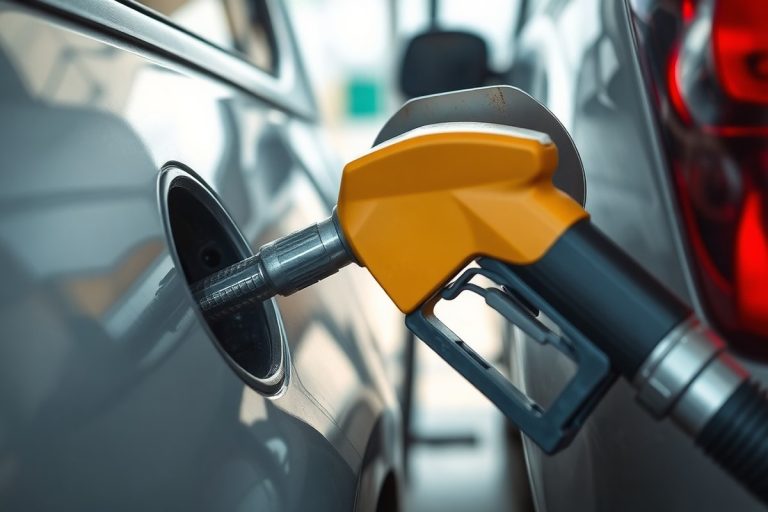
Watch for the label at the pump when choosing ethanol free gas. Avoid confusing it with E85 or other high-ethanol blends, especially if the nozzle colors look similar. Start with a full tank using your regular fuel.
Fill up before you switch. This helps you spot any changes in how your car runs.
Key Takeaways
- Check the owner’s manual for ethanol blend recommendations before switching fuels.
- Ethanol free gas reduces engine wear in older cars and vintage models.
- Most cars today operate well on gasoline with up to 10% ethanol (E10).
- Look for clear ethanol free labels at the pump to avoid mix-ups with E85.
- Ethanol free gas tends to cost more and may be less common locally.
- Fill up with regular fuel before trying ethanol free gas to test performance.
Can You Safely Use Ethanol-Free Gas in Any Car?
You can safely put ethanol-free gasoline (E0) in most gasoline-powered cars. Almost all modern cars handle pure gasoline without any issues. This includes Toyota, Honda, Ford, and GM vehicles.
Ethanol-free gas suits older cars without ethanol-designed engines. It offers better fuel efficiency. It also causes less engine wear.
Cars made after 2011 usually accept gasoline with up to 10% ethanol (E10). Your owner’s manual may say E10 or E85 is fine. You can still use ethanol-free gas instead.
Switching to ethanol-free gas won’t harm your engine. This is true even if your car favors ethanol blends. Small amounts mixed with E10 in the tank pose no risk to modern engines.
Flex-fuel vehicles, however, need ethanol blends like E85 to run correctly. Using ethanol-free gas exclusively in those cars can reduce performance or cause driveability issues.
Ethanol-free gas gives more energy per gallon. This means you get better fuel economy in most gasoline cars.
Some basic safety tips help when using ethanol-free gas. Always check your car’s manual before making a switch. Avoid mixing fuels in large amounts without fully draining the tank first.
Store ethanol-free gas in certified containers to prevent contamination or evaporation. Ethanol-free gas lasts longer in storage than ethanol blends. This makes it good for seasonal vehicles.
Ethanol-free gas usually costs more and is less common. Many drivers still find its benefits worthwhile, especially for classics, boats, or lawnmowers.
Pure gasoline lacks ethanol. So it won’t cause corrosion or clogging problems common with ethanol blends in these machines.
What Exactly Is Ethanol-Free Gas and How Does It Differ?
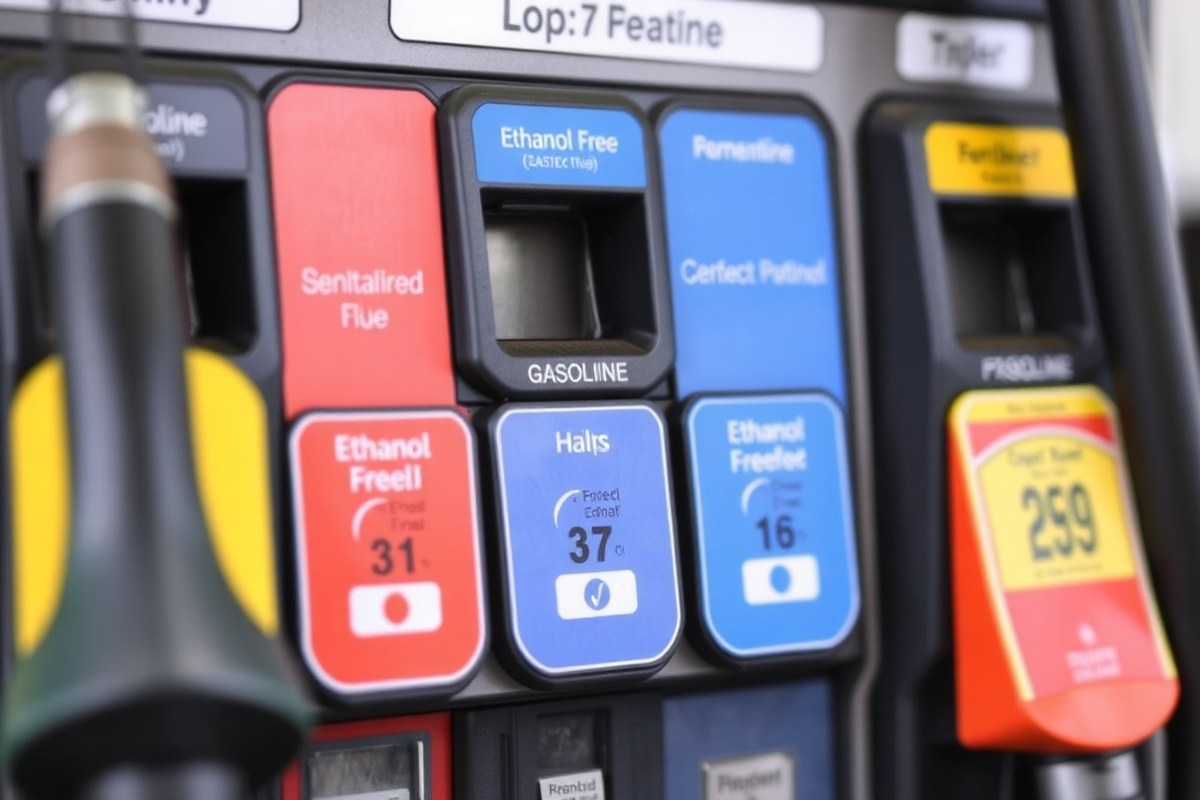
Ethanol-free gas contains no alcohol, unlike most pumps that blend ethanol with gasoline. Ethanol typically mixes with gas at 10% or more, changing fuel’s energy and how it burns. Removing it means you get pure gasoline without any ethanol added.
What Is Ethanol and Why It’s Added
Ethanol is an alcohol made from plants like corn. It is mixed with gasoline to reduce emissions and boost octane ratings. The octane number helps prevent engine knocking during compression in gas engines.
Adding ethanol also lowers fuel cost and dependence on oil. But ethanol has less energy per gallon than pure gasoline. That means fuel economy can drop slightly when ethanol is blended in.
Common Ethanol Gasoline Blends
The most typical blend is E10, which contains 10% ethanol and 90% gasoline. It’s approved for nearly all vehicles and found at almost every pump in the US. E15 contains 15% ethanol and is allowed only in cars made after 2001 and newer.
E85 is another type. It is a flex-fuel blend with 51% to 83% ethanol for special vehicles. Regular cars should not use E85, as it requires engines built for those higher blends.
How Ethanol-Free Gas Differs Chemically and Functionally
Ethanol-free gas, often called E0, has zero ethanol mixed in. That means its energy content per gallon is higher than fuels with ethanol. You may get a slight fuel economy benefit with E0 compared to E10.
Without ethanol, fuel lasts longer when stored, roughly twice the shelf life of ethanol blends. However, ethanol-free gas usually costs more and can be harder to find. It also has a slightly lower octane, so premium ethanol-free gas may cost more.
Fuel Type Comparison
| Fuel Type | Ethanol Content | Octane Rating | Common Use |
|---|---|---|---|
| E0 (Ethanol-Free) | 0% | 87 (up to 91 in premium) | Older cars, marine engines, small engines |
| E10 | 10% | 87, 89 | Most gas vehicles, widely available |
| E15 | 15% | 87 | Cars from 2001 and newer (not all approved) |
| E85 | 51, 83% | 100+ | Flex-fuel vehicles only |
Use ethanol-free gas if your car’s manual says to use it. This helps avoid damage to rubber seals. It also protects your fuel lines from harm.
Why You Might Choose Ethanol-Free Gas
Choosing ethanol-free fuel can prevent some long-term engine parts wear. It also helps if you store fuel for more than three months. Marine engines, lawn mowers, and older cars often run better on ethanol-free gas.
This type of gas also avoids water absorption issues linked with ethanol blends. That water can lead to corrosion or poor engine performance if fuel sits too long. Ethanol-free gas eliminates that risk by having no alcohol content.
How Ethanol Affects Your Engine and Vehicle Performance
Ethanol in gasoline can cause corrosion and wear in your engine’s fuel system. It attracts water, which leads to rust and damage over time. Older cars with metal fuel lines and carburetors are most vulnerable to this corrosion.
Modern engines have parts made from synthetic materials that stand up better to ethanol. These cars usually tolerate up to 10% or 15% ethanol blends without issues. Still, high ethanol levels like E85 can cause starting problems and rough running in standard engines.
Ethanol contains less energy per gallon than pure gasoline. Ethanol-free gas usually gives a bit better fuel economy. You can get about 3 to 4 percent more miles per gallon.
This means your car uses less fuel on long drives. Small engines and older cars may also run smoother on ethanol-free fuel.
Burning ethanol blends reduces some emissions because ethanol oxygenates fuel for cleaner combustion. That helps lower carbon monoxide and other pollutants in exhaust gases. Ethanol-free gas doesn’t oxygenate the fuel, so emissions might be slightly higher.
Ethanol blends can cause corrosion in your car’s fuel system. They especially damage older vehicles over time. That leads to faster wear and costly repairs.
Ethanol-free fuel avoids corrosion problems in your engine. It also lasts longer if stored, which is good for infrequent drivers.
This means less fuel waste and fewer maintenance issues. However, ethanol blends often cost less and improve emission levels.
If you own an older car, consider using ethanol-free gas. It protects your fuel system from damage. It also helps your engine last longer.
Store your fuel properly to avoid water contamination. Use additives if ethanol is unavoidable.
For modern cars, sticking with recommended ethanol blends is easier. But check your manual to be sure.
Which Cars and Engines Benefit Most from Ethanol-Free Gas?
You should use ethanol-free gas mainly in older cars, classic vehicles, and small engines. These engines often can’t handle ethanol blends well.
Modern cars usually tolerate up to 10-15% ethanol safely. Flex fuel vehicles handle even higher ethanol levels.
Benefits for Classic and Older Vehicles
Older cars and classic models, especially those built before 2000, benefit most from ethanol-free gas. Ethanol can cause gum and varnish buildup that damages old fuel systems. It also attracts water, which leads to corrosion in metal parts like fuel tanks and carburetors.
Using ethanol-free gas reduces these issues by providing more stable fuel. Classic car owners often prefer it to keep engines running smoothly and protect original parts. Without ethanol, the gas stays cleaner and doesn’t degrade as fast in storage.
Small Engines and Recreational Equipment
Small engines in lawnmowers, boats, and generators usually need ethanol-free fuel. These engines have carburetors and fuel lines that ethanol can damage or clog quickly. It’s common for marine engines to require pure gasoline to prevent corrosion and fuel system failures.
Running ethanol blends in these engines often causes rough operation. Starting problems happen after the engine sits idle.
These issues can affect performance over time. Ethanol-free gas offers more reliability and longer equipment life.
- Lawnmowers and garden equipment prefer ethanol-free gas to avoid fuel system leaks.
- Boats and marine engines often require ethanol-free fuel to prevent corrosion.
- Generators need stable fuel without ethanol for longer storage life.
- Motorcycles usually run better on ethanol-free gasoline for smooth idling.
- Snow blowers and other seasonal tools benefit from ethanol-free fuel for winter storage.
Choosing ethanol-free fuel for these machines can save frequent repairs. It also improves engine start-up after periods of no use.
Compatibility with Modern and Flex-Fuel Cars
Most modern gasoline cars handle ethanol blends well. This includes E10 and E15 fuels. Cars from 2001 onward usually have no issues.
Their fuel systems use newer materials that resist ethanol’s effects. You can fill up with ethanol-free gas if you want. But it’s not required for these cars.
Flex fuel vehicles are designed for higher ethanol levels. They use fuels like E85. E85 contains 51% to 83% ethanol.
These cars adjust engine timing and fuel delivery automatically. They don’t need ethanol-free gas because their systems are designed for alcohol blends.
| Vehicle Type | Ethanol-Free Use Recommended? | Notes |
|---|---|---|
| Classic/Pre-2000 Vehicles | Yes | Protects older fuel systems and prevents corrosion |
| Small Engines (boats, mowers, generators) | Yes | Prevents clogging and damage to carburetors and lines |
| Modern Gasoline Cars (2001+) | Optional | Designed for E10 or E15 blends, stable with ethanol |
| Flex Fuel Vehicles | No | Built for high ethanol blends up to E85 |
Use ethanol-free gas if you find it convenient, but check your owner’s manual first. Avoid ethanol blends above your car’s limits to prevent damage or voiding warranties.
Can You Mix Ethanol-Free Gas with Regular Gasoline?
Mixing ethanol-free gas (E0) with regular E10 gasoline usually won’t damage your engine right away. Your car’s system handles some variation in ethanol content without issues. The real effect shows up in fuel efficiency and engine performance instead.
When you blend E0 and E10, the ethanol percentage falls somewhere between 0% and 10%. For example, you mix 5 gallons of E0 with 10 gallons of E10.
Your tank then holds 15 gallons total. The ethanol percentage will be mixed from these amounts.
Calculate like this: (5 gallons × 0% ethanol + 10 gallons × 10% ethanol). Then divide that by 15 gallons total. That equals a 6% ethanol blend.7% ethanol.
This lower ethanol blend burns less cleanly than pure E10. Sometimes your engine computer adds extra fuel to fix it.
That can affect your engine’s efficiency. That wastes gas and reduces mileage because the fuel doesn’t match what the engine expects.
Mixing fuels means you lose some ethanol benefits. Ethanol helps prevent water buildup. It also improves how well the fuel burns.
Your car might feel less responsive or stall slightly in some cases. More important, if your manual says you need E10 or more, mixing with E0 sometimes won’t void your warranty.
Just don’t make it a habit. But if you regularly use ethanol-free instead, check your warranty details carefully.
When mixing fuels: – Do: Add E0 or E10 slowly, allowing the gas to blend well in the tank. – Don’t: Mix high ethanol blends (like E15) with E0 without confirming compatibility.
Do use the fuel grade your engine needs most of the time. This keeps your car’s performance steady. It avoids unexpected problems.
Don’t rely on ethanol-free gas to stretch your fill-ups. It costs more and often lowers mileage if mixed wrong. Stick to what your engine needs.
Use your owner’s manual to verify approved fuels before mixing ethanol-free gas with blends.
How to Safely Switch Between Ethanol-Free and Ethanol Gas
Switching between ethanol-free and regular ethanol gasoline doesn’t need a tank emptying. Your car’s engine can handle both fuels if the octane matches the owner’s manual. Some small adjustment time helps your car run smoothly after the change.
Use quality fuel additives if your car is older or hasn’t used ethanol-free gas before. These help stop corrosion and clear deposits that ethanol blends sometimes leave. Watch your engine sound during the first few tankfuls.
Check how the car drives, too. This helps catch any problems early.
Follow these steps to switch fuels safely and avoid common mistakes. Changing gradually eases your engine’s transition and lowers the chance of knocking or stalling. Keep your fuel system clean and add additives if needed for your driving situation.
- Check your owner’s manual to confirm the recommended octane and fuel type.
- Fill your tank with the new fuel at your usual stop. You don’t need to empty the old fuel first. Just fill up like normal.
- Add a fuel system cleaner or stabilizer if switching after long use of one fuel type.
- Drive normally and refill with the same new fuel for at least two full tanks.
- Listen for engine knocking or rough idling; reduce load or drive slower if detected.
- Try adding a small amount of fuel treatment meant for ethanol problems when issues happen.
- Monitor fuel economy and engine feel for several tanks and revert if performance drops.
Use the same fuel type for two or three tanks to let your engine adjust. This helps the control system recalibrate properly.
Watch for fuel smells or hesitation, signs the new gas may not suit your car. Avoid mixing both fuels in one fill-up because that can confuse the engine’s timing adjustments.
Don’t rush switching too often. Frequent back-and-forth between fuels may lead to deposits forming.
Ethanol-free gas lasts longer in the tank and helps prevent corrosion. So make the switch count by staying consistent for several tanks at least.
What Are the Cost and Availability Considerations?
Ethanol-free gas usually costs more than regular gasoline. This happens because it’s produced in smaller amounts and requires different handling. Stations often add a price bump to cover these extra costs.
Finding ethanol-free fuel can be tough. Most stations sell E10, which has about 10% ethanol.
Ethanol-free gas is rare, especially in urban areas. It’s more common near marinas and small airports where engines need it for stability.
Despite the higher price, ethanol-free gas can sometimes save money in the long run. It burns cleaner and can improve fuel efficiency slightly. For example, ethanol-free gas may cost 10 cents more per gallon.
It can improve your car’s mileage by about 2%. This might make the cost per mile similar to regular gas.
Try filling your tank with ethanol-free gas a few times. Track how far your car goes compared to regular fuel. This helps you see if the price difference matches any mileage gains.
Websites like pure-gas.org help you locate stations selling ethanol-free gas nearby. You can also ask at marinas, pilot shops, and some hardware stores. Planning route stops ahead helps avoid surprises with supply.
Pay extra attention when storing your car for long periods. Keep fuel quality in mind during storage.
Ethanol-free gas resists water absorption and holds up better in storage. This may justify paying more if you don’t drive often.
How Long Does Ethanol-Free Gas Last in Storage Compared to Ethanol Blends?
Ethanol-free gasoline lasts about six to 12 months in storage without many problems. Ethanol blends usually degrade faster, around three to six months. Ethanol attracts moisture.
This causes phase separation. It leads to corrosion in your tank and engine parts.
Vehicles unused for a long time benefit most from ethanol-free fuel. These include seasonal cars. Lawn equipment also falls in this group.
The slower degradation means you avoid starting issues or damage caused by old, contaminated gas. Using ethanol-free gas keeps small engines reliable after storage.
It is a simple step. It prevents starting problems after months unused.
Adding fuel stabilizer made for ethanol-free gas extends shelf life. It can last up to 12 months or more. Follow stabilizer directions carefully.
These stabilizers prevent oxidation and preserve volatile compounds inside the fuel. Fill your tank fully before storage.
This reduces air space inside. Add stabilizer according to the product’s instructions for best results.
Store fuel tanks or gas cans in a cool, dry place. Keep them away from sunlight and heat sources.
This preserves fuel quality. Ideal temperatures are between 50°F and 75°F. Keep containers sealed tightly to prevent air and moisture from mixing with the fuel.
Small engines like lawn mowers, snow blowers, and boats often use ethanol-free gas. This is common for seasonal storage. It helps avoid fuel problems.
The lack of ethanol reduces the risk of water absorption and engine corrosion. Ethanol blends should be drained or treated with stabilizers well before winter storage to avoid damage.
Fuel shelf life varies: ethanol blends last 3-6 months. Ethanol-free lasts 6-12 months. Stabilized ethanol-free fuel can last beyond a year.
This matters if you only use your gas in spring or fall. Keeping your fuel fresh helps avoid costly repairs and troublesome starts.
Never store gasoline in unapproved containers or near flames, even if it’s ethanol-free. Safety counts as much as fuel quality.
Common Mistakes and Misconceptions About Ethanol-Free Gas
Some common beliefs about ethanol-free gas don’t match up with facts. Mixing fuels by accident or wrong ideas about octane can cause confusion. Knowing how warranties and performance relate to ethanol-free gas helps you make better choices.
Myth: Ethanol-Free Gas Is Always Premium
Ethanol-free gas is not always the same as premium fuel. It often comes with regular octane ratings around 87, not 91 or 93. You can find premium gas that contains ethanol, usually at 10 percent (E10).
This means buying ethanol-free gas won’t always give you a higher octane. Some drivers think ethanol-free means “better” octane, but that’s not true. Check the pump label carefully to see the actual octane number.
Warranty and Manufacturer Claims
Using ethanol-free gas generally does not void your vehicle’s warranty. Manufacturers mostly focus on whether you use a compatible fuel like regular or premium grade. Problems come up when you use fuel not meant for your car.
E85 in a non-flex fuel vehicle causes trouble. Only use fuels your car is made for.
Putting leaded race fuel or E85 in the wrong car may void coverage. This can affect some engine repairs. Check your fuel type before filling up.
Ethanol-free gas usually fits within normal fuel rules. Always check your owner’s manual to confirm allowed fuel types before switching.
Performance Expectations vs Reality
Switching to ethanol-free gas isn’t a sure way to boost your car’s power or fuel efficiency. Some engines might run slightly cleaner or last longer on ethanol-free fuel. But many modern cars handle up to 10% ethanol without issues.
Expect mild improvements at best, especially if your engine is designed for regular gas blends. Don’t expect big changes in miles per gallon or horsepower just by changing the fuel. Real benefits vary by engine type, driving style, and climate.
Handling Fuel Mix-Ups and Mistakes
Accidentally mixing ethanol-free gas with regular ethanol blends is not a big problem. Most cars can run fine on a mix of ethanol and non-ethanol fuel without harm. Problems happen when using the wrong fuel entirely, like E85 in incompatible cars.
Start by stopping use of the wrong fuel immediately. Next, consult your owner’s manual or dealer for advice. Finally, fix any damage as recommended by a pro.
- Don’t start the engine if you realize the mistake immediately.
- Call a professional tow or service shop for advice.
- Drain the incorrect fuel if advised, especially if it’s E85 in a non-flex fuel car.
- Refill with the correct fuel type and grade recommended by your manufacturer.
- Drive gently at first and watch for unusual engine behavior.
Accidental mixing of ethanol-free with E10 usually won’t cause damage. But keep your owner’s manual handy for fuel guidance. A quick check or call prevents costly repairs if your car is sensitive to certain fuels.
Your First Steps for Using Ethanol-Free Gas
Follow this simple plan to start using ethanol-free gas safely in your car. Watch your engine’s performance to see if it improves or stays steady.
- Before your next fill-up: Check your car’s owner manual for ethanol recommendations. Know if your engine benefits from ethanol-free fuel.
- Day 1: Buy ethanol-free gas from a verified station. Fill just your tank to avoid leftover fuel mix.
- After 1 tank: Observe your engine’s response and mileage. Look for smoother running or no change.
- Week 2: Decide if you want to switch completely or alternate with regular gas. Base your choice on performance and cost.
- Week 3: If switching fully, fill up only with ethanol-free gas. Check your fuel system for leaks or odd smells.
- Month 1: Monitor engine start-up and idle. Note if it runs cleaner and quieter.
- Ongoing: Store ethanol-free gas properly if you buy in bulk. Use it within six months for best quality.
Frequently Asked Questions
Can I Mix Ethanol Free Gas with Regular Gas in My Car?
Yes, you can mix ethanol free gas with regular gas safely. Most engines handle a blend as long as the octane meets your car’s needs. Just avoid blends outside your owner’s manual recommendations to prevent fuel system issues.
How Long Can Ethanol Free Gas Sit in a Car?
Ethanol free gas lasts longer in your tank than ethanol blends. It can sit for several months without significant breakdown. Still, try to use fuel within six months for best performance and engine safety.
What Will Happen If I Accidentally Put Ethanol Free Gas in My Car?
Nothing bad will happen if you use ethanol free gas accidentally. Most cars run fine on it as long as the octane matches. It might even reduce water buildup in your fuel system.
Is 91 Octane the Same as Ethanol Free?
No, 91 octane refers to the fuel’s rating, not ethanol content. You can have 91 octane with or without ethanol. Check the pump label to be sure if it is ethanol free.
Should You Be Using Ethanol-Free Fuel in Your B58 Engine?
Some B58 engine owners prefer ethanol-free fuel for better longevity. However, it’s safe to use ethanol blends if your manual allows E10. Ethanol free might help if you notice rough idle or fuel economy drops.
Final Thoughts
You can safely use ethanol-free gas if your car supports it and you follow proper steps. Watch how your engine runs and adjust fuel choice accordingly. Try ethanol-free gas soon and see if it suits your car’s needs.



One Comment