How Much to Get Brakes Replaced: A Complete Cost Guide with Tips
Wondering how much to get brakes replaced costs? Expect to pay $100 to $800 per axle for pads and rotors. The cost depends on your vehicle.
Some vehicles cost more than others. Simple pad swaps usually run $100, $300. But luxury or performance cars can cost over $1,500 per axle due to specialized parts.
Brake pads wear out every 30,000 to 50,000 miles. You should replace them quickly.
This helps you avoid damaging the rotors. Waiting might double your repair costs because worn pads reduce braking power and wreck rotors.
Start by checking your brakes for signs of wear or noise. Also, choose shops carefully. Shopping around can save 20 to 30 percent compared to dealerships without losing quality.
Key Takeaways
- Brake pads usually last 30,000 to 50,000 miles before needing replacement.
- Replacing pads early avoids rotor damage and costly repairs later.
- Pad replacement costs range from $100 to $300 per axle for most cars.
- Luxury and performance vehicles cost more due to specialized brake parts.
- Independent shops or mobile mechanics often charge 20, 30% less than dealerships.
- Always inspect brakes if you hear squealing or feel less stopping power.
How Much Does Getting Brakes Replaced Typically Cost?
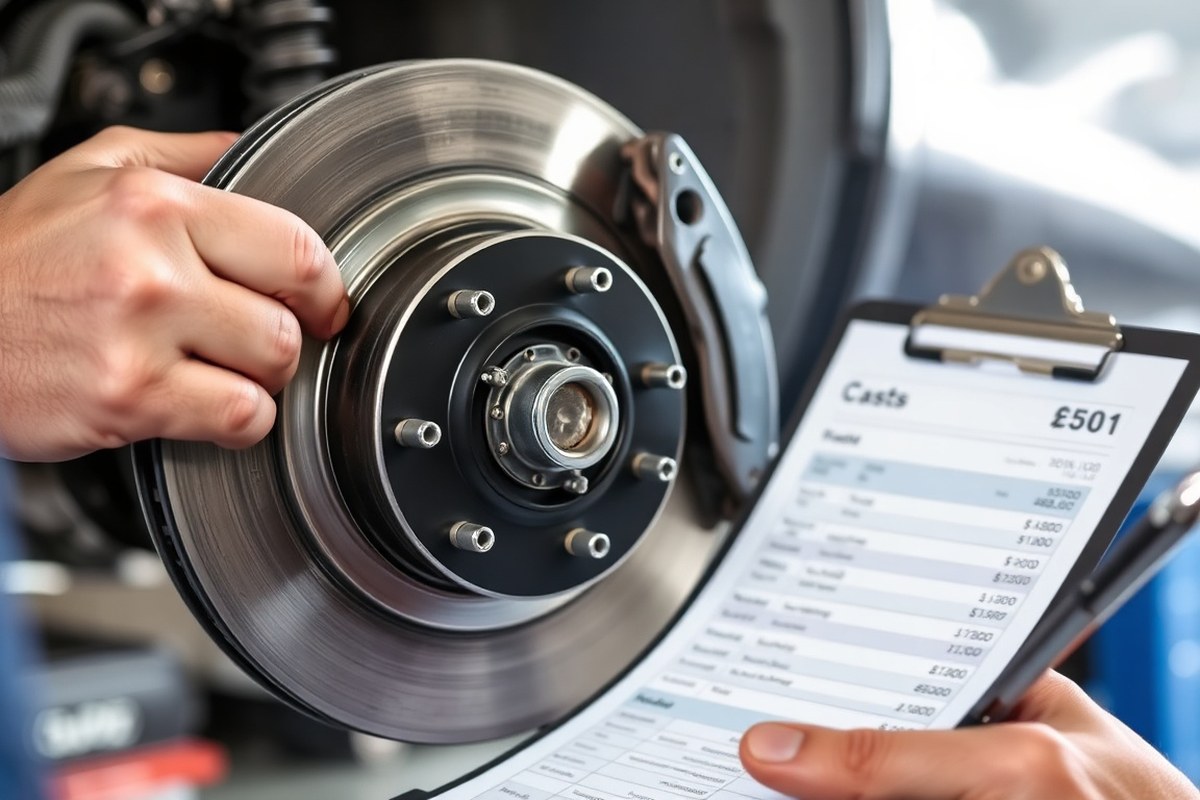
Brake replacement normally costs between $250 and $500 per axle. Changing brake pads alone usually runs about $130 to $350 per axle.
Parts make up $40 to $150 of that cost. Labor fees vary but often range between $80 and $150 per axle depending on vehicle and shop.
Rotor replacement adds roughly $150 to $500 per axle extra. Replacing both pads and rotors can push the total to $300 to $600 per axle. Front brakes cost about 30 to 40 percent more than rear brakes.
They wear out faster, so mechanics spend more time fixing them. That’s why you pay more for front brake work.
The cost of parts varies based on quality and your car model. Ceramic or semi-metallic brake pads from stores generally range from $25 to $80 per axle. OEM parts are 20 to 40 percent pricier.
But they tend to last longer and work better. Labor rates differ by location and shop type, influencing the overall cost.
An independent shop might charge $180 for front brake parts. They add about $160 in labor. This totals roughly $340 for new front brake pads.
A dealership could ask for $220 in parts for front brakes. Labor may run around $250 there. So, the total price often hits about $470.
Mobile brake services often offer flat rates near $180 per axle. This can be cheaper than a shop visit. But rotor replacement might not be included at that price.
Large cost swings happen because of your car’s brake system design and shop rates. Luxury or heavy-duty vehicles demand pricier parts and take longer to service. Ask for quotes showing parts, hourly rates, and estimated work hours.
This helps you find a fair price and compare shops better. Check if the price covers a rotor micrometer check or new hardware. These extra services can raise the overall brake replacement cost.
What Parts Are Involved in a Brake Replacement Service?
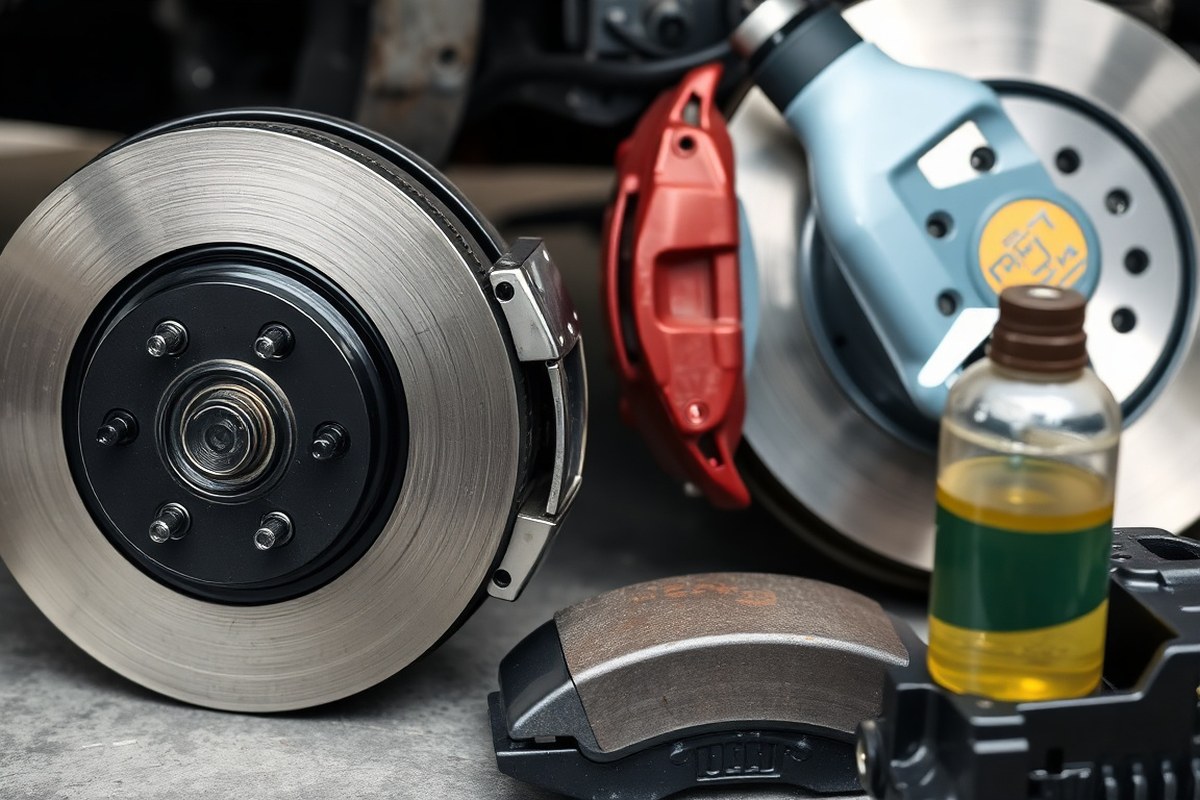
Brake replacement usually involves changing the brake pads and inspecting or replacing the rotors. Shops may also check or service the calipers and brake fluid during the job. The exact parts included depend on your car’s condition and the shop’s package.
Brake Pads: The Most Common Replacement
Brake pads press against the rotors to slow the car down. Over time, pads wear out and need replacing, usually every 30,000 to 50,000 miles. A standard brake pad replacement removes the old pads first.
Then, new pads are installed. Hardware clips hold the pads in place.
The shop will inspect rotors and calipers during the replacement. Pads usually get replaced on one axle at a time. That means front or rear pads only.
The cost for pads is $150 to $300. A test drive follows to confirm the brakes work smoothly.
Rotors: When Resurfacing or Replacement Is Needed
Rotors are the discs that brake pads clamp onto. Rotors that are scored or warped cause pads to wear faster. This raises the chance of uneven braking.
Rotors often last through two sets of pads. But sometimes they need resurfacing or replacement sooner.
Resurfacing costs about $40 to $100 per rotor. It machines away grooves if the rotor is thick enough.
Otherwise, replacing rotors with new ones costs between $300 and $600 per axle including pads. New rotors mean smoother stopping and longer pad life.
Calipers: When They Also Need Attention
Calipers squeeze the brake pads onto the rotors. Sometimes calipers stick or leak, causing uneven pad wear or dragging.
Shops check calipers during brake service. They may charge $30 to $80 to lubricate slide pins or fix minor issues.
Replacing a caliper costs $250 to $500 each. This upgrade happens mostly on older cars or neglected brake systems. Proper caliper function keeps brakes responsive and prevents damage to other parts.
Brake Fluid: What Happens During a Flush
Brake fluid transfers pressure from your pedal to the calipers. It absorbs moisture over time, risking corrosion and ABS failures.
A brake fluid flush costs $80 to $150 and is recommended every 2 to 3 years. But not necessarily at every pad change.
Your shop will check fluid condition during brake service. Sometimes fluid is topped off or flushed if it’s dark or contaminated. Skipping fluid maintenance can lead to expensive repairs later.
What’s Included in a Typical Brake Job?
Brake job packages vary but commonly include:
- Replacement of brake pads
- Rotor inspection with resurfacing or replacement if needed
- Lubrication of caliper slide pins
- Inspection of calipers and brake lines
- Brake fluid check and possible flush
- Hardware clips and shims installation
- Test drive to ensure smooth braking
This scope ensures that the brakes not only stop your vehicle but last longer between services. Some shops charge extra for brake cleaning or minor caliper repairs.
Don’t ignore rotor condition during a brake pad change. Warped rotors can shorten pad life by over 60%, raising your long-term cost and reducing safety.
How Often Should Brake Pads and Rotors Be Replaced?
Brake pads typically need replacing between 25,000 and 70,000 miles. Rotors last longer, generally from 50,000 to 100,000 miles. Front brakes wear faster than rear brakes because they handle more stopping force.
Brake Pad Replacement Intervals
Most front brake pads wear out first, usually between 30,000 and 50,000 miles. Rear pads last longer, often 50,000 to 70,000 miles. Front pads wear roughly twice as fast because they handle 60% to 70% of braking power.
Heavy vehicles or towing can shorten pad life. Driving in stop-and-go traffic or aggressive braking also speeds up wear. Lighter cars with smooth driving can get closer to the higher end of these ranges.
When to Replace Rotors
Rotors typically last between 50,000 and 100,000 miles. You replace them less often than pads, unless they get warped or damaged. Signs like vibration or thinning rotors mean they need changing sooner.
Replacing rotors every other pad change can save money in the long run. Using good quality rotors and pads helps keep their lifespan longer. Cost varies but expect rotors to add $50 to $100 more if done with pads.
How Your Driving Habits Affect Brake Wear
Hard stops, fast acceleration, and driving in heavy traffic wear brakes faster. Riding the brake pedal or braking hard on corners wears pads faster. Smooth, gradual braking extends their lifespan.
Mountain driving or towing heavy loads also causes more wear on brakes. In cold climates, salt and moisture speed up wear and corrosion on brake parts. Adjust your replacement schedule if you often drive in these conditions.
Why Front and Rear Brakes Wear Differently
Front brakes handle the majority of stopping power. They wear about twice as fast as rear brakes on most vehicles.
Rear brakes last longer. So they need replacement 50% later than fronts, usually around 50,000 to 70,000 miles.
Some vehicles have drum brakes on the rear. These may last longer and cost less to replace but still need regular checks.
Some modern cars use new brake tech. Rear disc brakes wear out first.
Brake Fluid and Its Replacement
Brake fluid doesn’t wear like pads but needs regular changing. It should be replaced every 2 to 3 years, regardless of brake pad or rotor condition. Old fluid absorbs moisture, which can reduce braking performance.
Most brake jobs don’t automatically include fluid change. Ask your mechanic to check the fluid level and condition. Regular fluid service helps prevent brake system damage and keeps brakes responsive.
- Front brake pads: replace every 30,000 to 50,000 miles
- Rear brake pads: replace every 50,000 to 70,000 miles
- Rotors: replace every 50,000 to 100,000 miles or if warped
- Brake fluid: replace every 2 to 3 years
- Aggressive driving shortens brake part lifespan
- Heavy loads and hilly terrain increase brake wear
- Regular inspections catch wear before safety is affected
How Vehicle Type Impacts Brake Replacement Costs
Brake replacements cost more on trucks and SUVs. These vehicles have larger brake parts. The heavier parts add to the cost.
They handle more weight and rougher terrain. So their brakes need bigger rotors and pads to slow down safely. This makes the parts pricier and the job take longer, pushing costs higher.
Luxury and performance cars can spend 50% to 200% more on brake repairs than economy models. Their brake parts are made to stop better. They resist heat fade during use.
This makes the parts cost more. Performance cars have bigger, stronger brakes.
Luxury cars use advanced materials for brakes. These features drive up the price.
| Vehicle Type | Pads Only (per axle) |
Pads + Rotors (per axle) |
|---|---|---|
| Economy Cars (Civic, Corolla) | $150 to $200 | $275 to $350 |
| Midsize Sedans (Camry, Accord) | $175 to $225 | $300 to $400 |
| SUVs (RAV4, CR-V, Explorer) | $200 to $275 | $350 to $450 |
| Trucks (F-150, Silverado, Ram) | $225 to $300 | $400 to $500 |
| Luxury Vehicles (BMW, Mercedes) | $300 to $450 | $500 to $700 |
| Performance Cars (Mustang GT, Camaro SS) | $350 to $500 | $550 to $800 |
Rear drum brakes cost less than disc brakes, usually between $150 and $300 per axle. They have fewer parts and less complex mechanics. Drums need more work to replace.
You may need to change springs and adjust hardware. This takes more time and adds cost.
Brakes on luxury cars not only cost more because of parts but also take longer labor. Many use electronic parking brakes that require special scan tools to work on rear brakes. Be ready for added labor time, especially on rear axles with these systems.
How Shop Type Affects Pricing: Dealerships, Independents & Mobile Mechanics
Dealerships usually have higher labor rates, charging $100 to $150 per hour. Their overhead costs are higher since they maintain showrooms and use brand-trained technicians. This means a brake replacement at a dealership can run $500 to $800 per axle.
Independent shops charge less, with labor rates between $75 and $120 per hour. Their overhead is lower.
So they often save 20 to 30 percent on the total cost. A complete brake job at an independent shop generally costs $300 to $500 per axle.
Mobile mechanics can offer real savings by eliminating shop overhead altogether. Their labor costs tend to be lower, and they come to you. However, mobile services might have limitations on which parts and services they can provide on site.
- Dealership labor: $100, $150/hour, overhead high, parts often OEM
- Independent shops labor: $75, $120/hour, less overhead, mix of OEM and aftermarket parts
- Mobile mechanics: lowest overhead, lower labor costs, limited equipment
- Dealer warranty: typically 12 months or 12,000 miles on parts and labor
- Independent shop warranty: varies, usually shorter than dealerships
- Mobile mechanic warranty: often shorter or limited to parts only
Dealerships usually offer warranties on brake work. These cover parts and labor. Warranties often last 12 months or 12,000 miles.
Independent shops might offer shorter warranties or parts-only coverage. Mobile mechanics often provide limited guarantees and might require you to handle certain parts separately.
Choosing the right shop depends on your budget, convenience, and peace of mind. Dealerships are reliable but costly. Independents balance cost and quality well.
Mobile mechanics suit simple jobs or urgent needs but might not handle complex brake services. Checking each shop’s warranty and labor details can save headache later.
Always ask for a detailed written estimate. It should list labor, parts, and warranty. Get it before you agree to brake work.
Choosing Between OEM and Aftermarket Brake Parts
OEM brake parts usually cost 30% to 50% more than aftermarket ones. You pay extra for certified parts with a perfect fit from the maker. These parts often last 50,000 to 70,000 miles and meet strict safety standards.
Aftermarket brake pads come in three main types: organic, semi-metallic, and ceramic. Organic pads are the cheapest, costing about $20 to $40 per set. They last 25,000 to 40,000 miles.
These brakes are quiet. But they don’t handle heat well.
Semi-metallic pads cost $30 to $60 and last up to 60,000 miles. They resist heat better than organic pads but produce more brake dust and noise. Ceramic pads are pricier, usually $50 to $100.
But they last longest and keep your wheels cleaner. They run quieter and handle heat moderately well.
| Part Brand or Type | Price Range (Front Axle) | Lifespan (Miles) | Pros & Cons |
|---|---|---|---|
| OEM (Toyota, Honda, Ford) | $240, $410 | 50,000, 70,000 | Perfect fit, ISO-certified, DOT-compliant |
| Bosch QuietCast (Premium Aftermarket) | $165, $285 | 45,000, 65,000 | Rotors with a coating fight off rust buildup. Ceramic brake pads follow FMVSS 105 safety rules. |
| Power Stop Z23 (Performance-Ceramic) | $220, $340 | 35,000, 50,000 | Floating rotors for heat dissipation; quality pads |
| Economy (Wagner ThermoQuiet, Centric Value) | $40, $100 | 30,000, 60,000 | Affordable, varies in quality and lifespan |
For daily drivers, semi-metallic or ceramic pads offer good value. Ceramic pads cost 30% to 60% more but generate much less dust.
Choosing ceramic brakes helps keep wheels clean and sound quiet. It’s worth the extra price.
You can save 40% to 60% by buying ceramic pads and rotors online. This is cheaper than store prices. This approach is fine if you trust the product and have the parts installed professionally.
Avoid organic pads if you handle hills or tow often. They wear quickly and can overheat.
How to Tell When Your Brakes Need Replacement Soon
Squealing or grinding noises when braking show worn brake pads. The squeal comes from a metal tab that warns you about low pads.
Grinding means the pads are gone, and metal scrapes the rotors. This scraping damages the rotors and creates safety risks.
Pulsing or a vibration in the brake pedal often signals rotor issues. Warped or cracked rotors cause uneven braking, making the pedal pulse when applied. This needs quick attention to prevent worse damage and longer stopping distances.
Dashboard brake warning lights also signal problems. The most common is the brake system warning light or ABS light. Warning lights mean you should have your brakes checked soon.
Don’t delay getting a professional brake inspection. Ignoring these alerts risks brake failure or costly repairs.
- High-pitched squeal when braking
- Grinding or scraping sounds
- Brake pedal pulsating or vibrating
- Dashboard brake or ABS warning light
- Longer stopping distance than usual
- Spongy or soft brake pedal feel
- Car pulls to one side while braking
Worn brake pads greatly reduce your stopping power. Front pads wear quicker since they handle 60 to 70% of braking force. Ignoring noisy brakes can turn a $150 pad job into a $400+ repair including rotors.
Check brakes by listening on a quiet road for strange noises. Feel the brake pedal for any unusual shaking or vibrations. This helps catch problems early.
Watching out for warning lights also helps you catch problems early. Repairs take under a few hours and save you from bigger bills and safety hazards.
Common Mistakes That Increase Brake Replacement Costs
Delaying brake pad replacement often leads to bigger costs. When pads wear too thin, the metal backing can touch rotors.
This causes rotor damage, forcing you to pay for new rotors or resurfacing. Replace pads every 30,000 to 70,000 miles depending on your car and driving.
Not inspecting rotors properly can hide trouble. Warped or deeply grooved rotors may cause noise and vibration.
Rotors should be checked each time you replace pads. Turning (resurfacing) rotors is cheaper than replacement but only works if they have enough thickness left.
Replacing rotors is not always needed but sometimes better. If rotors are below the minimum thickness or badly damaged, replace them.
Resurfacing thins rotors and is only an option if you stay above the manufacturer’s limit. New rotors improve stopping power and longevity.
Poor brake part choices speed up wear and increase costs. Cheap pads might wear out in less than 20,000 miles or cause more rotor damage.
Stick to quality or OEM pads matched to your car model. Use the same type of parts for front and rear brakes to avoid uneven wear.
- Don’t delay brake pad replacement; swap pads before metal shows.
- Inspect rotors each service for grooves, cracks, or warping.
- Resurface rotors only if thickness meets safety specs.
- Replace rotors if too thin or badly damaged.
- Use quality or OEM brake pads to match performance needs.
- Change pads and rotors together to avoid uneven wear.
Brake corrosion adds hidden costs in humid or salty areas. Rusted components reduce brake life and can cause sticking or noise.
Ask your mechanic to check for rust and clean parts during service. FIXD and other apps can alert you when brake wear needs attention, helping prevent costly problems.
Always replace brake pads before they contact the rotor surface to avoid expensive rotor damage.
Steps to Save Money on Brake Replacement Without Sacrificing Safety
Replacing brake pads only is usually cheaper. But rotors may need replacing if worn or damaged.
You can get estimates before booking by calling shops or using online tools. Use coupons smartly, choose trusted mechanics, and consider DIY carefully to cut costs without risking safety.
Get Multiple Quotes and Compare
Start by contacting several repair shops for written estimates. Compare those quotes carefully to get the best price for both parts and labor.
Ask specifically what the quote includes, like pad replacement only or pads plus rotors. Labor usually costs $80 to $150 per axle for either service. Getting multiple quotes helps you see fair pricing and avoid overpaying.
Evaluate Parts Quality and Warranty
Aftermarket brake parts often cost less and meet safety standards. Check whether the shop uses parts with a warranty to protect your investment.
Good quality aftermarket pads and rotors balance cost and performance. Avoid bargain parts without warranties, as they may wear faster and cause more damage. Ask the mechanic what brand and warranty they offer before agreeing.
Consider Timing and Preventive Maintenance
Replace brake pads before they wear too thin. Thin pads can damage rotors and increase costs. Rotors last longer, but rough surfaces or grooves mean replacement.
Prevent higher costs by replacing pads at the right time. Pay attention to grinding sounds or a longer stopping distance. Don’t wait until rotors become too worn to avoid bigger repairs.
Explore DIY Options with Caution
Replacing brake pads yourself can save labor costs, but it requires tools and skills. Improper installation may cause brake failure, so follow instructions carefully.
Only attempt DIY if you feel confident, understand brake safety, and have a safe work environment. Rotors are harder to replace and usually need professional help. Check online videos and guides for step-by-step support if you try it.
Use Promotions and Trusted Mechanics
Use coupons from local shops or online to lower service prices. Ask mechanics about discounts for multiple axle work or repeat customers.
Mobile mechanics can charge less because they have lower overhead. Make sure they are licensed and experienced to keep safety standards. Trusted shops with customer reviews offer peace of mind beyond low price.
- Check your brake condition to decide pads or rotor replacement.
- Call at least three shops for detailed quotes including labor and parts.
- Compare parts brands and warranties offered by each shop.
- Note any promotions or coupons available and factor savings in.
- Consider DIY only if you have experience and proper tools.
- Choose a trusted mechanic or mobile service based on reviews and licenses.
- Schedule brake replacement before pads fully wear to protect rotors.
- Keep receipts and warranty info for future service or issues.
Step-by-Step Action Plan for Brake Replacement
Follow this plan to manage your brake replacement easily and avoid surprises with costs and repairs.
- Day 1: Check your brake pads and listen for squeaking sounds. Squeaks often mean pads need replacing soon.
- Week 1: Get a brake inspection at a trusted shop or mobile mechanic. This confirms if pads or rotors need replacement now.
- Week 2: Compare estimates from a dealership, independent shop, and mobile mechanic. Look closely at part brands and warranties.
- Week 3: Decide between OEM and quality aftermarket parts. Choose the option that balances cost and your safety requirements.
- Before repair: Ask the shop to explain the full price including parts and labor. Confirm if they reuse any parts.
- Day of repair: Be at the shop during the work or communicate clearly with the mechanic. This helps avoid extra charges from surprises.
- After repair: Test drive your car gently. Check for noise, brake feel, and responsiveness to know the work was done right.
- Monthly: Check your brakes often. Visit a shop for a quick look. This stops problems early and saves money.
Frequently Asked Questions
How Long Does a Brake Replacement Job Usually Take?
A typical brake replacement takes 1 to 3 hours depending on vehicle size. Trucks and SUVs take longer due to larger brakes and tighter spaces.
Can I Replace Brake Pads Myself to Save Money?
Yes, many car owners replace pads themselves with basic tools and a repair guide. Still, improper installation risks safety, so consider the risk before DIY.
Does Brake Fluid Always Need Changing When Pads Get Replaced?
No, brake fluid doesn’t always need replacing with pads. It typically wears out every 2 to 3 years, separate from pad replacement.
What Happens If I Ignore Worn Brake Pads?
Ignoring worn pads lets rotors get damaged, which costs more to fix. Replacing pads in time avoids rotor damage and keeps braking safe.
Are Luxury Car Brake Replacements Really More Expensive?
Yes, luxury models can cost over $2,000 for brakes due to parts and labor. Complex brakes and premium parts add to the price for these vehicles.
Final Thoughts
Brake replacement costs depend on your car and parts choice. But you can control expenses.
Act early by inspecting your brakes and getting quotes. Booking a trusted shop for a clear estimate is your next move.