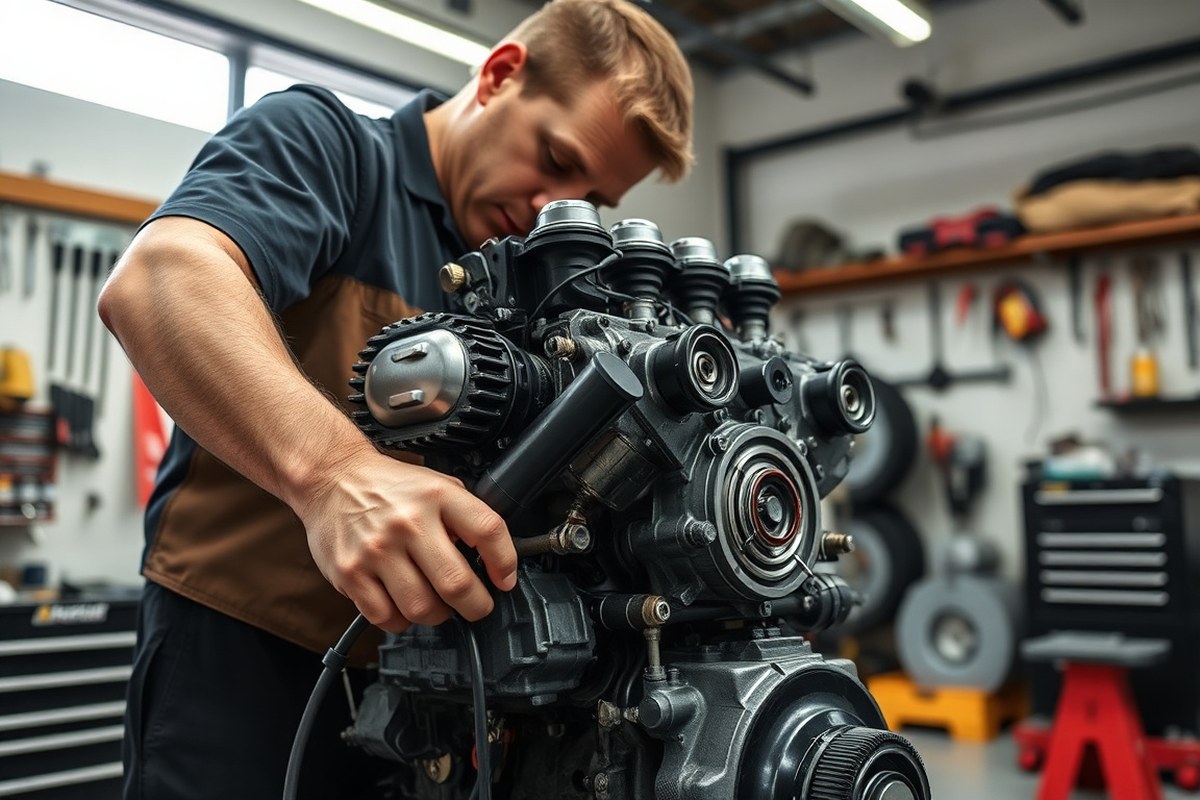
Are Inline 6 Engines Easier to Work on? Complete Guide with Practical Tips
Are inline 6 engines easier to work on than other engine types? Yes, they often are.
Their straight design puts all cylinders in a row, making many parts easier to reach. This layout gives more space under the hood compared to V6 or V8 engines.
Their simpler shape usually means fewer complicated parts and connections. This reduces time spent on disassembly and reassembly during repairs. Watch the engine length closely.
It can impact setups and access. Adjust your plans based on engine size.
Inline 6 engines also last long when well-maintained, often going beyond 300,000 miles. Regular upkeep and watching for timing chain wear are key to keeping these engines running smoothly. Starting with good tools and keeping the engine bay clean makes working on them easier.
Key Takeaways
- Inline 6 engines’ straight layout improves access to cylinders and components.
- Fewer complex parts mean less time dismantling and reassembling during repairs.
- Engine length can limit space in small engine bays, plan accordingly.
- Regular maintenance helps inline 6 engines last well beyond 300,000 miles.
- Keep an eye on timing chains to avoid major repair costs.
- Working on a clean engine bay reduces mistakes and increases efficiency.
Are Inline 6 Engines Easier to Work on Than Other Engine Types?
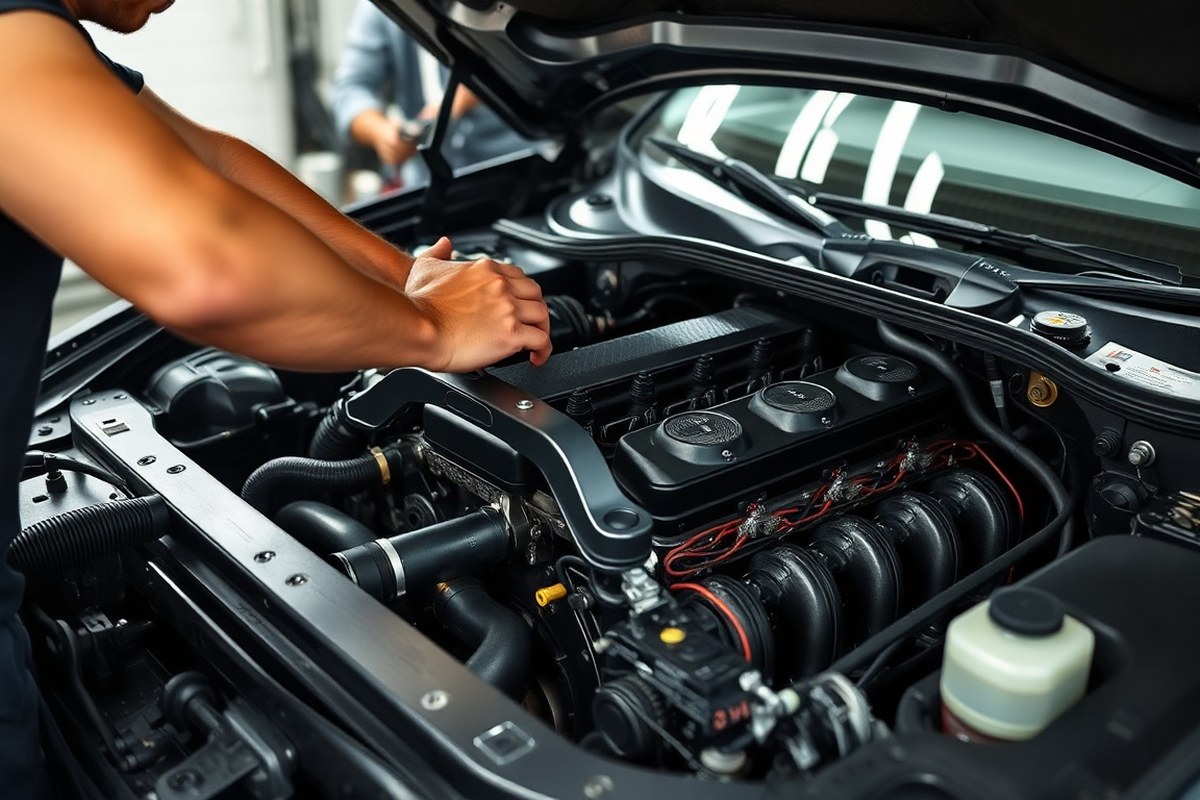
The inline 6 engine generally is easier to work on than V6 and V8 engines. Its cylinders line up in one straight row. This layout is simpler.
It has fewer parts to manage and reach. This length can make the engine appear large. But it usually offers better accessibility to components like spark plugs and fuel injectors.
V6 and V8 engines have cylinders arranged in two banks, often at angles. This design packs cylinders tighter, which can make reaching parts more difficult without removing other components. More parts add complexity.
Extra exhaust manifolds and timing components require more skill. Maintenance takes more time.
The straight layout makes many jobs easier. Tasks need less effort. Sometimes fewer tools are needed.
Spark plug replacements are easier. Valve adjustments also take less work. Everything lines up in one row.
V-shaped engines need covers removed on both sides. This adds extra steps. Work takes more time.
That smooth, balanced operation of inline 6 motors reduces wear on moving parts. Inline 6 engines run smoother. They require fewer repairs.
V8s vibrate more under heavy loads. The simpler setup has fewer sensors and belts.
These parts follow easier paths. Failures are less likely.
Inline 6 repairs cost less. Parts are easier to reach. Replacement is simpler and faster.
Labor hours drop since mechanics don’t need to dismantle as many attached components. V8 repairs can be expensive.
Labor is harder with tight engine bays. Trucks and performance cars are affected most.
The inline 6 is longer. It may not fit well in small engine bays. Removing or installing the engine gets tough.
Some modern inline 6s have turbos or variable valve timing. These features add complexity. They lessen the simplicity advantage.
For most repairs and maintenance, the inline 6 is easier. It is more user-friendly than V engines.
How Does the Inline 6 Engine Layout Affect Accessibility and Repairs?
Engine Length and Bay Fit Issues
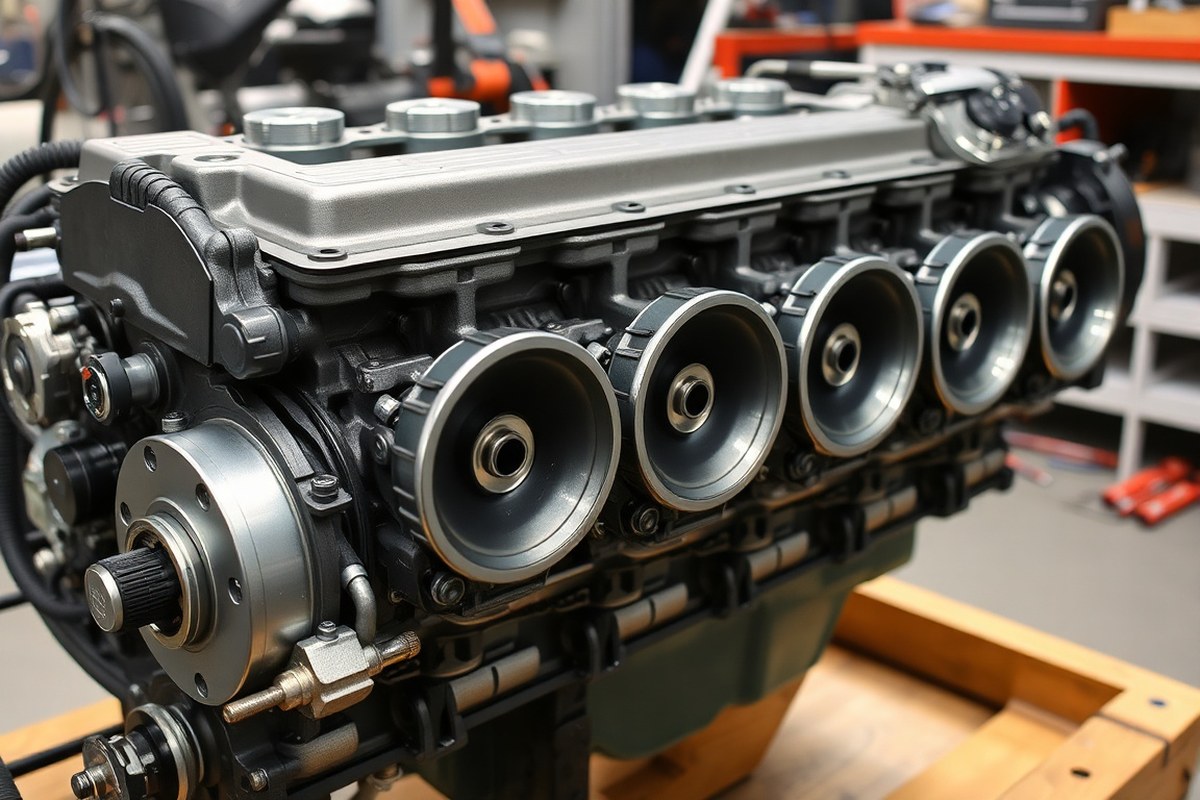
Inline 6 engines line up all six cylinders in a single row. This design stretches the engine lengthwise, making it longer and narrower. Because of this, fitting them into tighter engine bays is tricky, especially in smaller cars.
Longer engines can extend past common mounting points and block access to nearby parts. Installing or removing an inline 6 in a cramped bay takes more time and effort. This length can also limit space for other components and accessories under the hood.
Single Cylinder Head Simplifies Some Repairs
The inline 6’s cylinders share one cylinder head along the engine’s length. This layout is simpler compared to V6 engines with two cylinder heads. It makes head gasket replacement, valve adjustments, and camshaft servicing easier to plan and work on.
Having just one head reduces the number of bolts, gaskets, and parts you deal with. You can often replace or inspect cylinder head components quicker.
The head’s length may require special tools for tight spots. You’ll especially need these tools at the engine’s ends.
Accessibility and Working Space Challenges
Long inline 6 engines often tuck deep into the bay, limiting working room on either end. Components around the engine, like exhaust manifolds and accessories, can block access. This can make routine tasks like spark plug changes or belt replacement more difficult.
Inline 6 engines are narrower than V engines. Still, they leave less space around mounts and wiring. You often face awkward angles when working on these engines.
Sometimes, you need to remove parts for better access. In some cars, engine removal is easier than extensive under-hood repairs.
Impact on Upgrades and Modifications
The straight layout of the engine makes adding forced induction or performance parts less straightforward. Inline 6 engines provide limited space on the sides for turbochargers or superchargers compared to V6s. Installation of aftermarket parts requires custom plumbing and careful routing.
Performance upgrades also have to consider the engine’s length. Longer intake and exhaust manifolds increase weight and heat soak.
Managing temperatures can be tricky in tight engine compartments. Fitting parts without hitting suspension or chassis is also hard.
Key Factors Influencing Engine Workability
Several physical features decide how easy inline 6 engines are to repair:
- Long, slim shape means length rather than width limits space
- Single cylinder head simplifies valvetrain repairs
- Engine bays often require extra clearance planning for removal
- Accessory and wiring layouts may block easy reach to parts
- Forced induction fits tightly or needs custom setups
- Weight distribution can raise center of mass, affecting mounts
Knowing these points helps you choose the right tools and plan service steps. Start by removing the intake manifold or ductwork first. This clears space before major repairs begin.
Make sure to check under-hood space before doing big inline 6 repairs. Tight spots often need removing unrelated parts first.
Common Maintenance Challenges Specific to Inline 6 Engines
Timing Chain and Belt Wear in Inline 6 Engines
Timing chains in many inline 6 engines can wear out, causing noise or timing issues. Some older models had longer timing chains hard to service, raising repair costs and effort.
Regular inspection helps catch wear early. Listen for rattling noises around the timing cover when the engine warms up. Check the chain tension and guide condition about every 60,000 miles or as the manufacturer suggests.
Replacing a timing chain usually costs $600 to $1,200. Labor rates affect the total price. Engine access also changes the cost.
For many inline 6 engines, the job takes 4 to 6 hours. These engines have a simpler two-camshaft setup. That makes the job faster.
Oil Starvation and Valve Cover Leak Risks
Oil starvation happens if you skip oil changes or leaks form. Leaks often appear around the valve cover gasket.
Both cause poor oil flow. Oil starvation can cause major engine damage quickly, including bearing wear and overheating.
Check the valve cover gasket regularly for any leaks. Replace it every 50,000 to 70,000 miles if needed. Keep an eye to avoid bigger problems.
Change your oil every 5,000 to 7,500 miles on schedule. Use the oil type your engine manufacturer recommends. This keeps your engine running well.
Inspecting oil pressure and flow during oil changes can spot problems early. Good oil pressure means the engine’s internal parts get proper lubrication and stay cool.
Cooling System Issues Unique to Inline 6 Engines
Inline 6 engines often run cooler thanks to balanced coolant flow along the long block. Modern designs use dual coolant feeds, feeding coolant from both ends to prevent hot spots.
Despite this, coolant leaks or hose wear can cause overheating. Check radiator hoses, water pump, and thermostat every 2 years.
Or do it every 30,000 miles to stay safe. This keeps the cooling system running smoothly.
Flushing the coolant system every 3 to 5 years prevents buildup and corrosion. Overheating signs include temperature gauge spikes and coolant smell. Fix leaks promptly to avoid warped heads or cracked blocks.
Wiring Harness and Spark Plug Maintenance
Wiring harnesses can degrade over time, causing electrical issues in sensors or ignition systems. Inline 6 engines usually allow easier access to spark plugs and wiring than tight V6 layouts.
Inspect wiring for cracks or corrosion during major services. Replace spark plugs every 30,000 to 60,000 miles depending on type, accessibility, and engine design.
Good spark plug contact ensures efficient combustion and smooth running. Watch for misfires or rough idle, which might signal ignition or wiring faults.
Engine Mount Wear and Vibration Problems
Because inline 6 engines are longer, engine mounts often experience more stress. Worn mounts cause vibration and noise that affect driving comfort and can damage other parts.
Check engine mounts visually for cracks or excessive movement every 50,000 miles or during big repairs. Replace worn mounts to maintain engine stability and reduce vibration.
New mounts typically cost $150 to $300 plus 1 to 2 hours of labor. Signs include engine rocking during acceleration or noise when going over bumps.
Comparing Inline 6 Maintenance with V6 and V8 Engines
Inline 6 engines usually have fewer vibration issues than V6 or V8 engines. Their natural mechanical balance gives a smoother ride. This balance helps reduce wear on engine parts.
It can improve longevity. You may see fewer repairs over time.
V6 engines fit better in smaller engine bays because they are shorter and wider. But their shape can make some parts harder to reach. Inline 6 engines are longer and more narrow.
This sometimes means parts swap or repairs take longer. The size affects how quickly you work. However, their simple design often makes the process easier and less complex.
| Feature | Inline 6 | V6 | V8 |
|---|---|---|---|
| Repair Complexity | Moderate; simpler cylinder alignment eases servicing | Higher; compact layout limits parts access | Highest; more cylinders, parts crowded in engine bay |
| Parts Accessibility | Good; long block but fewer obstructing components | Limited; compact design restricts space for tools | Varies; depends on engine bay, often crowded |
| Vibration Effects | Low; natural mechanical balance reduces vibration | Moderate; needs balance shafts or mounts to smooth out | Varies; typically balanced but heavier components increase stress |
| Longevity | High; less vibration leads to fewer internal stresses | Moderate; vibration and heat can reduce lifespan | Moderate to high; depends on maintenance and design |
| Maintenance Frequency | Typically less frequent due to smooth operation | May require more frequent checks due to vibration | Depends on use; more cylinders mean more parts to service |
Inline 6 engines generally last longer because they run smoother. Less vibration means less risk of parts loosening or breaking early. This reduces how often you must fix or adjust parts.
It happens over time. The inline 6 lasts longer than V6 or V8 engines.
Repairing an inline 6 may take more room under the hood but usually involves straightforward work. For example, replacing spark plugs or timing components tends to be less tangled. The balance and simple parts make inline 6 easier to maintain.
This helps people who work on engines a lot. Maintenance takes less skill and time.
Famous Inline 6 Engines Known for Ease of Maintenance and Reliability
Many famous inline 6 engines are known for lasting a long time with little fuss. Ford’s 240 and 300 inline sixes stand out for their simple design and durability. You can still find these engines in off-road vehicles and trucks.
Their simple design keeps them reliable. This also makes maintenance easier even after decades.
BMW’s M50 engine marked a time when mechanical reliability beat electronics and plastic parts. Modern BMW inline-6 engines have some electronic issues. The M50 is known to last well.
It needs only routine care to stay that way. The Toyota 2JZ engine is famous for high mileage.
It also handles upgrades like turbochargers easily. This makes it a popular choice for modders.
- Ford’s 240 and 300 engines, simple construction and long service life
- Toyota 2JZ, high mileage and great tuning potential
- BMW M50, mechanical reliability over electronics
- BMW M54/B58, modern durability with solid aftermarket support
- BMW N54, powerful but requires more care with electronics
- Older inline-6 engines in heavy-duty trucks, built for torque and endurance
The inline 6 layout spreads out internal parts evenly, reducing vibration and wear. This smooth operation extends engine life and lowers the chance of early part failure. Toyota 2JZ and Ford inline sixes fit larger vehicles well.
They manage torque without losing reliability. They also withstand harsh use for a long time.
Most famous inline 6 engines show that durability often depends on simplicity and parts quality. Basic maintenance like oil changes is key for these engines. Checking the timing chain helps too.
This keeps them strong for hundreds of thousands of miles. Newer inline 6 engines have more complex electronics.
They also use plastic parts in the cooling system. This can make maintenance harder and more expensive.
Check the cooling system and timing chain regularly on inline 6 engines. Doing this prevents costly repairs later. Keep an eye on these parts to save money.
Essential Steps to Maintain and Troubleshoot an Inline 6 Engine
Routine maintenance and troubleshooting each need careful steps to keep your inline 6 engine healthy. Using the right tools helps avoid damage. Use a torque wrench, fuel pressure gauge, and good sockets.
These tools make your work safer and easier. Regular oil changes, spark plug checks, and coolant flushes stop problems before they start.
Plan two to four hours for basic maintenance tasks. This covers things like replacing spark plugs or belts. Set up your work area before you start.
More complex repairs, such as valve adjustments or cooling system overhaul, may need a full day. Watch for signs of engine trouble.
Rough idling, overheating, or strange noises matter. They tell you when something needs fixing.
- Drain and replace engine oil. Warm the engine for five minutes, then drain old oil. Swap the oil filter too. Use the oil type listed in your owner’s manual, typically 5W-30 for many inline 6 engines. Proper oil prevents wear and keeps parts moving smoothly.
- Inspect and replace spark plugs. Remove plugs carefully and check for fouling or wore tips. Replace them with exactly the same heat range plugs. Gapping should match specs, usually around 0.032 inches. Well-functioning plugs improve engine starts and fuel efficiency.
- Check coolant level and flush if needed. Cool engine fully before removing the radiator cap. Top up with the correct mix of antifreeze and water, commonly 50/50. Flush the system every 30,000 miles or if coolant looks rusty or dirty. This avoids overheating and corrosion inside the engine.
- Inspect belts and hoses for cracks or wear. Look closely for cracks along belt edges and bulges in hoses. Replace any part that looks worn or feels soft. Belts usually last about 60,000 miles; hoses can fail sooner under heat stress.
- Test the ignition and fuel system.Use a fuel pressure gauge to check pump output. Many inline 6 engines run around 40 to 55 psi. Testing helps catch fuel system problems early. Test ignition coils and wiring with a multimeter. Fixing weak sparks or low fuel pressure solves stalling and power loss.
- Adjust valve clearance if needed. This task suits those with experience since access varies by engine model. Valve lash should match the factory spec, often measured with feeler gauges. Incorrect clearance causes noisy operation or valve damage.
- Observe engine timing and listen for chain or belt noise.Most inline 6 engines use a timing chain. It usually lasts the engine’s full life. Still, it needs inspection to prevent issues later. Timing belt engines require replacement every 60,000 to 100,000 miles. Early replacement prevents costly engine damage.
Follow these steps regularly to avoid costly repairs and keep your inline 6 running smooth. Use clean tools and wear gloves to keep dirt out of sensitive parts.
Remember, each engine model may differ slightly. So always check the repair manual or manufacturer’s guide before starting work.
Timing Chain and Belt Replacement: Tips for Inline 6 Engines
Replacing or inspecting timing chains or belts on inline 6 engines can be tricky. The extra length and layout require careful alignment and tension management. You must follow specific steps to avoid engine damage and ensure smooth operation.
Recognizing Timing Chain Wear Signs
Listen for rattling noises from the front or side of the engine. This often means the timing chain is loose or worn, especially in older inline 6 engines. Also, look for rough idling or engine misfires, which can signal timing issues.
Check oil condition and levels regularly. Dirty oil can accelerate chain wear by reducing lubrication. Inspect visually if possible for slack or elongation in the chain during maintenance.
Preparation and Tools Needed
Gather a torque wrench, timing tools specific to your inline 6 model, and a service manual. You will also need a set of sockets, screwdrivers, and possibly a chain tensioner tool. Make sure you clean the work area well before starting.
Drain the engine oil and coolant to prevent spills. Disconnect the battery and remove covers blocking access to the timing chain or belt.
Inline 6 engines can have front or rear-mounted timing chains. So know your engine layout first.
Step-By-Step Replacement Process
Follow these steps to replace the timing chain safely and correctly. Inline 6 engines require precise alignment of all six cylinders’ camshafts and crankshaft.
- Remove all components blocking access to the timing chain cover.
- Loosen and remove the timing chain cover bolts carefully.
- Align timing marks on the camshaft and crankshaft sprockets exactly.
- Release tensioner to slacken the chain before removing it.
- Inspect sprockets and guides for wear; replace if damaged.
- Install the new timing chain, ensuring timing marks still line up.
- Reapply chain tension using the tensioner tool to the proper spec.
- Reinstall the timing chain cover and all removed parts in reverse order.
Post-Replacement Checks
Turn the engine by hand two full revolutions to confirm proper timing alignment. Check again that no timing marks have shifted during reassembly. Listen for unusual noises when starting the engine.
Monitor oil pressure and engine temperature closely for the first few minutes. The engine runs smoothly with no rattles or error codes. That means the job is done right.
A timing chain tensioner job costs $1,200 to $1,700 in shops. Inline 6 engines are harder to work on because of tight access.
Modern Inline 6 Engines: How Technology Affects Serviceability
Turbochargers add complexity to inline 6 engines by placing extra components near tight engine bays. Working around the exhaust-driven turbine means handling hot, hard-to-reach parts. You often need extra tools to inspect or replace turbos.
Take your time to avoid damaging nearby sensors and pipes. These parts are delicate and easy to break.
Direct injection uses high-pressure fuel injectors inside the combustion chamber. This setup boosts fuel economy and power. It also makes cleaning and injector replacement trickier than old fuel systems.
Expect more care and time during maintenance. You need special tools to check fuel pressure.
Removing injectors safely also requires those tools. Professional work on this might cost a few hundred dollars.
Emissions gear like EGR valves adds parts under the hood. Diesel particulate filters do the same. Catalytic converters increase the parts you must manage.
These parts reduce harmful gases but often limit space for typical repairs. Modern inline 6 engines have more sensors around fuel and exhaust systems. Electronic controls also increase complexity.
This means more careful work when servicing these parts. So diagnosing problems means scanning error codes with a compatible OBD-II tool.
You can usually find replacement parts for modern inline 6 engines. However, these parts tend to be pricier than older models. Budget more for maintenance and repairs.
Aftermarket support varies by manufacturer and engine age. Some common turbo and direct injection parts have limited aftermarket options. So OEM parts might be necessary for reliability.
Keep the engine cool before working near turbos or exhaust parts to avoid burns. These can stay hot long after running.
Modern fuel delivery involves high-pressure pumps and electronic controls. Always relieve fuel system pressure before replacing injectors or rails. This step helps avoid dangerous fuel sprays.
It keeps you safe during the work. When working on exhaust, disconnect sensors carefully.
Remove heat shields with care too. This prevents triggering fault codes.
Variable valve timing in new inline 6 engines adds parts. Chains, solenoids, and sensors work together to improve timing. This tech helps performance but adds complexity.
These parts require precise alignment and specific torque when servicing to stay reliable. Expect longer labor times for these engines than older inline 6 models.
The added tech features require more work. Plan for extra time during repairs and service.
Safety and Deciding When to Hire a Professional for Inline 6 Repairs
Working on an inline 6 engine means handling a longer engine block, which can add complexity. Always disconnect the battery before starting any repair. This simple step prevents accidental shorts or shocks, protecting you and the car’s electronics.
Wear safety goggles and gloves when working near hot parts like the exhaust manifold or radiator. An inline 6 may have tight spaces. So watch for sharp edges on brackets or tools slipping.
Use jack stands on a flat surface if you need to work under the car. Never use only a jack because engine length affects weight.
This makes the car less stable. Use proper stands to keep it secure.
Hire a pro for repairs involving engine removal. Also get help for timing chain or belt jobs. These are tricky and need skill.
These tasks require precision and special tools often found only at repair shops. Repairs on rear-mounted accessories add hours and cost more. If the engine must come out first, expect extra work.
That raises the price further. Dealer labor costs for inline 6 repairs run $1,200 to $1,500 or more.
Complex repairs push the price even higher. Budget accordingly.
Beginner mistakes include skipping the step of draining coolant or oil before opening engine parts. This leads to spills that are hard to clean and can be dangerous.
Another common slip is not labeling pipes or wiring before disconnecting them. This causes confusion during reassembly, wasting time and risking damage.
Only do repairs yourself if they are routine maintenance jobs. Routine jobs include spark plug or filter replacement. Else, call a mechanic.
For anything deeper, like head gasket work or valve adjustments, a mechanic is best. Missing small errors in repairs can cause bigger engine damage.
This leads to a higher repair bill later. Take your time to avoid mistakes.
Before starting, disconnect the battery and drain car fluids. Label parts, secure the car on stands, and wear safety gear. Also, have the right tools ready.
This routine lowers risks and keeps your repair smooth. Remember, regular inline 6 maintenance often fits DIY skill levels. But smart caution saves both you and your engine.
Step-by-Step Action Plan for Maintaining Your Inline 6 Engine
Follow these steps to keep your inline 6 running smoothly. Each step helps prevent common issues and shows when the work was successful.
- Before you start: Gather the right tools like wrenches and a timing tool. This saves time and avoids mistakes.
- Week 1: Check and change the engine oil and filter. You’ll know it worked when the oil level stays stable and the engine runs quietly.
- Week 2: Inspect spark plugs and replace any that are worn. Smooth idling and better starts show success here.
- Month 1: Look over the cooling system hoses and radiator. Fix leaks or cracks; your engine won’t overheat if this step works.
- Month 3: Examine the timing chain or belt condition. Replace them based on wear; smooth engine timing means the job is done right.
- Every 6 months: Test all sensors and electronic components with a scanner tool. Clear any engine codes; no warning lights means good results.
- Yearly: Check valve clearances if your engine needs it. Quiet valve operation and steady power show you nailed this maintenance step.
- Ongoing: Keep an eye on any oil leaks around the engine block. Fixing leaks early keeps your engine clean and running longer.
Frequently Asked Questions
Do Inline 6 Engines Have Simpler Valve Trains Than V Engines?
Yes, inline 6 engines typically have simpler valve trains, making servicing easier. This reduces the number of components you need to handle during repairs or adjustments.
Can the Length of an Inline 6 Engine Cause Installation Issues?
Yes, the longer design of inline 6 engines can limit their fit in compact engine bays. This means some smaller cars can’t use them, unlike more compact V6 engines.
Do Inline 6 Engines Offer Better Balancing Than V6 Engines?
Inline 6 engines usually have perfect primary and secondary balance for smooth operation. This cuts down on vibrations and wear compared to many V6 designs.
Are Inline 6 Engines Generally Cheaper to Produce Than V8 Engines?
Inline 6 engines are often cheaper to build because of their simpler layout. The straight-row design reduces manufacturing complexity and parts cost compared to V8s.
Why Do Off-Road Vehicles Often Use Inline 6 Engines?
They prefer inline 6 engines due to durability and smoother power delivery in tough conditions. These engines handle heavy loads and long work hours efficiently.
Final Thoughts
Inline 6 engines often offer better access for repairs than many alternatives. This makes maintenance less stressful and more straightforward. Start with simple checks and regular oil changes to keep yours working well for years.