Wheel Squeaks When Driving: 9 Clear Causes and How to Fix Them
Wheel squeaks when driving usually signal a problem with your car’s parts. The most common causes are worn brake pads or issues with suspension components.
These noises often worsen over time and can affect your driving safety. You need to pinpoint the source quickly to avoid further damage and costly repairs.
Start by checking for any odd noises when you turn or brake. Notice if the squeak changes when driving over bumps or at different speeds. These clues narrow down the exact problem, whether it’s brakes, suspension, or wheel parts.
Many squeaks come from simple fixes like tightening loose parts or cleaning debris stuck in the brakes. Other times, worn bushings, wheel bearings, or brake pads will need replacement. Spotting the cause early keeps repair bills lower and makes your ride smoother.
Key Takeaways
- Listen carefully to spot which wheel makes the squeak sound.
- Check brake pads for wear if you hear squeaking during braking.
- Inspect control arm bushings for cracks or looseness causing noise.
- Look inside wheel wells for debris trapped that may cause squeaks.
- Test suspension by bouncing the car to detect worn shocks or springs.
- Wheel bearing damage often causes squeaks that change with speed.
1. What Causes Wheel Squeaks While Driving?
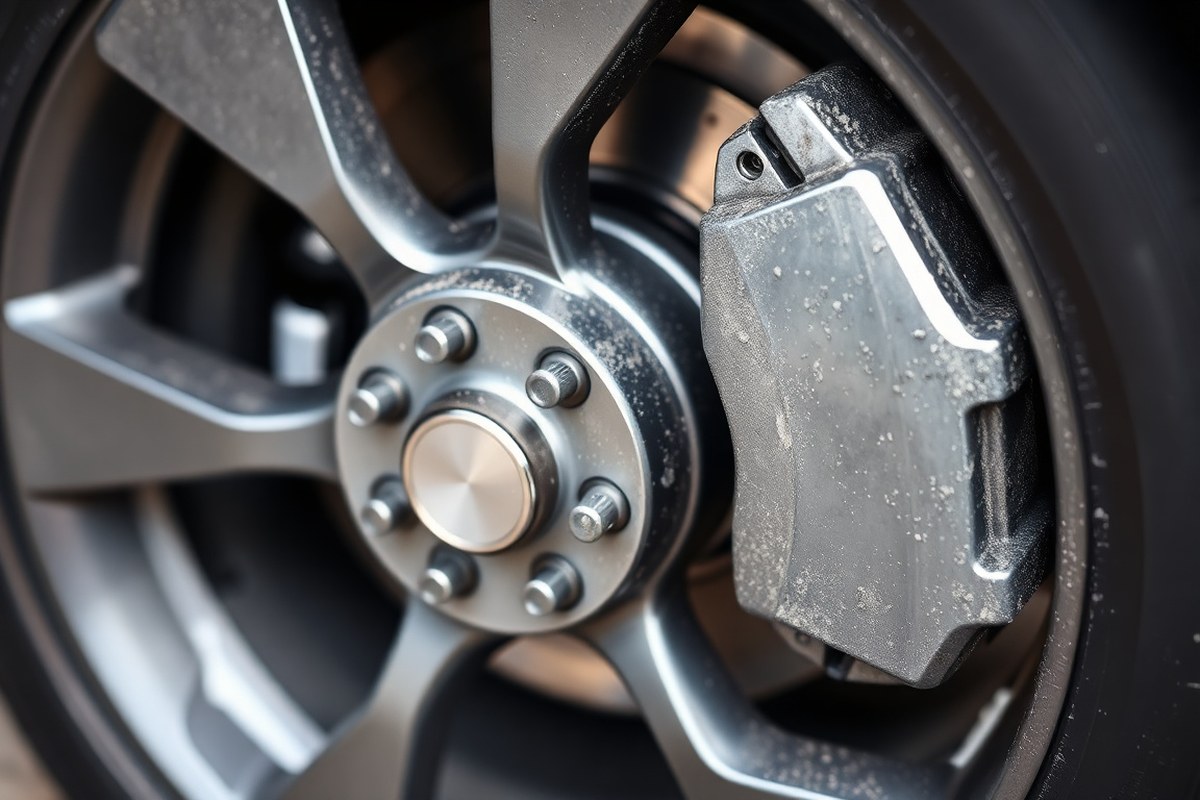
Wheels often squeak while driving due to worn brake pads rubbing against rotors. This friction creates a high-pitched sound as metal and friction material wear down. Sometimes, even if you’re not braking, old or rusted brake parts still touch, causing noises.
Loose or dry suspension bushings and shock absorbers can also make squeaks. When these parts lose lubrication, metal or rubber rub together. This rubbing causes squeaking sounds.
Damage also leads to these noises. You might hear the noise increase when going over bumps or turning.
Low tire pressure and uneven tire wear affect noise too. Tires under 30 psi can squeak as the tread flexes more and touches the road unevenly. Worn tires with uneven tread also cause squeaks when rolling, especially during turns or quick stops.
Wheel bearings are another cause, producing a constant low squeal or hum. Bearings wear out and create more radial play inside the hub. Metal parts begin rubbing each other.
This rubbing makes a noise. The sound often rises with speed, signaling a need for bearing replacement soon.
Friction from serpentine belts or loose belt tensioners can let you hear squeaks during driving. Belts stretch or crack from heat after 15 to 20 minutes of driving. This causes squealing near the engine bay.
Heat speeds up the damage. Power steering fluid low levels also worsen this noise by causing pump strain.
Debris like stones or brake dust can get stuck in the brake assembly. This trapped debris causes a rhythmic squeak sound. It happens often when braking.
You’ll notice the noise speed up or slow down based on how fast you drive. Cleaning your brakes regularly helps avoid this problem and quiets the sound.
Also, uneven tire alignment makes tread wear irregular, leading to squeaks when turning or braking. Misalignment causes the tire edges to rub the road more aggressively, triggering a sharp noise. Fixing alignment costs between $50 and $100 but greatly reduces tire noise.
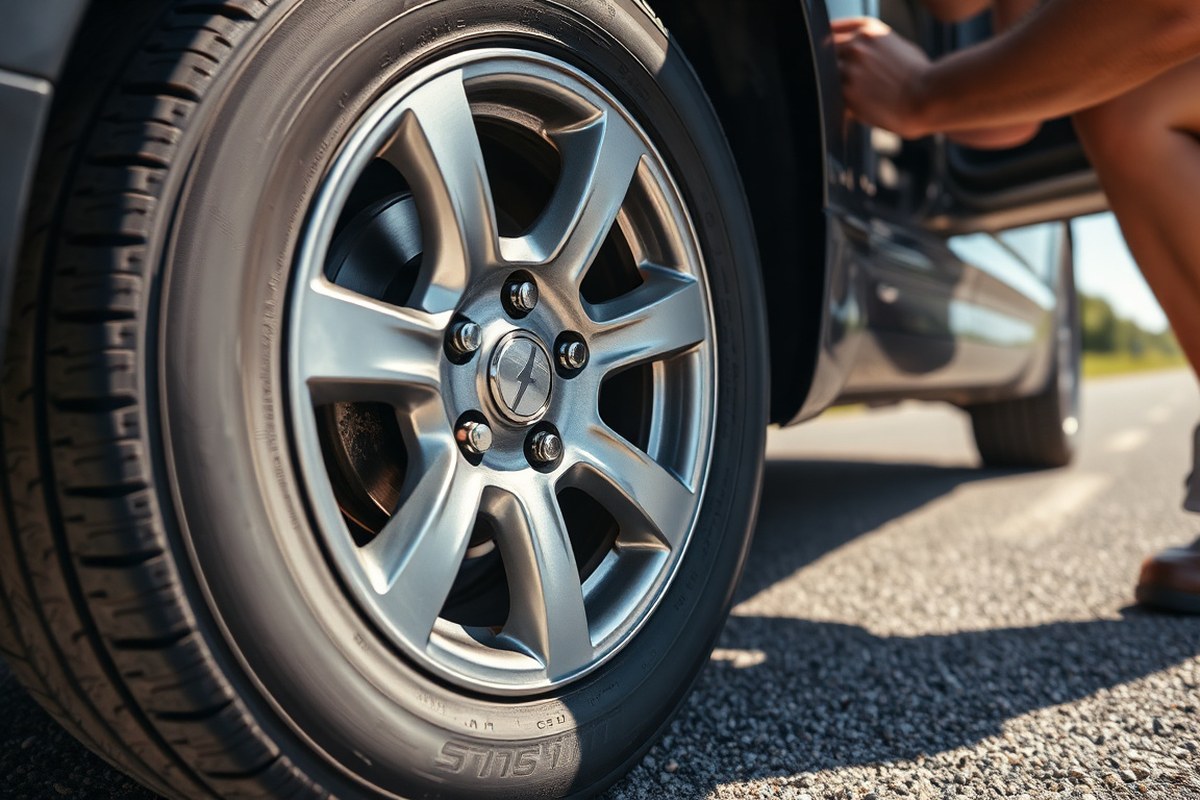
Some rare causes include loose wheel covers or lug nuts. Rust or looseness can cause them to vibrate and squeak when your car moves. Use a wrench to check lug nut torque.
Tighten nuts to 80 to 110 ft-lbs. Follow your car maker’s specs for best results.
Brake components are the top reason wheels squeak. Worn pads, glazed rotors, or stuck calipers generate noise even without active braking. When brake pads get thinner than 3 mm, metal wear indicators scrape the rotor.
This scraping causes the classic squeak. It means you need new brake pads.
2. How to Identify Which Wheel Is Making the Squeak

Finding the exact wheel that’s squeaking helps fix the issue faster. Squeaks coming from a single wheel usually point to problems on that side. Listening closely while driving or testing turns helps narrow down which wheel causes the noise.
Squeaking during turns often hints at the side with the problem. When noise happens only while turning left, the left wheels likely cause it. Noise while turning right means the right side needs checking.
Using your ears and a few simple checks can help locate the noisy wheel. Watching the wheels while driving slowly in a safe spot might reveal unusual movement or noise. Afterward, inspecting each wheel visually is important.
- Drive slowly in a quiet spot. Listen carefully to find which side squeaks.
- Take gentle left and right turns to notice if the squeak changes or stops.
- Stop the car safely and feel each wheel’s temperature, hot wheels can indicate brake issues.
- Look for visible debris, metal shavings, or grease leaks around each wheel’s hub and brake area.
- Check brake pads for metal tabs touching the rotor, these cause distinct squeaks.
- Turn the steering wheel while the car is off. Listen for squeaks in joints or suspension.
- Use a mechanic’s stethoscope on each wheel. Have someone spin the wheel slowly. Listen for squeaks or grinding.
- Note any odd sounds or movements. Then check that wheel and its parts closely.
Never touch a wheel right after driving. It can get very hot and cause burns.
3. Brake System Issues Causing Wheel Squeaks
Yes, brake pads can cause squeaks while driving, even when not braking. Worn brake pads often have a wear indicator. This thin metal piece rubs the rotor.
It then makes a high-pitched squeal. This sound warns you that the pads need replacing soon to avoid damage to the rotors.
Glazed rotors and pads happen when brakes overheat. The heat creates a smooth, hardened layer on the surface, causing a sharp squeak. Glazing reduces friction on brake pads.
This hurts brake performance. It causes noise even if pads still have life.
A stuck brake caliper can cause continuous squeaking by keeping the pads pressed against the rotor. This constant contact creates friction and heat, wearing down parts faster. Fixing a stuck caliper means cleaning or lubricating parts.
Sometimes you must replace parts. Costs range from $150 to $300 depending on your car.
Brake dust buildup is a common cause of squeaking during driving. Fine metallic dust from worn pads builds up. It collects between pads and rotors.
This makes noise, especially after a few days of sitting. Regular wheel cleaning and brake inspections help reduce dust and prevent this issue.
Loose or damaged caliper hardware causes squeaks. It lets the caliper move or drag unevenly. This action makes noise on the rotor.
This can lead to abnormal noises as you drive. Tightening or replacing caliper bolts and pins during brake maintenance usually fixes the problem.
4. Wheel Bearings and Hub Assembly Problems
Signs of a Failing Wheel Bearing
A failing wheel bearing usually makes a faint hum or grinding noise. This noise grows louder as your speed increases, often changing pitch with vehicle turns. You might feel slight wheel wobble or uneven tire wear, which signals bearing wear.
Wheel bearing noises often depend on speed and road conditions. They tend to worsen at highway speeds but can also cause noises during tight turns. Any unusual wheel noise or vibration deserves a prompt check to avoid safety hazards.
Types of Wheel Bearings and Impact on Repairs
Older vehicles often have serviceable tapered roller bearings. These allow just the worn bearing to be replaced, which lowers parts costs. You can clean and relubricate these bearings during repair, extending their life if done on time.
Modern cars (2015 and newer) mostly use sealed wheel bearing and hub assemblies. These cannot be lubricated or repaired independently. The entire hub unit must be replaced, which raises parts and labor costs.
This difference affects repair complexity. Serviceable bearings need special tools for removal and adjustment. Sealed units require swapping out the hub assembly.
This often takes longer due to tight spaces. Sensor connections can add more time to the process.
Typical Costs and Repair Timeframes
Serviceable tapered roller bearings usually cost $150 to $250 per wheel. This covers both parts and labor. Sealed hub assemblies tend to cost more, usually $250 to $450, owing to pricier parts and tougher installation.
Labor time varies by car model and wheel location. Older models with loose bearings can be fixed in 1 to 2 hours. Modern sealed units often require 2 to 3 hours because of extra steps like sensor calibration.
Replacing bad bearings early helps prevent damage to axles and steering parts. It also avoids higher repair bills.
Delaying repair leads to loud noises and unsafe driving conditions. So schedule service soon after noticing symptoms.
5. Suspension Components That Can Cause Squeaks
Worn bushings in your suspension often cause wheel squeaks when driving. These rubber or polyurethane parts cushion metal contact in control arms and sway bars. When they dry out or crack, metal parts rub together.
This makes a squeaking sound while braking or driving. It also happens when you hit bumps.
Ball joints connect your control arms to steering knuckles and allow smooth pivoting when you turn. These joints make noise when they lose lubrication or wear down. You hear it mostly while turning.
It gets worse on rough roads. Bad ball joints can cause wandering steering.
They also lead to uneven tire wear. Watch for these signs carefully.
Control arm bushings vary by vehicle. Some integrate the bushing into the arm itself, making replacement easier but not cheap. Parts cost about $70 to $150 per wheel for one control arm bushing.
Replacing the whole arm costs more money. But it often fixes squeaks and vibrations from worn bushings. It’s usually worth the cost.
Sway bar links connect the anti-roll bar to suspension parts. Their bushings help reduce body roll. Both parts work together to stabilize your car.
These small bushings and ball joints wear out from the constant movement. When these parts wear out, they squeak or clunk during bumps.
They also make noise on turns. The suspension loses proper cushioning.
Strut mounts hold your shock absorbers and can squeak during turns while stopped. They create a binding or sticking feeling in the steering if dry or damaged. Strut mounts cause constant noise until you check and replace them.
This is different from bushings that wear slowly. They need prompt attention.
Lubrication can temporarily quiet some suspension squeaks, especially on ball joints and sway bar links. You can use silicone or lithium grease on accessible bushings. But built-in or sealed joints need replacement when dry noise starts.
Lubricating rubber bushings typically won’t fix squeaks. They usually require replacement when hardened or cracked.
Squeaky suspension doesn’t usually cause immediate safety risks. But it shows parts are aging. It affects ride quality and your control on the road.
Progressive wear on ball joints, bushings, or mounts lowers handling precision and increases road noise. Having these parts inspected can prevent more costly repairs or failures down the road.
Use a flashlight and look under your car. Check bushings for cracks or dryness. Do this before you lubricate or replace parts.
6. Trapped Debris and External Causes of Wheel Noise
Small stones or sticks can get stuck in wheel wells. This causes scraping or squeaking noises. Remove debris to stop the sound.
These bits often lodge between the brake rotor and the metal backing plate or dust shield. A sharp, metal-on-metal squeak means something might be stuck. Check for foreign objects in the wheel area.
Loose lug nuts or wheel covers also create wheel noise, especially when driving on bumpy roads. Loose lug nuts may cause the wheel to shift slightly, leading to intermittent squeaks. Rust on lug nuts and wheel parts can make noises worse.
It may also cause safety problems over time. Clean or replace rusty parts as soon as you can.
Damaged brake shields can rub against the rotor, creating constant squeaking. Brake dust usually doesn’t cause harm but can add to noise when combined with other issues. Quickly check for debris and loose parts near the wheel.
This helps catch common causes of noise early. Fixing these can stop the squeak faster.
Here are practical steps to check for trapped debris and external causes of wheel noise safely:
- Park on a flat surface and engage the parking brake. Never work with the car in gear or running.
- Remove the wheel cover gently with a flat tool if your vehicle has one. Look for loose or cracked covers.
- Visually inspect the wheel well and brake area with a flashlight. Look for stones, sticks, or bent brake shields.
- Use gloves to pull out any lodged debris carefully. Avoid scratching the rotor or pads.
- Check lug nuts with a torque wrench. Tighten them to the car maker’s recommended specs, usually 80 to 100 ft-lbs.
- Look for rust or corrosion around lug nuts and wheel studs. Light surface rust can be cleaned with a wire brush.
- Clear debris and tighten any loose parts first. Then drive slowly to check if the noise stops. See if the squeak lessens or goes away.
Checking for debris should take about 15 to 30 minutes. Tools like a torque wrench and flashlight cost around $15 to $30 for basic models. Loose lug nuts or broken wheel covers fixed now prevent bigger repairs later.
Persistent squeaks could mean damaged brake shields or internal parts. These problems usually need a professional to fix. Don’t ignore persistent noises.
7. CV Joints, Axles, and Power Steering Issues
CV joints transfer power from the transmission to the wheels. They allow steering and suspension movement. When CV joints wear out or lose lubrication, you might hear noises.
These sounds are near the wheel. Damaged CV joints get louder during turns or acceleration. Grease leaks usually happen with this damage.
Axles connect CV joints to wheels. They cause noises if bent or boots tear. Brake squeaks get louder when braking.
CV joint noises stay steady or get worse with wheel movement. Checking for torn boots or leaks near the axle is a good first step.
Power steering problems can cause noises near the wheels. These noises often happen when turning. Low power steering fluid causes the pump to strain and squeak.
A worn or loose power steering belt can squeal. This happens mostly during cold starts or quick steering. These noises usually vary with engine speed, unlike constant brake or bearing sounds.
Belts and pulleys in the engine compartment produce squeaks that you might mistake for wheel noises. The serpentine belt drives the power steering pump. A slipping or cracked belt causes a high-pitched squeal.
This squeal changes with engine RPM and usually stops when the engine slows down. Checking the belt’s tension, condition, and pulleys can pinpoint the issue.
Listening closely when the squeak happens helps separate drivetrain noises from brakes or bearings. Brake squeaks get louder when pressing the pedal. Bearing noises often grow with speed and sound like grinding or humming.
CV joint squeaks tend to happen with steering or acceleration. Belt squeaks sync with engine revs.
Fixing CV joints means replacing the joint or torn boot. This repair costs $150 to $500 per joint, depending on the vehicle. Power steering fluid flushes cost $50 to $150.
They may stop squeaks from a bad pump or dirty fluid. Belt replacements run between $20 and $100 with labor. Catching these early prevents bigger failures like losing steering assist or axle breakage.
8. When to Stop Driving and Call a Professional Mechanic
A squeak from your wheel can be just an annoyance. It can also point to a serious safety problem. Don’t ignore this sound.
You can drive short distances with some squeaks. But stop and call a professional if you notice signs of brake or bearing failure. Listening carefully and watching for other symptoms helps you decide when to act fast.
Low-Risk Noises You Can Monitor
Intermittent squeaks without other symptoms usually mean low risk. You can drive a short distance to a mechanic. Watch the noise closely while you drive.
Keep alert for changes in the sound. These squeaks often come from debris or worn bushings that don’t affect safety immediately.
Check if the sound stops after warming up or when driving at steady speeds. These clues point to minor causes like loose belts or dust. Watch your wheel and brake performance carefully as you drive.
Moderate Concerns Warranting Prompt Inspection
Take the squeak seriously if it never stops. Watch your brakes and steering. They might feel normal but still need checking.
Avoid long trips and book a professional check soon. This level of noise can indicate worn brake pads or early wheel bearing wear.
Pay attention to squeaking that happens while braking, turning, or accelerating. These signs suggest the problem is developing and could worsen quickly. You might notice pulling to one side, vibration, or changing brake pedal feel.
- Constant squeak during driving
- Noise worsens over a few days
- Squeak happens with steering or braking
- Vibration or pulling when driving
- Brake pedal feels softer or harder than normal
Getting inspected within days helps avoid more costly damage or unsafe breakdowns. The cost of replacing brake pads or bearings early is generally a few hundred dollars. Delaying repairs can lead to total failure and higher costs.
Critical Warning Signs to Stop Driving Immediately
Loud squeaks combined with grinding noises or a loss of brake performance call for immediate action. Stop safely and don’t drive any further. These symptoms point to worn brake pads, failing wheel bearings, or serious suspension damage.
Stop your car right away if steering feels stiff. Listen for groaning sounds when the engine idles. Notice if the car pulls hard left or right.
The wheel bearing may be close to locking up or separating, creating a huge hazard. Brake failure can cause accidents and injury.
Don’t try to get home if your brakes feel weak. Quit driving if the noise is very loud. Call for help or a tow. Pull over safely and call roadside assistance or a professional mechanic.
9. Preventing and Fixing Wheel Squeaks Yourself
You can fix some wheel squeaks yourself, like brake dust or loose parts. Regularly rotating tires and checking brakes helps prevent many noises. Using the right tools and lubricants makes DIY jobs smoother and safer.
Basic DIY Diagnostic Steps
Start by narrowing down what causes the squeak. Listen closely during different driving conditions to locate the noisy wheel. Check for debris since this often causes simple, fixable squeaks.
Follow these steps to diagnose a wheel squeak:
- Park on a flat surface and turn off the engine.
- Look through your wheel spokes to spot brake dust or debris.
- Push or spin the wheel by hand to feel for roughness or play.
- Apply the brakes lightly while driving to see if the noise changes.
- Turn the steering wheel left and right to check for suspension noises.
- Drive over a small bump and listen for creaks or squeaks.
This routine takes 15 to 30 minutes. It separates brake, suspension, tire, or bearing issues before you start repairs.
Effective DIY Fixes for Brake and Suspension Squeaks
Cleaning brake dust is the easiest fix and requires only brake cleaner spray. Spray it on brake rotors and pads after removing wheels. Avoid touching brakes with greasy hands to prevent slipping problems.
Lubricate suspension parts like bushings or ball joints using silicone spray or lithium grease. Don’t use WD-40 as it can dry out rubber components.
Loose or worn parts need your attention. Tighten bolts or replace parts carefully.
Replacing brake pads and rotors yourself costs $40 to $100 for parts. That’s just the parts. You save on labor by doing it.
It usually takes 1 to 2 hours using simple tools. You’ll need a jack, lug wrench, C-clamp, and brake cleaner.
Those are common hand tools. Avoid squeezing brake lines or over-tightening bolts, as that can cause damage or leaks.
Maintenance Routine to Prevent Future Noises
Rotate your tires every 6,000 to 8,000 miles to keep wear even and prevent squeaks. Check brakes during every tire rotation or at least twice a year. Replacing brake pads before they wear thin avoids metal-on-metal noise and damage.
Inspect suspension joints and lubricate annually if your vehicle’s manual suggests it. Keep your wheel bearings greased or serviced on your vehicle’s schedule.
Normally, this happens every 30,000 to 50,000 miles. Regular service prevents damage.
Get your wheels aligned after suspension or tire changes. A good wheel alignment costs $75 to $150.
It helps tires wear evenly. It also stops squeaks caused by misalignment.
Step-by-Step Action Plan to Fix Wheel Squeaks When Driving
This plan helps you find and stop that annoying wheel squeak. Take it one step at a time and listen for changes.
- Before you start: Park on a flat surface and turn off the engine. Check which wheel makes the noise by spinning each one.
- Day 1: Look for debris like rocks or sticks around the wheels. Remove anything stuck and test drive to hear if the squeak fades.
- Day 2: Inspect brake pads and rotors for wear or damage. Tighten loose parts or replace worn pads, then check if squeaking stops.
- Day 3: Check the wheel bearings by lifting the car and wiggling the wheel. Replace bearings if there is play or rough noise.
- Day 4: Examine suspension parts like bushings and ball joints for cracks or dryness. Add lubricant or replace damaged parts, then retest driving.
- Day 5: Listen closely at low speeds for CV joint or power steering noises. Have a professional check these if you suspect them.
- After 1 week: Take a short test drive on various roads. Note if the squeak returns or if the fix worked well.
Frequently Asked Questions
Can Low Tire Pressure Cause Wheel Squeaks When Driving?
Low tire pressure usually doesn’t cause wheel squeaks. However, uneven tire wear from improper pressure can lead to noises over time. Keep your tires inflated to the recommended levels to avoid this issue and preserve tire life.
Why Does a New Car Sometimes Squeak When Driving?
New cars can squeak due to protective coatings on brakes or suspension parts curing. These noises often disappear after a short break-in period. If the squeak continues, a mechanic should check for loose or misaligned parts.
Can Wheel Squeaks Affect Vehicle Safety?
Yes, wheel squeaks can warn of serious problems like worn brake pads or failing bearings. Ignoring these sounds risks brake failure or wheel detachment. Address squeaks promptly to keep your vehicle safe on the road.
How Does Weather Impact Wheel Squeaking Noises?
Moisture and temperature changes can cause metal parts to expand, contract, or rust. This leads to temporary squeaking, especially after rain or cold weather. Regularly cleaning and lubricating suspension parts helps reduce weather-related squeaks.
Is It Okay to Drive with Wheel Squeaks If Brakes Feel Normal?
Not always. Some squeaks come from suspension or wheel bearings, not brakes.
Driving with these issues can lead to bigger repairs or unsafe conditions. Have a mechanic check your brakes and wheel components promptly.
Before You Go
Wheel squeaks point to a few common parts needing your attention. Start by checking brakes and debris. If the noise stays, it’s best to call a mechanic who can safely fix the problem.