How Fast Can You Drive in 4 Wheel High? A Complete Speed Guide
How fast can you drive in 4 wheel high? Most experts say about 55 miles per hour.
Going faster than 55 mph risks damaging your four wheel drive system. Always follow your vehicle’s specific manual for exact limits.
Driving in 4 high works best when you’re above 15 mph. That speed keeps your vehicle stable and lets the system share power smoothly. Switching to 4 high at low speeds can cause binding and wear.
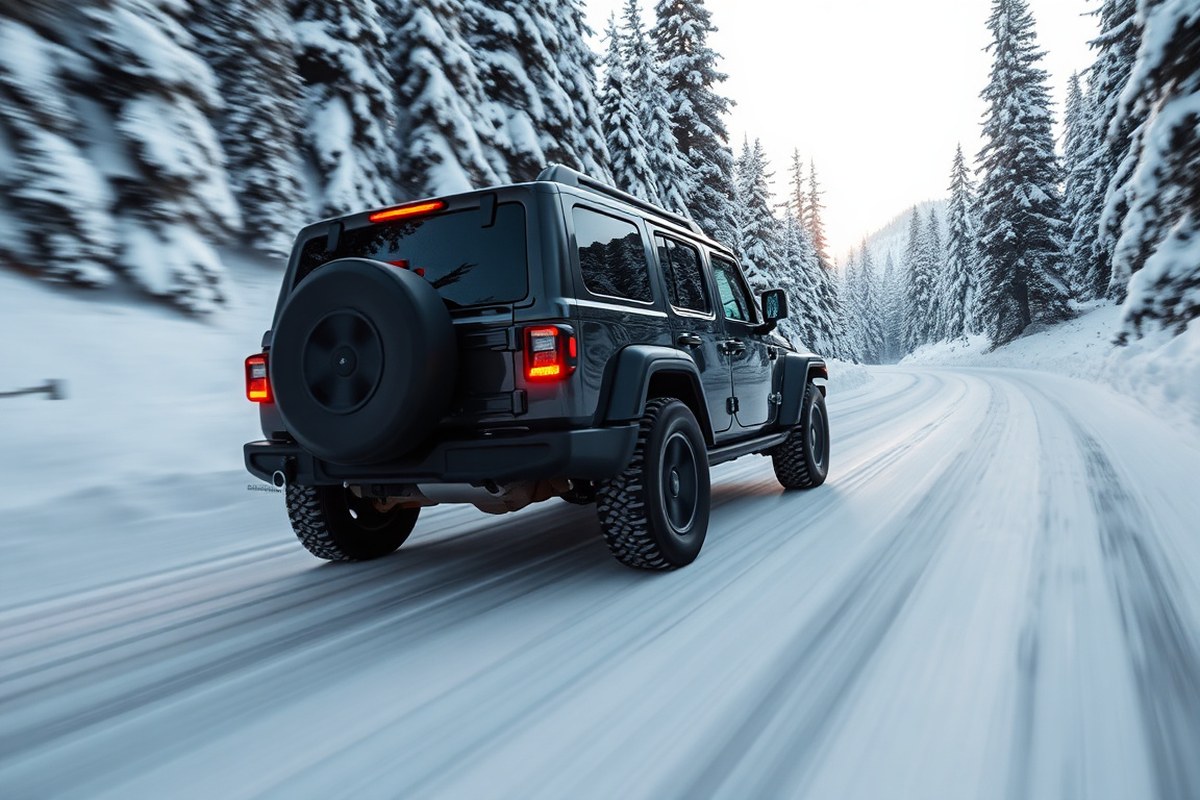
Speed limits depend on the surface you’re driving on, too. Slippery roads like snow or ice need slower speeds for safety. Dry pavement usually means you should avoid 4 high to prevent drivetrain stress.
Key Takeaways
- Stay at or below 55 mph when driving in 4 wheel high to avoid damage.
- Use 4 high only when driving faster than 15 mph for smooth power delivery.
- Avoid engaging 4 high on dry pavement to prevent drivetrain binding.
- Check your owner’s manual for manufacturer-specific speed recommendations.
- Reduce speed on slippery surfaces even when using 4 high for better control.
- Shift out of 4 high as road conditions improve to save wear on parts.
How Fast Can You Drive in 4 Wheel High Safely?
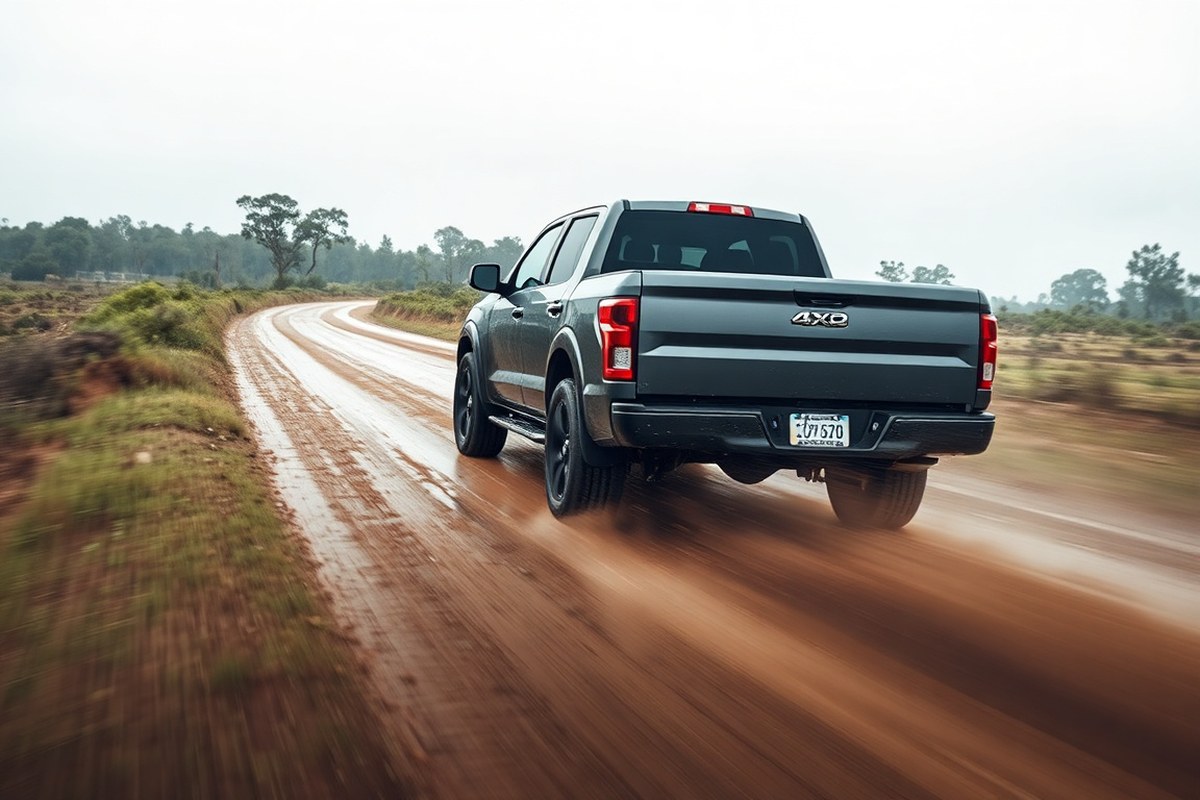
The maximum safe speed in 4 High is usually around 55 miles per hour. Most manufacturers recommend keeping it below this limit for long drives. Going over 55 mph risks damaging the drivetrain components that handle power distribution.
You can drive briefly up to 60 or 70 mph in 4 High. But only on slippery surfaces like wet snow or gravel.
In these conditions, the added traction of 4WD helps control the vehicle safely. However, on dry pavement, these higher speeds increase strain and wear on the system unnecessarily.
Driving 70 mph in 4 High on dry roads is not advisable. The traction that 4 High provides isn’t needed on dry pavement at such speeds. The risk includes premature wear on gears, increased heat, and possible binding of the driveshaft components.
Your vehicle’s design and factors like terrain and driver skill affect safe speeds too. Most part-time 4WD trucks and SUVs set a recommended max between 55 and 70 mph. A good rule is to stay at or below 55 mph.
This suits most 4 High use. You can go a bit faster on slick surfaces.
When driving on loose surfaces, 4 High works best. Keep your speed between 30 and 45 mph. This feels practical and safe.
This range allows traction without excessive drivetrain stress. For faster highway driving on clear roads, switch back to 2WD.
Use AWD if your vehicle has it. This saves wear and fuel.
Remember, the 55 mph guideline acts as your general speed limit for 4 High. Maintaining speeds well below this avoids costly repairs and ensures your 4WD system lasts longer. Slow down when unsure, especially on rough or unpredictable terrain.
Wheel slip may need 4 High at lower speeds. Safety comes first.
What Factors Affect Driving Speed in 4 High?
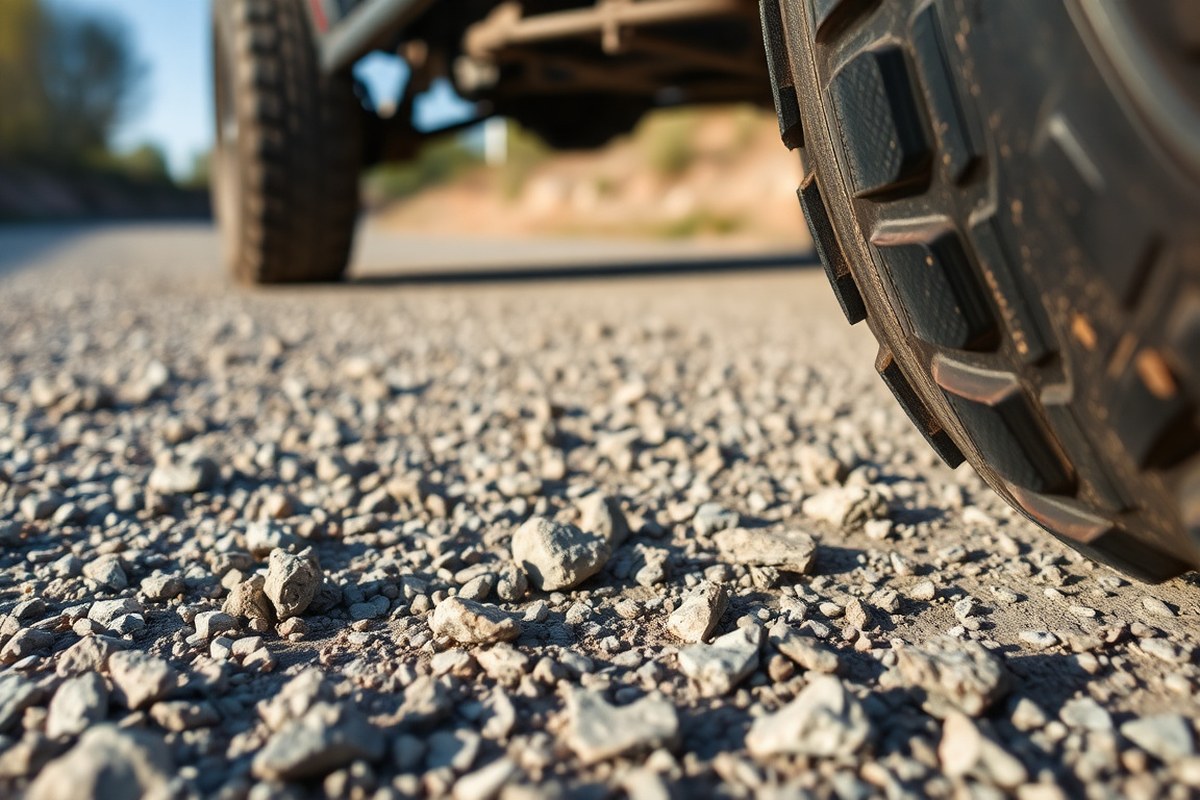
Road surface plays a big role in how fast you can safely drive in 4 High. Loose gravel or dirt forces you to slow down to about 25 to 40 mph. On snowy highways, drive between 35 and 45 mph.
4 High helps with traction. It does not shorten braking distance. Icy roads need slower speeds, often under 35 mph.
Slick surfaces reduce control. Four-wheel drive helps but does not fix this.
Your tire choice affects speed limits in 4 High too. All-terrain tires grip well on dirt and gravel. This lets you drive near the speed limit.
They work best within surface speed ranges. Mud-terrain tires work well in mud but slow you down due to lower traction on pavement. Fat, knobby tires increase rolling resistance.
They can make handling tricky above 40 mph in 4 High. Drive slower to stay safe.
Engine power and vehicle design also matter for your 4 High speeds. Trucks like the F-150 with strong engines reach 55-60 mph safely. Use 4 High only on suitable surfaces.
This keeps control and power. Smaller engines or older models may struggle in 4 High on rough terrain. They might lose speed or control.
Drive more carefully in these cases. Drivetrain type affects safe speeds in 4WD.
Part-time and full-time 4WD handle highway speeds differently. Some systems cause more drivetrain stress at high speeds.
Think about traction and surface grip as your main guides. Rain, mud, or loose dirt all cut traction and need lower speeds.
Tires designed for your typical terrain help you safely use 4 High without risking stability. Adjust your speed according to your vehicle’s power and drivetrain type to protect mechanical parts.
Always slow down when roads get slick or loose. 4 High helps traction but won’t fix bad braking.
Differences Between 4 High and 4 Low Regarding Speed and Use
4 High (4H) lets you drive faster than 4 Low (4L). But both have specific roles. 4H works well on loose surfaces at moderate speeds.
4L suits slow, tough terrain and heavy pulling. You can shift into 4H while moving. For 4L, you must stop or nearly stop your vehicle.
Speed Ranges for 4 High and 4 Low
4 High uses a normal gear ratio. It lets you drive safely up to 50 to 55 mph. This keeps your speed range normal.
You can drive faster in 4H than in 4L. 4H does not limit your speed range like 4L does. This makes 4H better for normal driving speeds.
4 Low reduces gear ratio by about 2.5 to 4 times, limiting speeds to around 25 mph or less. This mode gives extra torque for tough climbs.
It helps in slow and tricky off-road spots. You get better control when you use it.
Appropriate Surfaces and Conditions for Each Mode
Use 4 High on snowy, wet, or sandy roads. It works well on gravel where traction is poor.
This lets you keep a steady speed. It helps maintain stability without stressing drivetrain parts when conditions are slippery.
4 Low is the better choice for rock crawling, steep hills, deep mud, or heavy towing. Use 4L where low speed and max torque matter.
Good for off-road trails and vehicle recovery situations. It helps keep your vehicle steady and powerful.
Shifting Techniques Between 4H and 4L
You can shift into 4 High while driving. Most vehicles allow this up to 50 to 60 mph. This lets you adjust quickly without stopping.
The “shift on the fly” feature lets you switch fast. Changing to 4H is smooth and easy. This helps when road grip suddenly changes.
Switching into 4 Low requires stopping or nearly stopping your vehicle, with the transmission in Neutral. This process prevents damage because 4L uses a much lower gear ratio and higher torque output.
Can You Drive in 4 High on Highways or Dry Pavement?
Driving fast in 4 High on dry pavement isn’t safe with part-time 4WD systems. These systems don’t have a center differential. Front and rear wheels must spin together.
They cannot spin at different speeds. This mismatch causes drivetrain binding, sometimes called “crow hop,” leading to damage and rough handling.
Manufacturers usually recommend keeping speed under 55 to 62 mph when using 4 High. Above that, especially on dry roads, you risk binding your drivetrain or causing extra wear. On dry, flat highways, switch to two-wheel drive.
This saves fuel and eases engine strain. It also reduces tire wear.
Full-time 4WD systems handle dry pavement differently. They include a center differential that prevents axle binding by allowing speed differences. Vehicles like the Toyota Land Cruiser and Jeep Grand Cherokee have Quadra-Trac II.
This lets you use 4 High safely on highways. It prevents drivetrain damage. Still, even with these, tight turns are risky at high speed.
Use 4 High mainly on loose or slippery surfaces. These include gravel, packed snow, or mud. Extra traction helps in these conditions.
Shift out of 4 High once you reach dry pavement. This avoids wear and stress on the drivetrain. It keeps your vehicle running smoothly.
Slow down and drive carefully in mixed conditions. Stay cautious until you can safely switch modes. This reduces risks.
Driving fast in 4 High on dry roads causes binding. It leads to extra wear and poor fuel economy. Part-time 4WD vehicles are affected most.
Full-time 4WD allows 4 High use on highways at higher speeds. Still, be careful on curves.
Always prioritize safe driving. Always check your vehicle’s owner manual for speed limits and recommended use.
What Happens If You Drive Too Fast in 4 High?
Driving too fast in 4 High causes drivetrain binding. Wheels can’t slip during turns on slick surfaces. This damages parts quickly.
Binding puts extra stress on axles, transfer case, and tires. This causes parts to wear out fast or fail. On dry or paved roads, this risk rises because the tires grip tightly, preventing smooth rotation.
Mechanical parts may spin at your speed. But the increased tension can lead to overheating and accelerated wear. You might notice harsh jerks or resistance in steering.
Your tires may wear unevenly or develop flat spots. These signs mean your drivetrain parts are working beyond their limits and could soon fail.
Handling and braking also take a hit at excessive speeds in 4 High. 4WD forces make stopping distances longer. It also lowers control on slippery or loose ground.
Quick steering moves can cause slipping or fishtailing. This happens especially on gravel or uneven ground.
After driving fast in 4 High, check for loud noises from the transfer case. Also watch for odd vibrations or shifting problems.
Pay attention if braking feels less effective or if the steering isn’t as responsive as usual. These symptoms suggest drivetrain damage or overheating.
Follow this checklist to avoid damage: keep speeds under 55 mph in 4 High on paved roads. Avoid sudden steering or throttle changes at high speeds.
Watch tires for uneven wear; listen for clunky noises during and after your drive. And check transmission fluid and transfer case oil temperatures if you drive frequently in 4 High.
Shift into 4 High only below your vehicle’s speed limit. Drive smoothly to prevent drivetrain stress.
How Power Distribution and Drivetrain Work in 4 High at Speed
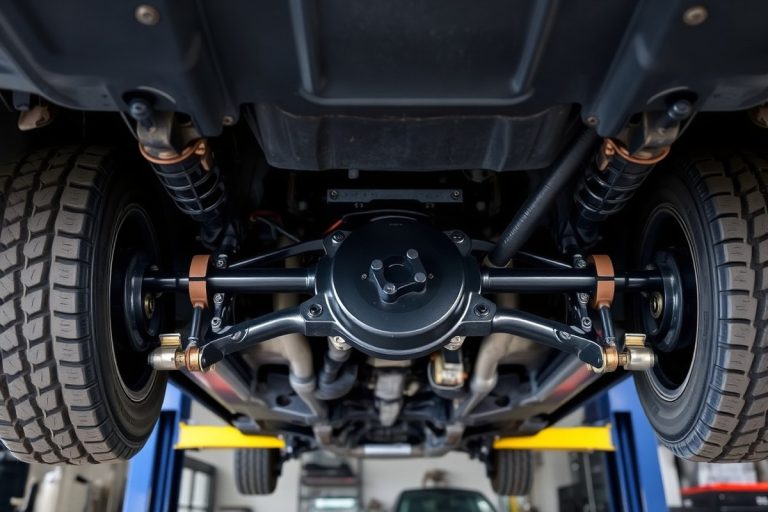
In 4 High, torque splits evenly to all wheels via transfer case and differentials. The transfer case links the front and rear driveshafts so wheels turn together. How power flows and strain builds depends on road grip and slip.
Overview of Power Flow in 4 High
The transfer case connects the front and rear axles, sending power to each wheel. This setup locks the driveshafts so they turn at the same speed. Torque divides evenly between front and rear, helping maintain traction on loose or slippery surfaces.
Unlike 4 Low, 4 High runs at normal gear ratios. So wheels turn faster but receive less torque.
It avoids slowing the vehicle too much, which fits better for driving at higher speeds. However, the system expects some wheel slip to operate smoothly without damaging parts.
Differential Operation and Wheel Slip
Differentials let wheels spin at different speeds when cornering. In 4 High, the front and rear differentials work independently to avoid wheel binding. This prevents drivetrain wear and helps maintain control on varied surfaces.
Wheel slip is critical because it lets the driveline adjust for small speed differences between wheels. A slight slip on slick roads lowers torque wind-up force.
This drop lessens wear on the transfer case and differentials. Driving on dry pavement without slip risks breaking gears and joints.
Impact of Drivetrain Design on Speed Limits
Chain-driven transfer cases dominate many 4WD vehicles for strength and durability. You can drive moderately fast in 4 High, but stress builds without slip. Parts still wear out even at moderate speeds.
Torque wind-up happens when front and back wheels spin at different rates. This mostly occurs on dry road surfaces.
Part-time 4WD systems rely on wheel slip to relieve strain. On snow or mud, this slip stops damage even at highway speeds.
Driving 4 High on dry roads tightens the drivetrain too much. This causes broken axles, worn U-joints, or damaged gears.
Practical Checklist for Safe Driving in 4 High
Engage 4 High when you need extra traction, like on wet or snowy roads. Stop or slow down first, then shift from 2 High to 4 High. Doing this slowly reduces gear grinding and transfer case wear.
Keep your speed low to moderate in 4 High. Stick to the posted speed limit or slower if the road is slick. Driving too fast causes drivetrain binding and extra wear.
Here’s a practical checklist to safely use 4 High:
- Always reduce your speed to below 5 mph before shifting into 4 High
- Shift gently from 2 High to 4 High while the vehicle is moving slowly
- Only use 4 High on slippery, loose, or uneven surfaces
- Drive at or below posted speed limits to avoid drivetrain damage
- Monitor road conditions constantly; shift back to 2 High on dry pavement
- Listen for unusual noises that could indicate drivetrain stress
- Have your 4WD system inspected regularly to prevent failures
Don’t use 4 High mode on dry roads or highways unless your vehicle is full-time 4WD. Using it on dry pavement can cause binding and wear the transfer case prematurely. For models not designed for full-time 4WD, always switch back to 2 High once conditions improve.
Remember, 4 High helps with traction, not speed. Adjust your driving to accommodate slower acceleration and longer stopping distances on slick surfaces. Avoid sudden turns or stops to keep the drivetrain healthy and maintain control.
Common Mistakes and How to Avoid Them When Driving in 4 High
One common mistake is driving on dry pavement in 4 High for long periods. This puts extra stress on the drivetrain and can cause parts to wear out faster. You should switch back to 2WD when the road is dry.
This prevents damage to your vehicle. It also improves fuel efficiency.
Another error is using 4 High at unsafe speeds, especially above 35 mph on wet roads. Driving faster can reduce your ability to stop quickly and avoid obstacles. Slow down in 4 High when the surface is slippery to maintain control and reduce risk.
Many drivers believe 4 High suits highway speeds. But it’s not ideal on dry surfaces. Your vehicle might handle 70 mph in 4 High.
But this causes unnecessary torque wind-up. It’s best to avoid high speeds in 4 High. Limit 4 High to off-road, slippery, or loose surfaces to keep the drivetrain safe.
A third mistake is leaving 4 High engaged all the time. While this is possible, it wears mechanical parts faster and lowers fuel economy. Use 4 High only when needed for better performance and fewer repairs over time.
You can fix bad habits by checking the road before using 4 High. Always look at the surface and weather first. This helps you use 4 High correctly.
Shift back to 2WD once traction improves. Slow down on slippery roads when using 4 High.
This reduces the chance of accidents. It also protects your vehicle from mechanical problems.
Always switch out of 4 High when roads are dry to avoid costly drivetrain damage.
Manufacturer Speed Recommendations and Model Differences for 4 High
Speed limits in 4 High mode vary by manufacturer and model. Some trucks and SUVs allow higher speeds due to advanced 4WD systems. Electronic and full-time systems handle torque distribution better and ease speed restrictions.
Ford Trucks and SUVs
Ford trucks like the F-150 use Electronic Shift-on-the-Fly (ESOF) systems. You can switch to 4 High while moving, typically up to 55 mph safely. This system manages power distribution to reduce drivetrain stress at these speeds.
Ford’s ESOF systems make shifting easier and safer at highway speeds. Many Ford SUVs suggest keeping 4 High speeds between 50 and 55 mph. This limit helps keep the drive system safe.
Sticking to this range prevents damage. However, full-time 4WD models can allow higher speeds.
Toyota 4WD Vehicles
Toyotas like the Tacoma and 4Runner mostly use part-time 4WD systems. You should keep 4 High speeds around 50 to 60 mph, depending on the model. The 4Runner has advanced traction control that lets you use 4 High safely on highways.
The Toyota 4Runner’s active traction control helps manage wheel slip electronically. This means you can drive in 4 High on dry roads without damaging the drivetrain. The Tacoma, being part-time, advises lower speeds and dry pavement avoidance.
Jeep Wrangler and Other Off-Roaders
Jeep Wranglers mostly use part-time 4WD with rigid front-rear axle locks. They recommend maximum 4 High speeds of about 45 to 55 mph.
You can shift into 4 High on the move. But keeping it slower avoids drivetrain binding.
Off-roaders like Jeep Gladiator and Wrangler focus on low-speed torque for tough terrain. Their 4 High mode isn’t designed for fast highway driving. Driving faster in 4 High can cause wear or drivetrain damage due to locked axles.
General Motors 4WD Systems
GM trucks like the Silverado use part-time 4WD systems. They limit 4 High speeds to 50 to 55 mph. This keeps the drivetrain protected and working well.
AutoTrac and other GM tech can adjust power distribution but still caution against dry pavement use. The drivetrain can handle moderate speeds but direct mechanical locks limit top speed.
Newer GM trucks with torque-on-demand systems allow shifting into 4 High up to 55 mph. These spread torque electronically, preventing stress from locked shafts. Still, GM advises avoiding 4 High on dry roads at high speeds.
| Vehicle / System | 4H Max Recommended Speed | Dry Pavement Use | 4WD Type |
|---|---|---|---|
| Ford F-150 (ESOF) | 50-55 mph | Not recommended | Part-Time with Electronic Shift |
| Toyota Tacoma (3rd Gen, part-time) | 50-60 mph | Not recommended | Part-Time |
| Jeep Wrangler (JL, part-time) | 45-55 mph | Not recommended | Part-Time |
| Jeep Grand Cherokee (Quadra-Trac II) | Highway Speeds | Acceptable | Full-Time with Center Differential |
| Toyota 4Runner (A-TRAC) | 55-60 mph | Acceptable | Part-Time with Electronic Traction Control |
| Chevy Silverado (AutoTrac) | 50-55 mph | Not recommended | Part-Time with Electronic Torque Management |
| Ram 1500 (part-time) | 50-55 mph | Not recommended | Part-Time |
This table highlights how vehicle systems influence speed limits in 4 High mode. Part-time 4WD systems usually limit you to about 50 to 60 mph. Full-time or electronically controlled systems permit higher speeds and allow better use on dry roads.
Step-by-Step Action Plan for Safe Driving in 4 Wheel High
Follow these steps to use 4 High safely and confidently. Each step shows what to do and how to check it worked.
- Before you start: Read your vehicle’s manual for 4 High speed limits. You’ll know it worked when you know your max safe speed.
- Day 1: Practice shifting into 4 High at a low speed on loose gravel. You’ll feel the drive smooth without jerks or noise.
- Day 2: Drive on a wet or slick surface at moderate speed in 4 High. Check for better traction and stable handling.
- Week 1: Avoid dry pavement while in 4 High except for light use. If turning feels stiff, shift back to 2WD.
- Week 2: Test your speed on a safe, open road, staying below manufacturer limits. Confirm no noise or drivetrain stress.
- After 1 month: Regularly inspect tires and drivetrain parts for wear. Replace if you notice uneven wear or damage.
- Ongoing: Adapt 4 High use to changes in weather and terrain. Keep speed controlled to avoid damage or loss of control.
Frequently Asked Questions
Is It Safe to Drive at 70 Mph in 4 Wheel High?
Driving at 70 mph in 4 wheel high usually isn’t recommended. Most manufacturers suggest not exceeding 55 to 60 mph to avoid drivetrain damage or handling issues.
Can I Keep 4 Wheel Drive High on for Long Trips?
You can use 4 high for longer trips if conditions need it, like consistent slippery roads. Avoid it on dry pavement to prevent wear and steering problems.
Is 50 Mph a Good Speed for Driving in 4 High?
Driving at 50 mph in 4 high is generally safe and within most vehicle limits. It’s good for slippery roads but switch to 2 wheel drive on dry, smooth surfaces.
Can 4 High Be Used Safely on Highways?
You can use 4 high on highways if roads are wet or icy. Keep your speed below 55 mph while driving in 4 wheel high.
Shift out of it as soon as the road gets better. This helps protect your drivetrain from damage.
What Are the Risks of Driving Faster Than 55 Mph in 4 Wheel High?
Driving faster than 55 mph in 4 high can strain your vehicle’s system. It may cause vibration, affect handling, and increase parts wear. So keep speeds within recommended limits.
Wrapping Up
Driving in 4 High requires sticking to safe speed limits for your vehicle and conditions. Use 4 High mainly on slippery or loose surfaces, not dry pavement. Check your manual, stay alert, and adjust your speed to keep control and protect your drivetrain.