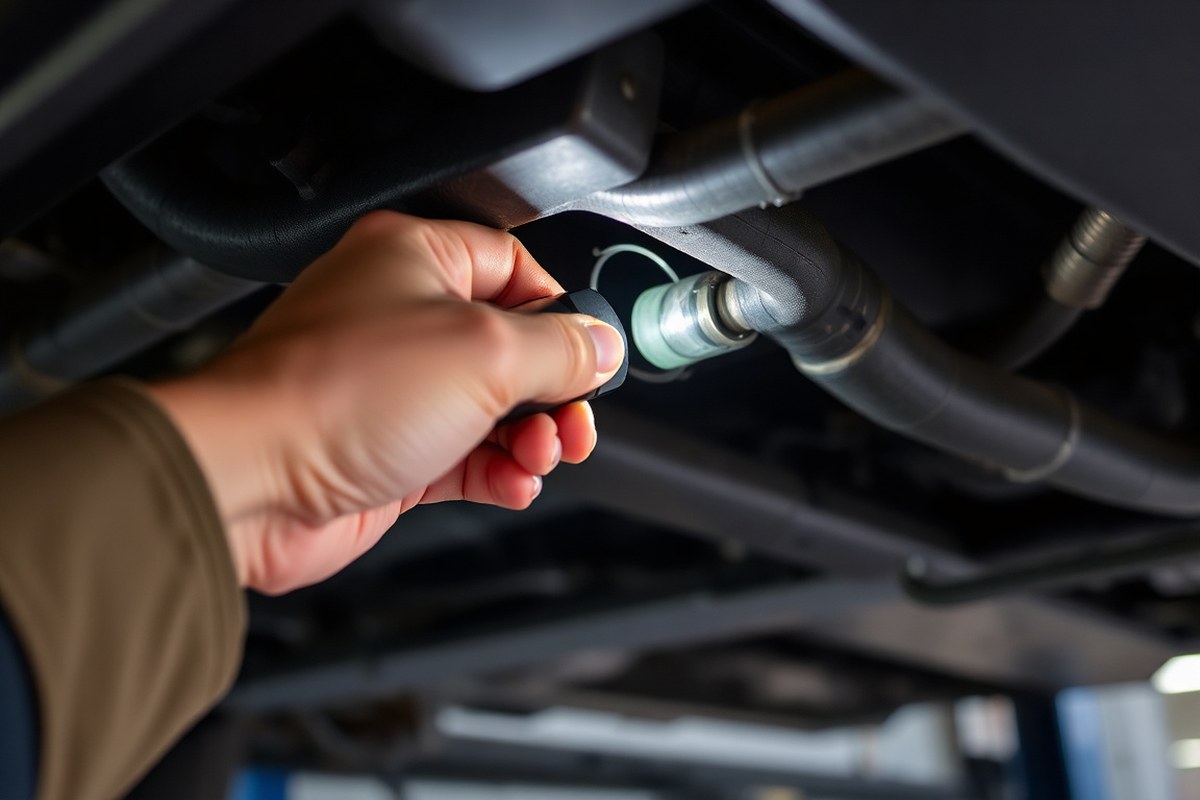
Why Are Fuel Leaks a Problem? Risks, Costs, and Safety Explained
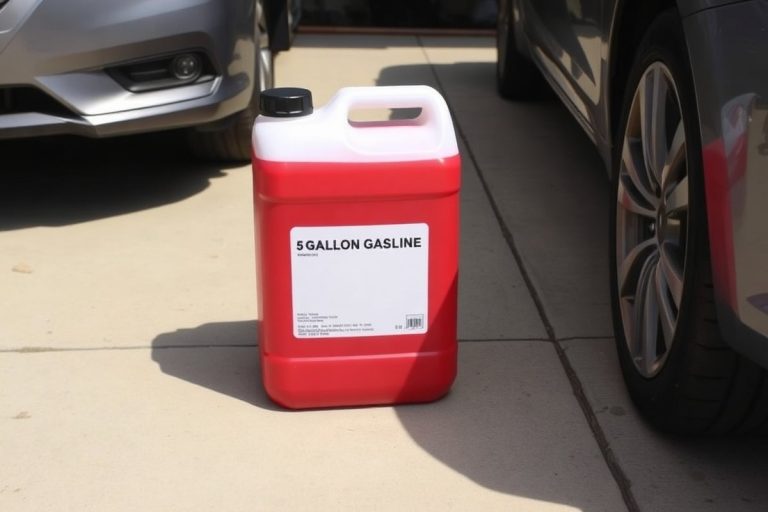
Why are fuel leaks a problem? Fuel leaks create serious safety hazards and damage the environment.
Gasoline is highly flammable, so leaks increase the risk of fire and explosions. They also release harmful vapors that pollute the air and pose health risks.
Common causes include cracked fuel lines, worn-out seals, and loose or broken gas caps. These allow gasoline or vapors to escape, creating a dangerous situation around your vehicle. Early detection prevents small problems from turning into costly repairs.
Check under your car regularly for wet spots, stains, or a strong gasoline smell. These signs mean your car might have a leak that needs fixing right away. Taking action quickly keeps you and others safe while protecting your vehicle from serious damage.
Key Takeaways
- Always inspect your fuel lines for cracks or wear during routine checks.
- Replace a faulty gas cap immediately to stop medium-level leak risks.
- Watch for puddles or gasoline odors around the fuel tank area.
- Rust on the fuel tank needs prompt repair or protective coating.
- Fuel injector seal leaks must be checked during servicing for safety.
- Avoid topping off your tank to prevent overfilled fuel leaks.
Why Fuel Leaks Are Dangerous for Safety and Environment
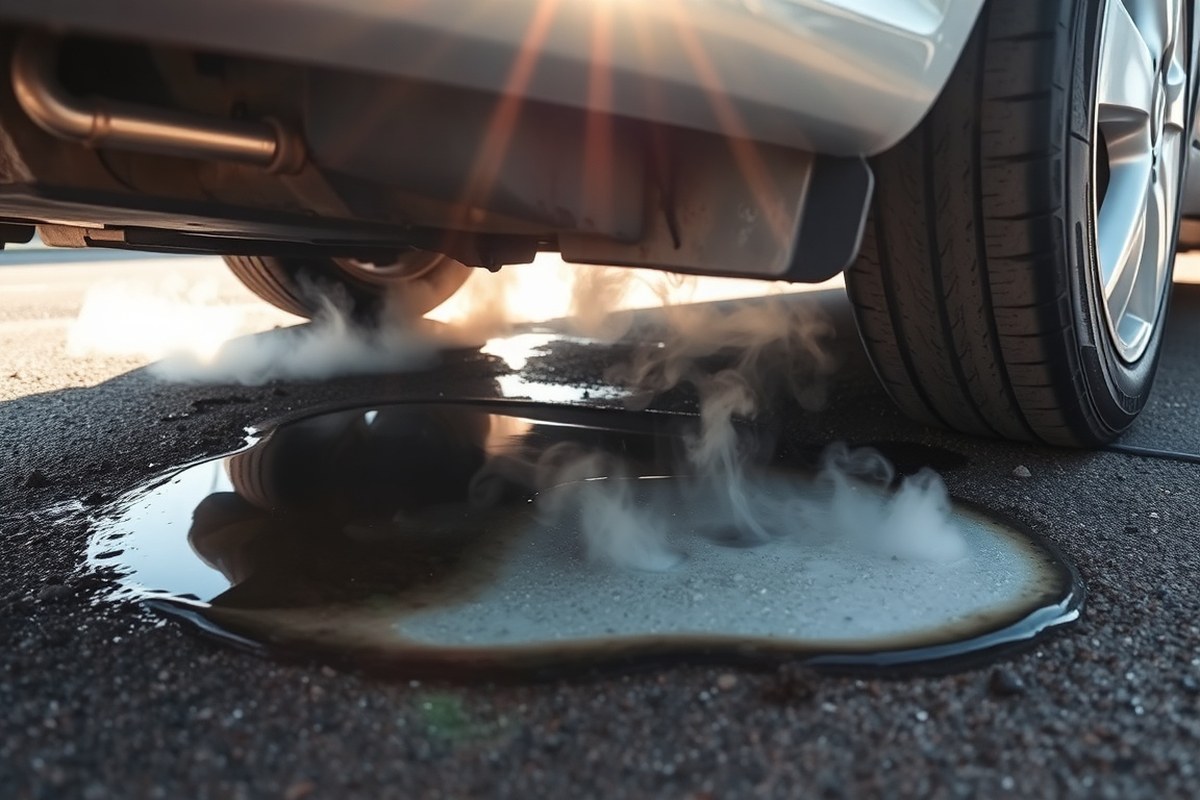
Fuel leaks are very dangerous. They bring fire risks, toxic fumes, and money loss. You need to fix leaks fast to stay safe.
Gasoline and diesel are highly flammable. Even small leaks can create vapors that ignite near hot engine parts or sparks. One fuel drop on hot surfaces can start fires or explosions.
This puts everyone nearby in danger. Keep fuel away from heat sources.
Besides the fire risk, leaking fuel releases harmful chemicals like benzene and volatile organic compounds (VOCs). Breathing these fumes can irritate your lungs and cause longer-term health problems, including respiratory illnesses. Anyone nearby, especially in poorly ventilated areas, can face serious chemical exposure while the leak continues.
Fuel leaks also harm the environment by polluting soil and groundwater. Leaked fuel seeps into the earth, contaminating water supplies and damaging plant and animal habitats. Fuel pollution is tough to clean up.
Cleaning can cost a lot of money. Some places need special cleanup to fix the damage.
Slippery fuel on roads increases crash risks by reducing tire traction. Fuel puddles or trails make pavement slippery. This creates risks for drivers and people nearby.
Watch out for wet spots under vehicles. This adds a direct safety risk beyond the vehicle with the leak itself.
Lost fuel means wasted money each time you fill your tank. Even small leaks over days or weeks can add up to gallons of lost fuel. Fuel leaks waste gas and can cost much to fix.
Repairs often mean changing parts or fluids. Costs rise if leaks grow worse.
Some leaks may break local environmental or safety laws, leading to fines or increased insurance costs. Vehicles with fuel leaks could fail inspections or be considered unsafe to drive. Fuel leaks can cause problems with insurance claims too.
This happens especially if fire or accidents result. Keep your car safe to avoid issues.
Fuel leaks create a dangerous, costly situation that worsens if ignored. If you see drips or smell fuel, stop driving right away. Get your vehicle checked and repaired quickly.
Don’t wait to fix fuel leaks. Fixing leaks early protects your health and money.
It also keeps you safe and helps the environment. Don’t ignore fuel leaks when you notice them.
What Causes Fuel Leaks: Key Parts and Failure Types
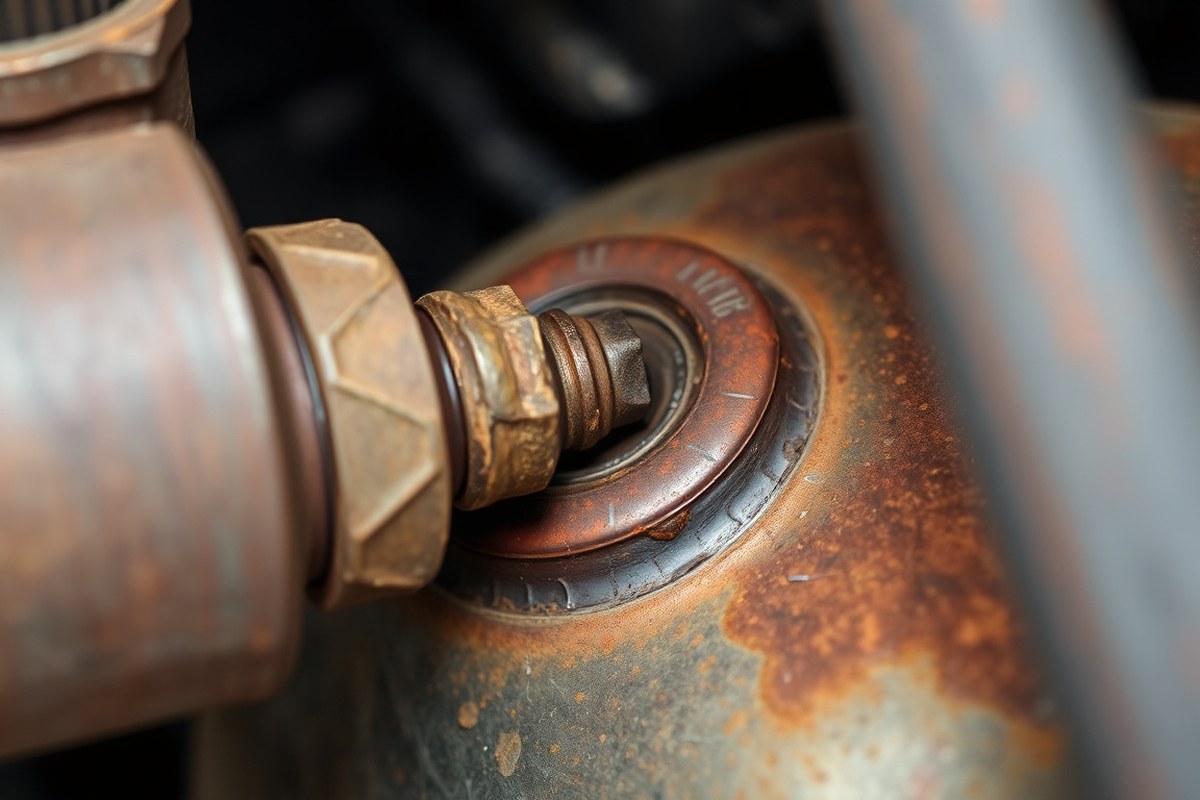
Fuel leaks usually start at worn or damaged parts in the fuel system. Fuel lines often crack due to age, rust, or road debris hitting them. These cracks let fuel drip or spray out, causing leaks under your car.
The fuel tank itself is another weak spot. Over time, corrosion or small punctures can develop on the tank’s surface. Worn seams can open up.
This happens especially with moisture exposure. Roads with salt speed this damage.
Small parts like gas caps often cause leaks. A bad seal or loose cap lets fuel vapors out. You may notice a faint gas smell after filling up.
Inside the tank, the fuel pump has seals that dry out with time. When those seals fail, fuel can leak inside the tank housing or at the pump connections. This tends to cause a noticeable fuel odor along with sputtering engine symptoms.
Fuel injectors spray fuel into the engine. Their seals can wear or clog, causing leaks. This may cause engine roughness or lower fuel economy.
Cracks or loose clamps in the fuel filter housing might let fuel drip unexpectedly. These parts get worn down over years and with rough road vibrations. The fuel rail feeds injectors with gas.
Damage to this metal pipe can cause serious leaks. You will likely smell strong fuel under the hood.
Rust and corrosion are common troublemakers throughout the fuel system. Metal parts corrode from moisture, road salt, and temperature changes. Debris or bumps on rough roads can harm fuel lines.
Cracks or holes form where fuel escapes. These hits can cause unexpected leaks.
Always make sure your gas cap is tight after fueling. This stops vapor leaks from starting small. Fixing leaks early prevents them from getting worse.
How to Recognize Fuel Leak Warning Signs Early
A fuel leak often starts with simple signs you can notice early. A strong gas smell near your vehicle is one of the first warnings. This smell happens when fuel vapors escape.
It usually comes from a loose gas cap or EVAP system leaks. These leaks let the vapors out into the air.
Liquid fuel leaks show up as puddles or wet spots under your car. You might see fuel drips on the ground after parking or staining near the fuel tank. These leaks affect fuel pressure.
The engine can idle roughly or misfire with leaks. This happens because it gets less fuel than it needs. It struggles to run well.
Sometimes, your dashboard alerts you with a check engine light. This light can appear if sensors detect a fuel system fault. It’s common with vapor leaks or a drop in fuel pressure.
Your fuel efficiency may drop too. You might notice you’re filling up more often than usual without driving extra miles.
- Strong gasoline smell inside or outside the vehicle
- Visible puddles or wet spots beneath the fuel tank or lines
- Rough engine idle or unexpected misfires
- Check engine or fuel system warning light on the dashboard
- Fuel gauge dropping faster than normal
- Noisy or louder fuel pump operation
- Unexplained drop in fuel efficiency
Vapor leaks do not leave puddles but release flammable fumes. That fuel odor can be strong inside the cabin if vapors seep in. Liquid leaks are easier to spot but are also dangerous.
Diesel leaks usually look like thick liquid puddles, risking slips and pollution. Gasoline leaks combine liquid and vapor risks.
Age and wear change what to look for. Newer cars might only have loose caps causing vapor leaks. Older vehicles risk cracked lines or worn seals causing both types.
Catching these signs early lets you fix leaks fast. Fixing stops leaks from getting worse or causing fires. It also avoids health risks from fumes.
Differences Between Liquid Fuel Leaks and Vapor Leaks
Liquid fuel leaks and vapor leaks differ mainly in their form and visibility. Liquid leaks are easier to spot as dark puddles or wet stains under the vehicle. Vapor leaks are invisible and harder to notice because fuel evaporates quickly, leaving no obvious sign.
Vapor leaks are risky because fuel vapor catches fire easily. Even a small spark can set it off. This makes vapor leaks especially dangerous.
They also harm the environment by releasing volatile organic compounds into the air. Detecting vapor leaks requires special sensors made to sense fuel molecules floating in the atmosphere.
Here’s a clear comparison of liquid and vapor fuel leaks. It shows their risks, signs, and how to detect them. This helps you understand both types better.
| Aspect | Liquid Fuel Leak | Vapor Fuel Leak |
|---|---|---|
| State | Liquid puddle or drip | Invisible gas or fumes |
| Common Signs | Dark stains under car, strong fuel smell | Strong fuel odor, check engine light |
| Detection Method | Visual inspection, sniff test, pressure test | Electronic sensors, vapor detection systems |
| Risk Level | Fire hazard from spilled fuel | Highly flammable vapor, tougher to find |
| Repair Focus | Fix leaking line, gasket, or tank hole | Seal vapor canisters, lines, valves |
| How Fast to Act | Immediate to prevent fire and damage | Prompt to avoid harmful emissions, fire risk |
Fuel vapor leaks usually trigger the check engine light. Sensors in the evaporative emissions system detect these leaks. That’s why the light comes on.
These sensors detect if vapors escape from fuel tanks or lines. When this happens, only electronic leak detection tools can locate the source precisely.
Electronic sensors in advanced leak detection systems scan for tiny vapor leaks continuously. They help mechanics spot fuel vapor issues before they cause bigger problems. A typical detection process might cost between $50 to $150 and takes about 30 minutes.
Because vapors spread quickly and don’t leave puddles, you might miss them without these sensors. Smelling strong fuel can be a clue, but you won’t always get that warning. Ignoring vapor leaks can lead to costly repairs and health risks from toxic fumes.
Step-By-Step Safety and Inspection Checklist After Detecting a Leak
Stop the vehicle immediately when you suspect a fuel leak. Avoid any sparks or flames nearby. Then follow a careful inspection and emergency checklist to protect yourself and your car.
Initial Safety Precautions
Turn off the engine as soon as possible. Don’t use any electronics or devices that could spark. Move away from traffic to a safe spot if you’re on the road.
Wear gloves and eye protection if you have them. Open doors and windows to ventilate fuel vapors. Keep all sources of ignition far away, including cigarettes and phones.
Visual Inspection Steps
Wait a few minutes for fuel odors to settle slightly before looking under the hood. Check the fuel lines for cracks, wet spots, or stains. Inspect the fuel tank carefully for rust or dripping areas.
Look below your car for fresh puddles or dark stains on the ground. Take a flashlight for better visibility if it’s dark. Avoid touching any parts that feel hot or wet with fuel.
Fuel Odor and Leak Location Checks
Sniff around the fuel tank and engine area from a safe distance. Strong gasoline odor means a serious leak. Trace the smell carefully to find the source without getting too close.
Check the gas cap for a loose fit or damage. Replace it immediately if you notice cracks or worn seals. Bad caps cause medium-level leaks and are a simple fix.
- Use a flashlight to spot wet or shiny spots along fuel lines
- Look for rust bubbles or holes on the tank surface
- Smell areas around the fuel injectors for vapor leaks
- Inspect under the car for puddles or drips
- Check hoses and clamps for wear or looseness
Don’t start the engine to check leaks; it raises fire risk and spreads vapors.
When to Avoid Driving
Don’t drive if you see fuel leaking under the hood. Stop right away. Smelling strong gas inside also means you should not drive.
Even slow leaks can ignite from engine heat or sparks. Your safety comes first.
Driving makes the problem worse and increases fire and engine damage risks. Call a tow or roadside service to get your vehicle checked by a professional. Avoid low-level fuel use and warning lights as signs to stop.
Emergency Measures If Fire Risk Appears
Fuel pooling near hot engine parts means danger. Smelling strong gas calls for an immediate exit. Get away from the vehicle quickly.
Keep everyone away from the area. Call 911 if you notice smoke or flames.
Don’t try to wash off fuel with water. It can spread the problem or cause hydrocarbon fires. Use a fire extinguisher rated for flammable liquids if trained and safe to do so.
Always treat any visible under-hood fuel leak as an emergency to prevent fire risks.
Typical Repair Costs and Timeframes for Fuel Leak Fixes
Fuel leak repairs vary widely, depending on the damaged part and leak type. Small fixes like replacing a gas cap take less time. They cost less than fixing fuel tanks or pumps.
These are easy fixes you can try yourself. Repairs often take from under an hour up to several hours, based on what needs fixing.
The table below shows typical costs and approximate repair times for common leaks. Gas cap replacement is fast and cheap, usually done in minutes for $10 to $40.
Fuel line repairs may take one to two hours and cost $150 to $600. More serious problems like fuel tank replacement can run $400 to $2,500 and take several hours.
| Repair Needed | Typical Cost Range | Estimated Time |
|---|---|---|
| Gas cap replacement | $15 to $40 | Less than 30 minutes |
| Fuel injector O-ring or seal | $100 to $350 per injector | 1 to 2 hours |
| Fuel line repair or replacement | $150 to $600 | 1 to 2 hours |
| Full fuel line assembly replacement | $300 to $2,000+ | 2 to 4 hours |
| Fuel rail or injector housing | $300 to $1,200 | 1.5 to 3 hours |
| Fuel tank repair or replacement | $400 to $2,500+ | 3 to 6 hours |
| Fuel pump replacement | $400 to $800 | 2 to 4 hours |
Minor leaks often cost under $150 and fix quickly. So getting them repaired soon is a good plan. Major repairs like fuel tank replacement take more time.
They also cost more because of parts and labor. Prepare for a bigger bill with these repairs. DIY fixes like tightening a loose fitting can save money.
Replacing a gas cap is also simple to do. Always watch out for safety risks when working on fuel parts.
Fuel leaks also drain fuel and hurt your engine’s performance. After repairs, check the repaired area regularly to catch new leaks early. A pro mechanic can find hidden leaks you might miss.
They can give a clearer idea of repair costs. This is helpful for your specific vehicle type.
Why You Should Avoid Driving with a Fuel Leak
Driving with a fuel leak is dangerous and should be avoided immediately. Fuel leaks can catch fire near hot engine parts or sparks. This fire risk is very high.
Always watch for leaks. Even a small fuel leak raises your chance of fire while driving.
This makes driving unsafe for you and others. Small leaks matter.
Fuel leaks also harm your engine over time. When fuel escapes, the intake system may not get the right amount. A fuel leak can cause bad engine performance.
It may also cause rough idling or engine stalls. Proper seals keep your engine running right. Worse leaks may damage hoses, lines, or the fuel pump, leading to costly repairs.
Some leaks happen after impact damage, like from hitting debris or a curb. That can cause immediate and serious fuel loss. In that case, do not start or operate the vehicle.
Instead, call a tow truck and get it inspected right away. Continuing to drive could mean serious fire hazards and engine failure.
You also face legal trouble when driving with a known fuel leak. Authorities can hold you responsible for any damage caused by leaking fuel. This includes harm to the environment, property damage, or health risks for others.
You might get fined or sued over a fuel leak. These costs can be more than fixing the leak itself. Don’t ignore fuel leaks.
Stop driving right away if you smell gas or see fuel dripping. Park away from open flames and avoid smoking near the vehicle. A leak that releases fuel vapors puts you at risk of breathing toxic fumes and fire.
Fixing fuel leaks usually costs between $150 and $600. The cost depends on where the leak is and how bad it is. Prices vary.
Always address leaks right after noticing them. Small leaks can quickly become bigger hazards on the road. Call a mechanic for a full check if you don’t know the leak’s size or source.
Driving with a fuel leak risks fire, engine harm, and legal trouble. It is not worth the danger. Fix leaks quickly.
When to Try DIY Repairs Versus Call a Professional Mechanic
You can fix some fuel leaks yourself, especially small ones. Repairs involving fuel lines or injectors usually need special tools and skills. Call a professional mechanic if you aren’t sure or if the leak seems serious.
Small Gas Cap or Seal Issues
Replacing a cracked or loose gas cap seal is a simple, quick fix. It usually costs under $10 and can stop leaks immediately.
Check your gas cap every time you fill up. Tighten it until it clicks.
You may smell fuel or see wet spots near the filler neck. Try replacing just the cap or seal first.
It’s the least risky repair and needs no special tools. You only need a new seal or cap, which you can find at auto parts stores.
Fuel Line Repairs and Common Kits
Cracked or loose fuel lines cause most small leaks. Sometimes repair kits can fix them.
These kits come with clamps or tape designed for fuel systems. You need basic hand tools like screwdrivers and pliers for the job.
DIY repairs work best if the leak is small and in an accessible hose or line. Make sure to work outdoors in a ventilated area, not in a garage.
The leak inside the system or on metal lines needs a pro. You should call one.
Always depressurize the fuel system before any DIY repair to avoid fuel spray and fire risks.
When Injector or Tank Repairs Need Pros
Fuel injector seals and tank repairs require special tools and knowledge to diagnose and fix safely. A qualified mechanic can pressure-test the system and pinpoint the exact leak. They have the gear to avoid fuel spills or fire hazards.
Fuel tank damage like corrosion or punctures is not a safe DIY task. Replacing or repairing a tank often costs over $1,000 and needs lifts and heavy tools. Getting an expert helps prevent costly mistakes and ensures the repair lasts.
Leaks near the engine or involving the fuel pump also need professional attention. The fuel system is under pressure.
A bad fix could make the leak worse. Spending $150 to $600 for a mechanic is safer and avoids bigger bills later.
Preventing Fuel Leaks: Maintenance Tips and Seasonal Considerations
Fuel leaks usually start from small wear or damage. You can stop leaks by checking your fuel system regularly and fixing worn parts early. Seasonal weather changes also affect how your fuel system holds up.
Regular Inspection Routines
Regular checks are the best way to catch leaks early. Look for cracks, loose clamps, and worn hoses around the fuel tank and filler neck. Tighten fittings with the right torque to keep seals tight and avoid leaks.
Pressure testing the fuel system twice a year helps find hidden leaks. It involves using a gauge to pressurize the system and watch for drops. Any pressure drop means a leak needs fixing.
- Check fuel hoses and clamps for cracks or wear every 6 months
- Inspect the fuel filler neck and its rubber connections
- Tighten or replace any loose or damaged fittings
- Perform pressure test during routine maintenance visits
- Replace old gaskets with OEM parts as needed
- Look for corrosion around metal fuel tank parts
Replace fuel system parts with OEM quality components. Cheaper parts often fail faster and raise leak risk. Regular cleaning of the fuel injectors also prevents blockages, helping the engine run smoother.
Protecting Fuel System in Cold and Hot Seasons
Cold weather can make fuel system rubber parts brittle. Inspect hoses more often in winter and replace any that feel stiff or cracked. Warm the vehicle before driving to reduce fuel line stress.
Hot weather expands fuel and can cause overflows. Avoid filling the fuel tank past the recommended level to prevent leaks from pressure buildup. Heat also speeds up rubber hose deterioration, so check seals closely during summer.
Avoiding Common Fueling Mistakes
Overfilling your tank causes liquid fuel to spill or leak. Stop filling once the automatic pump clicks off. Don’t “top off” the tank by adding extra fuel after this happens.
Using the wrong fuel grade or low-quality fuel can hurt your injectors and seals. Stick with the manufacturer’s recommendation to avoid damage. Also, avoid rushing to refuel and causing nozzle damage or fuel splashes.
Step-by-Step Action Plan to Handle a Fuel Leak
Take quick, safe steps to manage a fuel leak and protect yourself and your car. Follow this plan to stop the leak and avoid bigger problems.
- Immediately after noticing the leak: Park your car outside in a well-ventilated area away from flames. Check for any strong fuel smell or visible liquid. No strong smell means less risk for now.
- Within the first hour: Do a quick visual check under the car. Look for spots of wet fuel or stains. Use a flashlight if it’s dark. No visible fuel means the leak may be slow or vapor only.
- Day 1: Inspect common leak points like fuel lines, connections, and tank seals. Tighten any loose clamps carefully. When you see damage or cracks, don’t DIY. Call a pro.
- Day 2: Clean the area around the leak. Use a rag and mild detergent to remove fuel residue. Confirm the leak spot is easier to watch for fresh fuel after cleaning.
- Within the first week: Monitor the leak location daily. Check for new wet spots or smells. When the problem worsens, book a repair appointment right away.
- Before driving again: Only drive if the leak stops fully. Make sure the fuel smell disappears before you go. Carry a fire extinguisher and avoid traffic jams or long trips.
- After repair: Test drive carefully and inspect the area again. No signs of fuel means the fix worked. Keep watch for the next month to catch slow leaks early.
Frequently Asked Questions
Why Are Fuel Leaks a Problem for Your Car’s Safety?
Fuel leaks create a fire hazard that’s dangerous for you and others. Even small leaks can cause fires when fuel vapors meet a spark or heat source.
Is It Bad to Drive with a Fuel Leak?
Yes, it’s unsafe and can cause fires or engine damage. Don’t drive your car if you smell fuel or see wet spots under it.
How Much Will It Cost to Fix a Fuel Leak?
Repair costs vary but usually range from $150 to $600 depending on the leak’s location. Complex issues like a fuel tank replacement can cost even more.
Are Fuel Leaks Easy to Fix by Yourself?
Some fixes, like replacing a gas cap or injector seal, are simpler. However, fuel line or tank repairs should be done by a professional for safety.
Can a Fuel Leak Cause My Car to Stall or Lose Power?
Yes, leaks can reduce fuel pressure and cause the engine to stall. If your car acts odd, have it checked right away.
Wrapping Up
Fuel leaks pose serious risks to your safety and environment. Acting fast helps avoid costly repairs and dangers. Check your car soon and make that important call if a leak won’t stop.