How Fast Does a 450 Dirt Bike Go? A Complete Guide with Proven Speed Tips
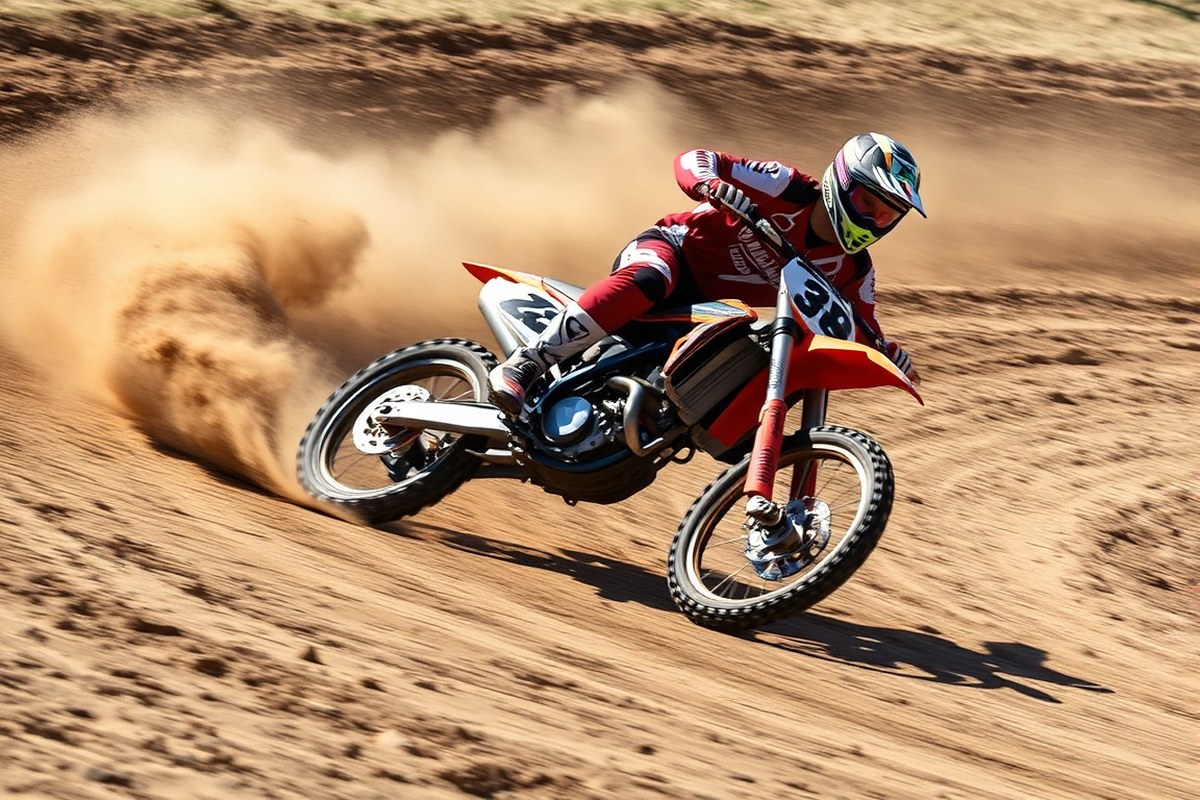
Many riders want to know the top speed of a 450 dirt bike. Most 450 dirt bikes can reach around 85 to 100 miles per hour. Certain bikes, such as the KTM 450 SX-F, may go as fast as 123 miles per hour.
These bikes focus on quick acceleration and sharp handling, not just top speed. Before pushing your bike, consider the terrain and your riding skills carefully. Speed improvements usually come from engine tweaks and gearing changes.
Keep safety in mind when going fast and always wear protective gear. Knowing your bike’s limits helps you enjoy the ride while staying safe on trails or tracks.
Key Takeaways
- Stock 450 dirt bikes usually top out at 85 to 100 mph.
- The KTM 450 SX-F is among the fastest 450 dirt bikes, reaching 123 mph.
- Engine type and tuning directly affect your bike’s speed performance.
- Gearing changes can boost top speed but may impact acceleration.
- Terrain and weather conditions often lower your dirt bike’s top speed.
- Wear full protective gear when riding at high speeds for safety.
What Is the Typical Top Speed of a 450 Dirt Bike?
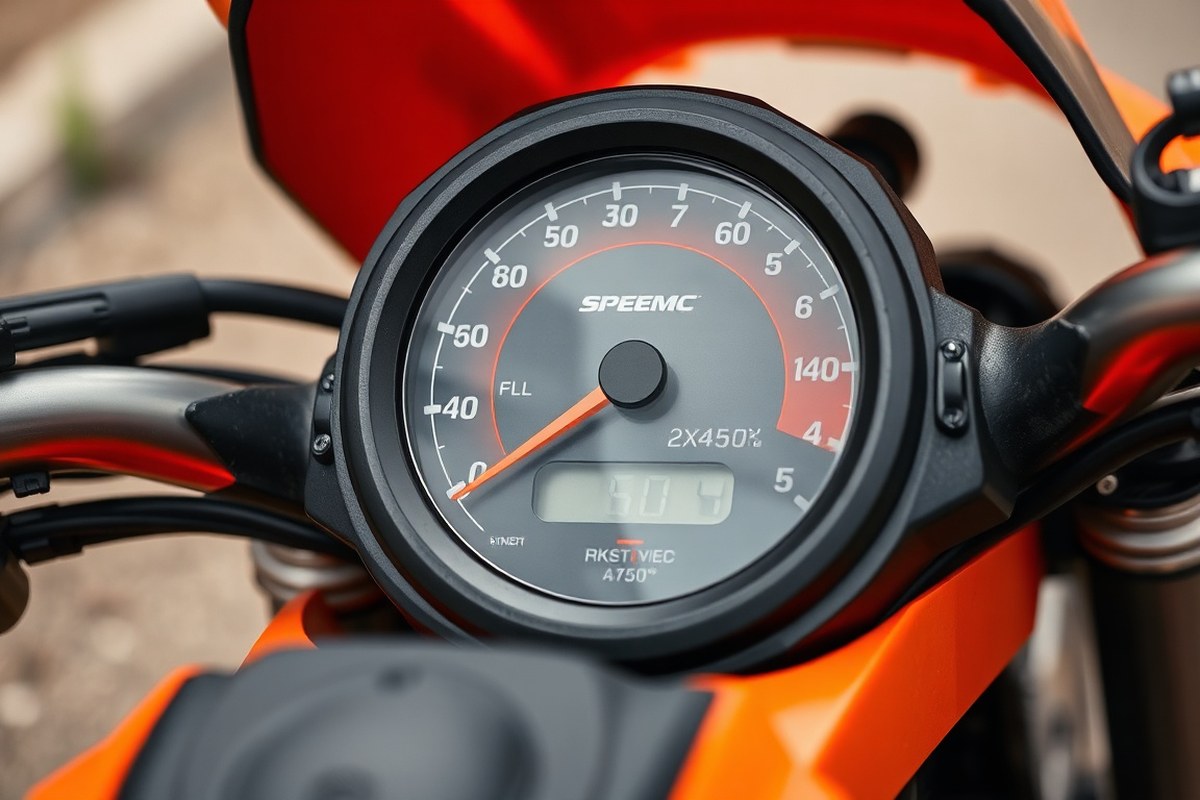
Stock 450 dirt bikes usually hit top speeds between 80 and 100 mph. These speeds depend on the bike model, terrain, and rider skill. Riders often see Yamaha 450 dirt bikes running between 70 and 90 mph in typical conditions.
Different manufacturers produce 450cc dirt bikes with varying top speed capabilities. The KTM 450 SX-F can reach about 100 mph on smooth tracks. This speed is possible with stock gearing.
It performs best on flat surfaces. The KTM 450 SX-F has been seen going up to 120 mph.
This happens only under perfect conditions. Not every ride will reach these speeds.
A typical 4-stroke 450cc dirt bike maxes out near 87 mph. Speed varies due to rider weight, bike condition, and engine type. Bikes usually balance speed with good handling in stock form.
Speed variation also arises from model design and terrain type. The fastest speeds for 450cc dirt bikes happen on smooth, closed courses. These speeds generally range between 85 and 100 mph.
Pro race tracks offer the best conditions. On rough off-road trails, expect these numbers to drop due to traction and handling demands.
Which 450cc Dirt Bikes Are the Fastest and Why?
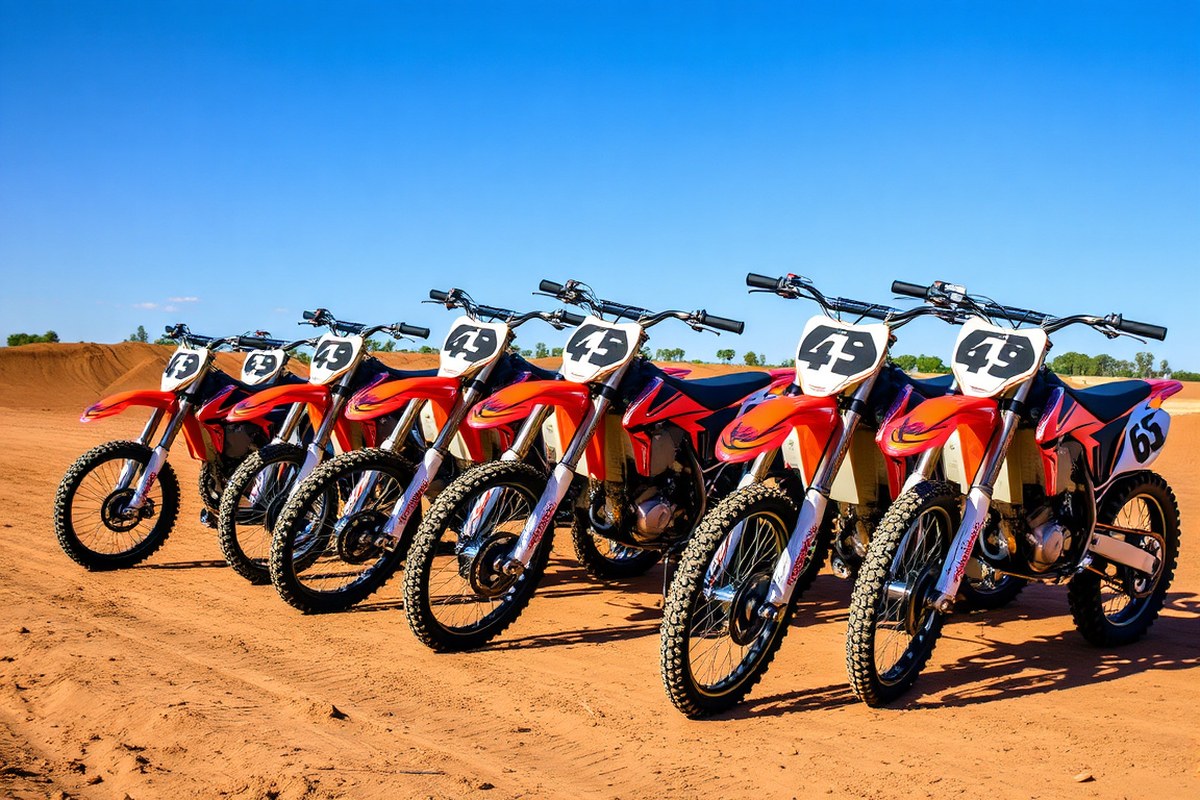
Some 450cc dirt bikes stand out for their top speed and engine design. Differences in engine type, weight, and tuning affect who tops the charts.
Gas motocross models generally hit their peak between 90 and 100 mph. Dual-sport machines can reach 110 mph or more due to lighter restrictions.
| Bike | Type | Reported Top Speed (mph) | Notes |
|---|---|---|---|
| KTM 450 SX-F | Gas motocross | 98, 100 (up to 123 cited) | Powerful, race-focused; no official KTM top speed |
| KTM 500 EXC-F | Gas street-legal enduro | 95, 100 | Considered fastest true dirt bike with a plate |
| Yamaha YZ450F | Gas motocross | 90, 95 | Grouped with CRF450R and KX450 for speed |
| KTM 690 Enduro R / Husqvarna 701 Enduro | Gas dual-sport | 110, 120 | Dirt-capable and street legal; not pure dirt bikes |
The top speed depends heavily on engine stroke and gearing. Four-stroke engines, like those on the KTM 450 SX-F and Yamaha YZ450F, balance power with control. Weight also matters: lighter bikes can reach high speeds quicker since the engine faces less resistance.
Race bikes such as the KTM 450 SX-F show how tuning affects speed. You can’t count just on raw power because aerodynamics and rider position impact results. Street-legal dirt bikes are usually heavier.
They have broader gear settings. This suits mixed riding conditions better.
Road-legal models often reach higher speeds. They might struggle on rough trails. Keep this in mind when choosing.
How Does Engine Type Affect 450 Dirt Bike Speed?
Two-stroke and four-stroke engines in 450 dirt bikes each shape speed and power differently. Two-stroke engines deliver quicker bursts and stronger acceleration. Four-stroke engines offer smoother power and better control, affecting how fast you can comfortably ride.
Two-Stroke Engine Characteristics
Two-stroke engines complete a power cycle every two strokes, meaning faster revs. This design means they are lighter and produce power more abruptly. They usually reach top speed quicker, helping with sharp acceleration in races.
However, the power delivery feels less smooth compared to four-strokes. Two-stroke engines can rev higher but need more frequent maintenance. Their lighter weight benefits quick handling but can make control tricky on rough terrain.
Four-Stroke Engine Advantages
Four-stroke engines complete the power cycle every four strokes, offering steadier power. This makes acceleration more gradual and easier to manage, especially on technical trails. Riders often find four-strokes smoother and less tiring over longer rides.
These engines tend to weigh more, which can slightly reduce acceleration speed. Despite this, they usually provide constant torque across a broad RPM range. Four-strokes are also easier to maintain and have better fuel efficiency than two-strokes.
Real-World Speed and Performance Differences
Two-stroke 450 dirt bikes often reach top speeds faster. They are lighter and deliver quick power bursts. This makes acceleration feel instant and sharp.
Four-stroke bikes can hit similar top speeds. However, they take more time to get there.
Their throttle response is smoother and steadier. For example, two-strokes excel in tight, twisty tracks requiring quick recovery and jumps.
Four-stroke bikes work best for riders wanting steady power. They provide better traction during long races or tough terrain. This helps control and balance over rough ground.
They handle acceleration without sudden jerks, helping control in tricky spots. Your choice depends on whether you prefer raw acceleration or smooth, consistent power.
What Key Factors Influence the Speed of a 450 Dirt Bike?
Rider weight affects how fast a 450 dirt bike can go. Less weight means the engine uses less power to move both you and the bike faster. Dropping 20 pounds off your gear or body helps increase speed.
It can shave a few mph on your top speed. Losing weight makes a noticeable difference for your bike’s overall pace. Skill matters a lot in maintaining top speed.
Good throttle control helps you stay fast. Smooth riding keeps your speed over rough spots and climbs.
Terrain type changes the speed you can hold on a 450cc bike a lot. Smooth flat tracks allow higher speeds above 60 mph. Rocky or muddy trails force you to slow down for control.
Steep uphill slopes reduce speed because the engine must work harder. Loose dirt or sand cuts traction. On rugged trails, speeds can drop well below 40 mph.
Bike condition and setup make a difference too. Keeping the engine well-tuned and the chain properly lubricated boosts power delivery. Reducing bike weight by running with less fuel helps speed.
But only if you expect to finish the ride without refueling. Gearing adjustments can raise top speed or improve acceleration depending on your preference. Weather affects grip and engine performance; cold air can improve engine power slightly.
But wet or muddy conditions usually slow you down. Proper tire choice for conditions helps you keep higher speeds safely.
How Can You Safely Increase the Top Speed of a 450 Dirt Bike?
Changing the bike’s gearing is a top way to increase speed safely. Swapping the rear sprocket for a smaller one reduces torque but raises the top speed. You can make this adjustment with basic tools.
A new sprocket costs $15 to $40. It’s a simple job for most riders. Avoid going too small, or you’ll lose control at low speeds and strain the engine.
Proper tuning helps the engine run smoothly at higher speeds. Tuning the carburetor or fuel injection improves power. It adjusts the air/fuel mix just right.
This boosts performance without engine damage risk. Regularly cleaning or replacing the air filter and spark plug keeps the engine breathing right. Do these tasks every 10 to 20 riding hours.
That equals about every two to three months. Average riders should plan checks like this.
Weight reduction also offers speed gains. Removing heavy plastic parts cuts down drag. Replacing stock parts with lighter ones helps too.
You reduce both drag and inertia this way. Keep safety gear intact; never remove brakes, suspension parts, or anything that affects handling. Aim for a sensible balance between trimming pounds and staying safe.
- Check and adjust chain tension to keep power delivery smooth
- Use synthetic oil to reduce engine friction, changing it every 15 hours
- Inspect tire pressure before each ride, proper pressure lowers rolling resistance
- Keep suspension calibrated for your weight to maintain traction and speed
- Clean and lubricate the chain weekly for better efficiency
- Replace worn brake pads to ensure controlled deceleration at high speeds
Bad upgrades can cause serious problems. Overly aggressive sprockets or bad tuning may overheat the engine. They also reduce control and wear parts fast.
Avoid random or cheap modifications and stick to quality parts designed for your bike model. Regular maintenance prevents breakdowns and keeps the bike responsive when you push it.
Always stick to the manufacturer’s rules for tuning. It keeps you safe during rides. It also helps your bike stay reliable for longer.
How Does Gearing Adjustment Affect 450 Dirt Bike Speed and Performance?
Changing your dirt bike’s sprockets shifts how it balances acceleration and top speed. Smaller front or larger rear sprockets boost acceleration but lower top speed. Larger front or smaller rear sprockets raise top speed but reduce acceleration.
Effect of Smaller Front Sprockets
Using a smaller front sprocket makes your bike accelerate quicker at low speeds. It turns the rear wheel faster once the engine revs. This gives you more power off the start.
You get better acceleration for quick moves. However, this change limits your bike’s top speed on open stretches.
For instance, dropping one tooth on the front sprocket can noticeably improve trail ride starts. The bike feels punchier but may hit lower top-end speeds.
So it’s less ideal for straight tracks. This setup works best when quick bursts and control are your priorities.
Impact of Larger Rear Sprockets
Swapping in a larger rear sprocket also improve acceleration by increasing torque at the wheel. Each engine turn spins the wheel fewer times, making climbing hills and tight corners easier. Expect a reduction in maximum speed since the engine revs higher sooner.
Adding one or two teeth to the rear sprocket changes its feel. It helps riders pull wheelies or improve control in tight spots. This adjustment suits those who want sharper throttle response.
This change does cost top-end speed, so it’s less suited for wide-open tracks. Installing sprockets usually takes 30 minutes and costs around $20 to $50.
Choosing Optimal Gearing for Terrain
Pick a larger front sprocket or smaller rear sprocket if you ride mostly flat, open tracks. This setup lets you hit speeds above 90 mph before you run out of physical space. It favors top speed but sacrifices some grunt for quick turns.
Trails with steep hills or tight curves call for a smaller front or larger rear sprocket. They help you launch faster and keep control on rough terrain. A simple rule helps raise speed a bit.
Add one tooth to the front sprocket. Or take off two teeth from the rear sprocket.
Adjusting sprockets matches your riding goals. Bigger front or smaller rear means higher speed.
Smaller front or bigger rear means quicker acceleration. Test your new setup carefully, as riding style and terrain change the best choice.
How Does Terrain and Environmental Conditions Impact 450 Dirt Bike Speed?
Riding on deep sand or mud slows a 450 dirt bike by at least 20%. These soft surfaces increase rolling resistance, making it harder to maintain speed. Rocks slow you down, especially when you have to keep balance.
They often make you adjust your throttle carefully. That makes riding on them take more control and caution.
Altitude affects engine performance because thinner air reduces oxygen intake. Less oxygen means the engine can’t burn fuel as efficiently, lowering top speeds. At 5,000 feet altitude, power often drops by about 10%.
That means your speed will also be lower than at sea level. The thinner air reduces engine performance.
Dry, packed dirt trails provide the best conditions to reach high speeds safely. They offer firm grip and low resistance, helping your bike accelerate smoothly. Avoid wet or loose ground to keep your top speed.
These surfaces cause slipping and control problems. Sticking to flat, dry tracks helps you ride faster.
To handle sandy terrain better, lower your tire pressure slightly. This increases the tire footprint and improves traction, helping you keep speed near normal. On muddy surfaces, use deeper tread tires to channel away mud and maintain grip.
Weather plays a big role too. Hot, dry weather makes surfaces loose and dusty, reducing grip.
Cool, damp conditions can firm up dirt and improve traction. Riding early morning or late afternoon often brings stable temperatures and good traction to boost speed.
Adjusting to conditions means you have to read the terrain constantly. In rocky or uneven areas, slow down to avoid damage or crashes. On gentle hills with good dirt, open the throttle to increase speed without risking control.
Pushing for max speed on tough terrain can lead to crashes. Match your speed to what the surface and your skills allow. Wearing the right gear and keeping your bike in shape helps safely handle different trails.
What Are the Safety and Legal Considerations When Riding at High Speed?
Riding a 450 dirt bike at high speeds needs the right gear. Always wear a DOT-approved helmet to protect your head. Gloves, goggles, and boots help shield your hands, eyes, and feet from injury and debris.
Wearing a chest protector and knee guards can reduce your risk of serious injury. Quality protective gear might cost you between $300 and $700.
But it’s worth every penny for the extra protection. Make sure you choose gear that fits well and allows good movement.
- Helmet rated for off-road use
- Impact-resistant goggles
- Reinforced riding gloves
- Durable boots with ankle support
- Chest and back protectors
- Knee and elbow guards
You must balance speed with control to avoid crashes. Practice smooth throttle and brake control to keep traction when accelerating or slowing.
Avoid sudden turns at high speed. Lean your body and control the clutch to maintain stability.
Legal limits for 450 dirt bikes vary by location. Most places do not allow riding these bikes on public roads.
So check local laws before riding outside trails or tracks. Keeping your bike off paved streets avoids legal trouble and safety risks from other vehicles.
Always inspect your dirt bike and gear before a fast ride to catch any issues early.
Control and safety techniques matter as much as top speed. Riding within your skill level helps you avoid accidents and injuries. If you’re new to high-speed dirt bike riding, take time for training and gradual speed increases to build confidence and skill safely.
How to Accurately Measure and Verify Your 450 Dirt Bike’s Speed?
You can check your 450 dirt bike’s speed with GPS or wheel sensors. Both tools give accurate speed readings for your bike. These devices help track your riding performance.
Tracking speed helps verify what the manufacturer claims and shows your progress over time. Using reliable tools ensures you know your bike’s real performance.
Using GPS-Based Speedometers
GPS speedometers use satellite signals to provide accurate speed data without touching your bike’s parts. You attach the GPS unit to your bike’s handlebars or helmet, then start riding. The device tracks speed continuously and shows the top speed reached during your ride.
To use a GPS speedometer, charge it fully first. Then mount it where you can see it easily. This makes checking speed while riding simple.
Turn on the GPS speedometer before you start riding. Wait about 30 seconds for it to connect with satellites. It needs this to give accurate speed.
After your ride, look at the speed recorded on the device. You can also transfer this data to an app or computer. This helps review your ride later.
Prices range from $50 to $150 depending on features like screen size and recording ability. Popular GPS speedometers for dirt bikes include the Garmin Edge and the CatEye Stealth Evo units. They work well on motocross tracks or off-road trails and give speeds within 1-2 mph accuracy.
Installing and Calibrating Wheel Sensors
Wheel sensors work by counting how many times the wheel turns. They then convert that count into miles per hour. This uses the wheel’s circumference for accuracy.
You install the sensor on the hub of either the front or rear wheel. Place a magnet on one of the spokes so the sensor works.
This setup tracks wheel rotations. Each wheel turn triggers the sensor to send data to a display unit.
First, measure your wheel diameter in inches or millimeters to calculate the circumference. Input this number into the speedometer device to set calibration. Without correct calibration, your speed data will be off, sometimes by 5 mph or more.
Wheel sensors cost about $40 to $100. They usually connect with simple digital speedometers or bike computers. This setup gives real-time speed data for your ride.
Keep the sensor clean and secure to maintain accuracy. Common mistakes include incorrect wheel size entry and loose sensor mounts, which cause fluctuating speed readings.
Tips for Safe Speed Tests
To test your 450 dirt bike’s top speed, pick a safe open area. It should have few obstacles and no traffic. Safety is key when going fast.
Use a flat, smooth surface like a straight part of a motocross track. A closed dirt road can also work well.
This helps avoid surprises while testing speed. Always wear full protective gear for your test runs.
Prepare your bike by checking tire pressure and making sure brakes and throttle work smoothly. Accelerate gradually to avoid wheel spin or loss of control. Monitor your speed data carefully and avoid distracted riding during your test.
- Choose a quiet track or closed road for your speed test
- Wear helmet, gloves, boots, and protective clothing
- Check your bike’s mechanical condition before testing
- Use a spotter or ride with a friend for safety
- Perform several test runs and average your top speeds
- Record weather conditions as they affect performance
- Stop immediately if you feel unsafe or lose control
Following these tips helps you get reliable speed readings and stay safe. Avoid testing on public roads or in poor weather, as this increases risks and legal issues.
Step-by-Step Action Plan to Understand and Improve Your 450 Dirt Bike Speed
Use these steps to find out how fast your bike goes and safely boost its speed. Follow the plan carefully to see real changes.
- Before your first ride: Check your bike’s manual for factory top speed specs. Confirm your model’s typical max speed to set a baseline.
- Day 1: Use a GPS app to track your top speed. Find a flat, smooth place to ride. Record your maximum speed there. Record your fastest run.
- Week 1: Inspect your bike’s tires and air filter. Clean or replace if dirty to ensure better performance. Notice improved throttle response.
- Week 2: Adjust gearing by changing sprocket sizes. Decrease rear sprocket teeth for higher top speed, but expect slower acceleration. Test speed changes after adjustment.
- Week 3: Experiment with different terrain types. Note how speed drops on mud or hills. Learn what terrain limits your top speed most.
- Week 4: Increase maintenance frequency, oil changes, chain tension, and brake checks. A well-kept bike runs smoother and faster.
- After 6 weeks: Evaluate safety gear fit and brake performance at your top speed. Upgrade gear or brake parts if you feel unsafe or unsteady.
- After 2 months: Consider professional tuning or performance mods if you want more speed. Compare your speeds before and after to decide if it’s worth the work.
Frequently Asked Questions
How Fast Can a Stock 450 Dirt Bike Typically Go?
A stock 450 dirt bike usually reaches 85 to 100 mph. This depends on the model and riding conditions. It’s built more for quick acceleration and handling than for top speed.
Which 450 Dirt Bike Model Is Known to Be the Fastest?
The KTM 450 SX-F is considered the fastest, hitting up to 123 mph. It’s a favorite in racing and known for its power and speed. This model helped Ryan Dungey win the Motocross title.
Does Engine Type Significantly Change a 450 Dirt Bike’s Speed?
Yes, engine type impacts speed a lot. Different engines deliver varied power and torque. Modifying the engine can make your bike noticeably faster.
What Factors Mostly Influence a 450 Dirt Bike’s Top Speed?
The key factors include gearing, weight, terrain, and weather. Rider skill also plays a part. Changes in any of these can slow down or speed up the bike.
Is It Safe to Push a 450 Dirt Bike to Its Top Speed?
Riding at top speed carries serious risks; always use protective gear. Follow safety rules and ride within your skill level. High speeds need caution and respect for the bike’s limits.
The Bottom Line
Most 450 dirt bikes can reach speeds close to 70 mph. But many factors affect this.
Measuring your speed and making careful changes will help you ride faster and safer. Start by testing your bike’s top speed on a clear track today.