How Fast Can a Semi Truck Go? Comprehensive Speed Limits & Safety Guide
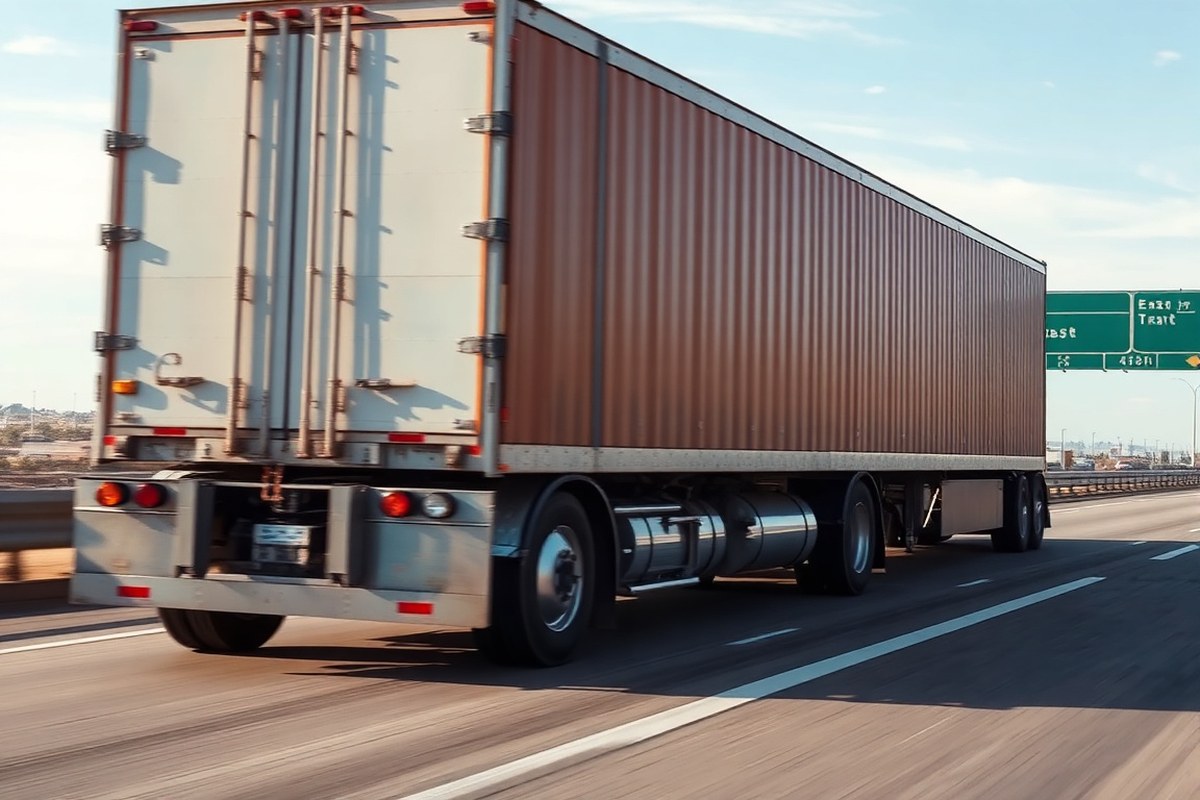
Many drivers ask about the top speed of semi trucks on highways. Semi trucks typically travel between 65 and 70 miles per hour. Several factors, like weight and safety rules, influence their top speed.
Most trucks are limited by law or company rules to keep speeds below 65 mph. These limits help because heavy trucks need much more distance to stop safely. Going faster than that increases risks, especially in bad weather or heavy traffic.
Truck weight and cargo also affect maximum speed. A fully loaded semi truck won’t reach the same speed as an empty one. Braking distance increases with load, so slowing down is a key safety step.
Before pushing a truck’s speed, pay attention to road conditions and your load. Sticking to speed limits and using speed limiters can make a big difference. These practices help prevent accidents and protect everyone on the road.
Key Takeaways
- Most semi trucks are limited to about 65 mph on highways.
- Speed limits vary by state but rarely exceed 70 mph for trucks.
- Heavier loads require longer stopping distances at any speed.
- Speed limiters prevent trucks from exceeding safe maximum speeds.
- Stopping distance for trucks at 65 mph is about 525 feet.
- Speeding semi trucks have higher crash risks and fines.
How Fast Can a Semi Truck Go on Highways?
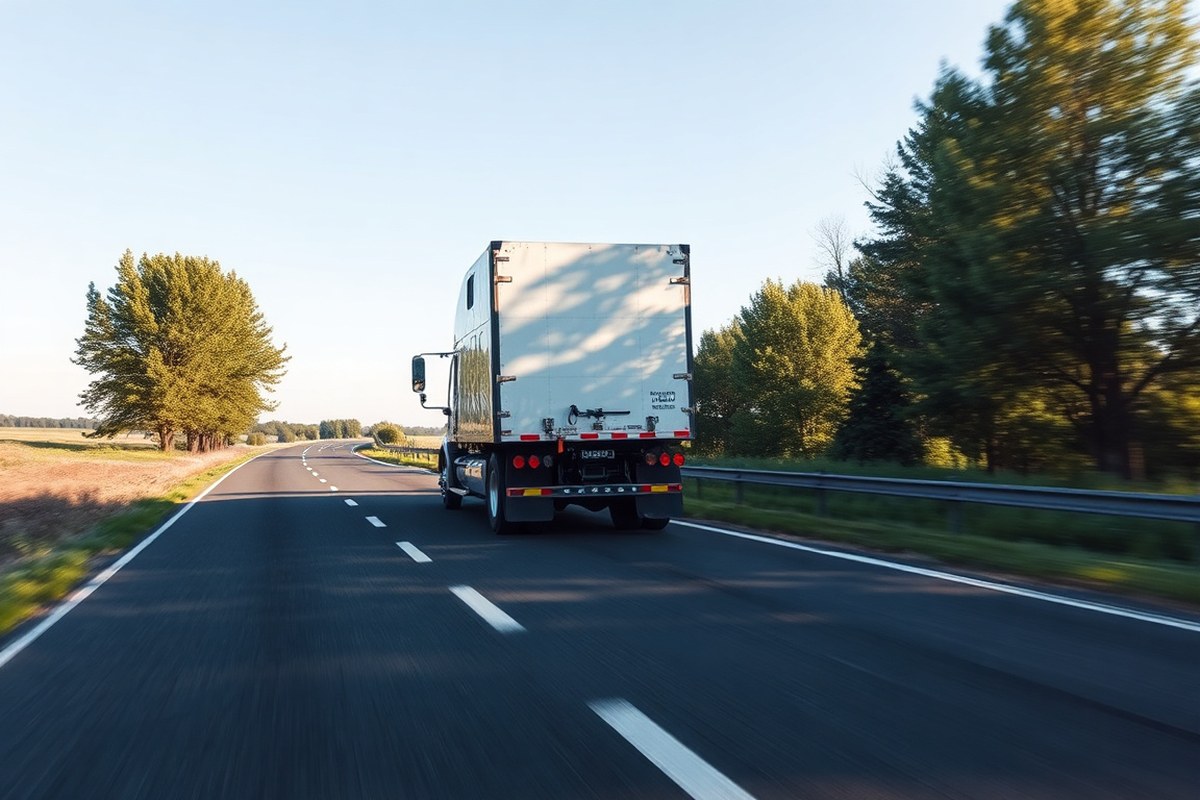
A typical semi truck on highways can reach speeds between 65 and 75 mph. Most trucks have electronic limits to stay within set speeds. These limits help meet safety rules.
Trucks cannot go faster than those limits. These limits help control the truck’s performance and reduce risks on the road.
Without a trailer, semi trucks can go significantly faster. Trucks can reach speeds over 100 mph. Some trucks reach up to 125 mph.
This info comes from Freight Viking. A truck without a load accelerates quicker because it carries less weight and experiences less drag.
Some specialized trucks have reached even higher speeds in controlled settings. Racing trucks have reached speeds above 170 mph. Jet-powered trucks like Shockwave go even faster.
Shockwave has exceeded 375 mph. However, these speeds are not possible or safe for regular highway driving.
Trucks generally do not exceed 80 mph on roads due to mechanical limits and safety policies. Most companies cap their drivers’ speeds around 65 to 70 mph regardless of the truck’s capability. Governing speed keeps engine stress down and prevents dangerous situations caused by high speeds.
Speed limits vary by state. Some rural highways in Texas even allow trucks to travel up to 85 mph.
Still, trucks commonly have electronic limiters set below those higher limits. This balancing act ensures trucks keep pace with traffic but avoid excessive speeds.
High speeds without cargo may strain engines less but increase safety risks. Driving very fast increases the chance of accidents and mechanical wear. Speed limits help keep highways safer for everyone.
They protect truck engines from extra heat. Less friction extends the life of engine parts.
What Legal Speed Limits Apply to Semi Trucks?
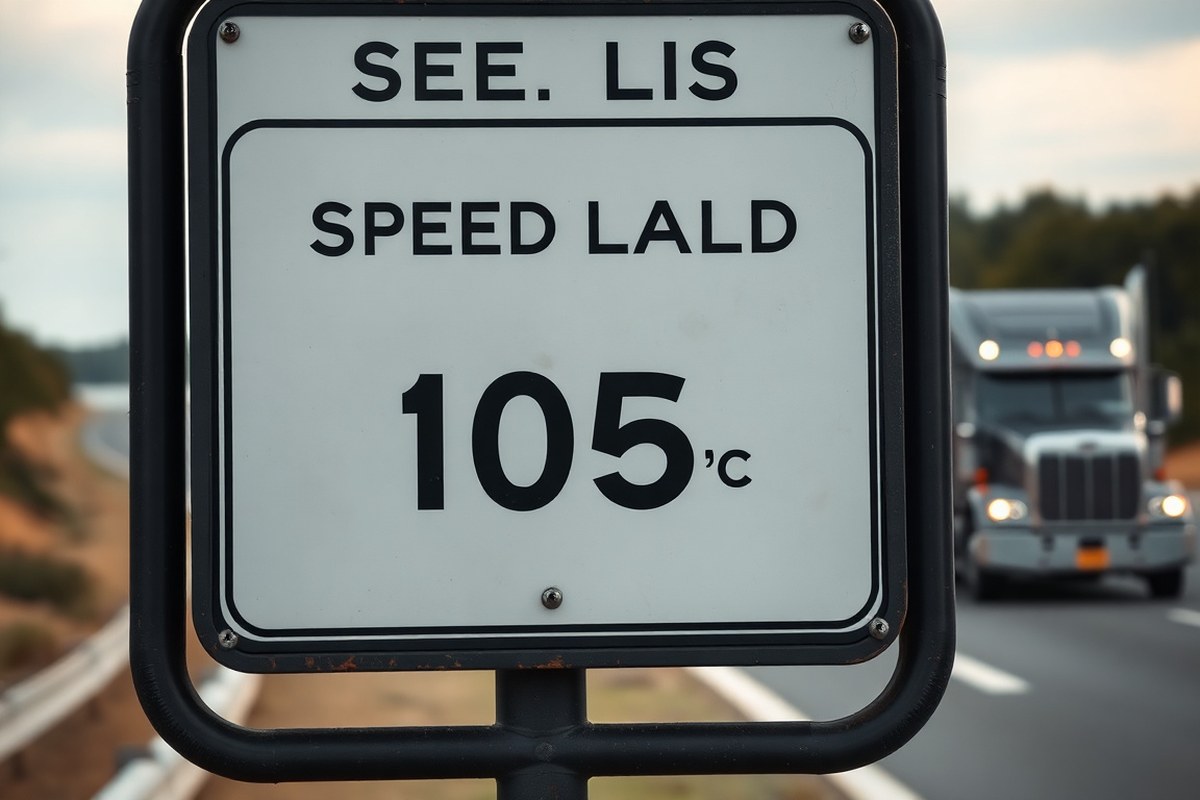
Federal rules set a general framework, but states decide exact truck speed limits. Trucks over 26,000 pounds usually have lower limits than cars. These limits change depending on the road type and location within a state.
On highways, trucks can typically go faster than on city streets. Speed limits are lower in urban areas to improve safety for pedestrians and other vehicles. Rural roads and highways usually allow higher truck speeds than cities.
However, these speeds are still lower than for passenger cars. Trucks have their own maximum limits in these areas.
| Road type | Truck limit (mph) |
|---|---|
| Urban interstate | 55 |
| Rural interstate | 65 |
| Other limited-access highway | 65 |
| Other roads | 55 |
Some states set truck speed limits as high as 75 or 80 mph on certain roads. Georgia allows 75 mph, and some states permit 80 mph on interstates. Most states have truck limits between 55 and 65 mph, especially on rural highways.
These speed differences exist because trucks need more time to stop and handle curves. Lower truck speeds reduce crash risks and help keep highways safe for everyone. Some companies also impose limits under 65 mph even when state laws allow higher speeds.
Always watch for speed limit signs on the road. They can override general speed limits. This is common near cities and on tricky stretches.
Speed limits can change within the same state. For example, Texas varies limits by region and road type. So truck drivers must stay alert.
Trucks must slow down when leaving highways for urban zones. Speed limits in cities often drop to 25 or 35 mph. This helps protect pedestrians and other road users.
Trucks with electronic speed governors often get capped by employers or regulators to improve safety. The Federal Motor Carrier Safety Administration considered a 68 mph max but then reversed that decision. Still, slower truck speeds remain a standard safety practice nationwide.
How Engine Power and Load Weight Affect Truck Speed
Engine horsepower sets a practical limit on truck speed. Higher horsepower allows stronger acceleration and higher top speeds. A typical semi truck has 400 to 600 horsepower.
This power lets it reach 65 to 70 mph on highways. These speeds happen under good conditions.
Load weight affects how fast a truck can speed up. It also impacts how well a truck climbs hills. Heavy loads slow acceleration and hill climbing.
A fully loaded semi truck can weigh up to 80,000 pounds. That much weight slows acceleration and reduces top speed, especially on inclines. The engine needs to work harder to move the heavier load, which limits speed.
For example, a semi truck without a trailer runs much faster than when fully loaded. The engine only pulls the truck’s cab weight, usually around 15,000 to 25,000 pounds. That allows quicker acceleration and higher top speeds.
A loaded truck might run at 35 to 50 mph on steep grades. An empty truck could maintain highway speeds over 60 mph in the same conditions.
Engine torque also affects a semi’s ability to maintain speed uphill. Even with high horsepower, a heavy load can reduce speed dramatically. Climbing a hill with 80,000 pounds is tough for a truck.
The driver often has to downshift to keep power. This helps the truck maintain speed uphill. This slows the truck to 40 mph or less, depending on the grade and engine strength.
Drivers see a 10 to 20 mph speed difference on hills. A loaded semi truck is slower than an empty one here. This difference is common in hilly terrain.
The extra force to move heavy loads causes the speed gap. Truck gearing usually favors torque over speed. This gearing suits carrying cargo, not fast driving.
Speed is also affected by trailer design and cargo placement. A longer or taller trailer increases wind resistance, reducing speed efficiency.
Even with strong engines, aerodynamic drag makes it harder to reach and hold top speeds. Positioning the cargo evenly helps maintain better vehicle balance and stability during acceleration.
A semi truck’s engine power and load weight control speed. These two factors decide how fast it accelerates. They also affect the truck’s top highway speed.
A light or empty truck accelerates faster and can keep highway speeds more easily. Fully loaded trucks lose speed, especially on hills. The engine works harder to carry the heavy weight.
This reduces how fast the truck can go uphill. Understanding these factors helps drivers adjust speed safely and efficiently.
Why Most Semi Trucks Use Speed Limiters
Speed limiters are devices that keep a semi truck from going faster than a set speed. They work by controlling the engine so it can’t exceed a certain limit. Most trucks over 26,000 pounds are required to have these devices installed.
Trucking companies use speed limiters to improve safety and reduce crash risks. Laws or company rules often require a limiter to keep speeds at a safer range. This helps drivers avoid speeding, especially on busy highways and steep mountain roads.
Typical speed settings for semi trucks usually range from 65 to 70 mph. Many companies cap speeds at 65 mph to balance safety with delivery times. Some trucks may have limiters set lower, around 55 mph, depending on the route or cargo.
Installing a speed limiter involves programming the truck’s engine control unit. Most modern trucks come with the ability to set and adjust speed limits electronically.
Authorized technicians make the adjustments using special software tools. This ensures the limiter meets company or legal rules.
Using speed limiters cuts fuel costs by avoiding rapid acceleration and high speeds. It also reduces wear on tires and brakes, which wear out faster at higher speeds.
However, driving at or near 80 mph can still cause tire damage. So limiters keep trucks at safer speeds to protect equipment.
How Road and Weather Conditions Influence Truck Speeds
Semi-truck speeds must change depending on weather and road conditions. Rain, snow, and steep grades all force drivers to slow down. The goal is to keep control and drive safely in every situation.
Weather Conditions Requiring Speed Reduction
Rain, snow, fog, and ice all reduce a truck’s grip on the road. Semi trucks need slower speeds to stay stable and keep control. Visibility drops in these conditions, so drivers must lower speed to react safely.
Heavy rain or snow can cause hydroplaning or sliding, making high speeds dangerous. A good rule is to cut your speed by at least 10 mph. During heavy rain, slow down by 10 to 20 mph below the limit.
This helps keep control on wet roads. For snow and ice, reduce your speed even more.
Sometimes you’ll need to drive around 35 to 50 mph. It depends on road conditions and your truck’s load.
- Slow down 10-20 mph in heavy rain
- Drop speed more on snow or ice, often below 50 mph
- Use headlights in fog and reduce speed accordingly
- Increase following distance to allow more stopping time
- Drive slower if visibility drops below 500 feet
Never drive at regular highway speeds during heavy rain, snow, or fog; slow down first.
How Grades and Terrain Limit Speed
Steep uphill or downhill grades require lower speeds for safety. Loaded trucks may slow to 35 to 50 mph on long grades. This helps avoid stalling uphill or losing control when going downhill.
Adjust speed carefully based on conditions. Drivers use lower gears to maintain a safe speed and braking power.
Drivers need to anticipate grade length and severity before adjusting speed. Long descents demand careful speed control to prevent brake failure. On short hills, the truck may keep normal speeds but still be cautious.
Adjustments for Road Surface and Traffic
Rough, uneven, or wet road surfaces reduce traction and control, so drivers slow down. Gravel, potholes, and damaged pavement make steering harder, requiring slower, steadier speeds. Truck drivers also reduce speed in heavy traffic or near sharp turns.
Traffic congestion or construction zones force additional speed cuts, even if weather is good. Slower speeds help avoid accidents and give room for unexpected stops. Drivers should always scan the road ahead for hazards that demand speed changes.
- Slow down on rough, damaged, or wet pavement
- Reduce speed in heavy traffic or construction zones
- Approach sharp turns or intersections cautiously
- Adjust speed for poor visibility or roadside obstacles
Stopping Distances and Safety Risks of High Speeds
Semi trucks need much longer distances to stop compared to passenger cars. A loaded truck going 65 mph needs about 525 feet to stop. That measure assumes good road and weather conditions.
It shows how much space you need to be safe. Stopping distance counts your reaction time plus braking distance.
Reaction time is the delay before you hit the brakes. Braking distance is how far the truck goes after braking starts.
Speed greatly affects stopping distance. At 80 mph, stopping distance is more than 50% longer than at 60 mph. That means it takes much more space to stop safely.
Speed makes a big difference in stopping. This happens because the energy the truck carries grows with speed. More speed means more momentum, which needs more force and distance to stop safely.
Weight also plays a big role. Heavier loads increase momentum, making the truck harder to slow down or stop. Heavier trucks need more braking power to stop quickly.
Extra weight makes stopping take longer. This raises the risk during emergency stops.
Here’s a simple table to show stopping distances based on different speeds:
| Speed (mph) | Stopping Distance (feet) | Notes |
|---|---|---|
| 60 | ~425 | Typical length at highway speeds, empty or light load |
| 65 | ~525 | Fully loaded truck under ideal road conditions |
| 80 | >800 | Over 50% longer stopping distance than at 60 mph |
With the truck’s size and load, stopping at higher speeds becomes risky. The brakes may overheat, reducing their ability to stop quickly. Speed and weight combined improve accident severity because stopping distances grow beyond safe reaction zones.
Bad road or weather conditions will make things worse. Wet or icy roads can double stopping distances.
So driving fast in these conditions hugely ups the danger. Controlling speed and respecting stopping distances are key to safer driving on highways.
Common Causes and Consequences of Semi Truck Speeding
Truck drivers sometimes speed to meet tight delivery schedules or avoid delays. Pressure from companies or tight deadlines can push drivers to exceed limits. Drivers may also speed due to fatigue, trying to finish their routes faster despite safety rules.
Speeding increases crash risks because semi trucks take longer to stop. Higher speeds reduce drivers’ reaction times and increase the force in a collision. Safety data show speeding causes many deadly truck crashes.
Trucks are heavy, which makes speeding even more dangerous. This weight increases crash risks when trucks go too fast.
Legally, trucking speeding penalties are often steep. Fines can range from hundreds to thousands of dollars depending on speed over the limit. Points added to a commercial driver’s license may lead to suspension or revocation.
Some cases of reckless driving or crashes caused by speeding may result in criminal charges. California has a 55 mph speed limit for trucks no matter what. This rule stays the same even if signs say otherwise.
Drivers can get penalties more easily because of this. Truckers must watch state laws carefully since penalties vary significantly by location.
Staying within speed limits helps avoid legal troubles and reduces crash risks. Safety policies in many fleets include speed governors and driver training to prevent speeding. Drivers should always adapt speed to conditions, not just follow the limit blindly.
How Company Policies Affect Semi Truck Speed Limits
Trucking companies often set speed limits below legal maximums to improve safety and save on fuel. These policies vary widely by company, depending on their priorities and risks. They use a mix of technology and rules to keep trucks within those limits.
Typical Company Speed Limits
Many fleets set truck speeds around 65 to 68 mph. This is true even if highways allow 70 or more. Some companies limit speeds to about 60 mph or less.
They do this to reduce accidents and truck wear. These limits apply regardless of legal maximums and can vary by route or cargo type.
Speed policies often reflect concerns about insurance costs, driver safety, and fuel savings. For example, a fleet carrying hazardous materials may set stricter limits than a general freight company.
Some chains set slower speeds in cities and poor weather. This helps protect drivers and cargo.
Enforcement Technologies Used by Fleets
Fleets use devices like GPS trackers and onboard computers to monitor truck speeds constantly. Speed limiters, or governors, are common on trucks.
They cap the engine’s top speed as set by fleets. Advanced systems like Adaptive Cruise Control help maintain safe, steady speeds automatically.
- GPS tracking for real-time speed reports
- Speed limiter programming on engine control units
- Adaptive Cruise Control to adjust speed smoothly
- Automatic Emergency Braking systems for safety
- Onboard data recorders to review driver behavior
- Mobile apps or alerts warning drivers when over speed
These tools help companies enforce speed rules without constant driver supervision. Drivers get feedback to correct speeds before problems arise.
Benefits of Controlled Speeds for Companies and Drivers
Lower speeds reduce crash chances and serious injuries, which helps keep insurance premiums lower. Cutting speed lowers fuel use by up to 15%.
This saves fleets a lot of diesel over time. Trucks run cooler and with less wear, extending engine and brake life.
Controlling speeds can keep drivers safer and less stressed, improving their focus and job satisfaction. But setting limits too low risks missing delivery windows or frustrating drivers.
So companies balance safety with scheduling. Effective speed policies consider route difficulty, weather, and cargo risks to find the best limits.
Stick to your company’s speed rules even if traffic moves faster. It keeps everyone safer and avoids penalties.
Specialized and Future Semi Trucks with Higher Speeds
Specialized semi trucks like Tesla’s electric model hit higher speeds. Jet-powered racers also go faster than typical big rigs. These trucks exceed normal truck speeds by a big margin.
Typical highway speeds top out around 70 to 80 mph. But these advanced trucks reach speeds well beyond that. Their designs challenge limits but involve trade-offs in safety and practical use.
Tesla Semi: Speed and Acceleration Specs
Tesla’s semi truck can reach near 65 mph in about 20 seconds with a full load. Its top speed is roughly 65 mph, designed to match highway limits rather than exceed them. This electric semi prioritizes efficiency and range over outright speed.
Acceleration is smoother because of electric motors’ instant torque. It handles better on hills, maintaining speed with less engine strain. Tesla aims for reliability and lower fuel costs, not breaking speed records.
Record-Setting Racing and Jet Semi Trucks
Some racing and jet-powered semi trucks exceed 200 mph in controlled events. These trucks use highly modified engines with horsepower far beyond freight needs. They often run on smooth tracks to reduce risks and improve stability.
Jet-powered semis have engines that blast exhaust to create thrust, pushing speeds beyond regular trucks. These vehicles serve entertainment, testing, and engineering purposes, not everyday hauling. Achieving these speeds costs a lot in fuel and maintenance.
Safety and Practicality of High-Speed Semis
High-speed semis risk rollovers due to their improve center of gravity. At speeds above typical highway limits, cornering becomes unstable and dangerous. Maintaining control requires special training and advanced safety features.
For long-haul or heavy freight, going faster isn’t always safer or practical. Truck designs focus on handling loads and fuel efficiency rather than speed. Most companies prioritize journey safety and compliance over testing speed limits.
Step-by-Step Action Plan to Drive Semi Trucks Safely and Efficiently
Follow this plan to manage your semi truck speed safely and comply with rules on highways.
- Before you start: Review your company’s speed policies. Confirm you understand the posted speed limits for trucks in your driving area.
- Day 1: Check your truck’s speed limiter settings. Make sure they’re active and set within legal limits to avoid speeding.
- Week 1: Practice adjusting your speed for weather and road conditions. Slow down for rain, ice, or heavy traffic to stay safe.
- After 2 weeks: Monitor your stopping distances. Keep at least a 4-second gap behind the vehicle ahead, more if you are loaded heavy.
- Monthly: Review your driving logs and speed reports. Look for any speeding alerts and correct bad habits immediately.
- Quarterly: Attend any available safety training and update your knowledge of speed laws. This helps you stay compliant and safe on the road.
- As needed: Communicate with dispatch about delivery times to avoid rushing. Faster driving increases risks and can cause fines or accidents.
- Ongoing: Adjust speeds to the load weight and road type. Heavier loads or steep grades call for slower speeds for control.
Frequently Asked Questions
Can Semi Trucks Go Faster Downhill Than on Flat Roads?
Yes, semi trucks can pick up speed downhill due to gravity. Drivers must be cautious to control the truck and avoid speeding risks when descending steep roads.
Do Airbags Deploy in Semi Trucks During High-Speed Crashes?
Airbags may deploy in some semi trucks during crashes over certain speeds. Their presence depends on the truck model and manufacturer safety features.
How Do Different Truck Tires Affect a Semi’s Top Speed?
Tire type and condition influence a semi truck’s top speed and handling. Proper truck tires help maintain control at higher speeds and improve safety.
Can Semi Trucks Safely Pass on Two-Lane Highways at High Speed?
Semi trucks can pass slower vehicles but must keep legal speed limits. Passing safely requires good visibility and enough road space to avoid accidents.
Does Semi Truck Speed Affect Fuel Consumption Significantly?
Yes, driving faster usually increases fuel consumption in semi trucks. Maintaining moderate speeds helps save fuel and reduce operating costs.
Before You Go
Semi trucks can safely travel up to legal speed limits. But many factors often require going slower.
You must always adjust your speed for load, weather, and road conditions. Start applying these principles on your next route to keep yourself and others safe.