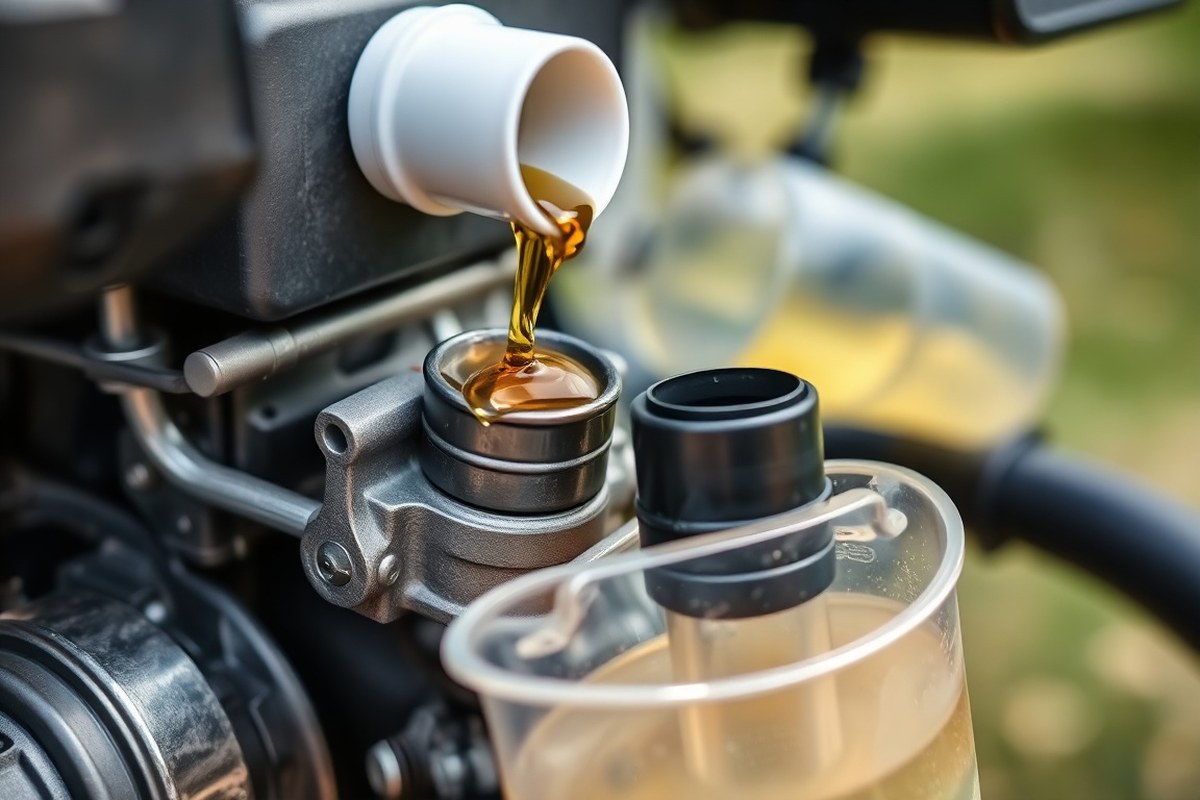
Do 2 Stroke Engines Need Oil? A Complete Guide to Proper Lubrication
Do 2 stroke engines need oil? Yes, they absolutely need oil mixed with fuel.
This oil keeps engine parts lubricated and prevents damage during operation. Without oil, a two-stroke engine can seize up quickly and fail.
The oil doesn’t sit in a separate compartment like on four-stroke engines. Instead, it burns with the fuel inside the engine. You mix oil directly into the gas before filling the tank to ensure proper lubrication.
Use only oils designed for two-stroke engines. These oils burn cleaner and protect the engine better. Always follow the right oil-to-fuel ratio to avoid damage and reduce smoke.
Mixing too little oil can cause engine wear. Too much oil leads to fouled spark plugs.
Stick to the manufacturer’s recommended ratio, usually between 32:1 and 50:1. This prevents costly repairs and keeps your engine running smoothly.
Key Takeaways
- Use oil labeled specifically for 2-stroke engines only.
- Mix oil with gasoline at the correct ratio before fueling.
- Never run a two-stroke engine without mixing oil in the fuel.
- Use fresh fuel-oil mix and avoid storage beyond 30 days.
- Choose synthetic blend or full synthetic oil for modern engines.
- Store oil properly to maintain its lubrication quality.
Do Two-Stroke Engines Absolutely Need Oil Mixed with Fuel?
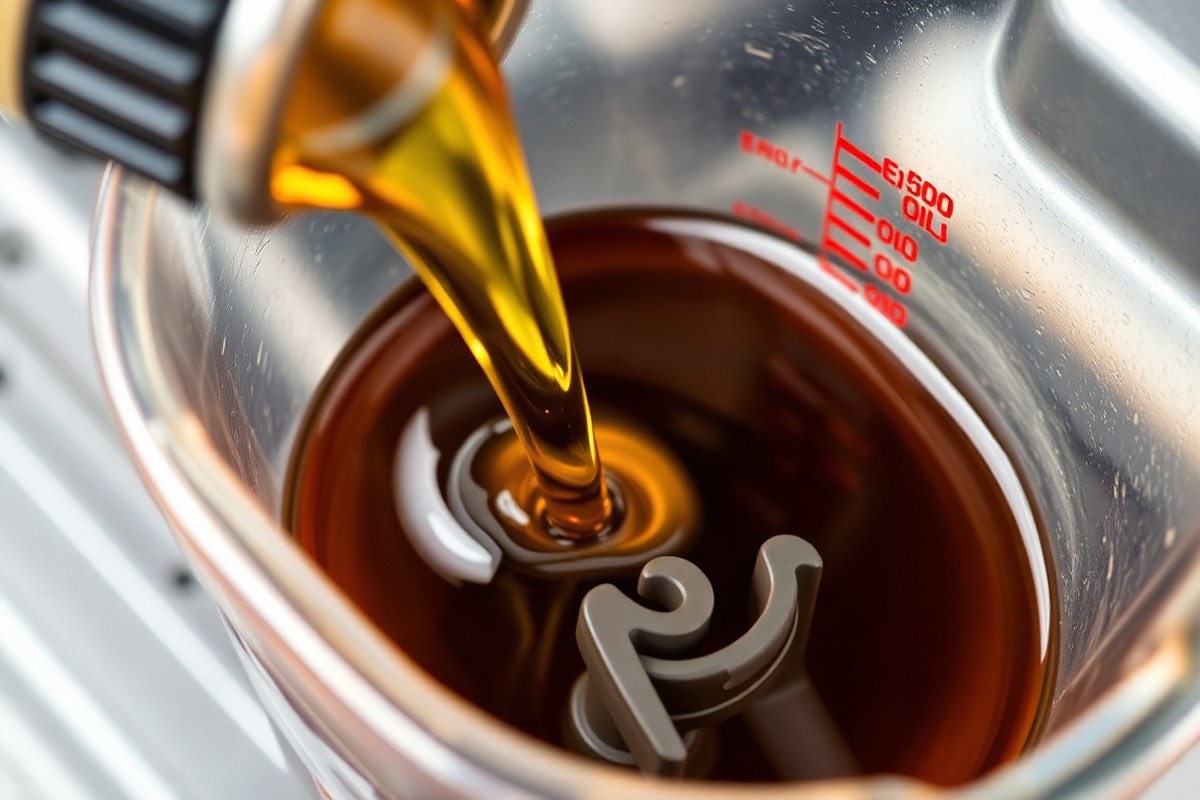
Yes, two-stroke engines absolutely need oil mixed with the fuel to work properly. Unlike four-stroke engines, they do not have an oil sump or separate oil system. The fuel carries the oil throughout the engine parts, coating and lubricating them as it burns.
This oil is essential because the engine’s moving parts face constant friction and heat. Without oil mixed in, these parts seize up quickly, causing the engine to fail catastrophically. Running a two-stroke engine without oil causes rapid wear.
It also leads to overheating. This can cause the engine to lock up completely in minutes.
The key difference between two-stroke and four-stroke engines lies in how lubrication happens. Four-stroke engines use a dedicated oil reservoir, circulating oil separately from the fuel.
Two-stroke engines combine oil and fuel. So every combustion cycle delivers fresh lubrication exactly where it’s needed.
To do this right, you must mix the oil and gasoline before filling the tank. Add oil based on the ratio in the manual or bottle. Common ratios include 50:1 or 40:1 gasoline to oil.
Always follow the exact amount recommended. Too little oil risks damage, while too much can cause smoke and carbon buildup.
Two-stroke oil is also unique because it burns with the fuel. So it must meet certain standards.
It’s thinner than four-stroke oil and specially made to prevent deposits and keep the engine clean. Using the correct 2-stroke oil helps your engine run smoothly and last longer under heavy use.
How Lubrication Works Inside a Two-Stroke Engine
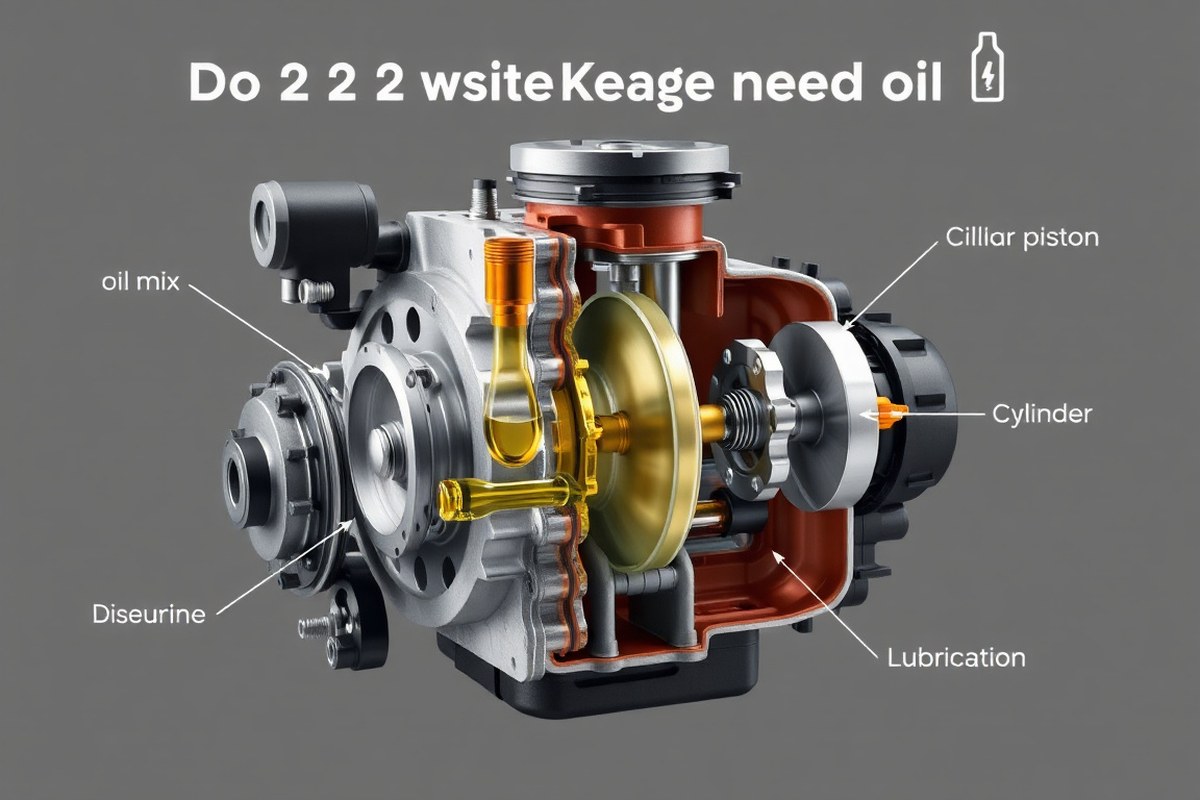
Two-stroke engines rely on oil mixed with fuel to lubricate their moving parts. Unlike four-stroke engines, two-strokes don’t have separate oil tanks. They mix oil directly into the fuel.
This mixture lubricates the engine parts while running. The fuel and oil mix flows through the engine.
It coats the piston, cylinder walls, and crankshaft. Then it burns in the combustion chamber.
The oil’s main job is to reduce friction between metal parts. Without it, these components wear out quickly from rubbing against each other.
The oil film also helps carry away heat generated by combustion, keeping the engine from overheating. Proper lubrication prevents costly damage and maintains engine performance.
In a two-stroke engine, oil circulates extremely fast. Even at idle, the oil-fuel mixture passes through the engine more than 15 times per second. At 10,000 rpm, the engine cycles oil over 150 times every second.
This fast cycling keeps parts lubricated under high speed. This rapid lubrication ensures constant protection under varying loads and speeds.
The oil concentration can look small, often a ratio of 1:40 or 1:50 oil to gasoline. But even a small, precise amount matters a lot. Using too little oil leads to increased friction and overheating.
Too much oil causes excess smoke and carbon buildup. Mixing the right amount of high-quality two-stroke oil keeps moving parts slick and cool.
Never run a two-stroke engine without the proper oil-to-fuel mix. Internal damage can happen within minutes.
Correct Oil-to-Fuel Ratios and How to Mix Them Safely
Two-stroke engines need oil mixed with fuel to lubricate the engine parts. The right oil-to-fuel ratio is key for clean running and protection. You must measure and mix carefully to avoid damage or poor performance.
Standard Oil-to-Fuel Ratios Explained
Most two-stroke engines use an oil-to-fuel ratio between 20:1 and 50:1. Common ratios are 32:1, 40:1, and 50:1. The exact ratio depends on your engine’s manual and the oil type you use.
For example, a 40:1 ratio means 40 parts gasoline to 1 part oil. That equals 3.2 ounces of two-stroke oil per gallon of gasoline.
California requires a 40:1 ratio for emission reasons. But other areas might allow different mixes.
Check your machine’s manual for the recommended ratio. Using too little oil causes engine wear and overheating. Too much oil leads to smoke, carbon buildup, and fouled spark plugs.
Step-by-Step Mixing Procedure
Mixing two-stroke oil with fuel needs careful measuring and clean containers. Use a container marked for gasoline or approved for fuel. Follow these steps to get the mix right:
- Measure fresh gasoline into the container for the amount you need.
- Use a dedicated measuring cup to pour the correct amount of 2-stroke oil.
- Add the oil to the gasoline container, not the other way around.
- Close the container tightly and shake gently to mix the fuel and oil.
- Label the container with the mix ratio and date for tracking.
- Fill your equipment’s fuel tank with the mixed fuel only.
- Clean any spills promptly to avoid fire hazards.
Safety and Storage Guidelines
Use mixed fuel within 30 days to keep it fresh and effective. Older fuel breaks down and can harm your engine. Storing fuel in a cool, dry place away from sunlight helps maintain its quality.
Use small oil and fuel mixtures each time you run your two-stroke engine. Add a fuel stabilizer before mixing the fuel and oil.
This helps the fuel last longer if you need to store it. Always drain the fuel tank or run the engine dry before long storage.
Keep fuel and oil mixtures out of children’s reach and away from open flames. Wear gloves and goggles while mixing to protect your skin and eyes. Follow all local regulations when handling and storing gasoline and oil.
Types and Grades of Oil Suitable for Two-Stroke Engines
Two-stroke engines require specific oils to protect parts and keep running well. You can choose conventional, synthetic blend, or full synthetic oils. The best choice depends on your engine’s needs and how often you use it.
Conventional vs Synthetic Two-Stroke Oils
Conventional oils, also called mineral oils, come from refined crude oil. They are less expensive but break down faster under heat.
Synthetic oils have molecules engineered for strength. They handle higher temperatures and keep engines cleaner.
Synthetic blends mix mineral and synthetic oils to offer better protection than plain mineral oil. Full synthetic oils meet high standards like JASO FD and ISO-L-EGD.
They reduce deposits and smoke much better than conventional oils. For performance chainsaws or dirt bikes, full synthetic oils last longer and protect better.
Important Industry Standards and Ratings
Oils that meet JASO FD or ISO-L-EGD standards offer top lubrication and less smoke. TC-W3 is another common rating for two-stroke oils, especially in marine engines. These standards test oil performance in real engine-like conditions.
Check the label before buying. Using an oil without the right rating risks engine wear or poor combustion. Modern two-stroke oils meet stricter 2026 environmental rules.
They produce fewer emissions. These oils also cut down visible exhaust smoke.
Matching Oil to Engine Type and Use
People using older or low-demand equipment can use high-quality conventional 2-stroke oils. For frequent use or hotter running engines, synthetic blends or full synthetic oils are better. They keep engines cooler and cleaner over long runs.
Picking oil means looking beyond the price. Match oil properties with your engine’s size, load, and fuel type.
For example, newer outboard motors and racing dirt bikes need synthetic oils that meet JASO FD. Smaller trimmers might work fine with a less costly oil.
Here’s a quick look at the main types of two-stroke oils and their qualities:
| Oil Type | Price Range (per quart) | Temperature Stability | Deposit Control | Typical Use |
|---|---|---|---|---|
| Conventional (Mineral) | $5 – $8 | Moderate | Average | Lawn mowers, light duty |
| Synthetic Blend | $8 – $12 | Good | Better than mineral | Mid-range demand engines |
| Full Synthetic | $12 – $20 | Excellent | High | Performance, frequent use |
Using a high-quality synthetic oil usually costs more but can save repair costs. It also supports cleaner running engines and longer life.
Conventional oils might be okay if your engine is older or used lightly. But don’t expect the same protection.
Premixing vs. Oil Injection: Choosing Your Lubrication Method
Some two-stroke engines need premixed oil and fuel, but others have oil injection. Oil injection systems feed oil automatically, so you don’t have to premix. Choosing between these depends on your engine type, ease, and cost.
How Premixing Works
Premixing means you add two-stroke oil directly to gasoline before fueling. You must measure the right ratio, often around 40:1 for handheld tools. Mixing the oil and fuel evenly avoids engine damage and soot buildup.
You pour the fuel and oil into a container, shake it, then fill the tank. This method needs care to avoid spills and to mix fresh batches every few weeks. Premixing is simple but takes extra time before each use.
How Oil Injection Systems Operate
Oil injection uses a small pump to add oil automatically into the engine. The pump meters oil separately from fuel based on engine speed. This cuts down mixing errors and oil waste.
Engines with oil injection still need two-stroke oil, but you don’t mix it yourself. You just fill an oil reservoir that runs out much slower than fuel. This system usually costs more but is more convenient and cleaner.
When to Choose Each Method
Pick premixing if your engine doesn’t have oil injection or if you want a low-cost setup. Premixing works well for older or simpler two-stroke engines like chainsaws or some mopeds. It requires careful measuring each time you fuel up.
Choose oil injection if your engine supports it and you want less hassle with fuel prep. This suits larger or newer machines, including many motorcycles and outboard motors. Oil injection offers better lubrication control and cleaner operation but costs more upfront.
Your choice depends on the engine design and how much effort you want for maintenance. Premixing is good for casual users or low-budget tools. Oil injection fits frequent users or those valuing convenience and longer engine life.
Always use oil labeled for 2-stroke engines, regardless of mixing or injection method.
Common Mistakes in Two-Stroke Oil Usage and Their Fixes
Using too much oil can clog your spark plug, causing the engine to sputter or stall. You might see a black, oily plug when this happens.
Too much oil also causes smoky exhaust and fouled performance. So stick exactly to the recommended oil-to-fuel ratio for your engine.
Mixing oil with fuel in the wrong ratio is a common mistake. Adding too little oil causes the engine parts to lack lubrication. This leads to overheating and potential seizure, which can ruin your engine fast.
Using the wrong type of oil is another trap. Two-stroke engines need special oil formulated to burn cleanly and lubricate well. Regular motor oil or incorrect two-stroke oil can cause build-up and damage your engine.
- Always measure your oil and fuel with a proper container, never guess.
- Use oil designed specifically for two-stroke engines.
- Follow your engine manufacturer’s recommended oil-to-fuel ratio exactly.
- Mix thoroughly in a clean container before filling the tank.
- Mixed fuel should be used within 30 days to prevent breakdown.
Leftover or old fuel mixed with oil loses its quality and can gum up the carburetor. Clean your fuel system regularly to keep it running smoothly. These careful steps help prevent damage while getting the most life out of your two-stroke engine.
Regularly checking your spark plug can tell you how well your oil mix is working. A dry, clean plug shows good lubrication and combustion. Adjust your mix or oil type if you spot wetness or heavy buildup on the plug.
How Long Can Mixed Two-Stroke Fuel Be Stored Without Losing Quality?
Mixed two-stroke fuel usually stays good for about 30 days. Ethanol in today’s gasoline causes the fuel to degrade faster than pure gas. After some time, the oil and fuel can start to separate.
This separation makes the mixture less effective. You might notice your engine running poorly.
Add fuel stabilizer before mixing oil and gas. This step helps the fuel last longer. It slows down fuel breakdown over time.
This helps keep the fuel fresh for several months. But you still want to use it within that time. Try to mix only what you’ll use soon to avoid storage problems.
Store your fuel-oil mix in a tightly sealed, marked container away from heat and sunlight. Store mixed fuel in a cool, dry place like a garage. Avoid spots near open flames or sparks.
A basement often works well. Check the mixture for any signs of separation or smell before using it.
Mixed fuel that goes bad can cause engine problems. You may see poor performance or hard starts. This happens because the mix breaks down.
Old fuel might leave sticky deposits or clog the carburetor in your two-stroke engine. Using fuel that’s too old also raises the risk of engine damage from poor lubrication.
Maintenance Tips for Keeping Two-Stroke Engines Lubricated and Running Smoothly
Keeping your two-stroke engine well lubricated begins with regular checks of the oil-to-fuel mix ratio. Use the exact ratio recommended by the manufacturer.
Mixing too little oil causes smoke and poor engine parts lubrication. Too much oil leads to fouled spark plugs and carbon buildup in the combustion chamber.
Clean the air filter and exhaust port frequently. Dirt and old oil deposits block airflow and harm performance. Wipe the engine parts you can reach with a rag soaked in mild solvent.
Do this after every 10 hours you use the engine. This removes leftover fuel and oil residues that attract dirt and cause wear.
Some two-stroke engines have oil injection systems. Check the oil level in the reservoir every time you refuel.
Test the system by running the engine and watching for smoke or unusual noises. A drop in power or choking sound often signals a lubrication problem needing a professional’s diagnosis.
- Mix fresh fuel and oil before each use to avoid degraded lubricants.
- Inspect the spark plug monthly for oil deposits or wear.
- Replace used fuel after 30 days to prevent varnish buildup.
- Flush the fuel tank yearly to clear sludge and dirt.
- Clean the carburetor jets to keep fuel delivery smooth.
- Check the exhaust for black soot; it shows excess oil burning.
Sticking to this routine helps your engine run smoothly and last longer. Stop using the engine when you see heavy smoke or hear knocking.
Contact a mechanic to check for clogged oil injectors or worn parts. Trying to fix complex issues without tools or experience could worsen damage.
Never run the engine dry of oil. Lack of lubrication quickly causes severe and costly damage.
Environmental Impact and Modern Regulation of Two-Stroke Engine Oils
Two-stroke oils have changed a lot to meet tighter environmental rules. These rules limit how much smoke and harmful gases engines can release. The oil’s chemistry now helps it burn cleaner, which lowers pollution without losing engine protection.
By 2026, many oils will have additives to reduce unburned fuel. These additives help lower the amount of oil in the exhaust. This change improves engine efficiency and emissions.
These oils form a thin protective layer on moving parts while burning with less residue. This keeps the engine safe from wear and reduces smoke and bad smells from the exhaust.
Picking the right oil means checking if it meets current environmental standards. Look for oils labeled with certifications or those from well-known brands with a good reputation. These often cost more but can protect your engine better and produce less pollution over time.
Using modern oil lets you run your two-stroke engine cleaner without extra hassle. Avoid cheap oils that burn dirty and can harm both performance and the environment. Check your spark plug often.
Its condition affects oil use and emissions. A worn plug can make your engine burn more oil.
Environmental rules change by region. So check local laws if you live somewhere with strict limits.
Using approved oils helps avoid fines and keeps your engine running smoothly longer. Keep track of oil changes and fuel mixtures to fit the latest oil’s recommendations.
Step-by-Step Action Plan for Two-Stroke Engine Oil Use
Follow these steps to keep your two-stroke engine lubricated and running well. Each step helps avoid common problems and extends engine life.
- Before you start: Check your owner’s manual for the recommended oil-to-fuel ratio. Use the exact mix to protect your engine from damage.
- Mixing time: Measure oil and fuel using a clean container. Shake or stir the mixture well to blend oil evenly in the fuel.
- After filling the tank: Use fresh, properly mixed fuel. Avoid old fuel that can cause poor lubrication and engine trouble.
- During use: Watch your engine’s sound and smoke. Loud noises or blue smoke signal lubrication issues needing immediate attention.
- After each use: Drain or store leftover mixed fuel safely in a sealed container. Label it with the mixing date and discard after a month.
- Weekly maintenance: Clean the spark plug and check for signs of oil residue. Replace the plug if fouled to keep ignition strong.
- Monthly check: Inspect your oil injection system if your engine has one. Clean or repair it to ensure steady oil flow.
- End of season: Run the engine dry of fuel to prevent gumming in the carburetor. Store the engine according to the manual’s instructions.
Frequently Asked Questions
Do 2-stroke Engines Need Oil?
Yes, 2-stroke engines need oil mixed with fuel to lubricate parts. Without oil, internal components wear quickly and damage the engine.
Can a 2-stroke Engine Run Without Oil?
No, running a 2-stroke engine without oil causes rapid damage. It lacks a separate oil system, so oil must mix with fuel for protection.
Do 2-stroke Engines Need Premium Gas?
No, 2-stroke engines don’t usually need premium gas. Using the right oil mix is more important than gas grade for proper performance.
What Is the Typical Lifespan of a 2-stroke Engine?
Lifespan varies but 2-stroke engines often last several years with proper care. Regular oil mixing and cleaning can extend their working life.
How Long Can You Store 2-stroke Fuel Mix Before It Goes Bad?
Mixed 2-stroke fuel lasts about 30 days before quality drops. Use fuel stabilizers or drain the tank for longer storage to avoid engine issues.
Wrapping Up
Two-stroke engines always need oil mixed with fuel or supplied by injection for proper lubrication. Using the right method prevents engine damage and keeps it running smooth. Start mixing fuel with the right oil ratio today to protect your engine tomorrow.