How Long Do Brakes on a Car Last? Complete Guide with Lifespan Factors
How long do brakes on a car last depends on many factors. Most brake pads wear out between 30,000 and 50,000 miles. This range varies by driving habits, brake pad type, and vehicle weight.
New brake pads usually last around 50,000 miles, but some can fail faster. Rear pads often last longer because front brakes handle most stopping power. Always check brakes at your regular car service to catch wear early.
Driving style and conditions change brake lifespan a lot. Stop-and-go city driving can kill pads faster than smooth highway miles. Scheduling your first brake inspection at 15,000 miles helps prevent surprises.
Heavy loads or towing add pressure, making brakes wear out more quickly. Using high-quality brake pads can extend how long they last. Remember, worn brakes reduce stopping power and increase safety risks.
Key Takeaways
- Most brake pads last between 30,000 and 50,000 miles under normal use.
- Rear brake pads usually last longer due to less stopping load.
- Ceramic pads last longer and create less dust than organic ones.
- Driving in the city shortens brake pad life compared to highway driving.
- Get your first brake inspection by 15,000 miles regardless of symptoms.
- Check your brakes every 12 months or 15,000 miles to spot wear early.
How Long Do Car Brakes Typically Last?
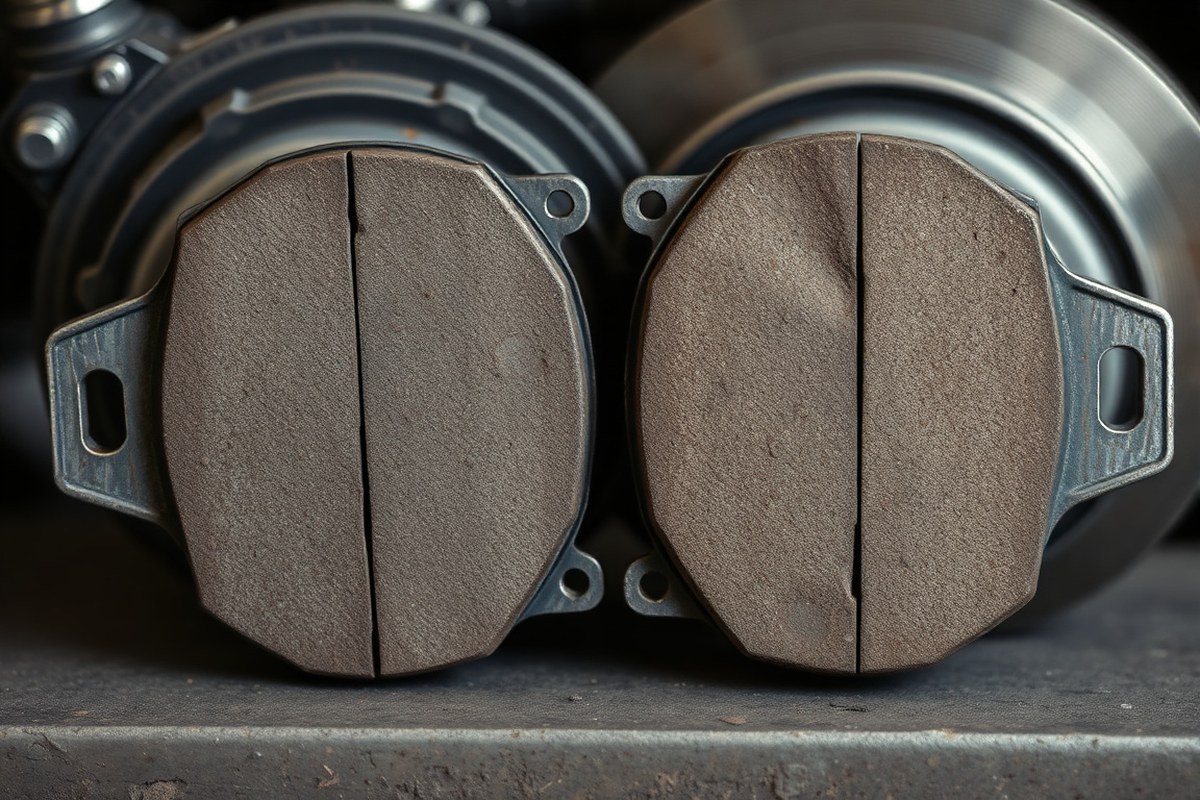
Brake pads usually last between 30,000 and 70,000 miles, with an average around 50,000 miles. Front brake pads tend to wear faster than rear ones due to more braking force. Front pads on small sedans often reach 40,000 to 65,000 miles.
Rear pads on these cars last longer. They usually reach 50,000 to 75,000 miles. That is because they carry less load.
Brake rotors last longer than pads. They often reach 50,000 to 70,000 miles. Quality parts can push them up to 80,000 miles.
Rotors get replaced when they wear too thin or warp. Drum brake shoes last about 50,000 to 100,000 miles.
The drums can last more than 150,000 miles. It depends on how much you use them.
Some well-maintained brakes can last over 100,000 miles, but that’s rare. Factors like vehicle type matter a lot. Brake pads on SUVs and pickups last 20,000 to 50,000 miles.
They wear faster because the vehicles are heavy. Extra strain also cuts their life short. Sports cars also see shorter brake life due to aggressive, high-speed stops.
Brake Pad Materials and Their Lifespan Differences
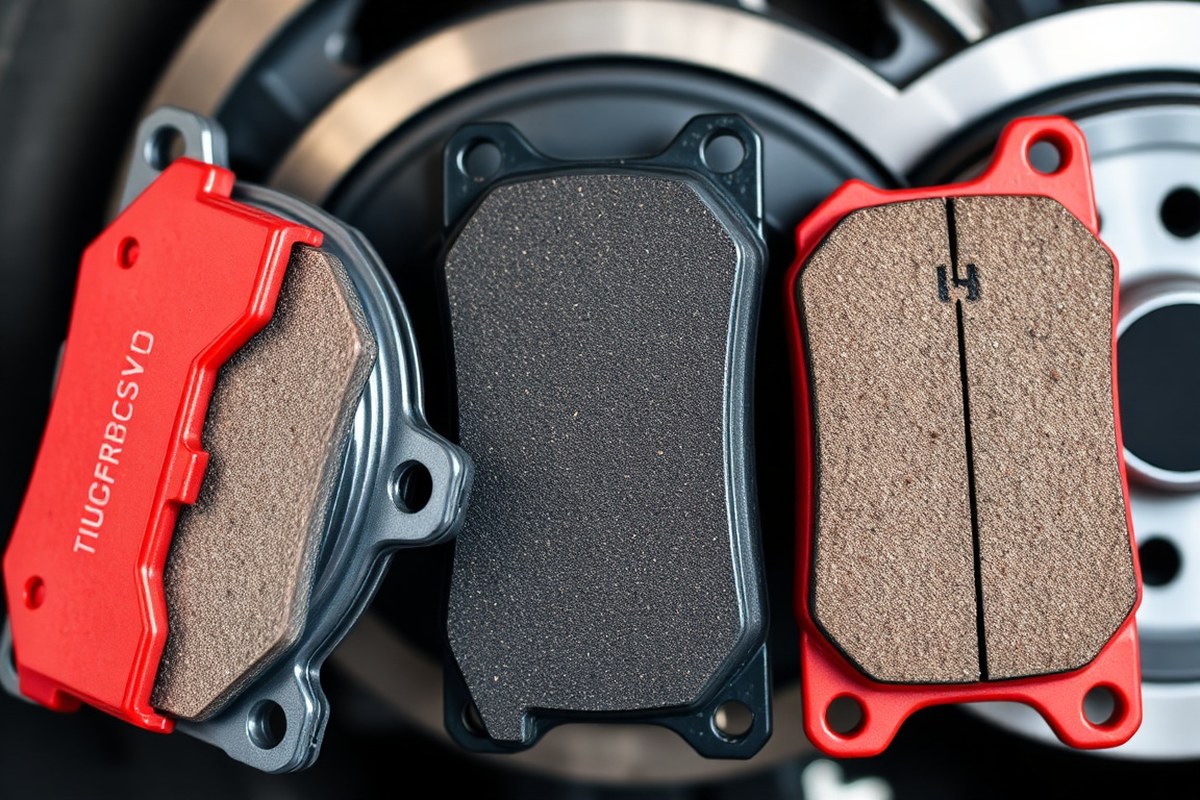
Brake pads come in three main types: ceramic, semi-metallic, and organic. Each type wears differently and affects how long your brakes last. Choosing the right pad depends on your driving needs and vehicle type.
Ceramic Brake Pads Benefits and Limitations
Ceramic pads last the longest, typically 50,000 to 70,000 miles. They work well for everyday driving and luxury vehicles. These pads handle heat well, keeping performance steady over time.
The downside is they cost more upfront compared to other pads. Ceramic pads produce less dust, which means cleaner wheels. They also tend to be quieter during braking.
Because ceramic pads are gentle on rotors, they reduce the need for rotor replacement. However, they might not be best for heavy trucks or extreme driving. That’s when semi-metallic pads do better.
Semi-Metallic Brake Pads Characteristics
Semi-metallic pads generally last 30,000 to 50,000 miles but can go up to 60,000 miles. They suit most vehicles and mixed driving conditions. These pads offer strong stopping power, even in tough situations.
These brake pads tend to be noisier and produce more brake dust. They also wear rotors faster compared to ceramic pads. Semi-metallic pads are a medium-cost option, balancing price and performance.
Heavier vehicles often require semi-metallic pads for their greater durability. They handle heat better than organic pads but aren’t as quiet or clean as ceramic. These pads are a solid choice for trucks and SUVs.
Organic Brake Pads Overview
Organic pads last the shortest, about 20,000 to 30,000 miles, sometimes up to 40,000. They consist of softer, non-metallic materials. These pads are quiet and gentler on rotors, making them good for light daily driving.
They tend to generate more brake dust, which builds up on your wheels faster. Organic pads wear out quicker, so you’ll replace them more often. Their lower cost makes them appealing if you don’t drive hard or carry heavy loads.
Organic pads can heat up under heavy braking, causing faster wear. They’re best for small cars and gentle driving styles. Avoid them on large SUVs or when you face steep hills regularly.
Here is a quick comparison table summarizing each pad type’s key points:
| Pad Type | Lifespan | Best For | Trade-off |
|---|---|---|---|
| Organic (non-metallic) | 20,000, 30,000 miles | Light daily driving | Wears fastest, least heat-resistant |
| Semi-metallic | 30,000, 50,000 miles | Most vehicles, mixed driving | More rotor wear, slightly noisier |
| Ceramic | 50,000, 70,000 miles | Everyday driving, luxury vehicles | Highest cost upfront |
The table helps you see which brake pad matches your needs. Ceramic pads last longest but cost the most.
Organic pads are budget-friendly but wear out quickly. Semi-metallic pads fit most drivers and vehicles.
Regularly check your brake pads for wear to avoid damaging rotors, which can increase repair costs.
How Driving Style and Conditions Affect Brake Wear
Driving style and conditions hugely affect how fast your brakes wear out. Hard braking, stop-and-go traffic, and heavy loads make pads wear faster. Highway cruising and gentle braking help extend brake life by reducing stress on components.
Stop-and-Go City Driving Effects
City driving causes brakes to wear out much faster than highway driving. You constantly stop and start, which means using your brakes all the time. Pads can wear out in as little as 15,000 to 30,000 miles in heavy traffic.
Hard braking during rush hour puts extra heat and pressure on brake parts. This speeds up wear and can cause the brake pedal or steering wheel to vibrate. That vibration often signals worn pads or rotors needing attention.
To limit damage from city driving, try these:
- Brake early and gently instead of slamming the pedal
- Keep a safe distance to avoid sudden stops
- Use engine braking on downhill slopes
- Plan routes to minimize stoplight delays
- Check brakes every 5,000 to 7,500 miles
- Replace pads as soon as you notice squealing noises
Following these steps can stretch your pads closer to 30,000 miles even in city conditions.
Highway Driving and Brake Longevity
On highways, brakes last much longer because you use them less. Cruise control and steady speeds reduce the need for braking. Some drivers can get 50,000 to 70,000 miles on brake pads while mostly driving highways.
Brake heat builds up less with fewer stops, reducing wear on rotors and pads. Check your brakes twice a year to keep them working well. Higher speeds need good brakes for safe stopping.
Inspecting often helps catch problems early. Long highway trips at steady speeds are easier on your entire brake system.
Towing, Hauling, and Heavy Loads
Towing trailers or carrying heavy loads increases brake wear a lot. These conditions need more force to slow down your vehicle safely. Pads wear out faster, sometimes cutting life down to 30,000 miles or less depending on weight.
Heavy vehicles like SUVs and trucks also put more pressure on brakes. Carrying weight uphill or in stop-and-go traffic is especially tough on brakes. You should inspect brake pads and rotors more often if you tow regularly.
Here’s how to care for your brakes when towing or hauling:
- Use brake controllers designed for trailers
- Brake earlier and more gently than usual
- Check brake pads every 3,000 to 5,000 miles
- Replace brake fluid more often to avoid overheating
- Upgrade to heavy-duty or performance brake pads if needed
Doing this helps prevent brake failure and keeps your stopping power reliable.
Signs You Need to Replace Your Brakes Now
One of the first signs your brakes need replacing is a squealing noise. This sound comes from a small metal strip built into the pads. It alerts you when the pads are nearly worn out and need attention soon.
Grinding noises are more serious. They mean the brake pads are completely worn down. Metal is now rubbing against the rotor, which can cause damage and raise repair costs.
Changes in how the brake pedal feels can also mean trouble. If the pedal vibrates or pulsates when you brake, your rotors may be warped. Warped rotors often require truing or even replacement.
Sometimes, vibration in the steering wheel while braking also shows uneven rotor wear. Both cases need prompt fixing to keep braking effective.
Pay close attention to any pulling to one side when braking. This often happens because of uneven pad wear or a stuck caliper. It makes stopping uneven and unsafe.
You also need to watch the dashboard for brake warning lights. These can indicate worn pads, low brake fluid, or other system issues requiring quick checks.
- A constant squeal when applying brakes
- Grinding or scraping sounds
- Brake pedal vibration or pulsing
- Steering wheel vibration during braking
- Vehicle pulling to one side when stopping
- Brake warning light on the dashboard
- Longer stopping distances or soft pedal feel
It’s best not to drive with these issues. Brakes in poor condition can fail suddenly, increasing crash risk. Follow your vehicle’s brake inspection schedule, even if the brakes feel fine.
Many experts suggest the first inspection at 15,000 miles, then regular checks after. Prompt repairs often cost between $150 and $300 for pads.
Rotor issues add more. Waiting too long can cost double if rotors warp badly or multiple parts fail.
Listening, feeling, and watching for warning lights helps you catch problems early. Smooth braking and quick repairs keep your brakes lasting longer and your stops safe.
Don’t ignore unusual noises or pedal changes. Get a mechanic to inspect the brakes right away if you notice anything wrong.
When and How Often Should You Inspect Brake Components?
When and How Often Should You Inspect Brake Components?
You should check your brakes at least every 12,000 miles or every year, whichever comes first. You should inspect your brakes 20 to 30 percent more if towing heavy loads or driving in stop-and-go traffic. Regular checks help avoid costly damage and keep you safe.
Basic Visual Brake Inspection Steps
You can spot brake issues early by doing a simple visual check. This quickly reveals if pads are thin or if rotors look damaged. Use this list to inspect your brakes safely and clearly.
- Park your car on level ground and engage the parking brake.
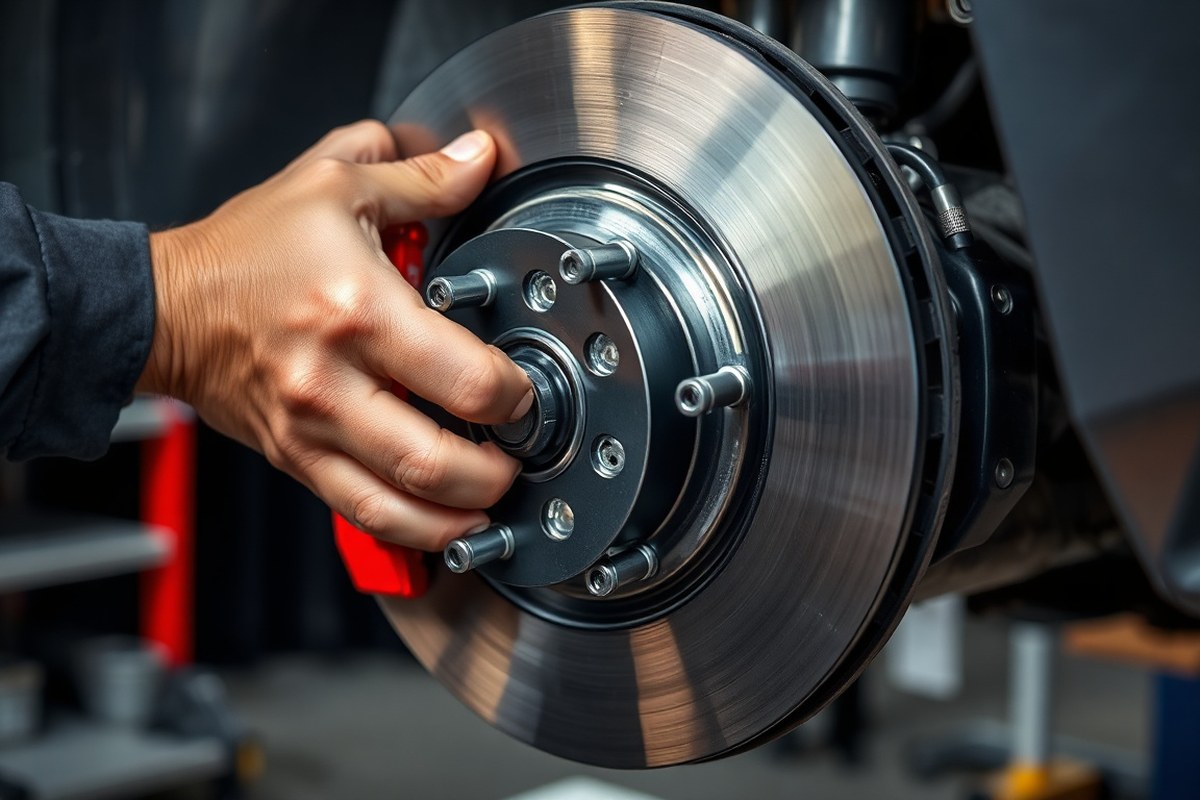
- Look through the wheel spokes to see the brake pads. Thinner than ¼ inch means time to replace.
- Use a jack to lift your car and take off one wheel if you can’t see the pads. Follow safety rules when doing this.
- Check the pads for uneven wear or cracks.
- Inspect rotors for grooves, rust, or warping.
- Look for any brake fluid leaks near the caliper or lines.
- Listen for squealing when you press the brake pedal. Also, notice any grinding sounds. These can show a problem.
Never work under a car without properly supporting it on jack stands.
Using Brake Thickness to Assess Wear
Brake pad thickness is a quick way to judge wear. New pads start around 12 millimeters thick.
Replace them once they reach about 3 millimeters. Thin pads can cause noise and reduce stopping power.
Uneven or much thinner pads on one side mean a caliper or hardware problem is likely present. Rotors should be smooth and at least ¼ inch thick. Thinner rotors need replacement to avoid brake failure.
When to Schedule Professional Inspection
Have a mechanic check your brakes at least once a year or every 12,000 miles. Shops inspect pads during tire rotations, making this a good time. You’ll pay roughly $20 to $50 for a basic inspection, usually included with other services.
Feel vibrations, hear grinding, or notice weak braking? Schedule a brake check with an expert right away. Professionals can measure rotor thickness, brake fluid condition, and caliper function more thoroughly.
Brake Rotors, Drums, and Fluid: Lifespan and Maintenance
Brake rotors and drums usually last longer than pads but wear down too. Rotors often need replacement between 30,000 to 70,000 miles. Drums can last similar or slightly longer, depending on driving habits and vehicle weight.
You should change rotors when replacing pads if rotors are too thin. The thickness must be above the manufacturer’s minimum spec. Check specs before deciding to replace rotors.
Rotors can warp or crack from heat, causing vibrations or noise. Resurfacing rotors costs less but works only if they aren’t too worn or warped.
Brake fluid affects how long your brake system lasts. It soaks up moisture and lowers its boiling point. Experts suggest flushing fluid every two years or 20,000 to 45,000 miles.
Changing brake fluid involves draining old fluid and refilling with new hydraulic fluid. Shops usually charge $75 to $150 for a flush.
Doing it yourself needs careful bleeding of air bubbles. Skipping this service risks early failure of calipers and less braking power.
Poor brake maintenance can ruin rotors early or damage calipers. Pads that wear unevenly cause rotors to wear out fast.
Replacing pads without checking rotors may leave you with rough, noisy brakes. Rotors with thin spots or deep grooves should be swapped out to avoid safety issues.
Pads on electric and hybrid cars often last 80,000 to 100,000 miles because of regenerative braking. That means rotors can last even longer, but you still need regular checks. Trucks used to tow loads wear front brake pads quickly.
They often need new pads every 20,000 to 30,000 miles. This shortens the life of rotors too.
How Vehicle Type and Weight Influence Brake Durability
Heavier vehicles tend to wear out their brakes faster because they require more force to stop. Trucks and SUVs usually have shorter brake lifespans than smaller cars. Extra weight means the brakes heat up more and suffer more friction, which speeds up wear.
Hybrid and electric cars differ a lot here. They use regenerative braking that slows the car with electric motors before the physical brakes engage. This means brake pads last about two to three times longer than in gas-powered vehicles.
Overloading a vehicle also shortens brake life. For example, a truck towing near its max capacity brakes with twice the effective vehicle weight. The brakes must work much harder, cutting their lifespan substantially.
Here’s a quick look at brake pad life by vehicle type:
| Vehicle Type | Relative Brake Pad Life | Reason |
|---|---|---|
| Electric Vehicles | 2-3 times longer | Less use due to regenerative braking |
| Hybrid Vehicles | 2-3 times longer | Uses electric motor braking first |
| SUVs and Trucks | Shorter than sedans | Higher weight and towing loads |
| Passenger Sedans | Standard baseline | Moderate weight, regular braking use |
To keep brakes lasting longer on heavier vehicles, limit extra weight when possible. Don’t overload trucks or SUVs beyond recommended capacity. For hybrids and electric cars, brake pads generally need less frequent replacement.
Monitor your vehicle’s brake use based on its type. Trucks, SUVs, and overloaded vehicles need more frequent checks.
Hybrids and EVs can safely go longer between brake changes. But regular checks still matter for safety.
Cost and Time Involved in Brake Replacement
Brake pad replacement usually costs between $100 and $300 per axle. This price includes parts and labor at most independent repair shops. Front brakes wear faster, so drivers often replace front pads first.
Rotors cost more to replace, running from $150 to $400 per axle. Rotor replacement is common if worn pads go unchecked. Worn pads can damage rotors, turning a simple brake job into a costly one.
Brake fluid flushes range from $70 to $120. Caliper replacement adds $150 to $350 per caliper. These parts wear less often but sometimes require attention during brake service.
| Service | Low-End Cost | High-End Cost |
|---|---|---|
| Brake Pad Replacement (per axle) | $100 | $300 |
| Rotor Replacement (per axle) | $150 | $400 |
| Brake Fluid Flush | $70 | $120 |
| Caliper Replacement (per caliper) | $150 | $350 |
Brake jobs usually take one to two hours. This depends on whether you’re replacing just pads or rotors too. Shops might finish front brakes faster since rear brake jobs can be trickier.
Rear brake replacements often cost less because they wear slower and need parts less often. Rear brake jobs typically range from $65 to $250. The front brakes handle about 70% of stopping, causing them to wear faster.
Ignoring worn pads can turn a $150 brake job into a $500 rotor replacement. Metal backing grinding on rotors damages these parts deeply. Regular checks help avoid large repair bills and unsafe driving.
Don’t wait for squealing or grinding sounds. Check your brakes early to save money and time.
Best Maintenance Practices to Extend Brake Life
Keeping brakes in good shape depends a lot on what you do every day. Avoid sudden stops or fast braking when you can. This reduces wear on the pads and helps your brake system last longer.
Brake fluid needs attention, too. Change it every 2 years or 24,000 miles to avoid moisture buildup. Moisture can cause corrosion inside brake parts, leading to costly repairs.
Routine inspections catch problems early. Look at pads for thickness and listen for squealing sounds. Squealing often means pads are worn out and due for replacement.
- Drive smoothly, avoid hard braking and fast stops
- Change brake fluid every 2 years or 24,000 miles
- Check brake pads for wear every 10,000 miles
- Keep tires properly inflated to reduce brake strain
- Flush and replace brake fluid if it looks dark or dirty
- Have a mechanic inspect calipers and rotors during service
- Replace worn brake pads promptly to protect rotors
Gentle driving not only saves your brakes but also saves gas. Keeping steady pressure on the brake pedal prevents overheating and warping rotors. Overheated brakes lose stopping power and wear faster.
Regular brake fluid changes prevent failure and keep hydraulic pressure steady. Flushing the system costs about $70 to $120 at most shops. Fixing fluid leaks or damage costs a lot more.
Good maintenance avoids emergency repairs. For example, a cracked rotor can mean hundreds in replacement, beyond just pads. Following simple routines can more than double your brake pad lifespan.
Step-by-Step Action Plan to Keep Your Brakes in Good Shape
Follow this simple plan to make your brakes last longer and stay safe. Check each step to see if your brakes feel or sound better.
- Right now: Check your brake pads for wear or uneven thickness. You should see at least 3mm of pad left.
- Every 3 months: Look for signs like squealing or grinding sounds when you brake. Quiet brakes mean less wear.
- Every 6 months: Have a mechanic inspect your rotors and drums for grooves or warping. Smooth surfaces mean good condition.
- Yearly: Replace brake fluid if it looks dark or hasn’t been changed in two years. Fresh fluid keeps brakes responding fast.
- With every tire change: Watch your brake performance in different conditions. Less stopping distance means brakes are healthy.
- Before long trips: Test your brakes firmly and listen for noise. Firm brakes without noise signal safety.
- After heavy city driving: Clean brake dust and inspect pads since stop-and-go wears them faster.
- When you notice warning lights: Have your braking system scanned right away. Fixing issues early avoids bigger problems.
Frequently Asked Questions
How Long Do Brakes Last on a New Car?
New car brakes typically last about 30,000 to 40,000 miles. Proper driving and maintenance can stretch this range significantly.
Can I Drive with Worn Brake Pads Before Replacing Them?
Driving with worn pads is unsafe and can damage rotors. Replace pads as soon as you notice squealing or reduced braking power.
Do Brake Pad Brands Affect How Long They Last?
Yes, brand quality impacts lifespan and performance. Cheaper pads wear out faster and may cause rotor damage, so choose reputable brands.
How Does Brake Fluid Affect Overall Brake Life?
Brake fluid keeps the system working smoothly but doesn’t affect pad wear. Replace fluid every 2 years to prevent corrosion and maintain braking safety.
Does Weather Influence How Fast Brakes Wear Out?
Yes, wet or salty conditions cause faster rotor rust and pad wear. Clean and inspect brakes more often if you live in harsh climates.
Key Points to Remember
Your car’s brakes usually last between 30,000 and 70,000 miles depending on many factors. Keep an eye on wear signs and inspect them regularly. Start today by checking your brake pads and plan your next inspection soon.