How Fast Is a 200cc Bike or Scooter? Complete Speed Guide & Comparisons
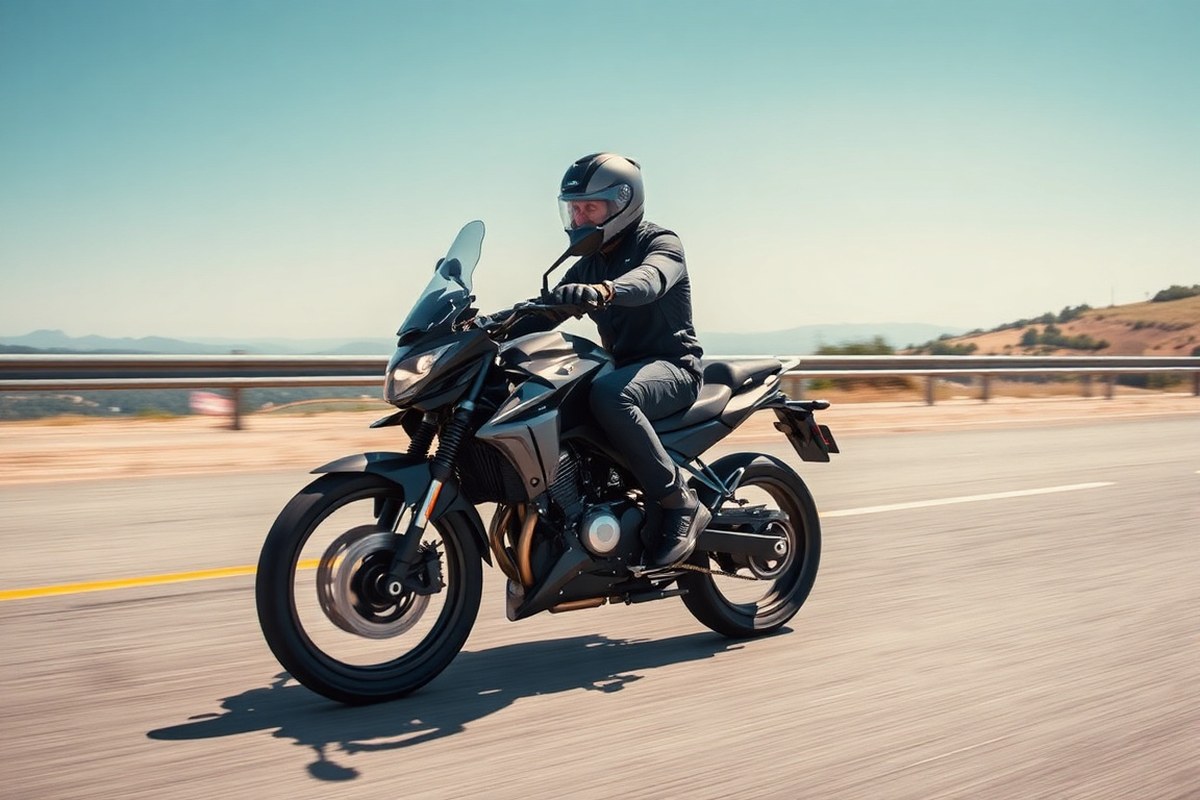
How fast is a 200cc bike or scooter? Generally, 200cc motorcycles reach between 60 and 90 miles per hour.
Scooters with 200cc engines usually reach speeds of 55 to 70 mph. Speed depends on the make and model of the scooter.
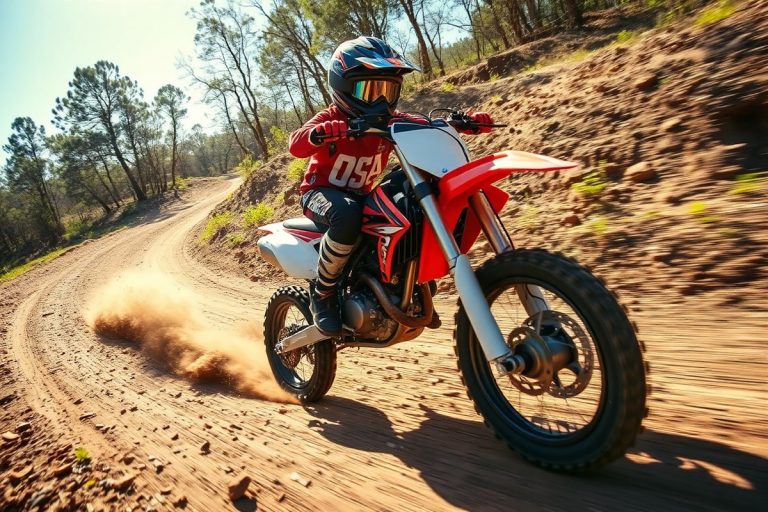
A 200cc dirt bike typically tops out around 60 miles per hour. Scooters often have a little more weight but offer better sustained speed and range. Your bike’s top speed depends on factors like the engine type and terrain you ride on.
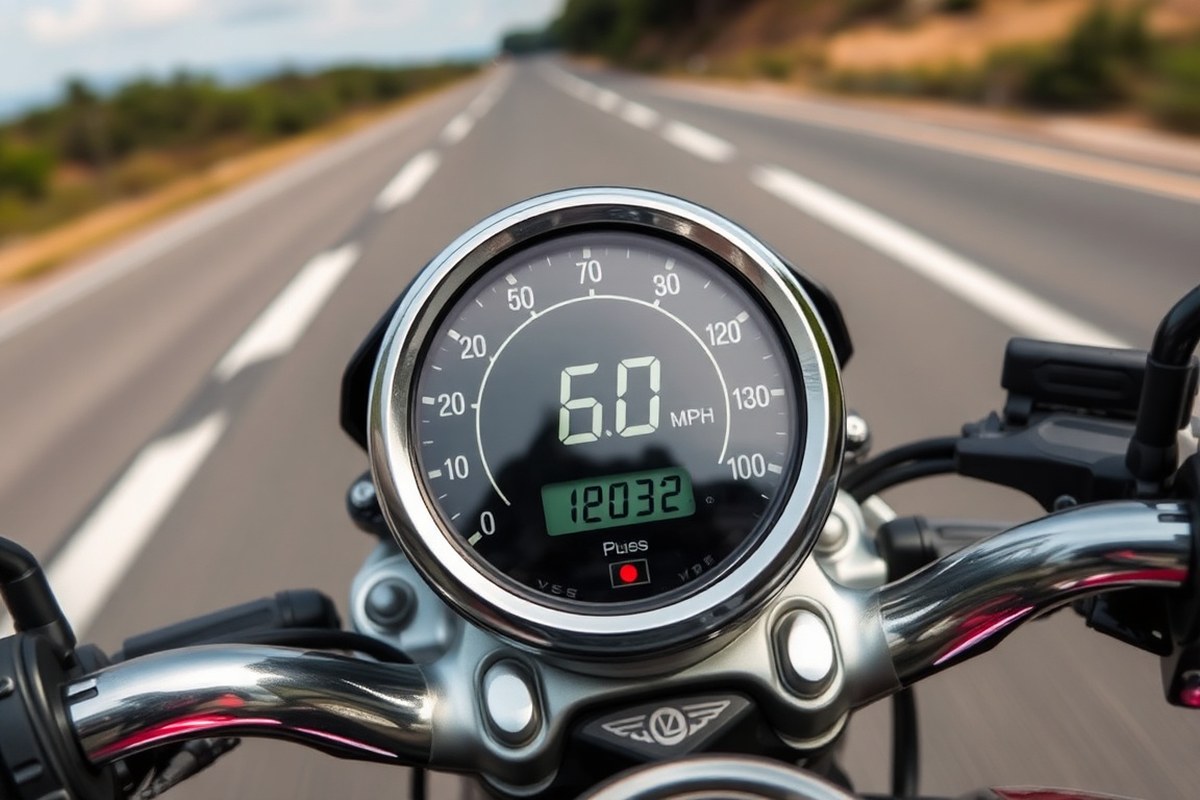
Warm up your 200cc bike engine for 5 to 10 minutes. This helps you get an accurate speed reading. Use a GPS speedometer app for better accuracy.
Built-in speedometers can be off by 10 percent. This helps you get an accurate reading and avoid surprises on the road.
Key Takeaways
- Most 200cc dirt bikes reach about 60 miles per hour top speed.
- 200cc scooters usually cruise comfortably between 55 and 70 miles per hour.
- Road conditions and rider weight affect your bike’s actual speed.
- Warm the engine 5 to 10 minutes before measuring your bike’s speed.
- Use a GPS-based device to get a more accurate speed reading.
- 200cc bikes balance power and control for safe, confident riding.
What Is the Typical Top Speed of a 200cc Engine?
A typical 200cc vehicle’s top speed varies by type. Some go faster than others. It depends on how they’re built.
For motorcycles, you can expect a top speed around 59 to 62 mph on average. Scooters with 200cc engines often reach 55 to 70 mph.
This speed suits suburban or highway riding. They balance power and ease.
200cc ATVs usually hit a top speed near 37 mph. They focus more on stability and use than speed. That makes them safer off-road.
Go-karts equipped with 200cc engines vary greatly in speed, generally running between 24 and 50 mph. This variation depends on their gearing, rider weight, and any speed limiters installed.
Here’s a quick comparison of typical 200cc vehicle top speeds to help you understand where your ride might fit:
| Vehicle Type | Typical Top Speed Range (mph) | Primary Use Case |
|---|---|---|
| 200cc Motorcycle | 59 – 62 | Street and light sport riding |
| 200cc Scooter | 55 – 70 | Suburban and highway commuting |
| 200cc ATV | ~37 | Utility and off-road use |
| 200cc Go-kart | 24 – 50 | Recreational, varied terrain |
These speeds depend on factors like vehicle weight, design, and engine tuning. A sport 200cc motorcycle will go faster than a comfort scooter. Both have the same engine size but different designs.
This affects their speed. Road conditions, rider weight, and maintenance also affect top speed.
Your 200cc scooter or bike’s top speed may differ if it’s automatic or manual. Automatic scooters often have CVT transmissions, which prioritize smooth acceleration over high speed. Manual motorcycles offer more control and can hit higher top speeds more easily.
Most 200cc vehicles offer speeds that balance power and control. They are practical for everyday riding needs. They provide enough speed for city streets and light highways.
They avoid the complexity of larger engines. This keeps riding simpler. Keep in mind that improving speed often means tradeoffs with fuel economy and handling.
How Do Different Types of 200cc Vehicles Compare in Speed?
Different 200cc vehicles offer varied speeds and weights due to their design and purpose. Motorcycles usually reach 70 to 90 mph. This speed suits beginner riders.
It offers stability without too much power. Scooters with 200cc engines reach 60 to 68 mph.
They’re good for city rides. Their speed is easy to handle.
ATVs with 200cc engines average around 37 mph. They focus on control instead of speed. This helps off-road use.
Go-karts with 200cc engines can be fast too, sometimes exceeding 70 mph if designed for racing. However, typical recreational go-karts tend to be slower, matching beginner skill levels and safety needs.
The following table compares speed, weight, and common uses for these 200cc vehicles.
| Vehicle Type | Top Speed (mph) | Approximate Weight (lbs) | Common Use |
|---|---|---|---|
| 200cc Motorcycle | 70-90 | 250-300 | Beginners, highway and city riding |
| 200cc Scooter | 60-68 | 200-250 | Urban commuting, light errands |
| 200cc ATV | Around 37 | 300-350 | Off-road, trail riding |
| 200cc Go-Kart (Recreational) | 30-50 | 150-200 | Beginner and hobby racing |
| 200cc Go-Kart (Racing) | 70+ | 150-200 | Competitive racing |
Speed depends on how the engine’s tuned and the vehicle’s weight. Two motorcycles with the same 200cc engine can feel quite different. Their build affects performance.
Rider weight also changes the feel. Scooters also vary by design but generally top out below motorcycles.
Change your riding style when switching 200cc vehicles. Adjust your gear, too. Each type handles speed differently.
Go-karts stand apart because they usually sit low and don’t weigh much. They handle differently from bikes and scooters, with sharper turns but less stability at high speed.
Racing karts push the 200cc engine to reach more than 70 mph. But recreational karts stay slower for safety.
What Key Factors Influence the Speed of a 200cc Bike or Scooter?
Rider Weight’s Role in Speed
Heavier riders slow a 200cc bike more than lighter ones. For scooters, a 50-pound difference can cut top speed by 3 to 7 mph. Lighter riders let the engine boost speed easier since there’s less mass to move.
The extra weight demands more power, so acceleration takes longer. Strong winds hit harder with heavier loads too, dragging the bike down. Keeping rider gear light helps maintain higher speeds more consistently.
Terrain and Road Conditions
Flat, smooth roads allow a 200cc vehicle to hit its best speeds. Riding uphill, on gravel, or through mud drags the bike’s pace down. Rough, uneven terrain creates more rolling resistance and less traction, cutting speed.
Hard-packed dirt can come close to paved roads in speed but soft ground reduces it significantly. Momentum is harder to keep on hilly routes, so top speeds drop noticeably. Pick smooth surfaces for fast riding.
Aerodynamics and Wind Resistance
The shape and position of the rider change how wind pushes against the bike. Sitting upright increases drag and lowers top speed, while leaning forward reduces wind resistance. Wind gusts can slow you by a few mph, especially in open areas.
Small 200cc engines struggle more against wind drag because they have less power. Wearing tight-fitting clothing and reducing loose gear helps minimize aerodynamic drag. Windproof gear may also ease air resistance during faster rides.
Transmission and Gearing Effects
Manual transmissions let you choose gears to optimize speed across conditions. Proper shifting keeps the engine in its ideal power band, helping 200cc bikes reach top speed. Automatic or CVT scooters adjust gearing on their own but may limit top speed slightly.
Incorrect gearing lowers acceleration and top speed. Some riders change sprockets, trading quick starts for higher maximum speed or vice versa. Gear setup should match your riding style and terrain for best results.
Engine Condition and Maintenance
A well-maintained 200cc engine runs closer to its peak speed. Dirty air filters, old spark plugs, or worn components reduce power output and slow the bike. Regular oil changes and tune-ups keep engines healthy for consistent performance.
Neglect causes sluggish acceleration and a lower final speed. Even small mechanical issues can drop top speed by several mph. Keeping your bike or scooter in good shape pays off in speed and safety.
Which 200cc Motorcycles and Scooters Are the Fastest Models?
The fastest 200cc motorcycles and scooters reach highway speeds mainly between 55 and 70 mph. Some 200cc motorcycles can reach speeds near 90 mph. They do this on clear roads with little extra weight.
Sport or street models usually lead with better gearing. They also have sharper acceleration than others.
Top 200cc Motorcycles by Speed
Many 200cc motorcycles have a flat top speed around 59 to 62 mph. This speed ranks them strong in their class. A few models break that ceiling, reaching about 90 mph in ideal conditions.
Faster 200cc bikes often have longer gearing and lightweight frames. These features suit city and some highway riding.
For example, sport-oriented 200cc motorcycles with long gearing favor top-end speed. This gives them faster highway cruising but a slower start when accelerating.
Riders often pick these bikes for balanced performance. They work well for short highway trips and city rides.
Fast 200cc Scooters Riding at Highway Speeds
Most 200cc scooters reach speeds between 55 and 70 mph. This puts them on par with many motorcycles.
Scooter gearing usually leans toward quicker acceleration, making city use comfortable. Still, some scooters are tuned to hold highway speeds without straining the engine.
Riders in places like Dallas can buy tuned 200cc scooters ready for highway or trail use. These scooters work well for short highway distances and everyday commuting. Their performance stays reliable, but they encounter high wind resistance at top speeds.
Acceleration and Performance Highlights
Acceleration on 200cc bikes depends heavily on gearing choices. Short gearing gives rapid starts and sharp low-speed power but lowers top speed. This setup suits urban riders and off-road users best.
Long gearing, by contrast, supports higher top speeds but slows initial acceleration. Riders who commute long distances or enjoy highway riding find this trade-off worthwhile. Many fast 200cc motorcycles use this gearing style to balance punchy rides and cruising comfort.
How Does a 200cc Engine Compare to 150cc and 250cc Engines?
A 200cc engine strikes a balance between the smaller 150cc and larger 250cc engines. It offers more power and better overtaking ability than a 150cc bike. It’s lighter and easier to handle than a 250cc bike.
Many riders, especially beginners, find it a good choice. It offers a manageable size and weight.
Compared to 150cc engines, 200cc bikes handle urban and highway rides more smoothly. They’re not as heavy or expensive as 250cc motorcycles, which makes them easier on your wallet. The 250cc bikes have higher top speeds.
They also offer stronger acceleration. These can feel too much for newer riders.
| Feature | 150cc Engine | 200cc Engine | Winner |
|---|---|---|---|
| City Agility | Exceptionally High | High | 150cc |
| Highway Comfort | Struggling/Tense | Capable/Steady | 200cc |
| Fuel Efficiency | Maximum | Very Good | 150cc |
| Overtaking Power | Limited | Noticeably Better | 200cc |
For beginners, 200cc engines generally offer exciting but manageable power. They provide enough speed for weekend rides and local highways without intimidating new riders. They work better on trails and backroads than 150cc bikes.
Still, they can’t match the power of 250cc models. This makes them good for varied terrain, but with limits.
The 200cc bike’s low-end torque helps you handle stop-and-go traffic and small hills easily. While 250cc scooters are faster, the extra weight and cost might not fit every rider’s needs. A 200cc bike costs less on fuel, insurance, and upkeep.
It still gives you good speed and acceleration. This balance helps you save money and enjoy the ride.
Riders new to motorcycles should test ride 200cc models to ensure comfort with power and handling.
How to Safely Measure Your 200cc Bike’s True Top Speed?
To safely measure your 200cc bike’s top speed, pick a wide, empty road with minimal traffic. Use a reliable GPS device to track your speed instead of the bike’s speedometer. Follow safety precautions like wearing full gear and having a spotter for help.
Preparing Your Bike for Testing
Check your bike’s tires for proper pressure and condition before testing. Make sure the chain is clean and lubricated to avoid mechanical issues. Fill the fuel tank completely to keep the bike running smoothly.
Tighten all bolts and inspect brakes to ensure they work well. Remove any loose luggage or cargo that might affect speed or balance. Adjust mirrors or controls so you feel comfortable during the test ride.
Using GPS Tools for Accurate Speed Readings
Use a handheld GPS device or a smartphone app designed for speed tracking. Mount the GPS device securely to avoid distractions while riding. Confirm the GPS updates speed regularly and records the highest speed reached.
Avoid relying on your bike’s speedometer; it often overestimates speed by 5% to 10%. A GPS measures true ground speed no matter your tire size or instrument calibration. Some popular apps for speed tracking cost no more than $5.
Safety Precautions During Speed Tests
Wear a full-face helmet, gloves, jacket, pants, and sturdy boots. Ride on a clear, straight patch of asphalt or concrete. The speed limit should be higher than your target speed.
This helps you test your bike safely. Bring a friend or spotter to watch traffic and help in case of trouble.
Test your speed during daylight and good weather for the best visibility and surface grip. Avoid testing near intersections, hills, or curves to prevent loss of control. Start with gradual acceleration to build confidence before reaching top speed.
Recording and Interpreting Speed Results
Record several runs to find the highest and most consistent top speed. Note environmental details, such as wind direction, temperature around 60 to 80 °F, and road incline. Average your best runs to account for any variations in conditions.
Expect a 200cc bike to top out between 60 and 75 mph for street models. Some dirt bikes can hit up to 90 mph.
Watch for sudden speed drops or instability, which can mean mechanical or safety issues. Use your results to decide if your bike matches your riding needs.
Follow these steps to measure your bike’s speed accurately and safely. This method helps you get real data without risking injury or legal trouble:
- Choose a long, straight, and safe road for speed testing.
- Check and prep your bike: tires, chain, bolts, and fuel.
- Equip yourself with complete protective riding gear.
- Secure a reliable GPS device or smartphone speed app.
- Ride with a spotter present for traffic awareness.
- Accelerate steadily and maintain top speed over a stretch.
- Repeat the test several times, recording your peak speeds.
- Use the data to assess if your bike performs as expected.
Can You Increase the Speed of a 200cc Bike or Scooter?
You can increase your 200cc bike’s speed with some practical upgrades and good maintenance. Simple tweaks like keeping tires properly inflated help your bike go faster. Cleaning the air filter also helps your bike reach its top speed.
These small steps can improve your bike’s performance quickly and easily. Neglecting maintenance can slow your ride and cause more wear on parts.
Engine tuning offers bigger speed gains but comes with trade-offs. Adjusting the carburetor or upgrading the exhaust can boost power.
Expect to spend around $100 to $300 for parts and labor depending on what you choose. Too much tuning can reduce reliability and may need frequent adjustments.
- Keep tires at manufacturer-recommended pressure for smooth rolling
- Change spark plugs regularly for clean combustion
- Clean or replace the air filter every 3,000 miles to avoid clogging
- Upgrade to a high-performance exhaust system for better airflow
- Adjust carburetor jets to match modifications and fuel requirements
- Use quality synthetic oil and change it every 2,000 to 3,000 miles
- Reduce excess weight like luggage to improve acceleration
For daily commuting, focus on maintenance instead of heavy tuning. That keeps your ride reliable without extra costs. To get more speed for weekend rides, think about exhaust and carburetor upgrades.
Keep in mind how often you want to repair or tune your bike. Balancing speed and maintenance can keep your rides fun and smooth.
Regular tune-ups keep your engine running cooler and stronger. Overheating or poor fuel mix can lower speed and cause engine damage.
Make sure your chain is tight and lubricated, too. A loose or rusty chain wastes power and slows you down.
What Legal and Safety Considerations Apply to 200cc Vehicle Speeds?
Most states allow 200cc motorcycles on highways. These bikes typically reach speeds near 55 mph, which matches common speed limits on many roads. You can ride them on highways but expect limited power for quick passing or steep climbs.
Check local laws before you ride. Some places require minimum engine sizes. They also have speed rules for certain roads.
Always wear a DOT-approved helmet, gloves, and protective jacket. Good gear reduces injury risk, especially when riding close to faster traffic.
Practice riding in less busy areas before entering highways. Learn to accelerate smoothly and maintain highway speeds comfortably.
Avoid riding at the edge of your bike’s power. Stay in the middle of its speed range for better control and safety.
Wear bright or reflective clothing to increase your visibility to faster traffic.
Speed limits change by area. They usually range from 35 to 65 mph. These limits cover roads where 200cc bikes ride.
Follow posted speed signs carefully and adjust speed to weather or traffic conditions. Riding slower than traffic creates hazards. Going faster than your bike feels stable can be dangerous.
Besides helmets and jackets, use eye protection and sturdy boots. These simple steps keep you safe if you need to brake hard or swerve suddenly. A $50 to $200 investment in gear can protect you from serious injuries.
Remember, riding responsibly means scanning traffic often and signaling early. Keep a safe distance behind other vehicles and avoid riding in blind spots. Stay alert while riding.
Be ready to react to sudden situations. Protect yourself and others on the road.
What Are Realistic Riding Expectations and Fuel Efficiency for 200cc Bikes?
200cc bikes generally deliver good fuel efficiency, especially at moderate speeds. You can get about 70 to 90 miles per gallon on these bikes. This happens when you cruise between 30 and 50 mph.
That speed range is best for fuel savings. Riding faster lowers gas mileage to 50 to 60 mpg.
Top speeds for these bikes range from 60 to 75 mph. Going closer to that speed hurts fuel economy.
This happens because the engine works harder at higher speeds, using more fuel. City rides or daily commutes at 40 mph work well for 200cc bikes. They balance performance and economy nicely at this steady speed.
This makes them great for urban riders. That means fewer fuel stops and less money spent overall.
Daily riding on a 200cc bike feels light and manageable. These bikes rarely have the luxury features of bigger models, cutting costs and complexity. Most owners find them easy to handle in traffic and convenient for errands or short trips.
These bikes do well in stop-and-go traffic. They also keep up fine on open roads. Just don’t expect them to cruise at freeway speeds.
The engine size suits casual riders or those new to motorcycling. It fits well for urban areas where top speed isn’t the main goal.
Keep in mind that heavier riders or carrying luggage can reduce fuel efficiency and slow acceleration. Doing regular maintenance helps keep good mileage. Check tires for correct pressure often.
Clean air filters also improve fuel efficiency. Ignoring these factors often leads to higher fuel costs and less enjoyable rides.
Step-by-Step Action Plan to Understand Your 200cc Vehicle’s Speed
Follow these steps to get a clear idea of your 200cc bike or scooter’s speed abilities. You’ll also learn how to measure and safely enjoy your ride.
- Before you start: Check your bike’s manual to find the manufacturer’s top speed. This sets your baseline for expectations.
- Day 1: Inspect your tires and brakes to ensure safe riding conditions. Proper maintenance helps you reach optimal speed.
- Day 2: Use a GPS speedometer app. Or use a motorcycle speedometer. Measure your top speed on a clear, straight road. Confirm your bike can hit or come close to the manual’s speed.
- Week 1: Try riding with different loads. Or take a passenger along. See how weight changes your speed. You’ll notice a slower pace with added weight.
- Week 2: Try adjusting your tire pressure to the recommended levels. This can improve acceleration and top speed slightly.
- After 3 weeks: Want to go faster? Look into simple upgrades. Try lighter exhausts or different sprockets. Track your speed again to measure improvements.
- Monthly check: Always review your local traffic laws about speed limits for 200cc bikes. Keeping within limits ensures you ride legally and safely.
Frequently Asked Questions
How Fast Does a 200cc Engine Accelerate Compared to Other Sizes?
A 200cc engine typically accelerates faster than smaller engines like 150cc but slower than 250cc models. Acceleration depends on bike weight, gearing, and rider skills. So exact times can vary widely.
Can a 200cc Bike Maintain High Speeds on Highways Safely?
Yes, many 200cc bikes can sustain highway speeds around 70 to 80 mph safely. Make sure the bike is well-maintained for safer rides.
Wear protective gear every time you ride. This helps keep you safer on faster roads.
What Is the Best Type of 200cc Vehicle for Off-Road Use?
A 200cc dirt bike or ATV suits off-road use best. It has better ground clearance and suspension.
This makes rough terrain easier to handle. These models handle rough trails better than scooters or street bikes.
How Does Carrying a Passenger Affect a 200cc Bike’s Speed?
Carrying a passenger can lower a 200cc bike’s top speed and acceleration noticeably. The added weight puts more load on the engine. So expect slower performance especially uphill.
What Weather Conditions Impact the Speed of a 200cc Bike?
Wind resistance and rain can reduce a 200cc bike’s speed and control significantly. Check weather before rides and adjust speed for wet or windy conditions.
Key Points to Remember
A 200cc bike or scooter usually hits 55 to 70 mph. This changes with the model and conditions. Testing your vehicle’s top speed safely helps set realistic goals for your ride.
Take the bike out soon. Use a GPS to check your speed. Do it safely and within the law.