How Much Does 1 Cubic Foot of Dirt Weigh: A Complete Guide with Weight Ranges and Safety Tips
The weight of 1 cubic foot of dirt is usually near 80 pounds. This weight changes depending on moisture, soil type, and how tightly it’s packed. Different soils have distinct densities that affect their overall weight.
Dry, loose dirt typically weighs about 76 pounds per cubic foot. Heavier soils like wet clay or sand can weigh up to 130 pounds per cubic foot. Moisture makes a big difference, increasing the weight as water fills the spaces between soil particles.
Soil compaction also matters; tightly compacted dirt weighs more than loose soil. If you compress soil, you reduce air gaps, which adds to its mass in the same volume.
Knowing soil weight helps you plan lifting and transport safely. This prevents overloading trucks or straining your back while moving soil around your project site.
Key Takeaways
- Dry, loose dirt averages about 76 pounds per cubic foot.
- Moist soil can weigh 2 to 10 pounds more per cubic foot.
- Saturated clay or sand can weigh up to 130 pounds per cubic foot.
- Topsoil mixed with dirt generally weighs around 80 pounds per cubic foot.
- The weight varies between 74 and 110 pounds depending on soil type.
- Estimate total soil weight before hauling to avoid vehicle overload.
How Much Does 1 Cubic Foot of Dirt Weigh?
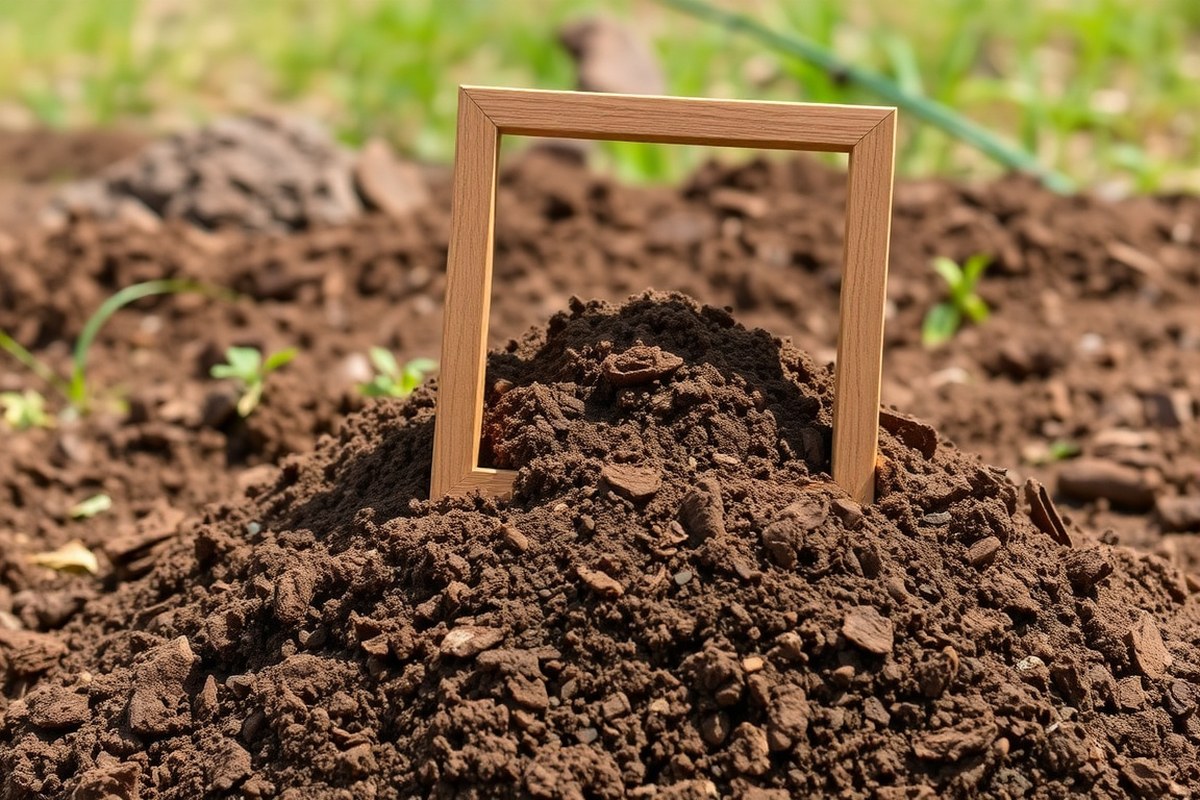
One cubic foot of dirt typically weighs about 80 pounds. This average fits most common garden and topsoil mixtures.
The weight varies between 74 and 110 pounds per cubic foot. It depends on moisture and soil type.
Dry dirt usually weighs between 70 and 85 pounds per cubic foot. Moist or wet dirt is heavier, often between 90 and 110 pounds per cubic foot. Water adds significant weight, sometimes increasing dirt weight by up to 30 percent.
For example, dry loamy soil weighs around 75 to 80 pounds per cubic foot. Wet clay soil can weigh as much as 110 pounds or more per cubic foot. Knowing these ranges helps you estimate soil weight for projects accurately.
| Soil Condition | Typical Weight (lbs per cubic foot) |
|---|---|
| Dry Loose Dirt | 74, 85 |
| Typical Topsoil Mix | 75, 80 |
| Moist Loose Dirt | 78, 90 |
| Wet or Saturated Soil | 90, 110+ |
To calculate soil weight, multiply your soil volume by the average weight per cubic foot. For dry dirt, use about 75 to 80 pounds.
Increase that number by up to 30 percent for wet soil conditions. This method ensures you plan properly for lifting, hauling, or filling.
How Soil Type and Composition Affect Weight
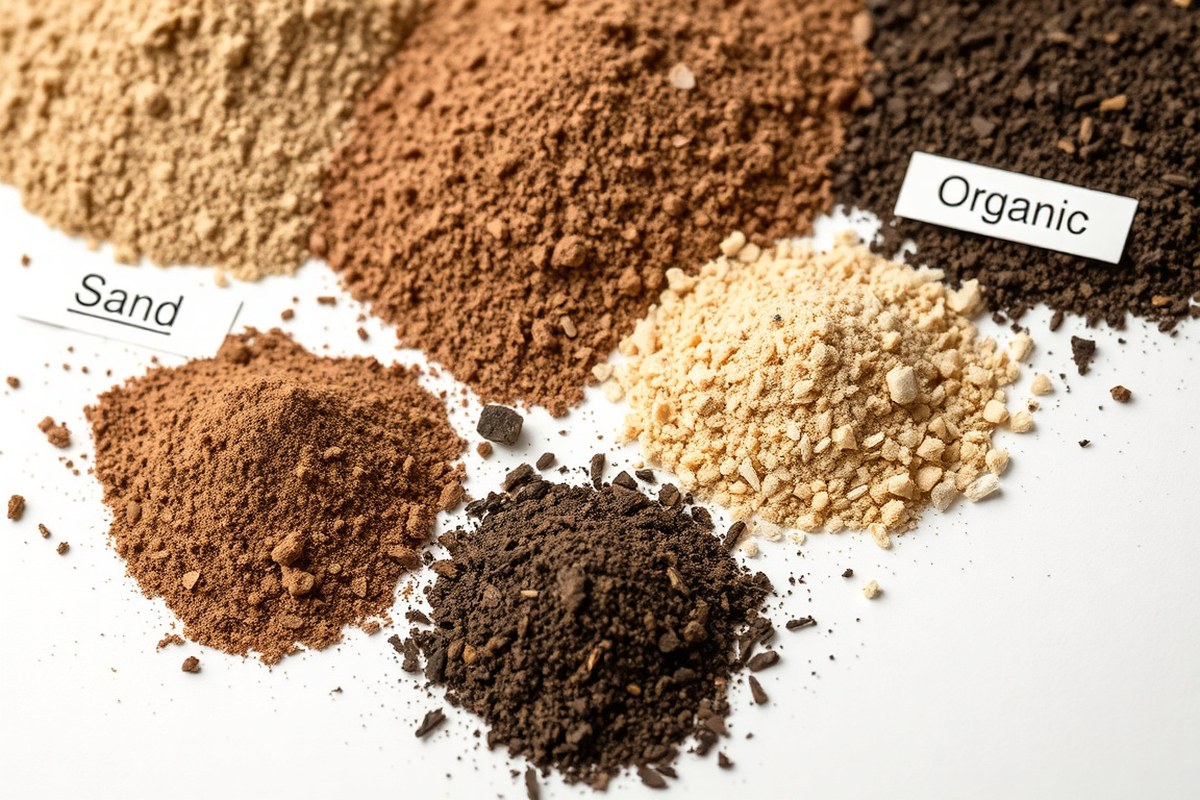
Soil types differ in weight due to their makeup and feel. Sandy soil has rough, large particles that let water flow fast.
Clay soil has small particles packed tightly, making it heavier. Loam combines sand, silt, and clay, weighing between the two.
Silt soils have fine particles like clay but less dense. So they usually weigh less. Organic soil contains broken-down plants.
It holds water well and has air pockets. This makes it lighter than other soils. These weight differences happen because particle size, mineral content, and air space all affect soil density.
| Soil Type | Weight Range (lbs/cubic foot) | Typical Uses |
|---|---|---|
| Dry Sand | 90, 110 | Landscaping, drainage, gardening |
| Dry Clay | 75, 95 | Foundation work, heavy construction |
| Dry Loam | 70, 100 | Gardening, planting beds, lawns |
| Dry Silt | 70, 90 | General landscaping |
| Dry Organic Soil | 30, 60 | Lawn care, compost, garden beds |
The weight range shows how much lighter organic soils are versus sandy or clay soils. Moisture and compaction add to weight, but the soil’s texture decides its basic heft. Clay’s tiny particles hold water and pack tight, so it’s much heavier when wet.
Knowing soil weight helps when planning projects. For example, heavy clay needs stronger support for building. Lighter organic soils suit gardening, where ease of digging matters.
Knowing your soil type helps guess its weight per cubic foot. This prevents unexpected weight when working. You can plan better by measuring soil types first.
Soil type matters when figuring out hauling or building loads. It helps avoid using too much weight on equipment or bases. Always check soil before estimating load limits.
How Moisture Content Influences Soil Weight
Moisture content strongly affects how much dirt weighs. Dry soil is lighter because it lacks water.
But soil quickly gains weight when moist. The soil can get up to 30% heavier as it moves from dry to saturated.
Dry topsoil usually weighs around 75 pounds per cubic foot. When moist, this weight goes up to about 78 pounds per cubic foot. Water fills the gaps between soil particles, making wet soil heavier, ranging from 96 to 111 pounds per cubic foot.
| Soil Condition | Weight (lbs per cubic foot) |
|---|---|
| Dry Topsoil | 75 |
| Moist Topsoil | 78 |
| Saturated Topsoil | 96 to 111 |
You can calculate dry soil weight from wet weight using a simple formula. Divide the wet weight by 1 plus the moisture as a decimal. For example, soil weighing 100 pounds with 20% moisture has a dry weight calculation.
You divide 100 by 1.2 to find the dry weight. This equals about 83.3 pounds of dry soil.2, about 83 pounds.
Try to estimate soil moisture based on weather or watering patterns. After heavy rain or irrigation, assume soil is closer to saturated.
During drought, it’s safer to use dry or slightly moist weights. This helps avoid surprises when planning how much soil to order or move.
How Compaction and Density Change the Weight of Dirt
What Soil Compaction Means for Weight
Soil compaction means packing the dirt particles closer together. This reduces air pockets and increases the soil’s density. When soil gets denser, it weighs more per cubic foot.
For example, loose dirt might weigh 75 pounds per cubic foot. After compaction, that same volume could weigh 85 pounds or more. You’ll notice the soil feels hard and solid, not loose or crumbly.
How Compaction Changes Dirt Weight
When you compact soil, you squeeze out air and water from pore spaces. The weight rises because the same space holds more soil particles. Denser soil weighs more by volume.
Fill dirt often weighs about 80 pounds per cubic foot loose. Compacted fill dirt can reach 90 pounds or higher. This makes a big difference when planning how much dirt you need.
Measuring Soil Density on Your Project
You can estimate compaction by looking at how firm the soil feels. Try pushing a shovel into the soil.
The soil is loose when it slides in easily. The soil is compacted when it resists sliding in.
To measure density more precisely, collect a soil sample using a container of known volume. Weigh the dry soil, then divide the weight by volume. This gives you pounds per cubic foot.
Step-by-Step Guide to Estimate Compacted Soil Weight
First, dig a hole that fits a one-cubic-foot container or measure a 1-foot cube. Scoop out loose soil and fill the container fully without smashing it. Weigh the soil and note the number.
Next, repeat by taking a soil sample after using a compactor or foot traffic. Compare the two weights.
Higher weight shows increased compaction and density. Use this data to adjust your soil weight estimate.
When Varying Soil Conditions Affect Compaction
Wet soil compacts more easily but also weighs more because of water. Dry soil resists compaction but stays lighter. This changes how much weight you should expect per cubic foot.
Heavy machinery can compact soil more than hand tools. Projects near foundations or paths usually need compacted soil for stability. In garden beds, looser soil helps plant roots grow.
Typical Weights for Common Soil Types and Fill Dirt
Knowing typical soil weights helps you plan materials. It also helps you pick the right equipment for the job. Fill dirt weighs about 80 pounds per cubic foot.
It’s a common choice for filling holes or leveling ground. Topsoil usually weighs between 75 and 80 pounds per cubic foot. It is lighter because it has more organic matter and water.
Here is a table with typical weight ranges for soil types. These soils are common in landscaping and construction.
| Soil Type | Weight Range (pounds per cubic foot) |
|---|---|
| Fill Dirt | 78, 80 |
| Topsoil (dry) | 75, 80 |
| Loose Dirt | 78 |
| Compacted Dirt | 93 |
| Bagged Topsoil | 50 |
Suppliers often estimate weight as around 80 pounds per cubic foot. This applies to fill dirt and topsoil. Expect weight variations if you order by volume.
Moisture and compaction can increase the actual weight. For heavy or compacted soils, expect near 90 pounds per cubic foot. This is common in construction for firm bases.
Use these weight ranges to calculate total load weight before transporting or spreading soil on-site. Bagged topsoil weighs about 50 pounds per cubic foot. This helps you compare costs to bulk soil loads.
Suppliers sometimes quote weight in tons. So keep in mind one cubic foot weighing 80 pounds is about 0.04 tons.
Always check if soil is wet before moving it. Moisture can double its weight and cause handling problems.
How to Calculate Total Soil Weight for Your Project
You can figure out your soil weight by using volume times weight. Multiply the space your soil fills by how much one cubic foot weighs. This will give you the total soil weight.
Then, adjust for moisture content to get a more accurate number. Here’s a step-by-step way to do it with a real example.
Measuring Soil Volume for Your Area
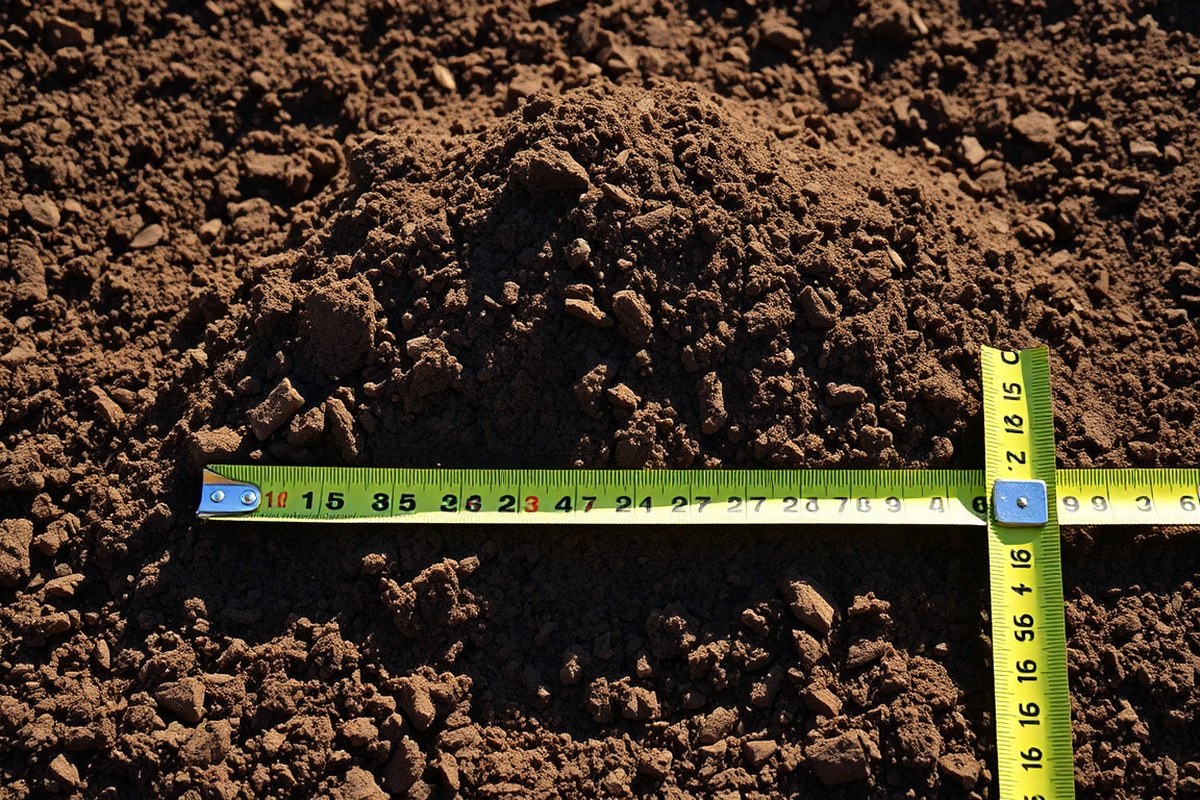
First, figure out how much soil you need by measuring your project area’s size. Measure length, width, and depth in feet, then multiply these numbers together. This gives you the volume in cubic feet, which is the base for your weight calculation.
Make sure you measure carefully. Take multiple measurements if the area isn’t a perfect shape. Average your dimensions to get a better estimate.
Choosing the Right Weight per Cubic Foot Estimate
Soil weight depends on type and density. Loose dry dirt weighs about 80 to 115 pounds per cubic foot.
For example, garden soil usually weighs near 100 pounds per cubic foot. Fill dirt packed in a dumper might weigh up to 160 pounds per cubic foot.
Select a weight value that matches your soil type and packing condition. Using 115 pounds per cubic foot suits medium-density soil with some moisture.
Adjusting Calculations for Moisture Content
Moisture makes soil heavier. Dry soil is lighter, while saturated soil can weigh 20% or more extra. To factor this in, multiply the dry soil weight by a moisture factor like 1.2 for wet soil.
Keep in mind, you won’t always know exact moisture content. Use average moisture estimates, or measure moisture if possible, to avoid big errors. Here is a simple way to calculate soil weight for your project:
- First, get the size of the area in feet. Measure how long the space is, how wide it is, and how deep it goes.
- Multiply length × width × depth to find the volume in cubic feet.
- Choose a weight per cubic foot based on soil type and condition.
- Multiply the soil volume by the chosen weight (pounds per cubic foot).
- Adjust this weight for moisture by multiplying by a moisture factor (e.g., 1.2 for wet soil).
- Check your calculations and measurements for accuracy.
Suppose your garden bed is 10 feet long and 5 feet wide. The soil needs to be 1 foot deep to fill it. This gives you the dimensions.
The volume is 10 × 5 × 1 = 50 cubic feet. Soil weighs about 115 pounds in one cubic foot. Multiply 50 cubic feet by 115 pounds.
That equals 5,750 pounds of dry soil. For moist soil, multiply by 1.2, which gives 5,750 × 1.2 = 6,900 pounds.
This step-by-step ensures you know how much soil weight to expect. Accuracy in measuring volume and choosing weight values is key. Mistakes can cause you to order too much or too little soil.
Safe Lifting and Transport Tips for Soil Based on Weight
Handling soil safely means knowing how much you can lift without hurting yourself. Most adults should avoid lifting more than 50 pounds of soil manually to prevent strain.
Soil can be heavy. So use the right tools and techniques to move it safely.
Manual Lifting Limits for Soil
Wet clay soil can weigh over 110 pounds per cubic foot. This weight is too heavy for lifting by hand. It’s best to avoid manual lifting with this soil type.
Typical fill dirt weighs about 74 pounds per cubic foot. This is still heavier than safe manual lifting limits.
Use care when handling it by hand. Experts suggest lifting no more than 50 pounds at once to protect your back and joints.
To stay under this limit, move smaller amounts or use lighter soil types if possible. Breaking loads into manageable portions helps keep weight safe and reduces the chance of injury.
How to Lift Soil Safely
Use proper lifting techniques to avoid strain. Squat down instead of bending at your waist. Keep your back straight while lifting.
Use your legs to lift, not your back. Hold the soil close to your body to maintain balance and reduce strain.
Wear gloves to improve grip and avoid slipping. Take breaks if you’re moving soil over a long period to prevent fatigue.
Equipment for Moving Heavy Soil Loads
Use wheelbarrows or garden carts for heavy soil loads. These tools carry soil, so you don’t lift by hand.
This saves your back and energy. A wheelbarrow can carry up to 300 pounds, making it easier to move large amounts safely.
A small skid steer or motorized scoop helps move large soil amounts. It reduces physical strain and speeds up the job.
This is best for dense soil volumes. Renting such machinery often costs $50 to $100 per hour, depending on location.
Checklist of Safety Tips for Handling Soil
- Limit manual lifting to 50 pounds or less per load
- Use proper lifting form: squat, keep back straight, lift with legs
- Wear gloves for better grip and hand protection
- Use wheelbarrows or garden carts to move soil
- Break large loads into smaller portions
- Take regular breaks to avoid fatigue
- Consider renting machinery for very heavy or large piles
Following these tips makes soil handling safer and reduces muscle pain risks. Ignoring them can lead to back injuries or joint problems over time.
Precautions for Transporting Soil
When moving soil in a vehicle, secure the load to prevent shifting while driving. Loose soil can spill and cause hazards on the road. Use tarps or covers to keep dirt in place.
Loading soil in smaller, stable containers improves safety during transport. Avoid overloading trucks beyond their rated capacity to prevent accidents. Follow local rules for hauling soil to stay legal and safe.
Common Mistakes and How to Avoid Errors in Soil Weight Estimation
Mixing up volume and weight often leads to errors in soil estimates. A bag might say 1 cubic foot.
But soil weight varies with moisture and type. Assuming a fixed weight causes you to buy too much or too little.
Ignoring soil compaction is another common slip-up. Loose soil weighs less than compacted soil in the same space. Expect weight to increase after spreading or tamping your soil in a garden bed.
Failing to adjust for moisture changes makes estimates shaky. Dry soil weighs less than wet soil. Planning for dry soil weight but getting wet soil can cause problems.
Wet soil weighs much more than dry soil. It can overload bags or hauling gear easily.
- Always start with the soil type and moisture state for your project.
- Use weight ranges rather than a single number to cover variations.
- Multiply cubic feet of soil by at least 75 pounds to get a safe weight estimate.
- Allow extra volume for soil settling or compaction over time.
- Measure soil moisture if possible or buy from reliable suppliers who specify moisture levels.
- Ask suppliers for weight per cubic foot or yard rather than rely on volume alone.
Soil density varies even within one project area. It pays to overestimate the total soil weight by 10 to 20 percent for safety. This cushion avoids last-minute trips for more soil or problems with heavy loads during transport.
Check the bag or supplier info for soil weight. Add 15 percent more weight if soil is wet or packed tight. This helps avoid surprises during your project.
Estimating soil volume without factoring in settling can cause shortage. Soil settles up to 15 percent after installation. Buy a bit more volume than you measure for filling pots or raised beds.
Finally, avoid relying on just one data point or source. Cross-check with local landscaping experts or extension services.
Some soil types behave differently in your region, affecting weight and compaction. Adjust your plan accordingly.
When to Consult Professionals for Soil Weight and Hauling Needs
Handling large amounts of dirt means dealing with heavy loads that can affect safety and costs. Your project needs more than a few cubic yards of fill dirt.
Consulting a professional is a smart choice. They understand the weight limits of trucks and equipment, which helps avoid damage and unexpected fees.
Big soil projects often bring challenges like accurate weight estimates and transport logistics. Professionals use tools and experience to estimate soil weight based on type, moisture, and compaction.
They make sure you order the right amount of dirt. They also pick trucks that meet local weight laws.
To decide if you need help, ask these questions. Will the dirt weigh over a ton after transport? Unsure about soil type and moisture in your dirt?
Does your equipment have load limits close to your soil’s weight? Answering yes means a contractor can save you hassle and money.
Find contractors by checking reviews and licensing for soil or fill dirt in your area. Ask for written quotes that include weight estimates, delivery fees, and minimum order sizes. A careful comparison helps you spot who offers fair prices and understands local regulations.
When you ask for a quote, give total cubic feet needed. Also share your project location.
Ask specifically about their method for calculating soil weight and any potential extra costs. Reliable contractors explain their process and offer clear terms, so you avoid surprises.
Be cautious if a contractor can’t provide detailed estimates or seems unclear about soil weight limits. Good pros know fill dirt weighs 90 to 100 pounds per cubic foot. They use that info in their work.
Avoid rushing into deals. Waiting to combine dirt needs from several projects can get you better rates.
Step-by-Step Action Plan for Estimating and Managing Soil Weight
Follow these steps to measure and handle soil weight safely on your project. This plan helps avoid mistakes and keeps your work smooth.
- Before you start: Identify the soil type and check if it’s dry or moist. This helps predict its weight accurately.
- Day 1: Measure or estimate your project’s volume in cubic feet. Use a tape measure and multiply length, width, and depth.
- Day 2: Calculate the soil weight using typical values for your soil type and moisture level. Confirm your numbers with soil weight charts.
- Day 3: Plan soil delivery or hauling based on your total soil weight. This avoids surprises with truck limits or manual labor.
- Week 1: Use proper lifting techniques and gloves when handling dirt. Less strain means fewer injuries.
- After soil delivery: Check soil compaction level. Lightly compacted soil weighs less but settles over time.
- Week 2: Monitor soil moisture if storing soil on-site. Wet soil gets heavier and harder to move.
- Before installing soil: Consult a professional if your project needs precise weight limits or permits. Experts prevent costly errors.
Frequently Asked Questions
What Factors Cause the Weight of a Cubic Foot of Dirt to Vary?
Soil type, moisture, and compaction mainly change dirt weight. Clay-heavy or wet soil weighs more than dry, loose dirt. Knowing these factors helps you plan better for your landscaping job.
How Can I Estimate the Weight of Dirt for a Large Yard Project?
Calculate the volume in cubic feet then multiply by average weight per cubic foot. Use 80 pounds as a general weight for dirt mixed with topsoil. This gives a practical estimate for hauling or lifting needs.
Does Adding Water to Soil Increase Its Weight Significantly?
Yes, wet soil can weigh 5 to 30 pounds more per cubic foot. Moisture adds weight by filling the pore spaces in dirt. Clay soil types hold more water than sandy soils.
This makes clay heavier when wet. Keep this in mind if you’re moving or compacting wet dirt.
Is Fill Dirt Heavier or Lighter Than Topsoil per Cubic Foot?
Fill dirt typically weighs a bit more, about 90 to 100 pounds per cubic foot. It usually contains denser materials like clay or sand compared to topsoil. This difference affects how much dirt you need and transport costs.
How Does Compacting Soil Impact Its Weight per Cubic Foot?
Compacting soil increases density, making it heavier per cubic foot. Loose dirt weighs less because it contains more air space. For hardscaping or foundations, compacted soil weight affects load calculations.
Before You Go
One cubic foot of dirt weighs 75 to 110 pounds. The weight depends on its type. Moisture also changes the weight.
Use this range to plan your project safely. Start by measuring your soil volume and matching it with typical weights for best results.