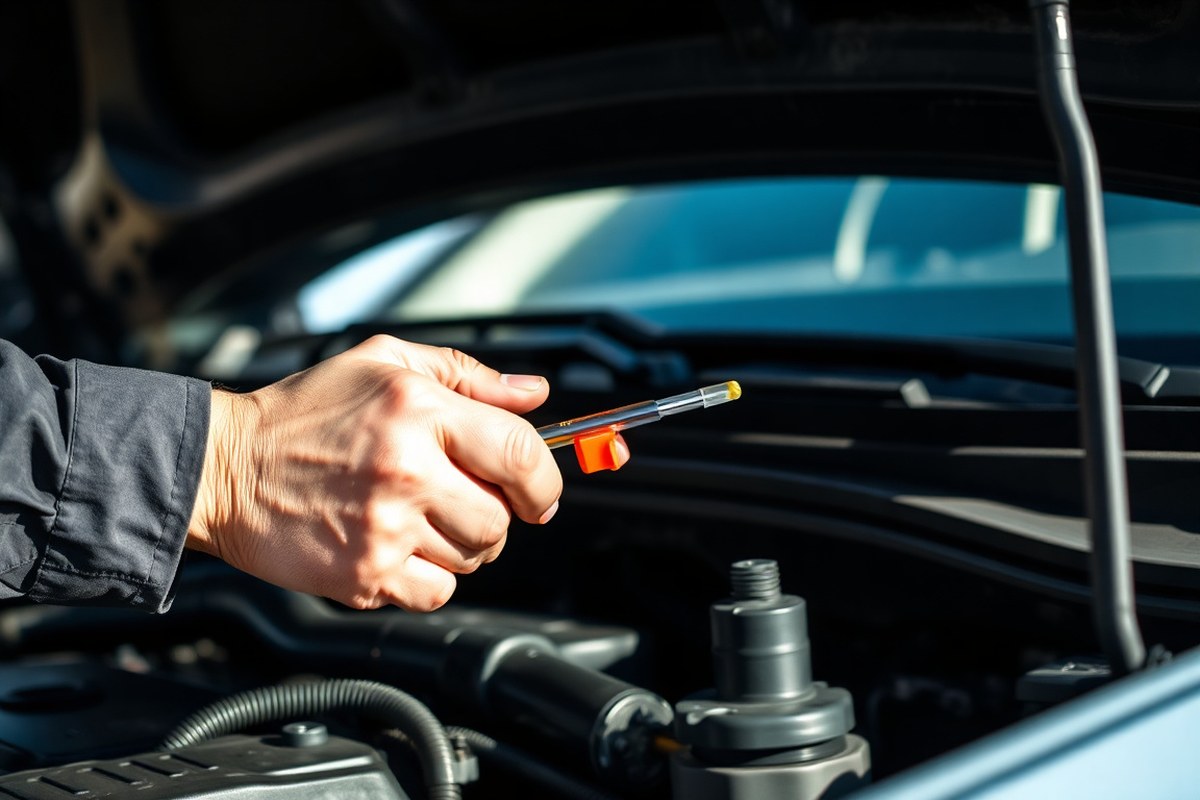
How to Stop Engine from Burning Oil: 9 Effective Ways That Work
Knowing how to stop engine from burning oil helps you avoid costly repairs. The fastest way is to check for leaks and faulty parts first. Fixing these often stops oil loss and engine damage.
Next, use the right engine oil based on mileage and conditions. Older engines benefit from high-mileage oil that reduces burning and wear. Also, adding an engine treatment before oil changes keeps parts clean and seals tight.
Keep an eye on your oil level regularly, topping off before it runs too low. Running low oil causes further engine damage and worsens burning. Watching your oil use lets you catch problems early.
Address worn valve seals and piston rings as these parts can cause oil burning. Replacing them improves compression and reduces oil entering combustion chambers. Regular maintenance prevents seal hardening and keeps the engine running smoother longer.
Key Takeaways
- Check for oil leaks and replace worn seals promptly.
- Use engine oil designed for high mileage once your car passes 75,000 miles.
- Add an engine treatment 100 to 300 miles before oil changes.
- Monitor oil level and add oil every 1,000 to 1,500 miles if needed.
- Replace the engine oil and oil filter between every 3,000 and 5,000 miles.
- Clean or replace the PCV valve every 20,000 to 30,000 miles.
1. How to Stop Your Engine from Burning Oil Now
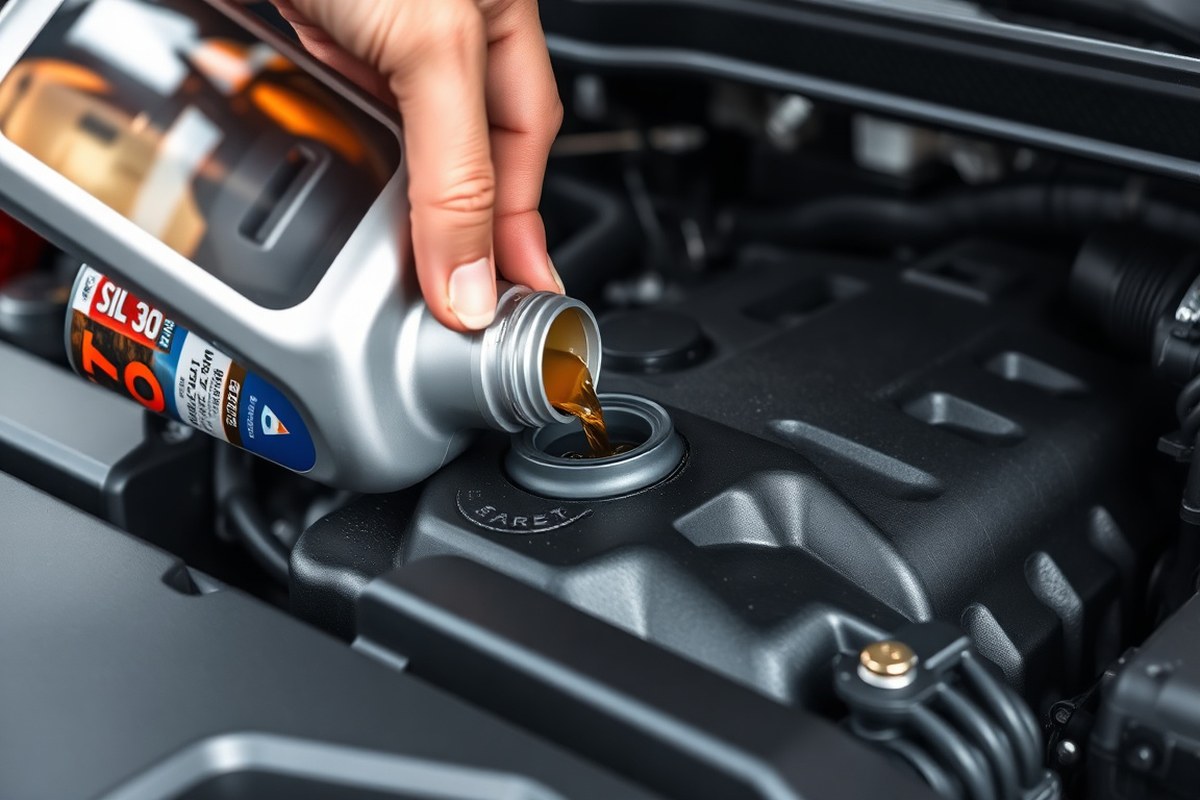
Stopping your engine from burning oil fast means acting smart and regular. You want to keep the oil flowing where it’s needed and avoid wasting it by burning. You can take simple steps to use less oil.
These protect your engine until a mechanic fixes it. Doing this helps avoid bigger problems.
Keeping an eye on your oil level and topping it off correctly avoids engine damage. Oil additives can sometimes help if used the right way with quality oil. Keep up with easy maintenance to lower oil burn.
Change filters often and tune your engine well. This cuts down risks to your engine.
- Check oil level frequently. Use the dipstick when the engine is cold. Add oil only if it’s below the minimum mark. Don’t overfill, as excess oil can cause leaks or smoking.
- Change your oil and filter on schedule. Use oil that matches your engine’s requirements. Fresh oil reduces friction and sludge, helping the engine burn less oil.
- Use an oil additive made for high mileage or oil burn. Follow the product instructions carefully. These additives can temporarily seal small leaks and improve oil stability.
- Inspect and clean the PCV valve. A clogged PCV can increase oil consumption. Replace it if you see damage or heavy clogging.
- Keep your engine tuned. Replace spark plugs and air filters when dirty. A well-tuned engine runs smoother and uses oil more efficiently.
- Monitor engine temperature. Overheating can make oil thin and burn faster. Fix cooling system issues promptly to protect your engine oil.
- Drive gently. Avoid hard accelerations and excessive idling. Less stress means less chance of oil burning in your engine.
2. Common Causes of Engine Oil Burning Explained
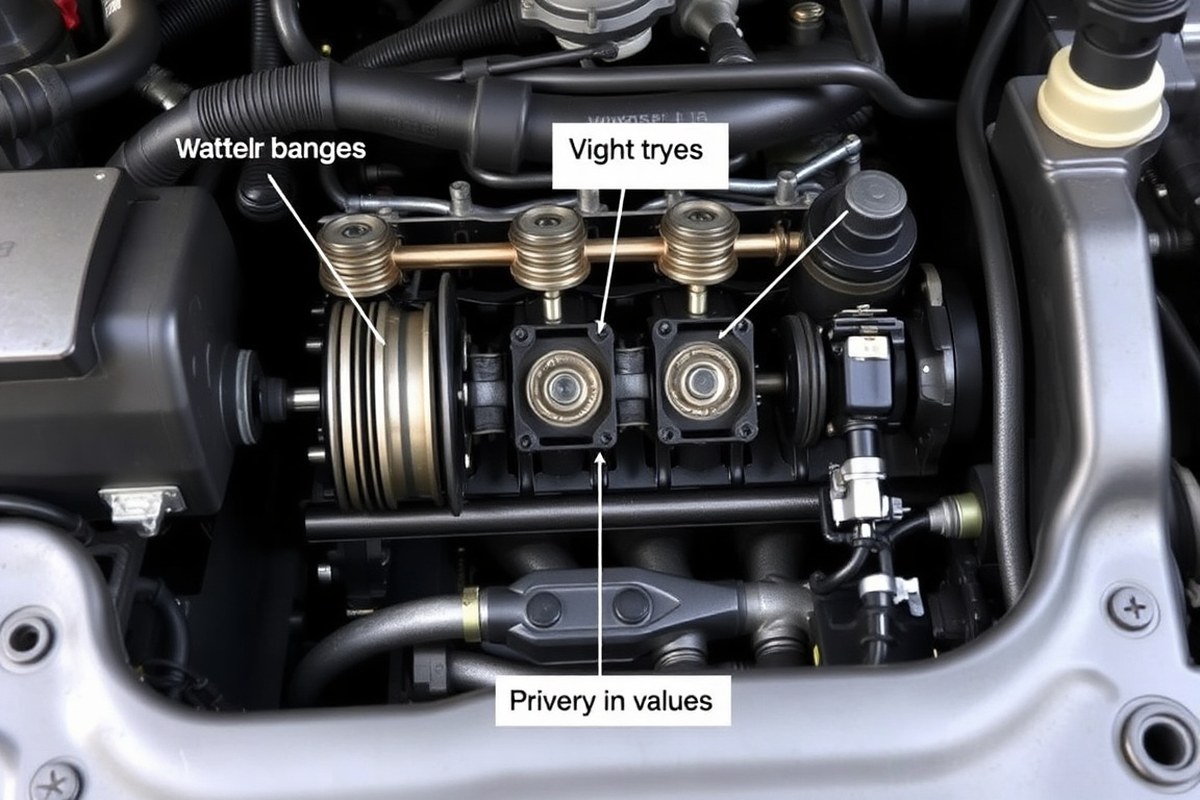
Worn piston rings commonly cause your engine to burn oil. They seal the gap between the piston and cylinder wall. When these rings wear out, oil leaks into the combustion chamber and burns with fuel.
This causes oil levels to drop fast and blue smoke to come from the exhaust. Repairing this often means replacing the piston rings. A full engine overhaul is needed if the damage is severe.
Valve seals also play a big role in oil consumption. These rubber seals stop oil from leaking into the cylinders through the valve guides. Over time, valve seals harden and crack, letting oil slip inside where it burns during combustion.
Fixing this usually means replacing the valve seals. It costs less than piston ring repair but needs careful engine work.
The PCV valve helps vent gases from the engine’s crankcase. A faulty PCV valve can cause pressure build-up inside the engine. This forces oil into the intake, making the engine burn oil.
Replacing a bad PCV valve is relatively easy and inexpensive, usually under $50. Avoiding a clogged PCV prevents unnecessary oil burning and pressure damage.
Oil viscosity affects how much oil the engine burns. Using thin oil with a low viscosity makes it slip past seals and rings easier. Older engines with worn parts suffer most from this.
Using the right oil thickness, as your car’s manual recommends, can reduce oil consumption. High-mileage or thicker oils cost a bit more but help keep oil inside the engine better.
Check your PCV valve regularly. A clogged valve can quickly lead to oil burning and engine damage.
3. How to Identify If Your Car Is Burning Engine Oil
You can check for blue smoke to spot engine oil burning. Watch oil levels often. Run simple tests to confirm it.
Bluish smoke on startup and acceleration often signals oil burning. Tracking oil drops between changes helps confirm this problem.
Visual Indicators of Oil Burning
Blue smoke from the exhaust is the clearest sign your engine burns oil. You usually see pale blue or bluish-gray smoke. This happens when starting your car.
It also shows up when speeding up. Darker smoke points more to fuel issues than oil burning.
Other signs include oily spots under the car and a burning smell while driving. Watch for frequent oil additions or changes needed more often than normal. These clues show your engine uses more oil than usual, which can harm it over time.
- Pale blue smoke from the tailpipe on startup or acceleration
- Oily patches or drips under the vehicle
- Burning smell inside or outside the car
- Faster oil consumption, needing more frequent top-ups
- Visible smoke fading at idle but increasing when accelerating
- Noticing engine roughness or reduced power
Noticing these early helps stop bigger engine trouble. Even a faint blue smoke or slight smell points to oil burning inside the engine.
Checking Oil Levels and Dipstick Inspection
Keep an eye on your oil by checking the dipstick regularly. Do this test when the engine is cold. Make sure the car is on level ground.
This gives a true reading. First, wipe the dipstick clean.
Then push it all the way in. Pull it out to check the level.
Track your oil level every few days or weekly depending on usage. Oil level that drops steadily between changes shows higher oil use.
Your engine may be burning oil faster than normal. Rule out leaks underneath your car to make sure the oil isn’t just dripping out.
Adding a quick checklist for dipstick checks:
- Check oil level after the engine cools down
- Park your car on a flat surface during checks
- Wipe dipstick clean before measuring each time
- Look for level below the recommended mark consistently
- Rule out visible oil leaks under the car
Frequent low oil warnings on your dashboard are another red flag. Running an engine on low oil can cause serious damage quickly.
Performing a Compression Test to Diagnose
A compression test helps identify if worn piston rings cause oil burning. This test measures the pressure inside each cylinder when the engine cranks. Low compression on any cylinder can mean oil is leaking into the combustion chamber.
You need a compression gauge and some basic tools to do this test. Remove the spark plugs first, then crank the engine with the gauge attached to each cylinder. Compare readings across cylinders to spot problems.
- Remove spark plugs and attach compression gauge
- Crank engine while noting pressure reading for each cylinder
- Look for readings significantly lower than other cylinders
- Compare results to manufacturer’s specs for your engine
- Consult a mechanic if multiple cylinders show low compression
Compression testing costs $20 to $100 if done at a shop. Good results mean similar pressure on all cylinders around spec.
One or more cylinders with much lower pressure show worn parts. This often means burning oil inside the engine.
4. Role of Worn Piston Rings and Valve Seals in Oil Burning
Piston rings seal the gap between the piston and cylinder walls. When they wear out, gaps let engine oil slip into the combustion chamber. Burning oil happens when the engine mixes oil with fuel and air.
This mix lowers engine performance. It also causes more wear on your engine.
Valve seals stop oil from leaking into combustion chambers along the valve stems. Over time, these seals dry out or crack. Oil can leak into cylinders if a part fails.
This causes blue smoke from the exhaust. It also makes your engine use more oil.
You might notice frequent blue smoke after starting your car or during acceleration. Excessive oil consumption and fouled spark plugs often mean worn piston rings or bad valve seals. Rough idling or loss of power can also show seal or ring issues.
Replacing piston rings can be an effective fix but it requires an engine teardown. This repair takes a few hours to complete. It costs several hundred dollars.
The price varies by car and where you live. Your engine needs more than rings if cylinder walls are damaged.
Rings alone won’t fix the problem. You may need a rebuild or replacement.
Valve seals are easier to replace, usually during a cylinder head service. Seal replacement cost is lower but still needs skilled work to avoid engine damage. In some cases, using oil additives can help seal leaks temporarily and reduce oil burning.
Ignoring worn piston rings or valve seals can lead to more serious engine damage. Watch for signs like burning oil, smoke, and poor engine performance. Timely repairs or seal conditioning treatments help control oil burning before it worsens.
5. Understanding the PCV Valve’s Impact on Oil Consumption
The PCV valve controls gas flow from the engine crankcase to the intake. A clogged or faulty valve raises crankcase pressure, causing oil to burn. Cleaning or replacing it regularly stops oil consumption from worsening.
PCV Valve Function and Importance
The PCV valve vents blow-by gases from the crankcase back to the intake manifold. It stops pressure build-up inside the engine that harms seals and forces oil past piston rings. This valve also helps reduce harmful emissions by burning these gases again.
Keeping the PCV valve working well lowers oil consumption and engine wear. It’s a simple, one-way valve that controls ventilation flow to keep the engine’s internal pressure safe. Without it, pressure can lead to oil leaks and extra oil burning during combustion.
Signs of a Faulty PCV Valve
When the PCV valve clogs, gas flow drops and pressure builds inside the crankcase. This causes oil seals and gaskets to leak oil inside. The oil then enters the combustion chamber.
This makes the engine burn oil. A rough engine idle or increased oil consumption often hints the PCV valve has problems.
You might also notice thicker, sludgy oil or an engine warning light. Frequent oil top-ups or smoke from the exhaust can signal PCV valve trouble too. Since the valve is inexpensive and small, it’s a common source of preventable oil burning.
Step-by-Step PCV Valve Cleaning or Replacement
Check the PCV valve every 20,000 to 30,000 miles to keep it clear and working well. Cleaning or replacing usually costs under $100, making it a cost-effective fix for oil burning. Gather basic tools like pliers, gloves, and a cleaning solvent or get a new valve.
Follow this checklist:
- Locate the PCV valve on the valve cover or intake manifold.
- Remove the valve by twisting and pulling it out carefully.
- Shake the valve to hear if it rattles; no rattle means it’s stuck.
- Soak the valve in carburetor or brake cleaner if cleaning it.
- Use compressed air or a thin wire to clear any blockages.
- Test the valve again for smooth movement and rattling.
- Replace with a new valve if it’s faulty or fails cleaning.
Reinstall the valve and check hoses for cracks or clogs to keep air flowing fully. Run the engine and check if it idles smoother.
Also watch for less oil use. These happen after fixing the PCV valve.
Replacing a stuck PCV valve can stop oil burning fast and costs less than $100.
6. Choosing the Right Engine Oil and Additives to Prevent Burning
Older engines prone to burning oil benefit from thicker oil grades, like 10W-30 or 10W-40. These higher viscosities create a stronger seal between worn parts.
This reduces oil leaking into the combustion chamber. Using the wrong oil viscosity can worsen burning by letting oil slip past seals more easily.
High mileage oils contain special additives that soften and expand seals, reducing leaks and oil consumption. They also include detergents that prevent deposit buildup inside the engine. These oils cost a few dollars more than standard oil.
They can extend engine life. They also improve performance on cars with over 75,000 miles.
| Feature | Effect |
|---|---|
| Reduce friction and heat | Less oil breakdown and thinner oil |
| Reduce oil consumption | Limits oil loss from seals and rings |
| Improve viscosity and lubrication | Stronger oil film for worn engine parts |
| Restore lost power | Better sealing and less oil burning |
| Soften and expand seals | Reduce leaks and oil burning |
| Prevent oil leakage | Keeps oil inside engine longer |
Engine oil stabilizers and high-mileage additives work well to protect your motor. Additives like Liqui Moly and Archoil AR9100 are trusted options.
They help reduce oil burning and engine noise. They contain detergents, antioxidants, and seal conditioners that rejuvenate parts and improve performance.
Applying these additives is easy. Usually, you pour them into the oil fill before an oil change.
A single treatment can help reduce oil consumption noticeably after a few hundred miles. Consistently topping off oil and choosing the right viscosity together help prevent further wear and burning.
7. How to Prevent Engine Oil Burning Through Regular Maintenance
Swap your engine oil every 3,000 to 5,000 miles or as your manual directs. Using good oil reduces wear on valve seals and piston rings. Replace the oil filter during each oil change to catch dirt and reduce oil burning.
Check your engine oil level monthly to spot leaks or excessive burning early. Inspect the air filter every 12,000 to 15,000 miles and replace it when dirty. A clean air filter keeps air flowing smoothly to the engine.
This stops the engine from working harder. When the engine runs easier, less oil is burned.
- Change engine oil and oil filter every 3,000, 5,000 miles
- Replace air filter every 12,000, 15,000 miles or when dirty
- Check oil level monthly and top off if low
- Inspect PCV valve during routine maintenance
- Use recommended oil grade listed in your owner’s manual
- Consider engine oil stabilizers or high-mileage additives periodically
- Avoid prolonged engine overheating by monitoring coolant levels
Seasonal changes mean different oil types might work better. Use thinner oil in winter for faster flow and thicker oil in summer for heat protection. Keep the cooling system in good shape to avoid excess engine heat, which worsens oil burning.
Maintenance costs for an oil change vary by shop. Expect to pay between $30 and $70 for oil and filter replacement. Prices differ depending on the location and type of oil used.
Doing it yourself costs less but needs time and tools. Regular care keeps your engine cleaner and cuts down early wear that makes oil burn faster.
8. When to Call a Professional for Oil Burning Repairs
Excessive blue smoke, steady oil loss, or oil leaks mean you should see a mechanic. These signs often point to worn piston rings or valve seals. Fixing these parts requires special tools and knowledge beyond DIY skills.
Engine performance issues like rough idling, misfires, or power loss can also signal serious problems. When your engine runs oddly or roughly, schedule a professional check. These symptoms show oil burning is causing damage inside your engine.
Repairs for piston rings or valve seals usually cost between $1,000 and $3,000. Costs vary depending on your car model and repair complexity. Attempting these repairs yourself could cause more damage and end up costing more.
Start by tracking how much oil you use over time. Simple fixes without oil use improvement after a few hundred miles require mechanic help. Early professional diagnosis can prevent even bigger damage and costs.
Never ignore excessive smoke or dropping oil levels. These usually need a professional’s attention fast.
Write down any symptoms like smoke color, engine noises, or performance dips before your visit. This info helps the mechanic diagnose quickly and suggest the right fix. Ask about repair options, costs, and warranty on parts and labor upfront.
Always use the oil grade your owner’s manual recommends after a repair. Thinner oil can slip past old seals and rings easier, making oil burning worse. Your mechanic suggests thicker oil or additive; ensure it suits your engine.
9. Common Mistakes That Worsen Engine Oil Burning and How to Avoid Them
Many car owners make mistakes that increase engine oil burning without realizing it. These errors include using the wrong oil, skipping maintenance, and ignoring warning signs. Avoiding these can save you from costly repairs and keep your engine running smoother.
Using Unapproved or Incorrect Oil Viscosity
Choosing the wrong oil viscosity can cause your engine to burn more oil. Your car’s manual shows the right oil weight like 5W-30 or 10W-40. This protects the engine seals.
It also keeps oil pressure steady. Using oil that is too thick or too thin causes problems.
The engine works harder this way. Oil can leak past worn parts.
Stay away from aftermarket or cheap oils not approved by your car’s manufacturer. These oils may not clean the engine well or resist high temperatures. Over time, this speeds up oil breakdown and increases burning.
Skipping Oil and Filter Changes
Old oil loses its ability to lubricate and cool engine parts properly. Skipping scheduled oil changes lets sludge and dirt build up.
These particles block oil passages, raising engine wear and oil burning. Filters clogged with contaminants also reduce oil flow, weakening seal protection.
Change your oil and filter every 3,000 to 7,500 miles. This depends on your car and oil type. Don’t skip these changes.
Many synthetic oils last longer, but don’t skip checks. Follow the service interval on the owner’s manual or oil change sticker.
- Check oil level monthly with the dipstick
- Use the correct oil grade found in the manual
- Replace oil filter each oil change
- Use quality oil brands with appropriate certifications
- Change oil sooner under severe driving conditions
Following these habits slows oil burning and helps the engine run cleaner. It also avoids costly repairs caused by lack of lubrication or overheating.
Ignoring Warning Signs and Leaks
Blue smoke from exhaust means oil is burning inside. A burning oil smell also shows a problem. These signs mean oil is leaking or burning.
These signs won’t go away on their own and often lead to expensive damage. Leaving oil leaks unaddressed also risks fire from oil on hot exhaust parts.
Don’t wait for the oil light to turn on before checking oil levels. Frequent top-offs mean something is wrong. Watch for drops in fuel efficiency or odd engine noise.
These signs can mean oil burning is worse. Acting early helps avoid damage.
Delaying Professional Diagnosis and Repairs
Ignoring oil burning or fixing it without tools makes things worse. You need the right tools or a pro to help. Don’t try it on a guess.
Some problems, like worn piston rings or valve seals, need a mechanic’s inspection and repair. Delaying service may cause the catalytic converter to fail, which can cost thousands to replace.
Book a professional diagnosis as soon as you notice symptoms. A trained technician can find the root cause faster and stop damage from spreading. Addressing issues early often means lower repair bills and better engine life.
Step-by-Step Action Plan to Stop Your Engine from Burning Oil
Follow this plan to reduce oil burning and protect your engine. Check your progress at each step to know if it’s working.
- Day 1: Check your engine oil level and top it off with the right grade. Your dipstick reading should be in the safe range.
- Week 1: Inspect and clean or replace the PCV valve. A working valve reduces excess pressure and oil burning.
- Week 2: Switch to high-quality engine oil with additives made for older or high-mileage engines. Watch if oil consumption drops.
- Month 1: Check spark plugs and exhaust for blue smoke, which signals oil burning. Less smoke means improving condition.
- Month 2: Get a compression test done. Normal compression indicates good piston rings, slowing oil burn.
- Ongoing: Change oil and filters on schedule. Clean oil helps reduce engine wear and oil leaks.
- Every 6 Months: Inspect valve seals and piston rings if burning persists. Plan for professional repair if needed.
Frequently Asked Questions
What Engine Oil Additives Can Reduce Oil Burning?
Use additives like oil stop-leak to swell seals and reduce leaks. These products can help slow oil burning but may not fix worn engine parts.
Can Changing Driving Habits Help Stop Oil Burning?
Yes, gentle acceleration and avoiding high RPMs reduce engine stress. This lowers oil consumption by lessening wear and tear inside the engine.
How Often Should I Check Oil If My Engine Burns Oil?
Check oil at least once a week to avoid running low. Keeping oil topped helps prevent engine damage from insufficient lubrication.
Can Using the Wrong Oil Cause Engine Oil Burning?
Yes, using oil too thin or thick increases oil burning risk. Stick to the manufacturer’s recommended oil viscosity for best results.
Is It Okay to Add Oil Without Fixing the Root Problem?
Adding oil temporarily prevents damage but doesn’t solve the cause. Find and repair worn seals or rings to stop oil burning for good.
Before You Go
Stopping your engine from burning oil takes steady care and action. Start by checking your oil regularly and maintaining parts like the PCV valve. This simple step protects your engine and saves you money on repairs down the road.