How Much Does 20 Gallons of Gasoline Weigh? A Complete Guide with Safety and Calculation Tips
Twenty gallons of gasoline weigh about 120 to 124 pounds. The exact weight depends on temperature and gasoline blend. Additives in gasoline can also slightly change its weight per gallon.
One gallon usually weighs around 6.1 to 6.2 pounds. Cooler temperatures make gasoline heavier, while warm temperatures cause it to expand. That expansion lowers the weight slightly.
Knowing the weight helps you plan vehicle load and transport safely. Too much weight affects handling and reduces fuel efficiency. Always store gasoline in approved containers to prevent leaks and spills.
Follow local rules when carrying large amounts of fuel. Proper storage and handling protect you and keep you legal on the road.
Key Takeaways
- One gallon of gasoline weighs between 6.1 and 6.2 pounds on average.
- Twenty gallons of gasoline weigh about 122 to 124 pounds, depending on temperature.
- Cooled gasoline weighs more due to increased density at lower temperatures.
- Check the temperature and fuel type to get an accurate gasoline weight.
- Use approved containers rated for the total gasoline weight you carry.
- Consider gasoline weight when calculating vehicle load limits for safety.
How Much Does 20 Gallons of Gasoline Weigh Exactly?
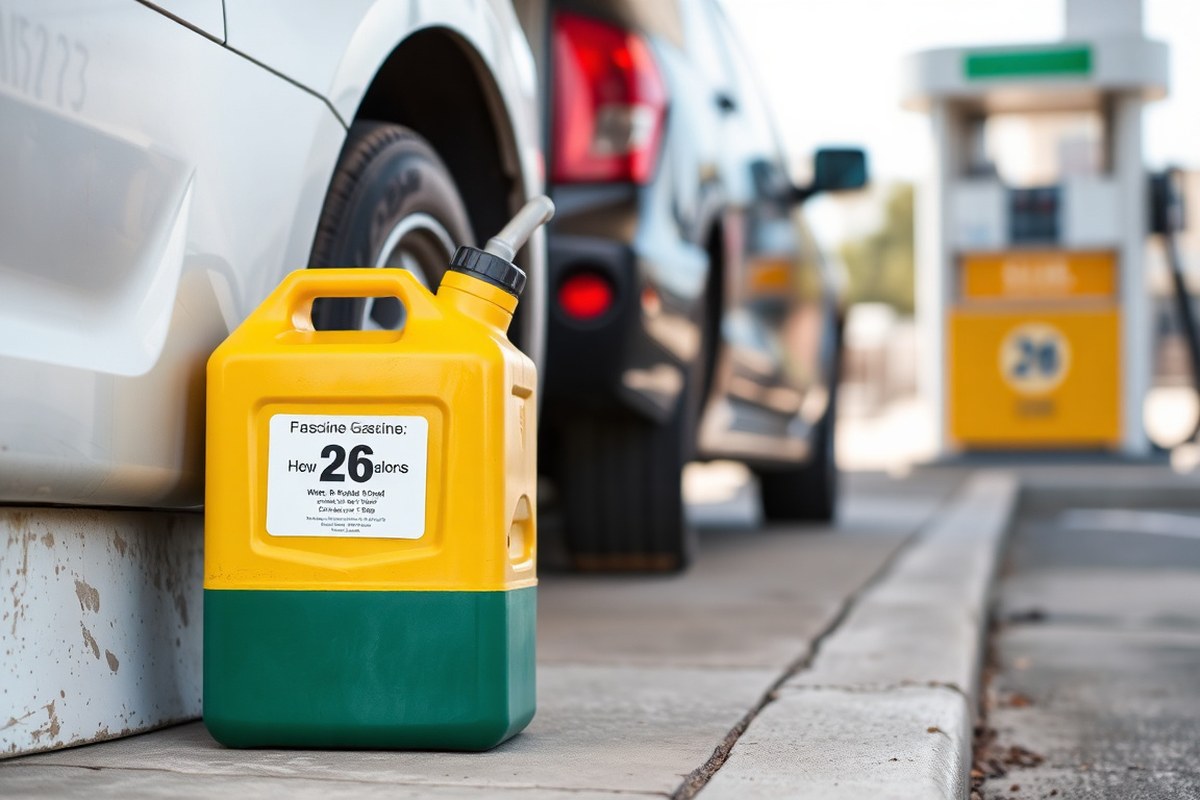
Twenty gallons of gasoline weigh about 120 to 124 pounds (54 to 56 kilograms). This range comes from gasoline’s average weight of roughly 6.0 to 6.2 pounds per gallon. For most uses, 6.2 pounds per gallon is a reliable standard to estimate the weight of gasoline.
Using 6.Gasoline weighs about 2 pounds per gallon. Multiply gallons by this weight. That gives you the total weight.
For example, 20 gallons × 6.2 pounds per gallon equals 124 pounds. To convert this to kilograms, divide by 2.2, giving about 56 kilograms. This approach gives a practical estimate for handling, transporting, or planning fuel loads.
Some factors cause small variations in gasoline weight. Temperature changes affect density, meaning gasoline weighs a little more or less depending on conditions. Still, 120 to 124 pounds is the typical range used by professionals and mechanics.
Remember the weight range for 20 gallons of gasoline. Keep this in mind when measuring or talking. It helps keep things clear.
What Is the Weight of One Gallon of Gasoline and Why It Varies

One gallon of gasoline weighs about 6.2 pounds on average at around 60°F. This number serves as a quick baseline in many calculations. Its actual weight can vary depending on blend and temperature.
These factors cause slight weight shifts. Gasoline blends often include different ethanol levels and additives, which affect the density and weight.
For example, regular unleaded gasoline typically contains about 10% ethanol. This E10 blend usually weighs close to 6 pounds per gallon. The exact weight can depend on conditions.1 to 6.2 pounds per gallon.
Mid-grade and premium gasoline can weigh slightly more, typically between 6.1 and 6.3 pounds per gallon. Ethanol-heavy blends like E85 are denser and heavier, weighing around 6.5 to 6.6 pounds per gallon due to ethanol’s higher density than pure gasoline.
Gasoline’s density is how heavy it is in a given volume, usually pounds per gallon. When temperature changes, gasoline expands or contracts, shifting its density and weight. Higher temperatures make gasoline lighter per gallon since it expands.
Colder temperatures make it heavier as it contracts. This variation means that weight estimates are always approximate unless measured at a specific temperature.
Storing gasoline at higher temperatures affects its weight per gallon. The weight slightly drops due to fuel expansion. Temperature influences the density of gasoline.
How Temperature Affects Gasoline Weight and Density
Gasoline weighs more when cold because it contracts, making it denser. When hot, gasoline expands and weighs less per gallon. Weight changes with temperature are small but enough to adjust for precise fuel calculations.
Gasoline Contraction and Expansion
Gasoline’s volume changes with temperature because it expands when heated and contracts when cooled. This volume shift affects its density and weight per gallon. Lower temperatures mean gasoline becomes denser, so each gallon weighs more.
Expansion rates vary but average about 0.09% per degree Celsius. That rate helps predict how much weight shifts occur for every temperature change. The formula adjusts weight based on how much gasoline’s density changes with fuel temperature.
Typical Density Changes by Temperature
The weight of gasoline per gallon varies around 6.1 to 6.3 pounds at 60°F (15.6°C). At cooler temperatures, weight per gallon rises slightly, while warmer temps reduce it. These changes are small but affect accuracy for large volumes like 20 gallons.
| Temperature (°F) | Weight of Gasoline (lb/gal) |
|---|---|
| 40 | 6.25 |
| 60 | 6.15 |
| 80 | 6.05 |
| 100 | 5.96 |
This table shows gasoline gets lighter as temperature rises. For example, gasoline at 40°F weighs about 0.3 pounds more per gallon than at 100°F. The difference is small but noticeable when weighing fuel for trucks or storage.
Practical Weight Adjustments for Fuel Calculations
Adjust gasoline weight estimates when temperatures vary more than 20°F from the standard 60°F. Use 6.15 lb/gal as a baseline at 60°F, then add or subtract 0.01 to 0.02 lb per gallon for every 10°F difference. This method keeps weight calculations accurate without complex formulas.
For example, at 80°F, estimate gasoline weight as 6.05 lb per gallon. For 20 gallons, multiply 6.05 by 20 to get 121 pounds. When the temperature is lower, such as 40°F, raise weight per gallon to 6.25, totaling 125 pounds for 20 gallons.
These simple adjustments help with load planning, fuel storage, cargo safety, and fuel economy calculations. To get exact weight, measure density at the current temperature or use a fuel scale. Otherwise, the 6.1 to 6.3 lb range with temperature adjustments works well.
How to Calculate Gasoline Weight from Volume and Density
To find gasoline weight, multiply gallons by weight per gallon. This gives you the total weight in pounds. Use this when you know the fuel volume.
You’ll need to know the density or the average weight per gallon of gasoline. Online calculators also help you convert volume to weight quickly and accurately.
Basic Weight Formula Explained
To convert gallons of gasoline to pounds, use this formula. Weight equals volume times weight per gallon. It’s a straightforward calculation.
Since gasoline varies slightly, you can use a standard of about 6.073 pounds per gallon. This weight estimate comes from the average gasoline density and works well for most everyday cases.
You can use gasoline’s density in specific gravity instead. Multiply volume by specific gravity, then by water’s gallon weight. Water weighs about 8 pounds per gallon.34 pounds).
This method accounts for gasoline changes in weight. Temperature or blends can make fuel heavier or lighter. Adjust your calculations that way.
Example Calculation for 20 Gallons
Say you want the exact weight of 20 gallons of gasoline. Using the straightforward formula:
- Take the volume in gallons: 20 gallons.
- Use the average weight: about 6.073 pounds per gallon.
- Multiply: 20 × 6.073 = 121.46 pounds.
You can also calculate weight using specific gravity. When specific gravity is 0, multiply volume by zero, which results in zero. This means no weight from the gas.75, multiply 20 gallons × 0.75 × 8.34 pounds.
That equals about 125 pounds, accounting for precise density. These calculations show you how slight density changes alter total gasoline weight.
Using Online Fuel Weight Calculators
Fuel weight calculators are handy and fast for these conversions. You enter the volume in gallons and select or enter the density or specific gravity. These tools then output the weight in pounds or kilograms instantly.
Most calculators let you pick the fuel type and adjust for temperature effects on density. This gives you results that fit real-world conditions better. These tools are free and found online for fuel calculations.
They’re handy if you manage various fuels or need quick weight estimates. Use them for loading or transport planning.
Steps to calculate gasoline weight using an online tool:
- Search for a reputable “fuel weight calculator” online.
- Enter your gasoline volume, for example, 20 gallons.
- Choose the fuel type (gasoline) or enter its specific gravity if you know it.
- Include temperature corrections if the tool supports this.
- Click to calculate and view the weight in pounds or kilograms.
Diesel vs Gasoline Weight: What’s the Difference?
Diesel weighs more than gasoline by about one pound per gallon. Diesel fuel typically weighs around 7.1 lb per gallon.
Gasoline is about 6.2 lb per gallon. This weight difference affects your vehicle’s payload and fuel calculations.
Average Weight per Gallon for Gasoline
Gasoline typically weighs between 6 and 6.3 pounds per U.S. Gallon. Use 6.2 pounds per gallon as a practical average. Temperature and blend cause slight changes but the weight stays close.
Most gasoline blends have lower viscosity and density than diesel. This means gasoline is lighter and flows easier in fuel systems. The weight varies a bit but not enough to change load plans drastically.
Average Weight per Gallon for Diesel
Diesel fuel weighs about 7.1 pounds per gallon, noticeably heavier than gasoline. The exact weight can vary from 6.9 to 7.5 pounds per gallon based on blend and additives. Higher viscosity in diesel adds to its density and weight.
This extra weight matters a lot for commercial vehicles with large tanks. Fuel load changes the total vehicle weight noticeably.
That affects how much the vehicle can safely carry. Diesel’s higher density also means it stores more energy per gallon than gasoline, influencing mileage.
Difference and Practical Impacts
The difference of about 0.9 pounds per gallon means diesel weighs roughly 15% more than gasoline. Over 20 gallons, diesel adds about 18 pounds more weight than gasoline. That extra load affects your vehicle’s gross weight and payload capacity.
Using correct weight values helps manage your vehicle’s load safely and comply with weight limits. Confusing diesel weight with gasoline can cause mistakes in fuel weight.
You might underestimate the load by almost 20 pounds for 20 gallons. That can affect vehicle weight calculations.
| Fuel Type | Weight per Gallon (lb) | Weight for 20 Gallons (lb) |
|---|---|---|
| Gasoline | 6.2 | 124 |
| Diesel | 7.1 | 142 |
Using this comparison can guide you in planning fuel weight when loading your vehicle or truck. Knowing the higher weight of diesel also helps estimate payload limits and fuel economy more accurately.
Avoid mixing diesel weight values when calculating gasoline loads to prevent unsafe overloads.
Safety and Load Considerations When Carrying 20 Gallons of Gasoline
Transporting 20 gallons of gasoline means carrying about 120 pounds of fuel. That weight affects your vehicle’s payload capacity, especially if you have other cargo or passengers. Overloading can strain your suspension and brakes and cause unsafe handling.
Gasoline is highly flammable and produces harmful fumes. Spills or leaks increase fire risk and environmental damage. Always store gasoline in approved, sealed containers designed for fuel.
Avoid filling containers to the top. Leave some space for expansion, especially in hot weather.
Securing the containers is key during transport. Use sturdy racks or tie-downs to keep cans from tipping or sliding around.
Keep the containers upright and avoid placing them near heat sources or electrical equipment. Ventilate the area if carrying gasoline inside a vehicle.
- Check your vehicle’s maximum payload in the owner’s manual.
- Use only UL-approved gasoline containers with tight caps.
- Fill containers no more than 95% full for expansion room.
- Place containers upright and secure with straps or bungee cords.
- Transport gasoline in the trunk or truck bed, not the passenger cabin.
- Keep away from sparks, flames, or hot surfaces.
- Ventilate enclosed spaces during and after loading.
Calculate your vehicle’s payload by subtracting its curb weight from the gross vehicle weight rating (GVWR). Include the gas weight plus other cargo and passengers.
If you have 20 gallons of gas (around 120 pounds), add that to your cargo weight. Check that total does not exceed the GVWR for safety and legal compliance.
Carrying extra fuel adds weight but can be essential for long trips or work. Just balance convenience with safety and weight limits. Always follow local laws for fuel transport and keep a fire extinguisher handy when hauling gasoline.
How Much Weight Does a Full 20-Gallon Fuel Tank Add to a Vehicle?
A full 20-gallon gasoline tank adds about 122 to 124 pounds to your vehicle’s weight. This extra weight directly cuts into your vehicle’s payload capacity. A pickup truck rated for 1,500 pounds can carry less than 800 pounds.
That’s after you fill the tank. Fuel weight cuts into your payload capacity.
This added fuel weight affects your vehicle’s handling and fuel economy. More weight means the engine works harder, lowering miles per gallon. Heavy loads make steering feel less sharp.
Braking also takes longer. This matters more for small cars than for trucks. Trucks can usually handle this better but still see noticeable changes.
To manage payload with fuel weight, check your vehicle’s max limit. You can find this number in the owner’s manual. Keep that limit in mind.
Subtract about 124 pounds, fuel weight, from your max payload limit. Then add the weight of passengers and cargo. This keeps you under the limit.
Avoid overloading to keep your brakes and suspension safe and effective. Carrying extra gasoline in containers adds weight too, about 7 pounds per one-gallon can. So factor that in if you carry spare fuel.
Common Mistakes When Estimating Gasoline Weight and How to Avoid Them
Many people wrongly use water’s weight to estimate gasoline weight. Water weighs about 8.34 pounds per gallon.
But gasoline weighs around 6.1 pounds per gallon. This big difference leads to overestimating the fuel’s weight and can mess up your calculations.
Temperature changes and fuel blends also shift gasoline’s weight. Warmer gasoline becomes less dense and lighter.
Different blends, like ethanol blends, change the weight slightly. These factors often get ignored, causing errors in estimating.
Mixing up volume units like US and UK gallons is another common slip. A US gallon is 3.785 liters, while a UK gallon is 4.546 liters. Using the wrong gallon type will throw off weight estimates significantly.
- Always check if the volume unit is US or UK gallons.
- Adjust for temperature if you know the storage or measurement conditions.
- Consider the fuel blend, especially ethanol percentage, for more accuracy.
- Use reliable tools or charts that specify unit types when calculating weight.
- Never substitute water weight directly for gasoline weight in measurements.
Make sure to clarify units before doing any calculation to avoid big errors. Estimate gasoline weight by multiplying volume in US gallons by about 6.1 pounds per gallon, adjusting for temperature if possible.
Don’t assume gasoline weight is fixed. Always confirm the gallon type and consider temperature and blends.
Getting these details right helps you plan fuel capacity, vehicle loads, and safe transportation. These simple checks save time and avoid costly mistakes or safety risks.
Why Knowing Gasoline Weight Matters for Fuel Economy and Emergency Preparedness
Fuel weight directly influences your vehicle’s fuel economy. Carrying an extra 132 pounds from 20 gallons of gasoline increases the overall load. This added weight makes your engine work harder.
It can reduce miles per gallon by a small but clear amount. You might notice the difference on longer drives.
When planning a trip, factoring in fuel weight helps avoid exceeding your vehicle’s payload limits. Overloading affects handling and braking, risking safety and vehicle wear. For example, heavy luggage plus a full 20-gallon tank add up.
This could push your vehicle close to its weight limits. Be aware when packing and fueling up.
Gasoline weight also matters during emergencies and fuel storage. Keeping 20 gallons of fuel at home means about 132 pounds in weight. This estimate helps when planning storage or transport.
Check container limits before you fill up. You need sturdy shelves or storage areas rated for this load to prevent accidents or damage.
Shipping gasoline involves strict regulations on weight and volume. Incorrect weight estimates can raise transportation costs or cause legal issues. Truck drivers and shippers weigh fuel precisely.
This helps them stay within legal weight limits. It also keeps transport safe on roads.
For emergency fuel storage, use approved containers made for gasoline. Store them in a cool, ventilated spot away from direct sunlight. Check your storage’s maximum weight capacity beforehand.
For example, a storage shelf rated for 150 pounds can hold 20 gallons of fuel. This means the shelf can support the fuel safely. Always check your shelf weight capacity first.
Weight affects fuel economy differently depending on your vehicle’s size and engine. A heavier compact car will see more impact than a large truck. Adjust fuel estimates using both volume and actual weight.
This helps you plan trips more accurately. It avoids surprises with overloaded vehicles.
Ignoring gasoline weight often leads to overestimating fuel needs or underestimating load risks. Using water’s weight for calculations inflates gas weight by about 35 percent. This mistake can cause you to carry less fuel or overload your vehicle unknowingly.
Understanding gasoline’s actual weight helps you plan more accurate fuel stops and carry the right amount. It prevents surprises in fuel costs and keeps your vehicle safe on the road. Knowing these numbers makes a difference in managing fuel economy and trip safety.
Step-by-Step Action Plan for Handling 20 Gallons of Gasoline
Follow these steps to safely measure, transport, and use 20 gallons of gasoline with confidence. Each step helps you avoid common errors and stay safe on the road or at home.
- Before you start: Check your container’s label for volume and weight limits. Make sure your container can hold at least 20 gallons safely.
- Day 1: Measure gasoline volume with a calibrated container or pump. Confirm you have exactly 20 gallons for accurate weight calculation.
- Day 1, after filling: Calculate the weight using 6.1 lbs per gallon at 60°F. Adjust this by considering the current temperature.
- Day 2: Inspect your transport vehicle’s weight capacity. Compare the gasoline’s total weight plus other cargo for safe loading.
- Day 2, before transit: Secure containers properly in the vehicle. Make sure they don’t shift or vent improperly during transport.
- Weekly: Review changes in temperature where you store or carry gasoline. Adjust your weight estimates if temperatures rise or fall.
- Monthly: Check your gauges or fuel sensors for accuracy. This keeps your vehicle’s fuel economy estimates reliable when accounting for fuel weight.
- As needed: Replace or service fuel containers and equipment to prevent leaks and spills. Safety prevents costly accidents and fines.
Frequently Asked Questions
How Much Does 20 Gallons of Gasoline Weigh in Kilograms?
Twenty gallons of gasoline weigh about 54 to 56 kilograms. This estimate uses the typical weight range of 6.1 to 6.2 pounds per gallon converted to kilograms. Always double-check the density for your local temperature for accuracy.
Does Ethanol Content Affect the Weight of 20 Gallons of Gasoline?
Yes, higher ethanol blends lower the overall weight. Ethanol weighs less than pure gasoline, so more ethanol means lighter fuel by volume. Check your gasoline blend for exact weight differences.
Can Carrying 20 Gallons of Gasoline Impact Vehicle Handling?
Carrying 20 gallons adds around 120 pounds, which affects handling. Extra weight can lower fuel efficiency and change braking distance. Secure tanks firmly to keep driving safe.
Is Gasoline Weight Different in Winter Versus Summer?
Gasoline weighs less in winter due to lower density. Colder temperatures make fuel denser, but warmer air expands it slightly. Use temperature-corrected density for precise weight.
How Does 20 Gallons of Gasoline Weight Compare to Water?
Twenty gallons of water weighs about 166.5 pounds, more than gasoline. Gasoline is roughly 3/4 the weight of water by volume. This matters when calculating total vehicle load.
Before You Go
Twenty gallons of gasoline weigh about 122 pounds at normal temperatures. Knowing this helps you plan safe transport and load your vehicle right. Start by measuring your fuel volume precisely and check your container’s weight limits today.