How Much Does One Cubic Foot of Dirt Weigh? A Complete Guide to Soil Weight
How much does one cubic foot of dirt weigh? Usually, it ranges between 74 and 110 pounds. This difference depends mostly on the soil type and moisture inside it.
Dry loose dirt weighs about 76 pounds per cubic foot. Moist dirt can weigh around 78 pounds.
Soil with more water gets heavier, sometimes reaching up to 130 pounds per cubic foot. Clay and sand tend to be denser, which also adds to the weight. You want to know this before you move or buy dirt for any project.
Start by checking your soil’s moisture and type. This helps give a better estimate and avoids surprises during your work. Keep in mind that weight affects things like carrying capacity and handling safety.
Key Takeaways
- Dry loose dirt typically weighs about 76 pounds per cubic foot.
- Moist dirt can weigh around 78 pounds per cubic foot or more.
- Saturated clay and sand typically weigh around 110 to 130 pounds per cubic foot.
- Soil weight varies mainly by type, moisture, and compaction level.
- Estimating soil weight helps plan hauling and loading correctly.
- Always check soil moisture before making weight calculations.
How Much Does One Cubic Foot of Dirt Weigh?
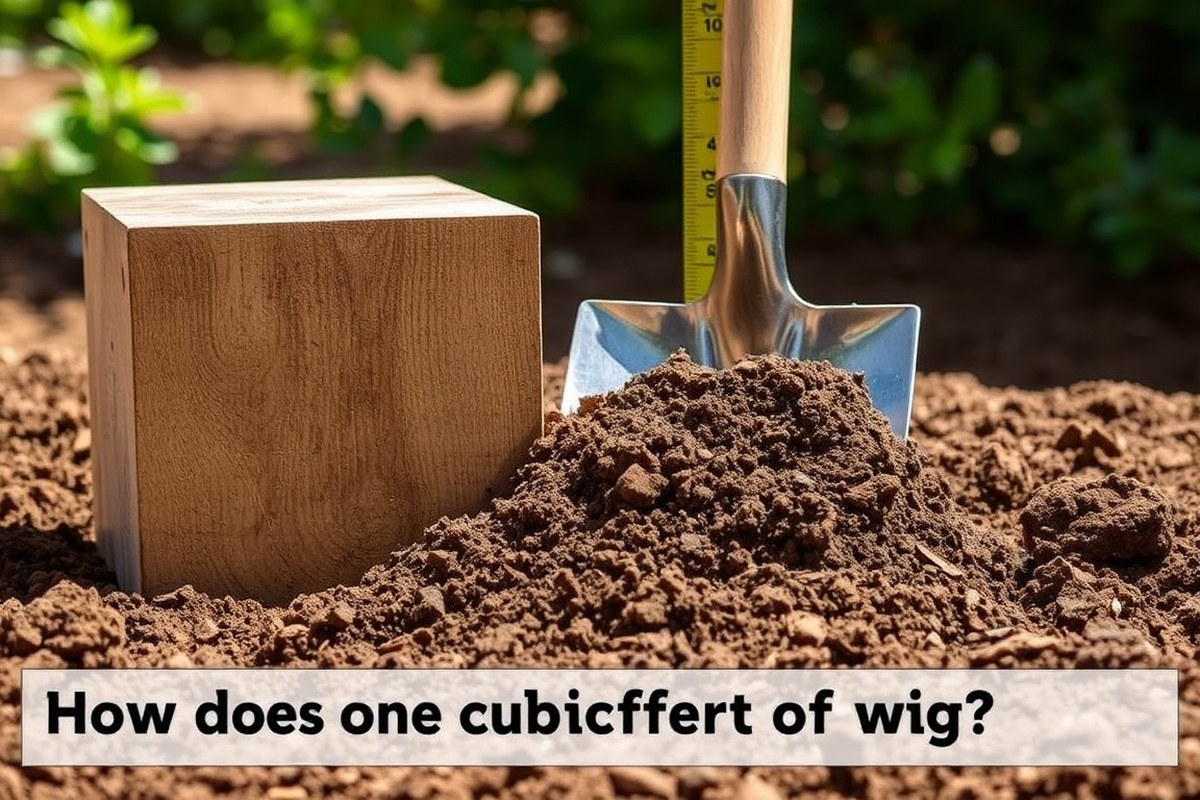
One cubic foot of dirt typically weighs between 74 and 110 pounds. Dry, loose dirt usually weighs about 76 pounds per cubic foot. When moist, the same volume of dirt can weigh around 78 pounds or more.
The average number often used for general estimates is about 80 pounds per cubic foot. This figure balances differences in moisture and soil type for most projects. Dry topsoil and fill dirt tend to be near 75 to 80 pounds per cubic foot.
Moist soil weighs more because water adds weight without changing volume. Saturated soil can reach 100 to 130 pounds per cubic foot, depending on dirt composition. For everyday landscaping or construction work, planning with 80 pounds per cubic foot usually works well.
How Soil Type Influences Weight: Clay, Sand, Silt, and More
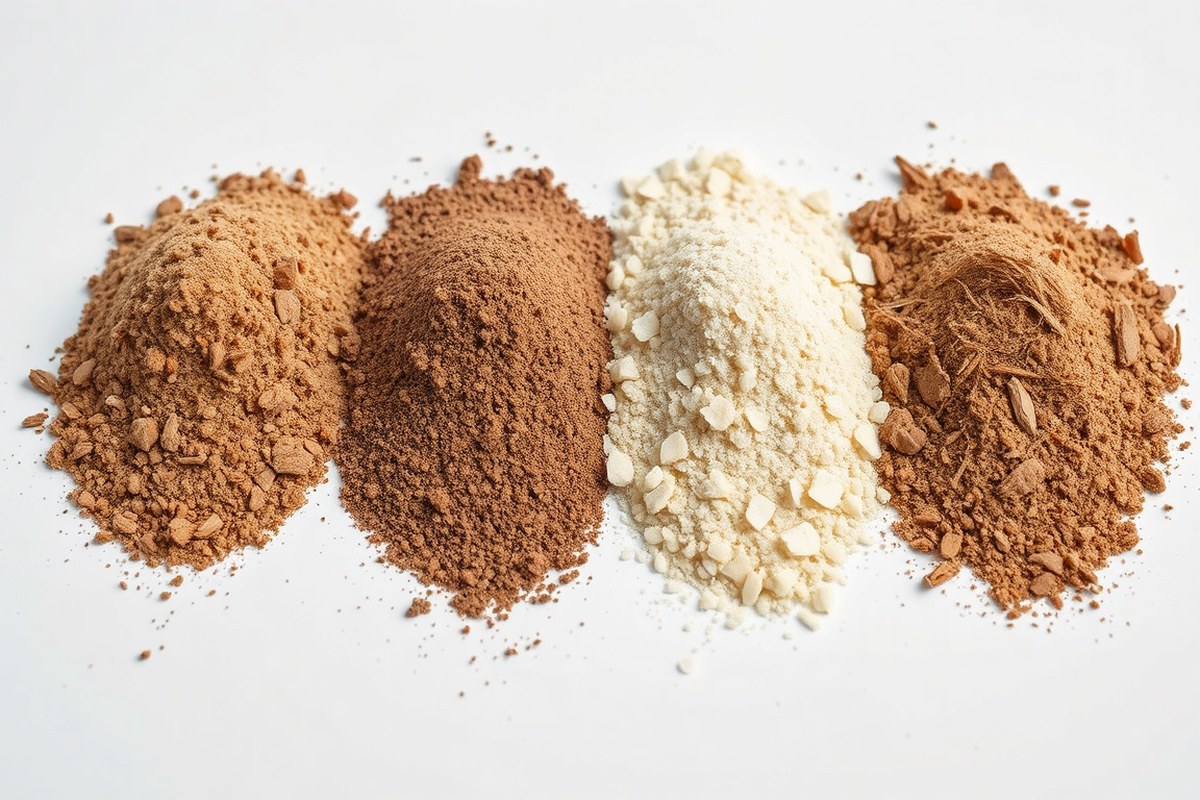
Soil weight varies a lot because of its type and texture. Clay, sand, silt, loam, and organic soils all weigh differently per cubic foot. Moisture changes these weights, making it important to know the soil type before estimating weight.
Clay Soil Weight Characteristics
Clay is one of the heaviest soil types per cubic foot. Dry clay weighs around 75 to 95 pounds.
Saturated clay can reach 110 to 130 pounds per cubic foot. Clay’s tiny particles pack tightly, increasing its density and weight.
Because clay holds water well, its weight increases a lot when wet. This extra moisture adds 20-40 pounds per cubic foot compared to dry clay. Clay’s heaviness makes it good for strong foundations but tough to move.
Sandy Soil Weight Characteristics
Sand is heavier than most soils when dry, weighing 90 to 110 pounds per cubic foot. When saturated, sand grows heavier, reaching 120 to 130 pounds per cubic foot.
Sand particles are larger and less likely to pack tightly. So dry sand is quite dense but remains relatively loose.
Sandy soil drains quickly, so it doesn’t hold much moisture unless saturated by water. That’s why sand’s weight jumps noticeably when wet. Sandy fill dirt weighs less than clay but more than organic soil on average.
Loam and Silt Soil Weight Characteristics
Loam and silt soils cover the middle range of soil weights. Dry silt weighs about 70 to 90 pounds per cubic foot. When silt holds water, it can weigh 100 to 120 pounds per cubic foot.
Loam combines sand, silt, and clay into one soil mix. When dry, loam weighs between 70 and 100 pounds per cubic foot. Its weight rises to 100-130 pounds per cubic foot when wet due to moisture content.
Organic Soil and Fill Dirt Weight
Organic soil is much lighter than mineral soils because it contains decomposed plant matter. Dry organic soil weighs just 30 to 60 pounds per cubic foot. When wet, organic soil’s weight rises to 60 to 90 pounds per cubic foot.
Fill dirt varies by its blend of clay, sand, and loam. Clay fill dirt is heaviest, weighing 2,800 to 3,600 pounds per cubic yard. Sandy fill dirt weighs between 2,600 and 3,200 pounds per cubic yard.
Loam fill dirt ranges from 2,400 to 3,000 pounds per cubic yard. These weights can change with moisture and compaction.
| Soil Type | Dry Weight (lbs/cubic foot) | Moist Weight (lbs/cubic foot) |
|---|---|---|
| Clay | 75 – 95 | 110 – 130 |
| Sand | 90 – 110 | 120 – 130 |
| Silt | 70 – 90 | 100 – 120 |
| Loam | 70 – 100 | 100 – 130 |
| Organic Soil | 30 – 60 | 60 – 90 |
Knowing these weights helps you pick the right soil and avoid surprises in your project. Weight differences matter when you’re hauling, spreading, or compacting soil.
Lighter soils like organic soil are easier to handle. But heavy clays offer sturdier bases.
Tip: Check soil moisture before weighing soil. Wet soil can be up to 40% heavier than dry soil. This difference affects your weight estimate.
The Role of Moisture Content in Soil Weight
Moisture content directly affects how much one cubic foot of dirt weighs. Dry dirt is lighter because it contains little to no water. Adding water makes dirt heavier.
The weight changes if moist or saturated. Wet soil weighs more than dry soil.
Dry Soil Weight Averages
Dry dirt usually weighs between 56 and 81 pounds per cubic foot. This range depends on the type of soil and how compacted it is. For example, dry topsoil tends to fall near the lower end of the scale.
Dry soil contains minimal moisture, which makes it lighter and easier to handle. Expect dry dirt to weigh about half to two-thirds as much as wet dirt. This difference matters when planning transportation or spreading soil for landscaping.
Moist Soil Weight Ranges
Moist soil includes some water content and weighs more than dry soil. It generally falls between 81 and 96 pounds per cubic foot. This weight gain happens because water adds density without significantly changing the volume.
Soil moisture varies by type. Clay holds more water than sand. So moist clay weighs more than moist sandy soil.
Moisture can add 10% to 20% more weight to dry soil. Always count water weight when planning soil projects.
Saturated Soil Weight Impact
Saturated soil holds all the water it can. Its weight hits 96 to 111 pounds per cubic foot.
Water fills the spaces between soil particles, drastically increasing the total weight. This is especially important when working after heavy rain or near water features.
This weight increase can double the load compared to dry soil. For instance, saturated topsoil can weigh nearly twice as much as dry topsoil. Knowing soil moisture conditions helps avoid surprises when moving large amounts of dirt.
Here’s a quick comparison of soil weight by moisture condition per cubic foot and cubic yard:
| Moisture Condition | Weight per Cubic Yard (lbs) | Weight per Cubic Foot (lbs) |
|---|---|---|
| Dry Topsoil | 1,500, 2,200 | 56, 81 |
| Moist Topsoil | 2,200, 2,600 | 81, 96 |
| Saturated Topsoil | 2,600, 3,000 | 96, 111 |
Using these ranges, you can estimate the weight for your landscaping or construction job. Always check moisture for each soil type.
Soil can be wet or dry at different times. This understanding prevents underestimating soil weight and avoids overloading your equipment.
How Compaction and Density Affect Soil Weight
Soil compaction means packing dirt particles closer together. This makes the soil denser and heavier per cubic foot.
For example, loose dirt might weigh about 75 pounds per cubic foot. But compacted soil can weigh up to 104 pounds per cubic foot.
Compacting soil can increase its weight by 30 to 40 percent or more. It changes how much space the soil takes up without adding more dirt. This matters when you’re filling a space or calculating load limits for landscaping or construction projects.
Too much compaction harms plant roots and reduces drainage. Avoid it by lightly tamping soil in layers, not smashing it all at once. Use hand tampers or plate compactors, working in 4- to 6-inch lifts to reach proper density.
Ideal soil density depends on the project. For garden beds, gentle compaction keeps soil loose enough for roots.
When building a patio base, heavier compaction makes a stable surface. A good range for fill dirt is around 90 to 110 pounds per cubic foot.
Compaction affects heavy equipment and structural load calculations too. Over-compacted soil may make your foundation settle unevenly or cause drainage problems. Knowing how dense your soil is helps pick the right tools and avoid delays.
You can measure compaction on site with a soil density gauge. Another way is to track how much soil volume shrinks after tamping. Both methods help you check soil firmness before working.
Expect to spend extra labor and maybe rent a compactor if your project needs stiff soil. The tradeoff is a solid, longer-lasting foundation or landscape bed.
Estimating Total Dirt Weight for Your Project
Calculating the total weight of dirt for your project helps you plan delivery and avoid overloads. First, find the volume in cubic feet. Next, change that volume to cubic yards if it helps your math.
Then multiply this volume by the soil’s weight per cubic foot or yard. Adjust for the soil type and moisture.
- Measure the area you want to fill in feet. Check the length, width, and depth carefully.
- Multiply those three numbers to get the volume in cubic feet (length × width × depth).
- Divide the volume in cubic feet by 27. This converts it to cubic yards.
- Figure out your soil type or guess the average weight per cubic foot. Most soils weigh between 100 and 120 pounds.
- Multiply cubic feet by the weight per cubic foot for pounds. Or multiply cubic yards by 2,000 to 3,000 pounds.
- For layered soils, calculate volume and weight for each layer. Then add all weights together for the total.
- Use the higher end of weight range if soil moisture might change. This helps avoid underestimating total weight.
Suppose you have a garden bed 5 feet long and 2 feet wide.5 feet deep. Multiply 5 × 2 × 0.5 to get 5 cubic feet.
Multiply 5 by 115 pounds per cubic foot. This totals 575 pounds of soil.
Check your soil type and moisture level again before you order. This prevents getting too little or too much soil.
Common Mistakes When Estimating Soil Weight and How to Avoid Them
Many people guess soil weight by volume without factoring in moisture or soil type. That often leads to big errors in how much dirt you actually need or can carry. You might order too much material or overload equipment if you don’t adjust for these factors.
Measuring soil by cubic feet alone misses how tightly packed the dirt is. Compacted soil weighs more per cubic foot than loose dirt.
Moist soil can easily weigh twice as much as dry soil because water adds weight. Not accounting for compaction and moisture causes miscalculations that slow your project and raise costs.
- Skipping moisture tests; use a simple squeeze test or moisture meter to check.
- Assuming all soil weighs the same. Learn the weight range by soil type before ordering.
- Ignoring compaction and settling effects; estimate 10% to 20% extra weight for compacted soil.
- Mixing loose and compacted dirt measurements; always measure after you’ve compacted.
- Not remeasuring after rain or watering; moisture changes quickly, so test before weight estimates.
Check the soil moisture first by squeezing a handful. When it sticks and forms a ball, it is moist and heavier. Measure bulk density by filling a container with known soil volume.
Weigh the container with soil inside. Then divide the weight by the volume to get density. Compare that with your project’s soil type charts to estimate real weight per cubic foot.
You can raise your weight estimate by 10% or more. Do this if the soil will be compacted. This adjusts for tighter packing of soil particles.
Add 15 to 20 pounds for every 10% moisture increase above dry soil. This helps reflect the heavier weight from added water.
Adjust your calculations accordingly. This adjustment prevents surprises, like trucks getting overloaded or foundations sinking under excess weight.
Safety Tips for Handling Dirt by Weight
One cubic foot of wet clay dirt can weigh over 110 pounds. That is above what most adults should lift manually. Knowing this helps prevent strains and injuries when moving soil.
Always use proper lifting methods to avoid back injuries. Keep your back straight and bend your knees when picking up soil. Hold the load close to your body for better control and less strain.
Use tools and equipment to move heavy soil safely. Wheelbarrows work well for short distances and moderate weights. For larger projects, hand trucks or motorized soil movers reduce your physical load.
- Wear sturdy gloves to protect hands from blisters and sharp objects.
- Plan your route before lifting to avoid obstacles and hazards.
- Lift with your legs, not your back, always keeping the load close.
- Break heavy loads into smaller portions under 50 pounds each.
- Use a wheelbarrow or dolly to carry soil across uneven ground.
- Take frequent breaks to rest muscles during long soil-moving tasks.
- Ask for help if the weight or awkwardness seems too much.
Manual lifting under 50 pounds is generally safer and reduces injury risk. Wet clay dirt exceeds this, so shoveling small scoops into a wheelbarrow helps. Always inspect your tools and equipment to make sure they work well.
Handling soil weight incorrectly can cause muscle strains or worse injuries. Using good posture and the right equipment keeps you safe and speeds up the work. Moving soil in smaller amounts feels easier and prevents accidents on your site.
How Much Dirt Can a Dump Truck Carry by Weight and Volume?
Dump trucks come in various sizes, affecting how much dirt they can carry. A typical standard dump truck holds about 10 to 15 cubic yards of dirt. Larger dump trucks can haul between 20 to 25 cubic yards.
These volume ranges translate to different weights depending on the soil type and moisture content. Fill dirt is common on construction sites. It weighs 1,100 to 1,325 pounds per cubic yard when moist.
This weight varies slightly depending on moisture content. So, a truck carrying 15 cubic yards will be hauling about 16,500 to 19,875 pounds.
You need to consider these limits because hauling too much can overload the truck. Weight limits vary locally. But staying within them keeps the truck safe and prevents fines.
Moist soil or heavy clay weight more than dry dirt. This adds to the load weight on trucks. It means you can carry less volume safely.
| Truck Type | Volume Capacity (cubic yards) | Volume Capacity (cubic feet) | Typical Dirt Weight (lbs) |
|---|---|---|---|
| Standard Dump Truck (small) | 10 | 270 | 11,000 – 13,250 |
| Standard Dump Truck (average) | 15 | 405 | 16,500 – 19,875 |
| Larger Dump Truck | 20 | 540 | 22,000 – 26,500 |
| Larger Dump Truck (max volume) | 25 | 675 | 27,500 – 33,125 |
Heavy moisture or clay soils push the weight higher than typical estimates. Wet clay can weigh up to 120 pounds per cubic foot. This weight limits how much a truck can carry.
Carrying too much risks damaging the vehicle. Loose or sandy soils weigh less. So you can haul closer to the volume limit safely.
Always check your truck’s weight limit plate and local laws before loading. Load volume alone doesn’t guarantee weight compliance. Keep an eye on soil moisture and type for the best results.
Don’t overload your dump truck by volume alone; check soil type and moisture first.
How to Identify Soil Type and Moisture for Accurate Weight Estimates
To get a better soil weight estimate, you need to identify soil type and moisture first. You can do simple tests right on site. These help you judge if soil is clay, sand, or loam, and how wet it is.
Feel and Texture Soil Test
Soil texture affects its weight and water retention. Clay feels sticky, sand feels gritty, and loam feels smooth but crumbly. Knowing this helps figure out how much the soil weighs per cubic foot.
Follow these steps to test soil texture by feel:
- Take a small handful of soil from your site.
- Moisten it slightly with water if dry, just enough to hold together.
- Rub the soil between your fingers to sense texture.
- When it feels gritty and won’t stick, it’s mostly sand.
- When it’s smooth and forms a loose ball, it’s likely loam.
- When it feels sticky and holds its shape, it’s mostly clay.
- Try to roll it into a thin “worm”; clay will hold shape well.
This test costs nothing and takes only a couple minutes. Dry soil can be hard to test, so add a bit of water first. Wet or very dry extremes may give unclear results.
Moisture Squeeze Test
Knowing soil moisture helps you adjust weight estimates. Wet soil weighs more because water adds mass. A simple squeeze test shows how wet soil is right away.
Do this moisture test in these steps:
- Grab a handful of soil like the texture test.
- Squeeze it firmly in your hand for a few seconds.
- Open your hand and observe if it holds shape, crumbles, or drips water.
- When it forms a solid ball but breaks, it’s moist, not soaked.
- When it stays in a tight ball and feels slippery, it’s very wet.
- When it falls apart quickly, it’s dry soil with little moisture.
This test is quick and gives you a good moisture range by feel. Avoid using soil with excess water or puddles unless your project requires it.
Visual Clues for Organic Matter
Soils rich in organic matter weigh less and look darker. Topsoil with lots of decomposed plants looks black or dark brown. Organic soil is softer and less dense than mineral soil.
Look closely for these signs of organic content:
- Dark black or brown color, often crumbly texture.
- Visible pieces of roots, leaves, or plant debris.
- Soil that feels light or fluffy compared to heavy clay or sandy soil.
Organic matter reduces soil weight but improves plant growth. Avoid confusing dark soil with wet soil by doing the moisture squeeze test first.
Step-by-Step Action Plan for Estimating and Handling Soil Weight
Follow these clear steps to measure your soil weight. Estimate the amount and manage dirt safely for your project.
- Before you start: Identify your soil type using a simple texture test or local soil report. This helps predict the weight per cubic foot.
- Day 1: Check soil moisture by squeezing a sample. Slightly moist soil weighs more but is easier to compact.
- Day 2: Measure the project area and soil depth first. Then calculate soil volume in cubic feet.
- Day 3: Check average weights based on soil type. Adjust for how wet the soil is.
- Day 4: Arrange delivery considering dump truck capacity, expect around 10 to 14 tons per load.
- Day 5: Plan for soil compaction in your weight estimate. Compacted soil weighs more per volume.
- Day 6: Prepare safety gear, including gloves and sturdy boots, to protect when moving heavy soil.
- After delivery: Check soil moisture and type again if it sits. The weight and handling needs might change.
Frequently Asked Questions
How Much Does One Cubic Foot of Dirt Weigh?
One cubic foot of dirt typically weighs between 74 and 110 pounds. The exact weight depends on soil type and moisture content.
Does Moisture Affect the Weight of a Cubic Foot of Dirt?
Yes, moist dirt weighs more than dry dirt due to added water weight. Moist loose dirt averages about 78 pounds per cubic foot.
How Does Soil Composition Change the Weight of Dirt per Cubic Foot?
Soil with more clay weighs more, about 85 pounds per cubic foot dry. Sand and fill dirt usually weigh around 80 pounds per cubic foot.
Can Compaction Increase the Weight of One Cubic Foot of Dirt?
Compaction increases soil density, making the same volume weigh more. Heavily compacted soil can weigh closer to the upper range like 110 pounds.
Why Should I Estimate Soil Weight for Landscaping Projects?
Soil weight helps you order the right amount and plan equipment needs. Overestimating can waste money, while underestimating risks delays.
Final Thoughts
One cubic foot of dirt weighs 75 to 110 pounds. Weight varies with soil type and moisture level.
Knowing this helps you avoid costly mistakes. Start by testing your soil’s moisture and texture today for a solid estimate.