How to Drive Automatic Gear Car: Simple Steps for Confident Beginners
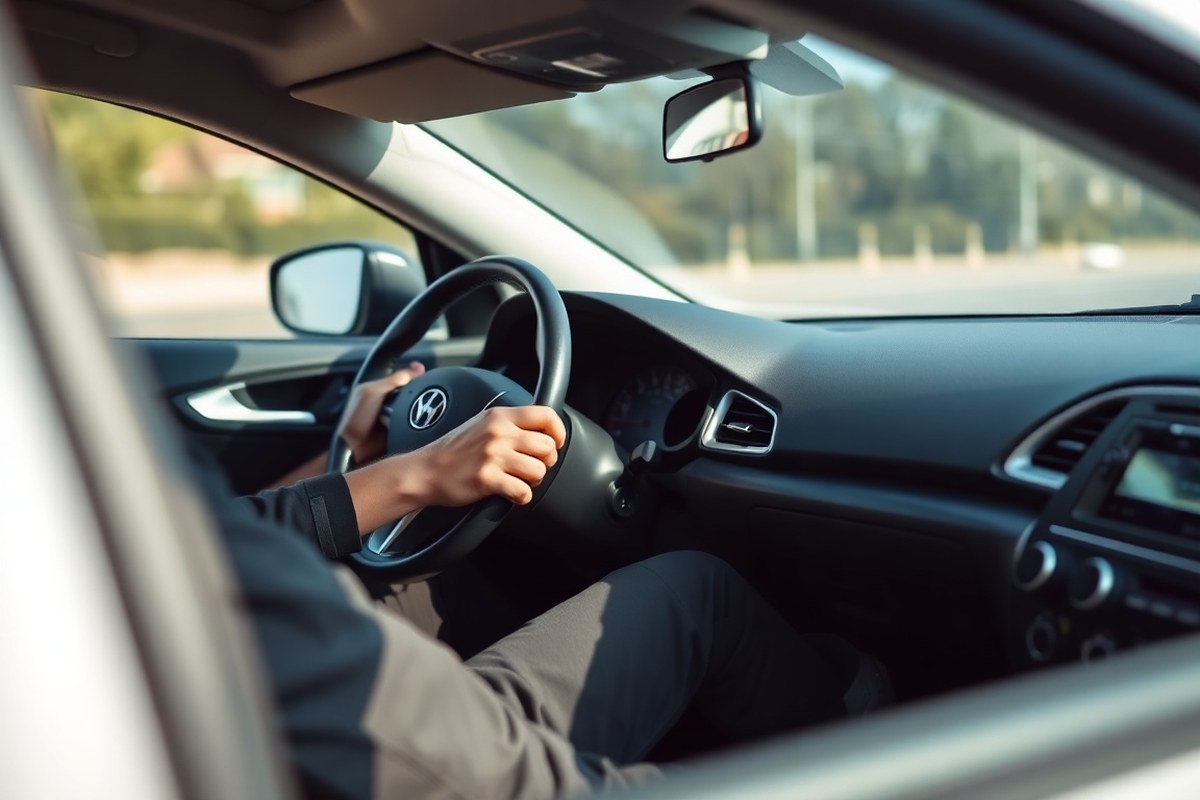
Learning how to drive automatic gear car is easier than you might think. The car handles gear changes for you. So you only focus on steering and pedals.
Find the gear shift first. Learn the main positions: P, R, N, and D. These are used most often.
Press the brake pedal. Shift the gear to D for drive. Then, slowly press the accelerator to move.
The automatic system picks the right gear based on your speed, smoothing out your ride. Keep both feet ready. But mostly use your right foot for gas and brake pedals.
Remember, the car won’t shift gears unless it needs to. So you don’t have to do anything special once you’re moving.
Keep your foot on the brake while changing gears. This matters most when shifting from P to D or R. This simple routine keeps you safe and in control while driving.
Key Takeaways
- Use the gear shift’s “D” position to move forward in an automatic car.
- Press brake before shifting from “P” to “D” or “R” every time.
- Your right foot controls both gas and brake pedals; left foot stays idle.
- Automatic transmissions choose the right gear for your speed automatically.
- Only use “N” (neutral) rarely, like during long stops or car washes.
- When stopped at traffic lights, keep the car in “D” with the brake pressed.
How to Drive an Automatic Gear Car Step-By-Step
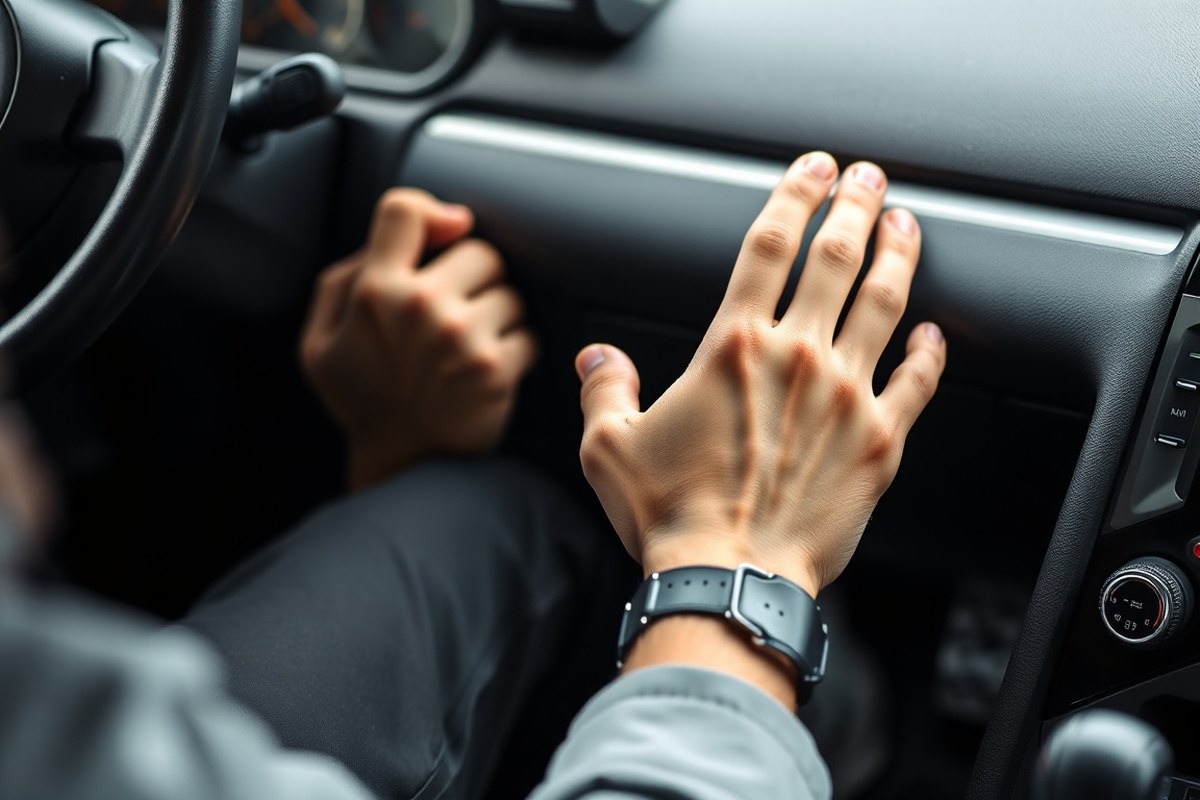
Starting and driving an automatic car involves a simple sequence that keeps safety first. Your feet only use two pedals: the right foot for the brake and accelerator.
The left foot stays off the pedals. Always keep your foot on the brake before shifting out of park.
Here’s a step-by-step list for a smooth start, driving, and parking of an automatic car. Follow each step carefully to avoid jerks or gear grinding, which can cost extra repairs. Practice helps you feel the right gas pedal pressure.
Try pressing gently, then harder. Do the same with the brake pedal.
- Your right foot should press the brake pedal steadily. This stops the car from moving when changing gears. Keep the brake pressed until ready.
- Turn the key or push the start button to turn on. Keep your foot on the brake until the engine is steady. Let the engine warm up a bit.
- Shift the gear selector from ‘P’ (Park) to ‘D’ (Drive). Keep braking while you do this to ensure safety.
- Slowly lift your right foot off the brake. The car will start to move forward gently on its own.
- Gently press the accelerator with your right foot to increase speed. Avoid sudden pushes to prevent jerky starts.
- To stop, press the brake pedal steadily until the car fully stops. Keep your foot on the brake while stopped to avoid rolling.
- Shift the gear selector to ‘P’ (Park) once stopped. This locks the transmission and prevents movement.
- Engage the handbrake if available, then turn off the engine. This adds extra security when parked on slopes.
Using just your right foot for both pedals helps prevent confusing brake and accelerator inputs. Keep the car in ‘D’ while you drive. This helps the transmission switch gears at the right moments.
It keeps the ride smooth. Always shift to ‘P’ and engage the handbrake before leaving your seat. This prevents unwanted movement or damage to the transmission.
Understanding Automatic Car Gear Positions and Their Uses
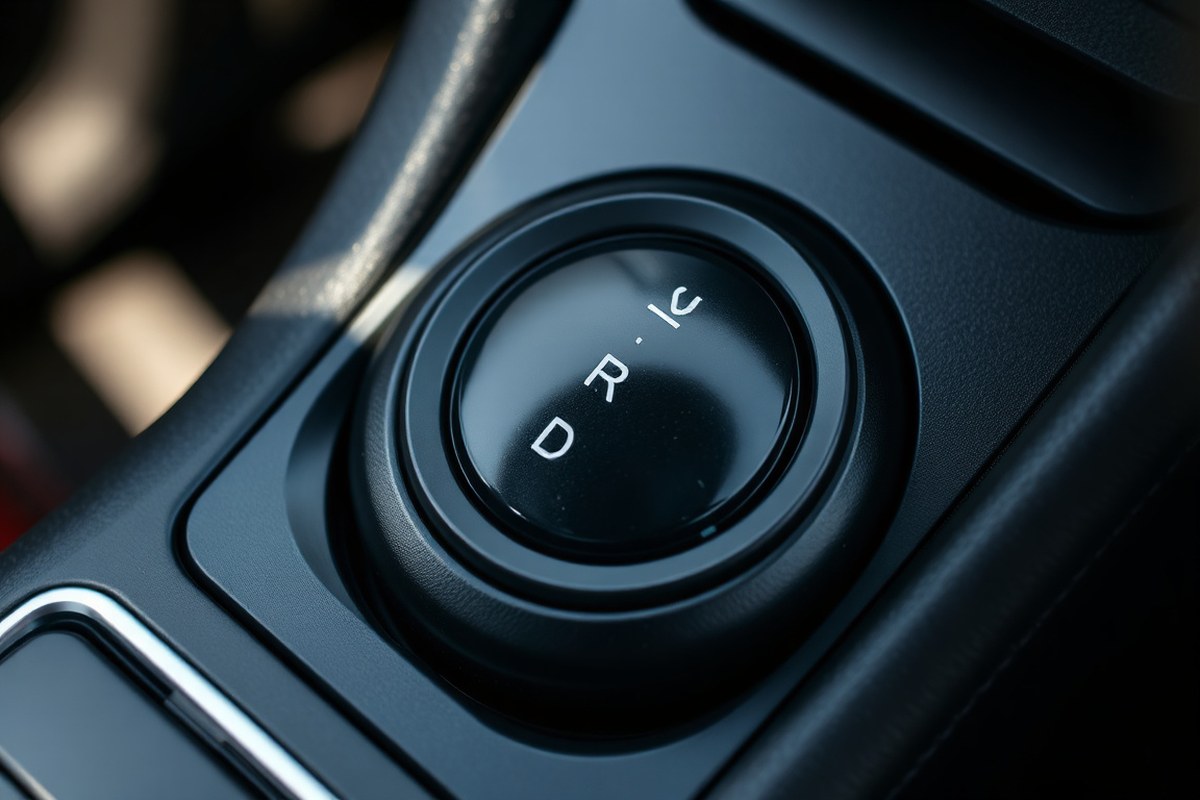
Automatic gear positions control how your car moves and stops. Each position serves a clear purpose for safety and function. Knowing when and how to use them helps you avoid costly mistakes and makes driving easier.
Before you start driving, always check the gear is in Park (P). This locks the wheels and prevents the car from rolling. It’s the safest mode when parking or starting your engine.
| Mode | Name | Function | When to Use |
|---|---|---|---|
| P | Park | Locks the output shaft to stop wheel movement. | When the car is parked or before starting the engine. |
| R | Reverse | Engages reverse gear for backward movement. | When you need to back up the car slowly. |
| N | Neutral | Disconnects the engine from the wheels, allowing free rolling. | Rarely, such as when using a car wash or emergency stops. |
| D | Drive | Automatic forward gear shifting based on speed and throttle. | For all normal driving on roads and highways. |
| L | Low | Keeps the gear in a lower range for more power and control. | When climbing steep hills or driving down steep slopes. |
Use the Reverse (R) gear only when stopped fully. Shifting into reverse while moving can seriously damage the transmission. Move gently and check behind you before engaging reverse.
Neutral (N) disconnects the engine and wheels but doesn’t hold the car in place. Avoid shifting to neutral while driving to save gas.
This can reduce control and increase wear. Use it only if you need to push the car or during some emergency stops.
Drive (D) handles all your forward driving needs. It automatically shifts gears for you, based on speed and engine load. This lets you focus on steering and braking without worrying about changing gears.
Low gear (L) limits the highest gear the transmission can use. It provides better power at low speeds and helps control your car on steep hills. Use this when going uphill or downhill to avoid overheating brakes or losing control.
Never shift from Drive to Park while the car is moving. It can also damage the transmission if you shift to Reverse. This mistake often leads to costly repairs.
How Automatic Transmissions Shift Gears While Driving
How Automatic Transmissions Shift Gears While Driving
The automatic transmission checks your speed and gas pedal pressure. It then decides the best gear to use for driving. This helps the car run smoothly.
It uses sensors and hydraulic parts to pick the best gear without you touching a lever. This system changes gears smoothly to match road conditions and save fuel.
Basics of Automatic Gear Shifting Mechanisms
Inside an automatic car, sensors track your speed and engine load all the time. A computer or hydraulic system looks at this information carefully. It picks the right gear ratio to match the conditions.
This helps your car drive better. This setup avoids jerky shifts and keeps the engine running efficiently at each speed.
The car’s throttle input signals how much power you want. Pressing harder makes the transmission shift to a lower gear for more power. Letting off the gas lets it shift up to save fuel and drive smoothly.
Understanding ‘Creep’ and Smooth Low-Speed Control
‘Creep’ happens when you put the car in Drive but don’t press the gas. The car moves slowly by itself using engine power. This helps you maneuver in tight spots without pressing the gas or clutch, making parking easier.
The transmission sends a small amount of power to the wheels at idle. So the car moves forward gently. Going uphill, the creep effect helps you control the car more.
It prevents the car from rolling back on slopes. This makes hill starts safer and easier.
Manual or Sport Modes for Extra Control
Many automatic cars offer manual or sport modes to let you choose gears yourself. You can tap buttons or push the gear selector to higher or lower gears. This helps you control speed better on hills or when you want a sportier drive.
In these modes, the transmission holds lower gears longer or shifts faster. This gives more power and sharper acceleration but may lower fuel efficiency. Some automatics also let you lock the car in low gears for climbing or engine braking.
Using Engine Braking in Automatic Cars
Engine braking happens when the car slows down using engine resistance instead of brakes. Automatic cars don’t always do this on their own but offer ways to use it manually. Selecting low gears like ‘L’ or ‘2’ keeps the transmission from shifting up, adding engine braking.
This method helps control speed on downhills and reduces brake wear. You shift to a lower gear ahead of a steep descent.
The car naturally slows without you riding the brakes. This control is important on long hills or slippery roads.
Do I Need Both Feet When Driving an Automatic Car?
Only your right foot should operate the pedals in an automatic car. The brake pedal is on the left side in the footwell. The gas pedal is on the right side.
You use these pedals with your feet. Using your right foot for both helps avoid accidental presses and improves control.
People new to automatics often wonder about using the left foot for braking. It can seem quicker, but it can cause confusion and mistakes. For example, pressing both pedals at the same time may cause damage and unsafe jerking.
Most automatic cars have a footrest, called a dead pedal, on the left. Rest your left foot there to stay relaxed and stable. This helps prevent accidental braking or gas pedal presses.
- Always keep your left foot on the dead pedal unless stepping out.
- Use only your right foot to press the brake and accelerator pedals.
- Press the brake pedal gently and smoothly with your right foot.
- Avoid pressing brake and gas pedals simultaneously.
- Practice shifting your foot from gas to brake for smooth stops.
- Keep your heel on the floor for better pedal control.
- Never rest your left foot on the brake pedal when driving.
Beginners often tuck their left foot behind the right foot while adjusting. This habit helps prevent using the left foot unintentionally. Using both feet can cause sudden stops or gear damage.
Sticking to right-foot driving reduces risks like jerky braking or delayed response. It also extends the automatic transmission’s life and avoids costly repairs. Being deliberate with pedal use makes your ride smoother and safer.
How to Drive Automatic Cars Uphill and Downhill Safely
Driving automatic cars on hills requires careful use of gears, brakes, and handbrake. You prevent rollback by using the handbrake and low gear together on inclines. Engine braking helps control speed safely when going downhill without overusing the brakes.
Starting Uphill Without Rolling Back
Rollbacks happen when your car slips backward while you move your foot from brake to gas. Using the handbrake holds the car steady until you apply power. This technique lets you launch uphill without fear of rolling backward.
Follow these steps to start smoothly on a hill without rolling back:
- Press the brake pedal firmly to hold your car still on the slope.
- Shift the gear lever to Drive (D) or use the low gear if available.
- Engage the handbrake fully to keep the car stationary.
- Gradually press the accelerator pedal to increase engine power slightly.
- Slowly release the handbrake while increasing gas to move forward.
- Release the brake pedal fully once the car starts moving uphill steadily.
- Keep both hands on the wheel and focus on smooth acceleration.
Always use the handbrake to hold your car on hills; it stops rollback safely.
Using Low Gear and Handbrake Effectively
Low gear or ‘L’ gear limits your speed and increases engine power on hills. Use it when climbing steep slopes or when descending long inclines. It reduces engine strain uphill and controls speed downhill without constant braking.
Handbrakes help stop slippage when starting on inclines, especially on steeper hills. You still shift to Drive.
But the handbrake prevents the car from rolling back before you accelerate forward. This combo works well in city driving and parking lots on hills.
Controlling Speed Downhill with Engine Braking
When driving downhill, shift to ‘L’ gear or the lowest gear your car offers. This lets the engine slow the car instead of relying only on the brakes. It keeps your brakes from overheating and maintains a steady, safe speed.
Use light brake pressure occasionally on steep slopes to assist engine braking. Avoid riding your brakes nonstop on long or steep descents. Doing this can cause brake fade.
It may also lead to brake failure. Lower gears keep you safer by controlling speed while protecting your brakes.
Shift to low gear before descending to avoid overheating brakes and loss of control.
Common Hill Driving Mistakes to Avoid
One common mistake is releasing the handbrake too early or too quickly on an uphill start. It causes the car to roll backward or jerk forward suddenly. Take your time releasing the handbrake gradually as you press the accelerator.
Another error is relying solely on brakes downhill without shifting to a low gear. This overheats the brakes and may cause failure. Always use engine braking first, then lightly press the brakes if needed during descent.
Different Types of Automatic Transmissions Explained
Automatic transmissions come in a few common types, each with its own feel and performance. The torque converter transmission uses a fluid coupling instead of a clutch. So it shifts gears smoothly and quietly.
A CVT stands for continuously variable transmission. It changes gears smoothly without fixed steps. This helps improve fuel efficiency and ride comfort.
Another type is the dual-clutch transmission, or DCT. It uses two clutches to switch gears fast. This is quicker than traditional automatics.
It feels more like a manual car but without pressing a clutch pedal. Automated manual transmissions (AMT) are manual gearboxes controlled automatically.
They can feel jerky during shifts but are less complex mechanically. Each type suits different driving styles and needs.
| Transmission Type | Key Features | Pros | Cons |
|---|---|---|---|
| Torque Converter | Fluid coupling, smooth shifts | Quiet, smooth gear changes, beginner-friendly | Less efficient, shifts can lag under load |
| CVT (Continuously Variable Transmission) | No fixed gears, smooth ratio changes | Very smooth, improves fuel economy | Can sound odd under heavy acceleration |
| DCT (Dual-Clutch Transmission) | Two clutches, quick shifting | Fast gear changes, sporty feel | Can be jerky at low speeds, higher cost |
| AMT (Automated Manual Transmission) | Manual gearbox automated by computers | Lower cost, simpler mechanics | Shift jerks, less smooth rides |
Torque converters give very smooth shifting and quiet rides. They work well in city driving conditions. This type offers a comfortable driving experience.
CVTs also offer smooth acceleration but can produce a droning noise when pushed hard. DCTs perform fastest gear swaps, good for a sporty feel. But newbies may notice their jerky behavior at stops.
AMTs work well on a budget but tend to shift less smoothly, which beginners might notice. Knowing these differences helps you pick the right automatic system. You avoid confusion on the road this way.
It also helps you adjust better to your car. Each type changes how the car feels when it “decides” to shift gears.
How to Drive an Automatic Car in Heavy Traffic and Stop-And-Go
Stopping and starting often in heavy traffic needs care to keep things smooth and safe. Use the creep mode by gently releasing the brake. This moves the car slowly without pushing the gas pedal.
Keep your right foot on the brake while driving. Use the gas only to keep some distance from the car ahead. This helps you control your speed safely.
Avoid pressing the brake and gas at the same time. That puts extra strain on the transmission and can lead to overheating.
Shifting to neutral at traffic lights helps prevent transmission wear when you expect a long pause. Keep your foot on the brake while in neutral so the car won’t roll. This also cools the transmission by disconnecting engine power from the wheels.
- Use creep mode instead of gas in stop-and-go traffic.
- Keep your right foot on the brake and left foot off the pedals.
- Shift to neutral when stopped for more than 30 seconds.
- Avoid riding the brakes to prevent overheating.
- Watch engine temperature gauges for signs of transmission heat.
- Maintain a safe following distance to reduce sudden stops.
- Adjust your speed smoothly to avoid harsh braking.
Brakes can overheat if you keep pressing them hard during a jam. Instead, brake gently and release often to cool off. Watch for brake fade, which feels like the brake pedal goes soft.
Use the transmission gently. Avoid switching gears while the car is moving unless necessary. This practice helps keep your transmission cooler and more reliable for long drives in heavy traffic.
Common Beginner Mistakes Driving Automatic and How to Fix Them
Putting the gear in the wrong position damages your transmission over time. For example, shifting from drive to reverse without stopping causes strain.
Always come to a complete stop before changing gears. This protects your car and prevents expensive repairs.
Press and hold your foot on the brake pedal when shifting from park to drive. Moving your car without pressing the brake risks sudden movement.
This can cause accidents or damage the transmission system. The brake acts as a safety lock while changing gears.
Many beginners use both feet while driving, but this causes jerky starts or stalling. Keep your right foot on the gas and brake pedals only. Using the left foot on the brake may confuse your car’s automatic transmission response.
When parking on hills, your car might roll back suddenly. Use the parking brake to stop this. It helps keep your car in place.
Always apply the parking brake after stopping. Shift into “P” only after the parking brake is firmly set. This prevents rolling and keeps the car safe.
- Shifting gear before the car stops – wait until full stop
- Shifting from park without brake pressed – press brake firmly
- Using two feet on pedals – use only right foot
- Not setting parking brake on hills – use parking brake first
- Rushing gear changes – take time to shift smoothly
- Parking without “P” gear after stopping – always engage Park
Failing to follow these steps risks costly repairs and unsafe driving. Smooth gear changes take patience but protect your automatic transmission.
You’ll feel the car respond better. Stops and starts will be smoother and safer.
Always pull the parking brake firmly before shifting to “P.” This keeps your car steady on hills. Don’t skip the parking brake step.
Routine Maintenance Tips to Keep Your Automatic Car Reliable
Check your automatic car’s transmission fluid regularly and change it as recommended. This keeps gears shifting smoothly and prevents costly problems. Follow the schedule in your service manual for the best care.
Transmission Fluid Change Intervals
Manufacturers usually recommend replacing transmission fluid between 40,000 and 60,000 km. Driving fewer kilometers?
Change the fluid at least every four years. The timing depends on the specific car and how you drive.
Use only the fluid type your manual says. Using the wrong fluid can cause damage. Changing the fluid on schedule helps avoid hard gear shifts and gear slippage.
Warning Signs of Transmission Issues
Notice any gear slipping, delayed shifting, or strange noises when changing gears. These often signal transmission problems. A burning smell or fluid leaks under the car also warn of trouble.
Rough or jerky gear changes mean the fluid might be low or dirty. Ignoring these signs can lead to major repairs later. Get a checkup if you see any of these symptoms.
Annual Professional Checks Recommended
Have a mechanic check your transmission yearly, even if no problems appear. A professional can catch small issues before they grow expensive. This check often includes fluid and filter inspection.
Annual inspections usually cost between $100 and $200, depending on your location. They pay off by extending transmission life and improving smooth shifting. Book this service during your yearly tune-up.
Simple Owner Maintenance Tips
Always warm up your car gently in cold weather before driving. Avoid shifting gears while the car is moving. Stop completely or slow down to almost zero before changing the gear position.
Check transmission fluid level and condition every oil change, about every 5,000 miles. Look for clear, reddish fluid without a burnt smell. Keep an eye out for unusual noises or a rough feel when shifting.
Step-by-Step Action Plan to Get Comfortable Driving Your Automatic Car
This plan helps you build confidence and control behind the wheel. Follow each step to feel safer and more skilled.
- Before you start: Adjust your seat and mirrors for clear views. You’ll know you’re ready if you feel comfortable reaching pedals and can see all mirrors easily.
- Day 1: Put your foot on the brake. Practice shifting from Park to Drive. Then shift from Drive to Reverse. The car should move smoothly without jerks.
- Day 2: Drive in an empty parking lot to focus on gentle acceleration and braking. You’ll know you’ve improved when you stop smoothly without a hard jerk.
- Week 1: Try driving in slow, light traffic and use turn signals properly. You’ll feel confident if you stay calm and follow traffic flow without sudden moves.
- Week 2: Practice hill starts using the brake and gas pedals carefully. You should be able to start uphill without rolling back.
- Week 3: Drive in stop-and-go traffic to get used to frequent stops and starts. You’ll know you’re ready when you stay relaxed and avoid riding the brake.
- After 1 month: Take a longer drive on different roads including highways. You’ll find you can shift gear positions smoothly and handle traffic confidently.
Frequently Asked Questions
How Do I Know When to Switch Between Drive and Reverse in an Automatic Car?
Shift from drive to reverse only when the car is completely stopped. Doing this prevents damage to the transmission. Always use the brake before changing gear to keep control and avoid jerks.
Can I Keep My Foot on the Brake When Stopped in an Automatic Car?
Yes, holding the brake keeps the car from rolling when stopped. This is safer than switching to neutral or park at stops. It also helps you stay ready to move when the traffic light changes.
Is It Okay to Turn Off an Automatic Car While It’s Still in Drive?
No, always put the gear in park before turning off the engine. This locks the transmission. Leaving it in drive can cause the car to roll or damage parts.
Why Shouldn’t I Shift to Neutral at Traffic Lights in an Automatic Car?
Shifting to neutral while stopped is mostly unnecessary in modern automatics. It can make you less ready to move quickly. Plus, it may add wear on the transmission over time.
How Can I Avoid Accidentally Leaving the Car in the Wrong Gear?
Always check the gear indicator before moving or parking. Get into the habit of confirming the gear before you release the brake. This simple check can prevent common starter mistakes.
Key Points to Remember
Driving an automatic car gets easier with practice and paying attention. Keep focusing on smooth control of gears and pedals. Start your first easy drive today and build your skill step by step.