Is Diesel Heavier Than Gasoline? Clear Weight Comparison and Practical Insights
Is diesel heavier than gasoline? Yes, diesel weighs more per gallon than gasoline.
Diesel typically weighs about 7.1 pounds per gallon. Gasoline is around 6.1 pounds per gallon.
This means diesel is roughly 14% heavier by volume than gasoline. That extra weight comes from diesel’s denser molecules and longer fuel chains. Diesel’s heavier weight also means it contains more energy per gallon.
Because diesel packs more energy, it often provides better fuel economy in diesel engines. This weight difference influences how engines burn fuel and perform overall. Diesel engines also tend to be more efficient partly due to this property.
Keep in mind, temperature and fuel grade can slightly change the weight. When comparing fuels, use about 7.1 pounds per gallon for diesel and 6.1 for gasoline as a practical reference. This difference affects your vehicle’s fuel system design and how fuel is stored or transported.
Key Takeaways
- Diesel fuel weighs about 7.1 pounds per gallon, gasoline about 6.1 pounds.
- Diesel weighs about 10 to 15 percent more per gallon than gasoline.
- Diesel’s longer hydrocarbon chains make it denser than gasoline.
- Fuel temperature and grade affect diesel and gasoline weight slightly.
- Use 7.1 and 6.1 pounds per gallon for diesel and gasoline estimates.
- Diesel’s extra weight means it holds more energy per gallon.
Is Diesel Heavier Than Gasoline and by How Much?
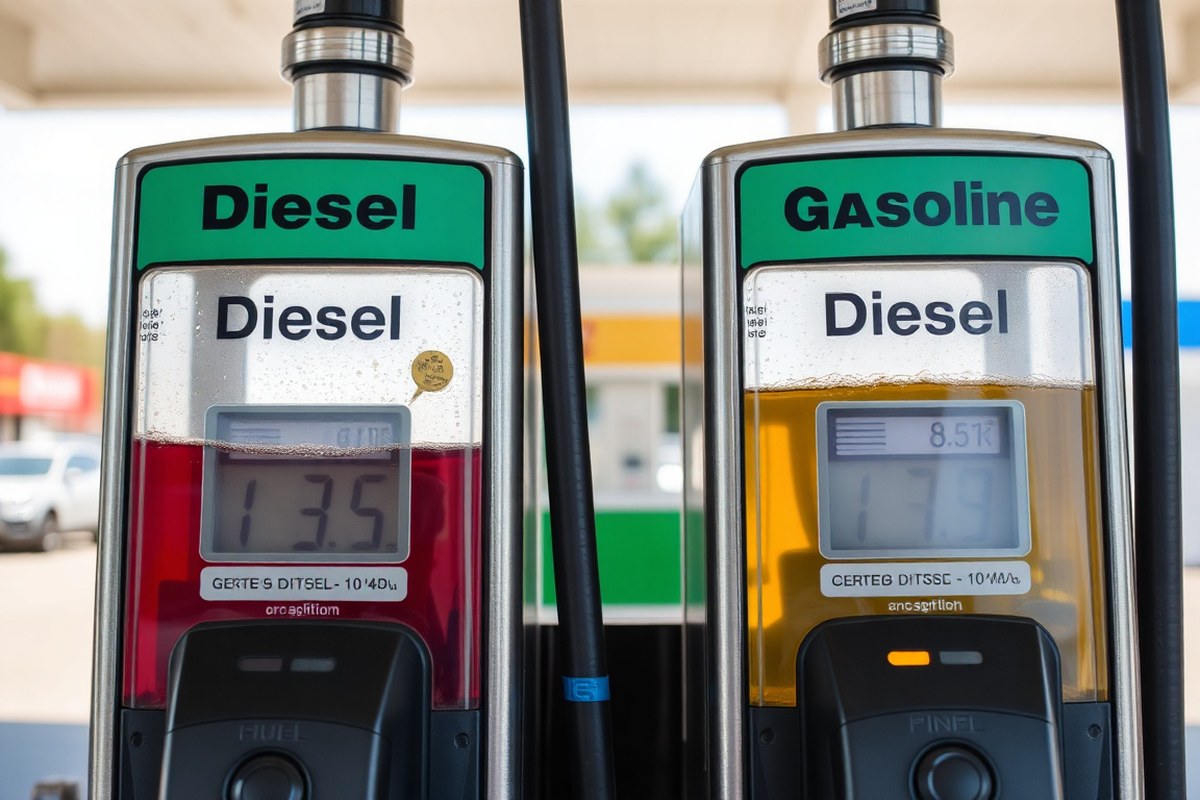
Diesel fuel is heavier than gasoline, weighing about 7.1 pounds per gallon. Gasoline typically weighs around 6.1 pounds per gallon. This means diesel is roughly 14% heavier by volume compared to gasoline.
When measured in liters, diesel weighs about 0.85 kilograms per liter. Gasoline usually weighs between 0.72 and 0.77 kilograms per liter. Diesel’s higher weight per liter translates to about a 10% to 15% increase versus gasoline.
This weight difference happens because diesel contains denser hydrocarbons than gasoline. You’ll notice diesel fuel weighs approximately 0.8 to 1.2 pounds more per gallon.
The exact amount varies with temperature and fuel composition. But diesel stays clearly heavier overall.
Why Diesel Is Heavier: Molecular Structure and Density
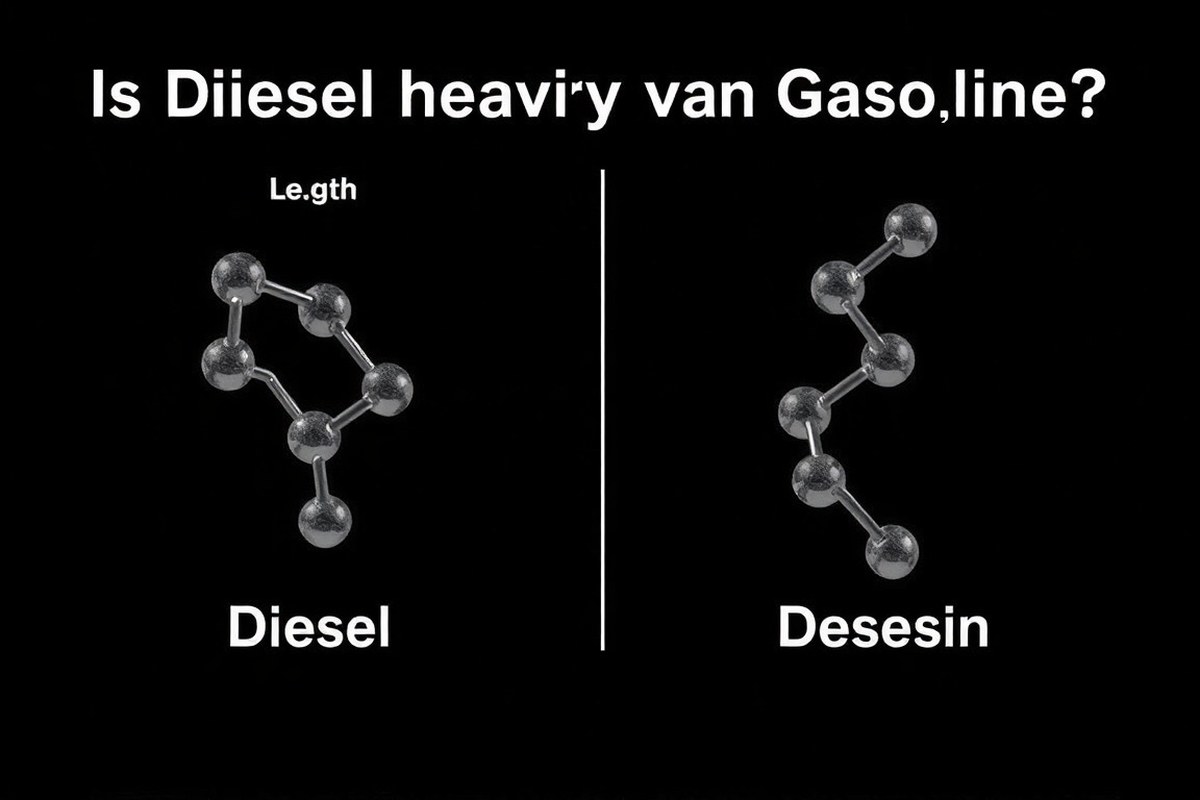
Diesel weighs more than gasoline because its molecules are longer and denser. This higher density means diesel has a heavier weight per gallon. The key reasons lie in diesel’s molecular structure and chemical makeup.
Longer Hydrocarbon Chains in Diesel
Diesel fuel contains longer hydrocarbon chains than gasoline. These chains can have 12 to 20 carbon atoms.
Gasoline typically has 7 to 11 carbons. Longer chains mean heavier molecules, which increases diesel’s overall density.
Having more carbons also means more hydrogen atoms latch onto the chain. This makes diesel denser and less volatile compared to lighter gasoline molecules. That’s why diesel doesn’t evaporate as quickly.
Density Differences Explained
Density shows how much weight fits inside a set space. Diesel weighs between 0.82 and 0.95 grams for every milliliter. Gasoline is lighter, about 0.71 to 0.78 grams per milliliter.
This means diesel weighs 6.8 to 7.9 pounds per gallon. Gasoline weighs less, around 5.9 to 6.5 pounds per gallon.
This extra weight means diesel packs more fuel into each gallon. Diesel’s density adds to its energy amount.
This higher energy can make diesel engines run more efficiently. It helps diesel vehicles get better mileage compared to gasoline ones.
Chemical Composition Impact
Diesel is mostly made up of hydrocarbons called paraffins, naphthenes, and aromatics. These tend to form larger molecules than those in gasoline. In contrast, gasoline has higher amounts of lighter, more volatile compounds with shorter chains.
The chemical differences affect how each fuel reacts in your engine. Diesel’s larger molecules compress under heat without igniting prematurely, thanks to its higher flash point. Gasoline’s lighter molecules ignite easier but burn faster.
Cold and Handling Effects
Diesel’s heavier molecular makeup means it handles temperature changes differently. It thickens more in cold weather, requiring additives to flow smoothly in winter. Gasoline remains more fluid but evaporates easier, raising fumes and fire risks.
This also impacts fuel storage and transport. The higher density means diesel and gasoline separate if mixed, with gasoline floating on top. Such differences require careful handling to avoid contamination.
Remember, even small gasoline contamination in diesel lowers the diesel’s flash point significantly, increasing ignition risk.
How Temperature and Fuel Grade Affect Diesel and Gasoline Weight
Temperature changes affect how dense diesel and gasoline are, which changes their weight. Diesel grades also differ in density because of their specific blends. These factors influence how much a gallon weighs under various conditions.
How Temperature Changes Fuel Density
Both diesel and gasoline expand when warmed. Fuel molecules spread out as temperature rises, so fuel gets less dense. This makes a gallon weigh less on warm days than on cold ones.
Fuel density is typically measured at 60°F (15.6°C). A 10°F temperature change causes about a 0.6% density change. This shift happens because fuel expands or contracts with heat.
Volume and weight measurements adjust accordingly.002 to 0.003 grams per cubic centimeter. This small change affects volume and vehicle fuel calculations.
Seasonal Effects on Fuel Weight
Fuel refiners adjust blends depending on the season. Winter fuel blends contain lighter hydrocarbons to improve cold-flow properties. Summer blends are denser and heavier, improving engine performance in hot weather.
Seasonal blends can alter diesel and gasoline weight by a few percent. Using winter diesel might weigh about 5 to 10% less per gallon than the summer grade. These differences impact fuel efficiency and engine timing.
Differences Among Diesel Grades
Diesel fuel comes mostly in two grades: #1 and #2. #1 diesel is lighter and thinner, made to perform better in cold weather. #2 diesel is denser, with higher energy content. But can gel in freezing temperatures.
Diesel grades have different weights. #2 diesel weighs about 2 to 3% more per gallon than #1 diesel. This difference affects fuel handling and engine performance. Use #1 diesel in cold months for easier engine starts.
Switch to #2 diesel in summer for stronger engine power. Each diesel type suits different weather conditions.
What to Expect When Measuring and Using Fuels
When buying fuel or checking tanks, consider these key points:
- Fuel weighs less on warm days due to thermal expansion
- Winter blends typically have lower density than summer blends
- #1 diesel weighs less than #2 diesel because of lighter hydrocarbons
- Diesel will always weigh more than gasoline at the same temperature
- Density changes can slightly affect fuel economy and engine performance
Fuel paperwork or supplier specs usually list density at 60°F. Use those numbers to adjust fuel volume and weight for your conditions.
Measuring Fuel Density Correctly
Use a fuel density meter or hydrometer to check weight at different temperatures. Measure inside a tank away from sunlight to avoid errors. Note temperature at measurement to compare with standard 60°F density.
Use temperature correction tables to adjust fuel volume for accuracy. This helps with exact fuel weight calculations for transport or tuning.
Proper adjustments keep engines running right. Without this, fuel weight estimates might be off by 3 to 7%, affecting logistics or performance.
Energy Content in Diesel vs Gasoline: Does Heavier Mean More Power?
Diesel contains more energy per gallon than gasoline because it is heavier and denser. Diesel holds more power in the same volume. This helps engines run longer.
You get more power using less fuel. However, heavier fuel doesn’t always mean more engine power in simple terms.
Diesel’s higher energy content generally gives better fuel economy. Diesel engines use this power well. This results in more miles per gallon.
They beat gasoline engines on fuel use. Diesel fuel’s weight adds load to the vehicle.
This can slow acceleration. It can also make braking harder, especially on small cars.
| Fuel Type | Energy Content (BTU per Gallon) | Notes |
|---|---|---|
| Diesel | 137,381 | Higher energy due to greater density |
| Gasoline | 120,476 | Lighter fuel with less energy per gallon |
More energy per gallon does not guarantee better fuel efficiency by itself. The engine type and how it burns that fuel matter more. Diesel engines use a more efficient combustion process, which maximizes this energy difference.
Diesel’s weight and energy give better mileage. Your vehicle needs to be built for diesel. Then you get better fuel economy.
Using diesel in the wrong engine hurts performance. The extra weight won’t increase power.
Mileage won’t improve either. Proper matching of fuel and engine is key to seeing real benefits.
Impact of Fuel Weight on Vehicle Payload and Transport Logistics
Diesel’s higher weight reduces the payload you can carry in a vehicle. Diesel’s fuel weight adds more to the total vehicle load than gasoline. This change affects transport capacity and logistics planning.
How Diesel Weight Limits Vehicle Payload
Diesel fuel weighs about 7.1 pounds per gallon. Gasoline weighs roughly 6.3 pounds per gallon. This makes diesel fuel about 0.8 pounds heavier for each gallon.
Big trucks feel this extra weight in their load limits. It reduces the maximum cargo allowed by law.
A 100-gallon tank with diesel weighs 710 pounds. The same tank with gasoline weighs 630 pounds. That means diesel adds an extra 80 pounds to the load.
The diesel fuel adds 80 pounds more weight, reducing the available payload by the same amount. This smaller payload can affect profits on each trip by lowering the cargo volume.
Fuel Type’s Role in Commercial Transport
Commercial trucks often choose diesel for better engine efficiency despite its weight. Diesel engines provide more torque and fuel economy under heavy loads. Still, the extra fuel weight reduces the gross vehicle weight allowance available for cargo.
Transporters factor this in when scheduling deliveries and planning routes. Lower payload limits mean you might need more trips. You could also carry less cargo each time.
This can increase shipping costs or slow down deliveries. Operators balance diesel’s fuel benefits against these load constraints.
Calculating Total Fuel Weight for Tanks
To find a tank’s fuel weight, multiply the fuel’s weight per gallon by tank size. For a 75-gallon diesel tank: 75 gallons × 7.1 pounds/gallon = 533 pounds. For the same size gasoline tank: 75 × 6.3 = 472 pounds.
The difference, 61 pounds with diesel, needs considering when calculating total vehicle weight. This helps keep the load within legal limits. Weigh your fully fueled vehicle or use these calculations before loading cargo.
Planning Logistics with Fuel Weight in Mind
Every extra pound in fuel means less weight available for cargo. Large fleets track fuel weight to avoid exceeding axle limits or total load laws. Load managers adjust cargo or fuel stops to keep within rules.
This planning also helps reduce wear on suspension and brakes caused by heavy total weight. Planning routes can include fuel stops that optimize tank fills to maximize payload per trip. This keeps operations cost-effective without risking fines or damage.
Overloading your truck due to diesel weight can cause fines. It also puts extra stress on your vehicle’s suspension. These damages can be expensive to fix. Check your vehicle’s max weight specs before loading.
The Effects of Fuel Weight on Engine Performance and Longevity
Diesel’s heavier weight means the engine must be built tougher to handle higher pressure. Stronger parts, like reinforced pistons and cylinders, make diesel engines more durable. This design helps diesel engines last longer, often exceeding 300,000 miles with proper care.
The dense diesel fuel burns slower and creates more torque at lower RPMs. This slower combustion improves fuel efficiency and pulling power but can reduce top-end speed.
Gasoline engines offer quicker combustion for higher speeds. But diesel’s burn favors steady, heavy-duty performance.
Heavier diesel fuel leads to cleaner, more complete combustion, reducing certain emissions. Still, the fuel’s weight demands more frequent oil changes to manage soot buildup. Diesel engine maintenance costs more, around $500 to $700 a year.
Gasoline engines cost $300 to $500 annually. This difference is mostly from fuel filters and injector care.
Using diesel in a gasoline engine or vice versa can cause damage from improper combustion. Diesel can clog gasoline injectors, and gasoline harms diesel’s fuel pump and injectors. Knowing the fuel’s weight and properties helps you avoid costly repairs and maintain engine health.
Diesel is heavier, so engines need stronger builds. They also require different tuning. Their maintenance schedules focus more on cleaning and replacing filters.
Following these steps helps your diesel engine last longer. It also keeps its performance solid. This is true for trucks and heavy vehicles.
Common Misconceptions About Diesel Weight and Fuel Compatibility
Diesel fuel isn’t too heavy to use in gasoline engines. But it’s not made for them. Diesel’s density is higher.
But that doesn’t mean you can simply swap it into a gasoline engine. Diesel burns differently and requires high compression that gasoline engines can’t provide.
Running diesel in a gasoline engine leads to bad performance or damage. Diesel doesn’t evaporate well, making the engine stall, smoke, or fail to run. Using heavier fuel doesn’t always improve performance since diesel engines rely on design more than fuel weight.
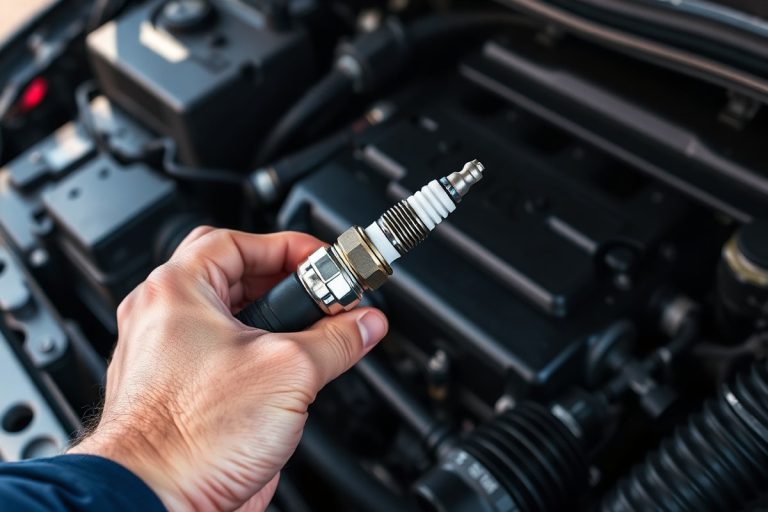
Mixing diesel and gasoline is risky and should be avoided. Diesel in a gasoline tank can clog spark plugs and damage fuel injectors.
Gasoline in a diesel engine can cause severe damage due to insufficient lubrication and ignition issues. The right fuel ensures safe operation and longer engine life.
- Never put diesel in a gasoline vehicle or vice versa.
- Check your fuel type before filling up to avoid costly mistakes.
- Avoid starting the engine after mixing fuels by mistake; instead, contact a mechanic.
- Running a diesel engine on gasoline may require full fuel system cleaning.
- Gasoline engines mixing diesel often leads to clogged fuel systems and stalls.
- Diesel engines need fuel with higher lubricity; gasoline lacks this.
- Proper fuel type helps maintain engine efficiency and reliability.
Put simply, diesel’s heavier weight relates to chemical makeup but doesn’t mean it fits every engine. Using the wrong fuel risks damage and poor engine function. Stick to the recommended fuel type for each vehicle to keep it running smooth and safe.
What to Do If You Put Gasoline in a Diesel Vehicle or Vice Versa
Putting diesel into a gasoline engine can cause poor combustion and clog spark plugs quickly. Diesel’s heavier molecules don’t vaporize well in spark-ignition systems, which causes rough running and potential damage.
Gasoline mixed in a diesel engine is worse. It ignites too early under high compression and can cause knocking or severe engine damage.
Stop driving right away when you realize you’ve used the wrong fuel. The best step is to prevent the wrong fuel from reaching the engine and causing wear. You need to drain the tank to remove the bad fuel.
Flush the fuel lines next. Then refill with the right fuel as soon as possible.
- Do not start the engine or turn on the ignition after misfueling.
- Call a professional or roadside service to drain and clean the fuel system.
- Some mechanics can pump out a small amount of wrong fuel for you.
- After draining, refill with the right fuel to avoid cross-contamination.
- Let the engine run on the correct fuel for a few minutes before normal driving.
- Monitor for unusual noises or smoke after restarting to catch lingering issues.
- Expect cleanup costs ranging from $100 to $500 or more, depending on damage.
Don’t try to fix this yourself unless you have proper tools and knowledge. Just a few gallons of the wrong fuel can harm key parts.
It can damage injectors or the fuel pump. Acting fast minimizes repair bills and prevents engine failure.
Never start your car if you suspect misfuelling. This stops wrong fuel from spreading in the engine.
Cleaning takes hours and includes draining and flushing fuel tanks and tanks lines. Damaged spark plugs or injectors may need replacing after you drive on bad fuel. Diesel weighs about 7.1 pounds per gallon, and gasoline about 6 pounds.
So the fuel’s physical properties can also affect engine function during misfueling. After refilling with the correct fuel, watch for warning lights or strange sounds. These signs usually mean more repairs are necessary.
Seasonal and Regional Variations in Fuel Weight and Their Effects
Fuel weights change depending on the region and the time of year due to climate effects. Diesel and gasoline are adjusted seasonally to ensure they perform well in local temperatures. Cold weather blends add lighter hydrocarbons to prevent fuel thickening in winter.
Winter diesel blends have more volatile compounds, making the fuel slightly lighter than summer blends. This helps prevent gelling and keeps engines running smoothly in freezing weather.
These blends might reduce energy content a bit. But they avoid engine problems caused by thick diesel.
Drivers should expect some differences in fuel weight when traveling across regions or seasons. Fuels in colder climates are lighter in winter and denser in summer.
These regional variations affect fuel economy and engine performance. They are needed for reliable operation.
- Winter diesel contains additives to stop fuel from gelling below 20°F (-7°C).
- Gasoline blends in cold areas have higher volatility to aid starting engines.
- Summer fuels are denser to boost energy content for warmer weather driving.
- Fuel weights can vary up to 0.03 lb/gal between winter and summer blends.
- Regional refinery outputs and regulations cause local differences in fuel composition.
- Fuel providers update blending formulas 1, 2 times a year based on climate data.
- Using the correct seasonal blend avoids engine start failures and injector damage.
Knowing which fuel blend suits your driving conditions helps avoid performance issues. Using cold-weather fuel in warm seasons is not a problem.
It might reduce your miles per gallon. Using summer blends in cold months risks fuel flow problems and poor engine running.
Quick-Start Action Plan for Handling Diesel and Gasoline Weight Differences
Use this plan to manage diesel and gasoline fuels safely and efficiently in your vehicle. Follow the steps to avoid common problems and keep your engine running smoothly.
- Before You Fill Up: Check your vehicle’s fuel type in the owner’s manual. Using the right fuel prevents engine damage and poor performance.
- Day 1: Inspect fuel labels carefully at the pump. Confirm the fuel matches the required grade and type for your vehicle.
- Week 1: Monitor your vehicle’s fuel consumption and engine response. Watch for any unusual noises or power loss that could signal fuel issues.
- Month 1: Keep track of fuel source variations if you drive in different regions or seasons. Note any changes in fuel quality or engine behavior.
- After 2 Months: Schedule a fuel system check if you suspect fuel contamination or weight mismatch. Early checks prevent costly repairs.
- Before Long Trips: Fill your tank with fresh, properly weighted fuel. Fresh fuel supports consistent engine power and efficiency.
- Throughout the Year: Adjust fuel choices based on temperature and region. Winter diesel blends, for example, reduce gelling in cold weather.
- After Any Mistake: If you accidentally use the wrong fuel, don’t start the engine. Call a professional to drain and clean the fuel system.
Frequently Asked Questions
Is Diesel Heavier Than Gasoline?
Yes, diesel is heavier than gasoline by about 10 to 15 percent per gallon. This is due to its denser hydrocarbon chains and higher molecular weight.
Does Heavier Diesel Fuel Affect Fuel Economy Compared to Gasoline?
Diesel’s higher weight means more energy per gallon, often leading to better fuel economy. It can deliver more miles per gallon than gasoline in similar vehicles.
Can Adding Diesel to a Gasoline Engine Cause Damage?
Yes, diesel can harm a gasoline engine because it doesn’t combust properly. Even a small amount may clog spark plugs or damage fuel injectors.
Why Do Diesel Engines Tend to Be Heavier Than Gasoline Engines?
Diesel engines are heavier because their parts must withstand higher compression. This extra strength adds weight but improves durability and torque.
How Does Temperature Impact the Weight Difference Between Diesel and Gasoline?
Temperature changes affect fuel density, making diesel and gasoline slightly lighter or heavier. However, diesel remains consistently denser across normal temperature ranges.
Before You Go
Diesel is heavier than gasoline because of its molecular structure and density. This weight affects engine performance and fuel use but is manageable with careful handling. Always use the correct fuel for your vehicle to keep it working well and avoid damage.