Can I Use Ethanol Free Gas in My Car? Complete Guide and Benefits
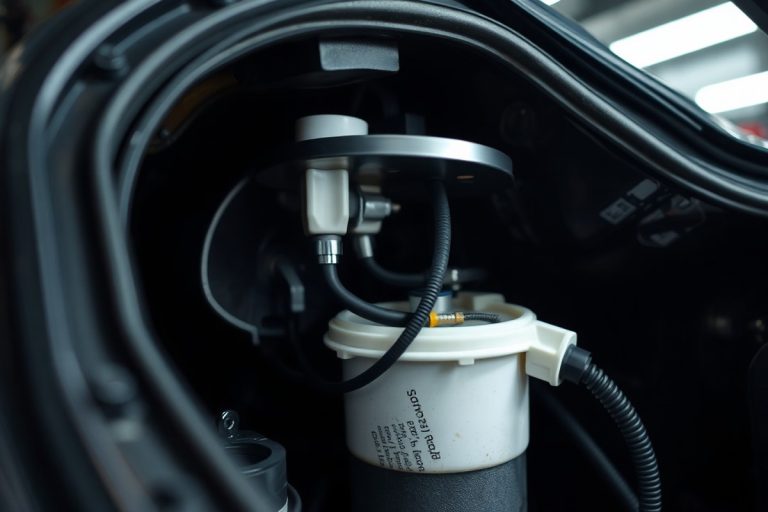
You can use ethanol free gas if your car allows it. Many older or small-engine vehicles perform better with ethanol free gas. It prevents problems ethanol blends can cause in delicate engine parts.
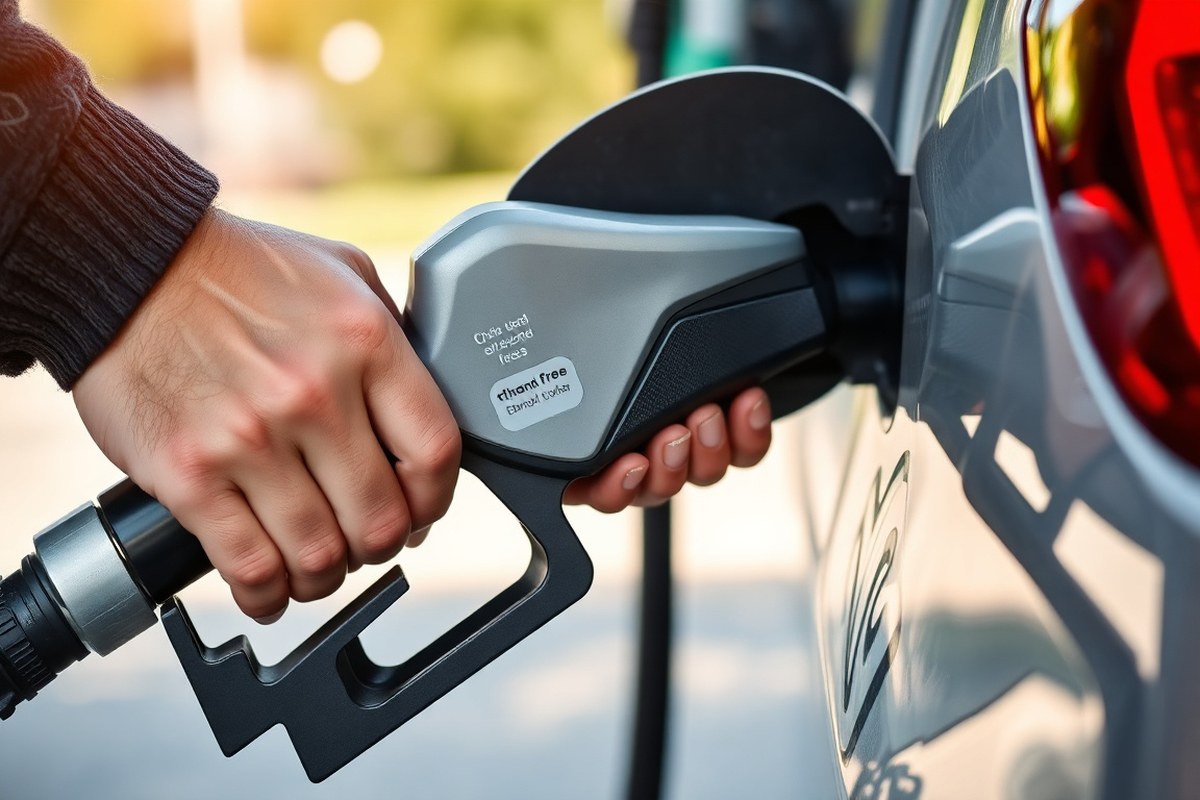
Most gas in the US contains 10% ethanol, called E10. Ethanol free gas, labeled E0, skips this blend. This means it has slightly more energy per gallon, which can improve fuel economy a bit.
Before switching, make sure your car’s engine and fuel system handle ethanol free gas. Newer cars can usually run on both.
But checking the owner’s manual or with a mechanic helps avoid problems. Mixing a little E10 with ethanol free gas usually isn’t harmful in modern fuel-injected engines.
Key Takeaways
- Use ethanol free gas if you have an older or small-engine car.
- Most new cars can safely use both ethanol and ethanol free gas.
- Ethanol free gas offers slightly better fuel economy than E10 blends.
- Check your owner’s manual before switching to ethanol free gas.
- Mixing small amounts of E10 with ethanol free gas rarely causes harm.
- Ethanol free gas is labeled as “E0” at gas stations.
Can You Use Ethanol Free Gas Safely in Your Car?
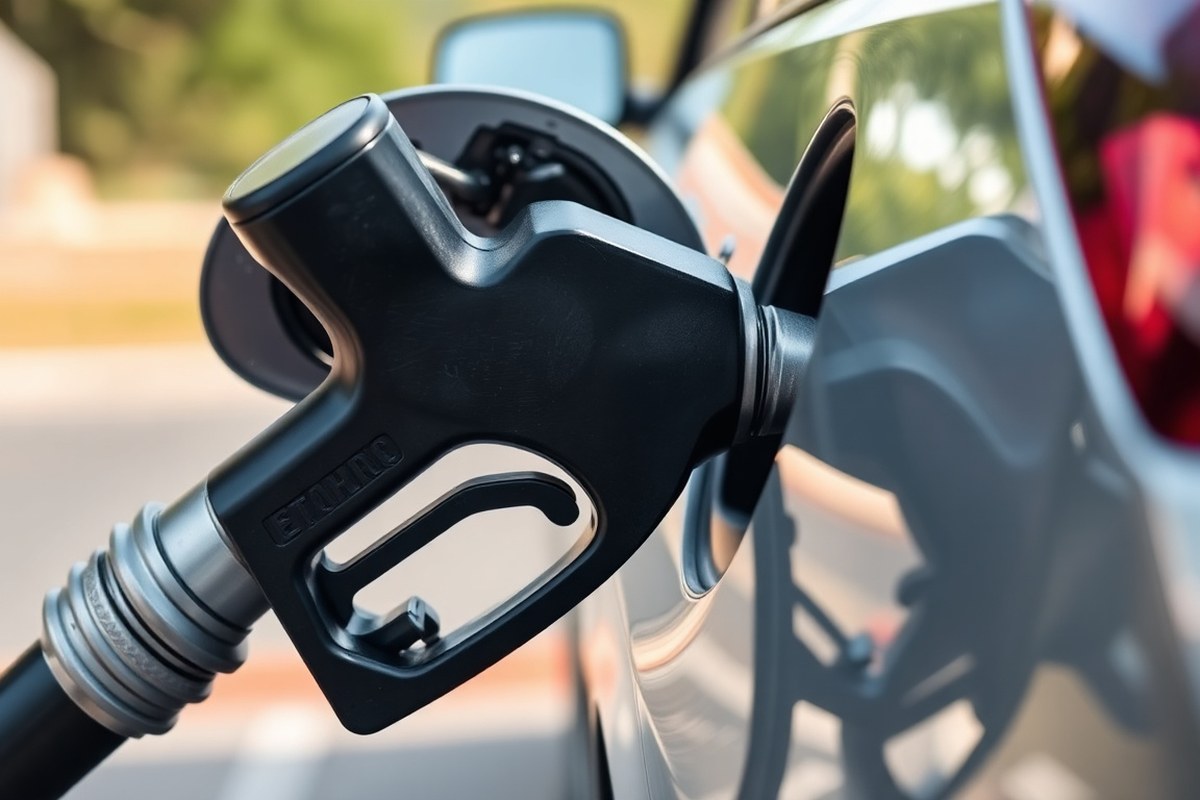
Yes, you can safely use ethanol free gas in most cars. Modern fuel-injected engines run fine on ethanol free gas. The fuel must meet your car’s octane rating.
Check your owner’s manual for the right octane. Switching to ethanol free gas won’t harm the fuel system or engine in typical cases.
Older cars built before the mid-1980s especially benefit from ethanol free gas. These cars often lack parts that resist ethanol’s effects. So staying away from ethanol helps prevent damage.
Small engines like lawnmowers or chainsaws do better on ethanol free gas. Ethanol can harm their rubber and plastic parts. Avoid ethanol if you want to keep these parts lasting longer.
Flex-fuel vehicles are a special case. They are designed to run on blends up to 85% ethanol. Ethanol free gas won’t harm cars built for ethanol blends.
But fuel systems designed for ethanol may lose some performance. These cars expect ethanol as part of the fuel mix. For other modern cars, a sudden switch to ethanol free gas usually causes no problems.
Store-bought ethanol free gas typically costs more, around 10 to 30 cents extra per gallon. Choose ethanol free gas to avoid wear from ethanol in your fuel system. Some engines require or prefer this gas type for best function.
It helps protect sensitive engine parts. Avoid switching between ethanol free and ethanol blends too often.
Frequent mixing can harm your engine over time. Try to stick with one type for long-term engine health.
What Is Ethanol-Free Gas and How Is It Different?
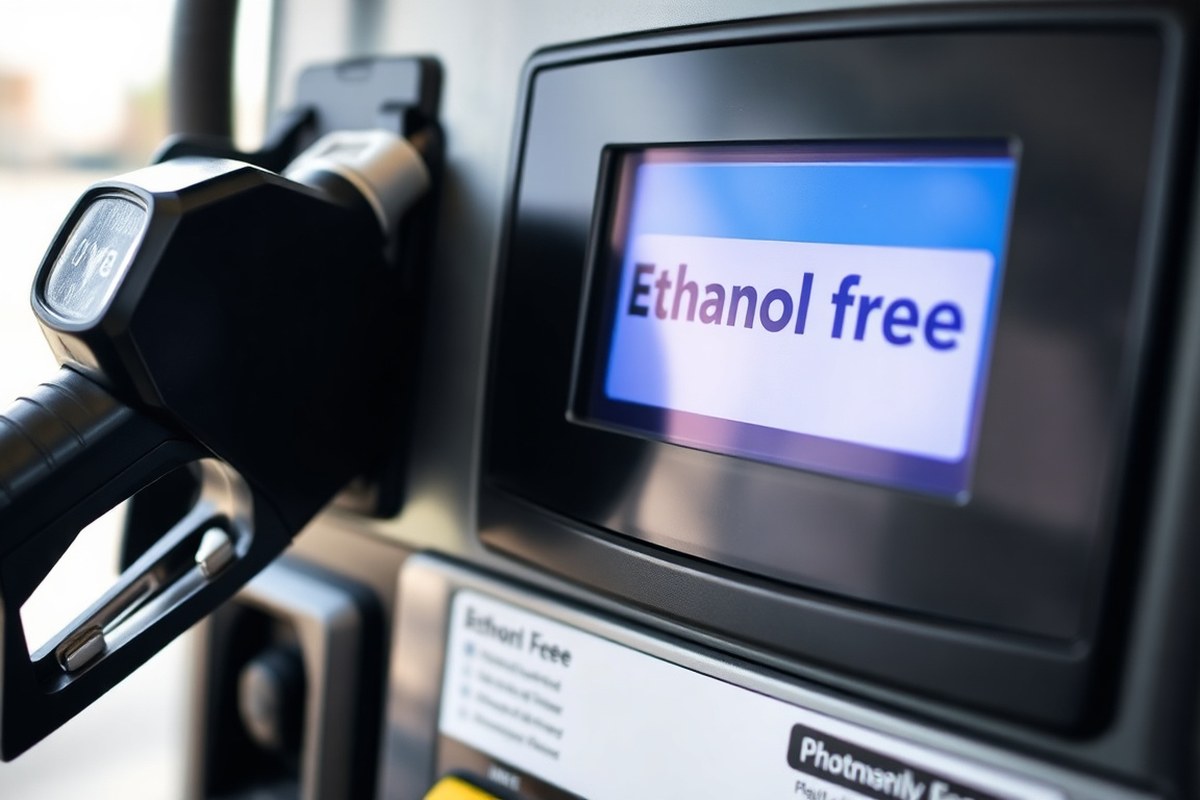
What Ethanol-Free Gas Means
Ethanol-free gas is pure gasoline with no alcohol added. It is often called E0, meaning it contains zero percent ethanol. This contrasts with most regular gas in the U.S., which usually includes some ethanol mixed in.
Adding ethanol helps boost oxygen content, which can improve emissions. Still, ethanol-free gas skips this step and uses only hydrocarbons from petroleum. Some drivers prefer E0 to avoid chemicals that can cause fuel system issues.
Common Ethanol-Gasoline Blends Explained
Gasoline often mixes with ethanol in different amounts, named with an “E” and a number. E10 is the most common, holding 10% ethanol and 90% gas. Then there’s E15 with 15% ethanol and E85 that contains up to 85% ethanol.
These percentages show how much ethanol is in the fuel. Higher ethanol blends like E85 are mainly for flex-fuel vehicles. Most cars safely use E10, while E15 and above require specific manufacturer approval.
Why Ethanol Is Added to Gasoline
Ethanol comes from corn or other crops and is mixed in to meet fuel standards. It helps gasoline burn cleaner, reducing pollution. States often require ethanol blends to lower harmful emissions and reduce oil use.
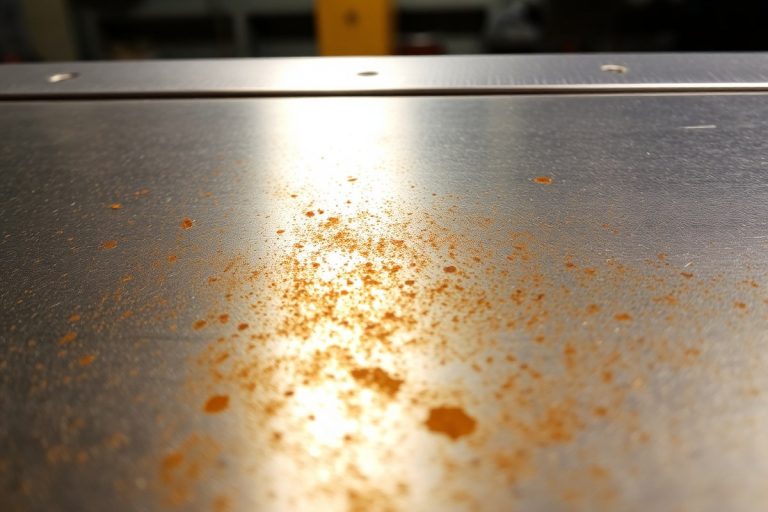
Blending ethanol also expands fuel supply and can lower prices. However, the alcohol content attracts water and can cause corrosion in older engines. That’s why some drivers look for ethanol-free gas.
How Ethanol and Gasoline Mix Chemically
Gasoline is made of hydrocarbons, while ethanol is an alcohol with oxygen atoms. Ethanol’s oxygen helps fuel burn more fully inside the engine. The mixtures must be carefully balanced to ensure safe combustion.
Because ethanol absorbs water, too much of it can damage fuel lines and parts. Ethanol also has a lower energy content.
So higher blends can reduce miles per gallon. E0 doesn’t have these drawbacks.
Check your owner’s manual before switching to ethanol-free gas, especially if your car is older.
Which Vehicles Are Best Suited for Ethanol Free Gas?
Older and classic cars often benefit most from ethanol free gas. These vehicles, typically made before 2001, have fuel systems with materials sensitive to ethanol.
Carbureted engines and old rubber parts resist damage better with ethanol free fuel. It also helps prevent gumming and varnish buildup during long storage periods.
Modern cars usually handle standard ethanol blends well. Most cars from 2001 or newer can use E10 safely. Some newer models can even handle E15 blends.
This is because fuel systems and materials have improved. Flex Fuel Vehicles (FFVs) can run on E85 fuel. E85 can contain up to 83% ethanol.
FFVs are designed to handle high ethanol levels. However, flex fuel and non-flex fuel vehicles should not swap fuels without checking compatibility.
Small engine equipment like lawnmowers, generators, and some boats often perform better on ethanol free gas. These engines have simpler fuel systems than modern ones. They are sensitive to ethanol because of this.
Long periods without use make sensitivity worse. Using ethanol free fuel helps avoid corrosion and poor starting problems common with blended fuels.
Some marine fuels labeled “recreational” or “ethanol free” might not include taxes for road use. So don’t use them in street vehicles.
| Vehicle/Equipment Type | Model Year or Type | Fuel System Notes | Recommended Fuel Type |
|---|---|---|---|
| Classic Cars | Pre-2001, Carbureted engines | Old rubber parts, sensitive to ethanol | Ethanol free gas preferred to avoid damage |
| Older Cars | 2001 and earlier | Material degradation risk with ethanol blends | Use ethanol free if stored long or original parts |
| Modern Cars | 2001 and newer | Designed for up to E15 (common), E85 for FFVs | Regular ethanol blends usually fine, check owner’s manual |
| Flex Fuel Vehicles | Designated FFVs | Fuel systems made for 51-83% ethanol blend | E85 or ethanol blends compatible with FFV label |
| Small Engine Equipment | All model years | Simpler fuel systems, ethanol causes fuel system issues | Ethanol free preferred for better reliability |
| Marine & Recreational | Varies | Some ethanol free products lack road use tax | Use recreational fuel only on approved non-road equipment |
To decide, look up your specific model online for ethanol free gas compatibility. Owners of vehicles stored long or classic models will see better results with ethanol free fuel. For modern cars, it often doesn’t matter much.
But if you want to avoid possible component wear, ethanol free is safe. Mixing ethanol and ethanol free fuels can sometimes cause engine troubles. So avoid random blends without guidelines.
Ethanol free fuel can cost 10 to 50 cents more per gallon. The price depends on where you live. It varies regionally and by station.
Paying more for ethanol free fuel might be worth it. Classic cars and small engines benefit from it. It helps preserve their fuel system and engine.
Check fuel station labels carefully. Don’t use fuels not intended for your vehicle type. This approach keeps your engine safe and runs smoother across different machines.
How Does Ethanol Free Gas Affect Fuel Economy and Engine Performance?
Ethanol free gas provides about 3% to 4% better fuel economy. It beats ethanol blends like E10. This helps you get more miles per gallon.
This happens because pure gasoline contains more energy per gallon. Ethanol has roughly 34% less energy than gasoline. So adding it lowers your fuel’s overall energy content.
Suppose your car gets 25 mpg on E10 fuel. Using ethanol free gas might raise it to 26 mpg. That’s a small but clear jump in mileage.
That means on a 12-gallon tank, you could travel about 12 to 15 miles farther. The gain is small but you can notice it over time.
This is especially true if you drive a lot. It helps to use every drop of fuel.
The engine often runs a bit smoother and feels more responsive with ethanol free gas. Without ethanol’s presence, combustion is cleaner and more complete. You get better acceleration and power delivery with ethanol free gas.
Drivers often feel this in city driving or highway merges. It makes driving smoother.
Tests and real-world feedback confirm these mild performance boosts. Ethanol blends tend to absorb moisture and cause corrosion over time, which may reduce efficiency. Ethanol free fuel stores longer without breaking down.
This helps your engine stay healthy. It also keeps performance steady.
A key tradeoff is cost. Ethanol free gas usually costs 20 to 50 cents more per gallon than regular fuel. Your car’s mileage improves by 3% to 4% with ethanol free gas.
Ethanol free fuel costs about 30% more at the pump. Most daily drivers won’t save enough gas to cover the extra cost. The price difference is usually too big.
For example, paying 40 cents more per gallon on a 12-gallon tank adds $4.80 extra per fill-up. Your fuel economy improves by 1 mpg, but you still pay more overall. Ethanol free gas may be better if you drive many miles.
It can help your engine last longer. You might also want smoother performance.
Users with small sensitive engines or older cars sometimes see better differences too. Newer cars made for ethanol blends won’t see big changes.
Ethanol free gas won’t dramatically affect how you drive your car. Trying a tank or two can help you decide if it feels worth the premium.
Are There Downsides or Risks When Using Ethanol Free Gas?
Ethanol-free gas usually costs more than regular E10 gasoline. It’s less common, so stations charge extra to cover delivery and storage. You might pay 20 to 30 cents more per gallon in many areas.
Finding it can be tricky because most stations stock ethanol blends. You often find ethanol-free fuel at marinas and small airports.
It’s also at some independent stations. Big chain gas stations usually don’t offer it.
Some environmental concerns exist with ethanol-free gas. Ethanol helps gasoline burn cleaner by adding oxygen molecules. Without ethanol, burning fuel can emit more pollutants like carbon monoxide and certain hydrocarbons.
This doesn’t mean ethanol-free gas is dangerous. But the cleaner burning effect of ethanol helps reduce some emissions. For people prioritizing emissions, regular ethanol blends might be better.
Regularly mixing ethanol-free gas with ethanol blends can cause engine problems over time. Occasional mixing is okay. But constant variation may lead to less stable fuel system operation.
This can cause fuel system deposits, reduced performance, or damage to seals and hoses. To avoid this, try to stick to one fuel type for long-term use.
- Expect to pay about 20-30 cents more per gallon for ethanol-free gas.
- Check marinas, small airports, or independent stations for availability.
- Know that ethanol helps reduce certain harmful emissions.
- Avoid frequently switching between ethanol and ethanol-free fuels in the same engine.
- Use ethanol-free gas mainly if your vehicle manual recommends it or you see benefits.
- Store ethanol-free gas properly to prevent evaporation and degradation over time.
Switching fuel types frequently can harm your engine’s fuel system over years. So try to keep it consistent.
Price and availability are often the biggest downsides to ethanol-free gas. It requires special storage and delivery, which raises costs for stations. Environmental tradeoffs exist because ethanol blends generally reduce some pollutants better.
Mixing fuels regularly risks stability in your engine’s operation. Choosing ethanol-free gas is best for specific cases, not general use.
How to Mix Ethanol Free Gas with Ethanol Blends Safely
Mixing ethanol free gas with E10 or E15 blends is safe for most cars. Modern cars handle this mix without issues. The engine and fuel system can handle the mix safely without damage.
Your car’s computer adjusts to different fuel blends. It may notice changes in fuel density. Emissions can vary slightly too.
Short-Term Safety of Mixing Fuels
Modern cars built after 2001 are designed to handle at least 10% ethanol in fuel. Adding ethanol free gas to an E10 or E15 blend temporarily won’t harm the engine. It may confuse the car’s sensors because ethanol changes the fuel’s density and burn characteristics.
Your engine control unit (ECU) reacts by adjusting fuel delivery to keep the engine running smoothly. You won’t see performance loss from mixing ethanol free and ethanol blends briefly.
Engine knocking is not a concern. Avoid mixing large amounts repeatedly, though.
Long-Term Effects of Fuel Mixing
Consistently mixing ethanol free gas with E10 or E15 won’t cause major risks for most engines. Some fuel system components might perform better or worse depending on the ethanol content over time. Ethanol can attract moisture, which may affect older vehicles not built for ethanol blends.
For vehicles made after 2011, wear caused by mild ethanol variation is rare. Engines working on mixed fuel will not usually have damage or deposits from the mix. Using one fuel type is easier.
But mixing fuels needs no special care. Just keep regular maintenance and checks.
Steps to Safely Switch Between Fuels
Follow these steps when switching from ethanol free to ethanol blends. Do this also if you mix by mistake. It helps avoid problems.
- Top off your tank slowly to avoid sudden fuel composition shifts
- Use ethanol free gas when available if you want to minimize ethanol exposure
- Run the fuel down over a few tanks to switch gradually rather than all at once
- Check for any unusual engine noises or check engine lights
- Keep fuel system maintenance current, including filters and injectors
- Avoid storing mixed fuel long term; fresh fuel works best
- Drive normally after accidentally mixing fuels. Refill soon with the type you prefer.
This gradual approach keeps your engine running well during fuel changes. The car’s computer can usually adapt quickly. So you don’t need to flush or drain the tank.
Where to Find Ethanol Free Gas and How Much It Costs
Ethanol free gas is not very common at most regular gas stations. You’ll mostly find it near lakes or trails. It’s common in rural areas.
People use it for boats or old engines. Specialty brands like REC-90 offer it, often targeting recreational users who need pure gasoline.
Prices for ethanol free gas usually run higher than regular gas blends. Expect to pay about 10 to 20 cents more per gallon. This is compared to E10 fuel.
E10 has up to 10% ethanol. This price difference comes from lower demand and added refining costs.
Finding a station with ethanol free gas can be tricky. Apps and websites like Pure-Gas.com or the Pure Gas app list stations selling it across the country.
These tools rely on user updates to keep info current. So checking them before you fill up helps avoid a wasted trip.
Availability also depends on location. Rural spots often have more ethanol free pumps because boaters and small engine users want it. Urban areas usually offer only ethanol blends since most vehicles are built for that fuel mix.
| Location Type | Ethanol Free Gas Availability | Typical Price Difference |
|---|---|---|
| Rural areas / Recreational hotspots | More common, often available | 10 to 20 cents more per gallon |
| Urban areas / Standard gas stations | Rare to find | May not be available, if yes, similar price premium |
Using Pure Gas app or website, start by entering your zip code. Then look for stations labeled as ethanol free. Plan your route to find these stations.
This helps on longer trips or seasonal use. Fill up where they appear.
Some owners buy ethanol free gas to avoid engine issues common with ethanol blends. Others need it for stored equipment. The extra cost and effort can be worth it.
This applies if you use engines often. It also helps if vehicles sit unused months.
Does Using Ethanol Free Gas Affect Your Car Warranty?
Using ethanol free gas should not void your car’s warranty. Most car makers want you to use fuel with the right octane. Check your owner’s manual for the minimum rating needed.
Use at least that octane level to avoid engine issues. The manual rarely bans ethanol free fuel as long as it meets that octane need.
Manufacturers design engines to handle common fuel blends including ethanol mixes up to 10% (E10). They don’t usually exclude ethanol free gas from allowed fuels. Check your manual for any fuel warnings.
You can also call your dealer to ask. Follow these tips to protect your car. Some rare or older models may have different rules, so confirming is best.
Federal and state laws allow ethanol free gas on public roads. It must say it is for highway use. Check the label before you buy.
This gas is available for regular vehicles but also for boats and off-road machines. Ethanol free fuel should clearly say if it’s highway legal.
This avoids breaking local laws when you fill up. Always look for this on the pump or container.
Keep gasoline receipts as proof of which fuel you used. Using the right fuel helps with warranty service claims. Dealers might ask if your fuel caused damage.
Keeping proof helps avoid problems later. Storing receipts for a few years after filling is wise. It costs nothing but protects you from disputes.
Always use ethanol free gas labeled for highway vehicles to stay legal and protect your warranty.
Tips for Storing Ethanol Free Gas and Seasonal Use
Ethanol-free gas stores better and longer than blends with ethanol. Without ethanol, it resists water absorption and phase separation. Proper storage can keep it good for months, making it ideal for seasonal or rare use.
Fuel Storage Duration Guidelines
Ethanol-free gas can stay fresh in your tank for up to 12 months. This is much longer than ethanol blends, which can spoil in 3 to 6 months. The absence of ethanol stops water from mixing with the fuel, avoiding fuel breakdown.
Store fuel in a clean, airtight container to prevent moisture from entering. Keep the container in a cool, dry place out of direct sunlight. Exposure to heat speeds fuel degradation and reduces shelf life.
Using Fuel Stabilizers Effectively
Your fuel lasts even longer with a stabilizer added. These additives slow oxidation and keep the gas from going stale. Use them especially if you plan to store fuel for more than a few months.
Pour the recommended amount of stabilizer into the fuel, then mix well. Adding stabilizer at the time of purchase or before storage works best.
Some cost around $10 to $20 per gallon of stabilizer concentrate. But a little goes a long way.
- Always add stabilizer to fresh fuel, not old or contaminated gas.
- Follow product instructions for the right dosage.
- Mix fuel and stabilizer thoroughly before storage.
- Use stabilizers designed for gasoline, not diesel or other fuels.
- Label stored fuel with date and stabilizer added for easy tracking.
Ignoring stabilizers risks varnish buildup and clogged fuel lines. Stabilizers help engines start easier after long storage.
Winter vs Summer Storage Tips
Winter storage requires extra care to avoid fuel gelling or water issues. Ethanol-free fuel is less likely to suffer from moisture problems in winter. Still, draining fuel from small engines or topping off the tank can prevent condensation.
In summer, keep containers sealed tight to avoid evaporation and contamination. Store fuel in shaded areas to reduce heat exposure. Do not store fuel near flames or hot surfaces, as it is highly flammable year-round.
- Top off your tank before winter storage to limit moisture build-up.
- Use treated, ethanol-free gas for small engines in seasonal equipment.
- Keep gas containers tightly sealed and off the ground.
- Store fuel indoors or in shaded, ventilated spaces during summer.
- Rotate stored fuel every 6 to 12 months to maintain freshness.
Step-by-Step Action Plan for Using Ethanol-Free Gas
Follow these steps to start using ethanol-free gas safely. Learn how it fits your car and budget.
- Before your next fill-up: Check your owner’s manual to confirm if ethanol-free gas suits your vehicle. This prevents any warranty or engine issues.
- Day 1: Locate a nearby station that sells ethanol-free gas. Use apps or online maps to find the closest option with good prices.
- Next fill-up: Fill your tank only with ethanol-free gas. Watch your engine for any unusual noises or performance changes.
- After 1 week: Note your fuel economy compared to before. Keep a log to see if ethanol-free gas helps or hurts your mileage.
- After 2 weeks: Add a fuel stabilizer if you won’t drive much. Do this when you plan to store your car. This keeps the ethanol-free gas fresh.
- Monthly: Check for any leaks or fuel system issues. Ethanol-free gas reduces corrosion risk but keep an eye on your fuel lines anyway.
- Ongoing: Decide if the cost and benefits balance out for you. Consider switching back if prices rise or performance dips.
Frequently Asked Questions
Can I Use Ethanol Free Gas in a Turbocharged Car?
Yes, most turbo cars run fine on ethanol free gas. It avoids the risk of ethanol-related engine knocking and fuel system issues common with some blends. Always check your owner’s manual or ask a mechanic for your exact model.
Is Ethanol Free Gas Better for Classic Cars?
Ethanol free gas is often safer for classic cars, especially those with carburetors. It prevents corrosion and fuel system damage caused by ethanol’s water absorption. A mechanic can confirm compatibility based on your car’s age and fuel system type.
Can I Use Ethanol Free Gas in My Lawn Mower or Small Engine?
Yes, ethanol free gas is usually safer for small engines and lawn mowers. Ethanol can cause gum and varnish buildup, leading to engine problems. Using ethanol free gas may extend your engine’s life and reduce maintenance.
Does Ethanol Free Gas Burn Cleaner Than Regular Gas?
Ethanol free gas generally burns cleaner because it contains fewer oxygenates. Cleaner burning can mean less buildup and smoother engine operation. However, differences in emissions depend on the overall fuel formulation and engine condition.
Will Using Ethanol Free Gas Save Me Money on Fuel?
It might save money by improving fuel economy slightly in some engines. Ethanol has less energy per gallon.
So ethanol free gas offers more miles per tank. But it often costs more, so savings vary based on price differences.
Final Thoughts
You can use ethanol-free gas safely if your car allows it. Keep track of your car’s performance and fuel costs to see if it works well. Try it at your next fill-up and notice how your car runs.