What Are Brake Linings? A Complete Guide to Types, Signs, and Replacement
What are brake linings? They are the friction surface inside drum brakes.
Brake linings press against the drum to slow or stop your vehicle safely. They convert kinetic energy into heat, which they must handle without wearing out too fast.
Modern brake linings are built to last and resist heat. Meeting strict safety rules.
These surfaces wear down over time and need regular checks, or brakes won’t work right. Watch for signs like reduced thickness or noise to avoid damage and costly repairs.
Brake linings differ from brake pads but serve a similar purpose in different brake types. Knowing the material and its condition helps decide when to replace linings. Keep an eye on lining thickness as a quick way to track brake health.
Key Takeaways
- Brake linings create friction to slow your vehicle by pressing against the drum.
- Replace brake linings when they wear down to about 3-4 mm thick.
- Modern linings are asbestos-free and designed for high heat resistance.
- Check linings regularly to prevent damage to the brake drum or failure.
- Different brake types use brake linings or brake pads for stopping power.
- Driving habits and vehicle weight affect how quickly linings wear out.
What Are Brake Linings and How Do They Work?
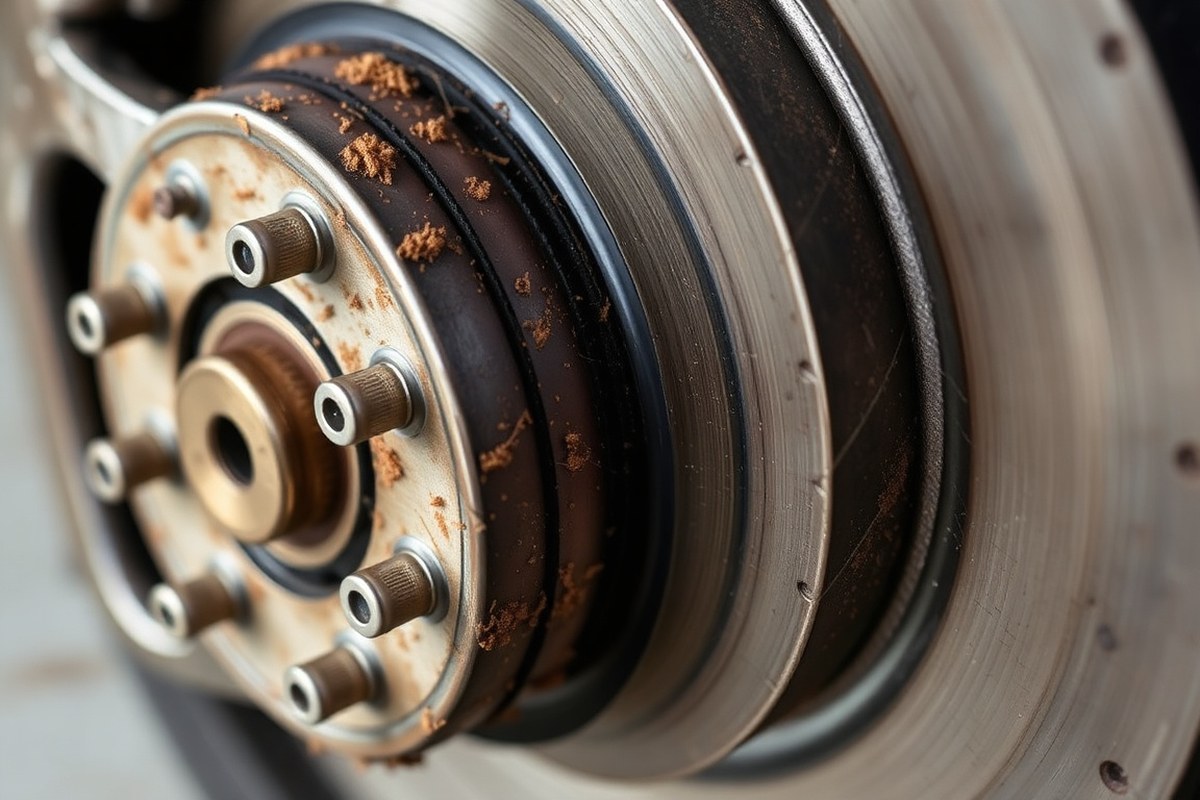
Brake linings are the material attached to brake shoes or pads. They create friction by pressing against a drum or rotor. This friction slows or stops a vehicle’s movement.
Pressing the brake pedal makes the lining push against the drum or rotor. This contact generates the friction needed to slow the car. It works every time you brake.
The brake lining’s rough surface grips these metal parts, generating friction. This friction is what actually slows the wheels down. For example, in a drum brake, the lining presses inward on a spinning drum.
The lining rubs on the drum surface and creates resistance. This resistance uses up the car’s kinetic energy. It helps you slow down safely.
Brake linings wear down over time because the friction generates heat and gradually removes material. They must stay thick enough, usually at least 3 to 4 millimeters, to keep working properly. When the lining is too thin, friction drops.
This causes longer stopping distances and less control. Good brake linings prevent metal parts underneath from wearing fast.
They protect braking components and save you repair costs. This helps keep your vehicle in better shape over time.
Different Types of Brake Linings and Their Materials
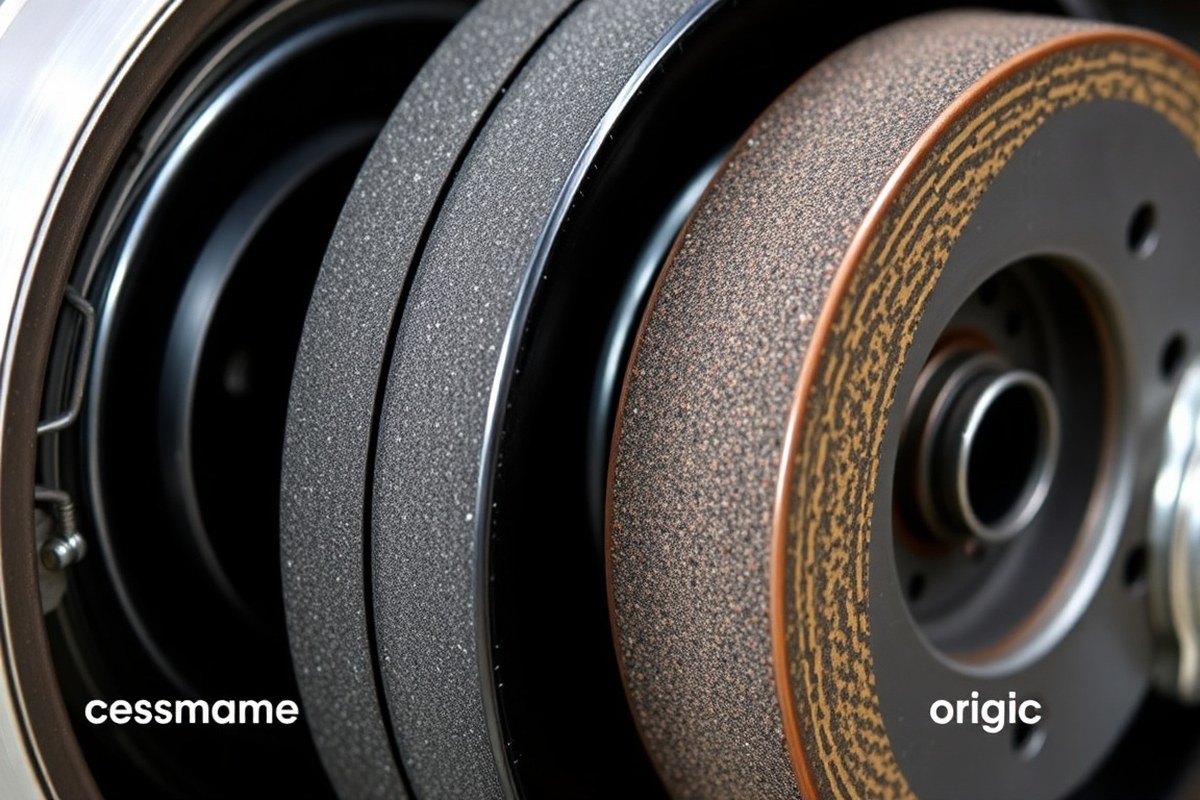
Brake linings come in a few main types. These include ceramic, semi-metallic, and organic (NAO). Each type uses different materials.
Each type offers different heat resistance, noise levels, dust production, and durability. Choosing the right lining depends on your vehicle type and driving conditions.
Ceramic Brake Linings
Ceramic linings consist of ceramic fibers combined with bonding agents and filler materials. They handle heat well while producing minimal brake dust and noise. These linings often last longer and provide smooth, quiet braking for daily drivers.
While ceramic linings cost more upfront, they reduce rotor wear and dust buildup. They work well in normal climates. But, extreme heavy loads may challenge them.
Other types handle heavy loads better. Drivers who want low maintenance and less noise often prefer ceramic.
Semi-Metallic Brake Linings
Semi-metallic linings are made from woven metal fibers and other fillers. They excel at heat management and durability, making them suitable for heavy-duty trucks and high-performance vehicles. They also provide strong friction in both hot and cold conditions.
These linings tend to be noisier and produce more brake dust compared to ceramic types. They resist wear and handle heavy loads well. This makes them good for towing.
They also suit aggressive driving. Semi-metallic linings typically cost less than ceramic but more than organic.
Organic and Non-Asbestos Brake Linings
Organic linings include materials like glass, rubber, resins, and high-temperature fillers. Non-asbestos organic (NAO) linings avoid harmful asbestos fibers, making them safer and more eco-friendly. They usually provide quieter braking and softer pedal feel.
These linings wear faster and handle heat less efficiently than semi-metallic or ceramic types. They suit everyday driving with light to moderate use, especially for smaller cars. NAO linings are commonly used in passenger vehicles requiring smooth and quiet stopping.
History of Brake Lining Materials
Brake linings originally used asbestos for its heat resistance and durability. However, asbestos proved hazardous to health, so manufacturers switched to safer materials. Modern linings focus on durability, heat resistance, and minimizing rotor wear.
Today’s materials comply with strict automotive safety standards like ISO and SAE. Newer formulations balance stopping power with environmental and health concerns. Ongoing improvements target better performance for specific vehicle types and driving needs.
Here’s a comparison table showing main brake lining materials and their typical uses:
| Material Type | Composition | Advantages | Disadvantages | Best Use |
|---|---|---|---|---|
| Ceramic | Ceramic fibers, bonding agents, fillers | Low dust, quiet, long-lasting | Higher cost, less ideal for heavy loads | Daily drivers, light to moderate conditions |
| Semi-Metallic | Woven metal fibers, fillers | Durable, handles heat well, strong friction | Noisy, more dust, can wear rotors faster | Heavy-duty trucks, high-performance, towing |
| Non-Asbestos Organic (NAO) | Glass, rubber, resin fibers, fillers | Quiet, softer feel, eco-friendly | Shorter lifespan, less heat resistant | Small cars, light to moderate everyday use |
Match brake lining types to your vehicle and driving style. Avoid mixing types on the same axle to keep braking balanced and safe.
Always use the brake linings recommended for your vehicle. This prevents poor braking and extra wear. Replacement with the wrong type can cause problems.
Brake Linings vs. Brake Pads and Shoes: Key Differences
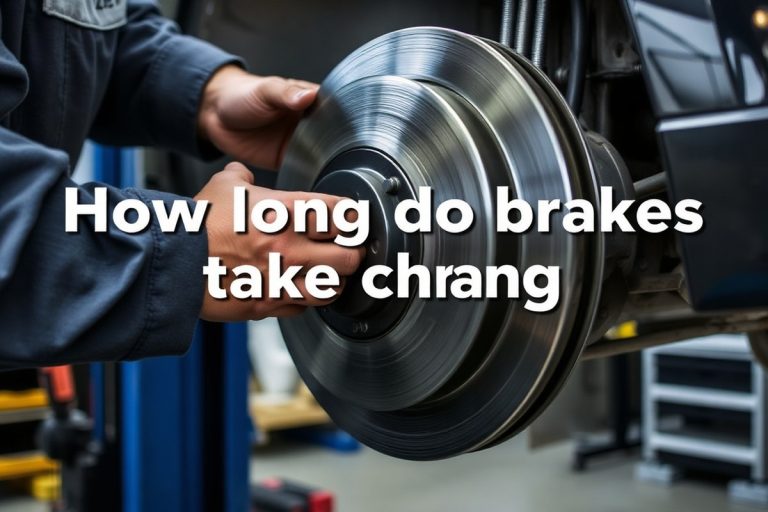
Brake linings are friction materials pressing against drums or rotors. They help stop your vehicle. These parts directly create the friction needed to slow down.
They are part of larger components called brake pads and brake shoes. Knowing these parts helps you find what wears out first.
It shows what needs replacing in brake systems. This knowledge helps maintain your vehicle’s brakes better.
Brake Lining Definition and Role
Brake linings stick to brake pads or shoes by bonding or riveting. They grip discs or drums to slow or stop the vehicle. This friction creates heat and slowly wears down the lining.
Brake linings appear in both disc and drum brakes but never exist alone. They always attach to a carrier part that holds and supports the lining during braking.
Brake Pad Construction and Function
Brake pads appear on disc brakes, mostly at the front wheels. They have a steel plate with brake lining bonded on top. When you brake, pressure pushes the pad onto the rotor to stop the wheel.
Replacing brake pads means swapping the whole backing plate with the lining already attached. This design makes the job cleaner and uses modern friction materials better suited for disc brakes.
Brake Shoe Overview and Application
Brake shoes are parts used in drum brake systems. They have a curved metal shoe with brake lining riveted or bonded on the outside. The shoe presses the lining outward against the inside of the drum to create stopping force.
Drum brakes still appear on many rear axles, especially on trucks. When replacing these, you typically buy a brake shoe assembly with the lining included. Here’s a table that sums up the differences between brake linings, pads, and shoes:
| Term | System | What It Is |
|---|---|---|
| Brake Lining | Both disc & drum | Friction material bonded to pad or shoe |
| Brake Pad | Disc brakes | Backing plate plus brake lining |
| Brake Shoe | Drum brakes | Curved metal shoe plus brake lining |
Knowing these differences helps you pick the right replacement parts. Disc brakes use pads that clamp rotors. So you replace the full pad with its lining intact.
Drum brakes rely on shoes that push linings against drums. So you replace the whole shoe assembly.
This matters because the lining alone isn’t sold separately for disc pads or shoes anymore. Using the wrong brake lining type causes safety and fit issues. Swapping just the lining might not fit properly.
Always get the correct full part for your brakes. Understanding these parts keeps your braking system working right and helps you handle maintenance properly.
How Long Do Brake Linings Last and What Affects Their Lifespan?
Brake linings usually last between 30,000 and 70,000 miles. The actual lifespan depends a lot on your driving style and vehicle type. Trucks and heavier vehicles tend to wear brake linings faster than compact cars.
How you drive makes a big difference. Hard braking, fast stops, and driving in heavy traffic cause the linings to wear out quicker.
Light, smooth braking and highway driving can stretch their life. Regularly checking lining thickness helps catch wear early and avoid damage.
- Aggressive braking increases lining wear significantly.
- Vehicle weight affects how fast brake linings wear down.
- Driving mostly in stop-and-go traffic shortens lining life.
- Brake fluid condition influences how evenly linings wear.
- Using brake linings matched to your vehicle and use type lasts longer.
Using brake linings suited for your vehicle’s weight keeps them from wearing unevenly. Keep brake fluid fresh and avoid contamination to help your calipers apply pressure evenly. This reduces some uneven wear problems and extends lining life.
Good brake linings protect your rotors by handling heat and friction safely. When linings wear below about 3 mm thickness, it often means time for replacement. Ignoring worn linings risks damage to rotors or drums, which raises repair bills significantly.
How to Check Brake Lining Thickness and Signs of Wear
Measure brake lining thickness with a gauge or watch for noise and pedal feel. Replace linings at about 3-4 millimeters thickness or sooner if warning signs appear. Checking often helps avoid damage and unsafe driving.
Using a Brake Lining Thickness Gauge
A brake lining thickness gauge gives the most exact measurement of lining wear. You can use a simple feeler gauge for this check.
Slide it between the lining and drum or rotor. This helps see how much space is there.
Most brake linings start around 10 to 12 millimeters thick. Mechanics recommend replacing them once they wear down to about 3 to 4 millimeters. Here’s how to measure lining thickness safely and correctly:
- Park your vehicle on a flat surface and engage the parking brake.
- Remove the wheel to access the brake drum or rotor.
- Clean the lining surface gently if there’s dirt or brake dust.
- Insert the brake lining thickness gauge or feeler gauge between the lining and drum or rotor.
- Note the gauge reading to see how thick the lining remains.
- Repeat measurements around the lining for any uneven wear.
- Compare readings to the 3-4 millimeter replacement guideline.
- Reinstall the wheel and lower the vehicle after checking.
Always use gloves and eye protection when working near brake parts to avoid contamination and injury.
Visual Inspections and Common Warning Signs
Look at your brake linings every time you rotate your tires or during regular oil changes. Thin, cracked, or glazed linings mean wear or damage.
Shiny, mirror-like areas on the lining or visible cracks indicate glazing or heat damage. These conditions reduce braking efficiency and call for a replacement.
Also watch for uneven lining wear or pieces flaking off. These signs suggest the lining will soon fail or might already be unsafe.
Noise and Performance Symptoms
Squealing or scraping noises often signal worn brake linings. A soft brake pedal can mean the lining is thin.
It can also mean low brake fluid. Both need checking soon.
Brake pull to one side may point to lining wear. A dashboard brake warning light can too.
Both may show serious brake trouble. Address these symptoms immediately.
Never ignore grinding sounds. They mean metal is contacting metal, risking rotor damage and requiring urgent brake service.
When and How to Replace Brake Linings Safely
Replace brake linings when the material is about 0.8 millimeters from the rivet heads. Continuing beyond this risks damaging the drum or rotor.
Also, check drum or rotor thickness. Worn brake linings must be replaced to keep your vehicle safe.
Replace brake linings on both sides of the axle at once. This keeps braking balanced and steady. Uneven wear can lead to pulling or vibrations, risking safety.
You can replace brake linings yourself if you have basic mechanical skills and the right tools. Start by securely lifting and supporting the vehicle with jack stands. Never rely only on a jack, because it can fail and cause injury.
Wear safety goggles and gloves before working on the brakes. This protects you from dust and debris that can be harmful.
Brake dust can contain hazardous materials, so avoid breathing it in. Use a brake cleaner spray and wipe parts carefully to reduce dust during cleaning.
Remove the wheel first, then the brake drum or rotor to access the linings. Inspect all parts closely for signs of damage or excessive wear. Replace any worn or cracked components before installing new brake linings.
Follow the manufacturer’s instructions to fit the new linings correctly. Improper installation can reduce braking power and lead to costly repairs. Double-check that springs and clips are securely in place before reassembling the brakes.
After replacing brake linings, pump the brake pedal several times. This seats the linings against the drum or rotor, restoring proper brake response. Test the brakes gently before driving normally to confirm everything works smoothly.
Brake lining replacement usually costs between $150 and $300 per axle. This price covers parts and labor.
Doing it yourself can save labor costs but take extra time for safety checks. Precision matters more than speed during brake repairs.
Brake Lining Replacement Costs and Factors Affecting Price
The cost to replace brake linings usually falls between $100 and $300 per axle. This price depends on your material choice and vehicle type. It also varies if you use a dealer or a mechanic.
These factors change the final cost. Labor charges alone can vary from $80 to $150, affecting the total cost significantly.
Premium materials like ceramic linings cost more. They handle heat better and produce less dust. These benefits matter mostly on busy streets.
Drum brake vehicles often see higher prices because their brake lining replacement is more complex. Also, if the rotors or drums need resurfacing or replacing, expect extra fees.
| Material Type | Typical Cost Range (Materials + Labor) per Axle | Notes |
|---|---|---|
| Organic | $100 – $150 | Common, budget-friendly, good for regular driving |
| Semi-metallic | $120 – $200 | Better durability and braking, slightly louder |
| Ceramic | $180 – $300 | Quieter, cleaner, lasts longer but costs more |
| Drum Brake Lining | $150 – $300 | Often pricier due to more labor and parts |
Vehicle type affects pricing too. Larger vehicles like SUVs and trucks need heavier-duty linings, pushing prices up. Sports and luxury cars might require specialized linings that add to the cost.
You can save money by choosing independent shops. But dealer rates might ensure specific material matches.
People often replace the whole brake pad or shoe kit. It’s usually cheaper than buying just the lining parts. This method saves money and time.
Dealers might charge more because they use original equipment manufacturer (OEM) parts and thorough service. Premium materials can be worth the extra cost.
They keep braking quieter and reduce rotor wear. This is good for daily drivers.
How Driving Habits and Vehicle Use Impact Brake Linings
Driving style changes how fast your brake linings wear out. Aggressive driving with hard stops heats the linings more and wears them quicker. Vehicles carrying heavy loads or towing put extra pressure on brake linings, speeding up wear.
Driving in tough spots like city traffic or mountain roads stresses your brakes. Brake linings have to work harder in these conditions. They wear out faster because of the extra strain.
These factors cause your linings to thin out before their usual lifespan. Check brake linings more often in tough driving conditions.
If you hear noise or braking feels weak, replace them sooner. Keeping an eye on wear helps you avoid trouble.
To keep brake linings lasting longer, regular maintenance is key. Driving smoothly, avoiding sudden stops, and limiting heavy loads help reduce lining wear. Regular brake inspections catch problems early, preventing uneven lining wear that lowers braking power.
- Drive gently, avoid hard braking whenever possible
- Unload unnecessary weight to reduce brake strain
- Inspect brakes at least twice a year or after heavy use
- Flush brake fluid every 2 years to keep parts working well
- Keep tires properly inflated to help steady braking
- Watch for squealing or grinding sounds, signaling lining wear
Ignoring noisy brakes or a spongy pedal can cause more damage and higher repair costs.
Severe conditions, like frequently towing heavy trailers, mean brake linings need closer attention. Dirt and moisture from rough roads can speed up lining damage.
So clean and inspect brakes more often. Early replacement in these cases avoids rotor or drum damage, which saves money over time.
Brake linings are made to wear out safely before costly brake parts do. That makes fixing or swapping out linings a predictable part of your vehicle’s upkeep. Watch how you drive and care for your brakes to control wear.
Proper maintenance helps your brakes stop your vehicle safely. This attention keeps lining wear at a manageable level.
Why Brake Lining Certifications Matter for Safety and Performance
Brake linings with ECE R90 or FMVSS 121 certification have proven friction behavior like original parts. ECE R90 applies in Europe, while FMVSS 121 covers North America where required. These certifications show the lining meets strict testing for safety and performance under real driving conditions.
Choosing certified brake linings reduces risks like fading, uneven wear, or reduced stopping power. Certified parts come from trusted suppliers who follow ISO, SAE, or local safety standards. They often include warranties and technical support, helping you avoid premature failure or costly replacements.
To verify certification before buying, look for official labeling on the packaging or part itself. Check for clear marks such as “ECE R90” or “FMVSS 121 compliant.”
You can also ask the supplier to provide test reports or certificates. Avoid parts without these if road safety matters to you.
Check the brake lining for ECE R90 or FMVSS 121 certification. These marks show it meets quality safety rules. Only buy brakes with these certifications.
Be sure the product matches your vehicle’s specifications exactly. Ask about the supplier’s warranty and support options. Reputable sellers usually offer guidance on installation and ongoing maintenance too.
Certified brake linings can cost 10 to 30 percent more. They give steady stopping power you can trust. Plus, they usually last longer than unapproved ones.
Using uncertified parts can save money short term but risks braking reliability. Safe driving needs brakes with proper approvals.
Buy from known suppliers you trust. This is especially true for commercial or heavy vehicles.
Step-by-Step Action Plan for Brake Lining Care
Follow these steps to keep your brake linings in good shape and safe for driving.
- Before you start: Inspect the brake linings visually for cracks or excessive wear. Spot any damage? Plan to replace your brake linings soon.
- Every 3,000 miles: Measure brake lining thickness using a gauge or a ruler. Replace the linings if thickness is below 1/16 inch (1.5 mm).
- Weekly or monthly: Listen for squealing or grinding noises when braking. Noise often signals worn brake linings and the need for service.
- Every 6 months: Check brake fluid levels and top off if low. Proper fluid supports braking performance and reduced wear.
- Annually: Have a licensed mechanic inspect your entire brake system, including linings. They can spot hidden issues and recommend repairs.
- Before long trips: Test brakes at low speed in a safe area. Notice weak or uneven braking? Get your linings checked right away.
- After replacement: Drive gently for the first 200 miles to let new linings bed in. This helps them last longer and work better.
Frequently Asked Questions
What Materials Replaced Asbestos in Brake Linings?
Modern brake linings use non-asbestos materials that are safe and durable. These materials meet strict automotive safety standards and prevent health risks once caused by asbestos.
How Does Heat Resistance Impact Brake Lining Performance?
Heat resistance helps brake linings maintain friction under high temperatures during braking. This prevents fade and ensures consistent stopping power on long drives or heavy loads.
Can Brake Linings Affect Fuel Efficiency?
Worn or low-quality brake linings can reduce fuel efficiency by causing drag. Properly maintained linings allow brakes to release fully and keep your vehicle running smoothly.
Why Do Some Brake Linings Wear Faster in Winter?
Cold temperatures and road salt can speed brake lining wear by causing corrosion and harder braking. Regular checks during winter help catch wear earlier.
Are Brake Linings Recyclable or Eco-Friendly?
Some modern brake linings use eco-friendly materials and are recyclable. Choosing these helps reduce brake dust pollution and environmental impact on the road.
Wrapping Up
Brake linings are the key to stopping your vehicle safely and smoothly. Checking their condition often helps you avoid costly repairs and keeps your drives safer.
Check your linings regularly for wear. Book a pro checkup if needed.