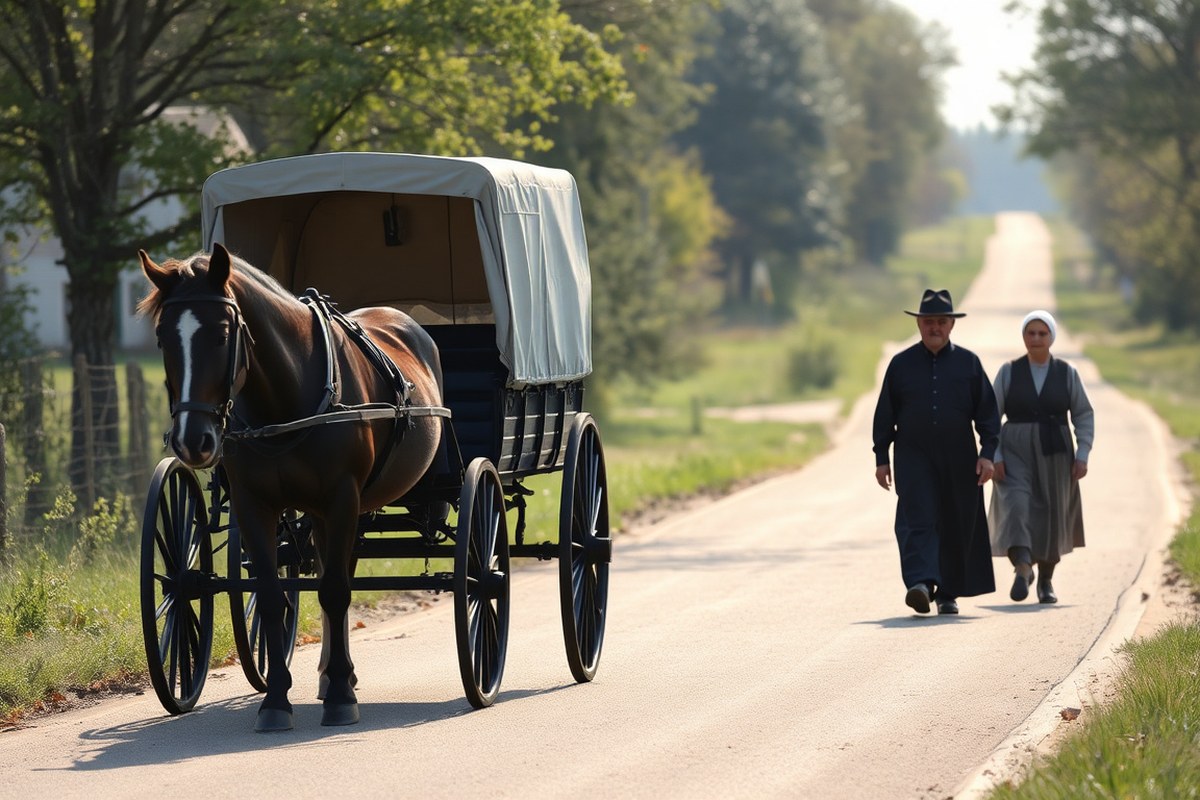
What Race Is Amish? Clear Answers About Their Ethnic and Cultural Identity
What race is Amish? The Amish are primarily of Swiss-German descent. They trace their roots back to 16th-century Europe and the Anabaptist movement in Switzerland.
The Amish are mostly white. They come from a specific ethnic group. This is not a broad racial category.
People sometimes confuse Amish identity with being a separate race. Amish identity is mostly about culture, religion, and shared history. Think of the Amish as an ethnic group first.
They share a culture, not just race. This view helps understand them better.
Understanding this helps you respect their unique way of life. It also shows why race alone doesn’t explain their identity. Focusing on culture and religion gives a clearer picture of who the Amish really are.
Key Takeaways
- The Amish are mainly Swiss-German in ethnic origin, not racially distinct.
- Their identity centers on shared culture and religion, not race alone.
- Amish people are overwhelmingly white, with very rare exceptions.
- Race doesn’t capture the full Amish identity; culture matters more.
- Amish descent traces back to the 16th-century European Anabaptists.
- Respect Amish identity by understanding cultural and religious roots.
What Race Are the Amish? Clarifying the Common Misconception
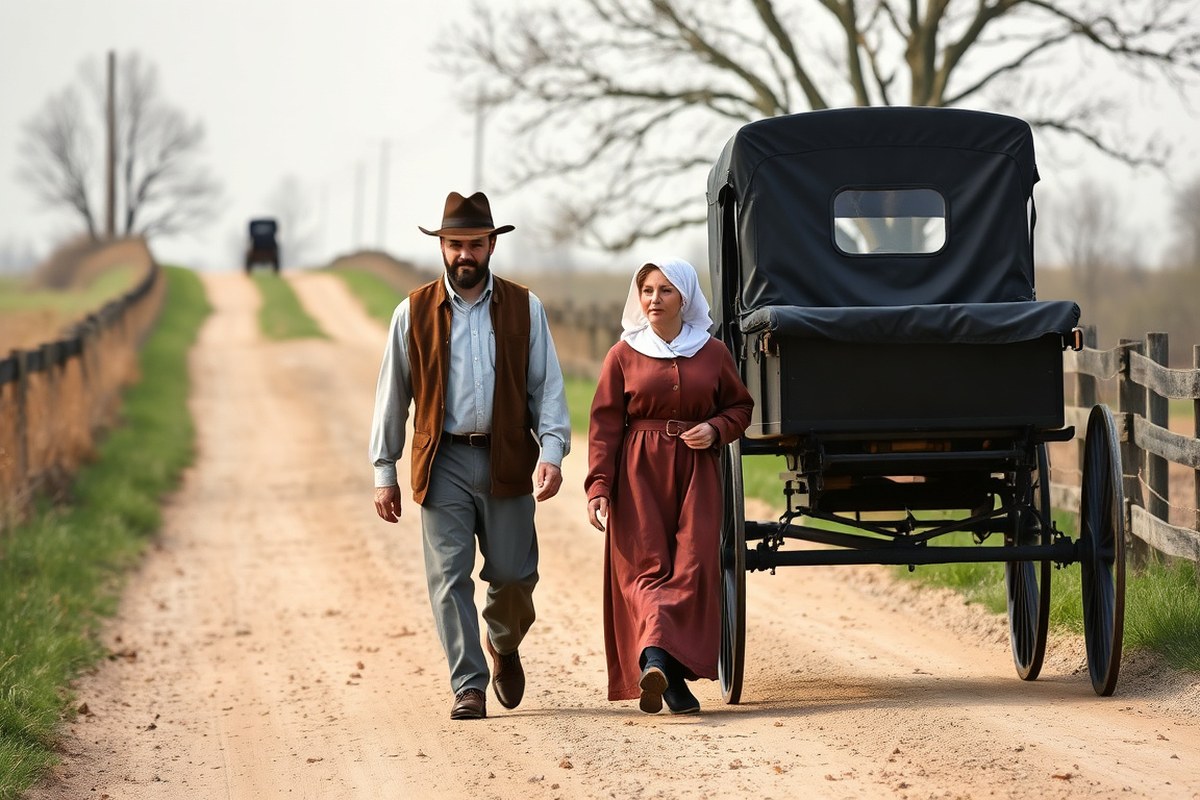
The Amish are not a separate race but belong to the White or European racial category. They are an ethnoreligious group with roots in European Christian traditions. Their distinct identity comes from shared culture, religion, and ancestry, not physical racial differences.
People often think the Amish belong to a separate race. Their unique lifestyle and tight communities cause this confusion. This idea is based on how they live and dress.
Their plain dress and separation from mainstream society make them seem distinct. The Amish are genetically like other White Americans.
They mainly come from European settlers. Their physical features are similar to other Whites.
Studies show Amish genes mostly come from Europe. They have little genetic difference from other White groups. This means their ancestry is mostly European.
The Amish marry mostly within their group for many generations. This keeps some genetic traits common.
They have not formed a new racial group. This confirms that “Amish” describes a cultural and religious identity, not a racial one.
The Ethnic and Cultural Origins of the Amish
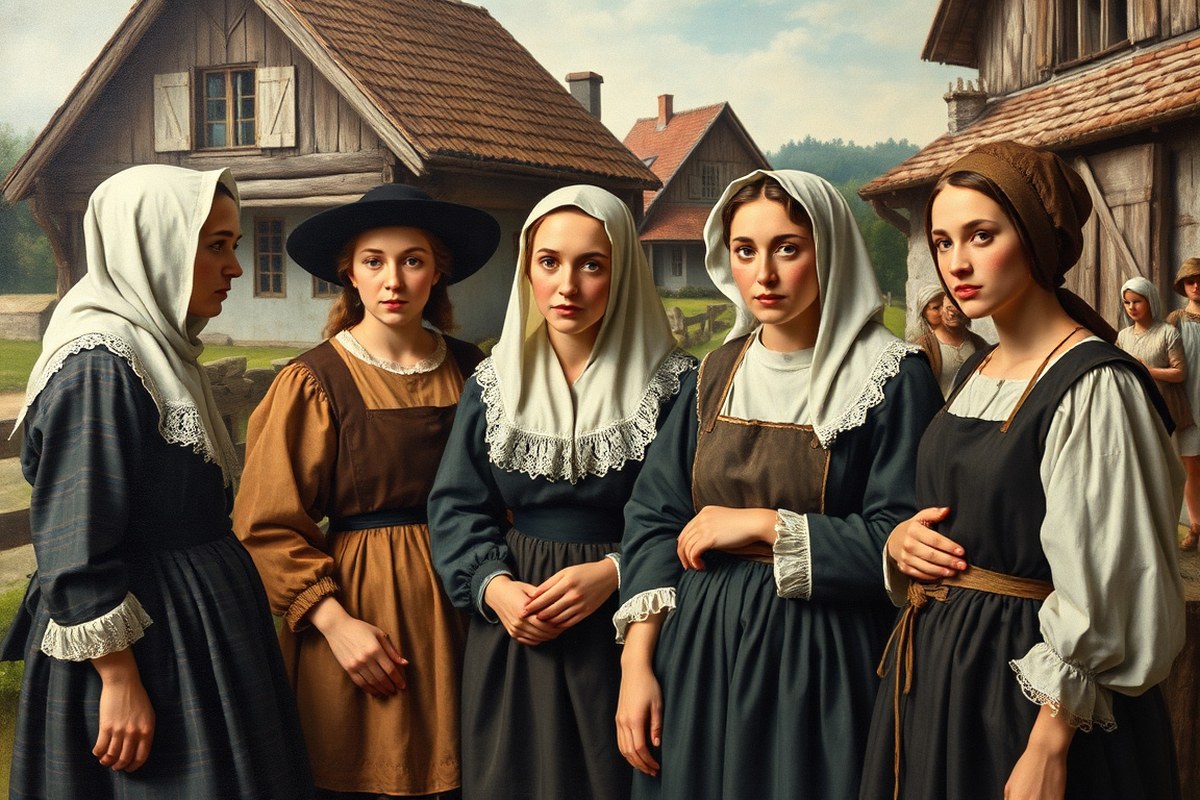
The Amish descend mainly from Swiss-German ancestors tied to the Anabaptist movement. Their identity began in the 16th century through religious and cultural shifts in Europe. Migration to North America shaped the Amish communities we know today.
Roots in the Swiss-German and Alsatian Regions
The Amish trace their ancestry to Swiss-German and Alsatian peoples. These areas had many Anabaptist believers during the 1500s. Their ancestors spoke dialects like Alemannic German, influencing the Amish language today.
This heritage links them to a distinct European ethnic background. The Amish preserved traditions like plain dress and language from these European roots. This connection helps explain their shared cultural identity.
Influence of the 16th-Century Anabaptist Movement
Anabaptism started during the Protestant Reformation in the 1500s. It emphasized adult baptism and separation from state churches. The Amish, emerging from this movement, focused on simple living and deep faith.
Jakob Ammann, a Swiss Anabaptist leader around 1693, led a split from the Swiss Brethren. This division formed the Amish group, which upheld stricter community rules and traditions. Their religious identity grew from this key split.
Migration That Shaped the Amish Population
In the 1700s and 1800s, many Amish left Europe for North America. They sought religious freedom and better farmland. Early settlements appeared in Pennsylvania, where they could live according to their beliefs.
This migration shaped the modern Amish by concentrating them in the U.S. And Canada. The move allowed the Amish to maintain their language, customs, and faith apart from mainstream society. Today’s population growth mainly occurs in these regions.
The Amish as an Ethnoreligious Group
Amish identity blends ethnic heritage with religion and culture. Their shared language, customs, and lifestyle link them beyond race. This combination defines them more as an ethnoreligious group than a separate race.
Their continued community practices mirror those from their original Swiss-German background. It is why Amish culture stays unique over generations. Their religion reinforces a common identity and close-knit social bonds.
Stay aware that Amish identity comes from culture and faith, not visible racial traits.
How Amish Religious Beliefs Shape Their Identity
Faith Guides Amish Lifestyle Choices
The Amish base their daily lives on Bible teachings that stress humility and simplicity. They avoid modern technology because they see it as a threat to their close-knit community. Romans 12:2 encourages them not to follow worldly ways but to focus on spiritual renewal instead.
This faith leads them to live quietly and humbly. They wear plain clothes and use horse-drawn buggies.
Their way of life shows a deep love for their community. They live purely within their group with strong commitment.
Biblical Principles Define Separation
The Amish separate from mainstream society to protect their spiritual health. They rely on scriptures like 2 Corinthians 6:17, which calls for leaving behind worldly influences. This belief shapes many rules about avoiding technology and outside influences.
The goal is to stay pure and focused on God. Keeping distance from the outside world preserves their values and faith. This separation isn’t about fear but about growing in grace within a stable community.
Baptism Marks Full Church Membership
Amish youth choose baptism as a sign of their adult commitment to faith and community. Baptism mostly happens in the late teen years or young adulthood.
Before that, they go through a time called Rumspringa. During this time, they decide whether to accept adult responsibilities and church rules.
Joining the church after baptism means agreeing to live by Amish beliefs fully. It also strengthens their bond with the community and its traditions. Most Amish youth decide to be baptized and stay connected to their church family.
Core Religious Principles Organize Daily Life
The Amish follow key rules that shape how they live. They practice nonresistance, meaning they avoid violence or lawsuits. Community support matters too, with neighbors helping each other in work and family needs.
Humility shows in their simple dress and modest behavior. Adult baptism confirms personal faith and a commitment to these principles. Together, these rules keep their culture and religion strong and distinct.
Religious Rituals Reinforce Identity
Simple ceremonies like baptism and communion underline their faith. Services happen in homes, emphasizing community and equality. Singing without instruments is common, reflecting their preference for simplicity.
These rituals create a strong sense of belonging. They connect members to shared beliefs and a shared identity. Such acts keep Amish culture alive across generations and communities.
Are There Amish People of Other Races or Ethnic Backgrounds?
Claims about Black Amish communities are not supported by evidence. Erik Wesner of Amish America checked these reports and found no Black Amish communities exist. Black Amish church members are very uncommon and mostly not part of established Amish groups.
The Amish mainly descend from European settlers arriving in the 18th century. They settled mostly in Pennsylvania, Ohio, and a few other states. Small Amish groups live in Bolivia and Mexico.
These communities come from European roots. They do not show much racial diversity.
Some people from different racial or ethnic backgrounds join Amish groups. They usually enter through marriage or adoption. Each year, fewer than 100 adults outside Amish ancestry join in North America, says the Young Center for Anabaptist Studies.
Diversity within Amish groups exists mostly in cultural practices, not race. Different Amish affiliations might vary in dress styles or vehicle choices. The Beachy Amish are more lenient and use black cars.
Other Amish groups follow strict horse-and-buggy rules. This shows different rules exist among Amish groups.
To identify the racial background of an Amish community, observe family connections and traditions. Amish people usually marry within their cultural group, preserving their shared ancestry.
Communities with more variations from typical dress or language might have small influences from outsiders. But racial diversity remains very limited.
The Amish focus mainly on maintaining faith and traditions. They do not prioritize racial purity, making occasional inclusion of outsiders possible. Some Amish communities accept outsiders more than others do.
Amish value close groups tied by religion. This makes acceptance less common in many cases.
What Language and Cultural Practices Define Amish Identity?
The Amish speak several languages, depending on the setting. At home and in daily life, they mostly use Pennsylvania Dutch, a German dialect called Deitsch. For church services, they switch to High German, and they use English when talking to outsiders.
Using Pennsylvania Dutch keeps the community close and separate from the outside world. It helps preserve their traditions and identity. English is used outside the community for practical reasons, like business or school.
| Language | Where Used | Purpose |
|---|---|---|
| Pennsylvania Dutch (Deitsch) | Home and daily life | Maintains community ties and tradition |
| High German | Church services | Church reading and hymns |
| English | Outside conversations | Communication with non-Amish (“English”) |
The Amish dress code clearly shows their culture. Plain clothes in dark or neutral colors express humility and separation from the world.
Men wear broad-brimmed hats, suspenders, and simple trousers. Women wear long dresses with aprons and bonnets or head coverings.
Clothes are handmade or homemade for practicality and tradition. These dress rules keep pride and show submission to community values. Straying from this dress code often leads to reproof from community leaders.
Other customs distinguish the Amish too. They reject pride and arrogance, favored by high value on humility and calmness.
Their habits include horse-and-buggy travel, no electricity at home, and simple technology use. Courtship and weddings are unique, community-centered events that outsiders often misunderstand.
Remember, noticing Amish cultural practices like dress or language helps avoid misunderstandings and shows respect.
Differences Among Amish Groups and Their Impact on Identity
The Amish are not one single group but a mix of different affiliations. The main Amish groups are Old Order Amish, New Order Amish, Beachy Amish, and Amish Mennonites. These groups have different beliefs and ways they live.
Old Order Amish stick to tradition. They use horse and buggy for travel. They avoid most modern technology too.
‘Old Order’ means sticking closely to the old ways set in the 1800s. These groups avoid things like cars, electricity, and televisions. They focus on preserving their community rules and language.
New Order Amish are more open to some technology but still keep many traditions. Beachy Amish and Amish Mennonites are more progressive and may use cars and electrical devices.
| Group | Lifestyle | Technology Use |
|---|---|---|
| Old Order Amish | Conservative, horse-drawn buggies, plain clothing | No cars, no electricity, no TV |
| New Order Amish | More open, some modern farming, serious about faith | Limited use of phones and pagers |
| Beachy Amish | Moderate conservatism, more engagement with outside world | Use cars, electricity, English at home |
| Amish Mennonites | Progressive, assimilated to wider society | Full use of modern technology |
This variety shapes Amish cultural identity by showing different levels of separation from society. Conservative groups hold tightly to traditional ways to protect their values. Pragmatic groups balance tradition with select technology to support their communities.
You can tell Old Order Amish apart by certain traits. They wear plain, dark clothing and use horse-drawn buggies exclusively. They speak Pennsylvania Dutch at home almost always.
Cars and electricity used openly often mean it’s a different group. For example, Beachy Amish.
How Amish Separation from Modern Society Influences Their Ethnic Identity
The Amish avoid many modern technologies to keep their community close and distinct. They see certain tools and devices as threats that could pull them into mainstream culture. Their goal is not about hardship but about protecting shared values and traditions.
Separation is key to maintaining their unique ethnic identity. The Amish choose what technology they accept carefully to avoid outside influences.
This limits their exposure to popular culture. It helps them stay true to Amish beliefs and social rules.
Common reasons the Amish limit technology include:
- Preventing ease of communication that isolates family units
- Avoiding electricity to stop mixing with the “worldly” lifestyle
- Keeping community members reliant on each other, not outside aids
- Preserving simplicity to focus on religious and family life
- Resisting individualism encouraged by devices like telephones or cars
- Protecting children from modern distractions and influences
Daily practices reflect these choices clearly. For example, Amish homes usually lack electrical wiring.
They rely on horse-drawn buggies, not cars, to travel. Instead of telephones in every home, they use community phone booths in shared spaces.
Some Amish groups have different limits based on local church decisions. A few might allow battery-powered tools or propane for cooking. Yet, each choice goes through strict discussions to balance convenience and separation.
Population Growth and Geographic Distribution of the Amish
The Amish population grows around 3.5% each year. This steady rise mostly comes from large families. The average Amish household has seven children.
That’s why their numbers keep growing. They prefer living in rural areas for farming.
New Amish settlements form as they find more farmland. This happens quite regularly.
The biggest Amish groups live in Holmes County, Ohio. Lancaster County, Pennsylvania; and LaGrange, Indiana.
Holmes County’s Amish number exceeds 40,000 people. Pennsylvania hosts around 84,100 Amish, Ohio about 80,240, and Indiana roughly 60,960, making these states the top spots for Amish populations in the U.S.
Besides these hubs, Amish live throughout 38 states and parts of Canada. Old Order Amish groups exist in 31 states, showing a widespread but still rural presence. Their communities remain socially isolated, which makes it hard to get exact population numbers.
Amish growth happens naturally since most marry young. Big families support their spread into new areas. This helps communities grow steadily.
Population growth requires plenty of land. So settlements often emerge far from cities and highways. Family farming remains central, so they pick quiet, affordable farmland.
Some Amish also start businesses nearby. But they hold tightly to their rural roots and cultural values.
Counting Amish numbers is hard because they live privately. They avoid modern technology a lot. This makes tracking them tricky.
Distinguishing Race from Ethnicity in the Amish Context
Race, ethnicity, and religion are separate ideas often confused with each other. The Amish fit as an ethnoreligious group since faith shapes their culture. Knowing these terms helps you understand the Amish better.
Definition of Race
Race generally refers to physical traits like skin color and facial features. These traits help sort people into large groups.
Common groups include White, Black, or Asian people. Race is usually seen as a social category, not a strict scientific classification.
Race focuses on inherited biological traits with visible aspects. It’s simpler and narrower than ethnicity, often ignoring cultural or historical factors. For example, most Amish people would be classified as White by racial categories.
Definition of Ethnicity
Ethnicity describes a group’s shared culture, language, history, and sometimes religion. It centers on common customs and traditions passed down through generations. Ethnicity is broader and includes social and cultural details that race leaves out.
Amish ethnicity covers their German-Swiss background and their Pennsylvania Dutch language. Farming and simple dress are part of their customs too. These features create a distinct cultural identity within their communities beyond skin color or appearance.
Why Amish Fit Ethnoreligious Classification
The Amish combine ethnic culture and religious belief into one strong identity. Their faith shapes daily life, rules, and community interactions. Because of this, calling them an ethnoreligious group fits better than just race or ethnicity.
Amish identity includes a religion that directs daily life. This religion sets them apart from others.
Their separation from mainstream society also reinforces their distinct identity. This blend explains why you see their culture and faith tightly linked.
Common Misconceptions About Amish Race
People often think Amish identity is just racial, limiting it to appearance. This mistake overlooks their rich cultural background and faith traditions.
Some mix up the Amish with groups like the Beachy Amish. They live differently and don’t always count as Amish.
Ignoring the ethnoreligious aspect can cause misunderstandings about who belongs to the Amish community. A White person who drives may look like Beachy Amish but isn’t Amish. Appearance alone can cause confusion.
The New Order Amish show different ways of living. This means Amish identity varies and is not fixed.
Use this table to distinguish race, ethnicity, and Amish identity clearly:
| Aspect | Race | Ethnicity | Amish Identity |
|---|---|---|---|
| Basis | Physical traits (skin, hair, facial features) | Culture, language, history | Culture + religion |
| Scope | Narrow (biological) | Broader (social, cultural) | Broader with religious rules |
| Example | Most Amish classified as White | German-Swiss heritage, Pennsylvania Dutch | Religious beliefs shaping daily life |
| Lifestyle impact | None or minimal | Customs, language, dress | Strict religion guides lifestyle |
| Group membership | Often fixed by birth | Shared culture with flexibility | Religion defines community belonging |
This comparison helps you label groups correctly. Use “race” only for physical traits.
Choose “ethnicity” when culture matters more. Add religion if beliefs shape their whole way of life, like with the Amish.
For example, calling Amish people White is accurate by race. Saying they’re German-Swiss hits their ethnicity.
Describing them as an ethnoreligious group includes both culture and religion. This method avoids confusion, especially for groups with strong faith ties.
Step-by-Step Action Plan to Understand Amish Identity
Use these steps to clarify the Amish’s racial and ethnic background clearly. Follow each step to see how race and culture shape their identity.
- Day 1: Read a brief history on Amish origins. Check that you recognize their Swiss-German roots.
- Week 1: Learn about Amish religious beliefs. Notice how faith influences daily life and identity.
- Week 2: Explore Amish language and cultural practices. Confirm you can name key customs like dress and community rules.
- Week 3: Study Amish geographic locations. See where they mostly live, especially in Pennsylvania and Ohio.
- Week 4: Understand the difference between race and ethnicity. Make sure you can explain that Amish is a cultural group within a mostly white race.
- Week 5: Investigate examples of Amish people from diverse ethnic backgrounds. Notice these are exceptions, not the rule.
- Week 6: Reflect on Amish separation from modern society. Appreciate how isolation preserves their ethnic identity.
Frequently Asked Questions
What Race Are the Amish Generally Classified As?
The Amish are generally classified as white, primarily of Swiss German ancestry. Their identity is more about their culture and religion than race.
Can Amish People of Other Races Join the Community?
Yes, people of other races can join, but very few do. The Amish rarely seek converts, and their culture stays mostly within their communities.
Does Amish Identity Depend on Language or Race?
Amish identity depends more on shared cultural practices and religion. They speak Pennsylvania Dutch or English, not race, which defines their group.
Are There Physical Traits That Define Amish Race?
No, the Amish are not defined by physical traits but by cultural and religious bonds. They share European ancestry but see themselves as a faith community.
Is Amish Considered a Race or an Ethnoreligious Group?
The Amish are an ethnoreligious group, not a race. Their sense of identity comes from religion, culture, and ancestry combined.
Wrapping Up
The Amish identify mainly as white with a unique cultural heritage. Their ethnic identity is shaped by faith and tradition, not just race. Take time to recognize cultural details next time you learn about them.