
How Fast Are 250cc Dirt Bikes? A Complete Guide to Their Top Speeds and Performance
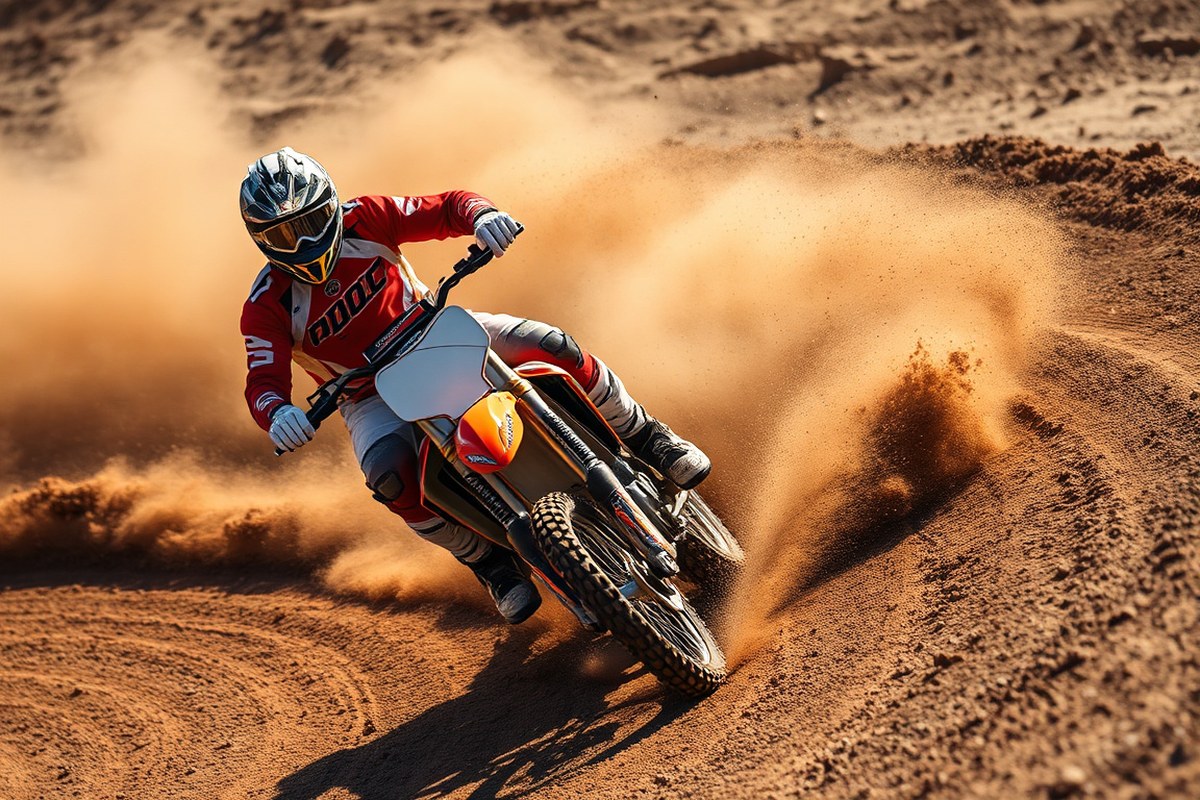
How fast are 250cc dirt bikes? These bikes typically reach 70 to 76 miles per hour.
Some can hit up to 85 mph with performance tweaks like aftermarket exhausts or jetting. Their speed varies based on engine type, terrain, and rider weight, affecting overall performance.
250cc dirt bikes are made for trails, motocross, and light touring but not highway speeds. They usually lack the safety gear needed for street legal use in many states. The right tires and suspension also affect how fast you can safely go on different surfaces.
Performance mods can increase speed. But start with regular maintenance, proper air filters, and correct gearing.
Faster speeds can risk control on rough trails or slippery dirt sections. Knowing the bike’s limits and riding style helps you stay in control and enjoy riding safely.
Key Takeaways
- Standard 250cc dirt bikes usually reach 70 to 76 mph top speed.
- Performance modifications can safely increase speed up to about 85 mph.
- 2-stroke engines often produce higher top speeds than 4-stroke models.
- Rider weight and terrain greatly influence the bike’s actual top speed.
- Proper bike maintenance and correct sprocket sizes improve speed performance.
- Most 250cc dirt bikes are not street-legal due to safety regulations.
What Is the Typical Top Speed of a 250cc Dirt Bike?
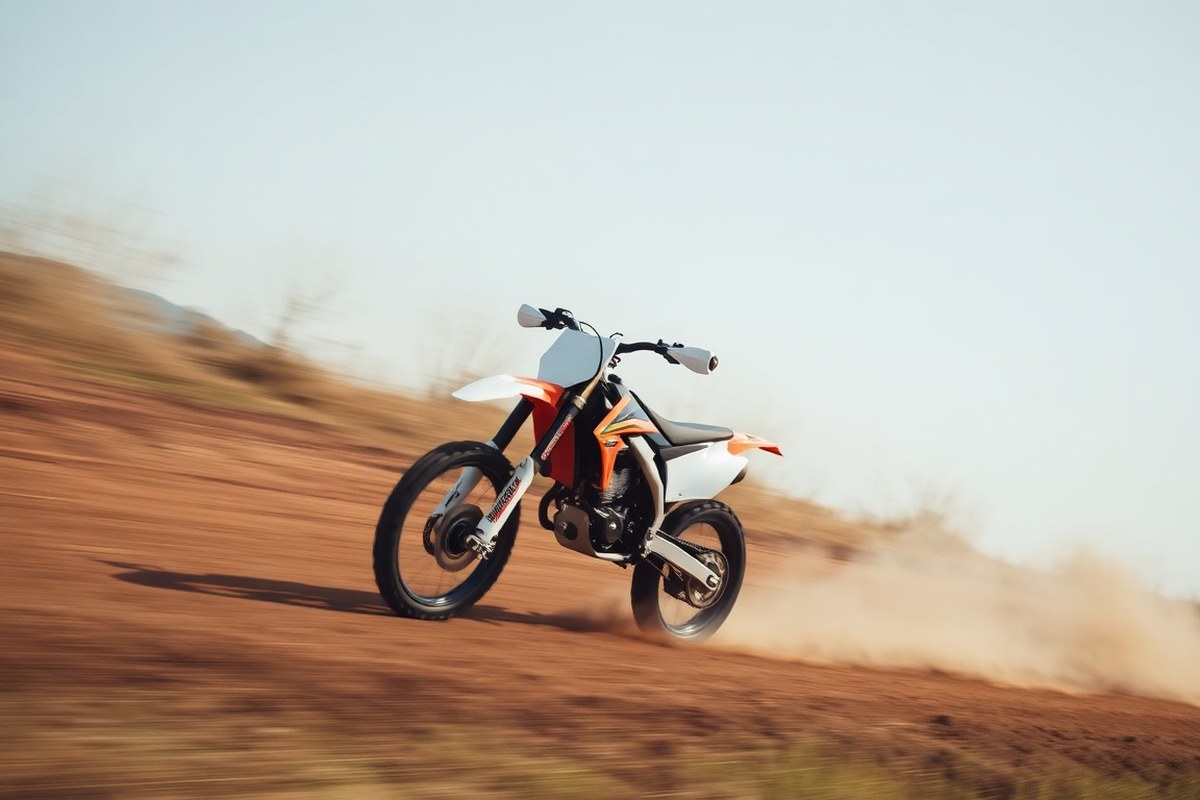
Most 250cc dirt bikes reach top speeds between 45 and 55 mph. This speed applies on flat ground. It’s common for these bikes to stay within this range.
This speed suits beginner riders and trail riding where control matters more than outright speed. However, some models, especially sportier or two-stroke versions, can push higher speeds.
A 250cc dirt bike’s top speed usually falls between 70 and 85 mph. You get this speed at full throttle. That’s the common maximum speed for many riders.
Some 2-stroke 250cc models can reach nearly 90 mph. This is thanks to their lighter weight. Their quick throttle response also helps reach high speeds.
This range depends on factors like bike design and engine type. But 70, 85 mph covers most stock bikes used for motocross or off-road racing.
A 250cc dirt bike usually takes 8 to 12 seconds to hit top speed. This means it accelerates fairly quickly. The exact time depends on the model and conditions.
This depends on rider weight, terrain, and gearing. You’ll feel the bike accelerate steadily as the engine pushes through the powerband. But hitting that maximum speed requires open flat space to safely test.
How Engine Type and Size Influence a 250cc Dirt Bike’s Speed
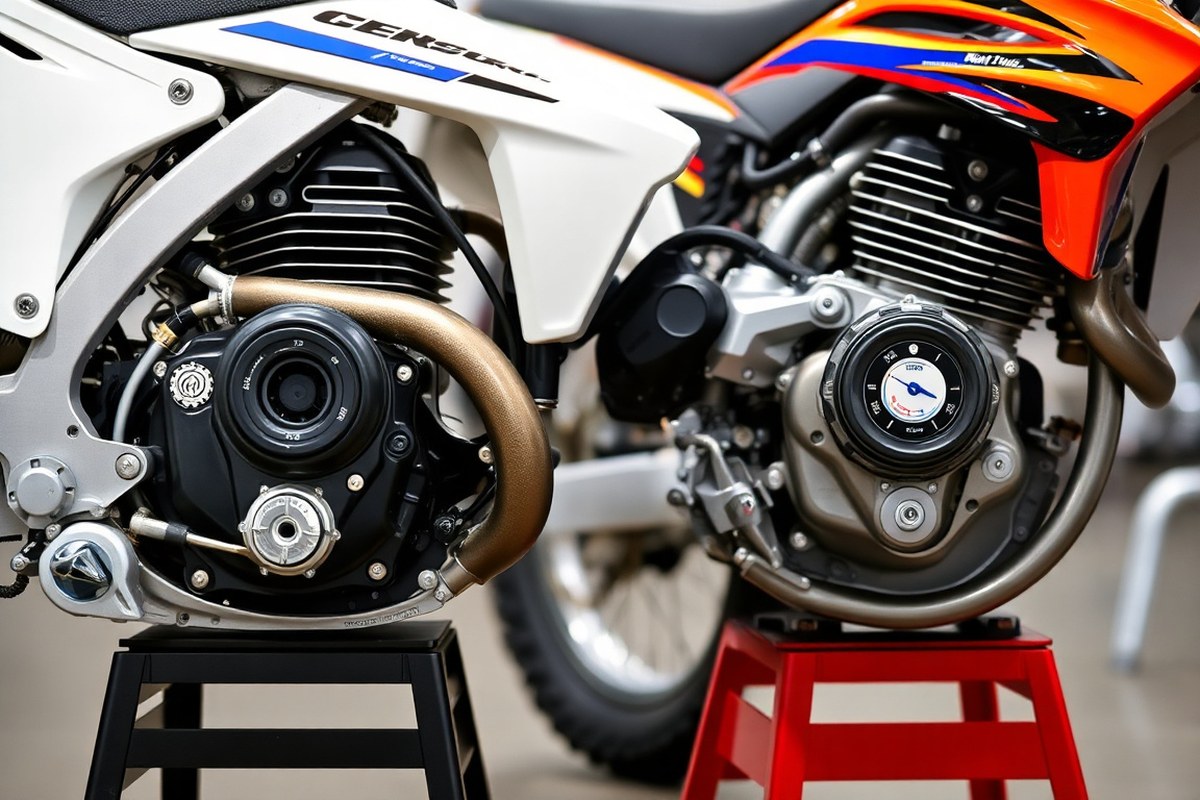
Two-stroke 250cc dirt bikes usually reach higher top speeds than four-strokes. This happens because two-strokes generate more horsepower for their size and weigh less.
For example, a Yamaha YZ250 two-stroke can hit about 85 mph. A Honda CRF250R four-stroke might top out near 80 mph but feels steadier.
Four-stroke engines deliver better torque, which helps at lower speeds and on rough climbs. You get smoother power delivery and better control overall. The peak speed might be a little lower.
Still, the ride feels easier to handle. Torque helps the bike pull harder without needing to rev as high. Two-strokes focus more on raw power and quicker acceleration.
Horsepower and torque relate differently to speed on dirt bikes. Horsepower drives the top speed because it keeps the bike moving fast at high revs. Torque helps with acceleration and handling technical terrain.
So, a lighter two-stroke with higher horsepower usually wins on speed. But a heavier four-stroke gives you easier control and power where you need it most.
Test your bike’s speed in a safe, open area using a GPS-based app for accuracy.
Types of 250cc Dirt Bikes and Their Speed Differences
Different types of 250cc dirt bikes have specific speeds and designs fit for various uses. Motocross bikes are built for speed and power on tracks. Trail, enduro, and dual-sport models focus on control and versatility, affecting their top speed.
Motocross 250cc Bikes
Motocross 250cc bikes are made for racing on closed dirt tracks. They have powerful engines and lightweight frames to hit speeds between 70 and 85 mph. Riders find these bikes nimble and responsive but less comfortable for long rides or rough trails.
These bikes excel in short bursts of speed and quick acceleration. The design promotes aggressive handling, which lets you corner tight and jump high. The tradeoff is that motocross bikes aren’t ideal for street use or extended trail rides.
Trail and Enduro Models
Trail 250cc bikes focus on smooth power delivery and durability on rough terrain. Their realistic top speed ranges from 55 to 70 mph, suited for off-road paths. They often have softer suspension and wider tires for better traction on dirt and rocks.
Enduro models lean toward race-ready performance, reaching 65 to 80 mph. These bikes carry extra gear for longer rides and handle tougher terrain. You’ll notice sharper throttle response and stronger brakes than trail models have.
Dual-Sport 250cc Bikes
Dual-sport 250cc bikes combine off-road ability with street legal features. They typically reach around 55 to 70 mph depending on the model. These bikes have lights, mirrors, and turn signals to meet road rules.
They keep enough suspension travel for trail riding. That makes them good for both ways.
Speeds on flat surfaces may approach highway levels. But the ride isn’t always the smoothest at those faster speeds. Dual-sports work well if you want one bike for both dirt riding and commuting.
You won’t need to buy two bikes. They handle both roads and trails.
The following table shows typical top speeds and examples of the main 250cc dirt bike types:
| 250cc Bike Type | Realistic Top Speed (mph) | Typical Examples and Notes |
|---|---|---|
| Trail | 55, 70 | Honda CRF250F favors tractability and control |
| Enduro | 65, 80 | Yamaha WR250F race-focused four-stroke |
| Motocross | 70, 85 | KTM 250 SX-F, Honda CRF250R strong power |
| Two-Stroke 250 | 75, 90 | Lightweight competition models are very quick |
Speeds vary mainly because of design focus and intended use. Off-road rides often keep you below the higher top speeds due to terrain. On flat, smooth tracks, some race-tuned 250cc bikes reach 85 mph or more.
How Rider Weight, Terrain, and Conditions Affect Speed
The weight of the rider has a clear effect on the dirt bike’s top speed. Heavier riders make the bike work harder to accelerate and maintain speed. A light rider lets the 250cc dirt bike reach near top speed.
The bike’s maximum range is 65 to 85 mph. Being lighter makes it easier for the bike to go fast.
Terrain also plays a big role in speed changes. Smooth, hard-packed trails or flat dirt roads allow higher speeds near the bike’s top limit. Rocky, loose, or muddy ground slows the dirt bike down.
It cuts traction and forces the rider to slow. Slower speeds help keep better control of the bike.
Weather and altitude affect how well the engine performs. Cool, dry air helps the engine burn fuel more efficiently, boosting speed.
At higher altitudes, thinner air reduces power, so top speed drops. Hot, humid conditions tend to reduce power as well.
Wind resistance grows with speed and can limit how fast you go. A rider hunched forward lowers wind drag and helps push speed higher.
Even slight headwinds slow the bike. Tailwinds can add a few miles per hour.
Load beyond the rider such as gear or extra luggage also impacts speed. Every extra pound takes away some acceleration and top speed. Carry only what’s needed to keep the bike lean and fast on open trails.
A lighter rider on flat, dry ground will get the best top speed. Cool weather also helps the bike reach higher speeds. These conditions let the bike run closest to its max.
Rocky trails, heavier riders, and hot or high altitude conditions bring speeds down noticeably. Adjust your riding plan with these factors to get the most from your 250cc dirt bike.
How Gearing and Maintenance Impact a 250cc Dirt Bike’s Top Speed
Changing your sprocket size can increase your 250cc dirt bike’s top speed. A smaller rear sprocket or a bigger front sprocket raises gearing. This lets your bike hit higher speeds at lower engine RPMs.
Higher gearing means your engine runs slower at top speed. Swapping a 48-tooth rear sprocket for a 45-tooth one can boost your speed. This change adds a few miles per hour to the top speed.
It’s a simple way to go faster. But this change also reduces acceleration and torque. So your bike might feel slower off the line.
To safely adjust gearing, start by choosing sprockets that fit your model exactly. Installing them usually costs about $30 to $60 for parts. You can do it in an hour with common tools.
Check your chain length and tension after changing sprockets. You might need to adjust or replace your chain.
This helps keep your bike running smoothly. A properly tensioned chain avoids slipping and premature wear, which keeps your power delivery smooth.
Keeping your bike well maintained helps preserve top speed and performance over time. Clean and lubricate your chain after every ride for best care. Check your tire pressure weekly to keep it safe and fast.
Replace your air filter regularly to protect the engine. Dirty air filters reduce airflow, lowering power and speed. Look at your spark plug every few rides for dirt or wear.
Replace it if it’s fouled or worn out. A strong spark keeps your engine running well.
Also, changing your engine oil according to your owner’s manual pays off. Clean oil reduces friction and heat build-up, helping your engine run smoothly at high speeds. Typical oil changes cost $10 to $20 for the oil itself.
Usually take less than 30 minutes. Ride often but don’t push your bike if parts are loose.
Small issues like loose bolts or dirt can slow your top speed. Regular checks help keep it fast.
Always use sprockets that fit your dirt bike model exactly. Check chain tension whenever you change sprockets to prevent damage. This keeps your bike running right.
Performance Modifications to Safely Increase Speed
Upgrading the exhaust system is a popular way to boost speed safely. Swapping the stock pipe for a lighter aftermarket one reduces weight and improves airflow. This helps the engine breathe better.
It adds a few extra miles per hour. It does this without stressing the motor.
Another common upgrade involves changing the air filter to a high-flow model. A less restrictive filter lets more air into the engine, increasing combustion efficiency.
Clean and install a foam or cotton filter designed for your bike. Expect smoother acceleration and a small speed gain.
Adjusting the sprockets also affects top speed and acceleration. Installing a larger front sprocket raises the bike’s top speed. A smaller rear sprocket does the same.
But both lower low-end torque. You’ll need to choose sprockets based on your riding terrain and style. A new sprocket set costs about $30 to $70.
Installation needs only basic tools. It’s a simple and affordable upgrade.
Riders with 2-stroke 250cc bikes can port the cylinder for more power. Using a performance reed valve kit also helps. Both unlock more engine power.
These changes improve fuel-air flow and combustion timing. They require precise work or professional help and may increase wear if not done right. Expect a noticeable speed increase of 5 to 10 mph if tuned properly.
Many riders swap the stock carburetor for bigger or modern models. This applies to both 2-stroke and 4-stroke bikes. It improves engine performance.
This allows more fuel and air into the engine, boosting power. Carburetor tuning or jetting adjustments are necessary after installation.
Misadjusted carburetors can cause poor running or engine damage. So this step calls for some mechanical know-how.
Upgrading the ignition system provides another safe power improvement. A performance ignition coil or spark plug can increase the speed of combustion.
These parts are easy to install and cost around $20 to $50. Better ignition timing helps the engine run cleaner and more efficiently.
While 4-stroke 250cc bikes offer smooth power, their design limits aggressive speed upgrades. Their heavier engines and complex valve systems respond less to modifications than 2-strokes. Small improvements like better exhausts and jetting add about 5 mph.
These upgrades do not harm reliability. They offer modest but safe speed gains.
Two-stroke 250cc bikes handle speed upgrades better than others. Their simple engine design reacts well to performance tweaks. This makes them good for speed mods.
They’re lighter and rev higher, which helps power upgrades take effect faster. These bikes generally require more frequent maintenance. So only consider upgrades if you’re ready to stay on top of upkeep.
How to Safely Test Your 250cc Dirt Bike’s Top Speed
Testing your 250cc dirt bike’s top speed needs a safe spot. Wear good gear. Follow a clear plan.
Don’t guess speed on trails or roads. Use a controlled setup to avoid risks and get accurate numbers.
Choose a Safe Testing Location
Find a flat, open spot for testing your bike. Use a long dirt track or an empty airstrip. Make sure no one else rides there.
Avoid public roads, busy trails, or places with obstacles that can cause crashes. Testing on smooth ground helps your bike hit its real top speed without interruptions.
Make sure the spot lets you slow down smoothly after reaching top speed. A clear run-off zone helps if you lose control.
Soft dirt or a long stretch can stop injuries. Check weather conditions to avoid slippery or muddy surfaces, which slow you down and increase risk.
Prepare the Bike and Rider
Before testing, check your bike’s maintenance. Confirm your chain is tight, tires have correct pressure, and brakes work well.
Ride a clean, well-tuned 250cc dirt bike to keep speed steady. This lowers breakdown chances during testing.
Wear full protective gear. A DOT-certified helmet, goggles, gloves, long sleeves, pants, and tough boots cut injury risk. Wear extra back protection or chest armor when pushing your bike hard.
It helps protect you near limits. Ride rested and alert to react quickly if needed.
Perform the Speed Test Properly
Start your run slow. Then roll on the throttle smoothly. This avoids wheel spin or losing control.
Use a GPS speedometer or a phone app made for tracking speed. It gives the most accurate data. Avoid sudden braking or sharp turns during acceleration to keep the bike stable.
Do multiple runs in both directions to cancel out wind or slope effects on speed. Rest a few minutes between tries so your engine cools down.
Never test speed alone. A friend should watch from a safe distance to call for help if something goes wrong.
Record and Analyze Your Results
Write down the highest speeds from your runs along with conditions like temperature and wind. Compare speeds to what the manufacturer or other riders report for your bike’s model. Large variances might mean tuning issues or sensor errors.
Look for consistent top speeds from at least three runs to trust your data. Check worn clutch plates, clogged air filters, or wrong tire sizes if speed is less than expected. Understanding these details helps improve both safety and performance on future rides.
Legal and Safety Considerations for 250cc Dirt Bikes on Roads
Riding a 250cc dirt bike on public roads depends on whether it is street-legal. Most 250cc dirt bikes don’t have turn signals or mirrors. They usually lack other needed equipment too.
That’s why they aren’t meant for highways. To ride on roads, your bike must follow local laws. That often means having lights, horns, and registration.
Highways have speed limits that match vehicle capabilities and safety standards. Many 250cc dirt bikes can reach 65 to 75 mph. This speed fits some highway limits.
But their off-road build means they might not ride well at highway speeds. Dirt bike tires, suspension, and brakes aren’t made for pavement. This makes fast road riding more dangerous.
Some states and regions allow “dual sport” 250cc bikes that combine off-road power with street-legal features. These bikes can be registered, insured, and legally ridden on streets.
To make a dirt bike street-legal, expect to spend $200 to $800 on parts and installation. Common upgrades include headlights, brake lights, turn signals, and speedometers.
Check your local DMV or transportation office before road riding. Make sure your 250cc dirt bike is street legal.
Riding a non-street-legal 250cc dirt bike on paved roads is usually illegal and unsafe. Without proper lighting and safety gear, you risk tickets or accidents, especially at night.
Also, riding off-road tires on asphalt causes quicker wear and poor traction. These factors make dirt bikes less suitable for highway use compared to motorcycles designed for pavement.
Choosing Between 2-Stroke and 4-Stroke 250cc Dirt Bikes
Choose a 2-stroke 250cc dirt bike if you want quick bursts of speed and lighter weight. Pick a 4-stroke if you prefer smoother power and better fuel efficiency for longer rides. Your choice depends on how you ride and where you ride most.
Speed and Power Comparison
Two-stroke 250cc bikes deliver faster acceleration and punchier power. They are lighter, which helps you reach top speed quicker on tight tracks. Four-stroke bikes produce power more steadily, giving you better control at slower speeds.
Four-stroke engines usually have a slightly lower top speed. They feel easier to control on tricky trails. This makes them good for technical riding.
Two-strokes reach top speed quicker than four-strokes. They need more skill to manage their sharp power.
Riders must be ready for sudden bursts of speed. For pure quickness, two-strokes often edge ahead by about 5 to 10 mph.
Maintenance and Reliability Differences
Two-stroke engines need more frequent upkeep, like regular oil mixing and spark plug changes. They tend to wear faster because of their simpler design and higher revving nature. Four-strokes cost more to maintain but usually last longer between rebuilds.
Plan to spend more time tuning a two-stroke’s carburetor for best performance on rough trails. Four-strokes run cleaner and provide better fuel efficiency, saving money over long rides. Maintenance ease might tip your choice if you want a bike that’s ready sooner.
Riding Style and Terrain Impact
You ride mainly short, fast laps or motocross tracks. A 2-stroke fits your speed needs better. It suits quick, intense riding better than other engines.
You can blast through turns with quick throttle response, useful in tight or jump-heavy courses. Four-strokes suit riders who prefer trail riding or longer runs.
Four-strokes’ smoother power helps on uneven terrain and steep climbs without spinning out. They perform well in endurance riding where consistent torque beats sudden bursts. Think about where you ride most before picking an engine.
Also, consider what speed feels safe to you. Choose the engine type that fits your style best.
Step-by-Step Action Plan to Safely Maximize Your 250cc Dirt Bike’s Speed
Follow these clear steps to understand and improve your bike’s speed safely. Each one builds on the last for steady progress.
- Before you start: Check your dirt bike’s basic condition. Look for loose parts or low fluids to avoid problems on the track.
- Day 1: Weigh yourself with your gear. Note this to track how your weight might affect speed and handling.
- Week 1: Ride on different terrains and note your speed changes. This helps you understand how ground and conditions matter.
- Week 2: Adjust your bike’s gearing slightly by changing sprockets. Test how speed and acceleration react after each change.
- Week 3: Perform basic maintenance like cleaning the air filter and checking tire pressure. You’ll see smoother running and better speed.
- Week 4: Consider safe, simple modifications such as upgrading the exhaust or rejetting the carburetor. Confirm speed gains with GPS.
- After 1 month: Take a controlled top speed test on a flat, safe stretch. Wear full gear and have someone observe for safety.
- Ongoing: Follow local rules and wear all protective gear. Regularly inspect the bike to keep riding safe and fast.
Frequently Asked Questions
Are 250cc Dirt Bikes Suitable for Beginner Riders?
Yes, 250cc dirt bikes are suitable for beginners due to their manageable power and size. They offer a good mix of speed and control.
This makes them perfect for new riders. You can learn basic off-road skills easily on these bikes.
How Do Fuel Types Affect the Speed of 250cc Dirt Bikes?
Fuel types matter little if you use the right grade. Always follow what the manufacturer recommends.
Using the proper fuel keeps your bike running well. Using high-octane fuel can improve engine efficiency. But the difference in top speed is usually small.
Can Weather Conditions Limit a 250cc Dirt Bike’s Top Speed?
Yes, weather like rain or wind can reduce top speed and control. Wet or muddy trails slow you down a lot.
They hurt your traction and control. This limits how fast you can safely ride your bike.
Do Rider Skill Levels Impact the Top Speed of 250cc Dirt Bikes?
Rider skill affects how fast you can go. Skilled riders push closer to the bike’s top limit. Experience helps keep speed safe on rough trails.
Less experienced riders usually go slower for safety. They learn to control power and tricky terrain first. Speed comes with practice and confidence.
Is There a Difference in Speed Between Motocross and Trail 250cc Dirt Bikes?
Yes, motocross 250cc bikes usually have higher top speeds due to lighter weight and racing tuning. Trail bikes focus more on torque and handling, which might lower their maximum speed.
The Bottom Line
250cc dirt bikes commonly reach speeds around 40-60 mph, depending on many factors. Knowing your bike and conditions helps you ride smarter and safer. Start testing your bike’s limits carefully and enjoy your rides with confidence.
One Comment