How Fast Can a Fire Truck Go? A Complete Guide to Speeds and Safety
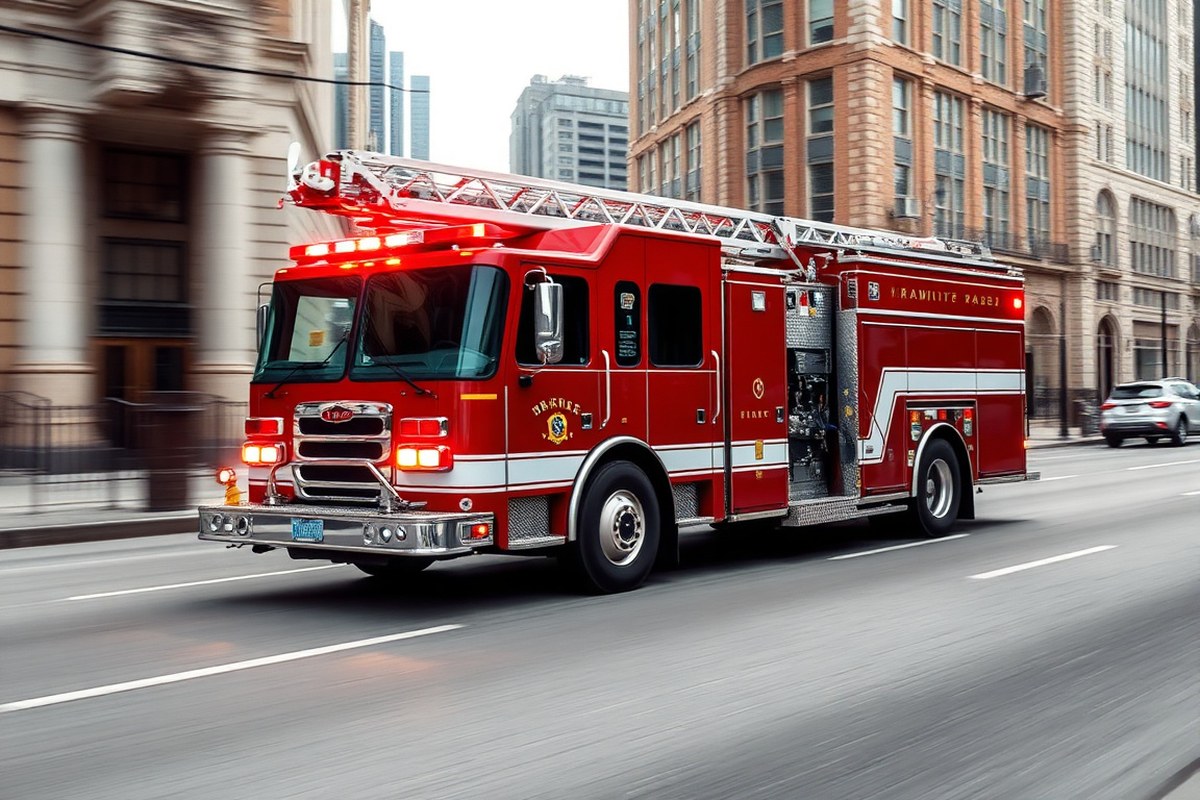
You might wonder how fast a fire truck can go in real emergencies. Most fire trucks reach speeds between 55 and 70 miles per hour. However, they rarely hit their top speed because safety is key when driving large, heavy vehicles.
Fire trucks usually travel around 35 to 45 miles per hour in cities. Going faster isn’t always safe with heavy equipment onboard and heavy traffic conditions. Drivers prioritize getting there quickly while keeping control to avoid accidents.
The weight and size of fire trucks limit rapid acceleration and high-speed turns. Emergency vehicle drivers undergo special training to handle these challenges safely on busy streets. This training helps prevent crashes during urgent responses.
Knowing a fire truck’s speed helps you understand emergency response limits. It also explains why fire trucks behave differently than regular vehicles on the road. Their speed balances urgency with the need for safety and control.
Key Takeaways
- Fire trucks usually max out around 55 to 70 mph, depending on type.
- City speeds average 35 to 45 mph for fire trucks for safety reasons.
- Emergency top speeds can reach up to 60 mph but are rarely exceeded.
- Ladder trucks are larger and often slower than pumpers in handling.
- Engine power and torque influence acceleration but not top speed much.
- Legal speed limits and safety rules keep fire trucks from going too fast.
How Fast Can a Fire Truck Go in Real Emergencies?
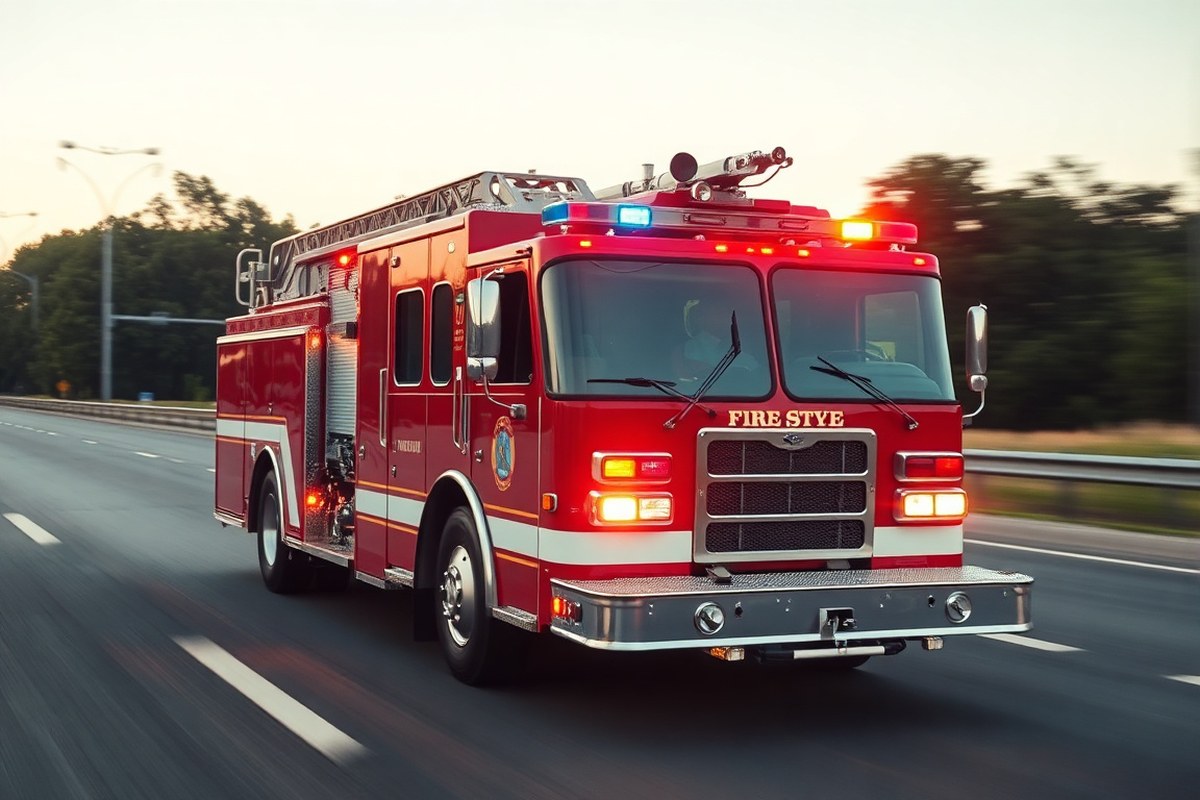
Fire trucks usually top out between 55 and 70 miles per hour in emergencies. Most city responses see them driving around 35 to 45 mph. On open highways, fire trucks often hold 60 mph if traffic and road conditions allow.
Reaching maximum speed is rare during real emergency calls. Drivers must balance speed with safety, especially on turns and crowded streets. The National Fire Protection Association limits fire trucks’ top speed.
Going over 68 mph breaks their rules. Fire trucks should follow this speed limit.
Here’s a table comparing average and top speeds by fire truck type:
| Truck Type | Average City Speed (mph) | Average Highway Speed (mph) | Typical Max Speed (mph) |
|---|---|---|---|
| Standard Municipal Pumper | 35, 45 | 55, 60 | 65, 70 |
| Ladder Truck | 35, 40 | 55, 60 | 65, 70 |
| Type 3/6 Off-Road Engine | 25, 35 | 50, 60 | 65 |
Speed gains cut response times substantially. For example, if a fire truck travels 2 miles at 35 mph, it takes about 3.4 minutes.
Increasing speed to 45 mph cuts it down to 2.7 minutes. That 40-second difference can be critical during fires.
- City streets: Common fire truck speeds run 30 to 45 mph, limited by traffic.
- Highways/open roads: Speeds of 55 to 65 mph are typical when clear.
- Rough or off-road terrain: Speeds drop to 25 to 35 mph to maintain control.
Driver training stresses safe speed control. Maintaining less than 0.20 g lateral force in turns helps avoid rollovers. Because fire trucks are large and heavy, high speeds on sharp turns pose real risks.
How Fire Truck Type and Design Affect Speed
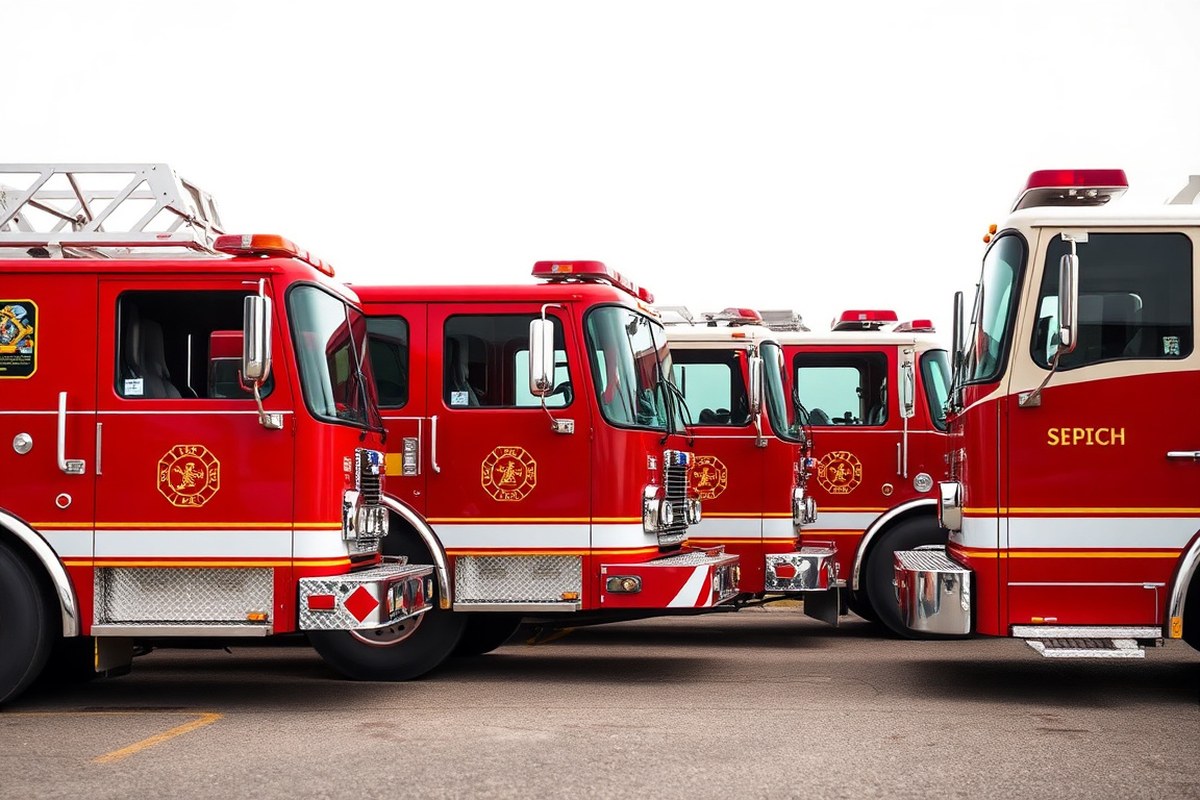
Fire truck speed depends on the type, size, weight, and design. Structural engines, wildland trucks, and ladder trucks differ in their speed limits. The heavier and longer the truck, the more it affects safe driving speed.
Structural Engines (Type 1 And 2)
Type 1 and Type 2 fire trucks are made for urban firefighting. They carry heavy pumps with a 1,000 GPM output and tanks holding 300 gallons or more.
These trucks weigh a lot because of water tanks, ground ladders, and crew space. Their top speed is usually lower to keep control on city streets.
Wildland and Brush Trucks (Type 3 To 7)
Type 3 through 7 trucks, called brush trucks, fight wildfires on rough terrain. They have smaller tanks, about 150 gallons, and weigh less, around 19,500 pounds GVWR.
These trucks are faster and more agile due to their lighter weight and 4×4 drive. They can reach higher speeds while moving off-road or on narrow paths.
Specialty Vehicles and Ladder Trucks
Ladder trucks have long, heavy aerial ladders on top, making them longer and heavier than pumpers. Their design limits speed to maintain stability, especially around corners and at stops.
They can go 36 to 49 mph. Longer turns slow them down.
Their extra weight also makes them slower than smaller trucks. They focus more on reach and rescue than speed.
Here’s a basic comparison of fire truck types, weights, engine power, and max speed:
| Truck Type | Weight (GVWR) | Water Tank | Engine Pump Capacity | Max Speed (mph) |
|---|---|---|---|---|
| Type 1 Structural Engine | 33,000+ lbs | 300+ gallons | 1,000+ GPM | Up to 61 mph |
| Type 2 Structural Engine | Lower than Type 1 | Similar to Type 1 | Similar to Type 1 | Up to 61 mph |
| Type 6 Brush Truck | Approx. 19,500 lbs | 150 gallons | Smaller pump | Higher than 61 mph |
| Ladder Truck (Aerial) | Up to 60,000 lbs | Varies | Similar to pumpers | 36 to 49 mph |
Brush trucks move faster than pumpers or aerial trucks. They weigh less. Their designs are simpler too.
Structural engines are heavier due to larger tanks and more equipment. Ladder trucks are the heaviest and longest, which slows them down.
Tip: Choose brush trucks for speed in wildland fires. But use bigger pumpers when you need more water and equipment.
Engine Power, Torque, and Their Role in Fire Truck Speed
Fire trucks use engines with 260 to 600 horsepower, mostly diesel. Horsepower and torque limit how fast they can accelerate and reach top speed. Their heavy weight and special gear mean fire trucks focus more on power than speed.
Common Engine Models in Fire Trucks
Most fire trucks run on diesel engines built to deliver steady power and durability. These engines usually produce between 260 and 600 horsepower, enough to move tons of equipment quickly. Diesel engines also provide high torque, which helps with rapid acceleration in emergencies.
Some common engine models are Cummins ISL, Detroit DD13, and Caterpillar C13. They vary in size but generally fall in the 400 to 600 horsepower range.
Newer trucks might try hybrid or electric options. But diesel is still the standard for heavy-duty fire engines.
- Cummins ISL: 400 to 500 horsepower, high torque
- Detroit DD13: 400 to 505 horsepower, fuel-efficient
- Caterpillar C13: 475 to 600 horsepower, reliable under load
- Some hybrid diesel-electric prototypes for reduced emissions
- Engines designed for long idling and frequent acceleration
Keeping these engines well-maintained prevents power loss and keeps acceleration sharp. Regular oil changes and filter replacements cost roughly $200 to $400 annually. Dirty air and fuel filters reduce engine efficiency and torque.
Horsepower vs. Speed Relationship
Horsepower measures how much work an engine does over time. For fire trucks, it affects how fast they can maintain speed under heavy load.
Torque helps the truck start moving quickly. But horsepower keeps it moving fast on the road.
A fire truck with 450 horsepower can reach about 60 miles per hour under ideal conditions. A rough estimate uses this formula: Speed (mph) ≈ Horsepower / 7.5. So, 450 horsepower ÷ 7.5 = 60 mph, matching typical max speeds for city responses.
This means doubling horsepower increases potential speed, but weight and gearing limit real results. Fire trucks carry heavy tools and water tanks, reducing acceleration despite high horsepower.
Acceleration and Torque Considerations
Torque is the engine’s twisting force that helps fire trucks accelerate from a stop. High torque means the truck can start moving quickly even when fully loaded. Typical fire truck torque ratings fall between 1,200 and 2,000 lb-ft.
Torque affects the initial acceleration much more than horsepower does. A fire truck with 1,800 lb-ft torque accelerates faster. This is true even if horsepower is about the same.
More torque means quicker starts and pulls. This helps fire crews get to emergencies faster.
Maintaining the engine and transmission keeps torque peaks healthy. Avoid skipping scheduled tune-ups, which cost a few hundred dollars but reduce power loss. Neglecting these leads to slower acceleration and higher fuel use during runs.
Legal Speed Limits and Safety Regulations for Fire Trucks
Federal and State Speed Limits for Fire Trucks
Fire trucks generally must obey posted speed limits like other vehicles. Maximum speeds often top out near 60 miles per hour on highways. Some states allow higher speeds but regulate them case-by-case.
For example, fire trucks in most U.S. States cannot exceed 65 mph on freeways. In contrast, emergency runs with lights and sirens may push this higher but only if safe. Urban areas usually have lower limits, sometimes as low as 25 or 35 mph.
When Fire Trucks Can Exceed Posted Limits
Fire trucks may legally exceed speed limits during emergencies while responding to calls. They use their warning lights and sirens to alert other drivers to clear the way. Still, drivers must adjust speed to road conditions and safety risks.
Departments set specific rules on how fast trucks can go when rushing. Many require slower speeds near turns or heavy traffic to avoid crashes. Air braking and collision avoidance tech help keep speeds safer during response runs.
Move-Over Laws Protecting Emergency Vehicles
Move-over laws require drivers to shift lanes away from stopped or oncoming emergency vehicles. This gives fire trucks space when they’re parked or slowing on highways. The fine for violating these laws can be substantial and varies by state.
These laws also apply when fire trucks travel with active lights and sirens. Motorists should slow down and move over where possible. Doing this helps firefighters work safely near traffic and prevents accidents.
Variations in Regulations by Jurisdiction
Local authorities set fire truck speed limits based on road type and urban density. Airports often have stricter rules for their specialized fire trucks. UK fire trucks top out at 62 mph, similar to most cars there.
Municipal fire departments can also establish internal speed policies. They balance speed needs against risks like rollover or loss of control. These rules might differ even across nearby towns due to local traffic and road layout.
How Driver Training Impacts Safe Fire Truck Speeds
Fire truck drivers get detailed training to handle speed safely during emergency runs. This training includes defensive driving and learning how to control large vehicles at high speeds. Drivers follow strict rules about slowing down for bad weather.
They adjust speed based on road or weather conditions. This keeps them and others safer on the road.
Speed control is critical for preventing accidents like rollovers or collisions. Drivers learn to hold the steering wheel steady. They watch turns closely and keep space around the truck.
This helps prevent accidents. Fire departments teach drivers to slow down early on curves.
This is very important on slippery roads. It helps keep the truck steady.
- Practice braking smoothly to avoid sudden stops
- Keep a safe distance from other cars and obstacles
- Adjust speed for heavy or wet roads
- Follow radio commands and traffic laws
- Plan routes in advance to avoid traffic jams
- Use mirrors and signals constantly to stay aware
- Run driver simulation drills regularly
Training also covers common pilot errors, like speeding too much through intersections or underestimating curves. These mistakes often cause accidents during rush runs. Firefighters learn to slow down before turns or hazards.
They only speed up when the road is clear. This keeps everyone safer.
Drivers are taught to leave space for other emergency vehicles. This open path keeps the whole response team safer. It helps avoid crashes during emergencies.
This practice cuts down on risky passing and sudden lane changes. It also creates a buffer zone that lowers rollover risks during sharp turns at speed.
Always slow down when you can’t see well or roads are slick. This still applies even if you’re in a hurry. It lowers your risk of losing control.
How Road and Traffic Conditions Influence Fire Truck Speed
Fire trucks adjust their speed based on where they drive. In urban areas, drivers often slow down due to narrow streets and tight turns. Congested traffic and parked cars make it tougher to speed up safely.
Rural routes allow faster travel since roads are wider and less crowded. Wildland fire trucks, designed for off-road use, can move quicker on rough forest paths. But even then, drivers stay cautious on uneven or steep terrain.
Weather plays a big role in speed control. Rain, snow, and ice reduce tire grip and visibility.
Fire truck drivers slow down to avoid skidding or losing control. Road quality also matters: potholes and uneven pavement require careful handling.
- Navigate urban traffic by using lights and sirens, but slow at intersections
- Drive cautiously on wet or icy roads, reducing speed by 10 to 20 mph
- Maintain a safe distance from other vehicles to prepare for sudden stops
- Use off-road skills for wildland trucks to handle unpaved surfaces
- Choose wider streets when possible to avoid tight corners and parked cars
Heavily congested roads can force fire trucks to crawl, even with sirens on. Drivers look for alternative routes, and sometimes request traffic control to clear a path. They balance speed and safety to avoid accidents that would delay the response.
Good fire truck drivers constantly scan road conditions and traffic flow. They adjust speed to keep crew safety and equipment intact. Speeding on bad roads or in heavy traffic raises crash risks.
It also may make emergencies worse. You should slow down to stay safe.
Differences Between Ladder Trucks and Pumpers in Speed and Handling
Ladder trucks are usually slower than pumper trucks because they are bigger and heavier. They carry heavy aerial ladders and extra equipment, which adds weight. This extra weight limits how fast they can safely accelerate and stop.
Size also affects handling. Ladder trucks have higher centers of gravity due to the ladders on top.
This makes sharp turns trickier and requires slower speeds. Pumpers are smaller and built for quicker maneuvering in crowded areas.
| Truck Type | Typical Weight (lbs) | Approximate Top Speed (mph) |
|---|---|---|
| Ladder Truck | 35,000, 50,000 | 45, 55 |
| Pumper Truck | 25,000, 35,000 | 55, 65 |
These numbers show how pumpers usually reach higher top speeds. Their lighter weight and smaller size let drivers push a bit harder on accelerations.
Ladder trucks need more careful handling. Drivers slow down early before turns and use wider arcs.
Sudden braking can cause instability. Ladder operators watch the overhead clearance closely due to the tall ladder.
- Ladder trucks: slow turns, wide turning radius
- Ladder trucks: cautious braking to prevent tipping
- Ladder trucks: constant awareness of overhead wires and obstacles
- Pumper trucks: quicker turns but still controlled for safety
- Pumper trucks: more responsive acceleration and braking
Knowing these differences helps you understand why ladder trucks cannot just go as fast as pumpers. The design focus on equipment and reach limits ladder trucks’ speed and handling options.
Real-World Fire Truck Speed Limits and Incident Examples
Different cities set fire truck speed limits based on local roads and safety rules. For example, New York City limits fire trucks to 45 mph on city streets. Houston is a larger, spread-out city.
Fire trucks can travel up to 60 mph on some highways. These limits balance quick response times with safe driving. They protect firefighters and others on the road.
Some fire departments have tightened speed rules over time. Chicago had several accidents in the early 2000s. New rules cut maximum speeds from 55 mph to 45 mph.
This applied in many areas. These changes came after analyzing crash reports where high speed contributed to serious injuries. Implementing GPS route guidance also helped reduce speeds by guiding drivers along safer, quicker routes.
Response times often depend on how fast a fire truck can legally and safely travel. A Dallas case study showed GPS navigation cut travel time. It saved 3 minutes on a 10-mile run.
That mattered a lot because every minute less increases the chance of saving life and property. Drivers pushing speed limits caused a crash in 2015. The crash led to injuries and delayed arrival.
Departments teach drivers strict speed compliance to avoid accidents without losing ground on time. Firefighters train to adjust speed for road conditions, such as wet or crowded streets. Firefighters learn to use sirens and lights properly.
This alerts traffic instead of relying only on speed. These steps reduce crash risks and keep response times as efficient as possible.
Rural fire trucks often face longer routes and varied terrain. They typically carry larger water tanks, which slows acceleration and limits top speed. Rural departments may allow speeds up to 65 mph.
This helps cover more ground quickly on highways. Drivers there receive extra training to manage speed safely on curves and gravel roads.
Never sacrifice safety for speed. Fast driving without seatbelts greatly raises injury risks in crashes.
Why Fire Trucks Rarely Reach Their Theoretical Top Speeds
Fire trucks often don’t hit their top speeds because of several practical limits. Drivers face heavy traffic, narrow streets, sharp turns, and weather that all force slower driving. The large size and weight of fire trucks make it harder to speed safely.
Safety concerns play a big role too. Fire trucks carry a crew and equipment that must stay secure during travel.
High speeds increase crash risks and make stopping longer. These trucks can take twice the stopping distance compared to cars at the same speed.
- Speed governors limit maximum speed electronically
- Long stopping distances require slower speeds for control
- Road size and conditions often aren’t suitable for fast driving
- Passenger safety demands smooth, cautious maneuvers
- Department rules emphasize control over rushing
- Heavy water tanks increase braking challenges
- Sharp corners and urban traffic slow down response vehicles
Fire departments instruct drivers to balance speed with control to avoid accidents. Drivers are trained to slow down before curves and stop at intersections when needed. Controlled speeds ensure emergency crews arrive safely without causing crashes or spills of equipment and water.
Prioritizing control means drivers must read road conditions continuously. They adjust speed for wet roads, traffic jams, and visibility.
Rushing without control can lead to long delays if a crash blocks the way. So steady driving often gets firefighters there faster overall.
Step-by-Step Action Plan to Understand Fire Truck Speeds
Follow these simple steps to grasp how fire trucks perform and move safely on the road.
- Before you start: Learn the basic types of fire trucks, like ladder trucks and pumpers. This helps you see why their speeds differ.
- Day 1: Study how engine power and torque affect speed. Check what power levels typical fire trucks have to get a feel for their push.
- Day 2: Review legal speed limits and safety rules for fire trucks in your area. This shows the real speed boundaries drivers face.
- Day 3: Explore how driver training keeps fire trucks safe at speed. Look at how skill impacts their handling in emergencies.
- Day 4: Check how road and traffic conditions change fire truck speeds. Think about what slows or helps them reach incident sites.
- Day 5: Compare speed and control between ladder trucks and pumpers. This highlights different challenges drivers manage.
- Week 1: Read real-world examples of fire trucks on calls, noting their speeds. This grounds your learning in actual incidents.
- After 2 weeks: Review why fire trucks rarely hit maximum speed. Connect all factors like design, laws, and safety to understand limits.
Frequently Asked Questions
What Is the World’s Fastest Fire Truck?
The jet-powered Hawaiian Eagle fire truck is the fastest globally. It hit a top speed of 407 mph, much faster than usual fire trucks. This vehicle is mainly for display and not for real fire calls.
Can Semis Go 90 Mph?
Semis generally cannot go 90 mph on public roads. Most states limit truck speeds between 55 and 70 mph for safety. Trucks need extra time to stop, so these limits keep highways safer.
Can an Ambulance Go 100 Mph?
Ambulances can sometimes reach 100 mph in emergencies, depending on local laws. Drivers use caution and training to manage high speeds safely. Pushing beyond limits risks accidents, so it’s rare.
What Truck Can Go 200 Mph?
Very few trucks can reach 200 mph, mostly custom or racing trucks. Normal fire trucks or semis can’t reach such high speeds. Their large size and heavy weight keep them much slower.
How Fast Can a Fire Truck Go in a City Compared to a Highway?
In cities, fire trucks often drive below 45 mph to keep safe on tight roads. On highways, they may reach 60 mph if conditions and laws allow. Traffic and curves usually limit speed more than engine power.
Final Thoughts
Fire trucks can move fast, but safety and conditions usually limit their speed. You now know what affects how quickly they travel. Try watching your local department’s response time to see this in action.