What Is Emergency Brake? Clear Explanations and 9 Crucial Facts You Need
The emergency brake is a backup system separate from your main brakes. You use it to stop your car if the main brakes fail. It also holds your parked car to prevent rolling on slopes.
This brake has other names like parking brake or handbrake. It works through a cable or electronic control, independent of the main brakes. This allows you to stop or hold the car without using the main braking system.
This system is especially useful when towing or working on your car. It acts as a fail-safe, not meant for regular stopping. Avoid using it daily to prevent extra wear or accidents.
Check your emergency brake to make sure it engages properly and doesn’t drag. It might be a manual pull, pedal, or electronic type. Knowing how it works helps you use it correctly and stay safe.
Key Takeaways
- Use the emergency brake to secure a parked vehicle on slopes or uneven surfaces.
- Always engage the emergency brake when parking to help the transmission’s parking gear.
- Manual emergency brakes use a hand lever; pedal types use a foot pedal.
- Electronic emergency brakes activate with a switch and can include automatic hold functions.
- Do not use the emergency brake for regular slowing or stopping when driving.
- Test the emergency brake occasionally to ensure it properly holds the vehicle.
What Is an Emergency Brake and How Does It Work?
The emergency brake uses a separate mechanical setup from your main brakes. It functions with a cable or lever applying force to the rear brakes. This system avoids the hydraulic brakes linked to the brake pedal.
Pulling or pressing the emergency brake pulls a cable tight. This cable connects to the shoes or discs on the rear wheels. It mechanically engages the brakes without using hydraulic fluid.
This action creates friction to hold or slow the vehicle. The emergency brake works without hydraulic fluid.
It stays effective even if the main brake system fails. This makes it an important safety backup.
Your foot brake uses hydraulic pressure to stop all four wheels. The emergency brake usually only activates the rear wheels. It relies on mechanical force, not fluid pressure.
This mechanical connection means it doesn’t depend on brake fluid, which can leak or lose pressure. The emergency brake acts as a backup to stop your car.
You use it if the main brake system stops working. This gives you extra control in emergencies.
The emergency brake also locks your wheels in place when parked. It stops your car from rolling on hills by holding the rear wheels firmly. You’ll find the emergency brake in different forms.
It may be a lever in the center console. Some cars have a foot pedal or a button for it.
While the emergency brake offers a backup method, it’s not designed for normal driving stops. Using it at high speed can lock the rear wheels, causing a skid.
Many vehicles don’t include anti-lock features in this system. So you must be cautious when using it to slow down.
Because it is separate from the hydraulic system, the emergency brake provides a critical fail-safe. The emergency brake helps you stop the car if the foot brake fails. It gives you control to slow or stop safely.
Use it only when the main brakes don’t work. Every car has an emergency brake because it operates independently.
Its design and frequency of use vary by car model. This mechanical backup is standard safety equipment.
Types of Emergency Brakes: Manual, Pedal, and Electronic
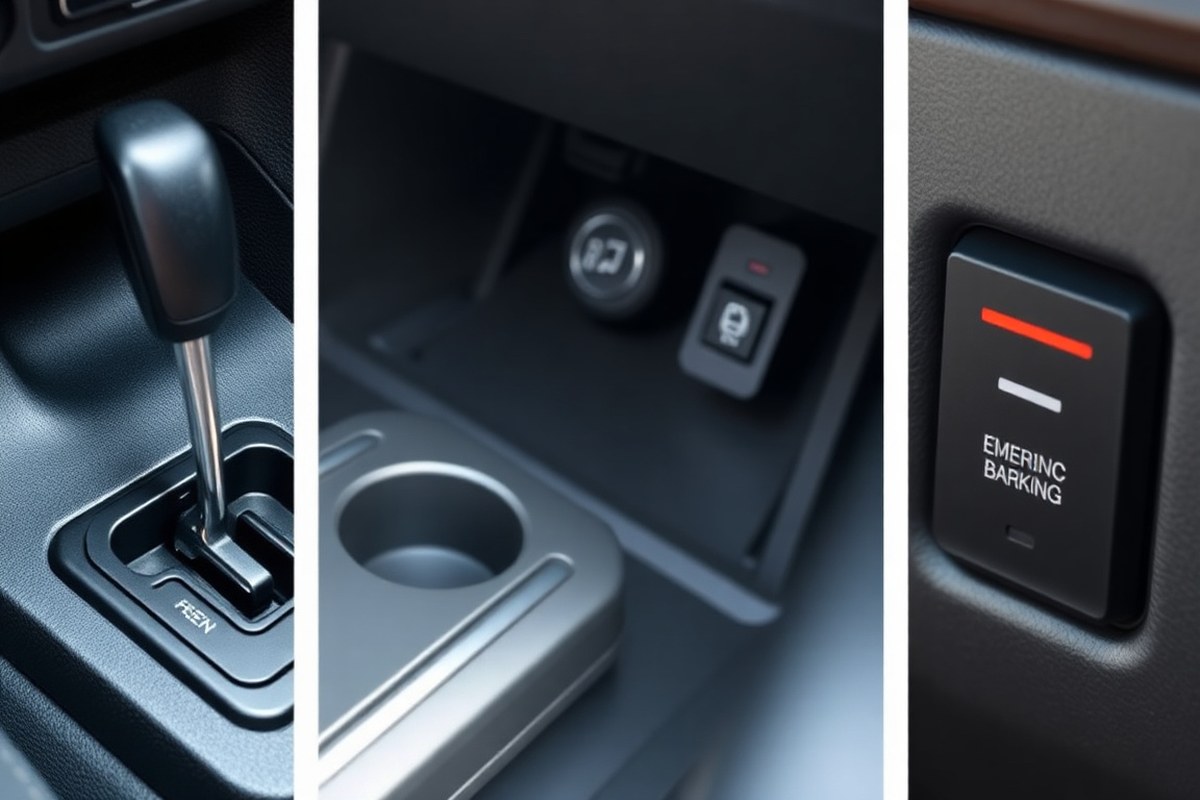
Emergency brakes come in several types, each with unique designs and controls. The common styles include manual lever, pedal, and electronic parking brakes.
They work differently. So knowing how each functions helps you use them correctly and safely.
Manual Lever Emergency Brake
This type uses a hand-operated lever, often called a stick or center lever brake. You pull the lever up toward yourself until it locks in place. This action tightens a steel cable connected to the rear drum brakes, holding the vehicle steady.
You release it by pressing a button on the lever and lowering it back down slowly. Lever brakes are common in older cars. Some new models have them too.
They stay popular because they are simple and reliable. They let you feel the engagement, giving a clear sense of control and feedback.
Pedal-Style Emergency Brake
Pedal emergency brakes are usually placed left of your main brake or clutch pedal. Pressing this pedal engages the steel cable system that applies the rear brakes.
It often locks after you step on it. So you don’t have to keep pressure on it manually.
To release, some designs require pulling a release handle. Others have a small button near the pedal. These pedals save space inside the cabin and are common in automatic transmission vehicles.
They feel solid when you use them. You might forget to use these brakes sometimes. This happens because they don’t require hand movement.
Electronic Parking Brake Systems
Electronic parking brakes are becoming standard in newer vehicles. Instead of a lever or pedal, you press a button labeled “Parking Brake.”
Sensors detect when you activate it. Small electric motors pull the brake cables automatically.
Many systems include automatic features. These brakes engage when you park. They release when you start driving again.
They reduce driver effort and often link with stability control systems. Electronic versions can cost more to fix.
Repairs are pricier if the electronics fail. Keep this cost in mind for maintenance.
Always check your owner’s manual first. It tells you your emergency brake type. It also explains how the system works.
When and Why Should You Use the Emergency Brake?
The emergency brake is most useful to keep your vehicle from rolling when parked. Use it every time you park on a hill or incline. It holds the car in place.
So you don’t rely only on the transmission’s parking pawl. This prevents extra strain and costly repairs to your transmission.
You should also use the emergency brake when parking on flat ground, especially in crowded areas. It gives you peace of mind that your vehicle stays put. It’s essential when towing or working on your vehicle to prevent unexpected movement.
Pull the brake fully but not too hard. Always check it’s engaged by gently rocking the car after engaging it.
- Parked on a hill or incline to prevent rollaways
- Parking on flat ground in busy lots for added security
- Towing trailers to keep your vehicle steady
- While working under the car to avoid accidents
- During an emergency stop if regular brakes fail
Using the emergency brake during an emergency stop can help if your main brakes fail. Apply it slowly to avoid skidding and loss of control. Keep in mind, it won’t stop the car instantly but can add critical braking force.
Always remember to release the emergency brake fully before driving. Partial release can cause drag on the brake parts, leading to early wear. Knowing when to use the emergency brake helps you stay safe.
It also protects your car from damage. Learning how to use it is important on the road.
How to Safely Engage and Release the Emergency Brake
Engaging and releasing the emergency brake correctly keeps you safe and prevents damage. Each type, manual lever, pedal, or electronic, has a slightly different method. Always check the brake is fully released before driving to avoid wear or overheating.
Engaging a Manual Lever Brake
This type sits between the front seats and lifts upward to lock the vehicle in place. Pull it firmly until you feel resistance and hear clicks. Applying it correctly stops your car from rolling, especially on slopes.
Follow these steps to engage a manual lever brake safely:
- Bring your vehicle to a complete stop and keep your foot on the brake pedal.
- Reach down and firmly pull the lever upward until you feel strong resistance.
- Listen for the clicking sound as the brake engages step by step.
- Ensure the lever feels locked in an upright position with no slack.
To release it, press the button at the lever’s end while lowering it completely. Remember, always confirm the brake is fully off before driving.
Releasing a Pedal Emergency Brake
This brake is a foot pedal located near the driver’s left foot. To engage, press it down firmly until it locks in place. It’s common in some trucks and older cars.
Here’s how to release a pedal brake safely:
- Keep your foot on the main brake pedal and find the release handle under the dash.
- Pull the release handle toward you or upward gently while pressing the pedal slightly.
- Once you hear the pedal pop up, slowly remove your foot.
- Double-check that the brake light on the dash has turned off.
Never forget to release the pedal brake before moving. Driving with it on can warp brake parts and cause damage.
Using an Electronic Parking Brake Button
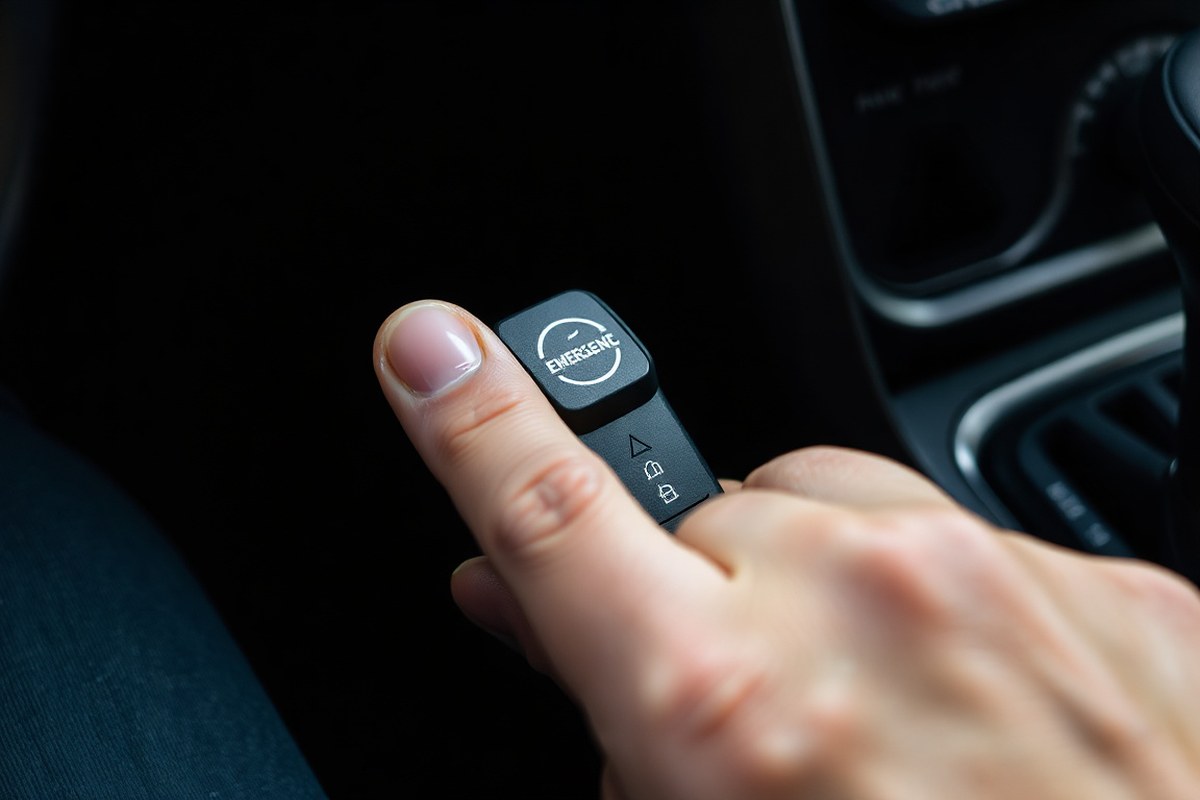
This modern brake uses a button usually on the center console or dashboard. To engage it, press the button until you hear a motor or feel resistance. It automatically tightens the rear brakes.
To release the electronic brake, press the button again. Or press the brake pedal while holding the button. Some cars release it automatically when you start driving forward.
Here’s how to engage and release an electronic parking brake:
- Stop the car fully and press the brake pedal firmly.
- Press the parking brake button until you see a light or hear the motor activate.
- Check the dashboard for the brake indicator confirming it’s engaged.
- To release, press the brake pedal and the button together. Sometimes just pressing the button works, depending on your car.
- Make sure the indicator light turns off before moving.
Using this brake correctly helps avoid unnecessary wear or sudden releases that could cause accidents.
How Emergency Brakes Differ from Automatic Emergency Braking Systems
Traditional emergency brakes are mechanical systems that you engage by hand or foot. They do not rely on your main hydraulic brakes. These brakes use cables or electric motors.
They hold your car in place without the main system. You usually find them in parking situations or as backups if your regular brakes fail.
Automatic emergency braking (AEB) is a safety technology designed to prevent crashes or reduce impact. AEB uses sensors and cameras to detect obstacles ahead. The system detects if a crash is near.
It then applies the brakes automatically. This usually happens at speeds over 55 mph.
Many modern vehicles now come standard with AEB, including sedans, SUVs, and trucks. These brakes are common now. They help stop crashes when drivers react slowly.
This feature adds an extra layer of safety. However, AEB does not replace the traditional emergency brake used for parking or manual stops.
Unlike mechanical emergency brakes, AEB cannot hold a car parked on a hill. The emergency brake physically locks the wheels, preventing movement when you leave your vehicle. AEB works only while you drive.
It stops working after you fully stop. You regain control when you drive again.
Traditional emergency brakes cost little to maintain. Most cars have them as standard equipment.
AEB adds to car prices and requires electronics and cameras that might need service if faulty. Both systems serve different roles in keeping you safe on the road.
For example, use the emergency brake on a slope. It stops your car from rolling backward. This adds safety when stopped on a hill.
Meanwhile, AEB won’t help here since it isn’t active when the vehicle isn’t moving forward. But if a driver ahead suddenly stops, AEB can apply brakes quicker than most drivers do.
Never rely only on automatic emergency braking to park your car. Use the emergency brake every time you leave your vehicle on an incline.
Common Mistakes with Emergency Brakes and How to Avoid Them
Using the emergency brake improperly can cause serious problems. Pulling it suddenly while driving may lock the rear wheels. This makes the car skid or lose control, especially on slippery roads.
Driving with the emergency brake on damages the brake system and reduces fuel economy. The rear brakes can overheat, causing the brake pads or shoes to wear out faster. You might notice a burning smell or reduced braking power if you forget to release it.
Overusing the emergency brake can strain the cables and mounting points. These parts usually connect to rear drum or disc brakes by steel cables. When cables stretch or break, your emergency brake might fail at important times.
Watch for these common mistakes and how to fix them:
- Pulling emergency brake while moving fast: Stop the car first, then engage the brake gently.
- Driving with the brake still on causes resistance. Check the brake lever or pedal. Feel for any unusual resistance before you drive.
- Always use your emergency brake on slopes. It keeps your car from rolling. Don’t skip setting it when parked.
- Pulling brake too hard: Use steady pressure to avoid stretching cables and parts.
- Ignoring unusual noises or smells: Have a mechanic inspect the brake system quickly.
- Release the brake fully by lowering the lever or pushing the pedal. Push down until you hear a click. This frees the brake completely.
When the emergency brake cable stretches or won’t hold, visit a professional mechanic. A brake specialist can adjust or replace worn cables. Repair costs vary but expect $100 to $300 depending on your car and where you go.
Keep your emergency brake working well by using it carefully and checking it regularly. This protects your safety and avoids costly repairs later on.
Any time something feels wrong, get your brakes checked quickly at a service center. Jiffy Lube® locations offer fast brake inspections you can trust.
How to Maintain and Inspect Your Emergency Brake System
Check your emergency brake regularly to keep it working well. Look for loose handles, sticking pedals, or a brake that doesn’t hold the car firmly.
Pulling the brake several clicks with a weak or no catch shows a problem. It could mean cables are loose or parts show wear.
Inspect the brake cables and mechanisms every 6 months. Dirt, rust, or worn parts can reduce the brake’s grip. You can test the emergency brake by pulling the handle.
Then try moving the car slowly. This helps show if the brake holds. The wheels should not roll.
The emergency brake needs fixing if the wheels still roll. It may require adjustment or repair to work right.
- Pull the emergency brake to see how many clicks it takes to hold the car
- Check cables for rust, fraying, or damage under the car
- Listen for unusual noises when you engage or release the brake
- Inspect brake shoes or pads connected to the emergency brake system
- Ensure the handle or pedal moves smoothly without sticking
- Look for warning lights on your dashboard related to the brake system
A failing emergency brake often feels soft or loose. You might hear grinding or squeaking noises. These signs mean a brake problem.
Also, if the brake won’t hold on a slope, it means an adjustment is overdue. Some cars need emergency brake checks during tire rotations.
This gives a chance to check it carefully. It’s a good time for maintenance.
Call a professional if you see any brake issues. Don’t try fixing it yourself if unsure. Experts ensure the brake works safely.
Brake repairs often cost between $100 and $300, depending on the vehicle and damage. Skilled mechanics can test the system, replace worn parts, and ensure safe performance.
How Emergency Brakes Work Differently Based on Brake Type and Vehicle Design
Emergency brake systems connect mostly to the rear brakes through cables or electronic motors. Cars with drum brakes use the emergency brake differently. The brake shoes press against the drum directly.
This stops the wheels from turning. For disc brakes, the emergency brake presses lightly on pads.
Sometimes it works a small drum inside the rotor. This is called a drum-in-hat design.
Drum brakes need more help from the emergency brake. They physically lock the wheels when activated. This is different from disc brake systems.
Disc brakes, on the other hand, often use a separate mechanism for the emergency brake. When you pull the lever or pedal, it moves cables.
These cables activate a motor or pull pads and shoes. They grip tightly to keep wheels still.
Emergency brakes back up the transmission’s parking pawl by mechanically locking the wheels. The parking pawl is a small pin in the transmission. It fits into a gear and holds the shift in place.
This stops the transmission from moving. The pawl can fail or get strained. This often happens on hills or if the car shifts wrong.
It can cause the car to roll unexpectedly. Using the emergency brake first reduces stress on the transmission and helps keep the vehicle steady.
Not all vehicles need the same emergency brake setup. Rear-wheel-drive cars and trucks usually have drum brakes or drum-in-hat discs that allow easier mechanical locking.
Front-wheel-drive cars often use electronic parking brakes integrated into disc brakes. Some modern vehicles even lack a traditional emergency brake lever and rely solely on electronic systems.
Always set the emergency brake before shifting to Park to avoid stressing the transmission on hills.
Knowing the type of brakes on your vehicle helps you understand its emergency brake behavior. Your car’s drum brakes pull the brake shoes outward. This action directly stops the wheels from turning.
The cables make this happen. For disc brakes, the emergency brake uses a cable or actuator. It pulls pads against the rotor or a small drum inside.
This holds the vehicle in place. This design difference changes the force the emergency brake applies. It also affects how the brake feels when you use it.
Cost-wise, emergency brake cables for drum brakes typically run $50 to $150, depending on the vehicle. Electronic parking brake motors can cost more, often $200 or higher if replacement is needed.
Proper adjustment is key: cables that are too loose won’t hold the car securely. Cables too tight may cause premature wear or dragging.
What to Do If Hydraulic Brakes Fail and Emergency Brake Usage Tips
What to Do If Hydraulic Brakes Fail and Emergency Brake Usage Tips
Stay calm if your hydraulic brakes fail. Use the emergency brake carefully to slow down. The emergency brake can help stop your vehicle.
It is not made for quick stops. Avoid using it at high speeds. Use it gently to avoid losing control or causing damage.
Assessing Brake Failure Situations
When your main brakes fail, the pedal feels soft. It might even push all the way down. This signals a brake problem.
Check if the vehicle still slows down when you press the pedal slightly. Act fast when the hydraulic system fails. Your brakes won’t work properly without it.
Look for safe places to steer to, such as an open shoulder or an uphill slope. Avoid crowded roads or sharp curves while trying to slow down. You want to pick a spot where you can stop safely with less risk to others.
Using Emergency Brake to Stop
Use the emergency brake by pulling it slowly and steadily, not all at once. This brake locks the rear wheels and helps bring the vehicle to a stop.
Pulling the emergency brake too fast may cause your rear wheels to skid. It might make you lose traction.
Here are steps to use the emergency brake safely after brake failure:
- Keep your foot off the main brake pedal to avoid confusing the systems.
- Pull the emergency brake handle or press the pedal gently but firmly.
- Increase pressure slowly if the vehicle doesn’t react right away.
- Steer gently to keep control as you slow down.
- Scan for a safe place to stop, like a roadside or clear area.
- Use the horn or lights to alert other drivers if you can.
- Once stopped, call for professional help.
Precautions to Avoid Skidding or Damage
Pulling the emergency brake suddenly at high speeds can cause your vehicle to skid or spin. Try to engage it bit by bit, feeling how the car reacts.
If you feel the wheels locking, release the brake a little. Then apply it again more slowly.
Towing can be harder after using the emergency brake. The rear brakes may lock up and stay stuck.
Warn the towing service that the emergency brake was used. This helps them avoid damage and tow your vehicle safely.
After an emergency brake stop, have your entire brake system checked by a mechanic. Your brake fluid might contain moisture or contaminants that weaken the system. Fixing problems early saves you from another dangerous failure on the road.
Quick-Start Action Plan to Use and Maintain Your Emergency Brake
Follow these clear steps to use your emergency brake safely and keep it working well. Each step helps you check your brake’s condition or practice using it.
- Before Driving: Test the emergency brake by pulling it lightly. It should hold the car still on a slight slope without slipping.
- Every Couple of Months: Pull the emergency brake a few times. Let it go each time. This stops it from sticking. You’ll notice smooth action without resistance.
- Weekly: Check the brake handle or pedal for firmness and secure fit. Check it with a mechanic if it feels loose or tight.
- After Parking: Always engage the emergency brake when parked, especially on hills. Feel the resistance and make sure the car does not roll.
- On Steep Slopes: Use the emergency brake first, then shift into park or first gear. This reduces damage to the transmission.
- After Rain or Snow: Use the brake gently after wet or snowy weather. Do this to stop freezing or sticking.
- Every 6 Months: Ask a mechanic to check cable tension and brake pads. This depends on your car model. You’ll avoid unexpected failures.
- When Hydraulics Fail: Use the emergency brake gradually to stop safely. Pull it slowly to avoid locking the rear wheels.
Frequently Asked Questions
What Does the Emergency Brake Do When Parking on a Hill?
The emergency brake keeps your vehicle from rolling on slopes. It acts as backup to the transmission’s parking gear for safety.
Can You Use the Emergency Brake During Towing?
Yes, the emergency brake stabilizes the vehicle while towing. It prevents unintended movement, making towing safer and easier.
Is the Emergency Brake the Same as Automatic Emergency Braking?
No, they’re different systems; the emergency brake is manual, holding a parked car. Automatic emergency braking helps avoid crashes by applying brakes automatically.
Why Should I Use the Emergency Brake When Parked?
It prevents your car from moving if the transmission slip occurs. Using it reduces long-term wear on the parking gear.
How Often Should I Check My Emergency Brake?
You should inspect it at least twice a year or during regular maintenance. This ensures it works properly when needed for safety.
Final Thoughts
Your emergency brake is a key safety tool for parking and emergencies. Practice using it regularly to know it works well. Check or repair it soon if you notice any sticking or loose feel.