How Fast Can Airplanes Fly: A Complete Guide with Speeds and Facts
How fast can airplanes fly? Commercial airplanes usually cruise between 550 and 600 miles per hour. This speed happens at high altitudes.
There, the air is thinner. Thinner air helps planes fly faster and use fuel better.
Commercial planes move at about 150 to 180 miles per hour. This happens during takeoff and landing. Even then, they keep this speed range.
Planes don’t go supersonic. That means they don’t go faster than sound. Sound speed is about 767 miles per hour at sea level.
To understand airplane speed, watch for terms like Mach number. Mach 0.80 means flying at 80 percent of the speed of sound, common for many jets. Pilots must also follow speed limits near airports to keep flights safe and smooth.
Key Takeaways
- Commercial planes typically cruise at 550 to 600 mph for efficient travel.
- Airplane speeds are measured in miles per hour and Mach numbers.
- Speed of sound is approximately 767 mph at sea level in dry air.
- Takeoff and landing speeds usually range from 149 to 180 mph.
- Below 10,000 feet, planes must fly at 250 knots or less by rule.
- Supersonic flight starts at Mach 1, which commercial jets don’t reach.
How Fast Do Commercial Airplanes Typically Fly?
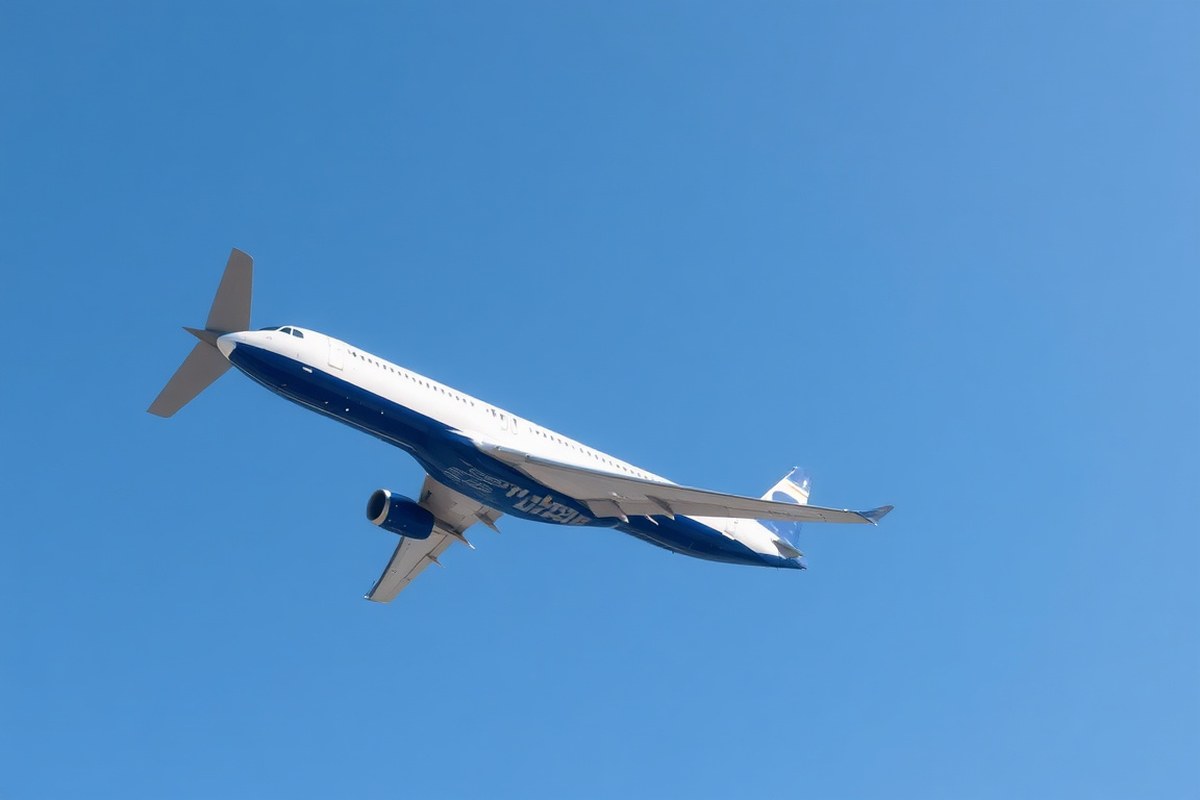
Passenger jets typically fly at speeds between 550 and 600 miles per hour. This corresponds to approximately Mach 0.78 to Mach 0.85, below the speed of sound. Such speeds balance fuel efficiency with minimizing flight duration.
Flying faster than Mach 1 is not common for commercial jets. The sound barrier creates more drag and stress on the aircraft. Designers aim for cruising speeds that save fuel.
Breaking the sound barrier needs more power and stronger materials. It also burns fuel faster.
Takeoff speeds for commercial jets typically range from 160 to 180 miles per hour. Planes land at speeds around 150 to 165 miles per hour. This depends on the plane’s weight and weather conditions.
Slower speeds help keep landings safe. These speeds allow safe control during those critical phases.
Most commercial jets like the Boeing 737 or Airbus A320 fit into these speed ranges. They adjust speed during climb, cruise, and descent to keep pressure and fuel use optimal. Pilots use instruments to monitor true airspeed and ground speed closely.
Business jets and turboprops fly at different speeds. But commercial airliners stay in this moderate range. Speed choices balance comfort, engine power, and safety rules.
These rules make flights safe and cost-effective. Passenger experience also affects speed limits. Those limits keep everyday airline flights running smoothly.
How Airplane Speed Is Measured and What It Means
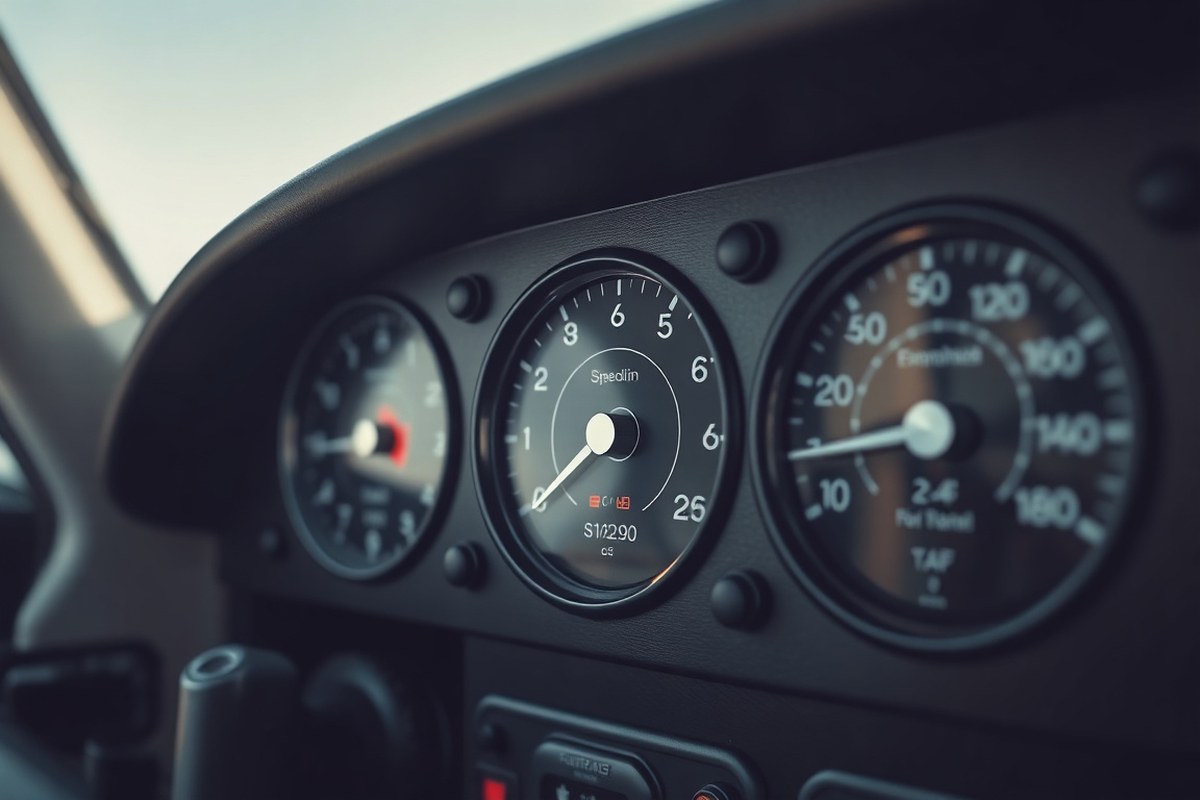
Airplane speed can be tricky to understand because there are several ways to measure it. Indicated airspeed shows what the cockpit instrument reads based on air pressure. It’s what pilots use to keep the plane safe and stable, especially for lift.
True airspeed tells how fast the airplane moves through the air mass. This speed varies with altitude and temperature.
Ground speed measures how fast the plane moves over the earth’s surface, affected by wind. Mach number compares true airspeed to the speed of sound, changing with altitude and temperature.
The table below shows these speeds clearly. It uses common examples. Each example is from a flight cruising at around 35,000 feet.
| Type of Speed | Typical Reading | What It Means |
|---|---|---|
| Indicated Airspeed (IAS) | ~270 knots (311 mph) | Speed shown on the cockpit instrument |
| True Airspeed (TAS) | ~448 knots (515 mph) | Actual speed through the air, equals Mach 0.78 |
| Ground Speed | ~548 knots (631 mph) | Speed over the ground, shown on seat-back maps |
| Mach Number | 0.78 | Ratio of true airspeed to local speed of sound |
Indicated airspeed matters because your wings need a certain speed to create lift. Pilots rely on it regardless of wind or altitude. True airspeed helps flight planning since it shows how fast you’re actually flying through the air.
Ground speed is what passengers see on their in-flight maps and varies with wind conditions. Mach number helps pilots watch for approaching the speed of sound, which affects flight dynamics.
For example, a strong tailwind can increase ground speed while indicated airspeed stays the same. Your plane can move faster over the ground. Still, it flies safely through the air.
These speeds are different but both matter. Mach number changes with altitude because the speed of sound drops in colder air. Pilots monitor it closely to stay within safe limits like Mach 0.8 for many jets.
Always trust indicated airspeed for safe flight handling, not just ground speed or Mach number.
What Factors Influence an Airplane’s Speed?
Altitude and air density directly affect how fast an airplane can fly. Higher altitudes have lower air pressure, reducing drag and letting planes reach faster speeds.
The speed of sound drops as air temperature decreases. So true airspeed varies with altitude and weather.
Aircraft weight and load impact speed in many ways. A heavier plane needs more engine power to climb quickly or maintain cruising speed. Pilots calculate takeoff and approach speeds based on the plane’s weight.
These speeds help them keep control of the aircraft. They also make sure they stay within safe limits.
Weather conditions such as wind and temperature also change flight speed. A strong tailwind can boost ground speed, shortening flight times. Headwinds slow planes down.
Temperature affects air density and engine performance. So colder air usually helps airplanes fly faster.
- Check current altitude and air pressure before flight planning
- Calculate aircraft weight including fuel, passengers, and cargo
- Review wind forecasts and temperature changes along the route
- Adjust takeoff and landing speeds based on real-time weight and weather
- Monitor airspeed indicators and compare with true airspeed calculations
- Follow speed restrictions like 250 knots below 10,000 feet
Pilots rely on these factors to decide optimal speed for safety and efficiency. Ignoring weight or weather can cause slower climbs or wasted fuel. Poor speed estimates increase risk during approaches or in strong winds.
The FAA sets maximum speeds to control air traffic safely. But actual flying speeds depend on many conditions.
Speed Ranges of Different Airplane Types Explained
Airplane speeds vary widely by type, shaped by their design and purpose. Private jets usually fly faster than commercial airlines. Military aircraft include cargo planes moving slower than commercial jets.
Fighter jets, however, can break the sound barrier. They serve different roles and need varying speeds.
Single-engine planes like the Cessna 172 cruise well below commercial speeds. They are built for easy flying and shorter trips, not speed. Meanwhile, commercial jets cruise efficiently near Mach 0.8, balancing speed with fuel use and comfort.
| Aircraft Type | Typical Cruise Speed | Speed Unit | Notes |
|---|---|---|---|
| Single-Engine Planes (e.g., Cessna 172) | 120 | Knots | Designed for ease of use, not speed |
| Private / Business Jets | 450 – 600 | Knots | Faster than commercial jets, smaller size |
| Commercial Jets | 440 – 560 | Knots | Cruise around Mach 0.7 to 0.9 |
| Military Cargo Aircraft | 250 – 450 | Knots | Slower heavy haulers, focusing on load |
| Fighter Jets | 1,500 – 2,000+ | Knots | Fastest jets reach up to Mach 3.3 (3,500 km/h) |
Private jets generally cruise faster than commercial liners by 50 to 100 knots. Smaller size and fewer passengers let private jets maintain higher speeds. Commercial planes prioritize fuel efficiency and passenger capacity over top speed.
Military jets must often reach supersonic speeds for quick interception or evasion. Their designs favor powerful engines and aerodynamic shape, allowing speeds above 1,500 knots. However, larger military cargo planes cruise slower than commercial jets because of their weight.
Single-engine planes hold the lower speed range, typically around 120 knots. Their lighter, simpler construction limits them to slower cruising speeds. These planes are good for short trips, training, and recreation where speed is less important.
How Do Speeds Vary During Different Phases of Flight?
Airplane speeds vary a lot during different flight phases. Takeoff and landing use slower speeds for safety. Climb and cruising allow faster speeds, but rules limit speed below 10,000 feet.
Speed Limits Under 10,000 Feet
All aircraft flying below 10,000 feet must stay at or below 250 knots. This rule helps prevent collisions near busy airports. In crowded airspace, pilots often slow down even more, to 200 knots or less.
When passing through 10,000 feet during climb or descent, pilots reduce speed to keep safe spacing. For example, an Airbus A380 slows to below 250 knots below that height. This limit sometimes affects the rate of climb, making the plane ascend more slowly.
Typical Climb and Cruise Speeds
Climb speeds are usually lower than steady cruise speeds. Pilots aim for a safe balance between speed and climb rate. Climb speed often falls between 250 and 280 knots just above 10,000 feet.
Cruising speeds are faster, usually around 280 to 300 knots for commercial jets. The Airbus A380 cruises near 1,050 km/h (about 630 mph) at 36,000 feet. However, going faster can reduce fuel efficiency and requires more engine power.
Here’s a step-by-step example of speed changes from takeoff to cruise:
- Accelerate to takeoff speed (170-195 mph for Airbus A380)
- Lift off and climb at 250 knots or less below 10,000 feet
- Pass 10,000 feet and increase speed up to 280-300 knots
- Adjust climb rate to balance speed and altitude gain
- Reach cruising altitude, hold steady speed around 280-300 knots
Slowing down below 10,000 feet helps you avoid other planes. It also keeps you in line with air traffic control rules. This is important for safety.
Descent and Landing Speeds
Descending requires slowing down to reduce wear and add safety. Pilots typically reduce speed to 250 knots or less while passing through 10,000 feet on descent. As they get closer to the airport, speed slows further.
Final approach speeds depend on the aircraft and its weight, usually 130 to 150 knots. For example, a Boeing 737’s landing speed sits around 130 mph. Pilots carefully manage speed to keep a stable approach and safe touchdown.
Landing involves slowing from approach speed down to about 140-160 mph, matching runway and weather conditions. This gradual speed change helps pilots keep control while touching down smoothly.
Record-Holding Fastest Airplanes Ever Flown
Several airplanes have set speed records that still impress us. The Lockheed SR-71 Blackbird tops the list as the fastest air-breathing crewed aircraft.
The Concorde stands out among commercial planes for its supersonic speed. Experimental aircraft are pushing the limits even further, reaching hypersonic speeds.
Lockheed SR-71 Blackbird
The SR-71 Blackbird is the fastest jet powered by air-breathing engines. It reached a top speed of 2,193 mph, which is about Mach 3.4. That record was set in 1976 and still holds according to the Fédération Aéronautique Internationale.
This spy plane flew at altitudes above 85,000 feet, helping avoid enemy missiles. Its speed and altitude made it nearly untouchable during reconnaissance missions. The Blackbird sharply cut flight times compared to older planes.
Concorde Supersonic Airliner
The Concorde was the fastest commercial airplane ever in regular service. It cruised at about 1,354 mph or Mach 2.04. This allowed it to cross the Atlantic in around 3.5 hours, much faster than subsonic airliners.
It flew from 1976 until 2003 and set multiple records for passenger flights. The Concorde flew at altitudes around 60,000 feet, higher than typical airliners. Its supersonic speed made it a milestone in civil aviation history.
Experimental and Hypersonic Aircraft
Experimental planes like the North American X-15 reached speeds of 4,520 mph or Mach 6.7. This rocket-powered plane flew in 1967 and remains the fastest crewed aircraft ever. NASA’s X-43A reached even higher speeds, hitting Mach 9.64, but it was unmanned.
These aircraft test materials and designs to handle extreme speeds and temperatures. They fly at very high altitudes, often close to the edge of space. Such records help engineers design future hypersonic flights.
The following table lists some of the most famous, record-holding aircraft along with their top speeds:
| Aircraft | Top Speed (mph) | Record Description | Date |
|---|---|---|---|
| North American X-15 | 4,520 | Fastest crewed aircraft flight, rocket powered | October 3, 1967 |
| Lockheed SR-71 Blackbird | 2,193 | FAI absolute record, crewed air-breathing aircraft | July 28, 1976 |
| Concorde | 1,354 | Fastest airliner in commercial service | 1976 to 2003 |
| Bombardier Global 8000 | Mach 0.95 | Fastest civil aircraft in production | In service since 2025 |
These speed records show advancements in aviation over time. Speeds vary widely depending on aircraft type and purpose. Military jets fly faster than civil planes, while experimental craft push past Mach 6.
What Are the Safety and Regulatory Speed Limits for Planes?
Aviation authorities set clear speed limits to keep planes safe. These limits mainly apply near airports and busy airspace. They help maintain order and reduce risks during flights.
Below 10,000 feet mean sea level (MSL), 14 CFR 91.117 requires planes to keep at or below 250 knots indicated airspeed (about 288 mph). This slow-down reduces collision risks as air traffic grows closer to the ground and near airports.
Near airports and inside Class B controlled airspace, the limit drops further to 200 knots. That’s about 230 mph. These tighter limits give pilots extra time to react.
Air traffic controllers also get better control over crowded skies. This reduces the chance of collisions. Airplanes slow down on approach to avoid wake turbulence and allow safe spacing.
The rules change because air is thicker below 10,000 feet. The thicker air causes more drag, which slows planes naturally. This makes strict speed limits more practical lower down.
Pilots must manage throttle and pitch carefully to hit and hold these limits. Climbing through 10,000 feet, they watch their airspeed carefully and adjust as needed. Speeding risks violations and safety hazards.
- 250 knots indicated airspeed max below 10,000 feet MSL
- 200 knots max in Class B airspace and within 4 nautical miles of the primary airport
- Minimum safe speed exceptions allow slower speed to maintain control
- Above 10,000 feet, speed limits relax due to thinner air
- Controllers monitor and enforce these limits to avoid midair collisions
Air traffic control manages large numbers of flights by assigning strict speeds and altitudes. Keeping airplanes within prescribed speeds reduces separation risks and traffic conflicts. Pilots follow clear instructions to stay safe and keep airspace orderly, especially where many flights converge.
Speed rules also protect people on the ground near airports. Slower aircraft cause fewer hazards during takeoff and landing. This improves safety for everyone nearby.
Breaking speed rules may cause fines or suspension, showing how seriously FAA enforces safety. Understanding and sticking to these limits are core skills for every pilot flying near busy airports.
How Speed Impacts Flight Time and Fuel Efficiency
Flying speed directly affects how much fuel an airplane burns. Going faster burns more fuel per hour because engines work harder. Airlines usually stick to an “Economic Speed” or long-range cruise that balances speed with fuel use.
Wind changes the airplane’s speed over the ground, which matters for flight time. A tailwind pushes the plane forward, increasing its ground speed without using extra fuel. A headwind slows the plane down, making the flight last longer and use more fuel.
Say a plane cruises at 500 mph in still air. Facing a 50 mph headwind drops its ground speed to 450 mph. On a 1,500-mile trip, this adds time.
The flight takes 3 hours and 20 minutes.33 hours, or 3 hours 20 minutes). A 50 mph tailwind raises ground speed to 550 mph. That cuts flight time to about 2 hours 44 minutes.
Flying faster than optimal speed saves minutes. But it uses much more fuel.
Fuel burn rises exponentially with speed, so small time gains are expensive. Letting the wind help you is more efficient than pushing the engines harder.
Fighter jets can fly above 1,900 mph but use huge fuel amounts to do so. Commercial jets stay around 500-600 mph for best efficiency. Choosing a speed near the aircraft’s long-range cruise reduces overall costs and environmental impact.
Always consider wind direction when planning trips. A strong tailwind cuts time and fuel use, a headwind does the opposite.
What Future Technologies Will Make Airplanes Faster?
New aircraft designs will push speeds well beyond today’s limits. Supersonic airliners like Boom’s Overture aim to fly at nearly twice the speed of sound.
Hypersonic craft promise even faster flights, cutting travel times dramatically. These advances rely on new engines, lighter materials, and aerodynamic tweaks.
Boom Supersonic Overture
Boom Supersonic is developing the Overture as a new supersonic passenger jet. It’s designed to cruise at Mach 1.7, around 1,300 miles per hour, faster than the Concorde’s Mach 2. The Overture will carry 60 to 80 passengers and reach cruising altitudes of 60,000 feet.
This jet aims to fly routes of about 4,250 nautical miles, which covers popular long-distance trips. Boom’s timeline targets first deliveries in the mid-2020s, with test flights starting earlier. The plane uses new materials to reduce weight and advanced engines to cut noise and emissions.
Hypersonic Experimental Aircraft
Hypersonic planes fly at speeds over Mach 5, or 3,800 miles per hour and up. These speeds could shorten transcontinental flights to a few hours or less. Experimental projects are testing new propulsion like scramjets that burn fuel at supersonic speed for thrust.
NASA and private companies plan to fly hypersonic prototypes in the next decade. These aircraft need heat-resistant materials because temperatures exceed 1,200 degrees Celsius at hypersonic speeds. Much research focuses on controlling airflow and stability at such high velocity.
Challenges in Speed and Sustainability
Flying faster means facing big technical challenges and higher costs. Faster speeds increase fuel burn and noise, raising ticket prices and emissions unless technologies improve. Supersonic jets create sonic booms that limit where they can fly at top speed.
New engines must balance power with fuel efficiency and lower emissions to meet future environmental rules. Building heat-resistant, strong yet lightweight structures requires costly materials and manufacturing methods. Overcoming these hurdles will take years and heavy investment, but progress is steady.
Your Quick Guide to Understanding Airplane Speeds
This plan helps you grasp airplane speeds clearly and quickly.
- Today: Review typical cruising speeds of commercial jets. Check if you recognize any planes at the airport moving at those speeds.
- Next 2 Days: Learn how airspeed is measured using knots and miles per hour. Compare that to ground speed for better understanding.
- Within a Week: Study how weather and airplane weight affect speed. Notice how wind direction changes your own flight time.
- After 1 Week: Check out how fast different airplanes fly. Small propeller planes move slower than supersonic jets. Compare their speed ranges to see the difference. See how type influences speed.
- After 2 Weeks: Track speed changes during flight phases, takeoff, cruising, descent. You can find flight data online for your flights.
- In 3 Weeks: Read about record-holding fast airplanes to grasp speed extremes. Watch videos of planes breaking speed records.
- After 1 Month: Understand safety and regulatory limits on speed. Recognize why planes don’t just fly faster all the time.
- Beyond 1 Month: Follow news on future aviation tech aiming for faster travel. See which ideas look likely to succeed.
Frequently Asked Questions
How Fast Can Military Jets Fly?
Military jets can fly faster than commercial planes, often reaching speeds above Mach 2. Some fighters exceed 1,500 miles per hour, allowing rapid response during missions.
What Determines the Maximum Speed of a Private Jet?
A private jet’s top speed depends on engine power, design, and size. Many fly between 400 and 700 miles per hour, close to commercial airliner speeds.
Why Don’t Commercial Planes Fly at Supersonic Speeds?
Commercial planes usually fly below the speed of sound to save fuel and avoid sonic booms. Supersonic flight increases costs and causes noise pollution.
How Does Altitude Affect Airplane Speed?
Higher altitudes reduce air resistance, letting planes fly faster and more efficiently. Most commercial planes cruise near 33,000 feet to balance speed and fuel use.
Can Weather Conditions Change a Plane’s Flying Speed?
Yes, weather like wind and storms can speed up or slow down planes. Pilots adjust flight paths and speeds to keep the ride safe and on time.
The Bottom Line
Airplanes fly at speeds suited to their type and purpose. Knowing how speed varies helps you understand flight times and safety. Start by watching a flight speed tracker next time you travel.