
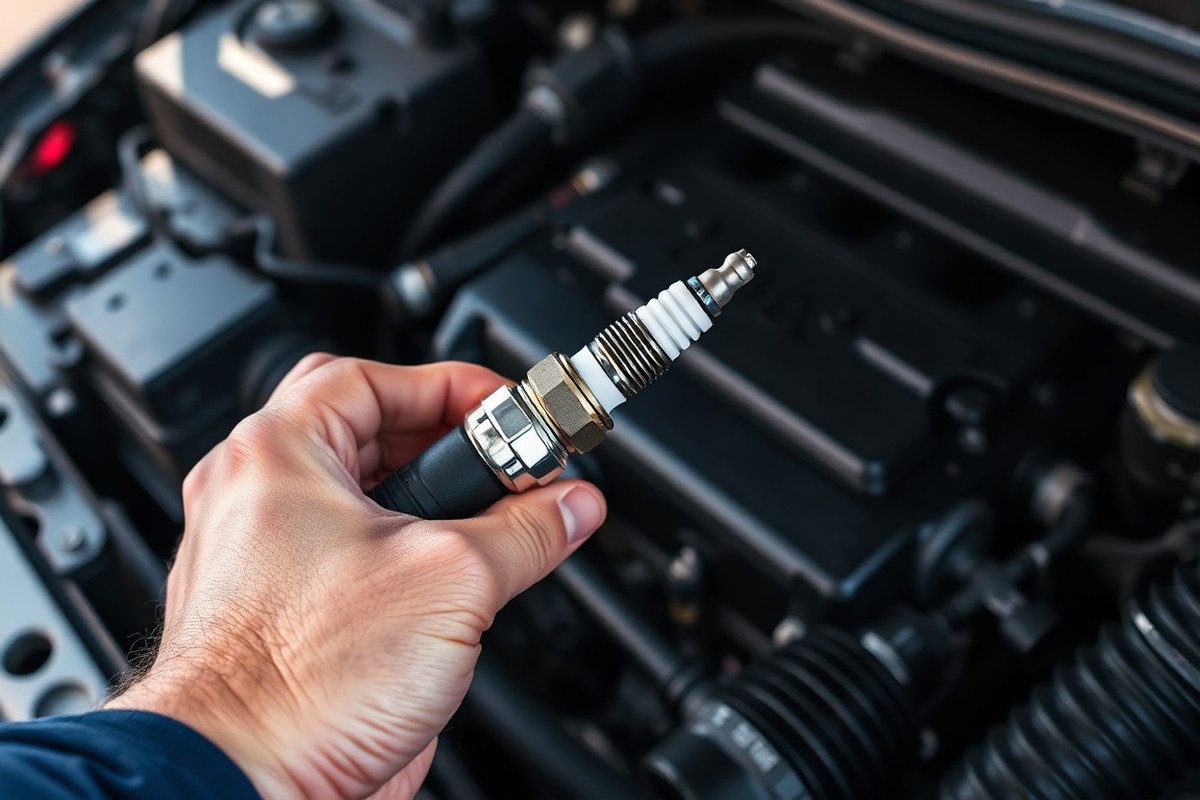
Can Spark Plugs Cause a Car to Not Start? A Complete Diagnostic Guide
Can spark plugs cause a car to not start? Yes, worn or faulty spark plugs can stop your engine from firing properly.
Without a strong spark, fuel won’t ignite, meaning the engine won’t run. Checking spark plugs is a simple first step if your car won’t start.
Sometimes the plugs are just part of the problem. But they make a big difference in starting.
Look for signs like rough idling or hard starts before complete failure. Checking or changing spark plugs usually takes one to two hours.
Using the right type of spark plug for your engine matters. Copper plugs wear out faster.
Iridium or platinum plugs can last up to 100,000 miles. Knowing your spark plugs’ condition helps avoid sudden no-start situations.
Key Takeaways
- Check spark plugs first if your car struggles to start or won’t start at all.
- Replace spark plugs every 30,000 miles for copper, 100,000 for iridium or platinum.
- Wear or fouling on spark plugs can cause misfires and hard engine starts.
- Inspect spark plugs when you have rough idling or multiple start attempts.
- Use OEM or manufacturer-recommended plugs to ensure proper fit and performance.
- DIY spark plug replacement takes about 1 to 2 hours for most cars.
Can Spark Plugs Cause a Car Not to Start?
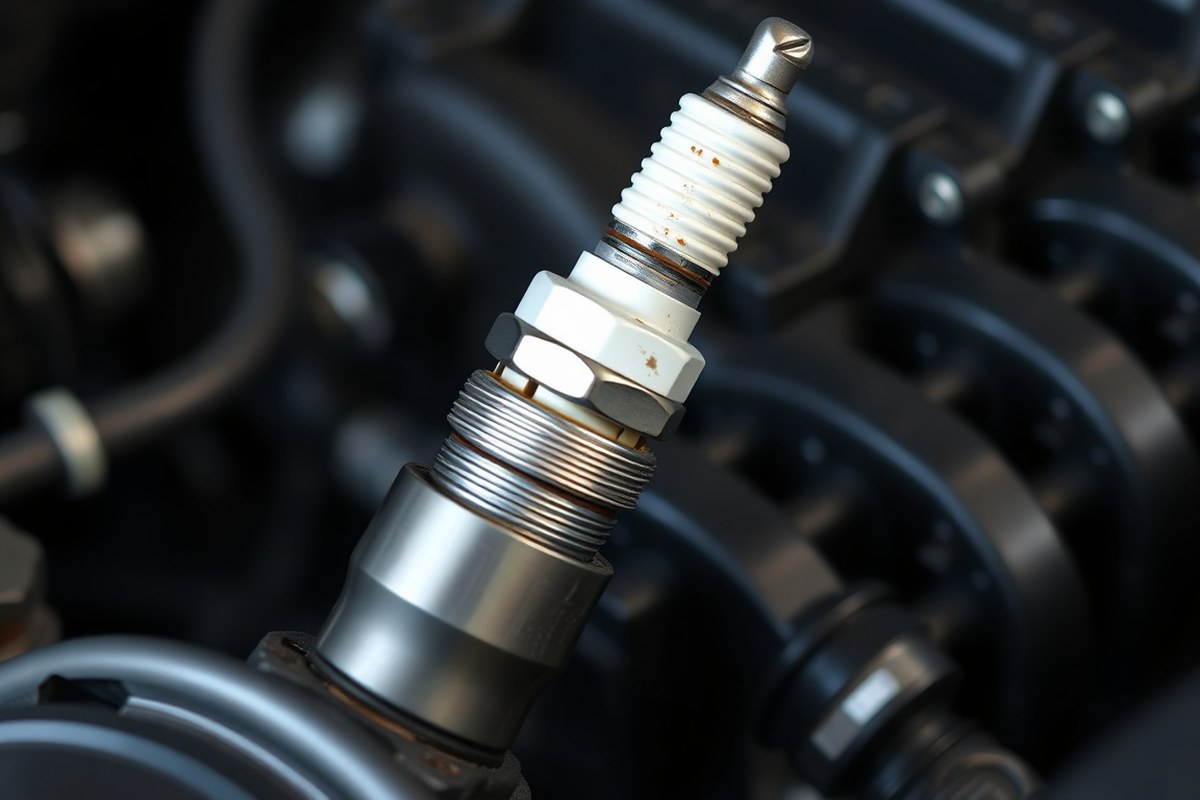
Spark plugs create the spark that ignites the fuel-air mixture inside cylinders. Without this spark, the engine won’t fire up, leading to a no-start condition. Worn, fouled, or cracked plugs can’t create the spark the engine needs.
A single bad spark plug rarely stops a modern car from starting. Cars with four or more cylinders usually keep running. That’s because the other cylinders can still fire, allowing the engine to run poorly but start.
Multiple bad plugs or fewer cylinders can definitely stop the car from starting. It depends on how many plugs fail.
If several plugs have carbon build-up or cracked parts, the engine may crank but won’t run. The damage prevents proper ignition. Another scenario is when spark plug gaps widen unevenly.
This causes longer cranking times or no start if sparks become too weak or inconsistent. Also, a loose spark plug wire or coil can cut ignition power completely.
Though spark plugs often cause starting issues, other components can produce the same symptoms. Weak batteries, faulty ignition coils, or bad crank sensors also prevent ignition despite the engine cranking.
Replacing bad spark plugs costs little and takes little time. It’s a good first step when your car won’t start.
Keeping spark plugs in good shape helps your engine start reliably and run smoothly. Old spark plugs past their service life can cause no-start and rough idle.
The life span varies from 30,000 to 100,000 miles. Fresh plugs ensure the ignition system works as designed, avoiding costly repairs down the road.
How Spark Plugs Contribute to Engine Starting Problems
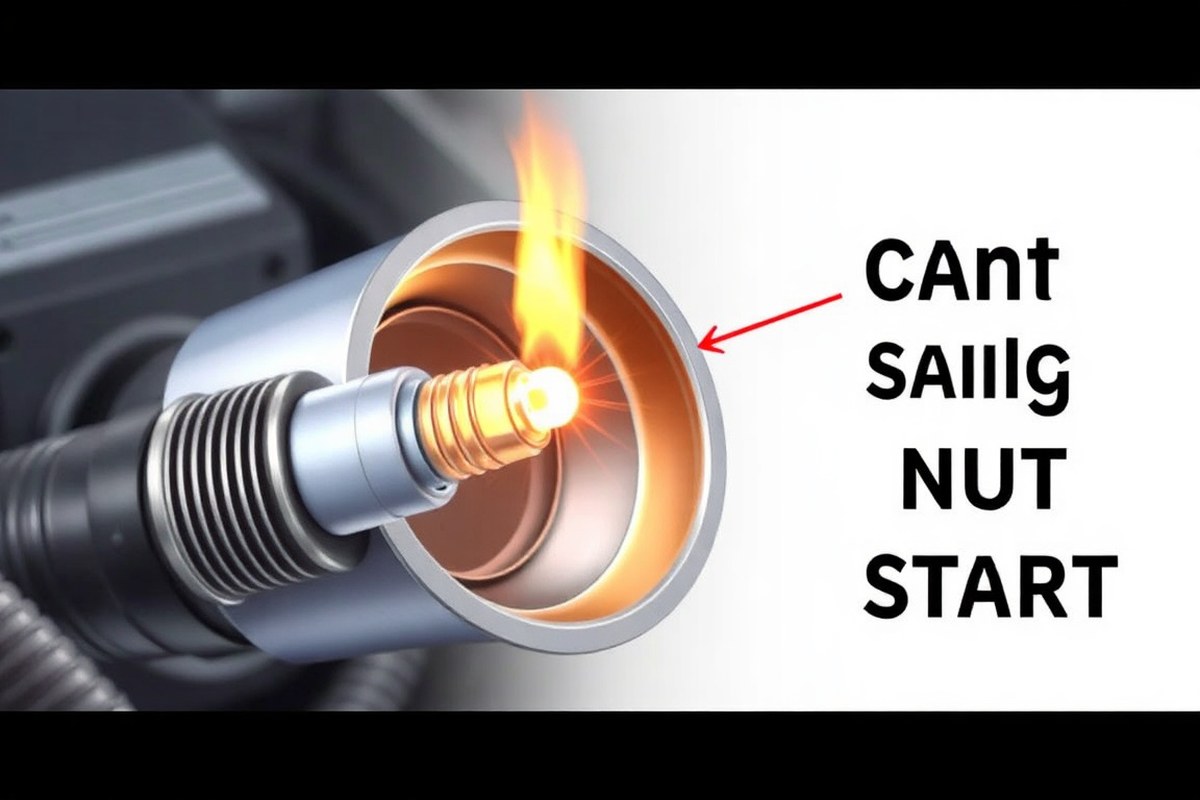
Spark plugs create the spark that ignites fuel inside your engine’s cylinders. Without this spark, combustion won’t start, and the engine won’t run. When spark plugs fail, the ignition process is interrupted, preventing the car from starting properly.
Role of Spark Plugs in Engine Starting
Each spark plug fires at the exact moment to ignite the air-fuel mix in a cylinder. This ignition creates a small explosion that pushes the piston down and turns the engine crankshaft. During starting, the engine relies on all cylinders firing properly for smooth operation.
The ignition system sends voltage to the spark plug. The plug jumps a tiny gap. This creates a visible spark.
This spark happens hundreds of times a second while cranking the engine. The plug doesn’t spark. The fuel mixture stays unburned.
How Spark Plug Failures Disrupt Ignition
Failures like fouling, wear, or gaps too wide stop plugs from sparking well. A dirty or damaged plug can’t create a strong spark or any spark at all. The fuel won’t ignite, so that cylinder won’t contribute any power during startup.
This can cause rough idling, longer crank times, or a no-start condition if enough plugs fail. In engines with many cylinders, one bad plug might not stop the engine entirely. But in small engines, even one failed plug often means no start.
What Happens Inside the Cylinder When Ignition Fails
A failed spark plug means no spark to ignite the fuel. The piston still compresses the cylinder. Fuel injection still happens.
The fuel-air mix stays unburned inside the cylinder. This causes a cylinder misfire.
The misfire reduces power. This loss reduces overall engine power and can stall the starting process.
Without ignition, the engine struggles to reach the right speed and smooth running state. This leads to hard starts or complete refusal to start. Continuous failure might damage catalytic converters or create extra wear from incomplete combustion.
Normal Versus Failure Mode Operation
Normally, spark plugs create a clean, consistent spark under 20,000 volts at precisely timed intervals. This ensures all cylinders fire evenly and engine runs smoothly. Strong sparks produce quick combustion and efficient fuel use.
Faulty plugs may give weak sparks or no spark at all. You might see carbon buildup or cracks.
Weak sparks mean delayed ignition, causing rough engine sound, poor fuel economy and longer startup cranks. No sparks cause no combustion and no engine start.
Use a tester grounded on the engine to check plugs. Crank the engine while watching for spark problems.
Recognizing Symptoms of Bad Spark Plugs Before No-Start
Bad spark plugs often show warning signs before your car won’t start completely. You might notice rough idling, engine misfires, or a drop in power when driving. These issues happen because a bad plug can’t ignite fuel well.
This makes the engine run unevenly. The engine may misfire or stall.
The check engine light can also turn on if a spark plug is failing. It usually flashes when a severe misfire happens. This warning should not be ignored.
It shows the engine isn’t running smoothly. Ignoring it could cause engine damage.
Here are common symptoms to watch for that hint at spark plug trouble:
- Rough or uneven engine idle with noticeable shaking
- Difficulty starting, slower or sputtering cranks
- Reduced fuel efficiency despite normal driving habits
- Check engine light flashing or staying on
- Engine misfires causing jerking or loss of power
- Visible wear, dirt, or deposits on spark plugs when inspected
- Weaker or no spark detected with an inline spark tester
It helps to check spark plug wires and ignition coils too. Faulty wiring can mimic plug problems. Test for spark strength using a spark tester to isolate plug issues from other ignition parts.
Bad plugs don’t always cause a complete no-start situation. Most of the time, your car will run rough before failing to start.
Pay attention to slow or rough starts and engine shaking. Replacing worn plugs early often avoids worse trouble and higher repair costs.
Types of Spark Plug Failures That Affect Starting
Spark plugs can fail in different ways. This can stop your car from starting. Sometimes they make it hard to start.
Common types include carbon fouling, physical damage, worn electrodes, and oil contamination. Each failure type blocks the spark, which your engine needs to fire up.
Carbon Fouling and Deposits
Carbon fouling happens when black, sooty deposits cover the spark plug. These deposits stop the spark from jumping the electrode gap properly. You’ll see a heavy black coating on the plug tip.
Use a spark plug socket for a closer look. This shows during a visual inspection.
The blockage lowers the electric voltage needed to ignite the fuel-air mix inside the cylinder. This causes weak or no sparks, leading to engine misfires or no-start conditions. It often shows up if your engine burns rich fuel or has poor air circulation.
Physical Damage and Cracks
Cracked ceramic insulators or broken electrodes cause serious spark plug failures. Cracks cause the spark to jump the wrong path. It usually goes to the plug body.
This bypasses the gap needed to ignite fuel. You can find cracks by pulling the spark plug and looking closely under good light.
Damaged plugs prevent proper ignition even if the gap looks correct. Road debris, incorrect installation torque, or age often cause these breaks. Cars with damaged plugs will struggle to start or stall soon after running.
Worn Electrodes and Gaps
Over time, spark plug electrodes wear down or melt slightly. This changes the gap distance between the center and ground electrodes. A bigger gap than recommended needs more voltage to spark.
The ignition system might not supply enough voltage. This can cause starting issues.
Rounded or eroded electrodes look dull or uneven compared to new, sharp edges. Replace plugs on schedule, typically every 30,000 to 100,000 miles. The time depends on the type of plug.
This helps avoid problems. Worn gaps cause slow cranking or rough starts.
Oil Contamination Effects
Oil fouling covers the spark plug tip with wet black residue. This often happens from worn valve guides. PCV system problems can cause it too.
This oily film creates a conductive path that leaks voltage away from the spark gap. When you pull the plug, you’ll see a shiny, oily surface rather than dry ceramic.
Oil on the electrode stops the spark from igniting the fuel-air mix properly. This leads to misfires or prevents the engine from starting. Fixing the oil leak first is important before replacing the plugs to prevent repeated fouling.
How to Test Spark Plugs to Diagnose No-Starts
Testing spark plugs helps spot if they’re causing no-start issues. Use a few simple tools and take safety steps before checking the spark. You’ll look for a spark that’s strong and steady.
This shows if the plugs are good. If not, they may need to be replaced.
Required Tools and Safety Gear
Gather a spark plug tester, a wrench set, a multimeter, and a test light. Also, wear thick gloves and safety goggles to protect yourself. Keep the area well ventilated and away from flammable liquids.
Disconnect the battery before removing spark plugs to prevent accidental shocks. Work on a cool engine to avoid burns. Keep a fire extinguisher nearby just in case.
Performing a Spark Test with a Tester
Start by removing one spark plug wire or coil connector at a time. Attach the inline spark tester between the spark plug and ignition wire. Crank the engine and watch for a bright blue spark inside the tester.
- Park on level ground and set the parking brake.
- Remove the spark plug wire or coil using a wrench if needed.
- Connect the spark tester inline with the removed wire or coil.
- Have someone turn the ignition key to crank the engine briefly.
- Look inside the tester for a consistent bright spark.
- Turn off the ignition and disconnect the tester.
- Repeat steps for each spark plug.
Only crank the engine for a few seconds during testing to avoid damaging the starter.
Interpreting Spark Strength and Consistency
A strong spark appears bright blue and consistent each time the engine cranks. A weak or yellow spark suggests a worn or fouled spark plug. No spark at all means the plug or ignition part may be faulty.
Also, watch for uneven sparks across plugs. This might mean some plugs need cleaning or changing.
Sharp, clean plugs produce easy starts. Bad plugs lead to rough or no starts.
Additional Tests for Related Ignition Parts
Your spark plugs may look fine but still not spark. Test the spark plug wires next.
Use the spark plug tester to check for spark leakage along the wire length. Replace any wires with cracks, breaks, or weak sparks.
Test ignition coils with a multimeter to check resistance. Compare your readings with manufacturer specs.
Low or high resistance often means the coil has a problem. This can stop the plugs from sparking right.
Spark Plug Replacement Essentials: Time, Cost, and Types
Replacing spark plugs usually takes about 1 to 2 hours. The exact time depends on how easy it is to reach spark plugs. Some engines have plugs in tight spaces.
This can make the job take longer. Some engines place the plugs under parts or thick wiring, which can slow you down.
Cost varies with the type of spark plug used and where you get the job done. Spark plugs themselves cost between $3 and $15 each, depending on the material. Labor charges at a shop add to the total, making replacement costs range widely.
| Spark Plug Type | Cost per Plug | Replacement Interval (miles) |
|---|---|---|
| Copper | $3 – $5 | ~30,000 |
| Platinum | $6 – $10 | 60,000 – 100,000 |
| Iridium | $10 – $15 | Up to 100,000+ |
| Shop Replacement Cost (4 plugs) | $80 – $200 (parts + labor) | |
| DIY Replacement Cost (4 plugs) | $12 – $60 plus tools | |
Copper plugs cost the least but wear out earlier, needing replacement near 30,000 miles. Platinum plugs last longer and resist fouling, which lowers misfires. Iridium plugs last the longest and offer better performance, especially in newer engines.
Doing the job yourself can save money but requires basic tools and care. You’ll need a spark plug socket, a ratchet, and a gap gauge. Make sure new plugs match your car’s specs.
Never overtighten the plugs. Overtightening can damage the threads.
Sparks that look worn or an engine that stalls mean it’s time to replace plugs. Acting quickly avoids bigger problems. Take photos or label wires if you disconnect ignition parts to avoid mix-ups.
Tight spaces or special tools can make this job tricky. Calling a mechanic might be better to prevent damage. It also avoids frustration.
Common Mistakes When Diagnosing or Replacing Spark Plugs
Testing spark plugs without removing them is a common mistake. This can give false results, as the plug’s condition inside the cylinder matters. Always remove the plug to check its color and wear accurately.
Using a multimeter alone to test spark plugs often misses issues. You need to see if the plug fires under engine conditions. Connecting an inline spark tester during cranking confirms a real spark.
- Failing to gap the spark plug to factory specs
- Cross-threading spark plugs during installation
- Not tightening plugs to the right torque
- Using spark plugs designed for different engines
- Reusing old spark plugs instead of replacing
- Neglecting to apply anti-seize on threads if recommended
- Removing plugs without letting the engine cool down
Incorrect gapping lowers spark efficiency and hurts starting. Check the gap with a feeler gauge before installation. Adjust it precisely to the vehicle manual’s instructions, generally 0.028 to 0.060 inches.
Cross-threading a plug can damage the cylinder head threads. Start the plug by hand and avoid forcing it in. Tighten it with a torque wrench to 13 to 25 ft-lbs, depending on your car.
Too loose leads to gas leaks. Too tight risks breaking the plug or stripping the head.
Using the wrong type of spark plug changes heat range and firing characteristics. This can cause fouling or pre-ignition.
Buy exact matches shown in the owner’s manual or parts guides. Cheaper, off-brand plugs sometimes deliver poor sparks and shorten engine life.
Old plugs may look fine, but wear reduces spark intensity. Replace all plugs at recommended intervals, usually between 30,000 and 100,000 miles. Anti-seize compound can help prevent thread sticking, but many modern plugs come pre-coated.
Removing plugs right after running the engine risks breaking the plug or thread. Let the engine cool 30 minutes or more.
Handle spark plugs carefully to avoid issues during replacement. Follow these steps to keep your engine starting smoothly.
When Spark Plugs Are Not the Cause: Other No-Start Reasons
Your car cranks but won’t start? First, listen carefully to the cranking sound. A strong crank at 150 to 200 RPM means the starter works.
The battery also works well if the crank stays steady. This points to problems with fuel or ignition, including the spark plugs.
Check the fuel system when the engine cranks but doesn’t start. Turn the key to ON with the engine off and measure fuel pressure at the rail.
It should be at least 45 psi. Check for spark after confirming good fuel pressure.
To distinguish ignition problems from fuel issues, watch the pattern of engine response. Multiple failed catch attempts with chugging often mean flooding from excess fuel.
A rough idle before the no-start generally signals ignition issues. Strong spark means your ignition is fine and fuel delivery is suspect.
Battery and starter problems mostly cause weak or no cranking. Slow, labored cranks suggest a weak battery. A single click without crank means the starter or battery is at fault.
These symptoms never relate to spark plugs. You can test battery voltage with a multimeter. A healthy car battery reads about 12.6 volts or more when off.
If engine cranks fast but won’t start, suspect spark plugs, coil, or fuel. These parts commonly cause no fire. Check battery and starter if cranking is slow or doesn’t happen.
Always check your fuel gauge to make sure you have gas. Charging or replacing the battery may cost around $50 to $120. Starter replacement runs higher, often $300 or more with parts and labor.
Don’t spend time on spark plugs if your engine doesn’t turn at all. Test the battery and starter first to avoid unnecessary parts or labor costs.
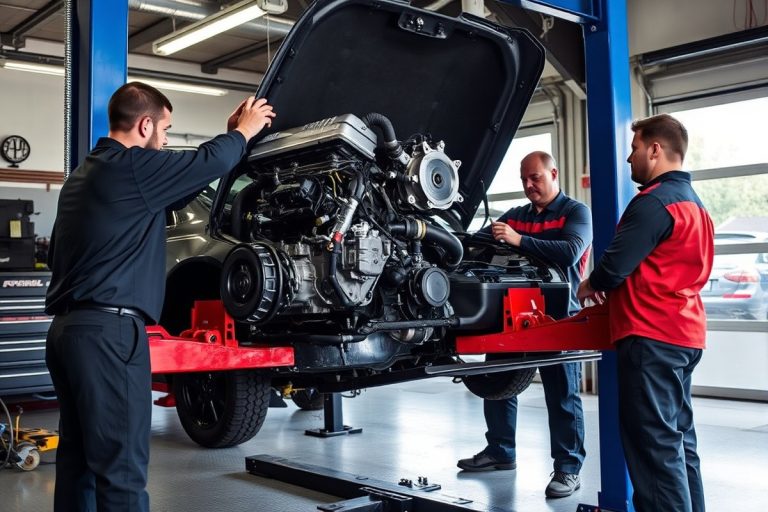
When to Call a Mechanic for Spark Plug or Starting Issues
You should call a mechanic if your car won’t start after replacing spark plugs. Problems like all plugs fouled or misfires that don’t clear up might mean deeper engine issues. Also, if your engine cranks strongly but fails to fire, a professional’s diagnosis is wise.
DIY spark plug replacement often seems simple, but risks exist. Over-tightening plugs can damage cylinder heads.
Using the wrong gap or type causes poor performance. Handling ignition coils incorrectly can lead to electrical shocks or broken parts.
Look for a mechanic with good reviews and certifications like ASE. Ask if they use OEM or high-quality spark plugs. Transparent pricing and clear explanations show they know spark plugs and your car’s start system.
- Engine cranks but won’t start after spark plug check
- Spark plugs fouled or damaged beyond simple cleaning
- Repeated ignition coil or wiring failures
- Signs of engine misfire or rough idle before no-start
- Incorrect torque or gap from previous DIY attempts
- Unfamiliarity with your vehicle’s spark plug specs
Technicians can perform advanced tests like compression checks or fuel pressure diagnosis. These tests pinpoint if the problem extends beyond plugs into the ignition or fuel system. You’ll avoid costly mistakes by letting a mechanic handle complex trips and wiring.
Good mechanics give clear estimates upfront. They show old plugs too. This proves why you need to replace them.
Expect replacing all plugs every 30,000 to 100,000 miles depending on type and car manual. Cost varies from $100 to $300 but prevents no-start headaches and saves gas mileage.
Spark Plug No-Start Fix: Step-by-Step Action Plan
Follow these steps to check and fix spark plug issues quickly. Each step helps you see if your car starts better.
- Before you start: Gather tools like a spark plug socket, gap gauge, and multimeter. Having the right tools speeds up your work and gives accurate tests.
- Day 1: Remove one spark plug and inspect it. Look for cracks, heavy deposits, or worn electrodes; these signs show it needs replacing.
- Day 2: Test each spark plug with a spark tester or multimeter. A good spark plug will show proper resistance and a strong spark.
- Day 3: Check the spark plug gap with a gap gauge. Adjust the gap to the car manual’s recommended size. This helps the engine start better.
- Day 4: Swap in new spark plugs if any are bad. Make sure they match your car’s spec to avoid future problems.
- Day 5: Start the engine and note how it behaves. The engine should start smoother and run without hesitation if plugs were the issue.
- After 1 week: Monitor your car for any starting or rough running problems. When problems persist, check ignition coils or the fuel system next.
- No improvement? Schedule a mechanic to inspect your vehicle. A pro can find issues beyond plugs, like wiring or fuel delivery faults.
Frequently Asked Questions
How Do I Know If My Spark Plugs Are Causing My Car Not to Start?
Your car cranks but won’t start. Bad spark plugs could cause this. Check for rough idling.
Misfires also point to spark plug issues. These happen before a full no-start.
What Happens to a Car When the Spark Plugs Start Going Bad?
The engine may run rough or struggle to start as spark plugs fail. Since spark plugs ignite the air-fuel mix, worn plugs cause misfires and weak starts.
What Are Four Signs a Spark Plug Should Be Replaced?
Look for rough engine idle, poor acceleration, hard starts, and misfires. These signs usually mean the spark plugs are worn or dirty and need changing.
Can a Car Still Start with Bad Spark Plugs?
Yes, a car often still starts but runs rough or hesitates with bad plugs. Complete no-starts usually involve other issues or multiple plugs failing.
How Often Should Spark Plugs Be Checked or Replaced to Avoid No-Start Problems?
Check spark plugs every 30,000 to 50,000 miles, or as your car’s manual says. Regular checks catch issues early and keep your car starting smoothly.
Before You Go
Spark plugs can definitely cause a car not to start if they fail. Testing and replacing them is a good first step to fix starting issues. Taking quick action will save time and money before calling a mechanic.


One Comment