Can You Drift with Front Wheel Drive? 9 Key Facts and Techniques Explained
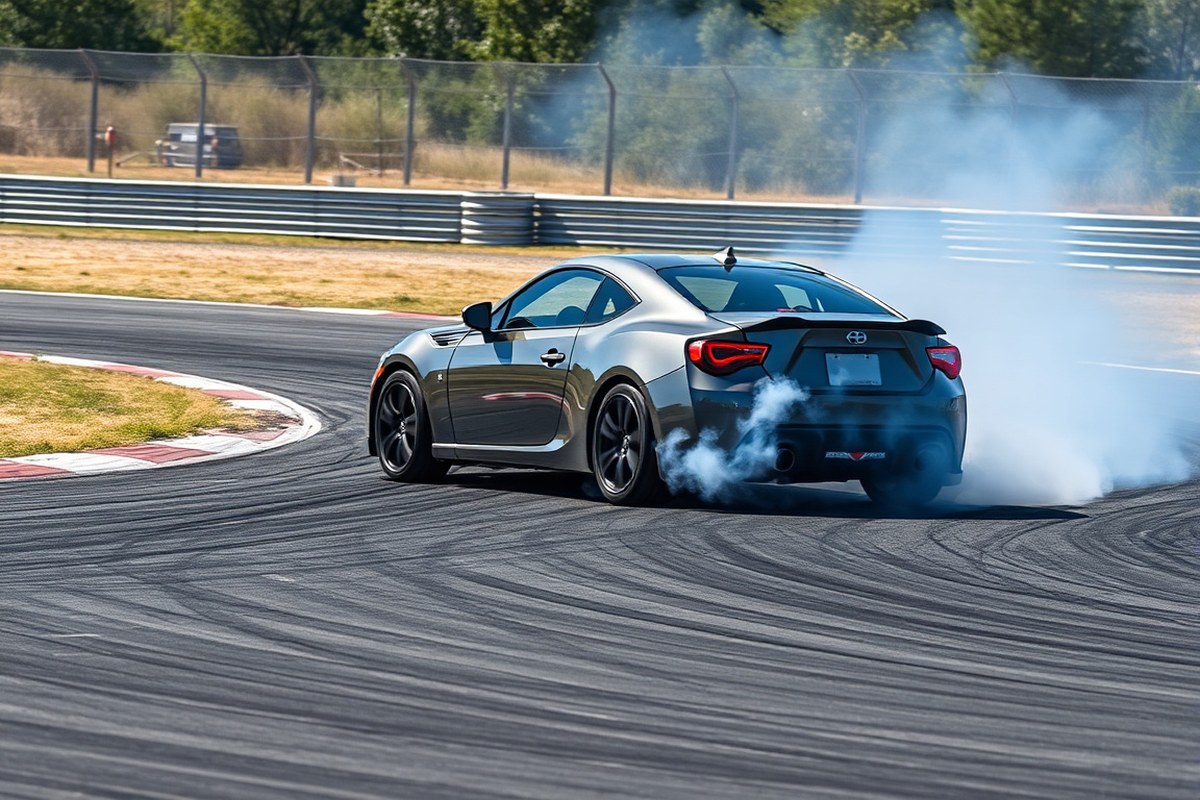
Can you drift with front wheel drive? Yes, but it’s tougher than with rear wheel drive.
Front-wheel-drive cars naturally understeer, so they don’t slide easily. You have to work against their grip rather than using it to slide.
The trick is to use techniques like the handbrake or clutch kick at the right moment. Build speed carefully through the corner, usually in second gear at about 15 to 25 mph. Be ready to counter-steer since you’ll need precise control to keep the slide going.
Front-wheel drive drifting is more about control and balance than raw power. Power oversteer doesn’t come easily here.
So you rely on weight transfer and steering inputs. That’s why it feels like pushing the car rather than pulling it around a corner.
Key Takeaways
- Front-wheel-drive cars tend to understeer, making drifting challenging but possible.
- Initiate a drift with handbrake or clutch kick, especially on slippery surfaces.
- Build entry speed in second gear at around 15, 25 mph for better control.
- Counter-steer into the slide to maintain control and avoid spinning out.
- Use smooth throttle and steering inputs to manage the limited rear slip.
- Weight transfer helps break rear traction slightly for a controlled slide.
Can You Drift a Front-Wheel Drive Car?
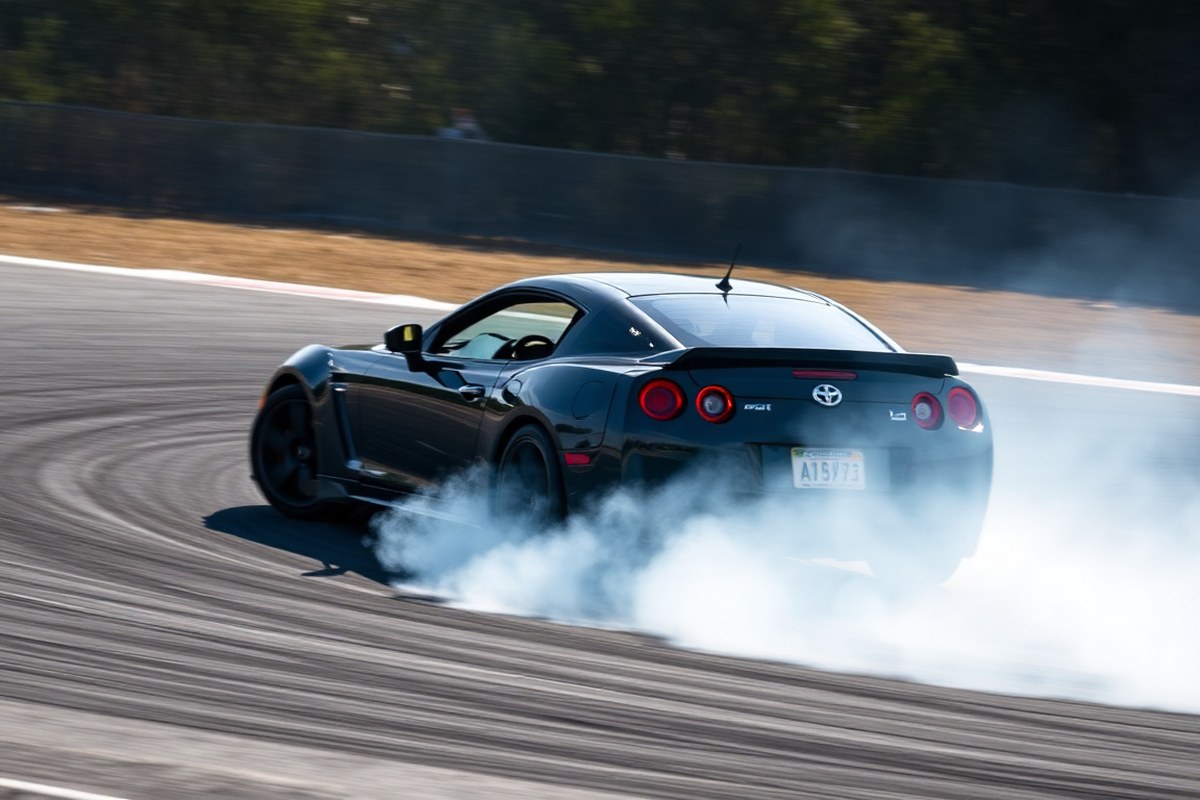
You can drift a front-wheel drive car, but it feels very different. Traditional drifting means the rear tires lose grip, causing oversteer through turns.
In FWD cars, the front wheels pull the car. So they rarely slide like RWD cars do.
Since the front wheels both steer and power the car, keeping a drift going is tricky. You need to make the rear tires lose grip first. Brake or lift off the throttle fast.
This helps start the slide. Weight shifts to the front when you brake or lift off.
This makes the back slide out. You steer out by counter-steering.
An open front diff sends power to the wheel with less grip. This can stop the slide. A limited-slip diff helps keep the slide going.
Adding a front LSD helps keep power steady, making sliding easier. Still, it takes more patience and skill than drifting rear-wheel drive cars.
On slippery surfaces, power oversteer or clutch kicks can initiate a slide. But constant control demands smooth steering and throttle inputs. A FWD slide usually looks less wild than RWD slides.
It feels like a smooth push through the corner. It’s more controlled. It’s not the classic oversteer, but with practice, you can still enjoy controlled slides.
The key is to reduce rear tire grip just enough. This makes the car break loose slightly. You want some slip but not full spin.
Braking hard before the turn shifts weight forward, tightening front grip and loosening the rear. When entering the turn, counter-steer to hold the slide angle.
Gently apply throttle to keep your speed up. Manage both carefully.
Drifting a front-wheel drive takes time to master because the car’s design fights against traditional drifting. Still, with practice, you can perform smooth, controlled slides that mimic drifting moves. Practice only in a safe, open area with no hazards.
Adjust your technique based on how your car handles. These help you improve safely.
Why Front-Wheel Drive Drifting Is Different from Rear-Wheel Drive
Drifting a front-wheel drive (FWD) car feels very different from drifting a rear-wheel drive (RWD) car. FWD cars naturally want to understeer, meaning the front tires push wide instead of sliding out. This makes the usual drift style much harder in FWD cars.
It relies on oversteer, which is tough to get. FWD cars don’t drift like RWD ones.
How Front-Wheel Drive Car Dynamics Work
FWD cars use the front wheels for both steering and driving. The engine’s weight sits over the front tires. This adds traction but increases overall grip a lot.
It affects how the car handles. This setup helps control the car well.
But it makes drifting tricky. The front wheels pull the car straight when turning.
Understeer happens if the front tires lose grip first. The car’s nose pushes outside the corner. It feels like the car won’t turn enough.
Instead of the rear stepping out like in RWD cars, the front just drags wide. This tendency is why traditional drifting techniques don’t easily apply to FWD cars.
Why Understeer Dominates in Front-Wheel Drive Cars
Understeer means the car resists turning and slides forward through a turn. The front tires carry the engine’s heavy load.
So they wear out faster and lose grip sooner. This causes the car to push wide in corners instead of rotating sharply.
The front wheels pull and steer the car at once. Because of this, they don’t break loose easily. This makes typical drifting harder.
Rear wheels in RWD cars power the slide. But front wheels want to keep pulling the car forward. This is why FWD cars are more prone to understeer and less prone to oversteer.
Weight Transfer and Its Effect on FWD Drifting
Weight shifting happens when you brake, accelerate, or steer. In FWD cars, lifting off the accelerator transfers weight to the front wheels, increasing grip there. Extra grip helps the front wheels keep control.
Meanwhile, the rear tires get lighter and ready to slip. This changes how the car behaves.
Lift-off oversteer lets you slide the rear tires briefly. You do this by quickly letting off the gas entering a corner. Timing is very important for this.
It shifts the weight forward, reducing rear traction. Timing is the key to making this work.
Too early or too late and the rear won’t slide. Or, you could lose control of the car.
Why It’s Harder to Control a Drift in FWD Cars
Controlling a drift requires purposely breaking rear-wheel traction so the car can slide smoothly. In FWD cars, the rear wheels don’t drive the car.
So they don’t get power to hold the slide. The rear just lifts or slides when traction drops.
A handbrake can help by locking the rear wheels briefly. But it’s not like RWD where you can use throttle control to balance the drift.
FWD cars demand fast, precise inputs to maintain any slide. This makes the learning curve steeper and the margin for error smaller.
Flooring the gas too much in a FWD drift stops the slide. It causes understeer instead. You want to avoid that when drifting.
Core Techniques to Drift a Front-Wheel Drive Car
Drifting a front-wheel drive car requires three key methods: lift-off oversteer, handbrake turn, and clutch kick. You can initiate a drift by shifting weight or breaking rear traction. Each method offers different control levels and works best in certain situations.
Lift-Off Oversteer Explained
Lift-off oversteer comes from easing off the throttle quickly through a corner. This sudden weight shift moves the car’s balance forward, making the rear tires lose grip briefly.
It’s the safest way to start drifting in FWD cars and doesn’t need extra gear use. Start slow to find the right timing before pushing harder.
- Accelerate into a medium-speed corner in a lower gear.
- Lift your foot off the gas pedal sharply just before the turn apex.
- Steer smoothly into the corner as the rear end slides out slightly.
- Counter-steer gently to control the slide without spinning out.
- Reapply throttle once you regain traction to exit the corner.
Performing a Handbrake Turn
The handbrake turn uses the emergency brake to lock the rear wheels. This action slides the back end of the car.
It helps you make sharp turns quickly. It’s more dramatic and gets the rear loose faster than lift-off oversteer.
This method works well at low to medium speeds and tight corners. It’s common and easier to control with practice than the clutch kick.
- Approach a corner at low to moderate speed in second or third gear.
- Brake lightly to transfer weight forward and prepare for the turn.
- Pull the handbrake firmly to lock the rear wheels just before the corner.
- Turn the steering wheel into the corner while holding the handbrake.
- Release the handbrake as the rear slides out and counter-steer to maintain control.
- Accelerate smoothly to finish the turn once the car straightens.
Using the Clutch Kick Method
Clutch kicking boosts rear wheel slip by quickly dumping engine power through the drivetrain. This jolts the rear tires into a slide despite front-wheel drive.
This method demands precise timing and clutch control, making it harder and easier to stall. You should master the other two techniques before trying clutch kicks.
- Drive toward the corner at moderate speed in second gear with the clutch engaged.
- Press the clutch pedal fully to prepare for the kick.
- Release the clutch quickly and firmly while applying a small amount of throttle.
- Steer into the corner as the rear tires start sliding outward.
- Counter-steer to hold the drift and avoid spinning out.
- Control throttle input to exit the drift smoothly.
Essential Car Setup and Modifications for FWD Drifting
Drifting a front-wheel drive car needs more than just skill. You need to change key parts to make the car slide. These changes help keep some power while sliding.
Without them, you might lose too much power. One of the biggest is installing a front limited-slip differential. It keeps power going to both front wheels instead of letting one spin uselessly.
Most FWD cars have an open differential. When you start to slide, power goes to the wheel with the least grip. This kills your momentum and makes it hard to keep a drift.
A limited-slip diff helps because it locks both wheels together under power. These differentials can cost between $500 and $1,200, plus installation. But they make a big difference for sustaining drifts.
Tires also matter for FWD drifting but in a different way than rear-wheel drive. Softer front tires give better grip. At the same time, you want the rear tires a little harder or more worn.
This encourages a slide rather than just gripping tight. Try changing tire pressures to find what works best.
Set front tires around 30 to 35 psi for control. Use a few psi less in the back tires.
- Install a front limited-slip differential for better power delivery
- Use softer tires on the front for grip and harder tires in the rear to slide
- Lower rear tire pressure slightly to reduce rear traction
- Disable stability control on your vehicle to allow more wheel slip
- Use a hydraulic handbrake or setup adjustable brake bias for tighter turns
- Check and adjust suspension for slight oversteer tendencies if possible
Electronic aids like stability control can hurt your drifting efforts. These systems brake slipping wheels and reduce engine power to keep you safe. For drifting, you want to disable any traction or stability control.
Look for options in your car’s settings or disconnect them with aftermarket tuning devices. Do this only in a safe, closed area.
Turning off safety features raises risk. Be careful when you practice these moves.
Suspension setup changes can also help but aren’t as critical as the differential and tires. Some drivers adjust toe angles and stiffness to help the rear end break loose more easily. Upgrading tires and the differential helps your control a lot.
Stock FWD setups tend to understeer when pushed hard. These upgrades reduce that problem significantly.
Step-by-Step Guide to Safely Practice FWD Drifting
Drifting a front-wheel drive car takes care and the right setup. You need a safe place, proper gear, and steady practice. Follow clear steps to keep it legal and minimize risks.
Choosing a Safe Practice Location
Pick a spot away from traffic and pedestrians. You want a place where you won’t get a ticket or endanger anyone. Look for empty parking lots, closed tracks, or sanctioned drift events where you can learn safely.
Local auto clubs or raceways often host beginner drift sessions. These events provide controlled environments with safety marshals and emergency help. They also let you use your daily driver without worries about road laws.
Preparing Your Car and Safety Gear
Check your car thoroughly before drifting. Inspect tire tread and pressure, brakes, and steering.
Make sure your tires aren’t worn out, as drifting stresses them a lot. Proper maintenance lowers the risk of failure during practice.
Wear basic protective gear to protect yourself. A helmet is highly recommended, especially at track days or organized events. Closed-toe shoes and comfortable clothing help you stay focused behind the wheel.
Always follow local laws and event rules to avoid tickets or fines.
Practicing Basic Drifting Maneuvers
Start slow to build your skills without damaging your car. Learn weight transfer steps and how to use the handbrake gently. Practice in low-traffic areas and keep speed under control, around 20-30 mph for beginners.
Here are basic steps to practice drifting safely in a front-wheel drive car:
- Find a large, empty, and flat surface like a closed parking lot.
- Wear your helmet and make sure your car is in good shape.
- Drive at a moderate speed and approach a wide turn.
- Lift off the gas to shift weight forward, causing tail slip.
- Turn your steering wheel into the slide to control direction.
- Tap the handbrake briefly if you need extra rear grip loss.
- Use throttle carefully to pull the car out of the slide.
- Repeat slowly, increasing speed and confidence over time.
Controlling and Maintaining a Drift in Front-Wheel Drive Cars
To control a slide in a front-wheel drive car, you need to steer into the drift. Turn the steering wheel toward the rear of the car’s slide.
This is called counter-steering. It helps you stay balanced and prevents spinning out.
Throttle control plays a big part in holding the drift. Apply light, steady gas on the front wheels. This keeps the car rotating around one point.
It helps maintain control through the drift. Feather the throttle carefully.
Too much gas makes the car straighten out. Too little gas lets it spin out.
Brake modulation is another key trick, especially if you do not have a handbrake. Press the brake pedal lightly with your foot while keeping the throttle on. This balance sends weight forward and helps keep the drift smooth and controllable.
The slide can get wild or start to spin. Adding more throttle shifts the weight to the rear. This helps regain control.
This action straightens the car out. Remember, in front-wheel drive drifting, applying gas trades longer slides for better control.
Most FWD cars try to understeer and straighten. So adjusting throttle is a constant balancing act.
Good control means small steering inputs and gentle throttle changes. Your hands should make quick, subtle turns. Your right foot adjusts pressure between gas and brake.
This balance controls the drift’s angle and speed. Pushing too hard on the gas can spin the car.
Turning the wheel too far risks losing the drift. Both cause loss of control.
Common Mistakes When Learning to Drift a Front-Wheel Drive Car
Beginners often push too hard on the accelerator and expect easy drifts. Front-wheel drive cars tend to understeer, which means they resist turning and push forward instead. That feeling can throw off your timing and control, making the drift harder to hold.
Fixing understeer means managing your speed and steering carefully. Let off the gas a little when the front tires slip. Try a slight lift or tap on the brakes.
This helps shift weight forward for better grip. These moves help the front tires regain grip and respond to your steering inputs better.
Another common error is relying too much on the handbrake or jabbing hard at it. In FWD cars, the handbrake mostly affects the rear wheels, which don’t drive the car. Using it too hard can upset the car’s balance.
This makes controlling the car harder. It’s worse if the rear tires lock up.
- Don’t stomp the throttle; balance power application smoothly
- Use small steering corrections to avoid overloading front tires
- Shift weight forward with brake taps to reduce understeer
- Avoid heavy handbrake pulls to keep rear tires rolling
- Practice controlling speed before trying long drifts
- Listen for tire squeals as a sign to ease off gas
- Keep an eye on tire temperature; overheating reduces grip
Some worry that drifting could harm the transmission or CV joints. Drifting does stress these parts more than normal driving, especially CV joints.
You might feel vibrations or hear clicking noises if the joints wear out early. Regular inspection and using quality, drift-rated parts can reduce this risk.
Heat builds up in the transmission during long drift sessions. This can cause damage over time. Avoid drifting for too long without breaks.
Let the car cool down between runs to keep parts from overheating. Drifting is fun. But it also demands respect for your car’s limits and maintenance needs.
Comparing the Ease and Style of FWD, RWD, and AWD Drifting
Drifting feels different with FWD, RWD, or AWD cars. Each type handles slides in its own way. The driveline changes how you control the car during a drift.
RWD cars start drifting by applying power and turning. This action makes the rear wheels slide out easily. You control the drift with throttle and steering.
FWD cars don’t push the rear out with power. Instead, you use braking techniques or weight shifts to slide the back end first. AWD cars can drift but need complex control to keep slides stable.
RWD cars usually stay faster while drifting. You can control slides by using throttle and steering. This keeps the car more stable on corners.
FWD cars lose momentum quickly in a drift. The front wheels pull the car straight when you throttle.
This makes it harder to keep sliding. AWD sits in the middle, but it’s still tough to keep a continuous slide.
| Aspect | Front-Wheel Drive (FWD) | Rear-Wheel Drive (RWD) | All-Wheel Drive (AWD) |
|---|---|---|---|
| Drift Initiation | Use handbrake or lift-off to cause rear oversteer | Power oversteer by applying throttle during a turn | Combine throttle and brake to shift grip and slide |
| Slide Control | Steering and throttle pull front wheels to regain grip | Throttle controls slide angle and speed of drift | All wheels share power, making slide adjustments tricky |
| Ease of Learning | Harder to hold a slide but safer to start slipping | Easier to initiate and maintain drifts with practice | More complex, requires skill and fast reactions |
| Best Use Case | Urban or parking lot practice; tight corners | Track and drift competitions; high-speed slides | Mixed surface or rally-style drifting |
| Slide Characteristics | Short, snap-like slides requiring constant input | Long, smooth slides with throttle modulation | Sliding with balanced traction front and rear |
| Typical Cost | Lower setup cost; uses mostly braking and weight shifts | Higher cost; may need limited-slip diffs and upgrades | High cost; complex drivetrain and suspension tuning |
FWD drifting works by lifting off the throttle or using the handbrake to break rear grip. You start a slide, then carefully steer and modulate throttle to keep the back moving sideways.
RWD lets you use throttle to kick the rear out and maintain the slide longer. AWD struggles more as power pushes all wheels, making controlled slides tougher.
Don’t rely on throttle to hold a slide in FWD, overuse will pull you straight.
Choosing your drivetrain depends on where you plan to drift and your skill level. RWD is easier and more natural for drifting fast and long. FWD cars give a safer way to practice slides.
You have more control and less risk of spinning out. It’s good for learning slide control well. AWD needs advanced skills but can handle varied terrain better.
How Weight Transfer Influences Front-Wheel Drive Drifting Success
Weight transfer is the key to making front-wheel drive drift. When you brake or lift off the throttle before a corner, the car’s weight shifts forward. This pushes the front tires down.
It reduces grip at the back. This causes the rear to slide out.
To use this, build entry speed at about 15 to 25 mph in second gear. Keep steady, light throttle so the car feels settled, not jerky. Just before the turn, brake lightly to move weight forward and unsettle the back end.
You start turning the wheel to guide the front tires. The rear loses grip at the same time.
Some drivers use the feign technique, briefly steering about five degrees away from the corner. This sends weight to the outside front tire, helping to break traction in the rear.
Maintaining throttle during the drift is important. You want to balance the weight on the front tires. This helps those wheels keep pulling forward.
Too much throttle shifts weight back and grips the rear, stopping the slide. Too little and you lose momentum.
Braking is critical for entry but needs subtlety. Hard braking locks the front and ruins tire grip.
Light, brief brake taps give just enough forward shift to spin the rear wheels out. Some drivers also use left-foot braking to keep weight forward while controlling speed.
A smooth, controlled slide shows good results. The rear drifts wider than the front. The car stays balanced and responds to steering and throttle without snapping out.
Poor timing or too much brake can end the drift harshly. Wrong throttle may cause a spin out.
Weight transfer varies with speed, car weight distribution, and suspension stiffness. Heavier cars or stiffer setups need earlier, firmer braking to shift weight enough.
Lighter or softer cars react faster to inputs. But they can be twitchy if brakes or steering are overdone.
Practice helps you learn the right times to brake, steer, and gas. This builds and holds the drift.
Watch how the car moves and adjust weight transfer. Use smooth, timed inputs to keep the slide balanced.
Step-by-Step Action Plan to Start Drifting Your FWD Car
Use these steps to build your skills safely and learn how drifting works with front-wheel drive.
- Before you start: Find a large, empty, paved area free of obstacles. You’ll know it’s right if you can drift without hitting anything.
- Day 1: Practice quick, sharp turns while accelerating lightly. You’ll feel the front tires break traction, a sign you’re on track.
- Week 1: Try the Scandinavian flick to shift weight and make the car slide. Successful execution means the rear end comes around smoothly.
- Week 2: Add light handbrake pulls to break rear traction briefly. The car should drift without spinning out.
- After 3 weeks: Practice controlling the drift by balancing throttle and steering inputs. You’ll see longer, controlled slides.
- Month 2: Adjust tire pressure and suspension as needed to improve control. Notice when the car feels less twitchy or easier to steer.
- Ongoing: Film your sessions or get feedback from an experienced drifter. Use this to spot mistakes and improve.
Frequently Asked Questions
Is Front Wheel Drive Bad for Drifting?
Front wheel drive isn’t bad for drifting. But it is harder than rear wheel drive.
You have to work more on techniques that reduce rear tire grip to slide the car. This takes more skill and patience to maintain control in a drift.
Is FWD Faster Than RWD?
FWD is not usually faster than RWD for drifting or track driving. RWD offers better control during slides and acceleration out of corners. FWD cars usually pull straight when you press the gas.
This makes slides harder to hold. It also slows down drifting speeds.
Can I Do Donuts with FWD?
Yes, you can do donuts with a FWD car. But it feels different than with RWD.
You use the handbrake and throttle to break rear traction. That’s because only the front wheels get power.
These tools help make the back end slide. The rear end swings more like a push than a drift.
Which Wheel Drive Is Best for Drifting?
Rear-wheel drive is best for drifting because it naturally oversteers when you apply throttle. It allows easier initiation and better control of slides. FWD and AWD are possible but more difficult and less precise for sustained drifts.
Is It Even Possible to Drift a FWD Car?
Yes, it’s possible but challenging to drift a FWD car. The front wheels pull the car forward all the time. You need clutch kicks or handbrake to slide the rear wheels.
This keeps the drift going. It’s a different style needing more practice to keep the drift going strong.
Final Thoughts
Yes, you can drift with a front-wheel drive car by using weight transfer and throttle control. Focus on learning each step slowly and practicing safely. Start today by finding a safe spot and experimenting with slow, controlled slides.