How Do You Know If Your Engine Is Locked Up: A Complete Guide That Works
How do you know if your engine is locked up? The main sign is when your engine won’t turn over or start. You might hear grinding or the starter spinning with no engine movement.
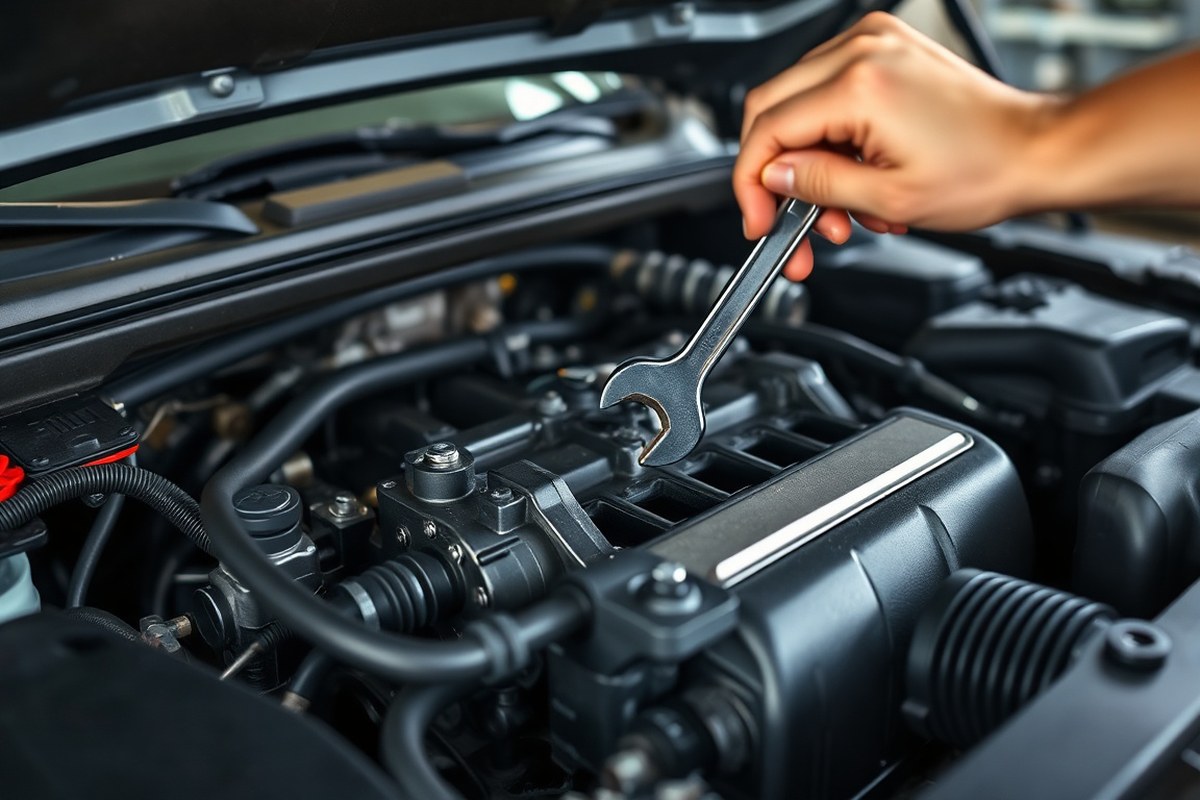
Try turning the crankshaft manually with a wrench. If it won’t move, the engine is likely locked up. Check the oil level first because low oil often causes this problem.
Look for thick, dirty oil or metal flakes on the dipstick. These show internal damage that can seize the engine. Overheating, like steam or warning lights, can also cause the engine to lock up.
Knocking noises before the lock-up or a sudden stop while running are warning signs. Acting fast helps protect your engine and avoid bigger repairs. Inspect these signs carefully before deciding on the next steps.
Key Takeaways
- Attempt to manually turn the crankshaft to detect engine lock-up early.
- Low or dirty engine oil is a common cause of engine seizure.
- Grinding or clicking noises when starting often signal a locked engine.
- Check the oil level and quality before running diagnostics.
- Overheating symptoms like smoke or steam often precede engine lock-up.
- A seized engine might still be repairable if caught early.
How to Tell If Your Engine Is Locked Up
The engine is locked up when its internal parts seize and stop moving. This happens when the crankshaft cannot spin freely. Rust, overheating, or oil problems usually cause it.
The engine won’t turn or start when it seizes. This happens even if the battery and starter work.
The engine won’t start and doesn’t turn over at all. You might hear strange noises like knocking or grinding. Those noises come from engine parts trying but failing to move.
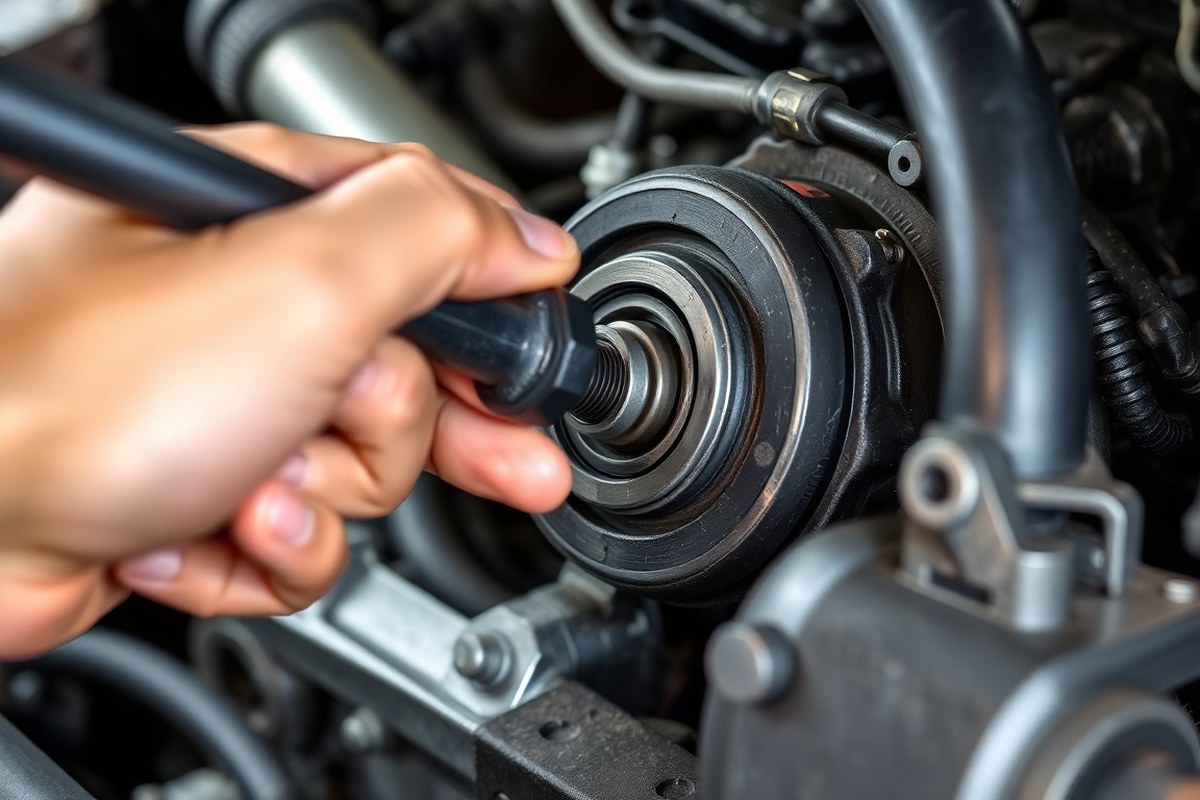
Try turning the crankshaft pulley bolt with a breaker bar. Use the right socket for a good grip. This tests if the engine still moves.
Strong resistance or no movement shows the engine is seized. This manual test helps confirm the lock without relying on the starter motor or battery.
- Engine won’t start despite a fully charged battery
- No crankshaft movement when turning the key
- Loud clunking or knocking sounds when trying to start
- Grinding noises from the starter motor area
- Manual resistance when using a breaker bar on the crankshaft
- Ignition lights on but no engine turnover
When the engine locks, the starter cannot turn the engine over. You’ll hear the starter motor spin, but the engine stays still. Sudden stalling with harsh knocking can mean an internal seizure.
Listening carefully and performing a manual crank test are the best ways to know for sure. Keep in mind that some stuck engines might turn slowly or have a few free rotations. So repeat the test gently.
Avoid forcing the engine if you think it has seized. Consult a mechanic to prevent further damage.
What Causes an Engine to Lock Up?
Primary Mechanical Causes of Engine Lock-Up
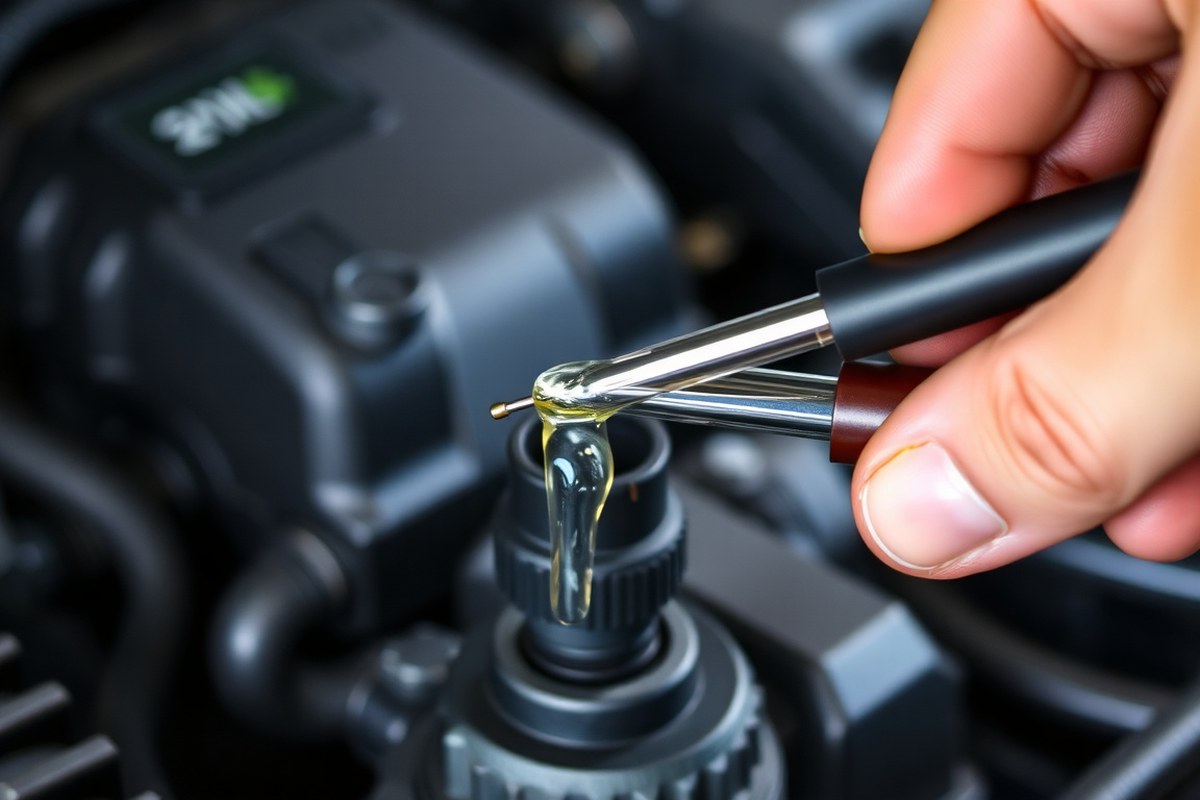
Most engine lock-ups occur because parts inside don’t get enough oil. Oil keeps engine parts slippery and cool. When lubrication fails, metal parts rub hard and can fuse together.
Broken timing belts or chains can also cause engines to lock. These failures stop pistons and valves from moving properly. That creates a hard stop inside the engine, which can cause severe damage.
How Lack of Lubrication Leads to Seizure
Engines need oil to reduce friction between moving parts. Without enough oil, heat and wear increase quickly inside the engine. This causes metal parts to warp, stick, or weld together, locking the engine solid.
Oil starvation happens for several reasons like leaks, pump failure, or ignoring the oil warning light. Even short periods without lubrication can cause permanent engine damage and lock-up.
Effects of Overheating on Engine Lock-Up
Extreme heat makes engine parts expand and distort. Over time, this warping can cause pistons to seize in the cylinders. Overheating often results from coolant leaks, blocked radiators, or failed water pumps.
A blown head gasket may let coolant enter the cylinders. This leads to hydrostatic lock or severe overheating, both can cause the engine to lock up.
Hydrolock: Water Inside the Engine
Hydrolock happens when water or coolant fills an engine cylinder. Since water can’t compress like air, pistons halt instantly during combustion. This sudden stop can bend rods or crack parts, causing a locked engine.
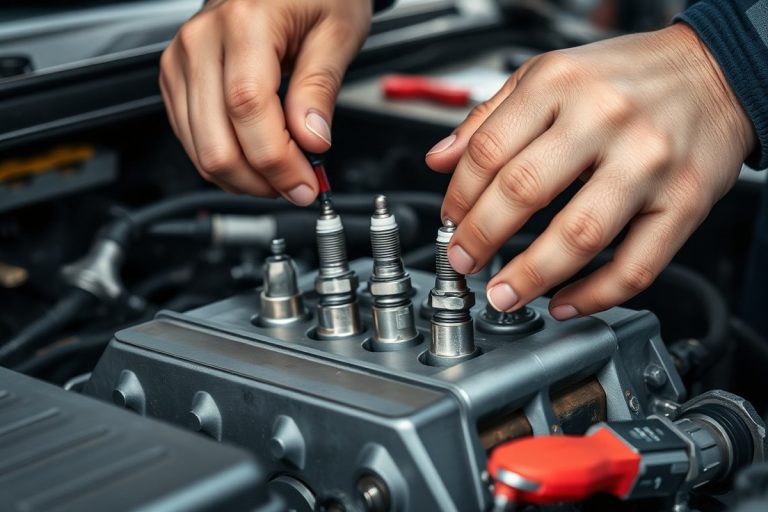
Fixing hydrolock involves removing spark plugs to push water out. Repair can be cheap for minor damage but gets costly if parts break. Hydrolock usually occurs after driving through deep water or a major coolant leak.
Other Causes: Rust, Vapor Lock, and Foreign Objects
Rust inside engine parts can cause them to stick, especially after long storage. Penetrating oil and manual rotation sometimes free the engine without damage. Fuel vapor lock blocks fuel flow but often clears once the engine cools down.
Foreign objects entering the combustion chamber can jam moving parts. This type of damage often requires major engine repair or replacement.
Always respond quickly to oil pressure warnings to prevent engine lock-up from lubrication failure.
Step-by-Step Manual Crankshaft Test to Confirm Engine Lock
The easiest way to check is by turning the crankshaft manually. Use your hands or a tool to try rotating it. This tells you if the engine is locked up.
Use a breaker bar with a socket on the harmonic balancer bolt. Try to turn it slowly and smoothly. This checks crankshaft movement.
The crankshaft not moving after enough force means the engine is likely seized. This points to internal locking.
Required Tools for Manual Rotation Test
Use a breaker bar at least 24 inches long. It gives good use to turn the crankshaft. This makes the job easier.
Use a deep-well impact socket that fits the harmonic balancer bolt size. This prevents slipping and fits securely.
Additional tools you might want include a socket set to remove any covers blocking access. A flashlight helps you see the area clearly when working under the hood.
Safety Measures Before Testing Engine Movement
Always disconnect the battery before starting to prevent accidental electrical shorts. Take the keys out of the ignition first.
Put the car in park or neutral. Set the parking brake before starting.
Wear gloves and safety glasses to protect yourself from sharp edges or debris. Make sure the area is well lit and stable. You don’t want the car to roll during your test.
How to Perform the Crankshaft Turn Test
Start by securing the breaker bar and socket on the balancer bolt. Then try turning the crankshaft carefully. Watch how it moves.
- Pop open the hood and locate the harmonic balancer pulley upfront of the engine.
- Select the correctly sized deep-well socket and attach it to your breaker bar.
- Fit the socket firmly on the crankshaft bolt on the harmonic balancer.
- Apply slow, steady pressure clockwise to try rotating the crankshaft.
- Watch if the crankshaft turns smoothly or feels stiff. See if it rotates only a very small amount or less.
- Stop immediately if you feel excessive resistance or hear grinding sounds.
- The crankshaft refusing to rotate after trying means the engine is probably locked up. This confirms a serious problem.
Manual rotation attempts usually take 10 to 20 minutes, depending on access and rust. A healthy engine will turn smoothly with firm but not extreme force.
Do not force the crankshaft with a breaker bar if it won’t turn. Forcing risks damaging the engine further.
Trying longer or stronger bursts could cause further damage. At this point, considering professional help or an engine rebuild is the safest next step.
Common Signs and Noises of a Locked Engine
A locked engine often makes loud, unusual noises and may not start at all. Dashboard indicators can also warn you about problems before the engine fully seizes. These signs depend on how severe the issue is and what caused the lock-up.
Typical Noises from a Locked Engine
You might hear loud metallic clanging or banging from the engine bay. These sounds usually mean internal parts like pistons or rods have seized. Sometimes, there’s a harsh knocking that gets worse if you try to start the engine.
At times, the engine tries to fire or turn over but quickly dies out. This stutter or barely audible firing means the engine is struggling to move its parts. In serious cases, the engine won’t crank at all, just making a clicking noise.
Dashboard Warning Lights to Watch
The dashboard often shows warning lights if your engine is about to lock. The check engine light is an early sign to take seriously. Sometimes the oil pressure light might come on, showing lubrication problems that lead to seizing.
When you turn the key, notice if the battery light stays on or flickers. When the engine won’t start but the lights stay steady, the engine may be locked though the electrical system works fine. These clues help you decide whether to keep trying or call a mechanic.
Common Symptoms Vary by Cause and Severity
Symptoms depend on what caused the engine to seize. For example, a hydro locked engine will suddenly stop running. Running the engine at high speed before it locks usually causes more severe internal damage.
Some engines stall gradually, losing power before locking completely. Others fail to start after a loud knocking or clanking noise. Knowing your engine’s behavior can help you catch a problem early.
When the Engine Stalls or Fails to Start
A locked engine often stalls during use or will not start at all. You may hear the starter trying hard but see no engine turning. The engine may feel heavy or resist spinning when you try to crank it.
Sometimes the engine stalls suddenly while driving with little warning. This sudden stop is dangerous and usually means severe internal damage. Your vehicle likely has a locked engine if it won’t restart after stalling.
Signs Checklist for Detecting a Locked Engine
- Loud metallic clanging or banging noises under the hood
- Harsh knocking sounds that worsen when starting
- Engine tries to start but quickly dies
- Dashboard check engine or oil pressure lights on
- Engine stalls suddenly while running
- Engine won’t crank or turns over with a clicking noise
- Starter sounds normal but engine resists turning
Paying attention to these sounds and dashboard signals helps you catch engine lock-up early. Acting on these signs can save repair costs and prevent more damage to your vehicle.
How to Differentiate Between Locked Engine Causes
Different causes of engine lock-up show specific symptoms, damage levels, and repair chances. Identifying the cause helps decide if the engine repair is possible or expensive.
Rust from storage locks the engine softly. Oil starvation often leads to serious damage.
| Cause | Symptoms | Damage Level | Repair Likelihood |
|---|---|---|---|
| Rust (corrosion from storage) | Engine hard to turn, may free after penetrating oil | Mild to moderate, surface corrosion in cylinders | Often possible with careful cleaning and inspection |
| Hydrolock (water in cylinders) | Engine won’t turn over, possible sudden stop during start | Moderate, risk of bent rods but fixable if quick | Repairable if addressed before rust or severe damage |
| Oil starvation | Severe engine noise, metal shavings, engine overheats | Severe, scored walls, bearing damage, cracked block | Usually costly; sometimes requires engine rebuild or replacement |
| Timing belt failure | Engine stops suddenly, won’t turn, no oil issues | Variable, may cause valve and piston damage | Repairable but depends on damage severity |
| Vapor lock or fuel system issue | Engine hesitates or stalls, no hard seizure | Minimal, mostly fuel-related | Easily fixed by cooling or cleaning the fuel system |
Hydrolock repairs are often quicker and cheaper if you act fast. Removing spark plugs helps release pressure and eases freeing the engine. Rust needs penetrating oil and gentle effort to avoid worsening cracks.
Oil starvation sends the engine into a severe state. Expect major internal damage and higher repair costs. Sometimes, a full engine rebuild or replacement is the only option.
Don’t ignore sudden oil leaks, they often precede serious engine damage and lock-up.
You can test with penetrating oil to check engine rust. Then, try rotating the crankshaft by hand to see if it turns. This helps find out if the engine is stuck or worse.
Fast action prevents rust spreading after hydrolock. Always inspect after freeing the engine to catch hidden damage early.
What to Do Immediately If You Suspect Engine Lock-Up
Suspecting an engine lock-up means acting fast to avoid more damage. First, don’t try to start the car again, especially if you think it’s hydrolocked.
Starting fluid can make things worse and cause blown head gaskets or bent rods. Instead, focus on checking oil and fluid levels safely before deciding your next move.
Assessing fluids requires care. Make sure the engine is cool to the touch to avoid burns. Check the oil dipstick and radiator or coolant reservoir as needed.
Low oil or dirty oil is a common reason engines seize. So confirming these levels helps narrow down the cause.
Once you check the fluids, the next step depends on what you find. Check oil and fluids first. Then gently rotate the crankshaft by hand.
But only if you know how. Otherwise, call a professional mechanic.
This is important after a loud noise. Also, call if the oil pressure light was on before the engine stopped.
- Park the car safely and turn off the ignition. Move it out of traffic and set the parking brake.
- Do not attempt to restart the engine. This avoids worsening mechanical damage, particularly if hydrolock is suspected.
- Wait until the engine cools before opening the hood. Hot parts can cause burns if handled too soon.
- Use the dipstick to check the oil level and quality. Low or dirty oil often leads to seizing; refill or change if necessary.
- Check coolant and other fluid levels. Look for leaks or contamination affecting engine function.
- Check that fluids look normal. Next, gently turn the crankshaft with a breaker bar. Apply slow, steady pressure to see if it moves.
- Call a professional mechanic if the crankshaft won’t turn or you hear unusual noises. They can assess damage and suggest repair options.
- Arrange a tow to a repair shop if the engine is locked. Driving a seized engine causes more harm and higher repair costs.
Costs and Repair Options for a Locked Engine
Fixing a locked engine depends on how bad the damage is. Minor issues like stuck parts or rust might only cost a few hundred dollars. But once internal damage happens, like seized pistons or cylinder corrosion, repair costs rise quickly.
You can consider minor repairs if the engine locked up from fuel vapor or light rust. Replacing a few parts can cost between $500 and $1,000.
For deeper mechanical problems, an engine rebuild might be necessary. That typically costs $2,500 to $4,000, as it involves disassembling, cleaning, and replacing key components.
| Repair Type | Typical Cost Range |
|---|---|
| Minor repair (part replacement) | $500, $1,000 |
| Major repair (engine rebuild) | $2,500, $4,000 |
| Engine replacement | $4,000, $10,000 |
Often, repair costs reach or surpass the price of a used engine. Mechanics usually recommend replacing the engine instead of costly repairs without guarantees.
A full engine swap can be expensive, ranging from $4,000 to $10,000. But it’s often more reliable in the long run than patching a badly damaged engine.
Engine rebuilds work mainly if corrosion caused the lock-up. This process involves cleaning and replacing worn parts inside the engine.
Not every locked engine qualifies for a rebuild. Your vehicle’s overall value plays a big role in the repair versus replace decision.
You might try soaking the engine in penetrating oil. This can loosen stuck parts. Sometimes, carefully freeing rusted components helps temporarily.
These won’t work on serious damage but could save a few hundred dollars on minor locks. Always start with a thorough diagnosis to avoid spending money on the wrong fix.
Your engine won’t turn after some tries. Plan for a pro inspection or to replace it.
Common Mistakes When Diagnosing or Fixing a Locked Engine
Trying to turn a locked engine with too much force can cause further damage. Many people use a breaker bar without checking the crankshaft’s condition first. This may snap bolts or bend internal parts, making repairs more expensive.
Using the wrong tools adds risk. For example, a cheap or worn socket can round off bolts.
Electric impact guns set on high power might crack engine components or strip bolt heads. Use hand tools with proper size and grip instead.
- Testing engine movement without removing the spark plugs first
- Ignoring signs of overheating or burning smells during diagnostics
- Trying to crank the engine continuously for more than 10 seconds
- Assuming oil level means the engine has enough lubrication inside
- Skipping a proper leak-down or compression test that can reveal locked valves
- Not checking for seized accessories like the alternator or water pump pulley
For better diagnosis, start by removing the spark plugs. This helps reduce compression, making it easier and safer to turn the crankshaft.
Next, hand-turn the crankshaft slowly. If it doesn’t turn by hand, stop and check parts like the oil pump or timing chain.
Keep your diagnostics short and gentle. A starter motor or drill should not be forced to spin a locked crankshaft.
Overheating during testing can worsen damage fast. Watch for unusual resistance or noises during the manual crankshaft test to avoid costly repairs.
Never use high-power electric tools to free a locked engine. It can break parts and increase repair costs.
How to Prevent Your Engine from Locking Up in the Future
Keeping your engine from locking up starts with regular oil maintenance. Change the oil every 3,000 to 7,500 miles. It depends on your vehicle and oil type.
This keeps metal parts lubricated. Without enough oil or clean oil, friction rises, wearing parts and risking seizure.
Driving habits also affect engine health. Avoid letting your engine idle for long. Don’t push your car hard without warming it up.
Don’t drive through deep water. Water can damage engine parts and cause serious trouble. Your engine showing strange noises or warning lights means get it checked right away.
- Change engine oil and filter on schedule, usually every 5,000 miles
- Check oil levels once a month and top off if low
- Drive your car at least 15 minutes weekly to keep parts lubricated
- Avoid hard acceleration before the engine warms up fully
- Keep engine coolant topped up and check for leaks
- Store vehicles indoors or use engine fogging oil before long storage
- Have a professional perform engine diagnostics if warning lights or noises appear
For vehicles left unused, run the engine every two weeks. Turning it over keeps oil circulating and stops rust from forming inside cylinders. Before storing your car for winter or months, fill the gas tank.
Use a fuel stabilizer too. Consider fogging oil that protects internal parts from moisture.
Catch problems early by watching oil pressure gauges and engine temperature. Warning lights or a burning oil smell on your dash mean schedule diagnostics soon. Mechanics can find small issues before they lead to engine lock-up.
Regular maintenance and sensible driving help keep your engine running smoothly. Proper storage helps too.
Immediate Steps to Take When You Suspect Engine Lock-Up
Start with these clear, timed steps to confirm and handle a locked engine safely. Follow each step and check for results before moving on.
- Before you start: Turn off the ignition to avoid damage. Check the oil level and condition for signs of neglect.
- Within the first 5 minutes: Try manual cranking with a wrench on the crankshaft bolt. The engine may be locked when it refuses to turn over.
- During the first hour: Remove the spark plugs. Try to turn the engine again by hand. When it turns now, the problem might involve ignition or compression.
- After initial checks: Inspect the engine oil for metal shavings or a burnt smell. These signs point to internal damage needing expert help.
- Within 1-2 days: If the engine is still locked, call a trusted mechanic. Avoid attempting to force the engine free to prevent more damage.
- Within the first week: Discuss repair or replacement options with your mechanic. Ask for estimates and warranty details before deciding.
- After repairs: Follow maintenance advice from the mechanic strictly. Regular oil changes and monitoring oil quality will help prevent future lock-ups.
Frequently Asked Questions
How Do You Know If Your Engine Is Locked Up?
Your engine is locked if the crankshaft won’t turn when you try to start the car. You may also hear unusual noises and feel resistance when manually turning the crankshaft.
Can a Locked Engine Be Repaired?
A locked engine is sometimes repairable depending on the cause and damage severity. Minor rust or lubrication problems might be fixed easily. Major damage usually needs a rebuild or replacement.
What Should I Check First If I Think My Engine Is Locked?
Start by checking the oil and other fluid levels to rule out lubrication issues. Low oil can quickly cause engine parts to seize and stop turning.
Is Engine Lock-Up Always Due to Overheating?
Overheating is a common cause but not the only one. Rust buildup or lack of lubrication can make engine parts seize inside. This stops the engine from working properly.
How Expensive Is It to Fix a Locked Engine?
Fixing a locked engine can be very costly and varies by damage extent and labor. Repairs may cost a few hundred dollars for small fixes. Rebuilding or replacing an engine can run into thousands.
Wrapping Up
Recognizing engine lock-up early can save you from bigger costs and risks. Test the crankshaft by hand right away if you suspect it. Contact a professional if your engine won’t turn freely after basic checks.