
Will a Magnet Stick to Aluminum? 9 Practical Ways That Actually Work
Will a magnet stick to aluminum? The short answer is no.
Aluminum is not ferromagnetic, so magnets usually won’t cling to it. You won’t see a magnet holding up notes on an aluminum door.
Aluminum doesn’t contain iron, nickel, or cobalt, the metals that magnets attract. Its electrons are paired up tightly.
So it does not create its own magnetic field. That’s why fridge magnets or regular magnets won’t stick to aluminum surfaces.
Still, you can make a magnet stick to aluminum by adding a magnetic part. For example, use a small ferromagnetic clip or plate attached to the aluminum. Another way is using strong glue or adhesive tape to hold the magnet in place.
Before applying adhesives, clean the aluminum surface well. Dirt and oils can stop glue from holding strongly. This extra step helps magnets stick better on aluminum, even though the metal itself isn’t magnetic.
Key Takeaways
- A magnet will not naturally stick to aluminum due to its non-ferromagnetic nature.
- Aluminum’s electron setup prevents it from creating a strong magnetic pull.
- Magnets stick to iron, nickel, and cobalt, not aluminum.
- Use ferromagnetic clips or adhesives to attach magnets to aluminum surfaces.
- Clean aluminum surfaces before applying adhesive or clips for better hold.
- Neodymium magnets are best if you want some magnetic interaction with aluminum.
1. Do Magnets Stick to Aluminum Naturally?
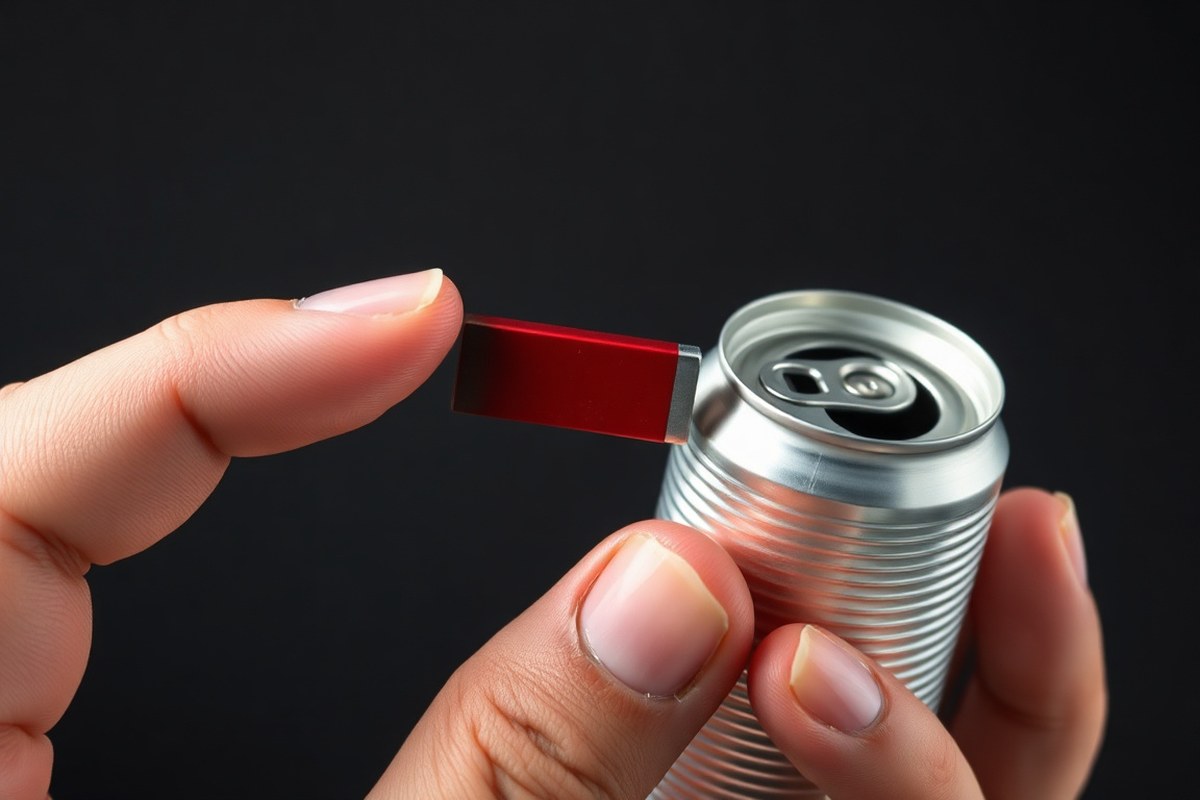
Magnets will not stick to aluminum naturally because aluminum is paramagnetic. This means it only shows a very weak attraction to magnetic fields. Its electrons don’t align like they do in strongly magnetic metals.
Aluminum’s atomic structure makes all its electron spins cancel out. Aluminum does not have the same magnetic pull as iron or steel. It lacks the ferromagnetic property needed for strong magnetism.
That’s why magnets won’t stick well to aluminum. That’s why you don’t see magnets grabbing hold of aluminum objects.
Ferromagnetic metals like iron, nickel, and cobalt have atoms whose electrons spin in the same direction. This alignment creates a strong magnetic effect, so magnets easily stick to them. Aluminum’s electron spins are randomly arranged, unlike magnetic metals.
This causes only a very small, short-lived magnetic effect. So, aluminum does not hold a strong magnet.
Since aluminum doesn’t contain iron or other ferromagnetic metals, it can’t create a strong magnetic field. Its magnetic effect is too weak to overcome gravity or friction on any magnet. This difference explains why your fridge magnet won’t hold onto an aluminum surface.
Knowing this helps you choose the right method or material. Use it to decide if magnets will hold on aluminum parts. This can save you time and effort.
For example, knowing aluminum’s paramagnetism tells you that simply placing a magnet against it won’t work. You’d need some kind of mechanical or adhesive help instead.
2. How Aluminum’s Magnetic Properties Differ from Steel and Iron
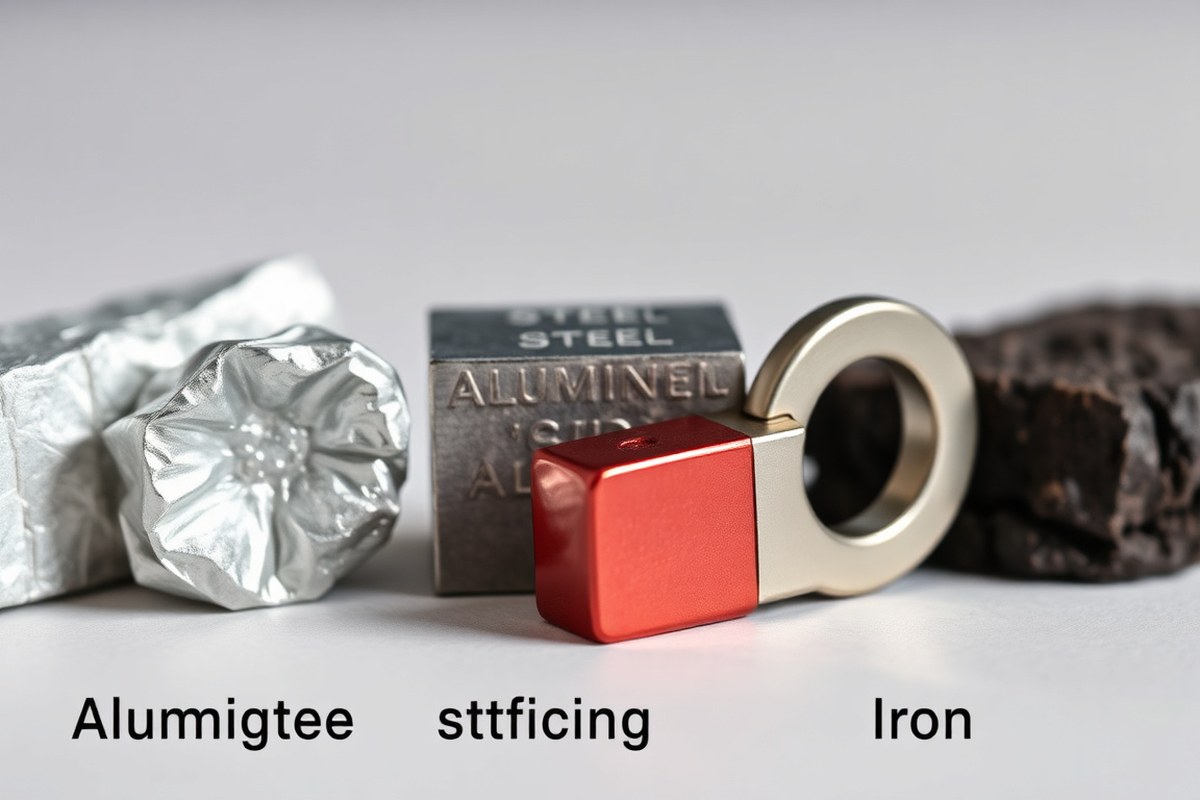
Metals can be divided into two groups by how they react to magnets: ferromagnetic and paramagnetic. Ferromagnetic metals, like iron and steel, have strong magnetic properties. They snap to magnets because their atoms line up in large clusters called domains.
Paramagnetic metals, such as aluminum, behave differently. Their atoms only respond weakly and individually to magnetic fields. This weak response doesn’t create visible attraction like the strong grab you see with ferromagnetic metals.
| Feature | Ferromagnetic (e.g., Iron, Steel) | Paramagnetic (e.g., Aluminum) |
|---|---|---|
| Attraction Strength | Strong and obvious | Extremely weak (nearly invisible) |
| Permanent Magnetism | Can become a permanent magnet | Cannot become a permanent magnet |
| Reaction to Magnet | Snaps instantly to the magnet | No visible movement in daily life |
| Atomic Alignment | Aligns in large “domains” | Aligns individually and weakly |
This table helps explain why magnets stick to steel but not aluminum. Steel’s atoms align strongly and consistently. Aluminum’s atoms stay disorganized and only respond a tiny bit to magnets.
In practical terms, you won’t see a magnet snap to an aluminum surface. There is no magnetic “pull” because aluminum’s atoms don’t form magnetic domains. The metal remains mostly unaffected by the magnet’s field.
You notice magnets stick to iron and steel. They have iron atoms that act like a “disciplined army.”
These atoms march in step, causing attraction. Aluminum’s atoms are like a “chaotic dance floor,” with no shared direction.
To test if a surface is magnetic, try moving a strong magnet across it. Something that doesn’t stick or snap probably is aluminum or another non-ferromagnetic metal.
3. How Magnetic Fields Interact with Aluminum and What Causes Eddy Currents
Aluminum itself doesn’t stick to magnets because it’s not magnetic in the usual way. However, when a magnet moves near aluminum, it creates swirling electrical currents in the metal.
These currents, called eddy currents, push against the magnet’s motion. They create a magnetic braking effect that slows the magnet down.
How Magnetic Fields Affect Aluminum
Aluminum doesn’t have magnetic properties like iron or steel. When a static magnet is held against it, no force causes the magnet to stick. The magnetic field passes through aluminum without triggering attraction or repulsion.
But aluminum is a good electrical conductor. So changing magnetic fields make it behave differently.
When a magnet moves near aluminum, the magnetic field shifts. This movement causes electrical currents inside the metal.
What Are Eddy Currents?
Eddy currents are loops of electrical current created inside a conductor by a changing magnetic field. Moving a magnet near aluminum changes the magnetic field in the metal. This change causes electrical currents called eddy currents.
These swirling currents generate their own magnetic field that opposes the magnet’s movement. This effect pushes back on the magnet and slows it down. It’s like a magnetic drag or braking force.
Why Magnets Don’t Stick Despite Conductivity
Aluminum can conduct electricity and reacts to moving magnets. But its atomic structure won’t let it attract magnetic fields. The eddy currents create forces only when the magnet moves, not when it’s still.
No matter how strong the magnet is, it won’t stick to aluminum. Aluminum surfaces don’t attract magnets on their own. The metal’s resistance comes from electrical effects, not magnetic attraction.
Magnetic Braking in Real Life
Try dropping a magnet through an aluminum tube. The magnet falls slower than usual because eddy currents create a magnetic brake. This practical example shows how a moving magnetic field induces resistance in aluminum.
This magnetic braking happens at different strengths based on the magnet’s speed. Fast motion creates strong eddy currents, causing noticeable resistance. Slow motion results in subtle drag.
When Eddy Currents Matter in DIY Projects
When you work with aluminum and magnets, know that holding magnets still won’t make them stick. Eddy currents can slow a magnet near aluminum down. But they won’t make the magnet stick to the metal.
For attaching magnets to aluminum, you need other methods like using metal backings or adhesives. Knowing how these magnetic effects work keeps your project practical and helps avoid confusion.
4. Choosing the Right Magnet Type for Interaction with Aluminum Surfaces
Neodymium magnets create the strongest effect near aluminum because they produce intense magnetic fields. These magnets don’t stick to aluminum, but their powerful fields induce eddy currents. Those currents push back against the magnet’s motion, causing a drag effect in aluminum surfaces.
To get this effect, the magnet must be very strong. Small neodymium magnets, like 30×5 mm ones, can hold 15 pounds. They are often used in strong tools and home decor.
These magnets pack a powerful magnetic pull for their size. Ceramic or ferrite magnets rarely work well because they offer much weaker magnetic strength.
Keep in mind, neodymium magnets are not safe near electronics and medical devices. Magnetic fields can cause damage or interfere with their function. Keep these magnets at least 6 inches away from credit cards.
They can also harm pacemakers and sensitive electronics nearby. It’s safer to store them well apart from those devices.
- Use neodymium rare earth magnets for strongest magnetic fields near aluminum
- Choose sizes like 30×5 mm to hold objects up to about 15 pounds
- Avoid ceramic magnets for anything heavier than light items
- Keep magnets at least 6 inches from electronics to prevent damage
- Use magnets with a few feet of aluminum pipe for clear eddy current effects
- Attach magnets with strong epoxy or double-sided tape when fixing to aluminum
- Test magnet strength carefully before applying to valuable or sensitive surfaces
Neodymium magnets don’t physically stick to aluminum because it is not ferromagnetic. Instead, these magnets interact indirectly through induced currents when moved near aluminum. That’s why they are the most effective choice for projects needing magnetic influence without direct adhesion.
5. Methods to Make a Magnet Stick to Aluminum Surfaces
Magnets won’t stick directly to aluminum. To attach a magnet, you need an intermediary like steel plates, strong adhesives, or specialized tapes.
Using steel backing or glue makes the magnet grip firm. Magnetic tapes provide a cleaner, removable option.
Using Steel Backing Plates for Strong Adhesion
Steel plates provide a magnetic surface on aluminum. A thin steel sheet, about 1/32 inch thick, works well for this. Attach it to your aluminum surface, then the magnet will stick to the steel.
This method is great for workshop walls or tool holders. The steel backing lets you move magnets freely without glue.
You can cut steel sheets to size with metal shears. You can also buy pre-cut plates at hardware stores.
- Clean the aluminum surface where you’ll attach the steel plate.
- Cut the steel plate to the right size for your magnet.
- Use strong double-sided aluminum foil tape or epoxy to stick the plate down.
- Press the plate firmly and let adhesive cure if required (usually 24 hours for epoxy).
- Place your magnet on the steel plate, it should hold firmly.
- Test the strength by moving the magnet gently and adjusting if needed.
Use a rust-resistant steel sheet to avoid corrosion over time, especially outdoors.
Applying Two-Part Epoxy or Super Glue for Fixed Mounts
Strong adhesives like two-part epoxy or super glue can fix magnets directly to aluminum. This creates a permanent bond. It’s useful for crafts, signs, or permanent fixtures.
Epoxy takes longer to cure but offers a very strong hold. Super glue sets quickly but can be brittle if stressed. Make sure both surfaces are clean and dry before gluing.
- Clean and roughen the aluminum surface lightly with fine sandpaper.
- Mix the two-part epoxy according to the manufacturer’s instructions.
- Apply a thin layer of epoxy or super glue to the magnet or aluminum.
- Press the magnet firmly onto the aluminum surface.
- Hold the magnet in place or clamp it for several minutes for initial bonding.
- Let the epoxy cure fully, usually 24 hours, before stressing the bond.
Don’t use too much glue or it will squeeze out and weaken the bond.
Choosing and Using Double-Sided Magnetic Tapes
Double-sided magnetic tape includes a ferromagnetic material layer. This lets magnets temporarily stick to aluminum without permanent glue. The tape sticks to the aluminum surface on one side.
Mounting clips use this tape and can hold magnets firmly yet remain removable. This option costs around $5 to $15 for a roll or sets of clips. It’s perfect for light to medium loads.
- Clean the aluminum surface thoroughly with alcohol or a mild detergent.
- Cut the magnetic tape or mounting clip to the desired length or size.
- Peel off the backing and apply the tape evenly to the aluminum surface.
- Press firmly along the tape to secure good contact.
- Attach your magnet onto the exposed magnetic side.
- Remove or reposition as needed without damage to aluminum or magnet.
Magnetic tapes work best on smooth, flat aluminum surfaces to ensure full contact.
6. Surface Preparation Checklist for Maximum Magnet Adhesion on Aluminum
Preparing aluminum well helps adhesives or magnets hold better on its surface. Dirt, oil, or oxidation can block bonds and make the magnet slip off easily. Roughening the smooth metal slightly also gives glue and tapes more to grip.
Start with cleaning to remove all grease and dust. Use warm water mixed with a mild detergent, scrubbing gently with a soft cloth or sponge. Rinse thoroughly, then wipe dry with a clean microfiber cloth.
Avoid using harsh cleaners. They can damage the metal surface. These cleaners may leave residues that weaken adhesive strength.
- Wash with warm soapy water; rinse and dry fully.
- Lightly sand with 220- to 320-grit sandpaper for better grip.
- Wipe off sanding dust using a tack cloth or damp rag.
- Remove any remaining oil using isopropyl alcohol on a lint-free cloth.
- Let the aluminum dry completely before applying glue or tape.
- Test with a magnet and a small weight to check hold strength.
Using too rough sandpaper or applying too much pressure can scratch or dent aluminum. These marks might weaken the metal or cause paint to peel. A gentle sanding just enough to create a matte finish usually works best.
Always clean off all sanding dust before sticking magnets or adhesives. Dust trapped underneath ruins the bond quickly.
Skipping drying leaves moisture under glue or tape. This causes poor adhesion. This leads to bubbling or the adhesive losing grip after a short while.
Wait 10 to 15 minutes after cleaning for the surface to air dry. Test with a magnet holding a slightly heavier weight. This checks for weak spots.
It helps before you mount your item. Fix prep problems if your magnet slips or falls during the test.
7. Safety Precautions and Common Mistakes When Attaching Magnets to Aluminum
Strong magnets can pinch fingers or chip if snapped together suddenly. Keep magnets away from metallic tools to avoid unintended crashes. Use gloves when handling neodymium magnets to protect your skin from bruising or cuts.
Magnets close to electronics might cause data loss or damage. This risk increases for devices with magnetic storage like hard drives or cards with magnetic strips. Keep your magnet several inches away from smartphones.
Also avoid computers and credit cards. This helps stop permanent damage.
Adhesives take time to cure fully, impacting magnet hold on aluminum. Epoxies often need 24 hours at room temperature for best bonding. Rushing the process can weaken the seal, making the magnet fall off sooner.
- Don’t place magnets too close to electronic devices or magnetic storage
- Avoid direct skin contact with strong magnets to prevent injuries
- Allow adhesives 18 to 24 hours to cure before stressing the bond
- Clean the aluminum surface thoroughly to remove oils and dirt
- Use appropriate adhesive types for both metal and magnet surfaces
- Don’t try to bend or force magnets onto curved aluminum surfaces
- Store magnets separately to prevent accidental snapping and damage
Trying to stick magnets on dirty aluminum often leads to weak grips. A rough or oily surface prevents good adhesive contact and makes magnets slip. Skip using tape alone on aluminum; it often loosens quickly under heat or moisture.
Magnets also don’t stick well if the aluminum surface is uneven or dented. Attempting to bend a magnet to fit curves can crack brittle types like rare-earth magnets. Store and handle magnets carefully to keep their shape and strength intact.
Adhesives used near magnets should not be magnetic themselves or interfere with magnetic fields. Avoid metal-filled or iron-based glue types. Epoxy resins or strong silicone adhesives work best for lasting bonds without blocking magnetism.
8. Comparing Mounting Options: Tapes, Epoxies, Clips, and Magnetic Backings
You can’t rely on magnets alone to stick to aluminum. Instead, use tapes, epoxies, clips, or magnetic backings as mounting options. Each choice varies in hold strength, permanence, surface impact, ease of removal, and cost.
The table below compares these mounting methods based on those factors. It helps you weigh what fits your project best.
Remember, none of these methods change the aluminum chemically. They work by adding something magnetic or sticky between the magnet and aluminum.
| Mounting Method | Hold Strength | Permanence | Surface Impact | Ease of Removal | Cost |
|---|---|---|---|---|---|
| Double-Sided Tape (Foam or Acrylic) | Low to Medium | Moderate | Minimal (may leave residue) | Easy (peel off, possible residue) | $5, $15 per roll |
| Epoxy Adhesives | High | Permanent | Potential surface damage if removed | Difficult (needs solvents or scraping) | $7, $20 per kit |
| Mechanical Clips or Brackets | Medium to High | Removable or permanent | May scratch or dent if tightened too much | Easy to Moderate | $3, $10 each |
| Magnetic Backings with Steel Strips | Medium to High | Removable but sturdy | No damage to aluminum | Very easy (snap on/off) | $10, $25 per set |
Double-sided tape suits light use like signs or small magnets. It sticks well but may leave a sticky patch when removed.
Epoxy bonds very strong but hard to undo and can harm the aluminum surface. Use this for permanent setups with strong magnets.
Clips or brackets work well for objects you want to take off sometimes. They clamp on without glue but might dent thin aluminum if overtightened.
Magnetic backings are ideal if you add a thin steel strip behind the aluminum. The steel lets magnets attach strongly without any mess or harm.
Always test mounting methods on a scrap piece of aluminum before the final project.
Costs can add up if you need many mounting points. Tap or epoxy kits cover many small magnets. Clips or magnetic backing sets fit fewer but larger parts.
Consider how long you’ll keep the magnet attached and the aluminum’s thickness and condition. This helps avoid damage or weak hold.
9. How to Measure and Test the Magnetic Hold Strength on Aluminum
Magnetic hold strength on aluminum is usually very weak since aluminum isn’t magnetic. To test hold strength, use nonmagnetic aluminum and strong magnets like neodymium. Testing requires proper weights and waiting for any adhesives to fully cure before pulling or pushing.
Selecting Test Weights Safely over Target Load
Choose weights that match or slightly exceed the load your magnet will hold. Use small metal weights or objects with known mass. Avoid sudden jerks or dropping heavy items directly onto the magnet.
Start with light weights, like 1 or 2 ounces, then increase gradually. This prevents damage to the magnet, aluminum surface, or attached items. Make sure test weights won’t scratch or dent the aluminum.
Step-By-Step Procedure for Hold Testing
Follow this process to safely test how strong a magnet holds on aluminum. Allow adhesives 24 to 48 hours to cure if you’re using epoxy or tape. This ensures full bond strength before testing pull force.
- Secure the aluminum piece on a flat, stable surface to avoid movement.
- Attach the magnet with your chosen adhesive or mounting method.
- Wait 24, 48 hours for adhesive curing when used.
- Hang the lightest test weight from the magnet, so it pulls downward.
- Observe if the magnet holds the weight steadily for one minute.
- Once you succeed, slowly raise the test weight in small steps.
- Stop when the magnet loses hold or the aluminum surface begins to deform.
- Record the maximum weight the magnet safely held without slipping.
Interpreting Test Results and Adjusting Placement
A stable hold under small weights means your setup works but with low strength. When the magnet slips with little weight, reposition or improve the surface contact. Smoother, cleaner aluminum surfaces improve adhesion and magnetic response.
When tests repeatedly show weak grips, think about stronger magnets or fasteners. Avoid pushing hold limits too far to protect the aluminum’s finish. For lighter loads, expect a pull force under a few ounces on pure aluminum.
Step-by-Step Action Plan for Magnet Attachment on Aluminum
Follow these steps to get magnets to stick securely on aluminum surfaces. Each step confirms your progress.
- Before you start: Clean the aluminum surface with isopropyl alcohol. The magnet should contact the metal without dust or oil.
- Day 1: Sand the aluminum lightly using fine-grit sandpaper. Check if the surface feels rougher to the touch.
- Day 1: Choose a strong adhesive like two-part epoxy or heavy-duty double-sided tape. Apply it evenly to avoid bubbles.
- Day 2: Press the magnet firmly onto the prepared surface. Hold it for the adhesive’s curing time as recommended on the label.
- Day 3: Test the bond strength by gently pulling the magnet. It should resist detachment without slipping.
- After 1 week: Inspect the bond for signs of weakening or peeling. Replace the magnet or adhesive if needed.
Frequently Asked Questions
Can Aluminum Be Magnetized?
Aluminum is paramagnetic, so it can’t be magnetized like iron. Its magnetism is very weak and only shows in strong magnetic fields.
Why Does Aluminum Show Resistance Near Magnets?
Moving magnets induce eddy currents in aluminum, causing resistance. This effect acts like a magnetic brake when aluminum moves fast near magnets.
Are There Alloys of Aluminum That React to Magnets?
Some aluminum alloys may contain small amounts of iron that can attract magnets. Pure aluminum, however, does not stick to magnets.
Can a Magnet Pick Up Aluminum Debris?
A magnet will not pick up pure aluminum debris because it is not ferromagnetic. Metallic dust mixed with iron might seem magnetic.
Does Cold Temperature Affect Aluminum’s Interaction with Magnets?
Cold does not make aluminum magnetic. Its paramagnetic trait stays the same regardless of temperature changes.
Wrapping Up
Magnets don’t stick to aluminum on their own because aluminum isn’t magnetic. You can fix this by preparing the surface and using the right glue or tape. Start today with a clean surface and a strong adhesive for the best hold.





One Comment