How Fast Can You Go in the Fast Lane? Clear Rules and Smart Driving Tips
The fast lane requires you to obey the speed limit exactly. It’s designed for overtaking slower vehicles, not speeding. Going above the limit increases risks of tickets and crashes.
State laws back this up. They require you to use the left lane only for passing.
Staying in that lane while driving at or below the speed limit can lead to fines. So, keep your speed legal and move back to the right lane once you pass.
Driving too fast in the fast lane can cause accidents, especially where traffic merges or exits. Speeding reduces the time you need to react to road hazards. Maintaining the speed limit helps avoid dangerous situations.
Watch your speed and lane choice carefully. Don’t use the fast lane to tailgate or block others. Staying mindful helps traffic flow smoothly and keeps you out of trouble.
Key Takeaways
- Always obey the posted speed limit, even in the fast lane.
- The left lane is for passing slower cars, not speeding.
- Move right after overtaking to avoid blocking traffic.
- Driving slowly in the left lane can result in traffic fines.
- Use your turn signals when changing lanes to or from the fast lane.
- Avoid driving in others’ blind spots to stay safe.
How Fast Can You Legally Drive in the Fast Lane?
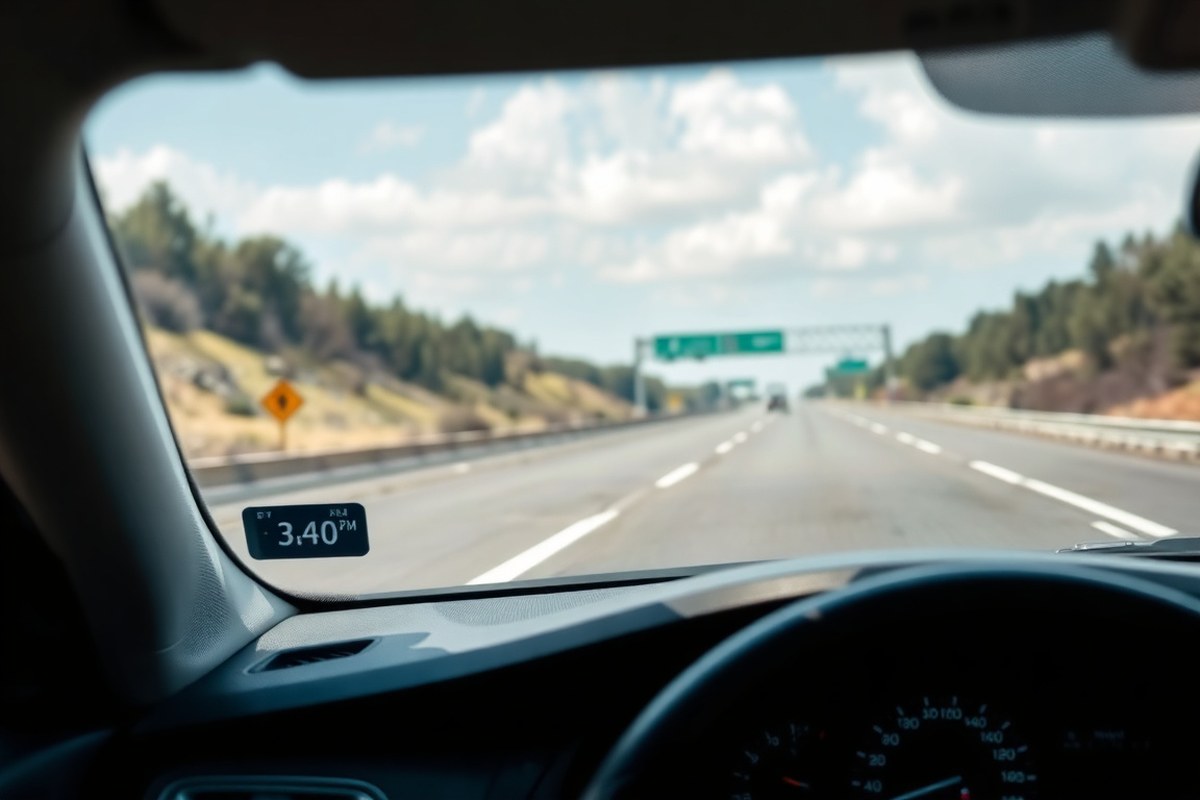
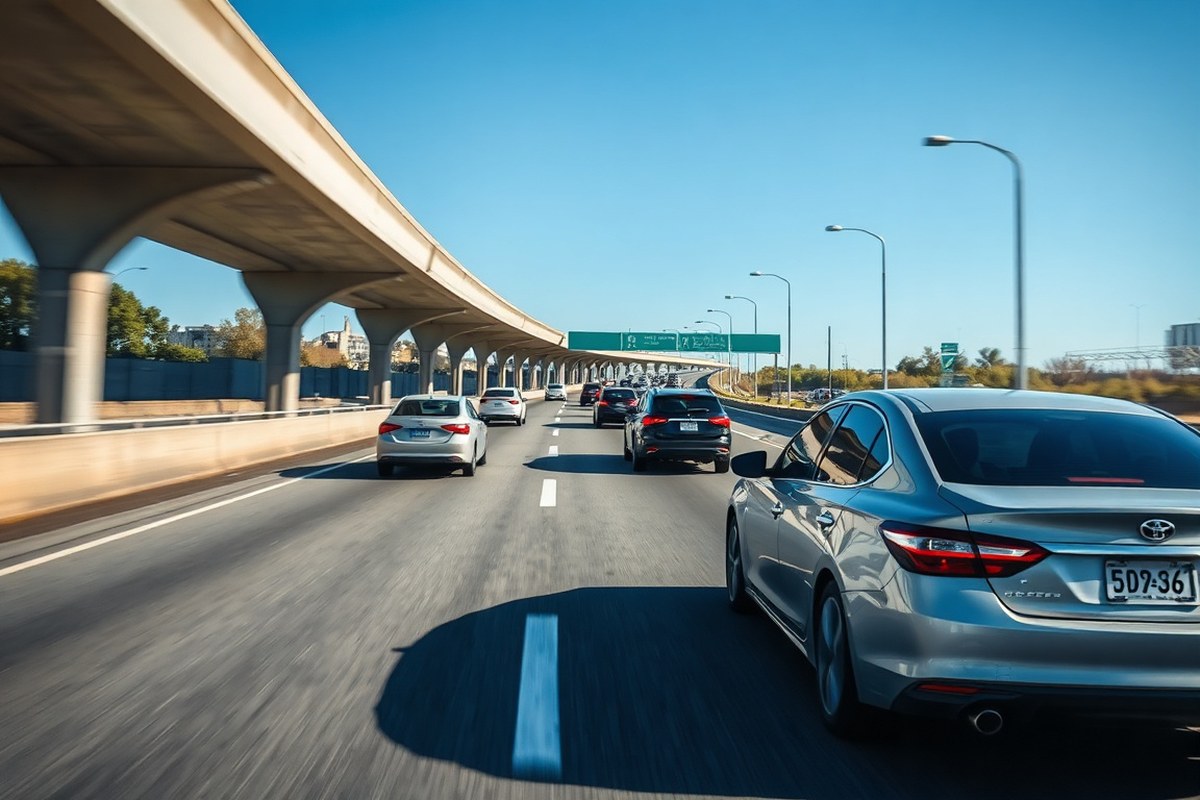
Speed limits apply to all lanes on the highway, including the fast lane. The left lane is called the fast lane. You cannot go over the legal speed limit there.
The law does not allow speeding in this lane. Driving faster than the posted limit there is still speeding and can get you a ticket.
No state has a special fast lane speed that is above the legal limit. Laws require you to follow the posted speed regardless of which lane you use. You might feel others drive faster.
Still, keep your speed at the limit. This helps avoid fines or crashes.
The fast lane is meant mainly for passing, not speeding. You can use it to pass slower vehicles on the right, then move back over. Some states ban staying in the left lane without passing.
You could break the law by doing that. Check local rules on lane use.
Driving just over the speed limit in the left lane breaks two laws. One is speeding, the other is lane misuse. Both can lead to fines or worse.
You’re speeding and possibly impeding traffic by not passing. Police sometimes pull over drivers going 10 mph faster or more in the fast lane.
Keep your speed at or below the limit in all lanes. Staying legal helps traffic flow and keeps you safe. Say the speed limit is 65 mph.
Driving exactly 65 avoids fines. It also stops other drivers from getting annoyed.
Many drivers think the left lane means “go faster.” That’s a common mistake. Speeding anywhere on a road is illegal, no matter the lane.
Understanding Left Lane Laws and Penalties Across States
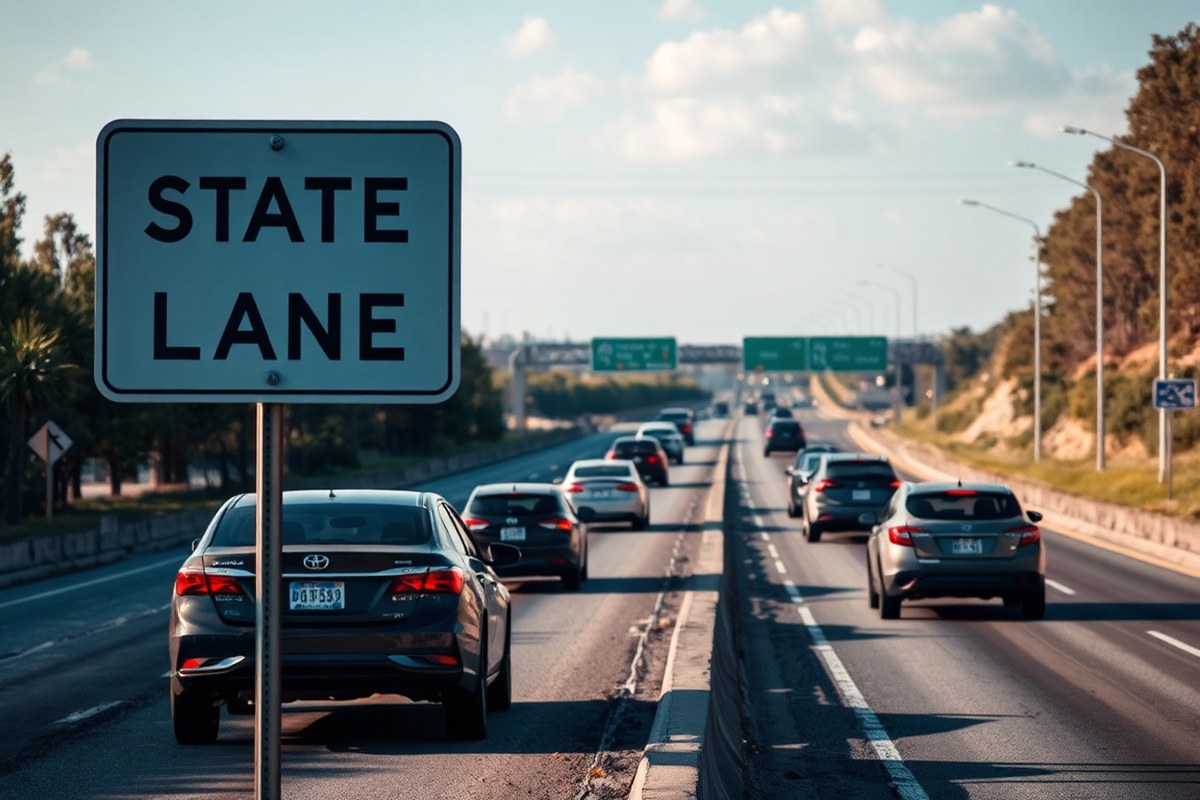
States generally require that you use the left lane only for passing slower traffic. This rule keeps traffic flowing safely and minimizes congestion.
Sometimes, these rules are called “keep right” laws. You must return to the right lanes after passing.
Penalties vary by state and include fines typically from $50 to $200. Many states assign fines for staying too long in the left lane. They also add demerit points for driving too slow there.
Points from traffic tickets add up over time. Getting 12 points in a year can suspend your license.
States differ in traffic codes on left lane use. They also vary in how strictly they enforce it.
Nevada, for example, has clear laws under NRS 484B.208 and NRS 484B.600 about left lane use and speeding. Other states may follow the Uniform Vehicle Code, but enforcement details differ.
| State | Left Lane Use Law | Typical Fine | Demerit Points |
|---|---|---|---|
| Nevada | Left lane is passing lane only | $50 – $200 | Points may be added |
| Most U.S. States | Keep right except to pass | $50 – $150 | Points possible |
| Some States | Specific timing for left lane use | Varies | Varies |
Strict left lane laws help prevent crashes caused by slower vehicles blocking traffic. Police can stop drivers who cruise below traffic speed in the left lane. They may give a ticket.
This rule prevents road rage caused by slow cars in the left lane. It helps keep traffic moving safely.
Don’t stay in the left lane longer than needed. Use it only to pass and then move right.
Knowing your state’s rules helps avoid fines and points on your license. Check your local DMV or state highway patrol for exact details. Using the left lane properly improves safety and keeps traffic moving smoothly on highways.
Why the Fast Lane Is Primarily a Passing Lane, Not a Speeding Lane
The fast lane is meant for passing slower vehicles, not speeding continuously. Drivers should use it only briefly to overtake, then return right.
Staying long in this lane at the same or slower speed blocks traffic. This often breaks the law.
The Fast Lane’s True Purpose
The leftmost lane on highways is called the fast lane. It helps drivers pass slower cars.
It is designed to clear traffic jams by letting faster vehicles overtake safely. This lane is never for cruising at high speeds indefinitely.
Using the fast lane properly means moving left only to pass. After passing, you should merge back to the right lane as soon as it’s safe. This keeps traffic flowing smoothly and reduces frustration.
How to Use the Passing Lane Correctly
Use these steps to use the fast lane without causing problems:
- Check mirrors and blind spots before switching lanes.
- Signal early before moving to the left lane.
- Pass the slower vehicle at a safe speed, following the speed limit.
- Return to the right lane promptly after passing.
- Avoid staying in the fast lane if you are not passing.
Moving quickly but carefully helps you avoid tickets and prevents blocking other drivers. The goal is to pass then get out of the way.
Consequences of Driving Too Slow in the Left Lane
Driving slow or at the speed limit in the left lane can cause trouble. It blocks faster vehicles behind you and jams traffic flow. In many states, this is illegal as you are impeding traffic.
Police often ticket drivers who “camp” in the passing lane without passing. Tickets can be costly and harm your driving record. You could face fines ranging from $100 to $500 depending on the state.
When Is It Okay to Remain in the Fast Lane?
Staying in the fast lane for a long time is okay if the road is congested. Traffic must move at the same speed.
In light traffic, you should move right after passing. This lets other drivers use the lane to pass too.
In some states like Utah, you may stay in the left lane. But you cannot block traffic.
That means moving right if cars behind are faster. Respecting this rule cuts down road rage and collisions from lane changes.
Safe Practices for Changing Lanes to and from the Fast Lane
You move into the fast lane to pass slower traffic. But you must do it safely.
Use signals, check for blind spots, and return to the right lane promptly when done. This keeps traffic flowing and lowers crashes caused by lingering in the fast lane.
Preparing to Change Lanes Safely
Before moving left, scan your mirrors to see traffic behind and beside you. Look over your shoulder to check for blind spots. Look for cars or trucks in your lane.
Be extra careful when changing lanes. Check traffic speed and distance to judge if you have enough room to enter safely.
Wait until the fast lane has a safe gap before signaling or moving. Keep three seconds of clear space behind faster cars.
This helps you react safely to sudden stops. Use this rule on highways.
Executing the Lane Change with Proper Signals
Always use your turn signal at least three seconds before changing lanes. This warns other drivers of your intent to move left for passing. Keep steady speed as you gently steer into the fast lane.
Don’t cut sharply into the lane or slow down abruptly; that surprises other drivers. Adjust your speed if needed to position yourself safely ahead of the slower vehicle.
Returning to a Slower Lane After Passing
After passing the slower vehicle, signal right to indicate your return. Make sure you see the passed vehicle clearly in your rearview mirror plus some space. Move back to the right lane smoothly without speeding up excessively.
Going back immediately helps avoid blocking faster traffic and reduces collision risk. Don’t linger in the fast lane once you finish passing.
Avoiding Common Lane Change Errors
Failing to signal makes your moves unpredictable and causes accidents. Driving in a blind spot is dangerous; always double-check before moving. Lingering in the fast lane after passing causes slowdowns and frustrates other drivers.
Avoid changing lanes too close to trucks. Don’t ignore solid lane markings. Doing these can cause fines or accidents.
Slow or hesitate while merging into the fast lane. Maintain a consistent, safe speed throughout the process.
- Check mirrors and blind spots thoroughly.
- Ensure a safe gap in the fast lane.
- Signal left at least three seconds ahead.
- Change lanes gently without slowing abruptly.
- Pass the slower vehicle on the left.
- Signal right to return to the right lane.
- Check mirrors indicating clear distance after passing.
- Move smoothly back into the right lane promptly.
How Traffic Density and Congestion Affect Fast Lane Use
Using the fast lane during heavy traffic calls for extra care. The left lane is mainly for passing slower traffic. When traffic slows, merge into a middle or right lane to keep flow steady.
Maintain steady speeds in congestion. Sudden braking or speeding up disturbs traffic and can cause jams or crashes. Driving smoothly helps everyone move safer and avoid frustration.
Keep clear of blocking the left lane. Stay out of the fast lane unless you are passing another vehicle.
Lingering in the fast lane creates backups and road rage. It often forces faster drivers to weave through traffic, raising risks.
Good lane discipline also means signalling every lane change early. This gives others time to adjust.
Keep safe gaps between vehicles. Tight spacing makes it harder to stop if traffic shifts suddenly.
In slow traffic, the right lane suits drivers going below the flow or preparing to exit. People entering the highway often use this lane. It keeps the left side clearer for passing when traffic picks up again.
Don’t speed in heavy traffic just because you’re in the fast lane. Safe speeds depend on the flow around you. Matching the pace of other cars avoids crashes and frustration.
Stay out of the left lane unless passing, and signal well before switching lanes.
Common Mistakes Drivers Make in the Fast Lane and How to Fix Them
Driving too slow in the fast lane blocks faster cars behind you. It turns the lane from a passing lane into a moving roadblock. This delays traffic and can frustrate drivers, increasing crash risks.
Tailgating in the left lane is dangerous because it reduces your reaction time. You might not stop in time when the car ahead brakes suddenly. This type of aggression often leads to accidents and road rage.
Keep up with traffic to avoid being a moving roadblock. Drive at or below the speed limit. Move right if you need to let others pass.
The fast lane should only be used to pass other vehicles, not to cruise slowly. Check your mirrors often and signal clearly before you change lanes.
- Drive close to, but not over, the speed limit in the fast lane.
- Use the right lanes if you’re driving slower than most cars around you.
- Don’t tailgate; leave at least two seconds of space behind the car ahead.
- Signal early before moving between lanes to warn other drivers.
- Ignore rude honking and avoid reacting aggressively to tailgaters.
- When someone tailgates, safely switch lanes and let them go by.
- Stay calm and don’t speed up just to get rid of tailgaters.
Getting honked at or tailgated can be stressful. But don’t react by speeding up or driving aggressively.
Instead, check mirrors and change lanes as soon as it’s safe. This lets the tailgater pass and reduces your stress.
Remember, the fast lane is for passing faster vehicles, not for going slow or cruising. You can drive at the speed limit legally.
But if it’s slower than traffic flow, use a right lane. Being courteous and following this keeps traffic safer and smoother for everyone.
Minimum Speed Rules and Why They Matter on High-Speed Roads
Highways often have minimum speed limits to keep traffic flowing smoothly. These limits usually range from 40 to 45 mph. But some highways set them higher depending on conditions.
Driving below these speeds causes traffic problems. It also raises crash risks. This is especially true in the fast lane.
The fast lane is meant for quicker traffic and passing slower vehicles. Staying at or above the minimum speed helps prevent slow vehicles from blocking. This keeps traffic moving.
It helps faster drivers pass safely. Slowing down too much in the fast lane causes problems.
It raises chances of dangerous lane changes. It can also cause rear-end crashes.
Penalties for driving below minimum speed vary by state but often include fines or warnings. You can get a ticket for driving too slow without a good reason. Bad weather and heavy traffic are exceptions.
Otherwise, slow driving may lead to fines. Police look for drivers who disrupt traffic flow, especially in busy fast lanes.
Maintain the minimum speed by keeping pace with traffic. Use cruise control if your vehicle has it. This helps you drive more steadily.
Check mirrors frequently to avoid staying too close to the vehicle ahead or blocking faster cars. When traffic is heavy, move out of the fast lane if you must drive slower.
Slower speeds block traffic. This reduces risk of crashes and road rage.
On multi-lane highways, match the speed of nearby drivers. This makes lane changes safer. It also cuts down on sudden braking.
Avoid driving right beside another vehicle in the fast lane. It can cause confusion and accidents. Smart lane use protects you and others and lowers your crash risk.
How to Anticipate and Respond to Fast Lane Traffic Conditions
Watch how traffic flows around you, especially ahead. Look for brake lights and changing gaps between cars. These signs hint when you might need to slow down or switch lanes.
Spotting drivers signaling means they plan to change lanes soon. Prepare to adjust your speed or position smoothly. Avoid sudden stops or quick lane shifts, which can cause crashes or backups.
Entering or leaving the fast lane safely means timing is key. Check mirrors and blind spots before moving. Keep a safe distance from other vehicles, about three seconds behind, to have time to react.
- Scan traffic at least 10 to 15 seconds ahead.
- Use mirrors and look over your shoulder to check blind spots.
- Give plenty of space to merging cars or those changing lanes.
- Match your speed to the flow of fast lane traffic.
- Signal early and clearly before any lane change.
- Slow down gradually if traffic ahead reduces speed.
When traffic suddenly slows, ease off the gas instead of hard braking. Alert drivers behind you by flashing your brake lights early. Remember, staying in the fast lane without passing causes frustration and traffic build-up.
Keep calm and avoid rushing lane changes; they often cause more delays and dangers.
Weather and road conditions can change how fast lane traffic moves. Heavy rain or fog means slower speeds and wider gaps. Adapt your driving style to stay safe and avoid surprises from others.
Best Practices to Drive Legally and Courteously in the Fast Lane
Driving in the fast lane means staying legal and polite on highways. You want to avoid tickets, keep traffic flowing, and prevent road rage. Following clear rules for signaling, yielding, and spacing helps you do that.
Always Yield to Faster Traffic
Move right when drivers behind you are clearly faster or trying to pass. The fast lane is mainly for passing, not cruising at top speed. Holding up faster traffic causes frustration and risks accidents.
You don’t have to slam on the brakes to move over. Just check your mirrors and signal early to change lanes smoothly. This keeps traffic flowing and reduces risks of sudden moves.
Use Turn Signals Consistently
Signaling before you change lanes is important in all fast lane driving. It warns others of your intentions and prevents sudden braking or swerving. Make sure to signal at least 3 to 5 seconds before moving over.
Check your mirrors and blind spots before signaling. Never assume a signal means it’s safe to change lanes instantly. Use your mirrors again after signaling to confirm you have space.
Maintain a Safe Following Distance
Keep at least a 3-second gap between your car and the vehicle ahead. This distance gives you room to react if the traffic slows or stops suddenly. Tailgating in the fast lane can cause crashes and raise tempers.
- Count “one thousand one, one thousand two, one thousand three.” Do this after the car ahead passes a point. This helps you keep a safe following distance.
- Increase distance when weather is bad or visibility is low
- Adjust your gap when driving near large trucks or motorcycles
- Use cruise control if the highway is open and dry
A safe gap lets you see hazards sooner. It helps you plan lane changes early. You avoid sudden moves that can be dangerous.
Avoid Driving Side by Side Too Long
Don’t cruise next to another car in the fast lane for a long stretch. This blocks space and annoys drivers behind both cars. Fast lane traffic should move fluidly, not form a line of cars side by side.
Drop back or change lanes if another car is beside you. This avoids side-by-side driving that’s risky. This helps maintain steady speeds and prevents drivers from weaving aggressively to pass.
Stay Calm in Traffic Conflicts
Some drivers get impatient or angry in the fast lane. Keep your cool even if you’re stuck behind slower traffic or someone cuts in abruptly. Reacting calmly lowers the chance of aggressive driving or accidents.
Stay calm by breathing deeply. Keep your speed steady.
Don’t make eye contact or use gestures with upset drivers. Safe driving and patience prevent most conflicts on the road.
Step-by-Step Action Plan for Using the Fast Lane Safely and Legally
Follow these steps to drive smoothly in the fast lane without breaking laws or annoying others. Check your progress by how comfortable and confident you feel behind the wheel.
- Before Your Drive: Check the posted speed limits and left lane laws for your route. This helps you avoid speeding tickets and keeps you prepared.
- First 5 Minutes: Use the left lane only to pass slower traffic in the right lanes. Notice if you’re holding up faster cars; then, move right promptly.
- During Driving: Keep a safe following distance of at least 3 seconds from the car ahead. This gives you time to react to changes and avoid sudden braking.
- After 10 Minutes: Regularly scan your mirrors and check blind spots before changing lanes. Confirm the fast lane is clear before you merge.
- At Traffic Jams: Avoid cruising in the fast lane when traffic slows. Shift right to help traffic flow and expect fewer aggressive drivers behind you.
- Every Week: Refresh your knowledge of your state’s left lane rules. Laws change, and staying updated prevents fines and unsafe driving.
- After 2 Weeks: Think about how often you use the fast lane. Watch for any slowdowns or near misses. Change your driving if you see these signs. Practice patience, it makes your drive safer and more relaxed.
Frequently Asked Questions
What Is the Maximum Speed Allowed in the Fast Lane?
The maximum speed in the fast lane is your posted speed limit. Driving faster can lead to a ticket, even if you’re in the leftmost lane. It’s best to stay at or below that limit to avoid trouble.
Can I Drive at the Speed Limit in the Fast Lane Without Passing?
Yes, you can drive at the speed limit in the fast lane. You should move right if you’re not passing someone. This keeps traffic flowing smoothly and safely.
The left lane is mainly for overtaking slower vehicles safely. Keeping the lane clear helps traffic flow better.
Is It Illegal to Stay in the Fast Lane If You’re Driving Slower Than Other Cars?
Many states have laws against cruising in the fast lane. They forbid staying there if you’re slower than other traffic. This helps prevent traffic jams and unsafe driving.
This can block faster drivers and increase congestion. Moving right keeps the fast lane open for passing.
Why Do Some Drivers Get Pulled over for Speeding in the Fast Lane?
Police often watch the fast lane closely for speeding because it’s meant for passing, not speeding. Going even 10 mph over the speed limit can result in a ticket. Staying within the limit avoids these fines.
Does the Fast Lane Allow Driving Faster Than the Speed Limit?
No, the fast lane does not let you break speed limits. It’s named for being a passing lane, not a speeding lane. Always respect posted limits regardless of the lane you use.
The Bottom Line
The fast lane should be used primarily for passing and driving near the speed limit. Stay alert and respect other drivers to avoid penalties and road frustration. Next time you drive, watch your speed and lane changes closely to build better habits.