How to Know If Engine Is Blown: 9 Clear Signs and Smart Fix Options
Knowing how to know if engine is blown matters before you ruin your car. The clearest signs usually come as strange noises, smoke, or performance loss. Catching these early can save you hundreds or even thousands on repairs.
Start by watching for knocking or ticking noises. They point to serious internal damage in many cases.
Also, watch for thick white or blue smoke from the exhaust. This means the engine burns oil or coolant.
Keep an eye on engine temperature. Overheating often causes blown gaskets or cracks. Your car may have major engine trouble when it struggles to start or stalls.
Check the oil level and look for milky or frothy oil. This can mean coolant is leaking into the oil system. Frequent oil consumption or sudden loss of power also warns of engine failure.
Key Takeaways
- Metal knocking sounds often mean severe damage inside your engine block.
- Thick white or blue exhaust smoke can indicate a blown head gasket or oil leak.
- Engine overheating frequently leads to cracks or blown gaskets needing urgent fix.
- Repeated stalling or difficulty starting signals internal engine failure risk.
- Check your oil and coolant levels regularly to catch hidden leaks early.
- Don’t ignore persistent check engine lights; they can warn of big problems.
1. How to Know If Your Engine Is Blown: 9 Key Warning Signs
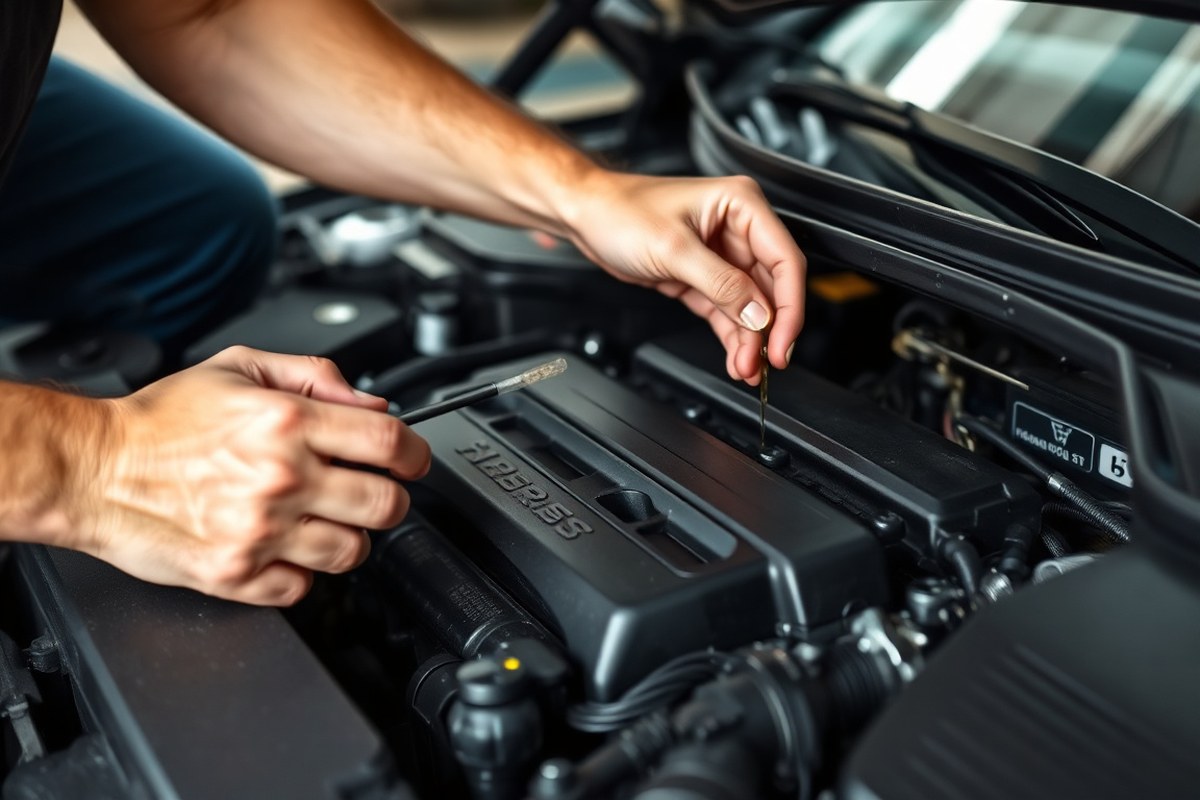
Start by listening for loud knocking or banging noises while your engine runs. These sounds often mean severe damage inside your engine, like broken pistons or rods. Look for thick smoke coming from your exhaust pipe.
This shows oil or coolant might be leaking into the engine. Thick smoke usually means a problem inside your engine.
Look at your car’s dashboard. Warning lights like the check engine light or temperature gauge rising beyond normal show trouble.
Your engine might overheat regularly, causing it to shut down or perform poorly. Pay attention to any sudden loss of power when accelerating or climbing hills.
- Loud internal knocking or banging
- Excessive blue, white, or black smoke from the exhaust
- Dashboard warning lights illuminated
- Constant engine overheating
- Sudden dramatic loss of power
- Oil or coolant leaks under the car
- Engine shaking violently or refusing to start
Notice if your engine oil looks gritty or has metal shavings when you change it. This means parts inside are grinding together and breaking down.
The engine might not start or run rough after these signs. This often means serious damage inside the engine happened.
Pay close attention to unusual smells or smoke from the hood area. Blue smoke typically means burning oil. White smoke suggests coolant is leaking into the combustion chamber.
Black smoke points to too much fuel burning, which stresses the engine further. Catching these problems early can sometimes save costly repairs.
2. What a Blown Engine Really Means: Understanding the Damage
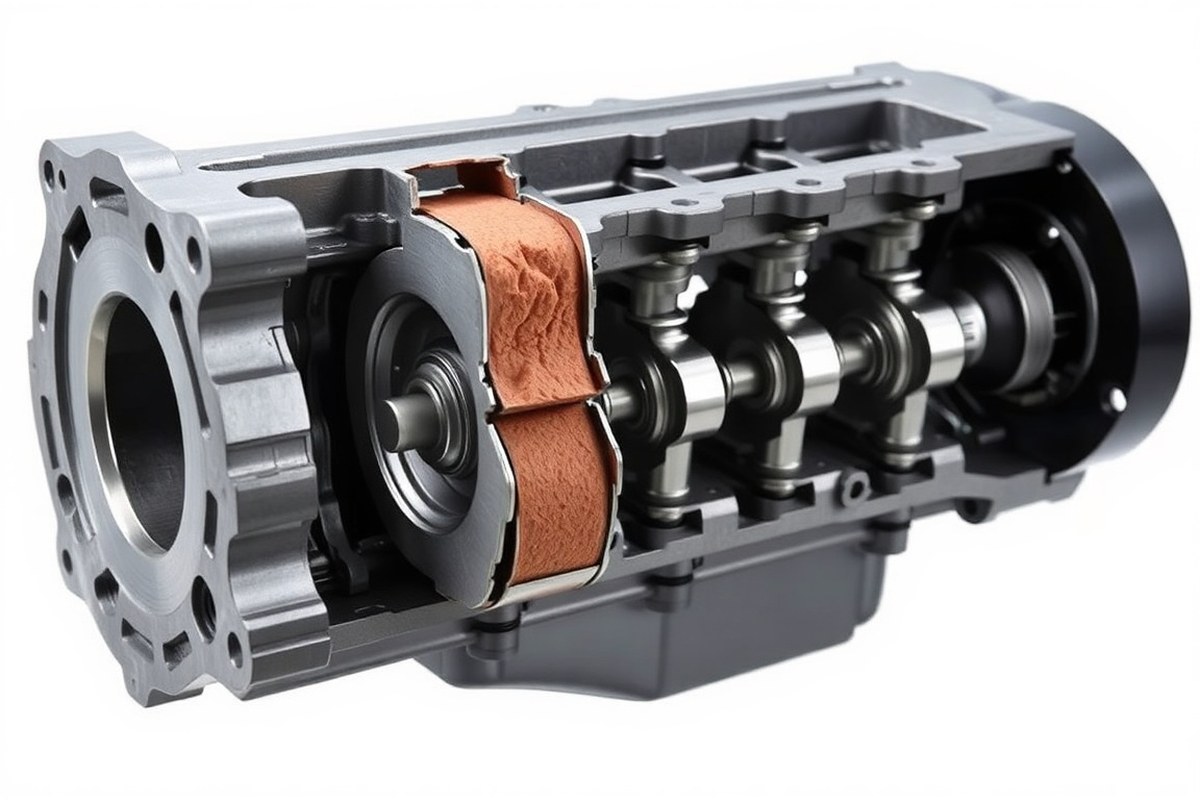
A blown engine means major internal damage inside your engine. It could be a failed head gasket, cracked block, or seized parts.
These stop the engine from working. These problems cause loss of compression, overheating, or complete engine failure.
A blown head gasket is a common cause of a blown engine. This gasket seals the cylinder head to the engine block and keeps coolant and oil separate. When it fails, coolant leaks into the cylinders.
This causes white exhaust smoke, overheating, and milky oil. Repair costs for a blown head gasket usually range from $1,200 to $1,800.
A cracked engine block is more serious. This metal part holds cylinders and other key components. Cracks make coolant and oil mix or leak out.
The engine loses pressure and overheats. Repairing a cracked block can cost between $2,000 and $4,500, depending on how badly it’s damaged.
A seized engine means internal parts like pistons or bearings are locked up. This often happens due to overheating or low oil. This stops the engine from turning over at all.
Fixing a seized engine usually needs a full rebuild or replacement. This can cost $4,000 to $9,000 or more.
Broken rods or pistons cause rod knock, a heavy metallic knocking sound. This noise means serious engine damage and usually needs a rebuild or replacement. Rod knock repair can cost $2,500 to $5,000, depending on parts and labor.
The phrase “blown engine” covers all these failures. Minor damage like just a blown head gasket might be repairable.
Cracked blocks or seized pistons usually require rebuilding or a new engine. The damage is severe.
Never drive your car if you suspect a blown engine. Doing so can cause worse damage and higher repair costs.
3. How to Diagnose a Blown Engine at Home: Effective Tests and Tools
You can check for a blown engine at home. Inspect the oil and coolant closely. Run a compression test and read OBD-II codes.
These steps help find signs of serious internal engine damage. Each test reveals different clues about your engine’s health and possible failure points.
Checking Engine Oil for Contamination
Start by pulling out the oil dipstick when the engine is cold. Look for a milky, caramel color in the oil.
This means coolant mixed with the oil. It is a sign of a blown head gasket.
Also check for metal shavings or a gritty texture in the oil. These bits of metal mean internal parts are grinding and breaking, which suggests severe damage inside.
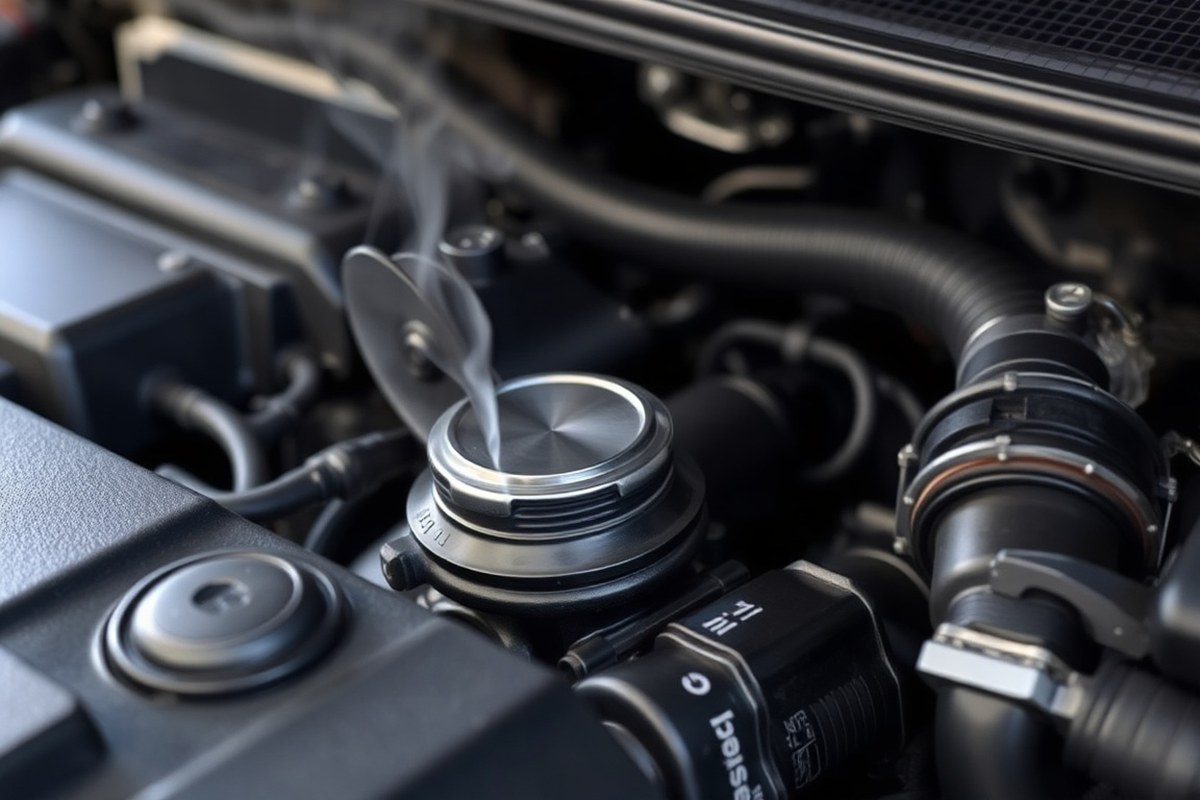
Scan the coolant reservoir or radiator cap for oily residue. Oil floating in coolant or a foamy layer points to coolant leaking into oil passages.
Running a Compression Test Safely
Compression testing measures how well each cylinder seals. Low compression often means damaged pistons, rings, or head gaskets. Do this with the engine warmed to above 180°F to get accurate results.
Follow this list to perform the test:
- Turn off the engine and remove all spark plugs.
- Insert the compression tester into a cylinder’s spark plug hole tightly.
- Disable the fuel and ignition systems to avoid starting.
- Have someone crank the engine for about 5 seconds while you watch the gauge.
- Record the pressure reading and release it before testing the next cylinder.
- Repeat this for all cylinders.
- Compare readings; less than 90 psi or differences over 20% suggest major problems.
Buying a compression tester costs about $30 to $50 at auto parts stores. It’s a simple tool that gives you a clear picture of cylinder health.
Using an OBD-II Scanner for Critical Codes
Plug an OBD-II scanner into the car’s diagnostic port, usually under the dashboard. Look for codes related to misfires or sensor failures. Codes starting with P0300 point to random misfires that could mean internal damage.
Other critical codes can relate to low compression or sensor issues critical to engine timing. These codes tell you if the engine control system detects serious performance problems.
Basic OBD-II scanners cost around $20 to $60. They give quick info but don’t replace detailed mechanical tests from pros. Serious codes mean you should stop driving.
Get a mechanic to check your car. Don’t ignore these warning signs.
4. Interpreting Exhaust Smoke Colors: What White, Blue, and Black Mean
White smoke from your exhaust usually means coolant is entering the engine. This often occurs due to a blown head gasket or a crack in the engine.
The smoke is thick and smells sweet. It stays around even when the engine is hot.
Blue smoke indicates the engine is burning oil. Oil gets into the cylinders when parts like piston rings wear out. Valve seals can also let oil slip inside.
This is what causes the problem. It’s a serious sign but doesn’t always mean the engine is fully blown yet. Look for continuous blue smoke, especially during startup or acceleration.
Black smoke means there’s too much fuel burning in the engine. It’s often caused by a clogged air filter, bad fuel injectors, or a rich fuel mixture. Black smoke doesn’t always show a blown engine right away.
Over time, it can cause damage. It washes oil off the cylinder walls. Persistent black smoke should be checked quickly.
5. Common Noises That Signal Severe Engine Trouble
Severe engine trouble often causes distinct noises like knocking, grinding, or tapping. Rod knock, a loud rhythmic clanking, is a key sign.
It usually comes from worn rod bearings hitting the crankshaft. This happens because of low oil pressure or contamination.
Grinding sounds mean broken parts are rubbing together without enough lubrication. This happens when metal components get loose or damaged inside the engine. Tapping noises can point to valve train issues but may also indicate serious internal wear.
Here are common sounds pointing to a blown engine:
- Loud rod knock from the lower engine at idle or higher RPMs
- Grinding noises that change with engine speed
- Sharp metallic tapping increasing with throttle
- Persistent loud popping or backfiring signals valve damage
- Heavy banging or hammer-like sounds when warming up
- Sudden loss of power along with noisy metallic clanks
Rod knock stands out because it is rhythmic and deep. Minor ticks or clacks often come from lifters or valve issues. These problems might not mean the engine is blown yet.
The noise gets louder with RPM and sounds like metal hitting metal. This points to rod bearing failure.
Check under the hood with the engine running at idle first. A worrying knock sounds steady and metallic, not random or soft tapping.
You might need a mechanic’s stethoscope or a long screwdriver to listen closely. Place it on the engine block near the crankcase and listen to the engine noise.
Keep driving after hearing rod knock or grinding speeds up engine damage and repair costs. Stop immediately and have it checked.
Fixing rod knock usually costs between $2,500 and $5,000 for parts and labor. Engine rebuilds run from $4,000 to $8,000.
Ignoring these noises risks total engine failure. This can lead to a replacement costing $5,000 or more.
6. Costs and Options for Repairing or Replacing a Blown Engine
Fixing a blown engine usually costs thousands of dollars. Head gasket repairs run from $800 to $2,000.
Engine rebuilds go from $2,000 to $6,000. Full engine replacements are the most expensive, topping $5,000 and often reaching $10,000 or more.
Head Gasket Repair Cost Range and Pros/Cons
A blown head gasket repair costs between $800 and $2,000, depending on your vehicle. This option suits engines with damage limited to the gasket. It’s cheaper than rebuilding or replacing the entire engine.
Repairing the head gasket works only if the block and head are straight. Both parts must be free from damage. Otherwise, repairs won’t hold well.
A fresh repair can extend your car’s life without the high cost of deeper work. But if the damage spreads, it can lead to more expensive fixes.
Engine Rebuild Price and Expected Lifespan
Rebuilding an engine costs about $2,000 to $6,000, based on how badly it’s damaged. The process replaces worn-out parts while keeping the block and head. Your engine can last many more miles after a proper rebuild.
This choice suits engines with a decent case condition. The inside may show heavy wear. It’s a good way to fix those engines.
It takes more labor and skill, so shop carefully to avoid poor quality work. Some rebuilds come with limited warranties, so check before you commit.
Full Engine Replacement Factors and Expenses
Replacing your engine usually costs $3,000 to over $10,000. Used engines are often the cheapest route, costing $3,000 to $6,000. Remanufactured or new engines are pricier but more reliable over time.
Choosing a replacement engine is smart when damage is severe or the repair is too expensive. A new or remanufactured engine suits cars you plan to own for years. Used engines work if you want a quick, lower-cost fix but carry more risk.
Your car’s repair cost may be higher than its value. You might want to sell or scrap it instead. That can save you money.
This avoids spending more money than the vehicle is worth. Those options could return a few hundred to a couple thousand dollars.
| Option | Average Cost (2025) | Best For |
|---|---|---|
| Targeted repair (head gasket, etc.) | $800, $2,000 | Damage is isolated; rest of engine is healthy |
| Engine rebuild | $2,000, $6,000 | Car is solid overall; engine damage is repairable |
| Used engine replacement | $3,000, $6,000 | Car has value; low-mileage donor engine available |
| New or remanufactured engine | $5,000, $10,000+ | Your car still has a good life ahead. You want to hold on to it for a while. This makes repairs worthwhile. |
| Sell or scrap | Varies by vehicle | Repair cost exceeds car’s value |
Use this table to compare before spending on repairs. Your budget and your car’s condition decide the best choice. Make sure to get a mechanic’s quote to avoid surprises.
7. Is It Safe to Drive with a Suspected Blown Engine?
Driving with a blown engine is not safe. Stop your car right away if you hear loud knocking. A flashing check engine light also means stop driving.
Don’t ignore these serious symptoms. Continuing to drive risks destroying your engine’s internals and expensive parts linked to the exhaust system.
The engine may suddenly fail while driving. Your car could lose power or stall on the road.
This can cause dangerous situations, especially in traffic or at high speeds. You could end up stranded or worse, cause an accident because your car won’t respond.
Do not try to drive even short distances with a suspected blown engine. Shut off the engine and call for a tow. Mechanics usually suggest towing because driving makes damage worse, increasing repair costs significantly.
A small gasket leak can get worse fast. It might cause a cracked block. Running the engine makes it worse.
Some damaged engines might still start or make it a few feet. But those signs don’t mean it’s safe. Always treat sudden severe noise, warning lights, or loss of oil pressure as a stop-now signal.
Have your car towed to a pro service shop. It can save hundreds to thousands in repairs. Don’t risk driving it in bad condition.
How long you can drive with symptoms varies by damage severity. But the safest bet is zero miles once you suspect a blown engine. Even driving a mile or two can cause irreversible harm.
Pull over right away if the check engine light flashes. Turn off your engine immediately. This means your car is not safe to drive.
8. Preventing Engine Failure: Maintenance Tips to Avoid Blowing Your Engine
Preventing engine failure starts with regular oil checks. Low oil level causes friction and overheating, which often leads to severe damage.
Check your oil every 1,000 miles or once a month. Top off with the right type for your car if it’s low.
Cooling system maintenance stops overheating, a key cause of blown engines. Check your coolant level monthly and watch for leaks or bubbling in the reservoir.
Flushing the coolant every 30,000 miles removes buildup that can block flow. Overheating symptoms need an immediate stop to prevent engine seizing.
Early signs like unusual smoke, oil loss, or overheating tell you the engine needs attention. Catching these symptoms can save you thousands by avoiding full failure. Some problems, like a head gasket leak, cost $1,400 early on.
Repairs get more expensive, up to $2,400, if you wait. This happens especially after the engine overheats.
- Check oil level and quality monthly; change oil every 5,000 miles
- Inspect coolant level every month; flush coolant every 30,000 miles
- Monitor temperature gauge; stop if engine overheats
- Look for oil or coolant leaks under your car weekly
- Notice unusual exhaust smoke; white or blue smoke signals trouble
- Listen for knocking or ticking sounds from the engine
- Use preventative diagnostic services for early failure alerts
Proper lubrication and cooling prevent metal parts from welding together or seizing. A seized engine often means replacing the entire unit, which can cost several thousand dollars. Preventive care requires small investments of money and time but saves big expenses later.
Don’t ignore your temperature gauge. Pull over and check the system immediately if it goes into the red zone.
9. When to Call a Professional Mechanic for Engine Troubles
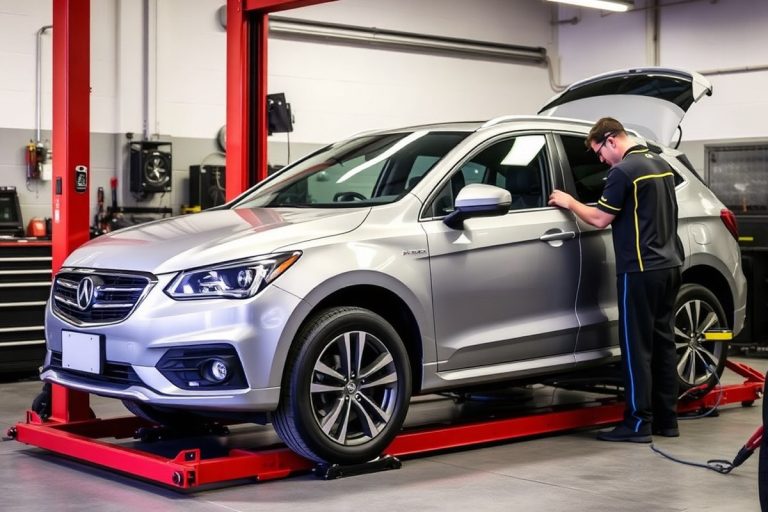
Call a professional mechanic if your engine won’t start, shows cracked metal, or noises get worse. DIY tests give clues but can’t confirm all problems. A mechanic uses special tools to see inside your engine and decide the exact issue.
Signs to Stop DIY and Seek Expert Help
Don’t try fixing the engine if it’s making loud knocking sounds or won’t start. Visible damage like cracked or warped parts means the engine might be blown. Also, see metal bits in oil or oil filter?
That means parts are rubbing wrong. You need a professional to check it immediately.
Check engine lights often confuse people. But they don’t always mean the engine is blown. Only detailed tests by a mechanic reveal if the damage is serious.
Your car struggles to run or smells burning. Stop right away. Get expert help.
What Information to Provide Your Mechanic
Write down what you noticed first, like noises, smoke color, or leaks. This helps your mechanic understand the problem faster and avoid unnecessary checks. Note how long these issues have lasted and what you tried to fix yourself.
Take photos or videos of any weird engine sounds or smoke, if it’s safe. Share your recent maintenance record too, including oil changes and repairs. The mechanic can use this info to spot causes and choose the right solutions.
Safety Precautions Before Professional Diagnosis
Stop driving as soon as you find major engine trouble to avoid more damage. Pull over and turn off the engine.
If it won’t start or makes loud noises, call a tow truck. Don’t risk driving; a blown engine can suddenly fail and cause accidents.
Keep away from hot engine parts and leaking fluids while waiting for help. Engine oil or coolant spills can cause burns or fires.
Stay put and wait for the mechanic or tow truck. Avoid fixing serious problems on the roadside.
Step-by-Step Action Plan for Dealing with a Blown Engine
Follow these steps to identify your engine’s condition and decide your next move. Each step confirms if the engine is safe or needs urgent attention.
- Immediately: Listen for unusual noises like knocking or grinding when you start your car. Loud or repeated engine sounds could mean serious damage inside the engine.
- Within the first 30 minutes of driving: Look closely at your dashboard lights. Check for the check engine or oil pressure symbols. If the dash lights keep flashing or stay lit, stop driving. Check the engine right away.
- After a brief drive: Look at the exhaust smoke color. White, blue, or heavy black smoke can mean serious engine trouble. So take note of it.
- Before you decide to drive again: Check your car’s oil. Also, check the coolant level and scan for leaks. Low fluids or milky oil suggest engine problems.
- Same day: Use simple tools to do a compression or leak-down test yourself. Low compression in cylinders confirms internal damage.
- Within 2 days: Contact a professional mechanic to get a thorough inspection. Share your findings to help them diagnose faster.
- After diagnosis: Use your mechanic’s advice to fix or replace the engine. Think about your budget too.
- Going forward: Keep up with regular maintenance to prevent future engine failure and costly repairs.
Frequently Asked Questions
What Immediate Steps Should I Take If I Suspect My Engine Is Blown?
Stop driving right away to avoid more damage. Check oil and coolant levels, then call for a tow to a trusted mechanic. Driving can worsen the problem and increase repair costs.
Can a Blown Engine Be Temporarily Fixed to Drive Home?
Temporary fixes rarely work and often cause more damage. Some try adding oil or a stop-leak product, but these won’t solve internal failures. It’s safer to tow the car than risk getting stranded or hurting the engine worse.
How Do I Tell the Difference Between a Blown Engine and a Dead Battery?
A dead battery usually just won’t start the car or causes dim lights. A blown engine often starts but runs rough or smokes heavily. Listen for knocking sounds and check for overheating, which don’t occur with a bad battery.
What Happens to My Warranty If My Engine Blows?
Engine damage may void your warranty if due to neglect or misuse. Some warranties cover mechanical failures for a set time or miles. Check your warranty terms or ask your dealer to understand coverage on engine issues.
Can a Misfire Cause My Engine to Blow?
A misfire alone usually won’t blow an engine but can cause damage if ignored. It leads to poor running and possible overheating. Fix misfires quickly to avoid wear on engine parts that can cause major problems later.
Wrapping Up
A blown engine can seriously affect your car’s safety and reliability. Don’t delay if you notice warning signs or strange sounds. Schedule a professional inspection today to protect your vehicle and wallet.