What Happens If Water Gets in Your Gas Tank: 9 Key Symptoms and Fixes
What happens if water gets in your gas tank? Water mixes poorly with gasoline, causing the engine to stall or run rough. It can damage your fuel system over time, leading to costly repairs.
Even a small amount of water can cause troubles in your tank. Half an ounce in 15 gallons is enough to start problems.
Water in fuel leads to engine and fuel system issues. Your first step should be to avoid running the car until you fix the problem.
Use a fuel additive designed to remove water if the water amount is low. For worse cases, you must drain and flush the fuel tank.
This protects your fuel pump and engine parts from damage. Regular maintenance stops costly repairs later.
Key Takeaways
- Water in your gas tank causes poor engine performance and stalling.
- A half-ounce of water in 15 gallons of fuel can cause serious problems.
- Do not run your engine if you suspect water contamination in fuel.
- Fuel additives work well if water is less than 0.5% of the fuel volume.
- Draining and flushing the tank is necessary for higher water amounts.
- Replace the fuel filter after water removal and again in 1,000 miles.
What Happens When Water Enters Your Gas Tank
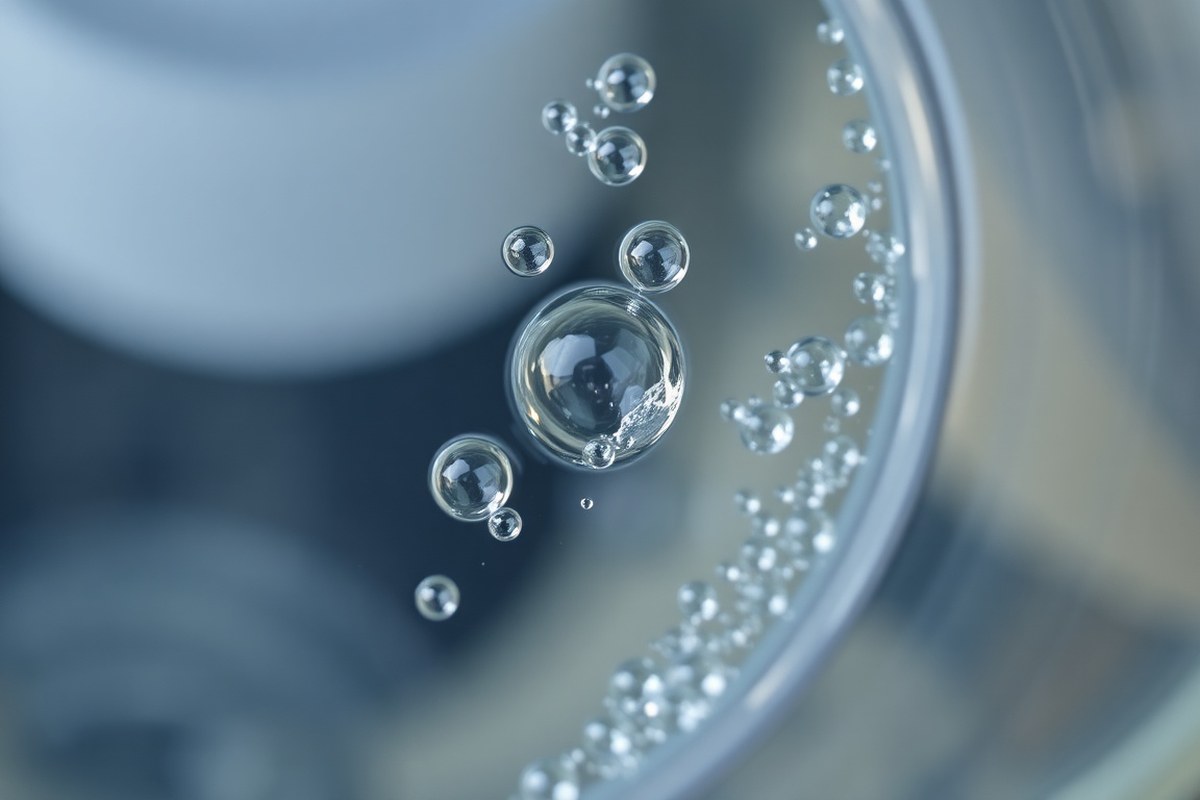
Water and gasoline do not mix because they repel each other. Water settles at the bottom inside the gas tank. Gasoline floats on top of the water.
Instead, water sinks to the tank’s bottom while gas floats above. The fuel pump draws gas from inside the tank.
Sometimes it also pulls water into the fuel lines. Water can reach the engine this way.
Water in fuel causes problems in the engine’s combustion process. The engine tries to burn water but it cannot.
This leads to rough running, stalling, or hesitation. Even 0.5 ounces of water in a 15-gallon tank can cause problems.
Water can also damage the fuel system mechanically. It promotes rust and corrosion inside the gas tank, fuel lines, and injectors. Corrosion from water buildup damages engine parts over time.
It also clogs fuel filters. These problems cause the engine to run poorly or fail. The longer water sits, the more damage it can cause.
A small amount of water may cause noticeable problems fast. Early symptoms show up within a day or two of filling the tank.
Water levels below 0 do not affect fuel quality much.5%, some fuel additives can help absorb it. But larger amounts require fully draining the gas tank to avoid costly repairs.
Condensation inside a gas tank forms when humid air contacts the cool tank walls. This creates tiny droplets that collect over time.
In humid or rapidly changing temperatures, up to 0.About 0.03 liters of water vapor can form in a 190-gallon tank. This increases the chance that water will contaminate the fuel.
How Does Water Get into Your Gas Tank?
Water can get into your gas tank in several ways. One of the most common causes is condensation inside the tank.
Temperature changes make moisture form water droplets inside your gas tank. This happens more when your tank is less than half full.
Weather plays a big role in water buildup. Heavy rain or floods can push water into the gas tank. Faulty seals or vents let the water sneak in.
Your gas cap seal might wear out or come off in wet weather. Water can then get into the tank easily. Sometimes, gas stations are to blame.
Underground storage tanks may leak after strong storms. This can mix groundwater with your gas at the pump.
Internal mechanical issues can also cause water ingress. A broken gas cap seal or damaged vent pipes lets water inside. Rust inside an old tank can also cause leaks.
Some vandals pour water directly into gas tanks on purpose. This act can quickly damage your engine seriously.
- Condensation forms when temperature varies inside a partly empty tank.
- Heavy rain or floods allow water to enter through openings or vents.
- A missing or damaged gas cap seal lets rainwater seep inside.
- Contaminated fuel from gas stations leaking groundwater after storms.
- Rusty or poorly sealed old gas tanks collect water over time.
- Vandalism with intentional water pouring into your fuel system.
Fuel with ethanol can attract and hold water, making problems worse over time. The water encourages corrosion in injectors and other fuel parts. Fuel filters may fail if the station’s filter is damaged.
Selling low-quality gas can also cause filter problems. This adds more risk for water contamination in your tank.
Check your gas cap regularly. Replace it if the seal looks cracked or feels loose to stop water leaks.
Fixing a bad seal is usually cheap, between $15 and $60. Repairing serious contamination or rust inside the tank will cost more.
Sometimes, the tank itself must be dropped and cleaned to fully remove water and corrosion. The longer water stays in your system, the more damage it causes.
Common Symptoms of Water in Your Fuel System
Your engine might sputter or stall when water gets into your gas tank. Water does not burn like gasoline. When enough water mixes with fuel, your engine struggles to run smoothly or may stop.
Symptoms usually show up gradually. Small amounts of water cause rough idle and hard starts, especially in cold weather.
As water increases, your car’s performance drops faster, with noticeable misfires and stalling. These signs are most obvious at idle or low speeds.
- Hard starts when cold or hot
- Engine misfires and rough idling
- Stalling during acceleration or heat
- Loss of power and poor acceleration
- White smoke from the exhaust
- Check engine light with lean codes P0171 or P0174
The fuel pump pulls gasoline from the tank’s bottom, where water settles. This water enters the engine in slugs, causing hesitation and sputtering. Lean error codes (P0171 and P0174) happen when water lowers fuel volume.
This changes the fuel-to-air mix inside your engine. Your car may show these codes on the dashboard.
Check engine lights often come on soon after symptoms appear. These error codes help a mechanic find water contamination early. Rough running conditions worsen if you keep driving without fixing the problem.
Typically, symptoms start within a few miles or days after water enters the tank. Cold weather and wet conditions make water more likely to mix with gas. Symptoms worsening fast or engine bucking means a lot of water inside.
This calls for immediate attention and quick fixes. Delay can cause damage and unsafe driving.
How to Test and Confirm Water in Your Gas Tank
You can detect water in your gas tank using both DIY tools and professional methods. Simple kits like water-finding paste or test strips offer quick clues. For precise results, professionals use electronic fuel analyzers or moisture meters.
Using a Fuel Water Detection Kit
Fuel water detection kits come in a few popular types. Water-finding paste changes color when it contacts water at the bottom of your fuel tank. Test strips also change color but need direct contact with a fuel sample.
These kits cost between $5 and $25 and give a good indication of water presence. Accuracy depends on applying the kit correctly inside your gas tank or with a fuel sample.
Performing a Fuel Sample Test Safely
Testing a fuel sample is one of the most straightforward ways to check for water. You’ll need a clean, clear jar and a method to get fuel from your tank. This allows you to see any water separation or cloudiness clearly.
Follow these steps to safely take and test a fuel sample:
- Turn off your vehicle and let it cool to avoid fire risks.
- Use a siphon tube to draw fuel from the tank filler. You can also draw fuel from the fuel filter drain. This helps remove unwanted liquids like water.
- Collect the sample in a clean, clear glass jar to see any layers.
- Let the sample sit for a few minutes to allow water to separate.
- Look for distinct layers. Water will settle at the bottom since it’s heavier than fuel.
- Compare results with test strips or water-finding paste if available.
- Dispose of the fuel sample according to local hazardous waste rules.
This simple visual test costs nothing except your time. It helps spot water quickly but can miss small amounts dissolved in the fuel. For suspicious or larger contamination, professional testing is recommended.
Diagnosing with an OBD2 Scanner
Your OBD2 scanner can hint if water is affecting fuel delivery. It detects error codes related to improper fuel mixture or engine misfires. These codes signal a problem but don’t directly measure water content.
Use the scanner with your engine running to see if fuel-related trouble codes appear. Codes like P0171 or P0174 show a lean fuel mixture. This can happen if water interrupts fuel flow.
The engine then runs with less fuel than needed. Though helpful, an OBD2 scan alone can’t confirm how much water is in the tank.
Short- and Long-Term Damage from Water-Contaminated Fuel
Water inside your gas tank harms the fuel system severely. The fuel pump and injectors face the highest risk. These parts wear out fast and corrode because water doesn’t lubricate them at all.
Over time, water causes rust and corrosion inside metal fuel lines, pumps, and injectors. Rust particles can break loose and clog the tiny openings in injectors. This blockage reduces fuel flow, causing rough idling, misfires, and hard starts.
Continuing to drive with water contamination pushes more water through the system. On diesel engines, water in fuel can destroy the high-pressure injection pump in just one tank. Gasoline engines face gradual damage that worsens with each use.
Ignoring water damage leads to expensive repairs. Corrosion inside the fuel pump can cause it to fail, costing several hundred dollars to replace. Clogged injectors reduce fuel efficiency and hurt engine power, eventually requiring injector cleaning or replacement.
The fuel system pulls fuel from the tank’s bottom. So water settles there and gets drawn first.
Water causes the engine to run poorly by disrupting combustion and limiting fuel flow. Once corrosion starts, it often spreads and worsens fuel system damage.
Don’t keep driving if you suspect water in your gas tank. It speeds up damage and repair costs.
Safe Methods to Remove Water from Your Gas Tank
Fuel additives are a common first step to remove water from your gas tank. Look for products containing methanol, which absorbs water and helps it burn harmlessly. Add the right amount following the product instructions.
This is usually a few ounces per gallon of fuel. This works best when there’s only a small amount of water in the tank.
Draining and flushing the gas tank is a safer bet for heavy water contamination. You’ll need to siphon out the old fuel, then flush with fresh gasoline. This process costs between $200 and $600 if done professionally.
Always replace your fuel filter during this process. Water can damage the filter. A clogged filter limits fuel flow.
Here’s a useful cost breakdown and when to choose each fix:
| Method | What It Does | Cost Range | Fuel Filter Replacement |
|---|---|---|---|
| Fuel Additives | Absorb small amounts of water in tank | Less than $20 per bottle | Optional initially; replace if symptoms persist |
| Siphoning and Refilling | Removes most contaminated fuel | $100 to $250 | Recommended during process |
| Draining and Flushing Tank | Complete water and fuel removal | $200 to $600 | Required to replace filter |
| Fuel Filter Replacement Alone | Removes contamination from fuel lines | $50 to $200 | Replace again after 1,000 miles |
To drain your tank safely, work in a well-ventilated area away from flames. Use a manual siphon pump, never mouth suction.
Wear gloves and eye protection. Disconnect the fuel line and drain the fuel into an approved container.
Flushing means adding fresh gasoline and running the engine briefly to clear residues. Change the fuel filter immediately after flushing. Replace the filter again after about 1,000 miles to catch any leftover contamination.
Be cautious not to overfill the tank during refilling, which can cause spills. Dispose of contaminated fuel at a hazardous waste center.
Fuel additives save money but won’t fix major water problems. Heavy contamination requires draining and new filters to avoid engine damage.
Preventing Water from Entering Your Fuel System
Check your gas cap seal every couple of years. Replace it every 2 to 3 years if it looks cracked or worn. A tight gas cap keeps rain and moisture from slipping into the tank.
A new gas cap seal typically costs less than $20. It’s easy to replace yourself. This simple fix can save you from bigger fuel system issues.
Don’t fill up your gas tank during heavy rain or right after. Fuel stations can get puddles or water splashing near the pump nozzle.
This raises the chance water drops get into your tank. Waiting for dry conditions lowers this risk significantly.
Weather plays a big part in preventing water entry. Stormy days mean more moisture in the air and on surfaces.
Rainwater can collect around your gas tank’s opening or your vehicle’s exterior. You want to avoid fueling up when this moisture is present.
- Inspect gas cap seal for cracks or damage every year
- Replace seal every 2 to 3 years even if it looks fine
- Only fuel your car during dry weather and avoid storms
- Keep your gas cap firmly tightened after fueling up
- Park in a garage or covered area during rain or snow
- Check for loose or missing gas caps after car washes
- Have your fuel system checked during regular oil changes
Regular vehicle maintenance helps a lot. Mechanics will spot weak seals and worn parts that let water in.
Ask them to include a fuel system check in your routine service. It can prevent costly repairs down the road and keep your engine running smoothly.
When to Call a Professional for Water Fuel Problems
Call a professional if your car shows strong water in the gas. See engine trouble lasting more than a tank cycle? Get help fast.
Small amounts might clear with fuel additives. But over 5% contamination needs expert cleanup to avoid costly damage.
Costs vary from cheap additive treatments to hundreds for repairs. Severe engine damage can cost thousands.
Signs That Require Professional Attention
Your engine stalls or hesitates after using fuel with water. It’s time for a mechanic. Repeated misfires, hard starts, or a check engine light appear.
That may mean damage beyond simple fuel treatment. Water causes corrosion and clogs fuel pumps and injectors. A mechanic must use special tools to check.
Another sign is if fuel smells off or looks cloudy when you check it. Visible water means contamination is too heavy for home fixes.
A mechanic tests contamination levels and inspects for leaks or rust. Water damage needs professional checks.
Typical Repair and Replacement Costs
Fuel additives to clear light water cost about $5 to $15. One tank cycle usually fixes it. Siphoning moderate water contamination costs $20 to $50.
The job takes 2 to 4 hours. Heavy contamination needs a professional flush and repair. It costs $200 to $500 and takes 4 to 8 hours.
Fuel pump damage from water costs between $400 and $1,200. Replacing a corroded gas tank might be $700 to $1,800.
Severe engine or injector damage raises repair bills a lot. Sometimes it can reach $5,000 or more.
Urgency and Consequences of Delaying Repairs
Driving with water in the tank longer risks permanent engine damage. Corrosion worsens daily, causing pumps and injectors to fail or fuel lines to leak, risking safety. Prompt professional service limits repair costs and prevents engine failure that leaves you stranded.
Older or smaller fuel tanks usually show problems faster. So don’t wait to check for water contamination.
Fixing water contamination quickly maintains fuel economy. It also protects the catalytic converter from harm.
Don’t ignore persistent rough idling or stalling after refueling; get a professional check immediately.
What to Expect After Removing Water from the Gas Tank
After you remove water from your gas tank, your car should run better. Usually, this happens within a day or two. Watch for smoother starts and less sputtering.
Performance tends to improve quickly because the engine gets proper fuel again. Keeping up with maintenance helps prevent future problems and protects your fuel system long-term.
Monitoring Vehicle Performance Post-Repair
Watch how your car responds over the first few days after water removal. Look for improved acceleration, smooth idling, and no stalling. Issues lasting more than 48 hours may mean water or damage remains in your fuel system.
Pay close attention to warning signs like rough engine sound or hesitation. These could mean water is still trapped or the fuel filter is clogged. Checking engine codes with a scanner can help pinpoint trouble fast.
Scheduled Fuel System Maintenance
Replacing the fuel filter right after water removal is common to avoid clogged filters. Change the filter again after about 1,000 to 2,000 miles.
This helps catch leftover debris. This extra step protects your fuel injectors and keeps gas flowing cleanly.
Inspect fuel lines and injectors during follow-up visits. Cleaning or servicing these parts may be needed if water caused corrosion or buildup. Don’t skip regular oil changes to prevent engine wear from any leftover contaminants.
Preventive Tips to Avoid Recurrence
Keep your gas tank sealed tightly and fill up at reputable stations. Condensation creates water inside a half-empty tank.
So try to keep your tank above a quarter full. Use fuel additives that repel water if you live in wet climates.
Store your car in a garage or under cover to limit exposure to humidity and rain. Stay alert for any fuel system warnings that could signal water problems early. Early action saves you from costly repairs later.
To ensure lasting resolution, follow these steps after removing water from your gas tank:
- Drive the car gently and observe engine response for 48 hours.
- Change the fuel filter immediately, then again after 1,000 to 2,000 miles.
- Scan for engine codes if rough running persists or warning lights appear.
- Inspect and clean fuel lines and injectors as needed during maintenance.
- Keep your gas tank tightly sealed to prevent new water entry.
- Maintain at least a quarter tank to reduce condensation inside.
- Use fuel additives designed to repel or absorb water in fuel.
- Store the vehicle indoors or under cover to reduce moisture exposure.
Step-by-Step Action Plan to Fix Water in Your Gas Tank
Follow these steps to remove water from your gas tank. Do it carefully.
This will help your engine run right again. Check for improvements after each step before moving on.
- Before You Start: Park your car in a safe, ventilated area and gather tools. This setup keeps you safe and ready.
- Day 1: Drain the gas tank completely. Use a siphon pump or let a professional help. Your engine should stop stalling if water is gone.
- Day 2: Replace the fuel filter with a new one. A clogged filter means water and dirt are trapped. The engine should run smoother after this.
- Day 3: Add a fuel additive designed to remove water. Follow label directions strictly. Check if engine hesitation or rough idling improves.
- Day 4: Fill your tank with fresh, high-quality fuel. This dilutes any leftover water and cleans the system. You’ll notice more power and better acceleration.
- Within a Week: Test drive your vehicle under normal conditions. Watch for any signs of trouble like sputtering or loss of power.
- After 2 Weeks: Monitor fuel economy and engine response. Schedule a professional mechanic check when problems persist.
Frequently Asked Questions
Can Water in the Gas Tank Cause Rust Inside the Fuel System?
Yes, water in your gas tank can cause rust in your fuel system. Rust clogs fuel filters and damages injectors, leading to poor engine performance over time.
How Long Can You Drive with Water in Your Gas Tank Before Damage Occurs?
Driving with water in the gas tank can cause damage within a few miles. Problems usually worsen quickly, so fixing it soon prevents costly repairs.
Can Using a Fuel Additive Completely Fix Water Contamination in All Cases?
Fuel additives help remove small amounts of water, usually less than 0.5%. Larger water amounts need draining or professional cleaning to avoid engine issues.
Does Cold Weather Increase the Chance of Water Forming in Your Gas Tank?
Yes, cold weather can cause condensation inside your gas tank. Temperature changes cause water droplets to form on tank walls, increasing contamination risk.
Is It Safe to Just Keep Adding Gas to Dilute Water in the Tank?
Diluting water with more fuel only helps if water content is very low. Otherwise, water sinks to the tank bottom and still harms your engine.
Wrapping Up
Water in your gas tank can cause engine trouble but fixing it is possible. Start by draining the tank and changing the fuel filter.
Watch how your car runs afterward. Call a pro if any issues stick around.