How Fast Is 200cc Dirt Bike in Mph: What to Expect and How to Boost Speed Safely
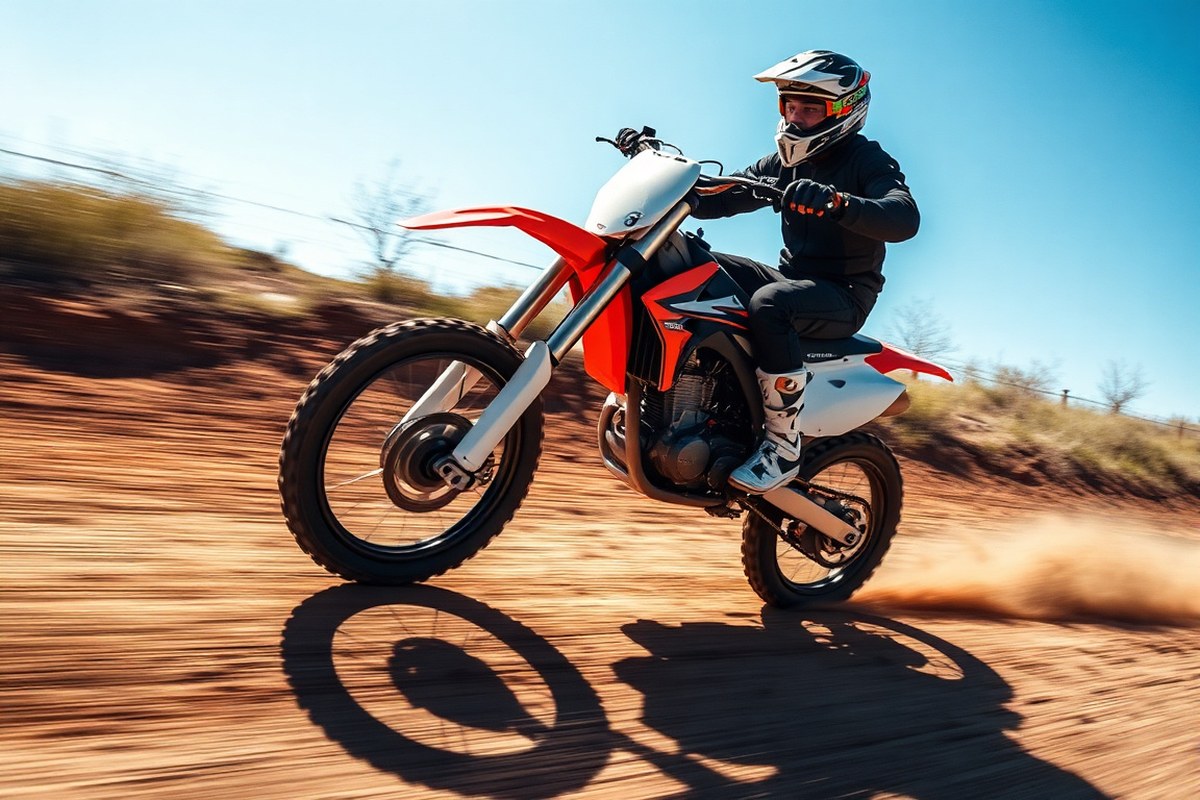
How fast is 200cc dirt bike in mph is a common question among riders. Typically, a 200cc dirt bike can reach up to 60 miles per hour at top speed. This speed varies based on factors like rider weight, terrain, and the bike’s setup.
Some 200cc models can hit between 55 and 70 mph, depending on their design. Engine type also plays a big role in how fast the bike runs. You’ll need to consider these details before expecting maximum speed from your bike.
Rider skill and the terrain you ride on affect your bike’s actual speed. A well-tuned bike on flat terrain will feel faster than the same bike on rough trails. Knowing your bike’s limits helps you ride safer and get the most from your dirt bike.
Key Takeaways
- Expect a 200cc dirt bike to reach around 55 to 70 mph at top speed.
- Lighter riders typically get faster top speeds on a 200cc bike.
- Two-stroke engines usually accelerate quicker than four-stroke engines.
- Adjusting your bike’s gearing can noticeably change its top speed.
- Upgrading parts like the exhaust can boost your 200cc bike’s speed.
- Test your bike speed safely on flat, open ground away from traffic.
How Fast Can a 200cc Dirt Bike Go in Mph?
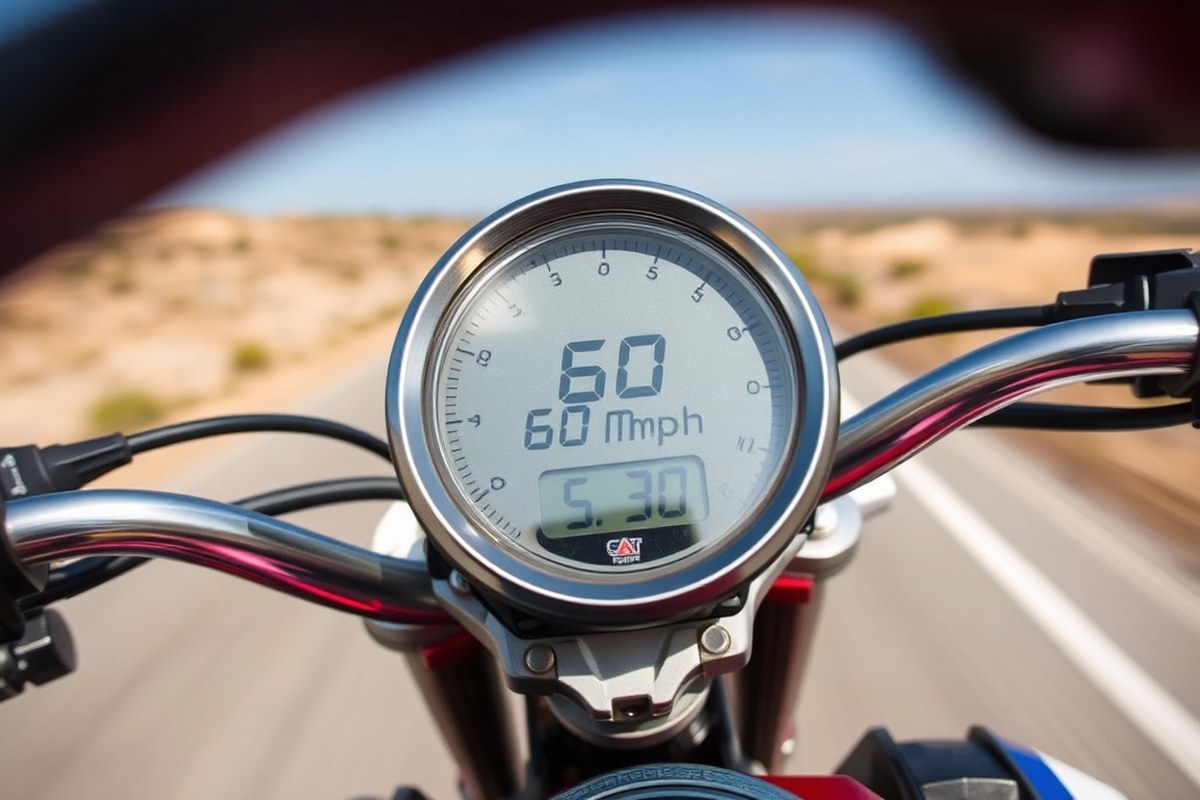
A 200cc dirt bike usually hits speeds of 55 to 70 mph. Stock models often reach 55 to 60 mph on flat ground. Some sportier bikes can get close to or above 70 mph.
Speed changes mostly due to your weight, terrain, and bike tuning. Heavier riders may see slower top speeds on rough ground. Bikes tuned for performance usually run faster.
A heavier rider or rough terrain will slow the bike down. Lighter riders on smooth tracks will see speeds near the higher end of that range.
Engine type and gearing also matter. A well-tuned bike with the proper gearing for flat surfaces will hit top speed more easily. On hills or soft dirt, expect a lower top speed.
Small design differences between brands affect bike top speeds. Some 200cc dirt bikes can reach 75 mph in perfect conditions. Ideal conditions include smooth surfaces and light rider weight.
What Factors Influence a 200cc Dirt Bike’s Speed?
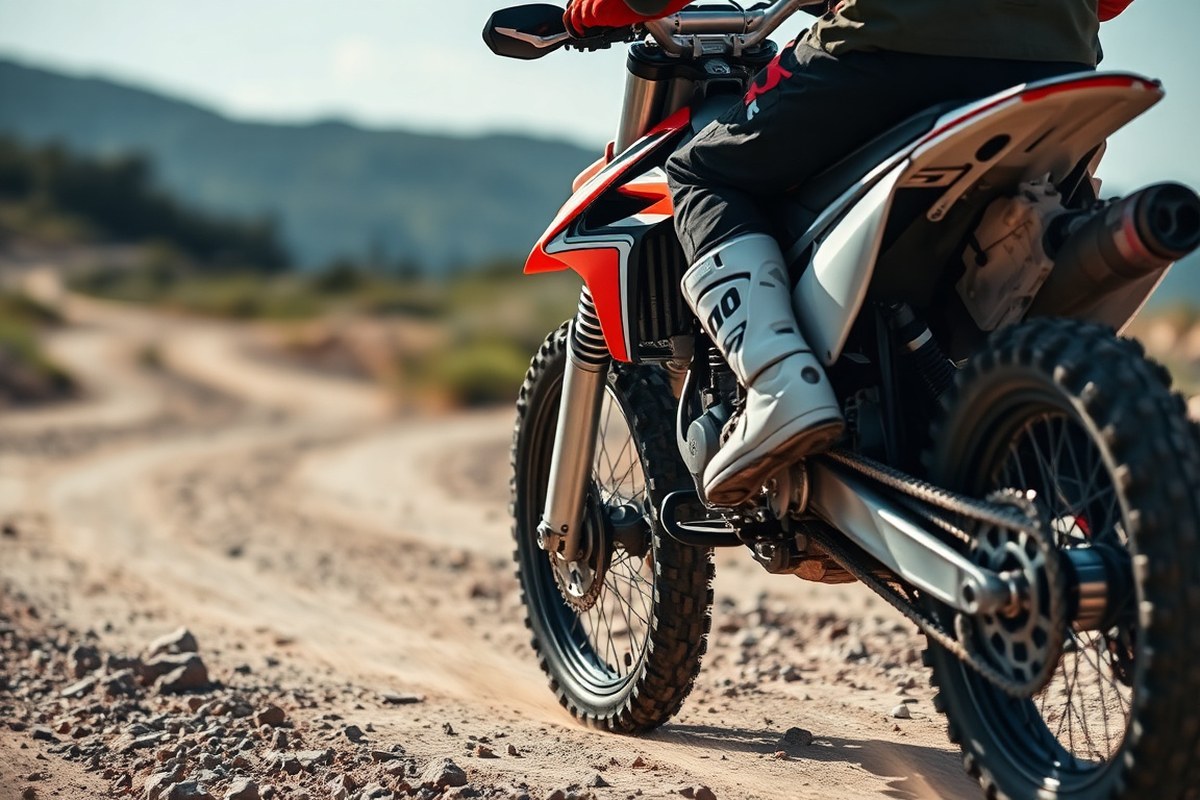
The rider’s weight has a direct impact on a 200cc dirt bike’s speed. Lighter riders often gain 2 to 3 mph over heavier ones.
For example, a 125-pound rider on flat, hard-packed terrain will reach near the bike’s max speed. A 175-pound rider on muddy ground might see a 10 to 20 percent slowdown.
Terrain affects speed a lot. Flat, hard-packed trails let your bike run faster. Muddy, uphill, or rough terrain slows you down significantly.
Riding uphill can reduce speed sharply, no matter how powerful the engine is. Adjust your expectations based on the trail conditions you’re faced with.
Engine design and condition also play key roles. Two-stroke and four-stroke engines behave differently and affect speed.
A well-maintained engine runs smoother and reaches closer to its top speed. Neglecting regular tune-ups, oil changes, or air filter cleaning hurts performance and slows the bike down.
Other important factors include tire pressure, bike weight, and brand variations. Lower tire pressure may cut your speed but improve grip on rough ground. Performance upgrades like exhaust systems give small speed boosts.
Sprocket adjustments also add only around 2 to 3 mph. These changes barely raise your bike’s top speed. The bike model’s frame and dimensions determine handling and how well it translates power into speed.
Always check your weight and tire pressure before you ride. This helps stop sudden speed drops. It also keeps your bike easier to control.
How Do Two-Stroke and Four-Stroke 200cc Dirt Bike Engines Compare?
Two-stroke engines generally make 200cc dirt bikes feel faster because they rev higher and weigh less. Four-stroke engines offer smoother power with easier maintenance but usually run a bit slower. Your choice depends on whether you want quick bursts of speed or steady, reliable performance.
Two-Stroke Engine Characteristics
Two-stroke engines complete a power cycle in just two strokes of the piston. This design allows the engine to rev higher. It makes quick bursts of power.
The power feels punchy on trails or tracks. They usually weigh less, so the bike accelerates faster and changes direction more easily.
Two-strokes often need more frequent maintenance. Their engines run hotter. They use oil mixed with fuel.
This engine type typically lasts fewer hours before needing a rebuild. The lighter weight and simpler mechanics can make repairs simpler but more regular.
Four-Stroke Engine Characteristics
Four-stroke engines run through four piston strokes for a complete power cycle. This setup produces smooth, steady torque that helps control the bike better on rough terrain. They handle well at lower speeds and feel more predictable for beginners or trail riders.
Four-strokes weigh more because of their complexity and additional parts like valves and camshafts. They require less frequent maintenance and usually last longer before overhauls are needed. This engine type burns fuel more efficiently and produces cleaner exhaust.
Speed and Maintenance Trade-Offs
Two-stroke 200cc dirt bikes can exceed 65 mph. This happens due to their power curve and low weight. Four-strokes usually reach top speeds around 55 to 60 mph.
They offer gentler acceleration. Their power delivery is smoother. Acceleration on two-strokes feels quicker, but you might need more skill to handle it.
Maintenance costs usually run higher over time for two-strokes because they need more frequent servicing. Four-strokes cost more initially but last longer without major engine work. You save money on oil with four-strokes.
They use separate oil systems. You don’t mix oil with gas.
Which 200cc Dirt Bike Models Reach the Highest Speeds?
Some 200cc dirt bike models clearly stand out in speed and design. The KTM Duke 200 tops the list, reaching speeds over 80 mph. Other popular models reach speeds between 55 and 75 mph.
They weigh more or less based on design choices. Weight depends on the bike’s features and parts.
How fast your bike goes depends on its engine type, weight, and gearing. Lighter bikes with four-stroke engines balance speed with control. Trail riding models usually lower top speed a bit.
They improve handling and last longer on rough trails. These bikes focus more on toughness than speed.
| Model | Top Speed (mph) | Weight (lbs) | Engine Type | Price Range (USD) |
|---|---|---|---|---|
| KTM Duke 200 | 82-84 | 320 | Four-Stroke, Single-Cylinder | $4,000 – $5,000 |
| Kawasaki KLX 230 | Up to 75 | 249 | Four-Stroke, Single-Cylinder | $4,599 |
| Yamaha TT-R230 | 65 | 257 | Four-Stroke, Single-Cylinder | $3,800 – $4,000 |
| Generic 200cc Dirt Bike | 55-60 | 250-275 | Four-Stroke | $1,200 – $2,000 |
Those higher-end bikes offer a more powerful engine and better build quality. KTM and Kawasaki models cost more but reach higher speeds and weigh less.
Budget 200cc dirt bikes tend to be heavier and slower. They work well if you want a decent ride without spending over $2,000.
Choosing a 200cc dirt bike means balancing speed, weight, and price. Choose the KTM Duke 200 to get the highest top speed.
For trail-focused riding and slightly less speed, the Kawasaki KLX 230 is a strong choice. Budget models can still hit an average 60 mph, which suits many riders just fine.
How Do Gearing and Transmission Affect Your 200cc Dirt Bike’s Speed?
You can increase your 200cc dirt bike’s top speed by changing the sprocket sizes. A smaller rear sprocket or a larger front sprocket raises the gear ratio. Your bike spins the rear wheel faster at the same engine speed.
This gives you more top-end speed. But it also reduces low-end torque.
It usually takes about 30 to 60 minutes to swap sprockets if you have basic tools. Expect to pay $20 to $50 for a quality sprocket set.
Adjusting sprockets affects how your bike accelerates versus how fast it can go. A larger rear sprocket improves acceleration and hill climbing but lowers your top speed. This is good for tight trails or technical riding.
Try a rear sprocket that’s two or three teeth larger to feel the difference. Using a smaller rear sprocket lowers acceleration.
It lets you reach higher top speeds. This works best on open straightaways.
Transmission tuning can also change the speed range your bike covers. Most 200cc dirt bikes have a manual gearbox with 4 or 5 speeds. Changing shift points or the clutch setup impacts how smoothly your bike accelerates through the gears.
Adjust your clutch to engage at a higher rpm. This helps you use more power in each gear. You get smoother shifting and better control.
This tuning requires mechanical skill or a professional. Costs depend on the work needed.
Try these tips to balance speed and control. First, change your rear sprocket size. This tunes acceleration or top speed to your ride.
Next, check your clutch cable slack to optimize power delivery. Then, test shifts on different terrain to find the best gear setup for your riding style. Avoid making too drastic sprocket changes.
Going more than four teeth smaller or larger usually hurts overall rideability. Small changes make a noticeable difference without causing poor throttle response or high engine strain.
Swapping to a much smaller rear sprocket can damage your engine by running it too fast. Stay within moderate changes.
What Upgrades Effectively Increase a 200cc Dirt Bike’s Speed?
Upgrading your 200cc dirt bike’s exhaust helps increase speed. Changing the carburetor, sprockets, and air intake also boosts performance. These parts give the best speed gains.
Each step adds 2 to 5 mph, sometimes 10 mph combined. Reducing weight also helps but offers smaller gains.
Upgrading the Exhaust System
A high-performance exhaust system reduces backpressure and improves airflow. This lets your engine breathe better and pushes out more horsepower. A good exhaust upgrade adds about 2 to 4 mph.
This applies on a well-maintained 200cc dirt bike. It improves airflow and reduces backpressure.
Install a free-flow pipe or aftermarket muffler designed for your model. These typically cost $150 to $400 and can be done in a weekend.
Avoid cheap parts that don’t fit well. Leaks or rattles can harm power and sound.
Carburetor Tuning and Jetting
Tuning your carburetor unlocks extra speed by adjusting fuel and air mixture. Proper jetting matches the exhaust upgrade and riding conditions. This fine-tuning adds up to 3 to 5 mph.
Adjust the main jet size and needle clip position for your exhaust and air filter. Poor tuning causes poor throttle response or engine overheating. Tuning your carburetor takes about one to two hours.
You may need jets costing $20 to $50. This helps your bike run better at higher speeds.
Sprocket and Gearing Changes
Changing your sprocket ratio alters acceleration and top speed. A larger front sprocket or smaller rear sprocket raises top speed. This change usually gives a 2 to 3 mph boost.
It changes gear ratios for faster riding. Do not go too far, or acceleration will suffer too much.
Change your front sprocket by one or two teeth up. Or make your rear sprocket smaller by a few teeth. This adjusts your bike’s gearing for more speed.
This costs about $30 to $70, plus installation time. Test rides help you find the right balance for your riding style.
Air Intake and Filter Improvements
An upgraded air filter improves airflow and engine efficiency. High-flow foam or cotton filters cost $20 to $50. Combined with exhaust and jet tuning, this can boost speed by 1 to 3 mph.
Clean or replace your stock air filter regularly. Upgrade to a performance filter that suits off-road conditions. Too much dirt or a clogged filter reduces power and speed.
Weight Reduction Tactics
Reducing your bike’s weight improves acceleration and handling. Removing unnecessary parts or using lighter components can add 1 to 2 mph in speed. Focus on easy swaps like lighter plastics or smaller foot pegs.
Don’t compromise structural parts or safety equipment. Weight savings often cost more than performance gains. Use a scale to measure before and after for realistic results.
- Choose a compatible aftermarket exhaust pipe to improve airflow.
- Tune your carburetor by adjusting the jets and needle settings.
- Test ride and adjust sprocket sizes to find your preferred speed.
- Install a high-flow air filter designed for dirt riding.
- Regularly clean or replace your air filter to keep airflow steady.
- Remove or replace heavy parts with lighter alternatives carefully.
- Check engine temperature and throttle response after each upgrade.
- Make small changes and test to avoid overpowering your bike.
How to Safely Test and Measure Your 200cc Dirt Bike’s Speed?
Testing your 200cc dirt bike’s speed safely takes planning and the right tools. Start by picking a flat, clear spot, then use reliable devices to track your speed. Wear proper gear to protect yourself during each test run.
Choosing a Safe Test Location
Find a flat, straight path with little traffic, like an empty parking lot or dirt airstrip. The surface should be firm and free of loose gravel to avoid slipping at high speeds. Avoid public roads or steep hills that can change your bike’s speed and pose hazards.
Make sure the area has enough distance to accelerate to top speed and slow down comfortably. Test when weather conditions are dry and visibility is good to reduce risks. Check local laws to confirm testing is allowed in your chosen spot.
Setting Up Reliable Speed Measuring Tools
Use a GPS device, smartphone app, or a digital speedometer rated for motorcycles. GPS units often provide more consistent and accurate speed data than bike speedometers. Compare the bike’s speedometer reading with your GPS device to understand any difference.
Attach the speedometer or GPS device securely so it doesn’t wobble or fall off during testing. Some smartphone apps cost around $5 to $10 and offer real-time speed tracking without extra gear. Always test devices beforehand to confirm accuracy.
Performing Incremental Speed Tests Safely
Start slow to check your bike and gear, then increase speed gradually. Wear full protective gear: helmet, gloves, boots, goggles, and padded jacket. Avoid testing during windy or wet conditions that affect control.
Follow these steps for your test runs:
- Put on all protective gear before approaching the bike.
- Inspect your bike’s tires, brakes, and controls for safety.
- Secure your speed measuring device to the bike or yourself.
- Accelerate smoothly on the flat course to avoid skidding.
- Record your top speed using the device during each run.
- Slow down gradually and come to a safe stop at the end.
- Rest and review your recorded speeds between runs.
- Repeat runs to confirm consistent speed results.
Comparing speedometer data with GPS helps check your actual speed. It also lets you see if your bike’s gauge is too high or low. Use this info to adjust your speed reading accurately.
Expect top speeds within 55-70 mph on flat terrain. Slopes can reduce speeds by 5 to 8 mph. So test only on level ground for best accuracy.
How Rider Weight and Skill Affect 200cc Dirt Bike Speed
Rider weight affects how fast a 200cc dirt bike can go. For every 25 pounds added, top speed drops by about 2 to 3 mph. A 150-pound rider hitting 60 mph will slow down with extra weight.
Adding 50 pounds can drop speed to about 54 or 56 mph. Weight affects how fast your bike goes.
Heavier riders also notice slower acceleration. Lighter riders get quicker starts and easier control during fast turns.
This means managing speed on difficult terrain gets harder with extra weight. You can adjust riding position to help balance the bike and improve handling.
Rider skill is just as important for hitting top speed. An experienced rider knows how to shift gears smoothly and keep throttle control steady.
These skills reduce energy loss and keep the engine in its powerband. Beginners often brake too much or shift late, limiting speed.
Practice can help you ride faster and safer. Work on smooth clutch control by slowly releasing the clutch while applying throttle on soft ground.
Also, practice quick but controlled shifting between gears on a flat dirt path. These drills build muscle memory and improve throttle response.
Always wear proper gear and start slow when improving your skills to prevent injuries.
Better cornering skills also let you maintain speed in turns rather than slowing down too much. Focus on looking ahead, leaning with the bike, and using body weight to steer. Spend time riding different trails at low speeds first.
Try S-curves and switchbacks carefully before going faster. This helps you learn the trail better.
Learning to read the terrain helps too. Good riders see bumps or loose dirt ahead. They adjust throttle and body to stay stable.
This helps keep control on tricky spots. That steadiness means less need to brake sharply, preserving momentum and speed over longer rides.
Balancing Speed and Safety on a 200cc Dirt Bike
Riding fast on a 200cc dirt bike means preparing with the right gear. Helmets must be DOT-approved and fit snugly to protect your head. Add gloves with good grip.
Wear boots that cover your ankles. Use padded pants and jackets to protect your skin if you fall.
Knowing your terrain helps you ride safely at higher speeds. Loose dirt, rocks, or mud can make your bike slide easily if you’re not careful.
Take time to walk your trail if unsure about tricky spots. Spotting bumps and sharp turns before hitting them keeps your ride steady.
Speeding raises the risk of accidents. But you can lower chances by staying alert and riding within your skill level.
Accelerate smoothly and avoid sudden turns or braking. This keeps the bike stable and prevents losing control, especially on rough ground.
- Wear a full-face helmet with visor for eye protection
- Choose gloves that resist abrasions and improve grip
- Use sturdy boots that protect ankles and have stiff soles
- Wear padded or armored riding jersey and pants
- Scout unfamiliar trails on foot before riding fast
- Maintain smooth, controlled acceleration and braking
- Keep a safe speed that matches your riding skills and terrain
Safety gear costs vary. Basic sets start around $100. Top-quality gear can go over $500.
Good gear is a smart investment. Falls at 30 mph or higher can cause serious injuries.
Protect yourself with proper gear. Wearing the right gear makes a big difference in how you recover if you crash.
Watching the environment around you includes watching the weather. Wet or icy trails reduce tire grip and require slower speeds.
Planning your ride around daylight hours also helps with visibility. Always keep enough space to stop or turn if an obstacle appears unexpectedly.
Quick-Start Action Plan for Measuring and Improving Your 200cc Dirt Bike Speed
Follow these steps to safely check and boost your 200cc dirt bike’s speed. Each step helps you see real results before moving on.
- Before you start: Inspect your bike’s tires, brakes, and chain for safety. A safe bike rides faster and stops when you need.
- Day 1: Find a flat, open trail or dirt track with little traffic. Ride at a steady pace and use a GPS app to record your top speed.
- Week 1: Adjust your bike’s gearing by changing sprockets to raise your top speed. Test again on the same trail and compare speeds.
- Week 2: Clean and lube your chain and check the air filter. A well-maintained engine runs smoother and can go faster.
- Week 3: Upgrade your exhaust or air intake if you want more power. Make sure the parts fit your bike model.
- Week 4: Practice riding skills like clutch control and shifting. Better technique helps you use the bike’s power fully.
- After 1 month: Weigh yourself and adjust your body position for less drag. Lighter weight and good posture can increase speed.
- Ongoing: Always ride with protective gear and never push speed limits beyond your comfort. Safety keeps the fun going long term.
Frequently Asked Questions
How Fast Can a 200cc Dirt Bike Go on Flat Terrain?
A stock 200cc dirt bike typically reaches 55-60 mph on flat terrain. This speed changes with rider weight and terrain type. So expect some variation riding off-road.
Can a Rider’s Skill Level Affect a 200cc Dirt Bike’s Top Speed?
Yes, rider skill affects how fast you can safely go. Better control lets you push closer to top speeds without accidents.
Do 200cc Dirt Bikes Lose Speed on Rough Trails?
Rough trails usually lower your speed below top levels. Terrain challenges like rocks and mud slow you down.
Is It Possible for a 200cc Dirt Bike to Hit 90 Mph?
Only a few modified or specific models can reach 90 mph. Suzuki’s 200cc bike has the top potential for this speed.
How Long Does It Take a 200cc Dirt Bike to Reach Top Speed?
It generally takes about 10 to 15 seconds to hit top speed. Acceleration depends on bike tuning and rider’s weight.
Final Thoughts
A 200cc dirt bike usually reaches speeds from 30 to 50 mph. Top speed depends on many things. These include rider weight, terrain, and bike condition.
You can safely track and improve your bike’s speed by making small changes step by step. Start by measuring your current speed today on a safe track and go from there.