How Long Does It Take to Cycle 10 Miles? Detailed Times and Tips for All Levels
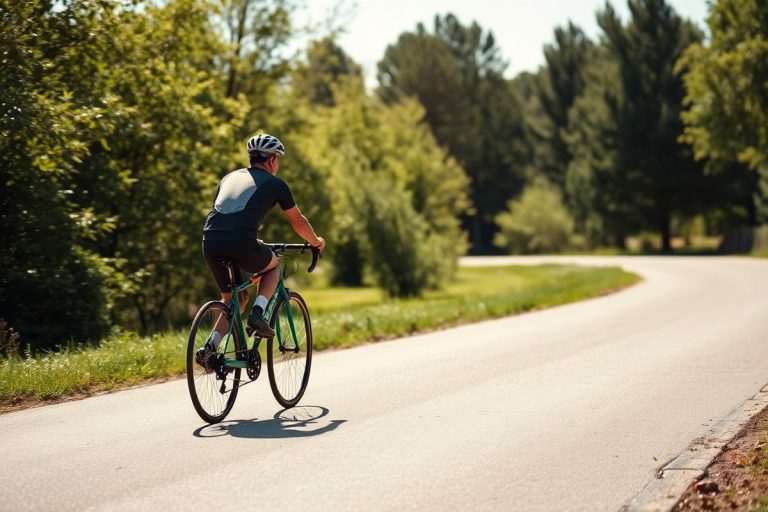
Wondering how long does it take to cycle 10 miles? Most riders finish it in 45 to 60 minutes. Your exact time depends on your speed, fitness level, and the route you pick.
If you’re new or getting back into riding, expect closer to an hour. Experienced cyclists may finish under 45 minutes if conditions are good. Starting with a comfortable pace helps you avoid early fatigue and stick with your ride.
Remember your bike type affects speed too. A road bike typically goes faster than a hybrid or mountain bike on pavement. Tire pressure and bike fit also make a real difference in your comfort and pace.
Keep in mind the weather and terrain will affect your time too. Wind, hills, and rough roads slow you down. Planning your route ahead gives you a better time estimate and helps you prepare well in advance.
Key Takeaways
- Most cyclists take between 45 and 60 minutes to cycle 10 miles.
- Fitness level heavily influences your 10-mile cycling time.
- New or out-of-shape riders often take an hour or more.
- Experienced riders can finish 10 miles in under 45 minutes.
- Wind and hills significantly slow down your cycling speed.
- Choosing a flat, smooth route helps shorten your 10-mile time.
How Long Does It Typically Take to Cycle 10 Miles?
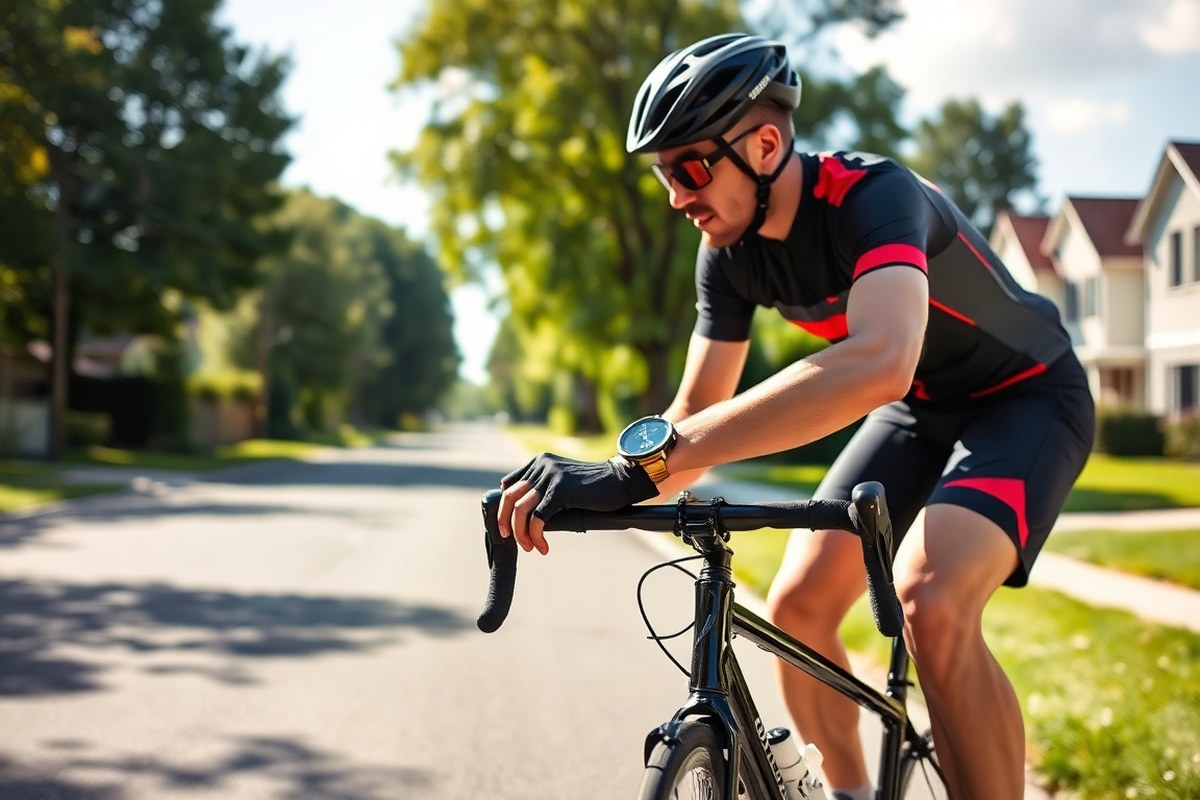
Most cyclists take between 40 and 60 minutes to ride 10 miles. Beginner riders usually finish closer to one hour, especially if they are building stamina. This time range covers most casual and moderately fit cyclists.
Experienced riders who train regularly can complete 10 miles much faster. Typical times for these cyclists fall between 24 and 30 minutes. This means they maintain speeds of 15 to 20 miles per hour during their rides.
Various factors change your time, but your average speed offers a good estimate. For example, if you ride at 12.8 miles per hour, your 10-mile time will be around 47 minutes. Tracking your time helps you see progress and plan longer rides.
What Factors Most Affect Your 10 Mile Cycling Time?
Fitness and Skill Levels
Your fitness greatly impacts how fast you cycle 10 miles. Stronger legs and better endurance mean you can hold higher speeds longer.
Beginners often ride 8 to 12 mph, taking 50 to 60 minutes. Advanced riders average 18 to 22 mph, finishing in about 24 to 30 minutes.
You want to improve? Start with steady rides a few times per week.
Add short bursts of harder effort to build strength. Over weeks, this helps your muscles and lungs work better and your speed goes up.
Terrain Shapes Your Ride
Flat routes let you keep a steady pace near your maximum cruising speed. Hills slow you down depending on their steepness and length. Riding uphill can slow your speed by half or more.
This can stretch your time to 75 minutes or longer. Hills make every mile tougher than flat ground.
Rolling hills cause your speed to rise and fall. Practice climbing and descending to save energy. Picking flatter paths or routes with fewer stops also helps keep your time tight.
Weather Effects on Cycling Time
Wind is a major factor. A strong headwind works against you, slowing speeds by several miles per hour.
A tailwind pushes you along, making some rides much quicker. Temperature also matters, very hot or cold weather drains energy and slows you.
Plan rides when winds are light and temperatures are mild, around 60 to 75 °F. Avoid wet roads and storms, which reduce traction and force caution. Dress right and ride smart for different conditions.
Bike Type and Equipment
Bike choice makes a difference. Road bikes are lighter and more aerodynamic than hybrids or mountain bikes.
They let you ride faster with less effort. Using clip-in pedals and narrower tires further cuts resistance and improves speed.
Adjust your bike fit so you’re comfortable but efficient. Poor fit wastes energy and causes pain. A well-tuned bike keeps you moving steady and fast.
Clean brakes help you control speed safely. Properly inflated tires make pedaling easier and smoother.
Riding Skills and Strategy
Good skills save time. Smooth pedaling, consistent cadence, and proper gear use keep your energy balanced.
Knowing when to stand or sit on hills affects how well you climb. Efficient cornering and braking prevent speed loss.
Learn to pace yourself by keeping effort steady. Start out manageable, pushing harder in the middle and end. Practicing group riding can teach drafting, which reduces wind drag and can speed you up.
Always check your route and weather before a ride. Being prepared saves time and energy during your 10-mile cycling sessions.
Typical 10 Mile Cycling Times by Skill Level and Age
Typical 10 mile cycling times vary by skill level, age, and gender. Beginners usually take over an hour. Elite cyclists can finish closer to 20 minutes.
Men tend to ride faster on average than women. But age and experience also affect times significantly.
Beginner and Novice Cyclist Times
Beginners ride around 8 mph, taking roughly 75 minutes for 10 miles. Casual cyclists improve to 10 mph and finish closer to 60 minutes. Women beginners often take slightly longer than men, especially if just starting out.
Novice riders maintain about 12 mph, which cuts the time to about 50 minutes. This pace feels steady but manageable for new cyclists building fitness. Age affects beginners more, with older riders often needing more time to reach these speeds.
Intermediate and Advanced Cyclist Times
Intermediate cyclists average 15 mph, finishing 10 miles in about 40 minutes. This speed suits regular riders who cycle a few times a week and handle rolling terrain. Advanced riders push to around 18 mph, shaving that time down to 33 minutes.
These cyclists often use road bikes and practice riding in groups. They tend to have better technique and endurance, which helps keep a steady pace. Both men and women at these levels can see noticeable performance gains with consistent training.
Elite and Record-Holding Cycling Times
Elite cyclists reach 20 mph or more, finishing in about 30 minutes or less. Race pace riders go between 23 and 28 mph.
They cover 10 miles in 21 to 26 minutes. These speeds require intensive training, strong fitness, and aerodynamic equipment.
Younger athletes typically dominate these times. But elite women riders also post remarkable results close to men’s times. Breaking 20 minutes means sustaining over 30 mph, a tough but exciting goal for competitive cyclists.
| Average Speed (mph) | Time to Bike 10 Miles |
|---|---|
| 8 (Beginner) | ~75 minutes |
| 10 (Casual) | ~60 minutes |
| 12 (Steady) | ~50 minutes |
| 15 (Intermediate) | ~40 minutes |
| 18 (Advanced) | ~33 minutes |
| 20 (Experienced) | ~30 minutes |
| 23, 28 (Race pace) | ~21, 26 minutes |
This table highlights typical average speeds and the time to complete 10 miles. Tracking your speed helps set realistic goals and measure progress over time. Knowing where you stand guides your training and equipment choices.
How to Estimate Your Own 10 Mile Cycling Time
To estimate your 10 mile cycling time, use a simple formula. It connects distance, speed, and time. This helps you figure out your expected ride duration.
The formula is Time = Distance ÷ Speed. Here, distance is 10 miles, and speed is your average cycling speed in miles per hour.
Start by finding your average speed on a recent ride. For example, you cycled 5 miles in 20 minutes. Convert 20 minutes into hours by dividing it by 60.
This makes calculating speed easier. That equals 0.33 hours.
Then, calculate your speed using Speed = Distance ÷ Time. It would be 5 miles ÷ 0.33 hours, which equals about 15 mph.
Next, use your average speed to predict your 10 mile time. Plug your speed into the time formula: Time = Distance ÷ Speed. That is 10 miles ÷ 15 mph, which gives you about 0.67 hours.
To convert hours back into minutes, multiply by 60. This means your estimated 10 mile cycling time is roughly 40 minutes.
This method works best when you record your speed on a flat and consistent course. Terrain or weather changes can affect your cycling time.
Your ride might take longer or shorter than expected. For instance, hilly routes or strong wind can slow you down, making the estimate less accurate.
You can also test your speed by timing a shorter ride, like 3 or 5 miles. Then double the 5 mile time or triple the 3 mile time for a rough guess. These estimates get better as you improve fitness.
You also learn to pace yourself on rides. That helps you predict times more accurately.
How Bike Type and Gear Influence Your 10 Mile Ride Time
A road bike is usually the fastest for 10 miles. Hybrids come next, then mountain bikes. Speed mostly depends on bike type.
E-bikes, using pedal assist, help reduce your effort and cut your time significantly. The gear you choose affects your speed and comfort.
Accessories also change your ride experience. Both help shape how well you cycle.
Road Bike Advantages
Road bikes are designed to go fast on paved surfaces. They have narrower tires and lighter frames, which reduce rolling resistance and total weight.
Road bikes are 15 to 30 percent faster than hybrids. They also beat mountain bikes at the same effort.
These speed gains come from bike design. That’s why serious riders often choose them for speed-focused rides.
Hybrid and Mountain Bike Differences
Hybrids mix road bike speed with good comfort. They have wider tires than road bikes.
You sit more upright, which adds stability. They still take more time than road bikes but offer more control on varied terrain.
Mountain bikes have even wider, knobby tires and suspension. They’re great for trails, but on pavement, they’re much slower. Riding 10 miles on a mountain bike trail could take about an hour and a half.
Benefits of E-Bikes for 10 Mile Rides
E-bikes provide pedal assist to make pedaling easier. You’ll cover 10 miles with less effort, often cutting your time and fatigue dramatically.
Depending on the class (1, 2, or 3), e-bikes also help on hills and longer rides. This allows you to ride faster and longer while feeling less tired. Here’s a table breaking down average performance comparisons for 10-mile rides:
| Bike Type | Average Time for 10 Miles | Speed Compared to Road Bike | Effort Level |
|---|---|---|---|
| Road Bike | 30-45 minutes | Baseline (Fastest) | Moderate to High |
| Hybrid Bike | 35-55 minutes | 15-30% Slower | Moderate |
| Mountain Bike (Road) | 45-60 minutes | 30-50% Slower | High |
| Mountain Bike (Trail) | 90+ minutes | 50%+ Slower | Very High |
| E-Bike (Class 1/2/3) | 20-40 minutes | Faster than Road Bike | Low to Moderate |
Choosing the right bike depends on your route and fitness level. Road bikes suit smooth pavement and speed.
Hybrids handle mixed surfaces and casual riding. Mountain bikes fit off-road trails best but slow your pace on streets.
E-bikes cost more upfront. You’ll pay around $1,000 to $3,000 or more.
They work well if you want to reduce effort or tackle hills easily. Accessories like clipless pedals and aerodynamic helmets can give extra gains.
Choose clipless pedals and a fitted helmet to improve your speed and comfort on 10 miles.
How Weather and Route Terrain Change Your 10 Mile Cycling Time
Strong wind can slow your 10-mile ride time a lot. Headwinds force you to pedal harder and usually add several minutes.
Crosswinds make balancing tricky, so you ride more carefully and slower. Tailwinds help by pushing you, cutting your ride time by a few minutes if steady.
Rain makes everything harder and less safe. Wet roads reduce traction. So you have to brake earlier and ride at slower speeds.
It also adds mental strain, which can tire you out faster. When it’s pouring, your body cools fast and your power drops.
Heat can drain your energy and raise your heart rate. Riding in temperatures above 85°F may cut your efficiency, making your legs burn sooner.
You’ll need more water breaks, which lengthen your total time. Plan to slow your pace and dress in light clothing to cope.
Hills can double how long 10 miles take compared to flat rides. Steep climbs demand much more effort, reducing your speed drastically.
For example, a 10-mile hillier route might take about an hour for an average rider. Don’t push too hard uphill; steady pacing keeps you from burning out.
Technical trails with rocks, roots, and tight turns also slow your time. Mountain bikers usually take 60 to 90 minutes for 10 miles on such trails.
This happens because you must focus on navigation and constantly adjust your speed. When the trail gets tricky, your pace will fall much more than on smooth roads.
Expect your 10-mile time to vary based on weather and terrain. Strong winds, rain, or heat add extra challenge that slows you down.
Adding hills or rough trails can easily double your effort and time demand. Set realistic goals and adjust your pace to avoid fatigue or injury when conditions change.
Tips to Improve Your Speed and Finish 10 Miles Faster
Beginners should build endurance gradually with steady rides three to four times weekly. Start with 10 to 15-minute sessions, then add five minutes each week. Keeping a consistent pace helps your body adapt and improves stamina for a 10-mile ride.
Novices can add interval training to boost speed and power. Alternate between one minute of fast pedaling and two minutes of easy cycling. Repeat this five to eight times in one session.
Each time, work hard enough to raise your heart rate. This helps you get fitter faster. This method builds strength without long rides.
Intermediate cyclists benefit from pacing strategies during rides. Start your 10-mile ride at a comfortable pace. After halfway, increase your effort just a little.
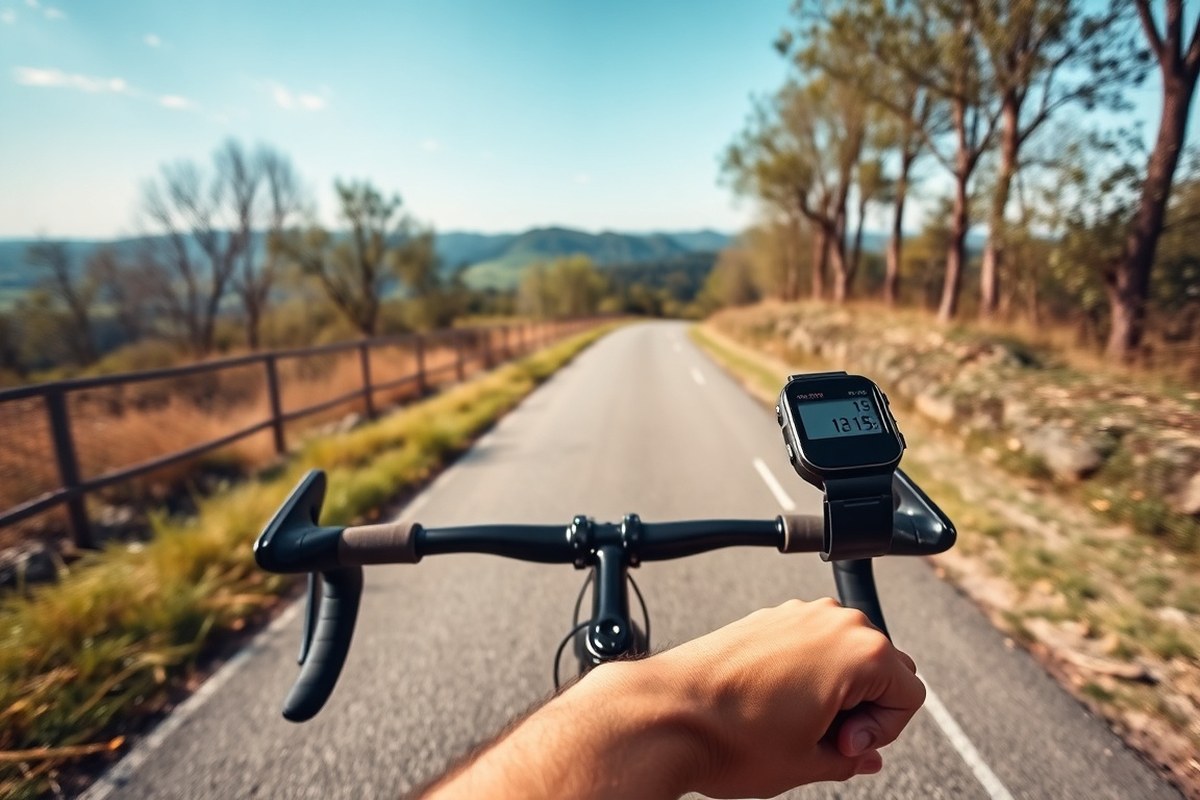
This can improve your overall time. Use a bike computer or phone app to track your time. This shows you which parts need more effort.
It helps you ride smarter. This pacing reduces early burnout and speeds up your overall time.
For advanced riders, fine-tuning nutrition before and during your ride matters. Eat a small meal with carbs like a banana 30 to 60 minutes before cycling.
Take small sips of water regularly to stay hydrated. Proper fueling keeps your energy steady and prevents cramps or fatigue that slow you down.
Advanced cyclists should also refine their bike fit and riding position. Adjust saddle height so your leg has a slight bend at the pedal’s lowest point.
Lean forward with a relaxed grip on handlebars to reduce wind resistance. Small changes to posture improve speed without extra effort.
Everyone can check their tire pressure before rides. Use a pump gauge to reach the pressure recommended on your tire’s sidewall.
Properly inflated tires reduce rolling resistance, making pedaling easier. Low pressure or flat spots can waste energy and add minutes to your time.
Quick fixes like lighter clothing and aerodynamic helmets cut down drag. Even switching to smoother road tires can shave seconds from your ride.
These gear improvements help without needing extra training. So try them before your next 10-mile time trial.
Lastly, rest days are part of getting faster. Give your muscles a break by resting one or two days each week. This rest helps them recover.
Stronger muscles mean better rides. Overtraining causes tiredness and weaker performance.
It makes cycling 10 miles quickly much harder. Taking breaks helps avoid this problem.
Calories Burned and Weight Loss Potential When Cycling 10 Miles
Cycling 10 miles burns roughly 400 to 600 calories, depending on your weight and pace. A heavier person expends more energy, as does riding faster or on tougher terrain. For example, a 150-pound rider cycling 10 miles in 45 minutes might burn around 480 calories.
Calorie burn affects weight loss since losing one pound needs a deficit of about 3,500 calories. Cycling 10 miles regularly can burn 500 calories each time. This could help you lose nearly one pound every week.
This assumes you don’t change how much you eat. Consistency matters more than speed when your goal is weight loss through cycling.
Your muscle mass also influences how many calories you burn. More muscles increase your resting metabolic rate, helping you burn extra calories even after the ride. Adding some resistance or hills to your 10-mile route ups the energy you spend as well.
Wind and weather conditions can make you burn calories faster. Strong headwinds or riding uphill require more effort and increase your total calorie burn. On a calm, flat day, your calorie burn might be lower.
Your bike speed stays steadier with less wind or hills. This means less resistance to slow you down.
Don’t rely only on calorie burn during cycling to lose weight. Balance it with healthy eating.
For example, you weigh 180 pounds. You ride 10 miles in 50 minutes on flat ground. This sets a clear reference point.
Expect to burn about 600 calories during that ride. Cycling three times weekly at this pace burns 1,800 calories.
That equals about half a pound lost per week. This assumes you don’t eat extra food.
Watching your pace helps control energy use. Trying to finish 10 miles in 30 minutes burns more calories. But you might feel tired faster.
This tradeoff can make your rides tougher. A more relaxed pace might burn fewer calories but feels easier for most beginners.
Common Mistakes Slowing Down Your 10 Mile Cycle Time and How to Fix Them
Pacing yourself poorly often adds minutes to your 10 mile cycle time. Many riders start too fast and burn out before finishing. Try riding at a steady speed of 15 to 16 mph.
Then, increase your pace a bit during the last few miles. This helps you finish strong without getting tired early.
A bad bike fit slows you down and causes discomfort. Make sure your seat height lets your leg extend almost fully when pedaling. Your handlebars should allow a relaxed grip without overstretching.
Local bike shops offer bike fitting services for $40 to $100. A proper fit can shave seconds off your time each mile. This small cost can improve your overall speed.
Inefficient pedaling wastes energy and reduces speed. Focus on a smooth pedal stroke, pushing down and pulling back slightly with your feet.
Avoid just stomping on the pedals. Using clip-in pedals improves this by keeping your feet connected for better power transfer.
Riding with a heavy or untuned bike also hinders your speed. Cleaning and lubricating your chain regularly costs little but helps maintain smooth gear changes. Check your tire pressure once a week to keep it right.
Inflate tires to the recommended 80 to 110 psi range. Low pressure adds resistance and slows your ride.
Ignoring wind conditions can also stretch your time. Ride behind another cyclist when you can to draft. This reduces wind resistance and saves your energy.
Drafting lets you keep speed without working as hard. On solo rides, lean your body forward to reduce your frontal profile.
Simple changes like tightening loose components or swapping heavy tires for lightweight ones can add up. Switching from knobby tires to slick ones can speed you up. It can cut several minutes off a 10-mile ride.
Slick tires roll easier on smooth pavement. These adjustments might cost $50 to $150 but often improve your overall ride feel too.
Your First 10-Mile Ride: A Quick-Start Plan
This simple plan helps you ride 10 miles comfortably and improve your time safely. Follow these steps to stay motivated and track progress.
- Before You Start: Check your bike condition and adjust seat height. A comfy fit means less fatigue and better speed.
- Day 1: Ride at an easy pace for 3 miles. Note how long it takes and how you feel to set a baseline.
- Week 1: Add 1 mile to your ride every other day. Check if you keep the same effort level without getting too tired.
- After 2 Weeks: Try cycling 10 miles at a relaxed pace. Record your time and spot any problems with your gear or route.
- Week 3: Add one ride at a brisk pace. Try to cut your 10-mile time by 5 percent. Notice if your breathing improves.
- Week 4: Include interval training: alternate one minute fast, two minutes slow for 15 minutes. This boosts your speed and stamina.
- After 1 Month: Plan your best 10-mile ride, using what you learned about terrain and weather. Track your time and celebrate your improvement.
Frequently Asked Questions
How Long Should a 10 Mile Cycle Take?
It usually takes 45 to 60 minutes to cycle 10 miles. Beginners usually take nearly an hour to finish ten miles.
Experienced riders finish faster, based on speed and terrain. Their time varies with hills and road conditions.
How Many Miles Is a 30 Minute Bike Ride?
A 30-minute bike ride typically covers 5 to 7 miles at a moderate pace. Your distance varies with your cycling speed and how flat or hilly the route is.
Does Cycling 30 Minutes Burn Fat?
Yes, cycling for 30 minutes burns fat by increasing calorie use. The number depends on your weight, effort level, and cycling speed.
How Much Weight Will I Lose Cycling 10 Miles a Day?
Weight loss depends on overall diet and activity, not just cycling 10 miles a day. Cycling helps burn calories. But how much you lose varies widely with your eating habits.
Is Cycling 10 Miles a Good Workout for Beginners?
Yes, cycling 10 miles offers a solid workout for beginners. It builds endurance and strength without too much strain if you pace yourself well.
The Bottom Line
Most riders finish 10 miles in 30 to 60 minutes depending on fitness and conditions. Track your rides and adjust to get faster safely. Now, set a date for your next 10-mile ride and see your progress in action.