How Long Does It Take to Bike 5 Miles? A Complete Guide with Real-Time Estimates
How much time you spend biking 5 miles depends on your speed, terrain, and stops. Most riders cover it between 20 and 30 minutes. Your pace and the type of route matter the most.
New cyclists usually take longer to cover 5 miles. Rough or hilly routes also slow you down. Don’t expect quick times starting out.
Experienced cyclists on flat streets can pedal through 5 miles in about 15 to 20 minutes. To get a better idea, track your pace in similar conditions first.
Remember, weather and traffic can also stretch your ride time. Plan your route ahead to avoid surprises during the ride.
Check the weather forecast before you leave. These steps help keep your ride steady and smooth.
Key Takeaways
- Expect 20 to 30 minutes to bike 5 miles under average conditions.
- Flat terrain helps you finish faster than hilly or rough routes.
- Your fitness level directly impacts how quickly you can ride 5 miles.
- Weather like wind or rain can slow you down noticeably.
- Stops and traffic add extra time, so plan your route carefully.
- Using a speed tracker helps estimate your personal riding time.
Typical Time to Bike 5 Miles Explained
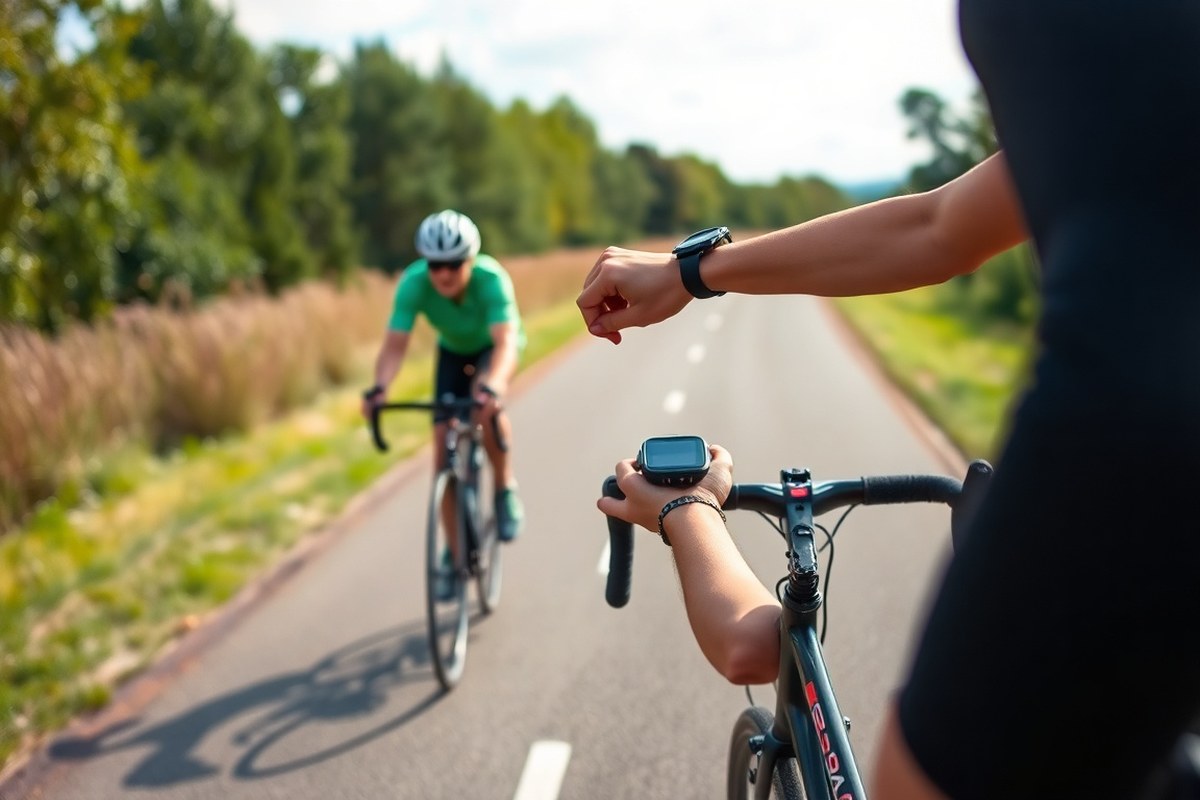
Most people take between 20 and 30 minutes to bike 5 miles. This timing usually fits riders going around 10 to 15 miles per hour on flat roads. Beginners often ride slower, around 8 to 10 mph.
This means 5 miles takes closer to 30 to 40 minutes. Riding slower stretches the ride duration for new cyclists.
Experienced cyclists tend to bike faster, typically hitting 15 to 25 mph. At those speeds, finishing 5 miles takes 12 to 20 minutes. Someone riding at 18 mph covers 5 miles in about 17 minutes.
This speed is common for fit riders on a road bike. They complete the distance faster than casual cyclists.
Recreational cyclists and those riding for fun usually average around 12 to 15 mph. This pace means covering 5 miles in 20 to 25 minutes. Knowing your average speed helps you plan your ride time.
It also lets you set realistic training goals. This makes your practice more effective.
How Bike Type Influences Your 5-Mile Ride Time
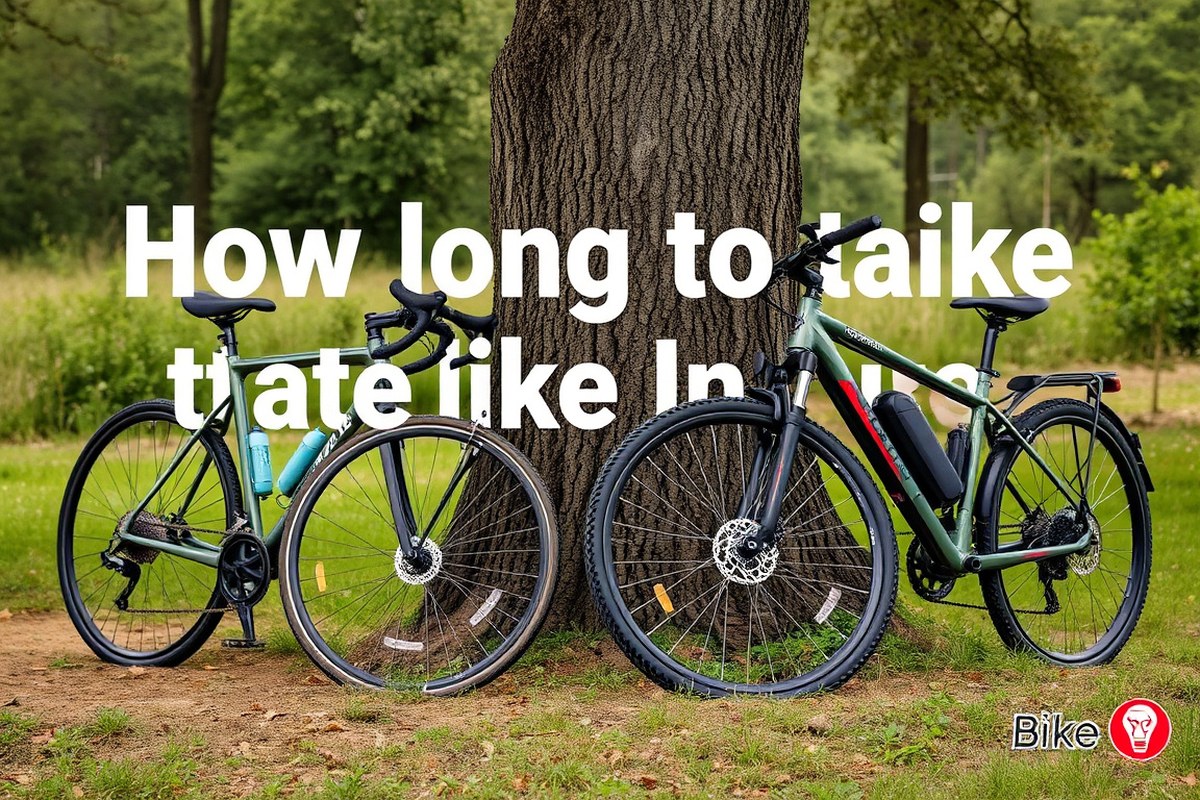
The type of bike you ride changes how fast you can cover 5 miles. Road bikes usually cut down your time the most.
Mountain and hybrid bikes ride slower. E-bikes add power that helps you finish the distance faster.
Road Bikes and Time Savings
Road bikes are built for speed with thin tires and lightweight frames. They can ride 15% to 30% faster than mountain or hybrid bikes with the same effort. You might save 4 to 7 minutes on a road bike.
This cut time helps finish 5 miles faster. Road bikes let you ride quicker than most.
Higher speeds come from less rolling resistance and more aerodynamic riding posture. A road bike’s design lets you pedal efficiently on paved roads, making your ride quicker. Expect to ride 5 miles in 17 to 23 minutes.
This timing fits a moderate effort on a road bike. The speed depends on your condition and weather.
Hybrid and Mountain Bike Speed Differences
Mountain bikes have wide, knobby tires designed for off-road riding, which slows you down on pavement. They average 10 to 15 mph. So 5 miles could take you 20 to 30 minutes.
Hybrid bikes mix traits and go slightly faster, about 12 to 18 mph. They finish 5 miles in 17 to 25 minutes. This is a balance between comfort and speed.
Hybrids have smoother tires and lighter frames than mountain bikes. But they don’t reach road bike speeds. They offer a comfortable middle ground for most riders.
You get better comfort and versatility but lose some speed on flat surfaces. Both bike types will slow your 5-mile time compared to a road bike.
E-Bikes: Assistance and Time Reduction
E-bikes use a motor to cut your effort and boost speed. Riding 10 miles on a regular bike takes 50 minutes but only 35 to 40 on an e-bike. For 5 miles, e-bikes cut your time by 5 to 8 minutes compared to regular bikes.
This power boost helps on hills and against the wind, making you faster and less tired. However, battery charge and motor level affect how much time you save. E-bikes cost more, and proper maintenance is necessary to keep the motor running well.
Here’s a quick view of how bike types compare by average time to bike 5 miles:
| Bike Type | Average Speed (mph) | Time for 5 Miles (minutes) |
|---|---|---|
| Road Bike | 12 – 18 | 17 – 25 |
| Hybrid Bike | 12 – 18 | 17 – 25 |
| Mountain Bike | 10 – 15 | 20 – 30 |
| E-Bike (moderate assist) | 15 – 20* | 15 – 20* |
The asterisks show approximate speeds for e-bikes, as assist levels vary. Start by picking the right bike if you want faster rides. Next, improve your fitness and check your riding terrain.
These three things majorly affect how fast you’ll go. A road or e-bike can save you several minutes compared to a mountain bike.
To speed up your 5-mile ride, keep tires pumped right. Also, pick a bike type that matches your path. These simple steps help you ride faster and easier.
Fitness Level and Cycling Experience Impact
Your fitness and cycling experience shape how quickly you bike 5 miles. Beginners tend to ride slower because of lower endurance and less skill. Improving fitness and technique helps you cover the distance faster over time.
Beginner Cyclist Speed and Time Estimates
Beginners often start with a slower pace around 8 to 10 mph. This pace means it takes roughly 30 to 38 minutes to finish 5 miles. At this speed, expect to stop occasionally to rest or adjust your pace.
Lower fitness causes quicker fatigue, which slows you down. Your body needs time to build muscle endurance and cardiovascular strength. New cyclists also spend energy on handling the bike smoothly, delaying speed gains.
Recreational Rider Typical Times
Recreational cyclists usually maintain a steady pace between 10 and 12 mph. They finish 5 miles in about 25 to 30 minutes with moderate effort. This level suits riders who cycle regularly but not at a competitive level.
Their cycling fitness allows them to sustain a comfortable, consistent speed. Riders at this level handle gear shifts and road conditions more efficiently. They also recover faster, so their pace stays stable throughout the ride.
Fit and Competitive Cyclist Benchmarks
Fit riders and commuters usually bike between 12 and 15 mph. They take about 20 to 25 minutes to cover 5 miles. This speed suits many beginner and everyday cyclists.
More trained cyclists push 18 to 25 mph, finishing in 12 to 17 minutes. These riders combine good fitness with strong cycling skills.
Improving your fitness reduces your 5-mile time by increasing power and stamina. Key training focuses on endurance, interval efforts, and bike handling drills. Regularly challenging yourself helps cut down minutes off your typical ride time.
Here’s a quick guide showing typical 5-mile cycling speeds and times for different rider types.
| Riding Style | Typical Speed (mph) | Time for 5 Miles (minutes) | What to Expect |
|---|---|---|---|
| Easy or Casual | 8, 10 | 30, 38 | Relaxed pace, occasional stops or path sharing |
| Steady Recreational | 10, 12 | 25, 30 | Comfortable effort on mostly level roads |
| Brisk Commuting | 12, 15 | 20, 25 | Purposeful pace with few traffic delays |
| High-Performance Cycling | 18, 25 | 12, 17 | Fit rider, efficient bike, favorable conditions |
Moving your fitness from beginner to recreational takes consistent rides several times a week. Aim for at least 30 minutes per session focusing on steady pedal strokes. Avoid overtraining to prevent fatigue and injury.
To boost speed further, add interval training with short bursts of faster cycling. Try riding hard for 30 seconds, then recover for 1 minute, repeating 5 to 8 times. This method improves your heart and leg strength, lowering your 5-mile time.
Terrain and Elevation Effects on Biking Time
Hills slow you down significantly compared to flat roads. Cycling uphill can slow you down by 30% to 50%. The exact drop depends on the hill’s steepness and your fitness.
Your effort matters a lot here. If you bike 5 miles at 10 mph on flat ground, it takes about 30 minutes. This speed is easy to keep on level trails.
Riding uphill at half your flat speed means slower times. The same 5-mile ride could then take 45 to 60 minutes. Hills make a big difference.
Mixed terrain requires adjusting your time based on the proportion of hills and flats. Try breaking your 5-mile ride into parts to estimate time more easily. Use different speeds for flat and hilly segments.
This way, calculations get simpler and more accurate. For example, 3 miles flat at 10 mph takes 18 minutes.
Then, 2 miles uphill at 5 mph takes 24 minutes. Add these for a total time of 42 minutes.
Road surface impacts your speed too. Smooth pavement lets you bike faster while rough or gravel roads slow you down noticeably. Expect to lose 10% to 25% of your speed on rough surfaces.
A 30-minute flat ride could take 33 to 38 minutes on uneven roads. Choosing the right bike tires helps here, especially for rough terrain.
Weather and Environmental Conditions Impacting Ride Duration
Wind can change your 5-mile cycling time a lot. Riding with a strong headwind slows you down, making each pedal stroke harder. A tailwind helps push you forward.
It can cut your time by 10 to 20 percent. The difference depends on wind speed.
Crosswinds can throw off your balance and make steering tricky. Adjust by leaning slightly into the wind and gripping the handlebars firmly. Slow down a bit for safety on windy days.
Gusts can be patchy and strong. Take care to avoid losing control.
Rain usually adds weight from wet clothes and makes the road slippery. Wet roads mean you’ll brake earlier and ride more cautiously, which bumps your 5-mile time up.
Cold temperatures stiffen muscles and slow your response. So you pedal a little less efficiently.
Wear layered, waterproof gear to stay dry and warm during rain or cold. Gloves and shoe covers help protect extremities too. Slow your pace by 5 to 10 percent in wet or cold weather.
This helps prevent injury and fatigue. Adjusting speed keeps you safer riding.
The surface conditions combine with weather to change how fast you can ride. Puddles, mud, or icy patches demand slower speeds.
Watch out for bright sun glare or fog that reduce visibility. Adjust your bike’s tire pressure for wet roads to improve traction.
On windy or wet days, start your ride a little slower than usual. Focus on steady, consistent pedaling rather than sprinting. The weather can worsen quickly.
Cutting your ride short is safer. It lowers the risk of falls and cold exposure.
Always check the weather forecast before you ride and dress appropriately to avoid surprises.
How Stops, Traffic, and Route Planning Change Your Time
Traffic lights often add one to two minutes per mile on urban rides. Stop signs, junctions, and congestion can add up to 5, 15 minutes for a 5-mile trip. That means your 25-minute ride could take 30 to 40 minutes total.
Planning your route can cut down extra time from stops. Look for streets with fewer signals or stop signs. A slight detour might save you several minutes and keep your rhythm steady.
- Check local maps or apps for bike-friendly routes with fewer stops
- Choose roads with dedicated bike lanes to avoid traffic lights
- Time a short test ride including typical stops to gauge delays
- Plan rides outside rush hours to reduce congestion delays
- Use a bike computer or phone timer to track total trip duration
To estimate your total trip time, add roughly 1.5 minutes per mile for stops to your moving time. If you bike 5 miles in 20 minutes, that’s your riding time. Add stops, and the total time is around 28 minutes.
This gives you an idea of your full trip duration. Testing your usual route helps you adjust this estimate accurately.
This method works best on urban or suburban roads with regular traffic signals. Rural rides with fewer stops will add less delay.
Avoid routes with heavy traffic or many intersections if you want the shortest time. Planning carefully helps you keep your pace and arrive on schedule without rushing.
Estimating Your 5-Mile Ride Time Accurately
You can estimate your 5-mile bike time by first finding your average speed. Then, adjust for hills and stops to get a more accurate time. Finally, use tools or simple formulas to calculate your total ride time easily.
Measuring Your Average Riding Speed
Knowing your average speed is key to estimating your ride time. You can track your speed by timing a short flat ride.
Pedal at a steady pace the whole time. Use this to judge your average speed.
For example, you ride 3 miles in 12 minutes. That means your speed is 15 miles per hour. Divide distance by time to find this.
At that speed, you’d take about 20 minutes to bike 5 miles. This assumes flat ground without any stops. Use this as a rough estimate.
Factoring in Terrain and Stops
Hills and stops slow you down. So you need to add extra time for these factors. Moderate hills can add about 1 to 3 minutes per mile depending on their steepness.
Each stop, like waiting at a light, often takes about 30 seconds to 1 minute. Add the time for every hill and stop to your base time for a realistic estimate.
Using Apps and Online Calculators
Apps and online calculators let you enter your average speed, terrain type, and number of stops. These tools do the math for you quickly.
They give you a clear estimate of your time. It makes timing easier and faster.
Some GPS apps automatically track speed and elevation, adjusting your estimated time while you ride. You can also use simple formulas on websites for quick planning. Try these steps to calculate your own 5-mile bike time:
- Record your ride time over a known distance on flat terrain to get a base speed.
- Calculate your average speed by dividing distance by time (miles per hour).
- Add extra time per mile for hills. Estimate 1 to 3 minutes more depending on how hard the hills are. This adjusts your total time.
- Add time for each planned stop (about 30 seconds to 1 minute per stop).
- Use this formula to find your 5-mile time: Time equals distance divided by speed. Calculate time in hours for accuracy. Multiply if needed for longer distances.
- Add the hill and stop times to the base riding time.
- Use a bike app or online calculator to confirm your estimate.
For example, you ride 3 miles in 12 minutes (15 mph). The base time for 5 miles is 5 ÷ 15 = 0.33 hours, or 20 minutes.
Add 5 minutes for two moderate hills and 2 minutes for three stops. Your total estimate is 20 + 5 + 2 = 27 minutes.
Practical Tips to Improve Your 5-Mile Cycling Time
Building your cycling speed starts with steady fitness training. Focus on pedaling hard for 1 to 2 minutes. Then rest for the same time.
Repeat these intervals during your ride. Repeat this 4 to 6 times twice a week to boost your power and endurance.
Checking your bike fit also trims seconds off your 5-mile time. The right saddle height keeps your legs efficient and reduces fatigue. Bend your knees about 25 to 35 degrees at the lowest pedal point.
This angle gives you the best pedaling power. Check your form to keep it consistent.
Use your gears wisely to keep a steady, fast cadence. Shifting to an easier gear up hills keeps your leg speed smooth. On flat parts, pick a harder gear to maintain momentum without tiring quickly.
- Warm up with 5 to 10 minutes of easy riding before pushing speed.
- Keep your upper body relaxed to avoid wasting energy.
- High cadence of 80-100 pedal revolutions per minute saves energy.
- Wear snug clothing to cut wind resistance during your ride.
- Check tire pressure regularly. The right psi depends on your tire but usually between 80-110 psi for road bikes.
- Choose clipless pedals for better power transfer if comfortable using them.
- Stay hydrated but don’t overdrink, it avoids sluggish legs.
Positioning your hands on the drops or hoods lowers wind drag and increases control. This helps you maintain a faster speed on short rides. Practicing smooth and steady pedaling improves efficiency and prevents energy loss.
Don’t skip warming up. A sharp start can cause early fatigue and slow you down.
Common Mistakes That Slow Down Your 5-Mile Ride
Using a bike that isn’t set up right can make your ride longer and harder. Your seat too low wastes energy with short pedal strokes. Under-inflated tires cause more rolling resistance and slow you down.
Check your bike fit and inflate tires to the pressure marked on the sidewall. This usually ranges between 60 and 100 psi for road bikes.
Pacing yourself is just as important. Starting too fast might feel good but leads to gasping and tiring out quickly. That slow-down during your ride adds significant time.
Keep a steady speed near your average. Aim for 12 mph.
This helps finish the ride around 25 minutes. You can use a bike computer or a smartphone app to keep your pace steady.
Routes with many stops and turns slow you down. Traffic signals add extra minutes to your trip. Every time you stop and restart, you slow down your overall time.
Avoid busy streets on your ride. Pick paths with fewer lights and smooth turns. This makes your effort more continuous and your time less variable.
- Set your seat height so your leg almost fully extends at the pedal bottom.
- Inflate tires to their recommended psi for less rolling resistance
- Use a speedometer to keep pace steady around 12 mph
- Start your ride at a comfortable speed, avoiding sprinting at first
- Plan routes with fewer stops and traffic signals
- Wear proper clothing to avoid overheating and fatigue
- Reduce unnecessary gear changes by matching your cadence and slope
These fixes cost little to nothing but require attention and practice. You might spend 5 to 10 minutes setting the seat or checking tire pressure before rides. Over time, you’ll see your 5-mile time drop closer to 25 minutes.
Occasionally, weather or terrain forces changes. But solid setup and pacing put most of your time control in your hands.
Step-by-Step Action Plan to Bike 5 Miles Faster
This quick plan helps you cut your 5-mile bike time safely and clearly. Follow each step and check your progress as you go.
- Before your first ride: Check tire pressure and brakes. A safe bike means less risk of slowing down or stops.
- Day 1: Time yourself biking 5 miles at a comfortable pace. This records your starting point.
- Week 1: Add interval training once a week. Start with 30 seconds fast, 90 seconds slow, repeat 5 times. Notice if your speed improves on easy rides.
- Week 2: Adjust your route to challenge hills or smoother paths. Track if your time gets better or worse with terrain changes.
- After 3 weeks: Focus on posture and pedaling technique. Try to keep your upper body relaxed and pedal in smooth circles. You’ll feel less tired and keep speed more easily.
- Week 4: Look for lighter gear or better tires if your bike feels heavy. Check if harder pedaling eases off or speeds the ride.
- Every ride: Avoid unnecessary stops and plan your route to dodge traffic lights. You’ll see better times on each ride.
- After 1 month: Repeat the timed 5-mile ride. Compare results and adjust your training or gear based on progress.
Frequently Asked Questions
What Factors Most Affect the Time It Takes to Bike 5 Miles?
Your fitness, bike type, terrain, weather, and stops all impact your time. Each factor can add or subtract minutes from your ride.
How Can I Quickly Improve My 5-mile Biking Time?
Work on your endurance by riding regularly and mixing in some speed drills. Proper bike fit also helps you pedal more efficiently.
Is It Better to Bike 5 Miles Fast or Steady for Fitness?
Steady pacing improves endurance and burns calories effectively. Speed workouts help you gain power and reduce overall time.
How Do I Estimate My 5-mile Biking Time Without a Speedometer?
Time your ride once and note the average speed you maintained. Use that speed to estimate future rides with this simple math.
Should I Warm Up Before Biking 5 Miles to Save Time?
Yes, a short warm-up loosens muscles and boosts performance. It can make your ride feel easier and help you bike faster.
Wrapping Up
Most riders take about 20 to 30 minutes to bike 5 miles depending on many factors. Start timing yourself on regular rides to see your true pace. Pick one or two tips to try today and watch your rides get faster.