Can Bad Gas Cause Check Engine Light? What Actually Happens Under the Hood
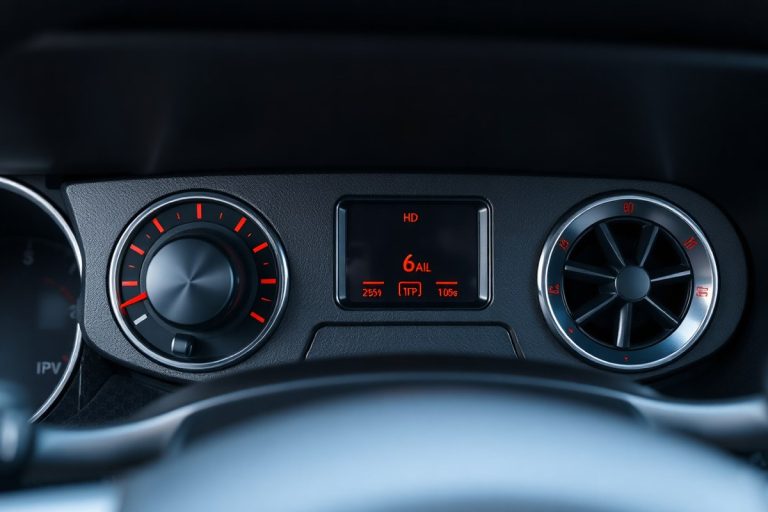
Poor-quality gas can cause your check engine light to turn on. Contaminants in bad gas mess with your engine sensors and performance. This triggers the warning light to alert you of a problem.
You might think the warning means a sensor or computer failure. But often bad gas is the culprit.
The first thing to check is your gas quality before spending on parts or diagnostics. Sometimes, just waiting a few days can clear the light if you switch to fresher fuel.
Another simple cause is a loose or faulty gas cap, which lets fuel vapors escape. A gas cap costs $15 to $25 to replace and often clears the light quickly. So, start your trouble-shooting there before looking deeper.
Key Takeaways
- A loose or damaged gas cap often triggers an EVAP-related check engine light.
- Bad gas causes engine performance problems and sets off the check engine light.
- Fuel older than six months tends to degrade and harm your engine’s sensors.
- Check your gas source if the engine light appears right after refueling.
- Replacing a gas cap costs little and can fix check engine light issues fast.
- Driving for a few days on bad gas might keep the light on. Adding fresh fuel can help clear the check engine light. Give the car some time with good gas to reset the system.
Can Bad Gas Cause the Check Engine Light to Come On?
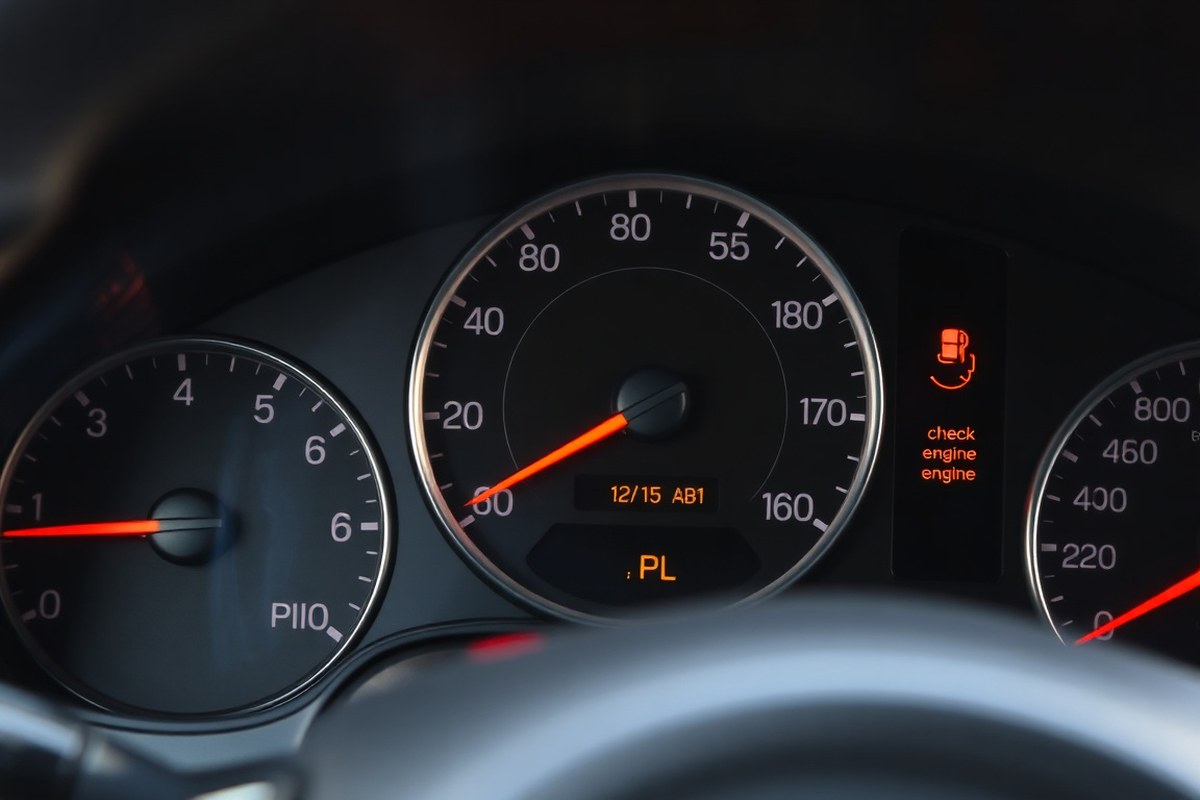
Poor quality fuel can make your check engine light come on. Water, dirt, or wrong additives in gas can harm engine work. Sensors spot these problems from bad combustion or exhaust and then warn you.
The engine control module closely watches the fuel system and air-fuel mixture. When bad gasoline causes misfires or improper burning, the module adjusts fuel trims to compensate. Changes in fuel trim and sensor readings often cause error codes.
These codes usually happen in the EVAP system. That can make your check engine light turn on.
Bad gas causes check engine light less often than other things. It still happens and can cause the light to come on. Don’t ignore bad fuel as a possible cause.
Faulty sensors, a loose gas cap, and ignition problems occur more often. After pumping gas at a sketchy place, bad fuel is a likely cause.
You should check this before looking for other reasons. Bad fuel can mess with engine sensors quickly.
Common Symptoms That Indicate Bad Gasoline in Your Car
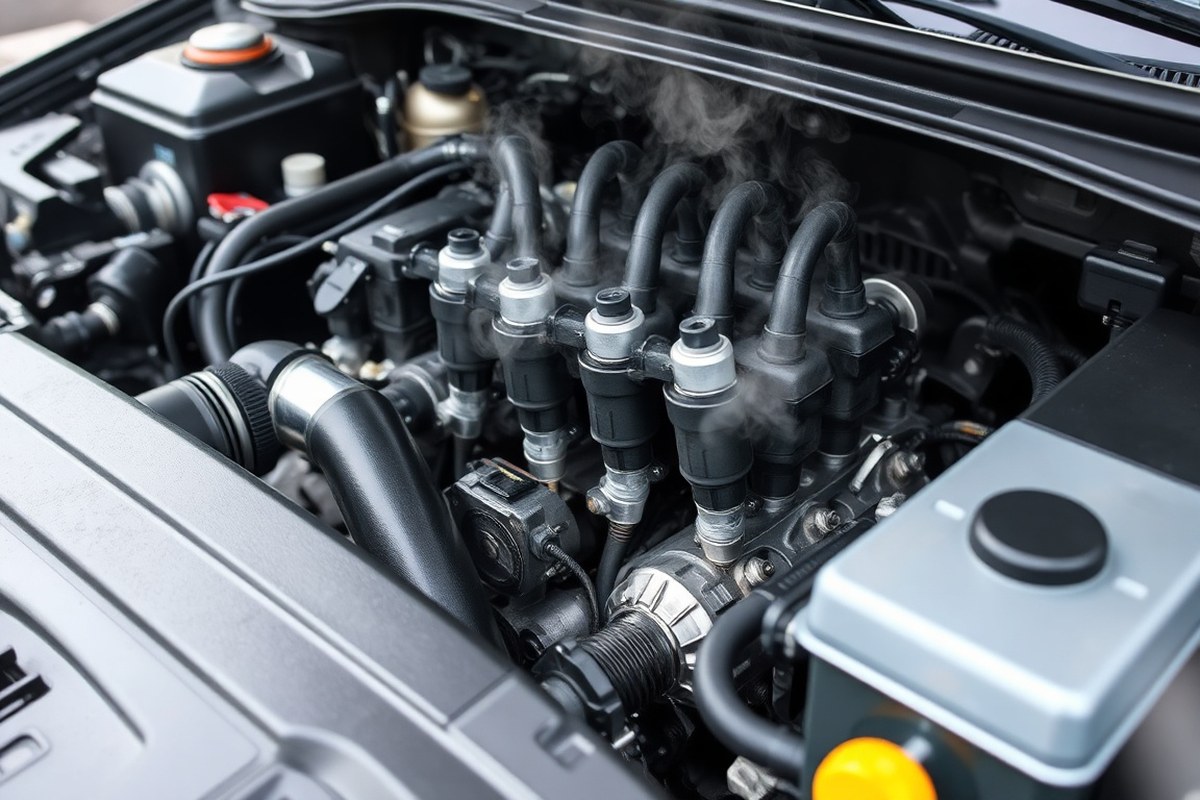
Bad gasoline can cause several clear symptoms before your check engine light ever comes on. You might notice your engine misfiring or running rough, especially under load or during acceleration. This happens because contaminants or incorrect fuel blends affect combustion, making the engine stumble or hesitate.
Sometimes your car will feel sluggish or have trouble starting. Problems like slow responses or rough idling often happen first. Sensors may miss the issue at first.
The warning light comes on after sensors detect the problem. These signs show the fuel is poor quality.
Bad fuel can harm spark plugs and the converter. Ignoring these signs lets damage get worse.
- Engine misfires or rough idling
- Loss of power during acceleration
- Engine hesitation or stalling
- Hard starts or repeated cranking
- Unusual engine noises or knocking
- Reduced fuel economy
- Opaque or strong-smelling exhaust smoke
Listen for rough engine sounds or uneven RPM when idling. These signs can mean fuel quality causes misfires. Check the engine carefully for these problems.
You can try accelerating gently and see if the car hesitates or jumps. The car running poorly after fueling is a clear clue.
It often means the gas is contaminated. This gas might not match what your engine needs.
Always tighten your gas cap after refueling. A loose cap can cause misfire-like symptoms and trigger the check engine light.
Bad gas symptoms vary by car and fuel system. But early detection prevents costly repairs. You might pay $50 to $100 for a fuel system cleaning if you catch it early.
Ignoring poor fuel can ruin sensors or engine parts. Repair costs might add up to hundreds of dollars.
Fixing fuel issues quickly saves money later. Watch for changes right after filling up, especially if you notice these common fuel-quality symptoms.
Diagnostic Trouble Codes That Bad Gas Can Trigger
Common diagnostic trouble codes (DTCs) tied to bad gas often point to misfires. They also show EVAP leaks and fuel system issues. These codes signal how contaminated or poor-quality fuel disrupts combustion and vapor pressure.
Knowing which codes to watch helps you find out if bad gas caused the light. You can check the codes using a scanner tool.
Misfire Codes and Their Meanings
Misfire codes like P0300 (Random/Multiple Misfire) frequently appear after filling with contaminated fuel. Water or dirt in gasoline messes with the combustion process, so cylinders misfire.
The computer detects engine trouble and flags random misfire codes. This shows the engine struggles to run smoothly.
This issue causes rough idling, hesitation, or drops in fuel efficiency. Fixing this usually means draining bad gas from the tank. Then clear the codes once clean fuel runs through.
Persistent misfires might need a mechanic to test injectors or ignition parts. Contaminants can cause damage to these components.
EVAP System Leak Codes Explained
The EVAP system traps fuel vapors to reduce pollution. Codes like P0442 point to leaks in the EVAP system. These often happen after using bad gas or a loose gas cap.
Damage or dirt that blocks the vapor recovery system from sealing can trigger these codes. Cleaning or repairs may be needed.
The computer stores a trouble code if it can’t maintain pressure in the EVAP test. This shows a system leak or failure.
This check helps catch vapor leaks from seal failures or clogs in the system. Fixing these codes can range from tightening the gas cap to replacing seals or damaged canisters.
Fuel Trim Related Codes to Watch For
Fuel trim codes like P0171 or P0420 often come from bad or degraded gas. These codes mean the engine is running too lean or the catalyst is failing.
The engine control module (ECM) adjusts fuel mixture based on sensor data. Contaminants cause the mixture to run lean or affect emissions systems, triggering these codes.
These codes show the engine struggles to maintain the right fuel-to-air balance. Using contaminated gas over time worsens sensor readings. It also harms catalytic converters.
Ignoring this leads to more costly repairs. Clearing these faults needs fresh gas and sometimes sensor repairs.
Here is a quick overview of common DTCs triggered by bad gas:
| Diagnostic Trouble Code (DTC) | Meaning | Cause related to bad gas |
|---|---|---|
| P0300 | Random/Multiple Misfire Detected | Water or contaminants disrupting combustion |
| P0442 | Evaporative Emission Control System Leak Detected (small leak) | Leaks caused by dirt, damage, or loose gas cap |
| P0171 | System Too Lean (Bank 1) | Lean condition from contaminated or degraded fuel |
| P0420 | Catalyst System Efficiency Below Threshold | Damaged catalyst from fuel contaminants |
Each trouble code reveals a specific problem caused by bad fuel. Clearing codes requires diagnosing these triggers and ensuring the fuel system is clean.
You may need to refuel with good gas and replace damaged parts. Reset the ECM to turn off the check engine light.
How a Loose or Faulty Gas Cap Can Cause Engine Light Issues
A loose or damaged gas cap often causes the check engine light after refueling. Fuel vapors escaping trigger the car’s EVAP system to spot a leak. Checking the gas cap is a fast way to fix the warning light problem.
How to Properly Check and Tighten Your Gas Cap
Start by turning off your vehicle and opening the gas tank door. Inspect the gas cap for tightness by turning it clockwise until you hear it click. The clicking sound means it’s sealed correctly and should prevent vapor leaks.
Remove the gas cap and clean the sealing surface when the light stays on. Dirt or debris can stop the cap from sealing properly. After cleaning, retighten the cap firmly, pressing it down and turning until tight.
- Turn off your vehicle.
- Open the gas tank door.
- Remove the gas cap.
- Inspect the cap and filler neck for dirt or damage.
- Clean the sealing areas with a clean cloth.
- Replace the gas cap and turn until you hear clicks.
- Close the gas tank door.
- Start your car and check if the light goes off.
Signs Your Gas Cap Needs Replacement
Look for cracks, worn rubber seals, or broken threads on the gas cap. These problems prevent a proper seal, causing fuel vapor leaks and triggering the check engine light. Sometimes the cap feels loose or won’t tighten fully despite turning it enough.
Older vehicles may have a gas cap seal that dries out and cracks. Replacing the cap usually costs between $10 and $30 at auto parts stores. Using the right cap ensures your EVAP system works correctly and prevents fuel loss.
Understanding EVAP System Codes Linked to Gas Cap Issues
The check engine light often comes on with codes like P0455, P0442, or P0457. These codes signal EVAP leaks, either big or small.
Usually, the gas cap is loose or broken. Scanning the vehicle can confirm if the gas cap is the source of the problem.
After fixing the gas cap, the light might not turn off immediately. The powertrain control module runs more tests.
This can take several driving cycles or a few days. Continued warning light means more tests are needed to find leaks or problems.
Why the Check Engine Light May Appear Immediately After Refueling
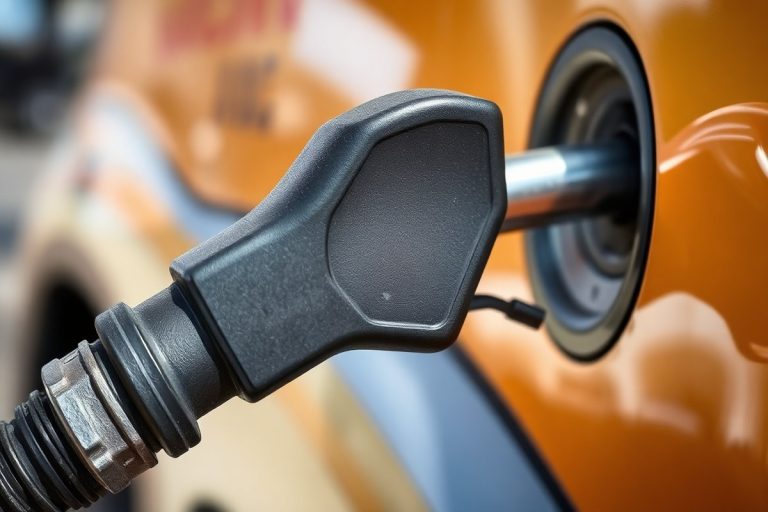
The check engine light sometimes shows up right after you fill the gas tank. One common cause is overfilling the tank, which can flood the evaporative emissions system.
This system traps fuel vapors and sends them back to the engine. But too much gas can wet sensors and cause them to send false signals.
Overfilling usually happens when you top off the tank after the pump clicks off. That’s when liquid fuel can enter the charcoal canister or sensors designed only for vapor. These sensors detect abnormal pressure or moisture and trigger the check engine light as a warning.
Fresh gasoline can also change sensor readings temporarily. Fuel system sensors adjust to new fuel composition or temperature right after refilling.
For example, sensors measuring fuel vapor pressure or oxygen levels detect shifts during this time. The car’s computer needs some time to recalibrate as you start driving again.
The light usually turns off by itself within a few miles. This happens as the sensors settle into normal readings. A flashing check engine light right after fueling is serious.
You should get it checked immediately. Avoid this by stopping when the gas pump clicks once. Don’t try to top off the tank.
A fast flashing check engine light after fueling is urgent. Stop driving and check your car right now.
How Bad Fuel Affects Sensors, Fuel Trims, and Engine Timing
Bad fuel changes how sensors read the combustion process. Oxygen sensors measure leftover oxygen in exhaust gases to check fuel burn efficiency. When bad gas reduces combustion quality, these sensors report abnormal oxygen levels to the ECU.
The ECU uses this data to adjust fuel trims, which are corrections to fuel supply. Fuel quality drops, so the ECU adds fuel to compensate.
This raises short-term fuel trim (STFT) numbers. Persistent bad fuel will increase long-term fuel trim (LTFT), sometimes beyond 10% correction, signaling a problem.
Fuel trims above normal ranges show the ECU is struggling to keep the engine running right. These changes also affect exhaust emissions and fuel economy.
The ECU tries fuel trim adjustments first. When those fail, it changes ignition timing.
Ignition timing means when the spark plug fires to ignite the air-fuel mix. Poor gasoline can make combustion uneven, causing knocking or misfires. The ECU retards timing, firing sparks later to avoid damage and smooth engine operation.
Timing changes help reduce knocks but can lower engine power and efficiency. Knocking still happens even after timing changes.
Then the ECU turns on the check engine light. This warning tells you bad fuel is disrupting sensor readings and engine timing.
Oxygen sensor voltage typically swings between 0.1 to 0.9 volts during good combustion. Bad fuel can cause erratic signals or low voltage over time. The mass airflow (MAF) sensor readings will show changes.
This is because the engine breathes differently. Poor fuel burn causes these changes.
Besides sensor data, the ECU compares fuel trims and timing to maintain smooth engine running. Excess fuel or delayed sparks indicate trouble caused by compromised gasoline quality. Sensor readings and timing adjust when fuel quality isn’t right.
These shifts can cause the check engine light. That’s why the light may come on after filling up.
Steps to Take If Your Check Engine Light Comes on After Fueling
Your first move is to check the gas cap and filler neck. Then, scan for error codes to identify the problem. When it’s safe, try driving briefly to see if the light resets.
Initial Gas Cap and Filler Neck Inspection
Check the gas cap for tightness right after you notice the light. A loose or cracked cap can cause fuel vapors to escape, triggering the warning light. Also, inspect the filler neck for damage or debris that might prevent a good seal.
Turn the gas cap clockwise until it clicks at least 3 times to ensure it’s tight. Make sure the rubber seal on the cap isn’t cracked or damaged. Wiping dirt or grease from the filler neck can help the cap seal better.
Scanning for Error Codes Using an OBD-II Tool
An OBD-II scanner can pinpoint what’s causing the check engine light. Basic scanners cost $20 to $50.
Auto parts stores often offer free scans. Plug the scanner into your car’s port, usually under the dashboard on the driver’s side.
Follow the scanner’s instructions to read stored trouble codes. Write down the code numbers and look them up online or in your vehicle’s manual. Codes related to fuel system issues may confirm bad gas or fuel cap problems.
Guidelines on Safe Driving with the Light On
Drive gently with the light on to avoid causing damage. Avoid hard acceleration or heavy loads and keep engine temperature normal. A flashing light means stop driving at once and call a professional.
Many vehicles need a few drive cycles before the light goes off after a problem clears. The light may turn off after 3 to 5 drives with fresh fuel.
Keep the light on for more than a few days? Visit a mechanic.
- Check that the gas cap clicks tight at least 3 times.
- Look over the gas cap seal and filler neck for cracks or dirt.
- Use or borrow an OBD-II scanner to read trouble codes.
- Write down and research codes related to fuel or emissions.
- Drive gently for several cycles and watch if the light resets.
- Reset the light using the scanner only if issues are fixed.
- Schedule a mechanic visit if the light stays on or flashes.
Preventing Bad Gas Problems and Maintaining Fuel System Health
Avoiding bad gas starts with choosing your fuel wisely. Stick to gas stations with good reputations in your area. They usually sell cleaner fuel and have better storage practices.
Opt for the right fuel grade your car’s manual recommends. Using a higher octane than needed rarely helps and wastes money.
Keeping your fuel system healthy also means regular maintenance. Change your fuel filter as your car’s manual says. It traps dirt and stops it from reaching the engine.
Fuel system cleaner additives can help clear minor deposits. Use them sparingly, about every 3,000 to 5,000 miles, following product instructions.
- Fill your tank before it gets below a quarter full to reduce moisture buildup.
- Keep your gas cap tight and replace it if cracked or worn out.
- Use fuel from stations with high turnover for fresher gas.
- Follow your car’s maintenance schedule for fuel and ignition systems.
- Avoid buying cheaper or unknown-brand gas, as it may contain contaminants.
Pay attention to your vehicle’s fuel vapor system. Over time, seals lose elasticity and might leak. These leaks trigger the check engine light.
The engine control unit detects fuel vapor escaping. This signals a problem to your car’s system. Replacing worn parts on time prevents leaks and trouble.
Always tighten the gas cap firmly after refueling. A loose cap often causes the check engine light.
Cleaning fuel injectors periodically can improve how your engine burns fuel. A clogged injector wastes gas and can cause rough starts or low power. Most shops charge $50 to $100 for injector cleaning.
You can use fuel additives instead to save money. These are budget-friendly alternatives for maintenance. Keeping spark plugs in good shape helps your engine run smoothly.
It may also stop false error codes. Regular checks keep your car reliable.
When to Seek Professional Diagnosis for Check Engine Light Issues
Call a mechanic if your check engine light stays on after you switch to good gas. Using a fuel system cleaner might help. But if the light won’t turn off, professional tools are needed.
They can read the car’s error codes deeply. They also check parts that are hard to reach.
The light flashing or staying bright means stop driving soon. Flashing lights usually mean a serious engine problem, like misfires, that could damage your car.
Getting your car towed to a shop is the safe choice. It avoids more damage or a breakdown on the road.
Fuel-related repairs vary widely in cost. Replacing a bad fuel pump or clogged injectors can cost $300 to $800. This includes parts and labor.
Sometimes the problem may be a faulty sensor, which usually costs less, around $100 to $300. Mechanics can give you a clearer price after a diagnosis.
Constant engine light issues after bad gas may mean sensor problems. Cleaning or replacing sensors like the oxygen sensor might help.
These sensors help your engine adjust fuel and air mixtures. When they are dirty or broken, the engine runs poorly and burns more gas.
A good mechanic tests fuel pressure and checks engine timing. They also review sensor data from the engine.
They use a scan tool to see exactly what triggered the check engine light. This hands-on check is the only sure way to find hidden or complex fuel system issues.
Catching the problem early usually means simpler repairs. Waiting too long can lead to bigger engine problems or even failure.
Always keep track of how your car drives and sounds after refueling. Act quickly if you notice anything unusual with the engine light or performance.
Step-by-Step Action Plan to Handle a Check Engine Light from Bad Gas
Start by checking the easiest problems first and work your way up. This plan helps you act fast and avoid bigger engine issues.
- Right after fueling: Tighten your gas cap if loose. The light should go off within a few drives if this was the cause.
- Within 1 hour: Listen for engine knocking or rough idling. When you hear these sounds, don’t drive. Use fuel additives or drain the tank.
- Day 1: Use a fuel system cleaner as per the product directions. Notice if the engine runs smoother over the next few days.
- Day 2 to 3: Observe fuel trim data with a scanner if you have one. Fuel trims should get closer to normal ranges if bad gas is clearing out.
- Day 3 to 5: Reset the check engine light with an OBD2 scanner. When the light comes back quickly, you must see a professional.
- Week 1: Monitor your car’s performance and fuel economy. Improvement means the issue may resolve, but keep an eye out for return symptoms.
- If no improvement: You should book a mechanic for a full diagnostic. Bad gas can damage sensors needing repair or replacement.
Frequently Asked Questions
Can Bad Gas Cause the Check Engine Light to Come On?
Yes, bad gas can cause the check engine light. It leads to engine misfires and sensor issues that trigger the warning.
How Does Bad Gas Affect Fuel Trims and Engine Timing?
Bad gas changes the air-fuel mix, confusing engine sensors. This alters fuel trims and timing, which sets off the check engine light.
Can a Faulty Gas Cap Alone Cause the Check Engine Light to Appear?
Yes, a loose or faulty gas cap often triggers EVAP codes. It’s an easy fix before suspecting fuel quality problems.
Why Might the Check Engine Light Come on Right After Refueling?
The light can come on after filling up due to contaminants or gas cap problems. Sensors detect fuel system leaks or odd vapor pressure changes.
When Should You Stop Driving If the Check Engine Light Comes on from Bad Gas?
Stop if the engine runs rough or stalls after refueling. Continuing may damage the engine or catalytic converter.
Final Thoughts
Bad gas can definitely trigger your check engine light by disrupting the engine and sensors. Acting fast on simple fixes like tightening the gas cap is key. When problems stay, a pro check saves time and expensive repairs.