What Does It Mean When a Biker Taps His Helmet? The Complete Signal Guide
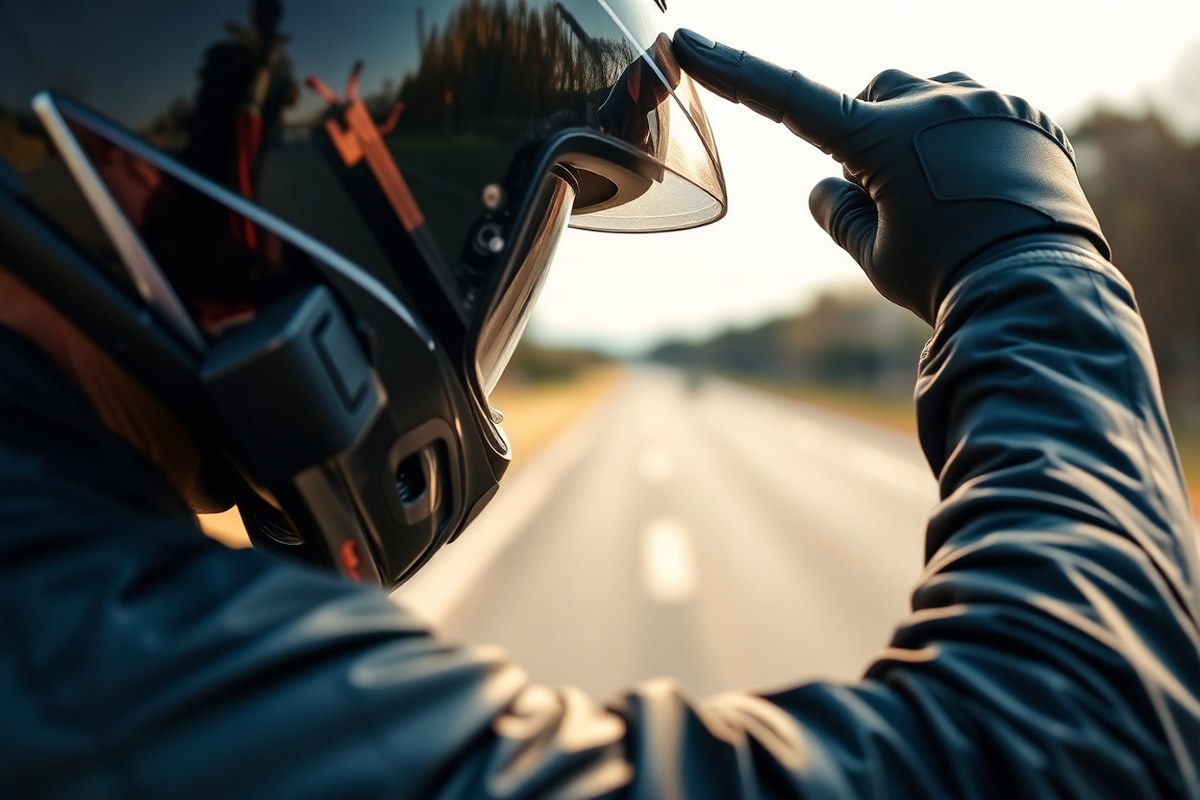
A biker tapping his helmet usually means “Police ahead.” It’s a quick signal for riders to stay alert and ease their speed. This taps gives a heads-up without distracting others or using voice signals.
The helmet tap stands out because it’s clear and fast to spot, even while riding fast. It works well because it doesn’t need riders to move their hands from the handlebars. This keeps everyone safer and focused on the road.
The exact meaning can change depending on the place. In some Asian countries, a helmet tap might mean “Thank you” or “Follow me.” Riders should watch carefully and understand the situation before acting on the tap.
Using this silent signal helps riders share urgent info without risking safety. It’s one simple gesture that connects bikers without slowing down or causing confusion.
Key Takeaways
- A helmet tap usually means there’s police or a hazard ahead.
- Use helmet taps because they’re quick and don’t distract from riding.
- Watch for context to avoid misreading the signal’s meaning.
- Helmet taps can mean “Thank you” or “Follow me” in some regions.
- Respond calmly by adjusting speed or preparing to stop safely.
- Practice recognizing helmet taps in a parking lot before riding in groups.
What Does a Biker Tapping His Helmet Mean?
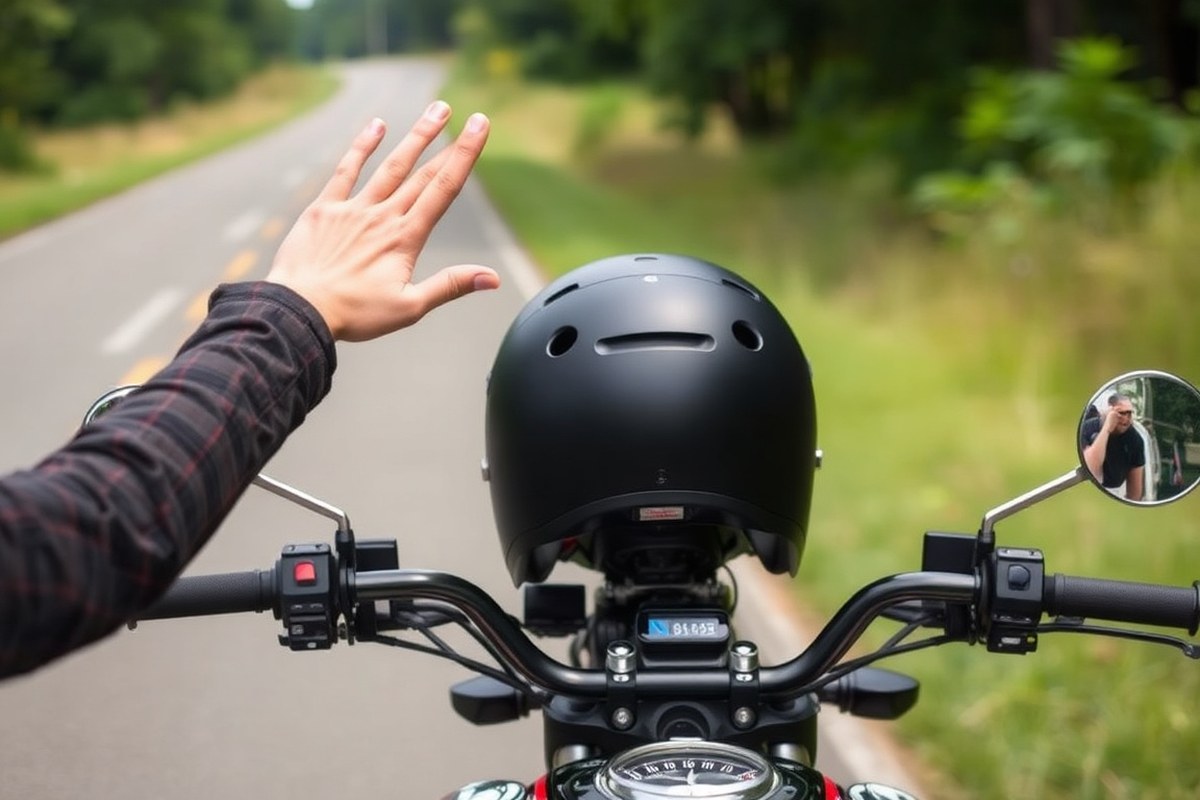
A biker tapping their helmet usually warns other riders about police or speed traps ahead. This signal is simple: one or two open-palm taps on the top of the helmet. It alerts you to stay alert for potential law enforcement or hazards on the road.
This helmet tap is widely recognized by motorcyclists worldwide. Most riders learn it early as a universal heads-up signal within the biker community. You’ll often see it during group rides or when passing other riders on the highway.
The signal can have slight variations depending on the situation. A single tap means “police ahead.” Several quick taps signal a stronger warning.
They tell you to watch conditions carefully. Sometimes, a tap is followed by pointing to indicate the exact location of a hazard.
Not every helmet tap means police are nearby. It can warn you about other dangers. These include road debris or accidents.
Also, it may warn about tricky intersections. Paying attention to the context helps you interpret it correctly and respond safely.
To do this signal, open your palm. Gently tap the top of your helmet once or twice. The motion should be clear but not aggressive.
So other riders can easily see it. Avoid excessive tapping since that can confuse others or seem like a different signal.
Recognizing this tap early helps you prepare to slow down or increase focus on the road. Misreading it or missing it could lead to encountering hazards unexpectedly. When you see a helmet tap, look ahead quickly.
Check for police cars or speed cameras. Watch out for obstacles in your lane.
Why Do Motorcyclists Use Helmet Taps Instead of Other Signals?
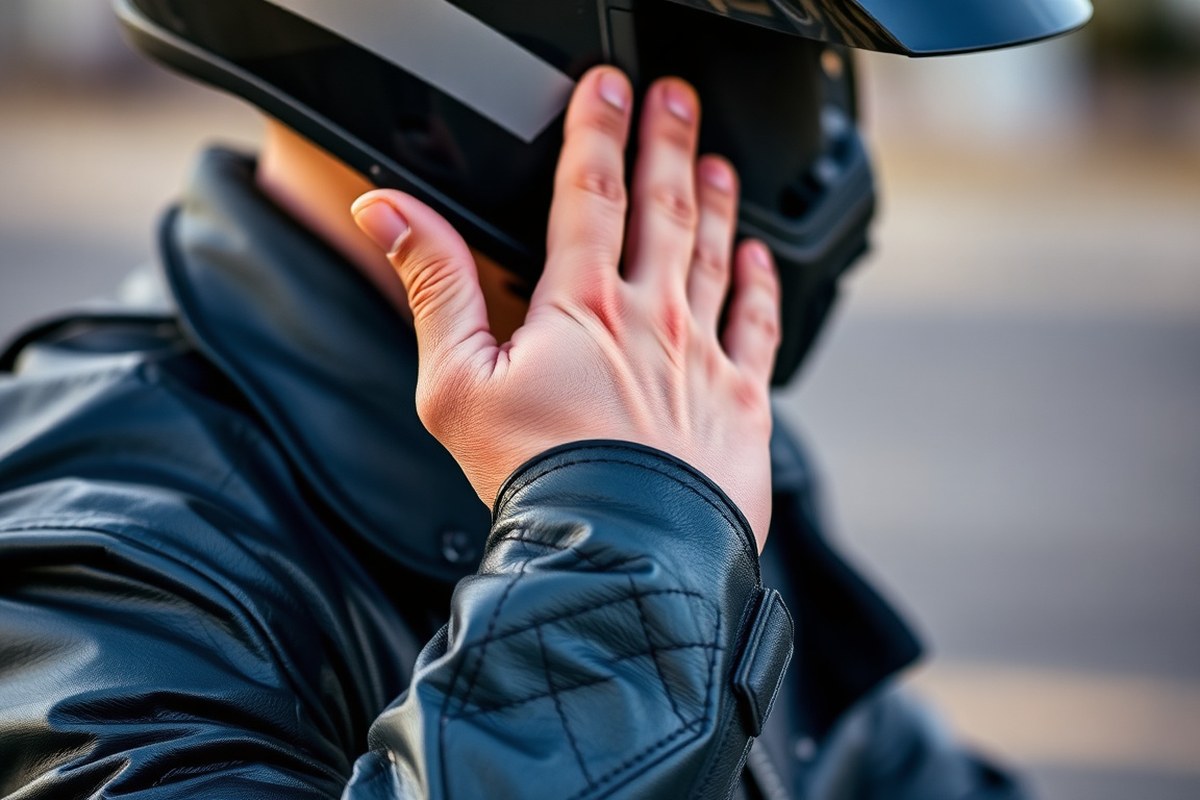
The helmet tap stands out because it’s quick and easy to perform. Riders tap their helmets lightly. It only takes a second.
You don’t need to take your hand fully off the handlebars. This is safer than waving hands around.
Waving needs more movement. It can distract you or affect your bike’s balance.
Helmet taps can be seen easily by riders right behind or next to you. The motion is up close. Helmet tapping works even with sun or traffic blocking hand signals.
It’s easy to spot for riders close by. Flashing headlights face local limits and may be ignored by cars. Helmet tapping clearly signals nearby motorcyclists without these issues.
This method doesn’t need any special gear or technology. Anyone can tap their helmet anytime without setup or expense.
This makes it a reliable choice for all riders, especially those in groups. Using a helmet tap conveys a shared understanding quickly without confusion.
Compared to other signals, helmet taps warn broadly rather than precisely. Hands pointing or feet nudging identify specific hazards. But those take longer or a free limb.
You can alert others fast with helmet taps. Tell them to slow down, stay alert, or keep a calm pace.
Riders tap helmets to warn about police or danger. It’s handy when talking or flashing lights isn’t safe. Helmet taps use little motion.
This helps keep bikes stable. It’s great on twists or bumpy roads. This small move can prevent bigger problems.
Make your helmet tap clear and easy to see. Tap firmly but briefly. Avoid confusing it with other moves.
Common Variations of Helmet Tapping and Their Meanings
Helmet tapping varies with the number of taps and additional gestures. Each style sends a distinct message to other riders. Recognizing these helps you react correctly while riding.
Single Tap Signals Explained
A single tap usually means “watch out” or “slow down.” It’s a quick, subtle way to alert others without making a big scene. You tap the helmet once with your fingers or open palm, firm but gentle.
Doing the tap once, right on top or the helmet side works great. It gets attention quickly.
This signal warns riders about something ahead, like rough road or a hazard. It works best when you’re riding close together.
Multiple Tap and Pointing Variations
Multiple taps often intensify the message. Two or three taps can mean an urgent warning or “check that out.Adding a point toward the helmet shows a problem. It can mean headlight glare or police nearby.
Tapping your helmet then pointing at it sends a clear message. It means “high beams ahead” or “police nearby.”An open-palm tap with a thumb point warns of bright headlights. It tells riders about glare troubles.
Tapping in circular motions or rubbing the helmet can indicate cops on the road. The gestures rely on shared understanding within the group, so clarity matters.
| Signal | Meaning | How to Do It |
|---|---|---|
| Single Tap | Slow down or be cautious | Tap helmet once with fingers or palm |
| Double/Triple Tap | Urgent alert or look here | Tap helmet two or three times quickly |
| Tap + Point | High beams or police presence | Tap helmet then point thumb toward it |
| Open Palm Tap | High beam headlights | Tap helmet with open palm gently |
| Rubbing Helmet | Police nearby | Rub helmet in circular motion |
Regional Differences in Helmet Tapping
Some signals vary depending on where you ride. Groups and cultures develop their own helmet tap meanings over time.
In South Dakota, pointing to your helmet isn’t against the law. It often signals a police presence nearby.
You might see more open-palm taps in certain areas. Others favor quick single taps. The variation means you should watch closely and learn local hand signals before joining group rides.
Recognizing regional habits improves communication and safety. It also helps avoid confusion that could lead to dangerous reactions on the road.
How to Respond When Another Rider Taps Their Helmet
A helmet tap from another rider signals caution. Reduce your speed, watch closely, and scan the road for dangers or cops. Then, let riders behind you know by tapping your helmet too.
Immediate Rider Reactions
First, glance carefully around for any dangers like potholes, debris, or law enforcement. It’s a heads-up to adjust your riding safely before reaching that risk. Keeping calm while evaluating the situation helps avoid quick, unsafe moves.
A slower speed gives you more time to respond to sudden stops or obstacles. Never brake abruptly unless necessary, as this can surprise riders behind you. Let your body language and smooth controls communicate your response.
Passing the Signal to Group Members
Passing the helmet tap keeps everyone informed and avoids surprises. When you get the tap, tap your own helmet once clearly to the rider behind you. This simple step spreads the warning through the whole group.
Don’t rely only on voice or horn signals in noisy or windy conditions. Using the helmet tap is a clear, visible way to share important info quickly. Look behind to make sure riders are aware and replying in kind.
Adjusting Speed and Position Safely
Lower your speed steadily by gradually easing off the throttle. Avoid sudden lane changes unless the hazard or law enforcement requires it. Maintain or shift into a staggered formation safely, keeping the right distance between riders.
Keep about 1 to 2 seconds extra following distance to the bike ahead. This distance gives you room to maneuver safely and see hazards earlier. Stay in your lane unless signaling a turn or pull-off as the group decides.
Here are steps to follow after noticing a helmet tap:
- Look ahead for hazards such as debris, potholes, or police presence.
- Ease off the throttle gradually to reduce speed safely.
- Tap your own helmet once to pass the warning to riders behind.
- Maintain or adjust into a staggered riding position for better visibility.
- Increase following distance by 1 to 2 seconds from the bike in front.
- Use your mirrors to check if the riders behind have acknowledged the signal.
- Only change lanes if absolutely necessary and when you signal clearly.
- Stay alert and prepare to stop safely if the hazard or police require it.
Helmet Taps in the Context of the Biker Code and Group Riding
When you tap your helmet during a group ride, you send a signal. This is a quick, nonverbal heads-up to other riders. Everyone in the group understands this simple gesture.
This signal fits into the biker code. The biker code is a set of unwritten rules motorcyclists follow. It helps riders communicate safely without words.
The biker code is about respect and safety. It makes sure everyone stays on the same page. It also avoids disrupting the ride for others.
The helmet tap often warns about police presence or hazards ahead. Riders tap the top of their helmet with a flat hand. This makes the message clear and easy to spot.
It is a simple, visible signal. This signal helps the group prepare to slow down.
It also tells them to stay alert without causing confusion. The goal is smooth group riding.
Helmet taps also help keep the group together and safe. For example, a helmet tap can mean it’s time for a fuel stop. It also signals a rest break.
This spreads the word quickly among riders. This helps the group avoid sudden stops.
It prevents riders from scattering or getting lost. These problems can lead to accidents in a ride.
Changing the group’s formation can be tricky without clear signals. When a rider taps their helmet, they may signal a pace change. It can also mean they need to shift positions for safety.
This helps keep the group together. Everyone catches the message early and adjusts smoothly without breaking the flow.
To tap your helmet right, lift a flat hand. Keep your fingers together and tap the top once or twice. The signal should be clear but brief.
Keep it deliberate but not too exaggerated. Tapping your helmet too much can confuse other riders.
It may look like a different gesture, like thank you or “follow me.” Some meanings vary by region, like in Asia.
That quick gesture costs nothing but attention and respect. Yet it pays off by reducing surprises on the road. When everyone uses helmet taps properly, the group stays tighter, safer, and more connected.
Not using this signal during key moments can cause riders to scatter. It also means warnings about the road ahead can be missed. This reduces group safety.
Always check your helmet tap’s meaning with context clues. It can change depending on location or situation. Don’t react until you understand the signal fully.
Other Important Motorcyclist Signals to Know Alongside Helmet Taps
Hand signals and light flashes play a important role alongside helmet taps for rider communication. They work well for clear messages like turns, stops, and hazards. These signals let you react safely when voice communication isn’t possible at highway speeds.
Some hand signals are easy to spot from a distance. For turns, extend your left arm straight out. Lowering your left arm down signals a stop or slowing down.
Pointing with your left hand or right foot shows a hazard on the road. These are good last-moment warnings for riders behind you.
| Signal | How to Do It | When to Use |
|---|---|---|
| Left Turn | Extend left arm straight out sideways | Before changing lanes or making a left turn |
| Stop or Slow | Lower left arm down with palm facing back | To warn riders and drivers you’re slowing or stopping |
| Hazard Ahead | Point left hand or right foot toward hazard | To alert riders of obstacles or conditions ahead |
| Helmet Tap | Lightly tap top of helmet with hand | To signal a warning or catch attention in group rides |
| Light Flash | Flash high beam briefly | To alert other riders to a hazard or express courtesy |
Every rider should master these basic signals and use turn signals when possible. Hand signals complement helmet taps by showing clear instructions. Flashing your headlights can work like a quick alert too.
These gestures take just moments but help keep everyone in the group informed. The cost is minimal, no gear changes, just hand and light control. Problems happen when signals go unseen or misread.
So making your moves clear is key. Using these signals builds smoother, safer rides for you and others on the road.
Common Mistakes and Misinterpretations of Helmet Taps
A common mistake riders make is confusing helmet taps with other gestures. A quick tap usually means “hazard ahead.” Some riders think it’s just a greeting.
Others see it as a random motion. This mix-up leads to missed warnings, which can cause accidents, especially at higher speeds.
New or non-riders often misread the signals because they lack practice recognizing them in real time. Sometimes, the tap can seem too faint or too heavy, creating uncertainty about the urgency. Overthinking what the tap means wastes valuable seconds when you need to adjust your riding.
Always confirm the tap’s meaning if you are unsure. Use a quick glance. Or do a verbal check before rides.
Practicing in small groups helps a lot. Everyone should agree on what each signal means before hitting the road. The Motorcycle Safety Foundation recommends rehearsing these signals to build fast, automatic reactions.
Group rides become clearer if all riders keep helmet tapping consistent and deliberate. Agree on the tap speed and number to avoid mixed signals. Do this for alerts like debris or slowed traffic.
A single tap can mean “obstacle nearby.” Two taps might mean “slow down” or “stop.””
Some riders forget the tap is meant for those behind them. So they might tap too early or too late. Put your hand up and tap when close enough for the rider behind.
Don’t tap so late they cannot react. Always keep your head and eyes focused forward to prevent missing taps from others.
Group practice rides can reveal misunderstandings and improve signal timing. Spend 10 to 15 minutes riding around a parking lot and exchanging taps. Talk afterward about what each tap felt like and how well the group understood it.
Change tap timing or force based on these practice sessions. This helps keep safety the priority.
Avoid moves that look like taps but seem accidental. Don’t touch your helmet or head by mistake. For new riders, a clear, firm tap works best.
This tap feels intentional. Light scratches or brushes might be ignored or misunderstood by riders.
Ignoring helmet taps or responding too late can put you and others in danger. Slow down and scan for obstacles when you get a helmet tap warning.
Don’t assume it’s a joke or an error. Being alert and responsive keeps the whole group safer and riding smoother.
How New Riders Can Practice Helmet Tap and Signal Recognition Safely
Start practicing helmet taps in a safe, controlled setting to build confidence. Use clear, simple signals and get comfortable reading them. Practicing this helps you react correctly when riding in traffic or groups.
Pre-Ride Communication Briefing
Before riding, gather your group or practice partner. Explain the basic helmet tap signals and their meanings. Confirm everyone understands what each tap means and when to use it.
Review common scenarios for helmet taps, like signaling a hazard or police ahead. Discuss how to respond calmly and safely when you see a tap. This briefing sets clear expectations and builds trust for the practice.
Helmet Tap Drills in Low-Speed Areas
Find a parking lot or quiet street with little traffic to practice helmet tapping. Start at walking speed to focus fully on recognizing and giving taps. Make each tap deliberate and hold it for a count of one.
Try drills where one rider taps and the other responds with a nod or verbal confirmation. Repeat taps like a “hazard ahead” tap, then practice moving carefully around an imagined obstacle. Such exercises improve signal timing and reduce hesitation on the road.
Always keep a safe distance and helmet visibility clear during practice taps.
Group Practice and Feedback
Practice helmet taps during group rides in safe, low-speed situations before hitting busy roads. Take breaks to discuss what signals were clear and where confusion happened. This helps the whole group stay on the same page.
Use a checklist during group practice:
- Confirm all riders know the tap meanings
- Practice taps at slow, controlled speeds
- Give and receive signals clearly and visibly
- Review proper responses to each tap
- Check helmet fit and visibility to ensure signals show
- Discuss any unclear taps or misinterpretations
- Repeat drills until everyone feels confident
Regular group feedback builds trust and prevents mistakes during real rides. It also lets riders adjust their taps for better visibility under different weather or light conditions.
Technology and Helmet Tapping: Modern Communication Enhancements
Bluetooth headsets let riders speak clearly without yelling over the wind. These devices sit inside your helmet and connect to your phone or other riders. They usually work up to about 800 feet.
This range suits group rides. It works well on highways and city streets.
Mesh networking takes this a step further by linking many riders in larger groups. Mesh systems don’t just connect with one person. They form a network.
This network can cover a couple of miles. You can hear when someone spots trouble.
You also hear if plans change. No hand signals are needed for this.
Even with this tech, helmet taps are still important. Technology can fail from battery loss or signal drops. A quick tap grabs attention right away.
This helps if your headset fails. It also works if you’re not checking mirrors.
Many riders use their Bluetooth intercoms together with helmet taps for clear communication. You might tap your helmet to warn of danger. Then you speak the details using your headset.
This keeps others informed quickly. This combo helps make sure everyone understands without confusion or delay.
Getting these systems often costs $100 to $300 per headset. Installation is straightforward.
But you may need to read the manual carefully for pairing with other riders. New users sometimes forget to check battery life, which can ruin a planned group chat mid-ride.
Good results happen when riders practice using both taps and tech signals before hitting the road. Knowing when to tap or simply speak makes safety warnings faster and smoother. That extra care can easily prevent accidents or last-minute scares.
Tech also supports features like GPS sharing and emergency calls. Some helmets even offer voice-activated controls.
So you don’t take your hands off the bars. This reduces distractions but doesn’t replace simple gestures like a helmet tap.
Bluetooth headsets and mesh networks improve riding communication. But the helmet tap stays useful. It’s still needed in some situations.
Helmet taps add safety that tech can’t always give. This is true when it’s noisy or tricky. It helps avoid misunderstandings.
Step-by-Step Action Plan for Recognizing and Using Helmet Taps
Start practicing helmet taps safely and learn to respond correctly when riding. Follow these steps to build your confidence and awareness.
- Before Your Next Ride: Review common helmet tap signals and meanings. Use a trusted guide or video, so you can spot taps easily.
- Day 1: Ride with an experienced friend who uses helmet taps. Watch carefully for their signals and ask questions after riding.
- Week 1: Practice tapping your helmet to communicate simple messages like “hello” or “check your mirror.” Notice how your riding partner reacts.
- After 2 Weeks: Join group rides to observe helmet taps in real-world settings. Pay attention to timing and variations during different traffic situations.
- Week 3: Respond with helmet taps or other hand signals as appropriate. Make sure your taps are clear and consistent for your group.
- Week 4: Combine helmet tapping with new technology like Bluetooth headsets. Test how signals and voice communication work together.
- Ongoing: Stay alert for new rider signals and update your communication skills. Practicing often helps avoid mistakes or misunderstandings on the road.
Frequently Asked Questions
What Does It Mean When a Biker Taps His Helmet?
A biker tapping their helmet usually signals “Police ahead.” It’s a common warning to help riders stay alert and adjust speed.
Why Do Motorcyclists Use Helmet Taps Instead of Hand Signals?
Helmet taps are quick and safe because your hands stay on the bars. They let you alert others without losing control or breaking formation.
What Should You Do If a Rider Taps Their Helmet During a Group Ride?
When you see a helmet tap in a group, stay alert and scan the road. It usually means a potential hazard like police or obstacles ahead.
Can Helmet Tapping Mean Different Things Depending on the Country?
Yes, in Asia, helmet taps often mean “Thank you” or “Follow me.” Context and riding group habits matter for interpreting the signal.
How Can New Riders Practice Recognizing Helmet Taps Safely?
New riders can watch experienced groups and practice spotting taps without reacting impulsively. Always confirm signals safely before changing speed or direction.
Wrapping Up
A biker tapping his helmet is a simple, clear way to share important info or greetings. Pay close attention to these taps when riding solo or in groups.
Start practicing helmet tap recognition on your next ride. It helps improve safety and your connection with other riders.