What Is a Potential Hazard Associated with Abrasive Wheels: A Complete Safety Guide
What is a potential hazard associated with abrasive wheels? The biggest risk is wheel breakage or failure during use. This can send fragments flying, causing serious injuries like cuts, bruises, or even amputations.
Abrasive wheels spin very fast, from 6,000 to 15,000 rpm, making any failure dangerous. Using the correct wheel for your tool and machine is critical. Always check compatibility and avoid wheels that don’t fit right or match your grinder’s speed.
Guard exposure limits matter, too. OSHA limits the exposed part of cutoff wheels to 150°. For grinders, the limits are even tighter.
These rules help keep workers safe. These guards help shield you if a wheel shatters or breaks.
Improper use, such as applying excessive pressure, can worsen wheel failure risks. Damaged or cracked wheels increase chances of breaking during operation. Regular inspection before use helps catch these problems early and avoid accidents.
Key Takeaways
- Always use abrasive wheels that match your machine’s speed and size.
- Inspect wheels before use for cracks, chips, or damage.
- Keep guard exposure within OSHA limits to protect from fragments.
- Wear proper PPE like safety glasses, gloves, and hearing protection.
- Handle and store wheels carefully to prevent damage or warping.
- Conduct regular risk assessments to spot and fix potential hazards.
What Is the Main Potential Hazard of Abrasive Wheels?
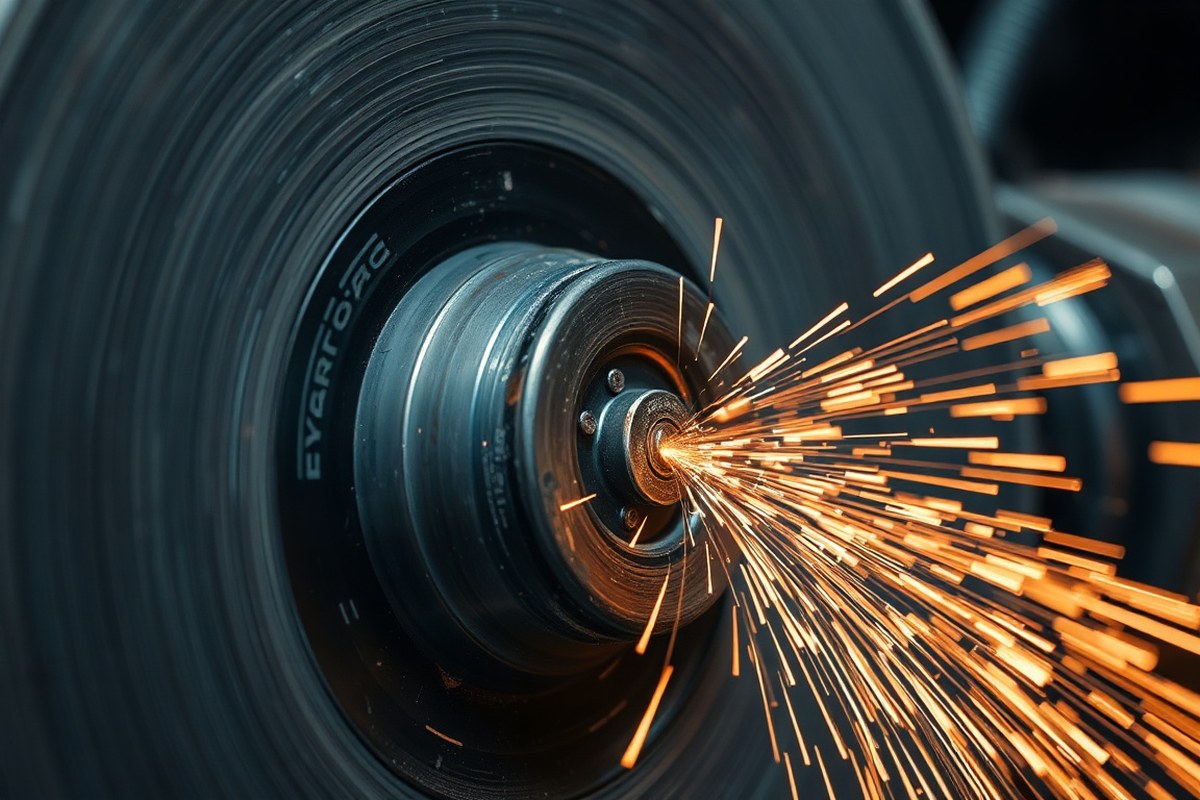
The main hazard linked to abrasive wheels is the risk of serious physical injury. These wheels spin fast, from 6,000 to 15,000 RPM. They can cause serious accidents if they break.
Direct contact with a wheel is also dangerous. Injuries often happen due to wheel bursts, flying fragments, and contact with the rotating surface.
Abrasive wheels can cause cuts, lacerations, and even amputations. They also pose risks of eye injuries from flying particles and burns from friction. Hands and fingers face risks without proper wheel guards.
Operators losing control also increases injury chances. Proper protection reduces these dangers.
Grinding creates dust and fumes that may harm lungs. Employers must assess and control dust risks under COSHH 2002. Vibration from wheels can cause nerve and blood flow issues.
Abrupt wheel failure is one of the deadliest risks. Wheels can explode or shatter if damaged, used incorrectly, or mounted improperly.
Operators need to inspect wheels before each use for cracks or damage. Follow the manufacturer’s speed limits and use only wheels that fit the machine correctly.
Using the wrong wheel type causes many accidents. Ignoring safety guards is a common error. Mishandling wheels also leads to injuries.
These increase the chance of accidents. Proper training and adherence to safety procedures improve worker safety and reduce injuries.
Many accidents result from unsafe work practices or operator error. Wearing proper personal protective equipment (PPE) like safety goggles, gloves, and dust masks cuts the risks. Always check guards are secure before wheel changes.
Turn off machines to stop unexpected startups. These steps prevent many accidents.
How Wheel Breakage and Failure Pose Significant Risks
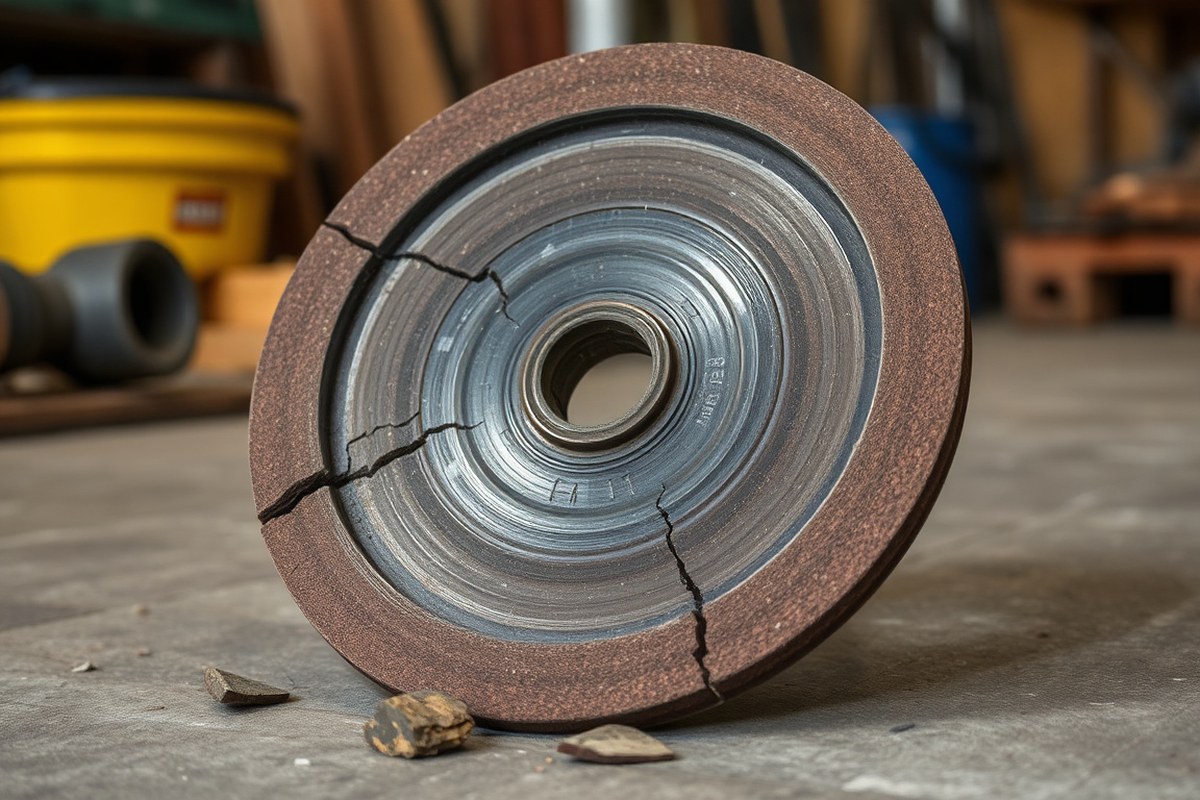
Abrasive wheels spin at very high speeds, often between 6,000 and 15,000 RPM. A wheel break or explosion during use can throw sharp fragments. These fragments can cause serious injuries.
Stay alert when handling abrasive wheels. These hazards can cause deep cuts and burns.
Amputations can also happen. These risks increase if you’re close to the wheel.
Wheel breakage usually happens due to cracks, chips, or improper mounting. Other causes include using the wrong wheel type or exceeding the recommended speed. Vibrations from incorrect wheel size or weight also weaken the wheel, increasing failure chances.
Watch for these warning signs before use to avoid accidents:
- Visible cracks or chips on the wheel surface
- Uneven wear or warping of the wheel
- Unusual vibrations or noises during operation
- Wheel wobbling or not sitting flush on the spindle
- Over-speeding beyond the wheel’s maximum rated safe speed
- Damaged or missing mounting flanges
- Failure of a prior ring test indicating concealed damage
Conduct a ring test before every mounting. Tap the wheel lightly with a non-metal object and listen for a clear, ringing sound.
A dull or dead sound means the wheel has internal damage and must be replaced. Replace wheels immediately if you spot any damage or if they don’t pass the ring test.
The cost of replacing wheels is minor compared to injury risks. Proper inspection takes only a few minutes. It helps prevent accidents and injuries.
This lowers lost workdays and medical costs. Unsafe wheels also reduce work quality due to poor performance and vibrations.
Never use a cracked or damaged abrasive wheel, replace it right away to avoid dangerous breakage.
Why Correct Wheel Selection and Machine Compatibility Matter
Using the correct abrasive wheel type lowers hazard risks. Match the wheel’s speed rating to your machine. This helps keep you safe.
It keeps the wheel stable, avoids unexpected breakage, and ensures safe, efficient work. Choosing wheels for the right job and speed protects you and your tools.
Types of Abrasive Wheels and Their Uses
Grinding wheels and cut-off wheels serve different tasks and have different designs. Grinding wheels like Type 27 are thicker than others. They shape or smooth surfaces by grinding.
These wheels fit specific jobs well. Cut-off wheels are thinner and designed only for cutting through materials.
Mixing these two by mistake can cause the wheel to fail during use. For example, a thin cut-off wheel used for grinding may crack or shatter under pressure. Always pick wheels made for either cutting or grinding the material you will work on.
Matching Wheel Speed with Machine RPM
The abrasive wheel’s speed rating must match or exceed the machine’s rotation speed (RPM). Wheels spinning faster than their speed rating risk breaking apart. This can send fragments flying, causing serious injury.
Before fitting a wheel, check its maximum safe speed printed on its label. Your machine’s operating speed should be on its specifications plate.
Never exceed the wheel speed rating. Allow the wheel to reach full speed before working to keep it balanced.
Consequences of Using Incorrect Wheels
Using the wrong type or speed-rated wheel causes faster wear and safety hazards. The wheel may wear out quickly, leading to uneven grinding or cutting. Worse, it can break apart under stress, causing injuries or damage.
Incorrect wheels lower efficiency and increase downtime, costing you time and money. Using the wrong wheel raises the chance of kickback. Kickback happens when the wheel binds and throws the workpiece.
This is dangerous for your hands and face. This risk can be life-threatening on fast machines.
Competent, trained personnel must install wheels to avoid these hazards. Always follow safety guidelines and training to pick the right wheels and machines. Proper selection is the first step to safe abrasive wheel use.
Here is a quick guide to wheel types and uses. It helps you pick the right wheel fast. Use this guide before you start working.
| Wheel Type | Task | Key Feature | Typical Use |
|---|---|---|---|
| Type 27 (Depressed Centre) | Grinding | Thicker, with a flat grinding face | Surface grinding and shaping metal |
| Type 28 (Depressed Centre) | Grinding | Similar to Type 27, slight angle | Additional versatility with grinding and finishing |
| Cut-Off Discs | Cutting | Very thin, designed to slice materials | Cutting metal rods, pipes, or sheet material |
Choosing the right wheel means looking at your material and job first. Pick a grinding wheel for shaping and a cut-off wheel for slicing.
Check wheel and machine speeds each time. This simple step stops many accidents and keeps your work smooth.
Common Injuries Caused by Abrasive Wheels and Their Mechanisms
Abrasive wheels spin extremely fast, typically between 6,000 and 15,000 rpm. This speed can cause deep lacerations if skin contacts the wheel’s rough surface. These cuts can worsen quickly, sometimes resulting in amputations.
Burns happen when friction from the wheel generates heat. Holding the material for too long can make sparks fly. Pinching the wheel causes hot fragments to come off.
Both can be dangerous on the job. These particles can burn the skin or ignite clothing.
Eye injuries are common due to flying debris or wheel fragments. Even small pieces can scratch or permanently damage the eyes. Wearing proper eye protection helps prevent this severe risk.
In some cases, the wheel can shatter if damaged or run at excessive speeds. Pieces can then hit workers with great force, leading to severe wounds or worse. Using well-maintained wheels and safe speeds reduces this danger.
Noise is an often-overlooked risk. Abrasive wheels create loud sounds that can cause hearing loss over time. Using ear protection minimizes this damage on noisy job sites.
When handling abrasive wheels, carelessness leads to these injuries. Avoid touching wheels during operation and use guards. Proper training and PPE cut the chance of cuts, burns, eye damage, or amputations.
Essential PPE and Protective Measures for Abrasive Wheel Use
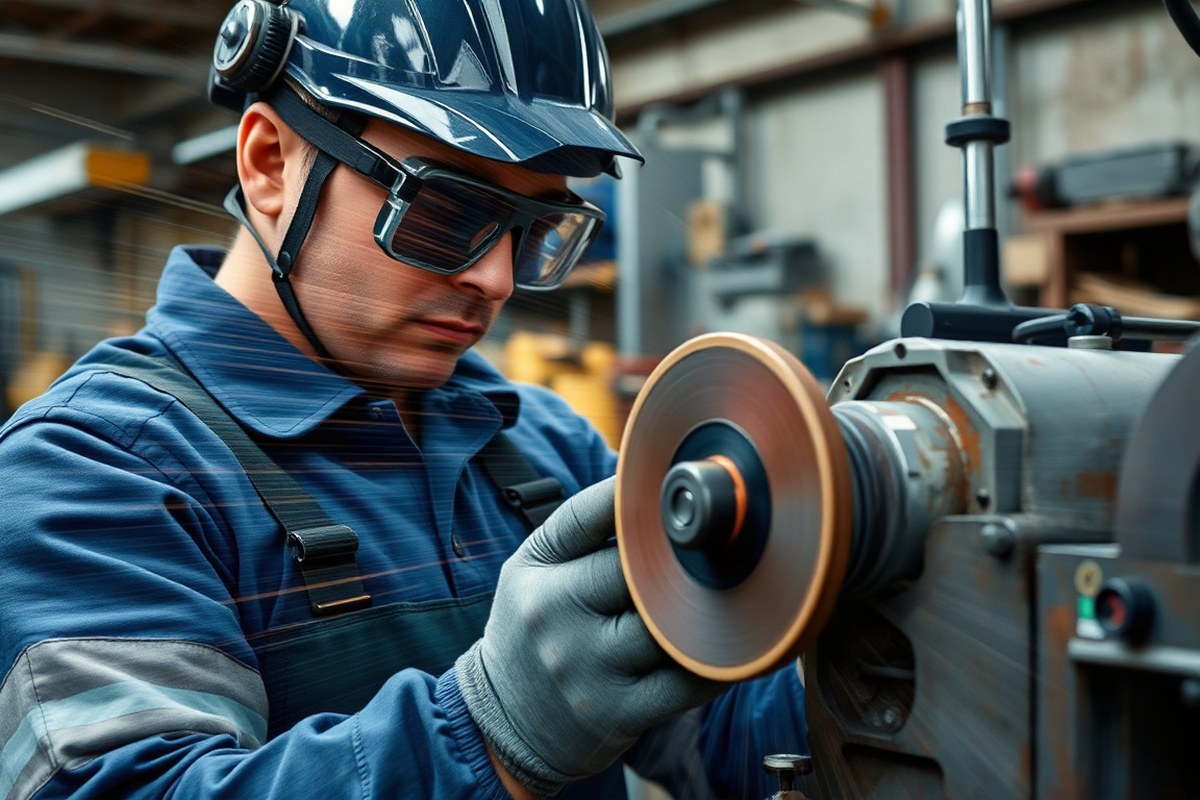
Using abrasive wheels requires you to wear the right protective gear every time. Eye protection like safety goggles keeps debris or sparks out of your eyes. You can also wear a face visor for extra safety.
Both help protect your vision on the job. Sturdy gloves protect your hands from sharp edges and rough surfaces.
Hearing protection is needed because grinders and cutting wheels make loud noise. The sound can damage your hearing over time. Using earplugs or earmuffs helps prevent hearing loss.
Vibration from these tools can cause hand fatigue or long-term issues. Using anti-vibration gloves or taking regular breaks can reduce this risk.
- Wear safety goggles or a full-face visor.
- Use heavy-duty gloves for hand protection.
- Put on hearing protection like earplugs or earmuffs.
- Wear safety shoes to protect feet from dropped pieces.
- Use anti-vibration gloves if working long hours.
- Keep a clean work area free of sparks and dust.
- Ensure proper guards and shields are in place on the machine.
Before starting, check your PPE fits well and is in good condition. Loose goggles or worn gloves reduce your protection.
Keep your work area tidy to prevent hazards like slips or trips caused by debris. Also, never remove wheel guards; they block flying fragments if a wheel breaks.
Never skip hearing protection around abrasive wheels; noise damage builds up quickly.
Employers must make a hazard check to decide the right protective gear for each job. You should also follow all safety rules. Wearing proper PPE is your best defense if a wheel breaks or sparks fly.
It acts as the last shield against injury. Always wear the right gear during grinding work.
How to Safely Handle, Store, and Inspect Abrasive Wheels
To prevent hazards with abrasive wheels, inspect and store them carefully. Use the ring test and visual checks before each use. Store wheels properly to avoid damage and maintain safety.
Pre-Use Visual Inspection
Always check the abrasive wheel for visible damage before use. Look closely for any cracks, chips, or uneven wear that could cause failure. Also, inspect the mounting hole for damage or dirt.
Remove any loose parts or buildup that might affect balance. Never use a wheel that shows obvious damage or wear signs. Regular inspections help spot problems early and keep operations safe.
Performing the Ring Test
The ring test detects hidden cracks or flaws in certain wheels. Use it only on wheel types designed for this test, usually vitrified wheels. Hold the wheel with one hand.
Tap it gently with a wooden mallet. Use a non-metallic object for tapping.
Listen for a clear, metallic ringing sound. Dull or cracked sounds mean the wheel is unsafe.
Do the test in a quiet area to hear the sound clearly. When unsure about the test, skip it and replace the wheel.
Safe Storage Practices
Store abrasive wheels in a dry, cool area free from vibrations and shocks. Keep them flat or hung vertically on strong racks. Avoid stacking wheels on top of each other, which can cause warping or cracks.
Never store wheels near heat sources or chemicals that can weaken them. Use protective covers to shield wheels from dust and moisture. Proper storage extends the wheel’s life and keeps it safe for use.
Handling Tips to Prevent Damage
Always carry wheels with care, holding them by the edges. Avoid dropping or bumping wheels during transport or mounting. Rough handling can cause undetectable damage that leads to failure.
Wear gloves to protect the wheel and your hands. Use padded containers or boxes for moving wheels longer distances. Careful handling reduces the risk of cracks and chips that cause accidents.
- Visually inspect the wheel for cracks, chips, or wear.
- Ensure the mounting hole is clean and undamaged.
- Perform the ring test for wheels that allow it.
- Listen carefully for a clear ringing sound.
- Store wheels on flat surfaces or vertical racks.
- Avoid heat, moisture, and vibrations in storage areas.
- Carry wheels by their edges using gloves.
- Use padded containers for transport to prevent impact.
Legal Regulations and Employer Responsibilities for Abrasive Wheels
The Health and Safety at Work Act 1974 requires employers to protect employees from harm. This law covers abrasive wheel use by mandating safe equipment and procedures. Employers must assess risks related to abrasive wheels and reduce hazards before work begins.
Properly training workers helps meet legal rules on equipment use. PUWER 1998 states only trained people can mount or use abrasive wheels. Competence means knowing the right info and how to use it safely.
Your training should combine online courses with hands-on sessions. This approach shows workers how to check wheels for damage and handle equipment safely.
It takes a few hours and costs vary. But it’s cheaper than accidents or fines.
Employers must keep records of training to prove compliance during inspections. Regular tests check if workers stay skilled with abrasive wheels. This covers growing experience and learning new wheel types.
It helps keep safety top priority. Not updating training increases accident risk and legal liability.
The Health and Safety Executive says nearly half of abrasive wheel accidents come from operator mistakes or bad design. These risks show the need for good training and gear checks.
This shows why employers must supervise work and maintain machines carefully. Standard procedures for inspecting and replacing wheels help catch problems early.
Employees share responsibility by following safety rules and reporting problems swiftly. They should only use wheels they are approved to operate and wear protective gear as required. This teamwork helps reduce accidents and keep everyone safe.
An effective safety program for abrasive wheels blends training, maintenance, and clear rules. It costs time and money upfront but lowers injury rates and possible fines later. Skipping these steps is risky and can lead to serious harm or shutdowns.
Why Proper Training and Competency Reduce Abrasive Wheel Risks
Every worker who operates abrasive wheels needs proper training. This training covers risks and safe use, meeting legal rules like PUWER. Without it, operators can make errors that lead to wheel breakage or injuries.
Operator mistakes often happen when workers don’t know how to set up or handle abrasive wheels. Poorly dressed wheels wear out faster and may shatter. Training shows exactly how to mount and dress wheels safely, avoiding damage or accidents.
Practical sessions help workers gain hands-on skills for their specific equipment and jobs. This makes them more aware of wheel condition and hazards. Supervisors also benefit from training so they can spot problems early and guide their teams.
Training should refresh regularly, usually once a year, or after any incident or change in equipment. Frequent refreshers keep skills sharp and reinforce safe habits. This lowers the chance of operator errors caused by forgetting procedures or using wrong techniques.
Costs vary but expect around a few hundred dollars for full abrasive wheel training courses. This is a small price compared to injury risks. Good training reduces downtime and repair costs by preventing damage and accidents.
Never let anyone use an abrasive wheel without proper, up-to-date training first.
Best Practices to Control and Prevent Hazards with Abrasive Wheels
Controlling risks with abrasive wheels starts with careful checks, correct mounting, and wearing proper protective gear. You need to inspect wheels every day. Mount them properly each time.
Always keep guards in place and know emergency steps. These steps prevent accidents and keep you safe on the job.
Daily Pre-Use Safety Checks
Inspect the abrasive wheel for cracks, chips, or uneven wear before each use. Even small damage can cause the wheel to break during operation. Look at the mounting flanges and spindle to confirm they’re clean and undamaged.
Tap the wheel gently with a nonmetallic tool and listen for a clear ringing sound. A dull or dead sound means the wheel might be cracked. This simple check takes just a few minutes but helps catch issues before they turn dangerous.
Proper Mounting and Dressing Procedures
Use the correct size and type of abrasive wheel for your task and machine. Wheels that don’t match the machine can cause imbalance or failure. Position the wheel on the spindle with matching flanges and tighten securely without overtightening.
Follow these steps to mount wheels properly:
- Clean mounting flanges and spindle to remove dirt and debris
- Use flanges recommended by the wheel manufacturer
- Mount the wheel carefully to avoid damage
- Tighten the clamping nut to the proper torque without overdoing it
- Dress the wheel surface using a dressing tool after mounting, if needed
- Ensure the wheel runs true by spinning it briefly before full operation
Correct mounting keeps the wheel stable and reduces stress that leads to breakage. Dressing the wheel restores its cutting surface and improves performance.
Using Guards and PPE
Keep the fixed guards in place at all times; never remove or bypass them. These guards protect you from flying debris and contact with the wheel. Make sure guards cover two-thirds of the wheel.
Adjust guards close to the wheel’s edge. Check guard fit before use.
Wear eye protection, gloves, hearing protection, and a dust mask during use. PPE reduces the risk of injury from sparks, dust, and accidental contact. Inspect your PPE each day to ensure it’s in good shape and fits properly.
Emergency Response Guidelines
After any abrasive wheel accident, stop the machine immediately and turn off the power. Check the injured person and call for medical help if needed. Alert your supervisor and secure the area to prevent more accidents.
Have these steps ready for emergencies:
- Switch off power and guard the machine
- Provide first aid or call emergency services
- Report the incident to your safety officer
- Preserve evidence like broken wheel parts for investigation
- Follow your workplace’s incident reporting procedures promptly
Quick, proper action minimizes harm and helps prevent repeats by identifying what caused the accident.
Step-by-Step Action Plan to Manage Abrasive Wheel Hazards
Follow this plan to keep abrasive wheel risks under control and protect your team.
- Before you start: Check machine compatibility with the wheel. Confirm proper fit to prevent failure.
- Day 1: Train all workers on safe handling and wheel inspection basics. Test their knowledge through a short quiz.
- Week 1: Inspect all abrasive wheels for cracks or damage before use. Mark wheels that pass the check.
- Week 2: Ensure everyone wears complete PPE, eye, face, gloves, and hearing protection. Watch for consistent use.
- Month 1: Review the current wheel selection against job needs. Swap out any wheels not designed for the material or machine.
- Ongoing: Rotate wheel storage to avoid long-term compression or moisture exposure. Keep storage dry and organized.
- Every 3 months: Conduct refresher training on wheel risks and emergency procedures. Check worker behavior and update as needed.
- After an incident: Stop work immediately and inspect all equipment and wheels. Record findings and adjust safety steps promptly.
Frequently Asked Questions
What Is a Potential Hazard Associated with Abrasive Wheels?
A potential hazard with abrasive wheels is wheel breakage at high speeds. Flying debris can cause serious injuries and workplace damage.
Always check wheels before using them. Inspecting wheels helps prevent accidents in your work area.
Can Abrasive Wheels Cause Respiratory Problems?
Yes, abrasive wheels can produce dust and fumes hazardous to your lungs. Employers must follow COSHH regulations to reduce worker exposure and provide proper ventilation.
How Often Should Abrasive Wheels Be Inspected for Hazards?
You should inspect abrasive wheels before every use and during regular maintenance. Frequent checks help spot cracks and wear that might lead to dangerous wheel failure.
What Type of Injuries Commonly Happen Because of Abrasive Wheel Hazards?
Common injuries include cuts, abrasions, and eye injuries from flying particles. Using the right personal protective equipment helps lower these risks.
Why Is Operator Training important to Managing Abrasive Wheel Hazards?
Training teaches how to use abrasive wheels safely and spot hazards early. Well-informed workers can avoid mistakes that cause accidents.
Wrapping Up
Abrasion wheel hazards come mainly from breakage and misuse. You must focus on proper wheel selection and safety checks every day. Start by training your team and inspecting wheels before each use to reduce risks fast.